Decide the Delhi trip shape before listing sights
Delhi can be approached through monuments, markets, food, museums, political history, religious sites, gardens, and everyday street life. A first-time visitor should choose the trip shape before collecting more stops than the schedule can support.
A clear theme prevents a scattered visit.
- Choose two or three priorities such as Mughal monuments, Old Delhi, museums, markets, gardens, or food.
- Keep arrival and departure days lighter than full sightseeing days.
- Avoid combining every famous sight unless the trip length, traffic, weather, and stamina can support it.
Choose a base that protects arrival and movement
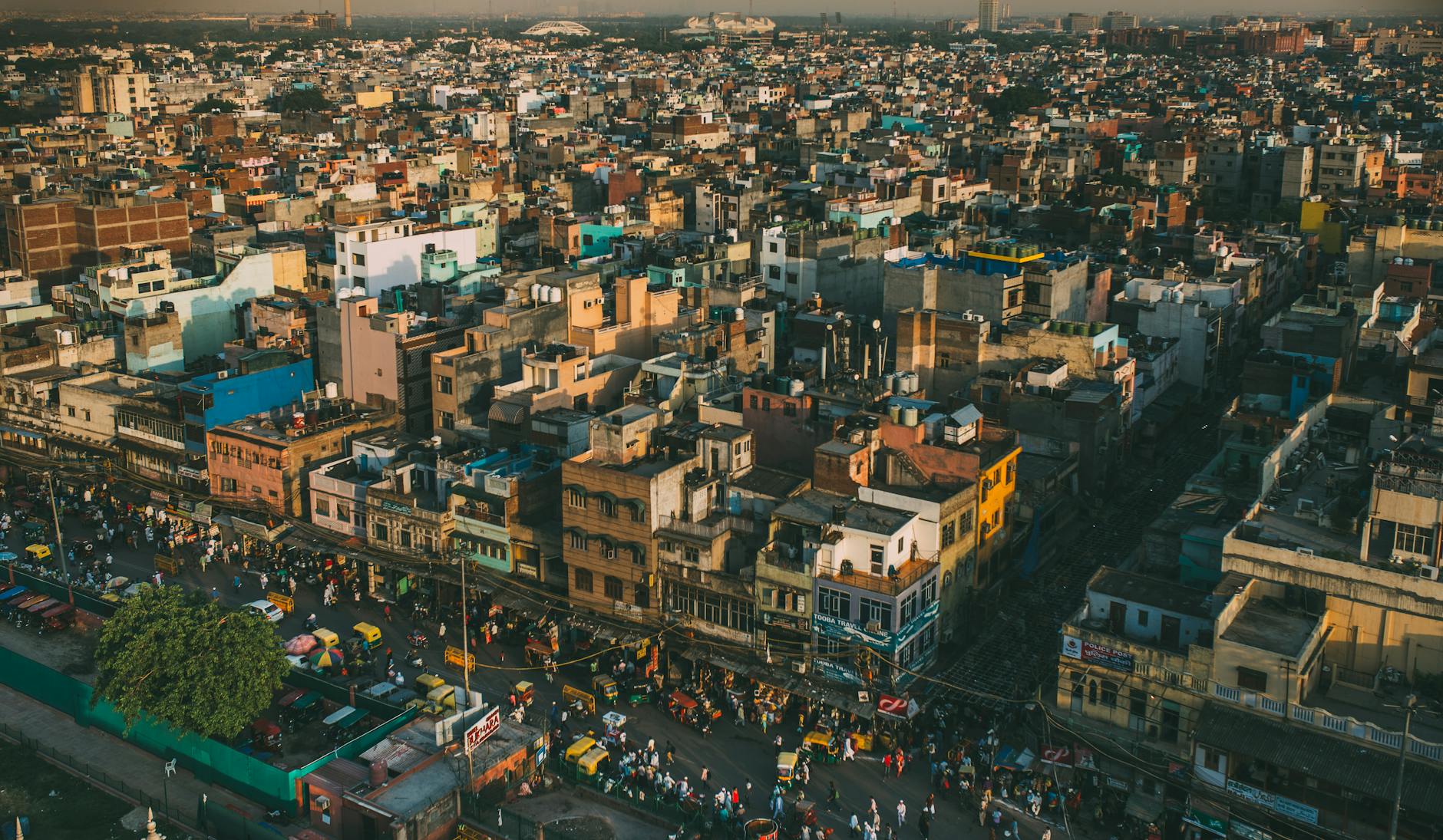
Hotel location shapes the first Delhi experience. A first-time visitor may value a calmer base, airport access, trusted dining, nearby metro or driver access, and a neighborhood that does not make every outing feel complicated.
The base should make the city easier to start.
- Compare Central Delhi, South Delhi, Aerocity, and other candidate areas against the actual itinerary.
- Check airport transfer time, evening return comfort, breakfast, room quiet, and nearby reliable meals.
- Do not book purely by low price if it creates long transfers or difficult late-night arrivals.
Group major sights by geography and stamina
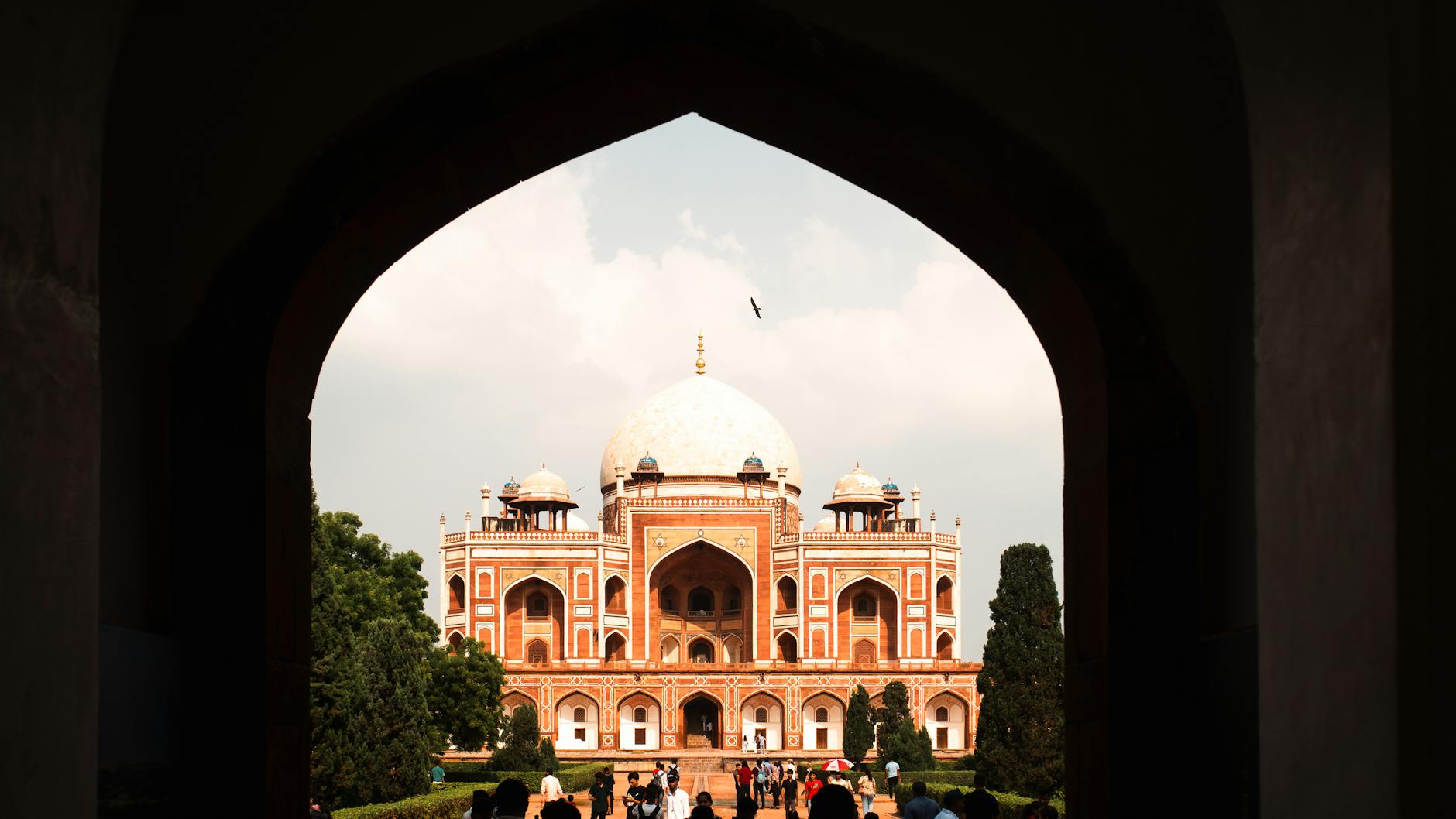
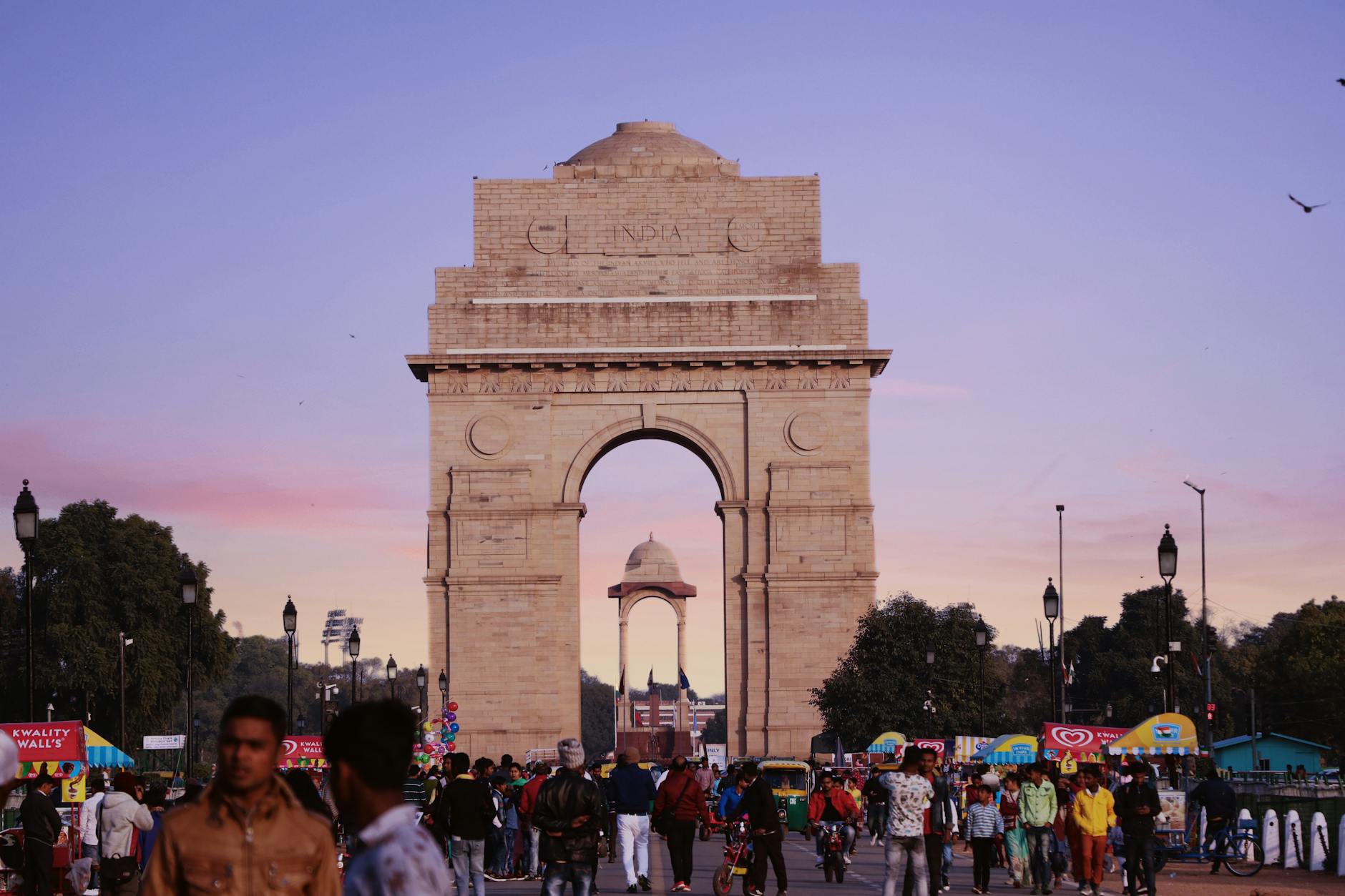
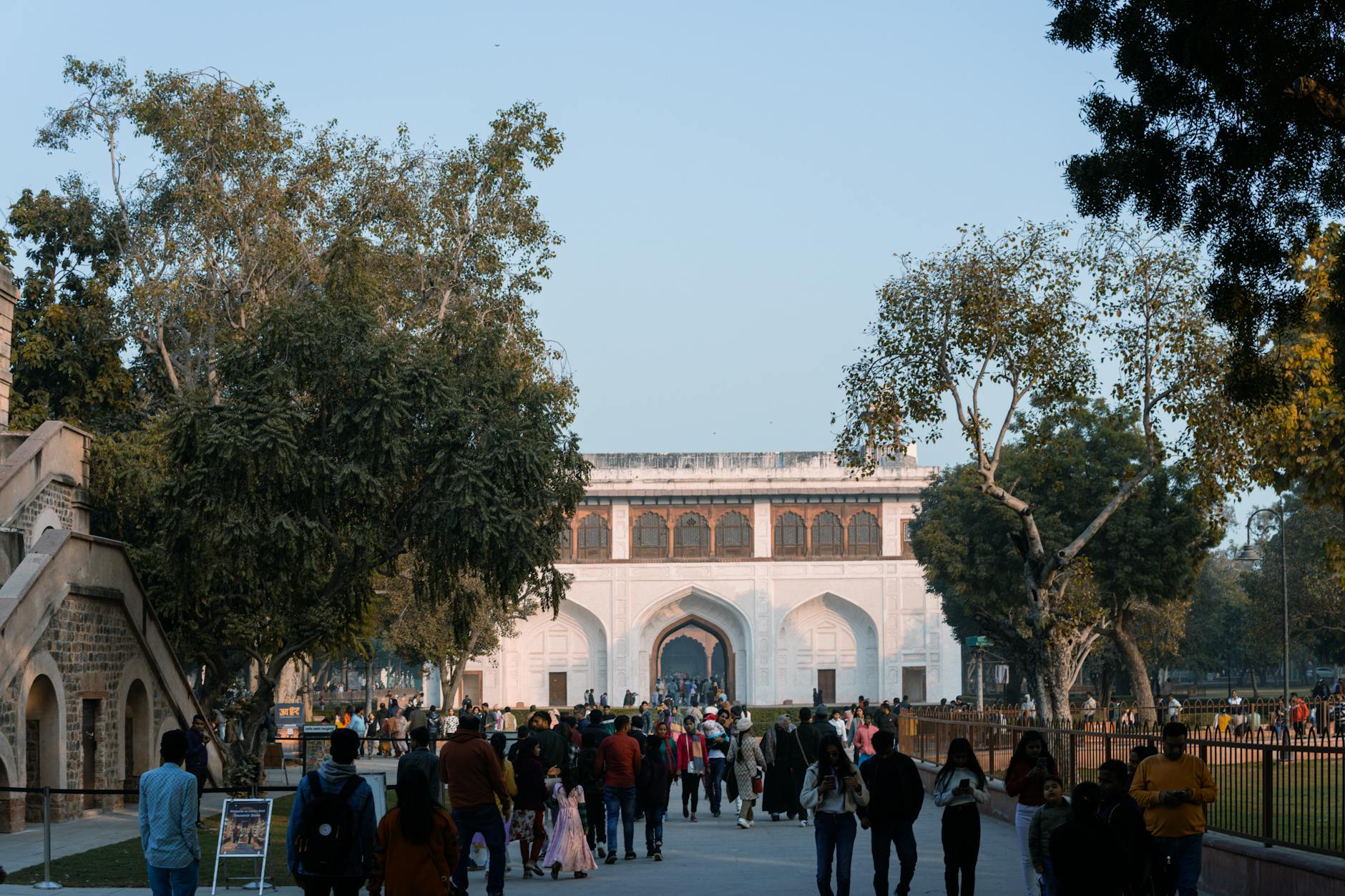
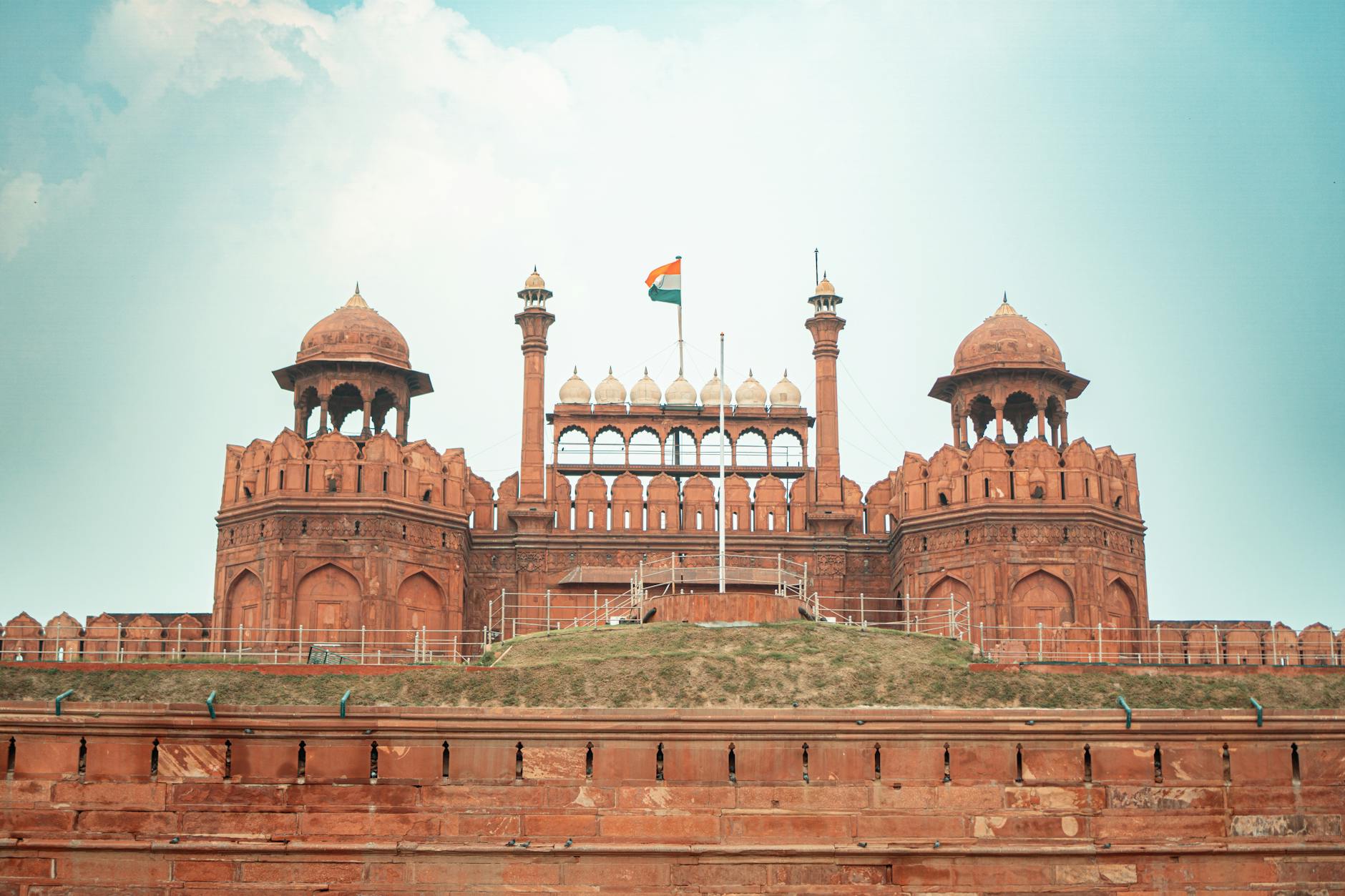
Delhi's major sights are not one compact checklist. Red Fort, Jama Masjid, India Gate, Humayun's Tomb, Qutub Minar, Lodhi Garden, museums, markets, and newer districts belong to different movement patterns.
Sightseeing should be grouped, not stacked.
- Cluster sights by district and time of day instead of crossing the city repeatedly.
- Limit each day to one main demanding area plus one easier stop or meal.
- Check closures, entry rules, security lines, heat exposure, and walking distance before setting the order.
Treat traffic, heat, air quality, and security as planning inputs
A first-time Delhi plan should account for traffic, security checks, seasonal heat, winter fog, air quality, crowds, and uneven walking conditions. These are not reasons to avoid the city, but they should shape the pace.
Comfort choices make the trip more successful.
- Check forecast, air quality, and opening times before locking each day.
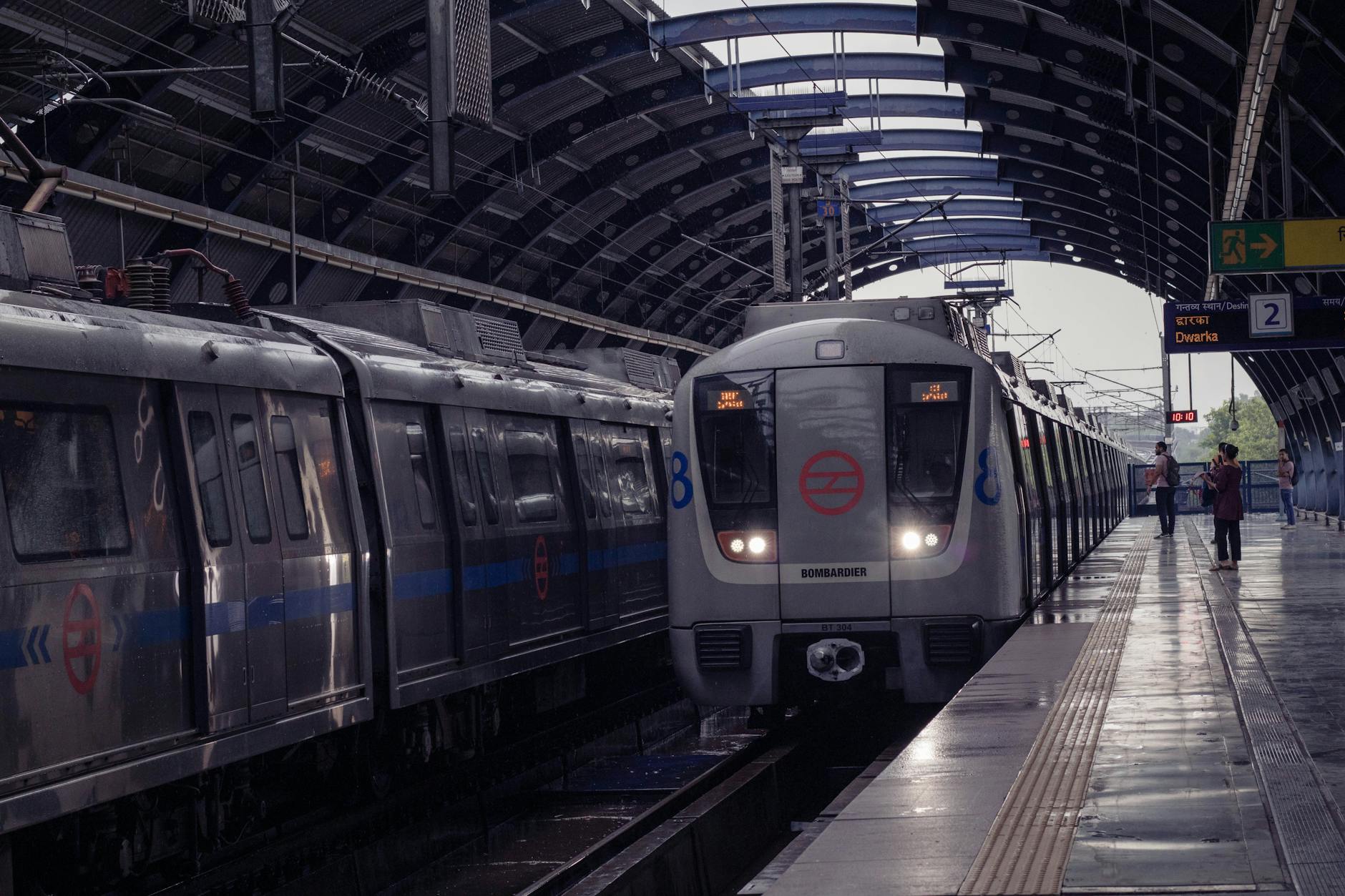
- Use metro, hotel cars, vetted drivers, or rideshare according to route complexity and comfort.
- Carry water, medication, sun protection, phone battery, and offline addresses.
Eat and shop with confidence, not pressure
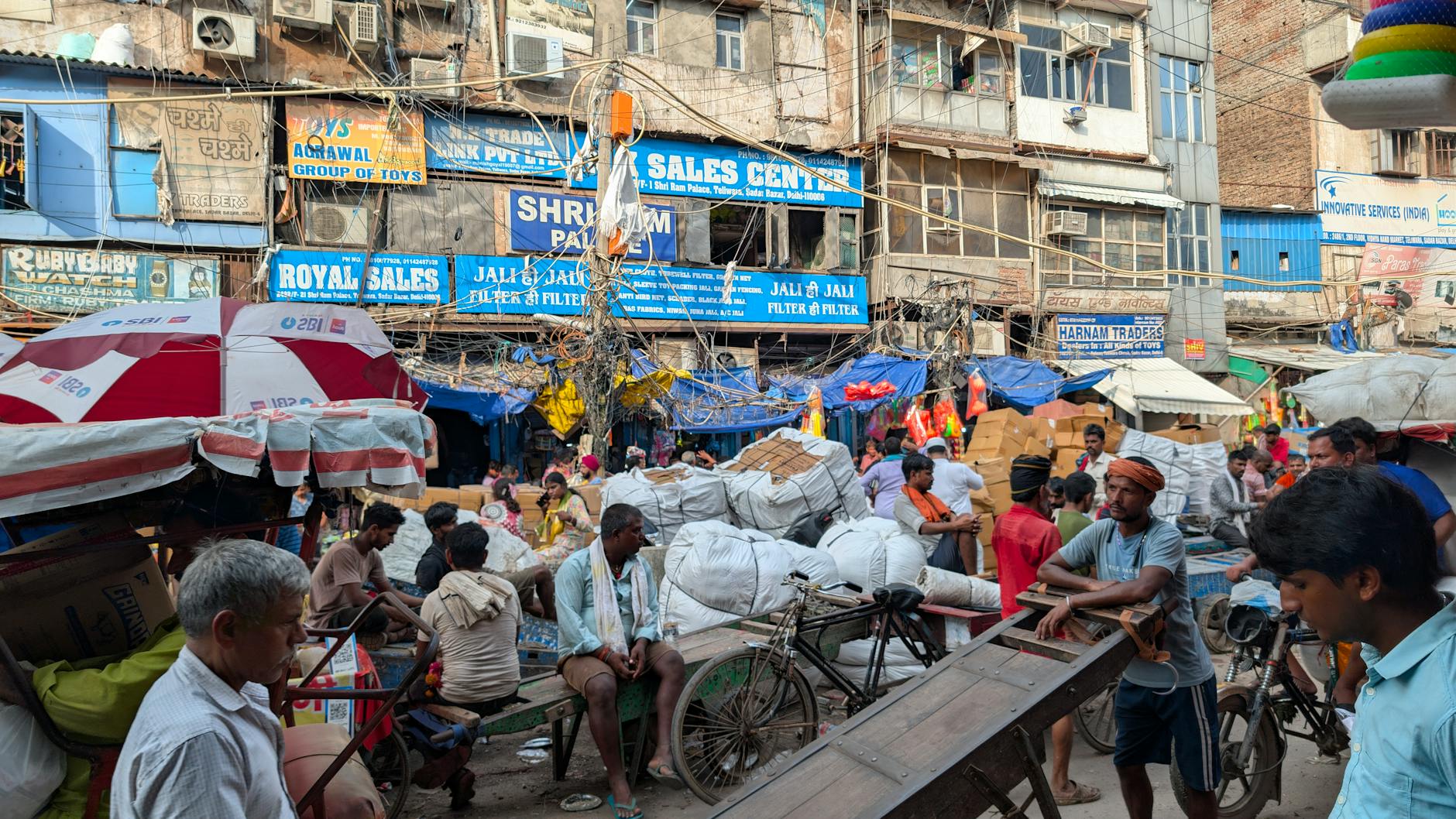
Delhi food and shopping can be highlights, but a first-time visitor should choose them with timing, hygiene confidence, bargaining comfort, allergies, spice tolerance, and transport in mind. The goal is enjoyment, not endurance.
Markets and meals work best with boundaries.
- Pick a few reliable food stops rather than grazing all day before long transfers.
- Use trusted recommendations for street food, restaurants, tea, sweets, and market areas.
- Set a shopping budget and transport plan before entering crowded markets.
Keep one calm fallback day or half-day
A short first trip to Delhi benefits from one deliberately lighter block. Weather, jet lag, traffic, crowds, illness, delayed baggage, or a sight that takes longer than expected can make a fallback block valuable.
A flexible pause improves the whole trip.
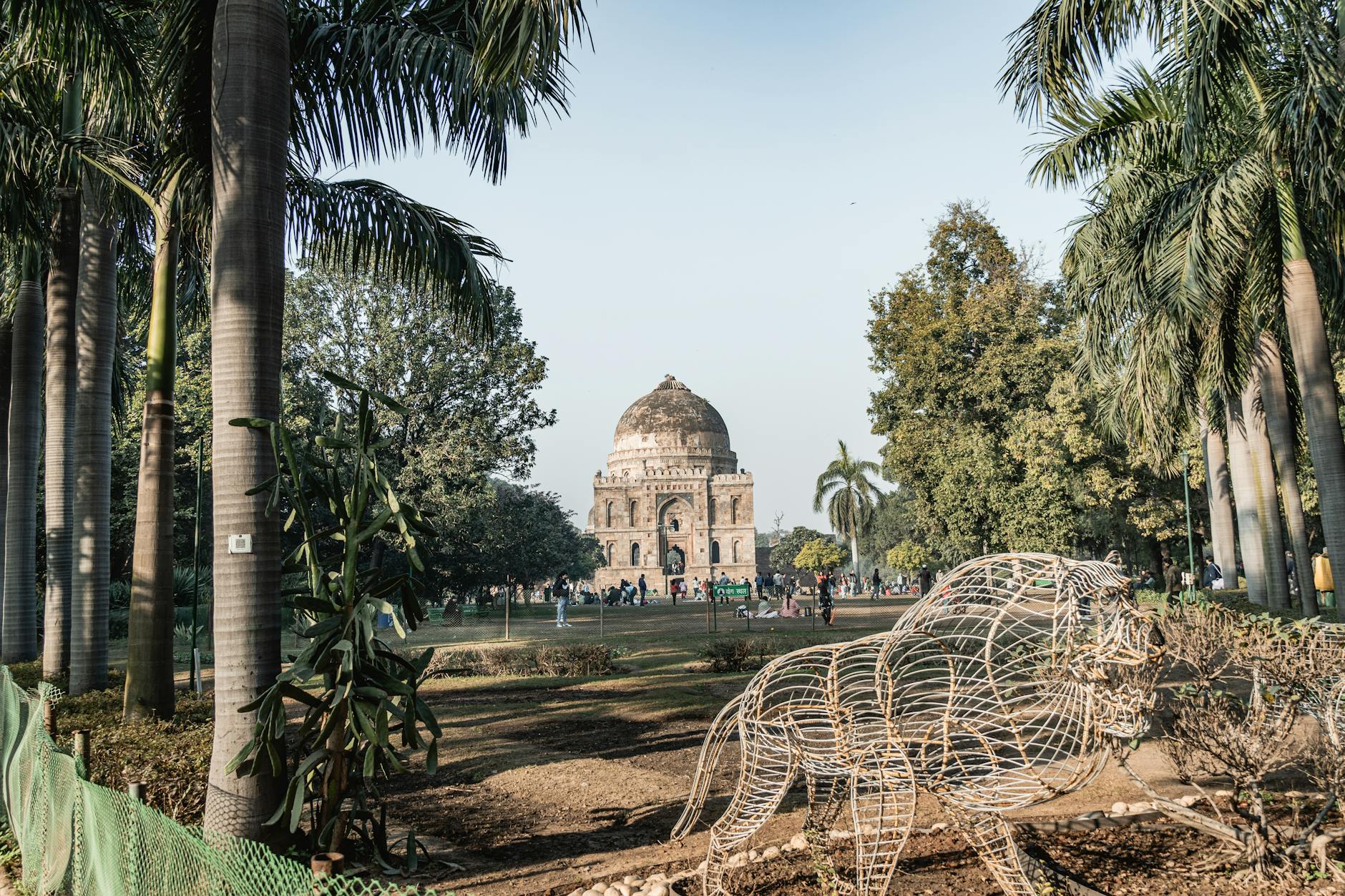
- Hold one garden, museum, cafe, spa, or hotel-rest block as a recovery option.
- Use the lighter block after Old Delhi, a long monument day, or a late arrival.
- Keep a simple indoor backup for poor air quality, rain, heat, or fatigue.
When to order a short-term travel report
A first-time visitor with a simple escorted itinerary may not need a custom report. A report becomes useful when Delhi arrival, hotel area, sightseeing priorities, traffic, food, markets, heat, air quality, safety comfort, and departure timing need to be shaped into a short first visit.
The report should test hotel districts, airport transfer, route grouping, sight closures, transport choices, meal options, market timing, weather and air-quality backups, and realistic pacing. The value is a Delhi plan that feels clear without flattening the city.
- Order when hotel area, first-day arrival, sightseeing order, transport, food, markets, or health factors need coordination.
- Provide dates, flights, hotel candidates, interests, mobility needs, dietary concerns, budget, and preferred pace.
- Use the report to make the first Delhi visit selective, comfortable, and easy to adjust.