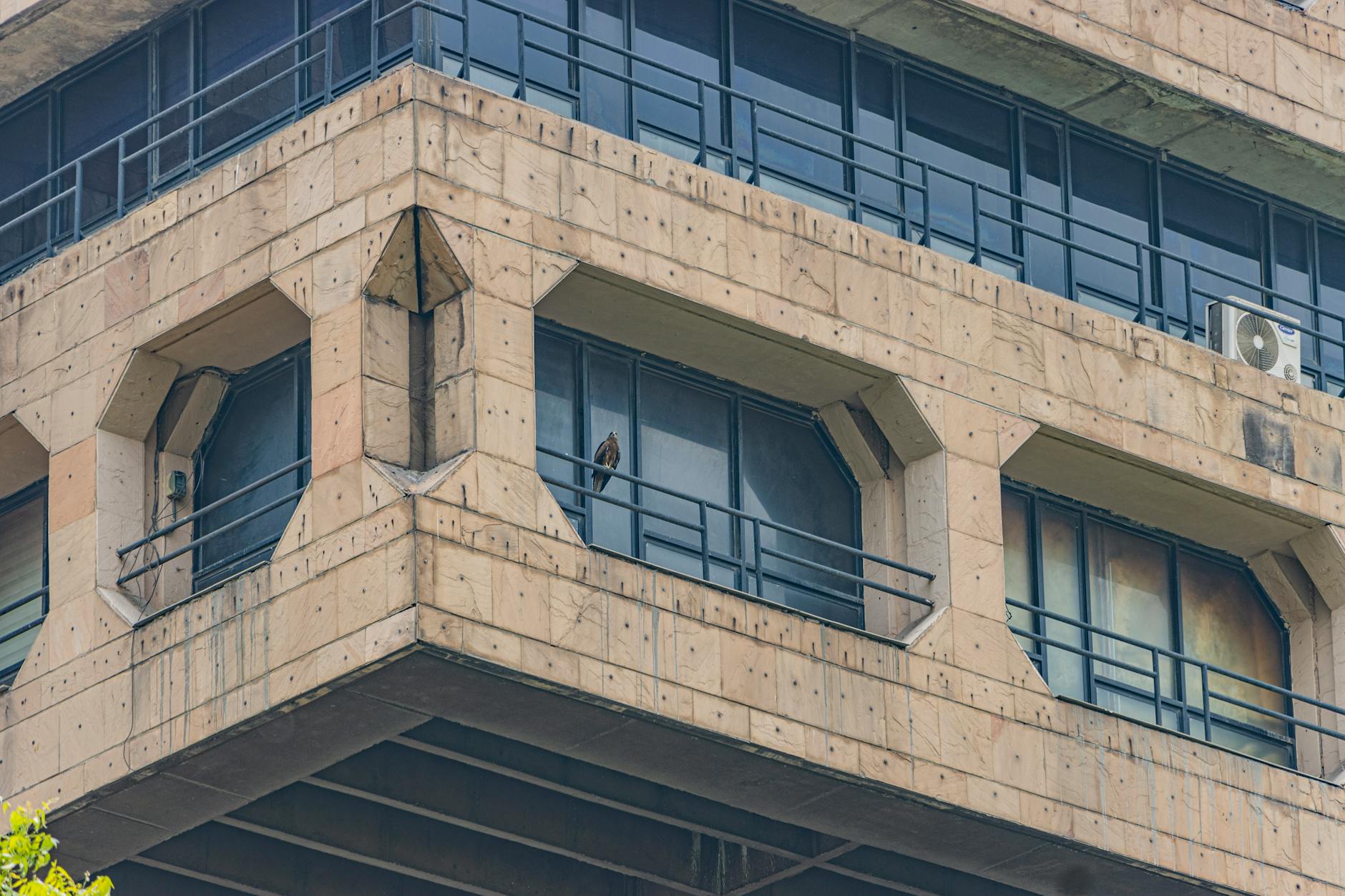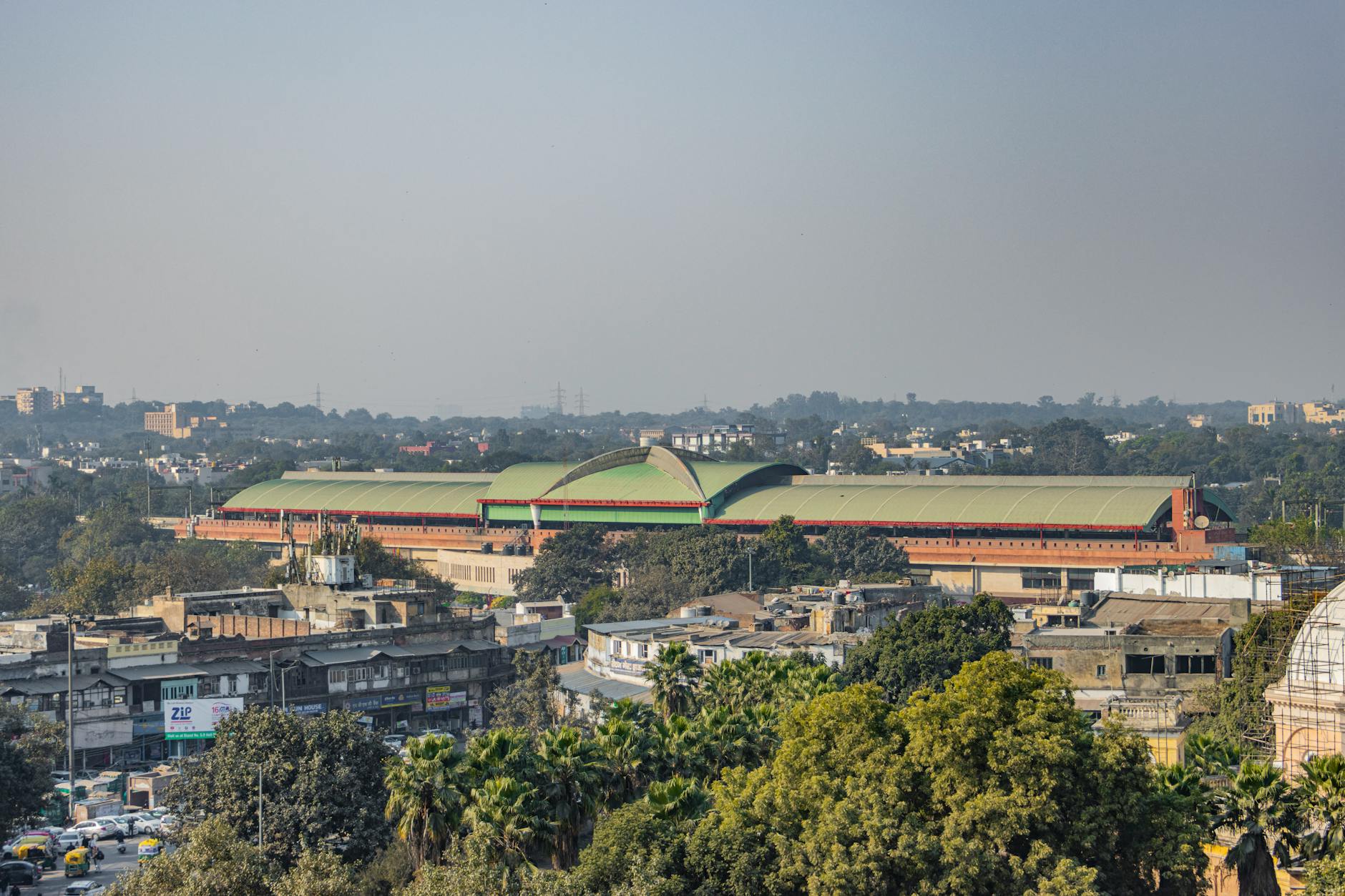
Anchor the trip around venue and academic obligations
A Delhi conference itinerary should begin with the venue, session schedule, presentation slot, poster timing, committee meetings, receptions, and any host-institution visits. The useful travel day may be much shorter than the published conference day once registration, transport, meals, and fatigue are included.
Academic obligations should control the calendar.
- Put keynote sessions, presentation time, poster sessions, and required meetings on the calendar before adding sightseeing.
- Confirm venue entry rules, badge pickup location, room changes, and whether the conference uses multiple buildings.
- Keep the day before a presentation conservative rather than filling it with distant commitments.
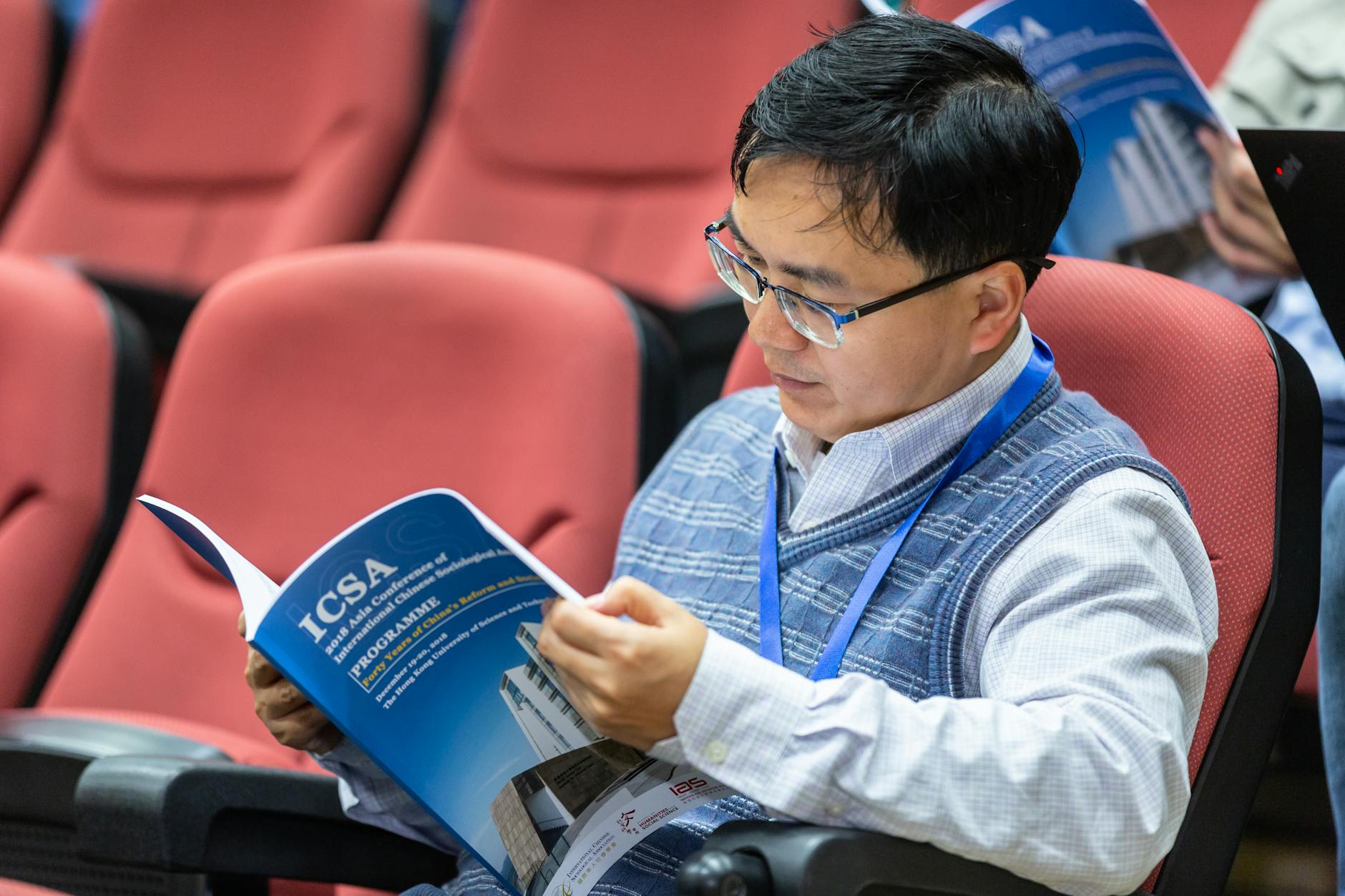
Choose lodging by conference geography
Delhi conference venues, universities, hotels, cultural centers, and institutional campuses can sit across very different traffic realities. A hotel that looks convenient on a map may still create stressful transfers if it crosses the wrong corridor at the wrong hour.
The hotel should reduce repeated movement.
- Choose lodging by the venue, airport timing, evening events, and the number of transfers required each day.
- Check whether the conference hotel, a nearby business hotel, or an airport-side base best fits the actual schedule.
- Confirm desk quality, quiet, breakfast timing, laundry, and late-arrival handling before booking.
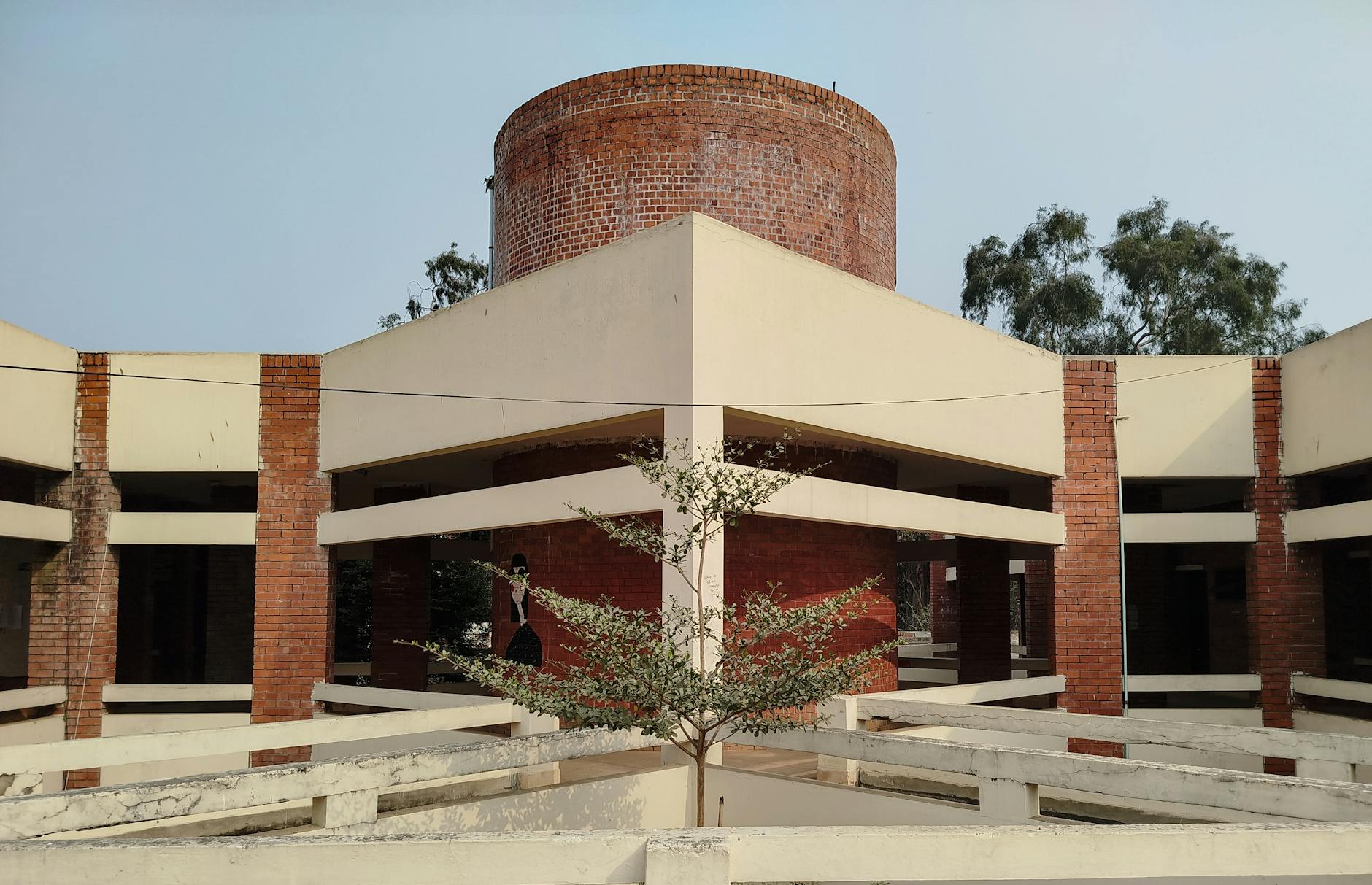
Plan arrival, badge pickup, and presentation materials
A short academic trip can be derailed by a late arrival, lost bag, incompatible adapter, printer gap, or missed registration window. Presentation slides, poster tubes, handouts, medication, formal clothing, charger cables, and host contacts should be protected before departure.
Conference logistics deserve a preflight checklist.
- Carry slides, laptop adapter, medication, meeting clothes, and critical documents in hand luggage.
- Save the conference program, QR codes, hotel address, host contacts, and venue map offline.
- Find printing, poster, and scanning options before assuming the venue can solve last-minute needs.
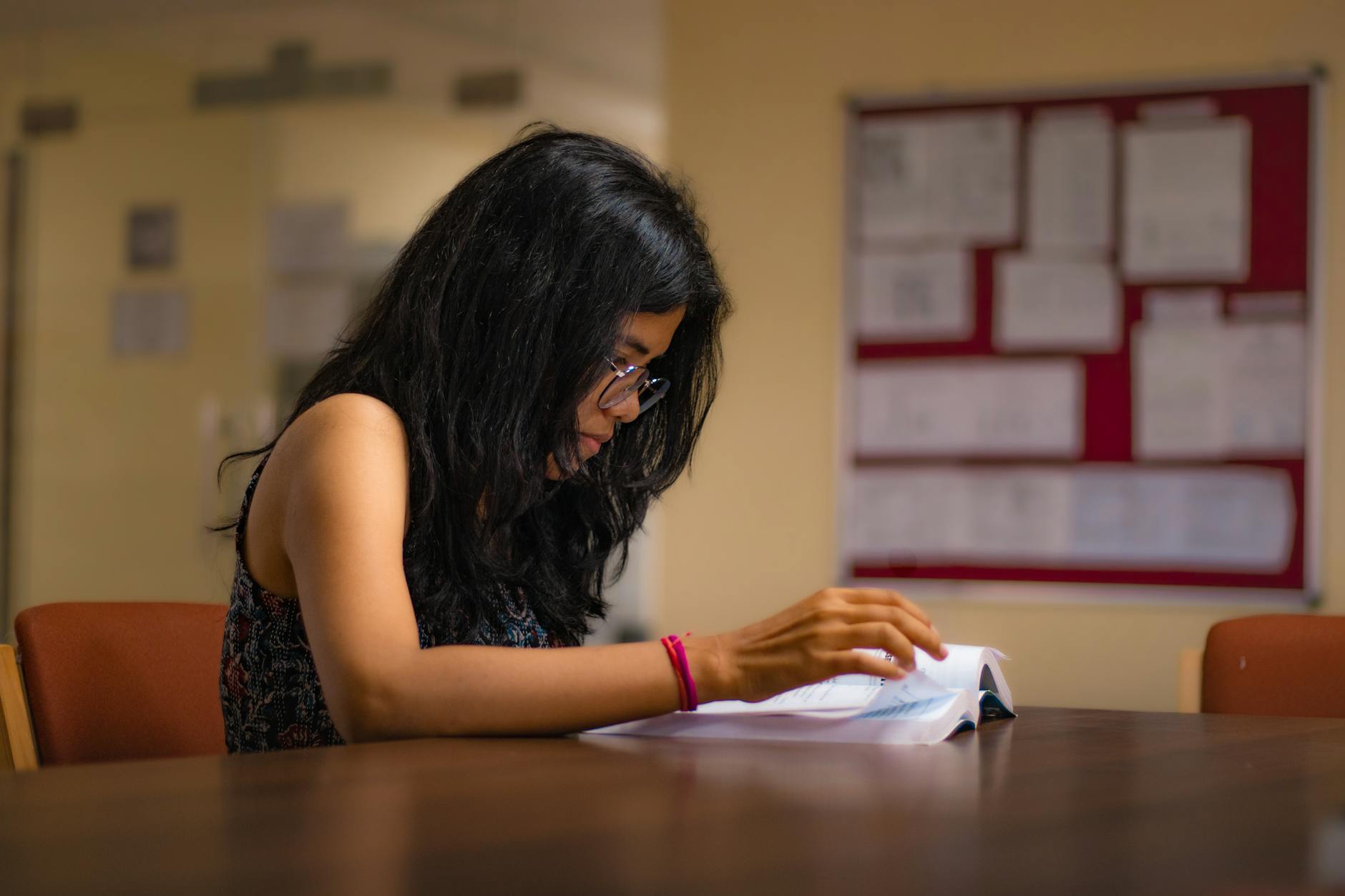
Use Delhi movement conservatively
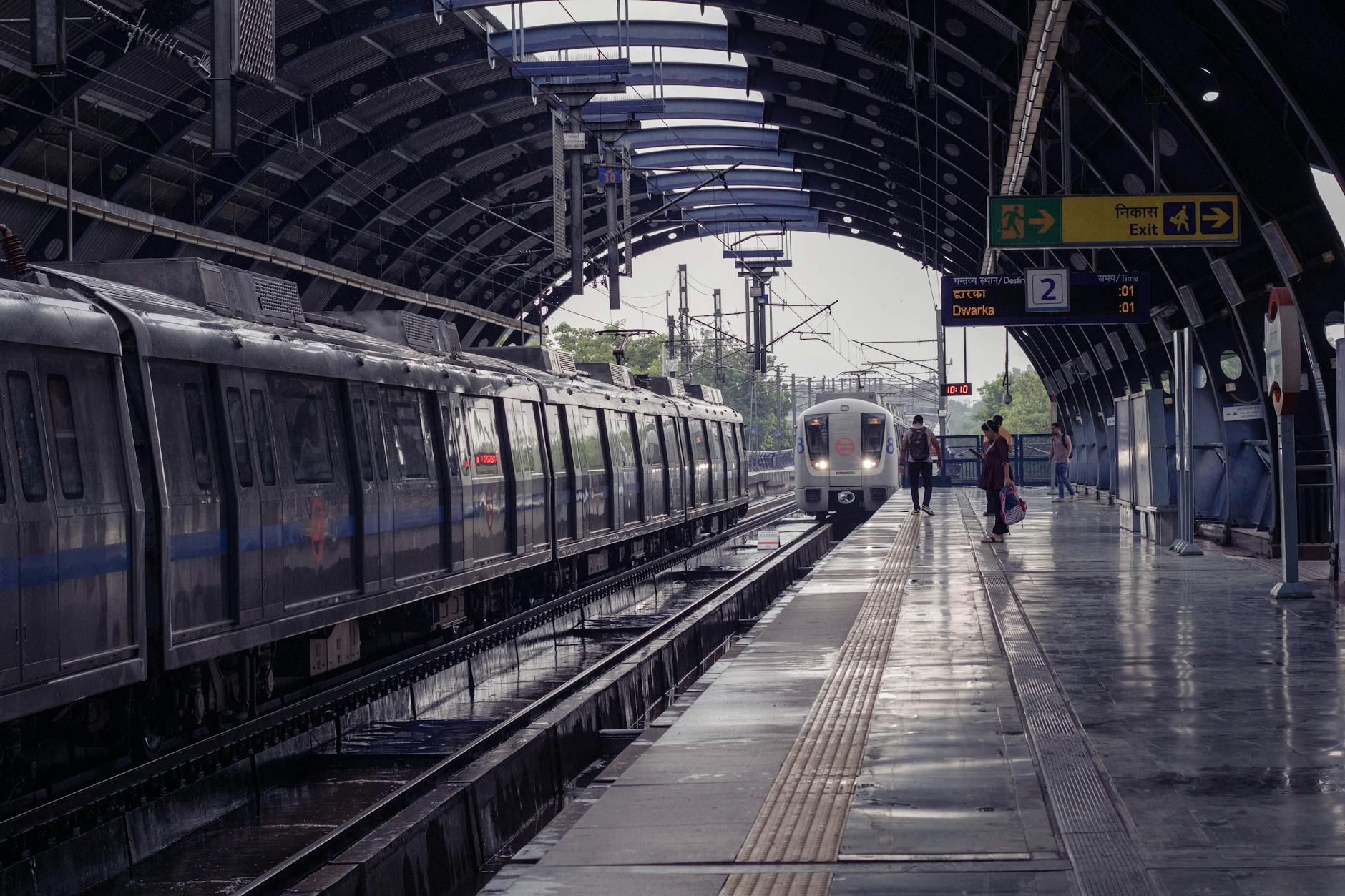
Delhi movement can involve metro rides, taxis, hotel cars, security checks, campus gates, and traffic patterns that vary sharply by district and time of day. Conference attendees should not treat transfer time as empty space.
Reliable arrival is part of professional readiness.
- Build larger buffers for morning sessions, cross-city transfers, and evening receptions.
- Use the metro when it clearly reduces traffic exposure and the route is simple with conference clothing or bags.
- Keep a remote-call or skip-session fallback when traffic, weather, or security checks interrupt the plan.
Protect health, food, air quality, and attention
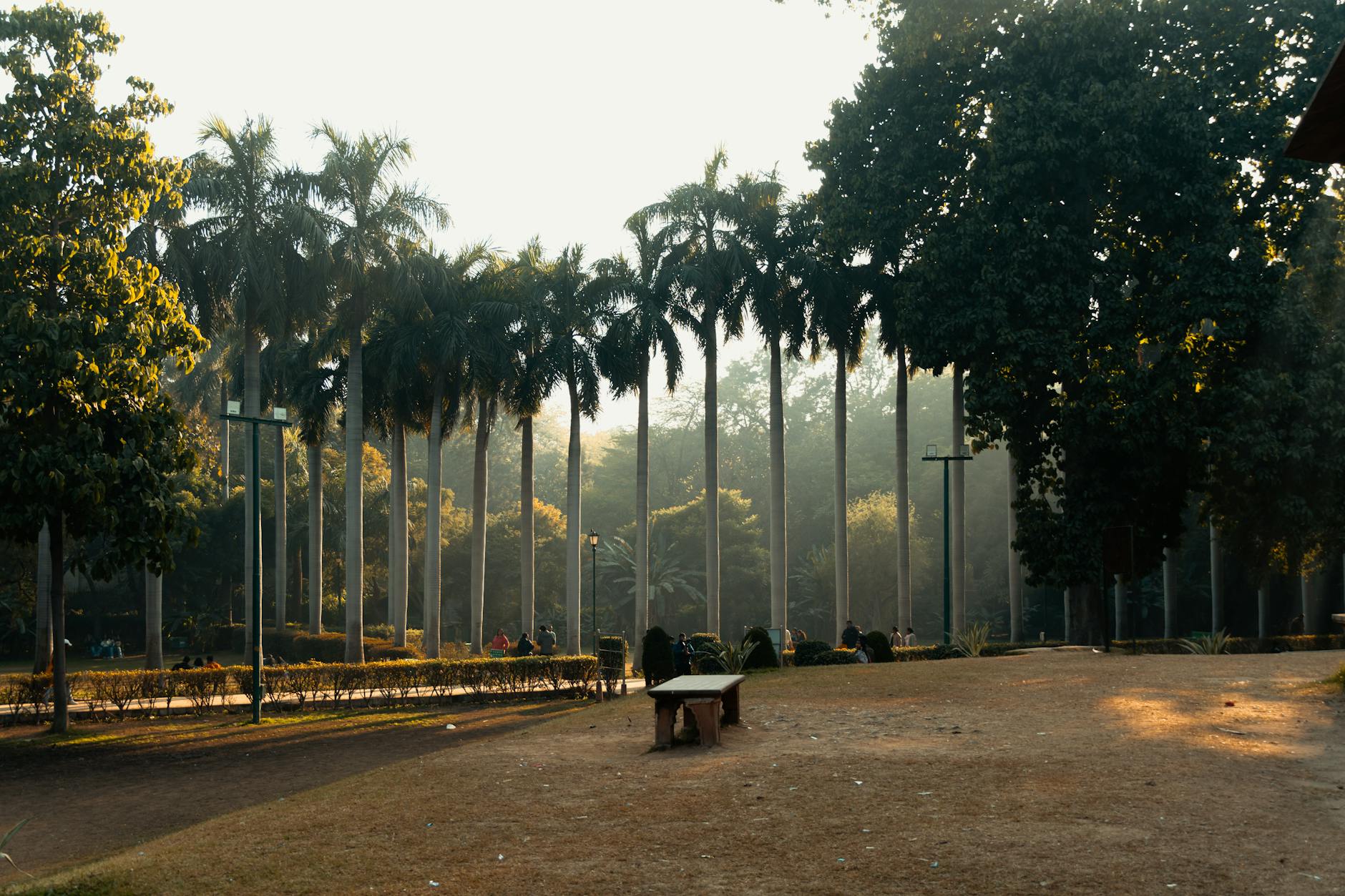
Conference days are cognitively demanding, and Delhi can add heat, winter fog, air-quality concerns, dehydration, unfamiliar food, and jet lag. The plan should protect attention before important sessions, not just recover after fatigue arrives.
Stamina is a conference resource.
- Check season, air quality, indoor recovery options, and walking exposure before filling the schedule.
- Choose reliable meals around session timing instead of gambling before a presentation or panel.
- Carry water, medication, masks if needed, hand sanitizer, charger, and a simple snack for long conference blocks.
Build networking around timing and noise
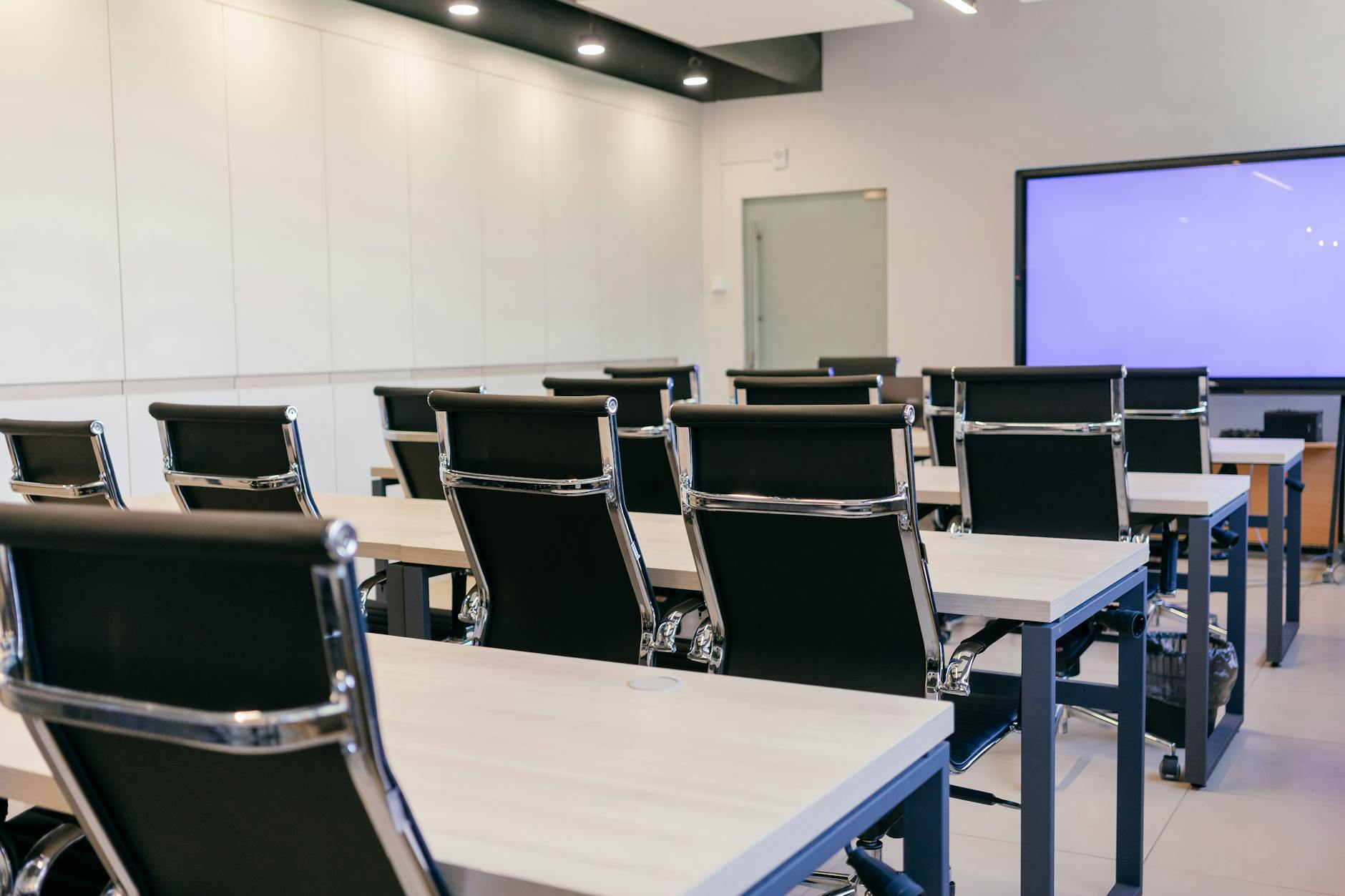
Academic networking in Delhi may happen in conference halls, hotel lobbies, campus rooms, receptions, cafes, and private dinners. The best conversations need enough time, a place where people can hear each other, and a transport plan that does not rush the end.
Networking should be designed, not squeezed in.
- Identify the highest-value receptions, office-hour meetings, and coffee windows before arrival.
- Choose quieter locations for sensitive research, hiring, funding, or collaboration conversations.
- Leave enough time after evening events for safe return transport, notes, and next-day preparation.
When to order a short-term travel report
An attendee going to one hotel-based event may not need a custom report. A report becomes useful when Delhi venue geography, university visits, lodging, traffic, presentation logistics, health concerns, networking, and departure timing need to fit into a short academic stay.
The report should test venue location, hotel area, airport transfer, daily movement, registration timing, presentation needs, meal options, air-quality concerns, networking windows, and buffers. The value is a Delhi conference trip that preserves academic focus.
- Order when venue location, hotel choice, session timing, transport, health, presentation materials, or networking needs coordination.
- Provide dates, flights, venue, conference schedule, presentation obligations, hotel candidates, health needs, and budget.
- Use the report to keep the Delhi conference plan practical before the first session begins.