Build the trip around comfort and recovery
A short Delhi trip for an older traveler should not be planned like a rushed checklist. Arrival fatigue, sleep quality, medication timing, temperature, air quality, walking surfaces, meal regularity, and seated breaks should shape each day.
Recovery time is not wasted time.
- Keep arrival day light and avoid early commitments after long-haul travel.
- Limit each day to one main outing plus one optional easier stop.
- Schedule seated breaks, indoor pauses, and reliable meals before fatigue is visible.
Choose hotel area and room details carefully
Hotel choice matters more when energy, sleep, medication, and easy transfers are important. The right Delhi base should reduce repeated movement, provide calm recovery, and make help available when plans change.
Room details can affect the whole trip.
- Check elevator access, bathroom setup, room quiet, bed height, air conditioning, heating, and room-service reliability.
- Choose an area that reduces the longest repeated transfers rather than chasing every sight equally.
- Confirm early check-in, late checkout, medical support, and hotel car arrangements if needed.
Keep sightseeing meaningful but paced
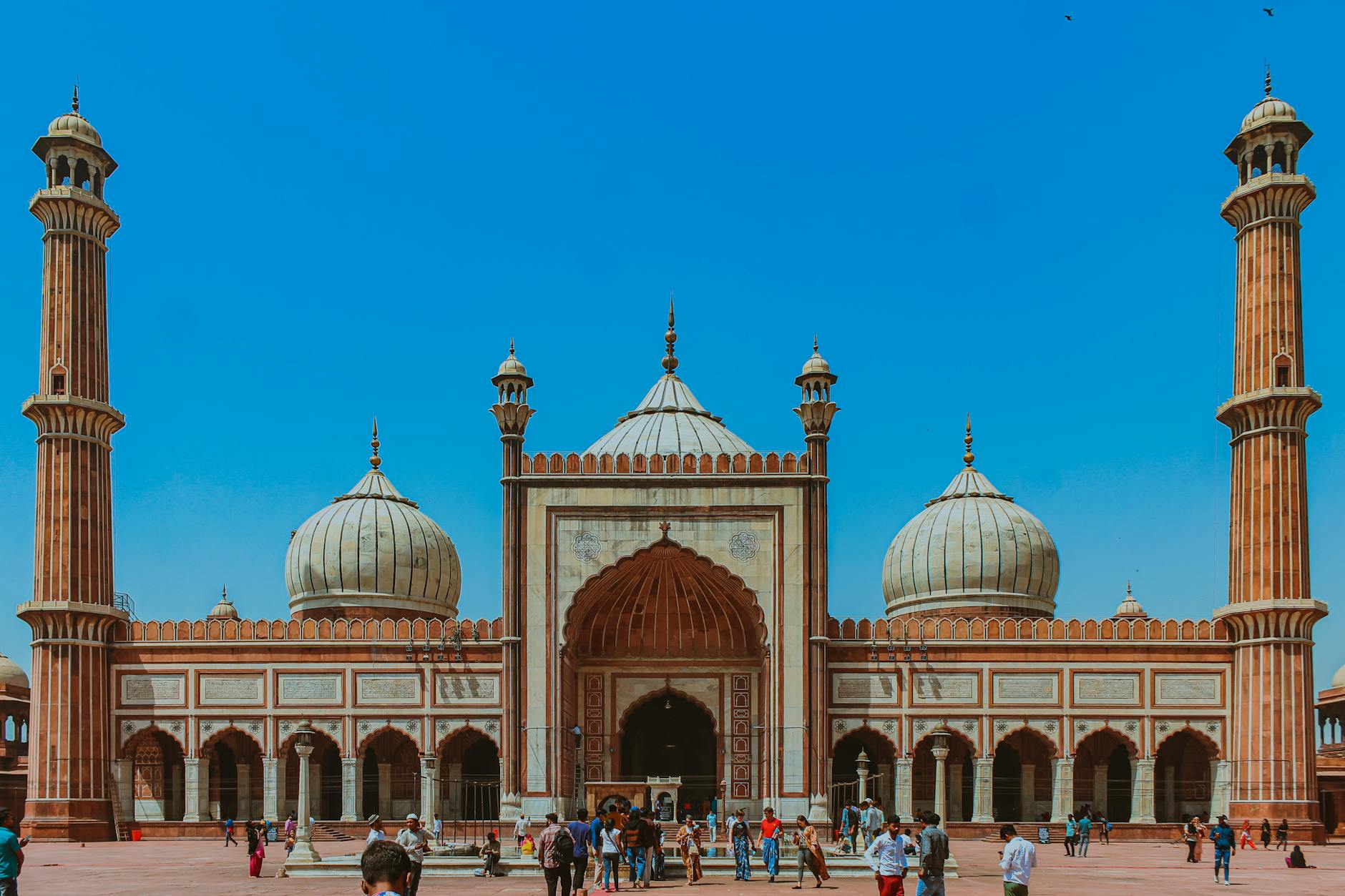
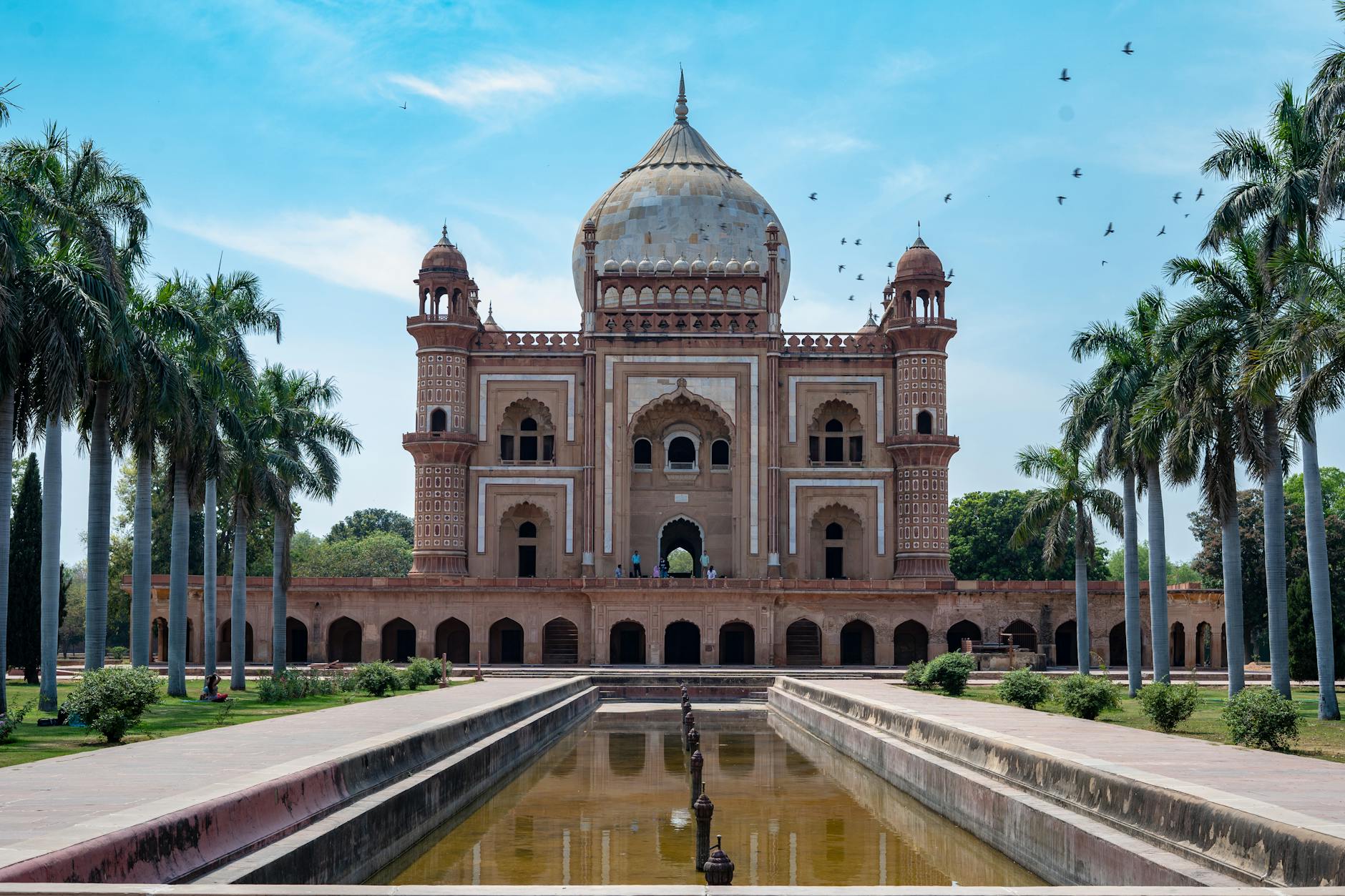
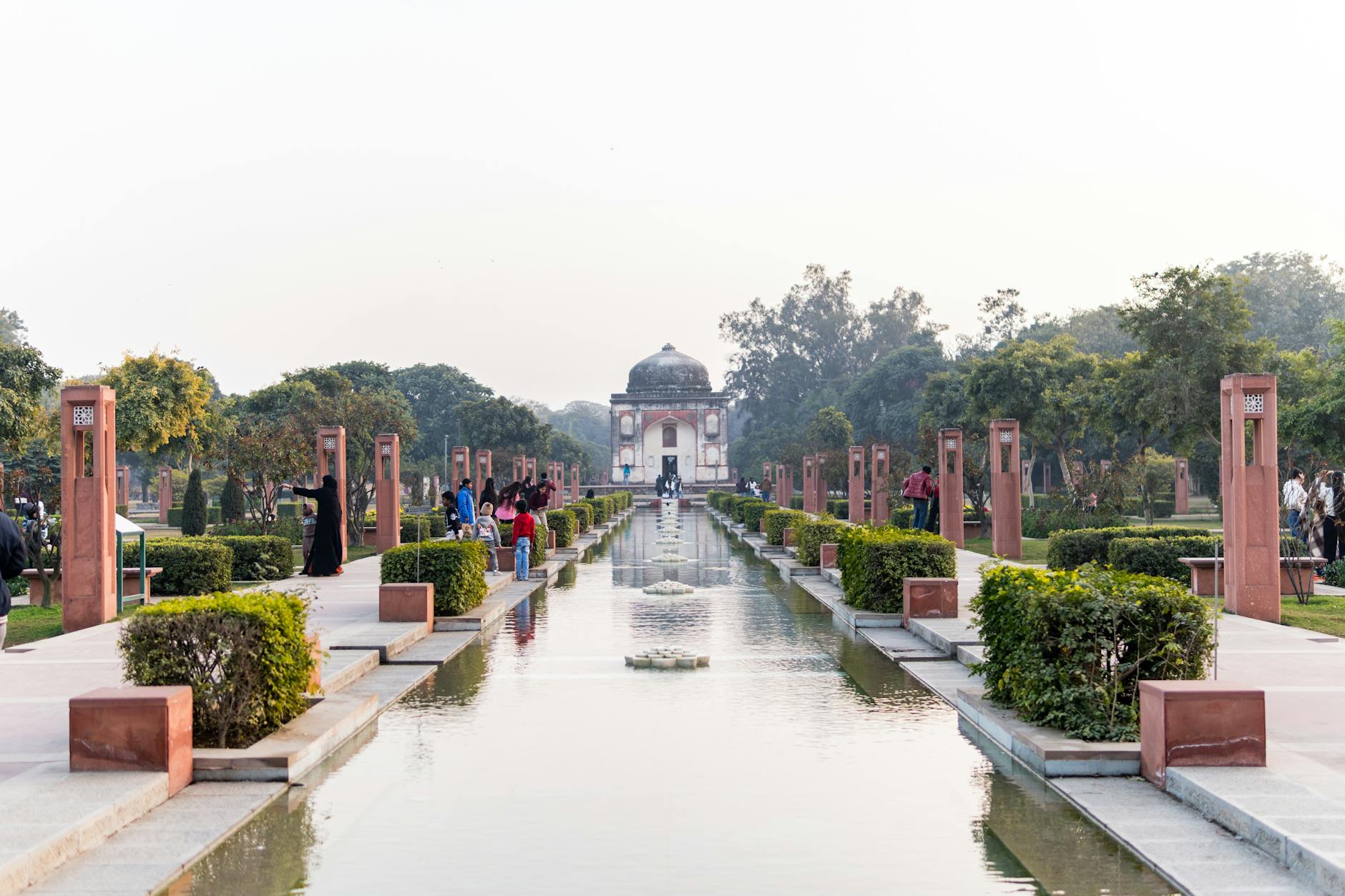
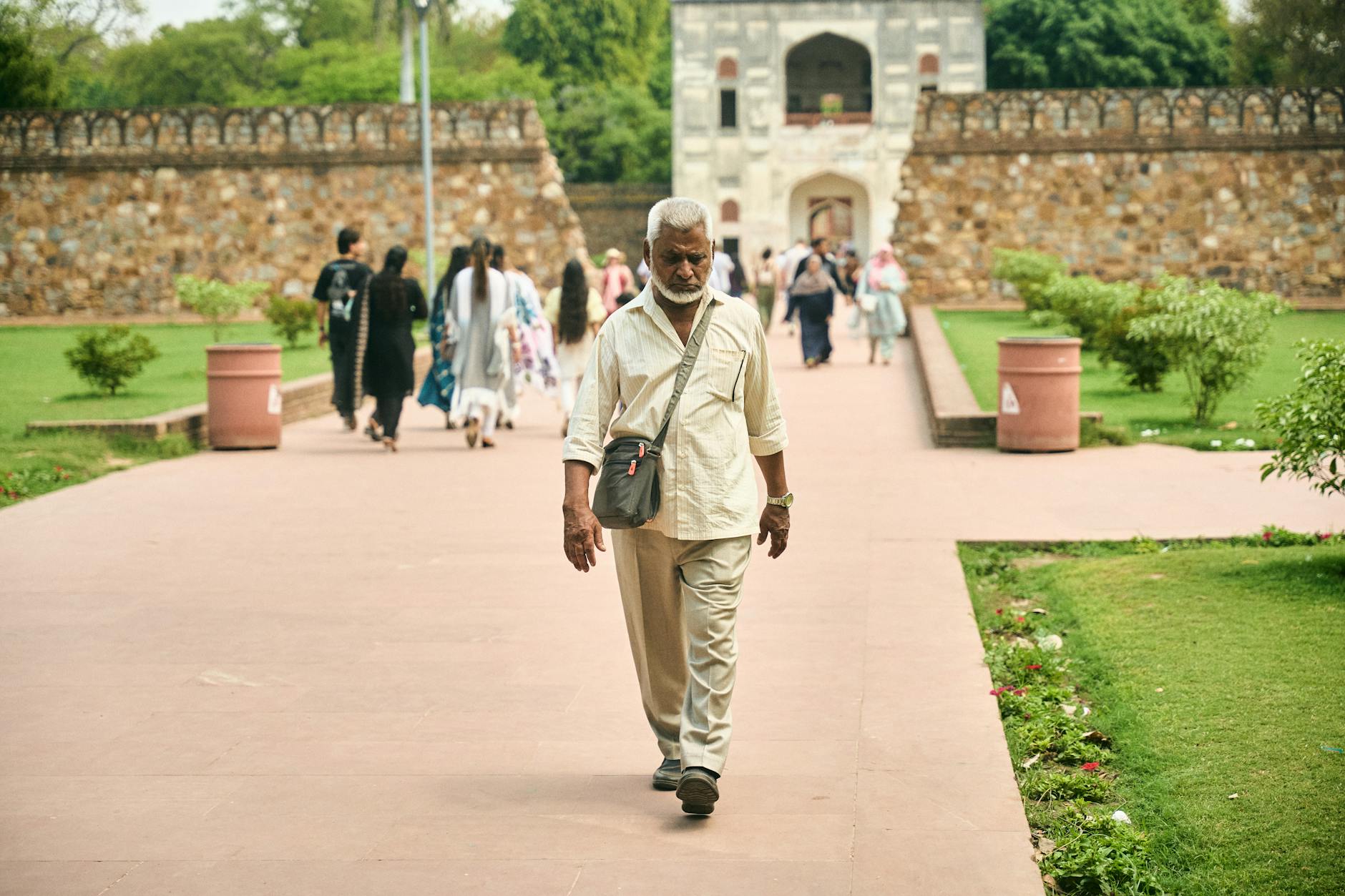
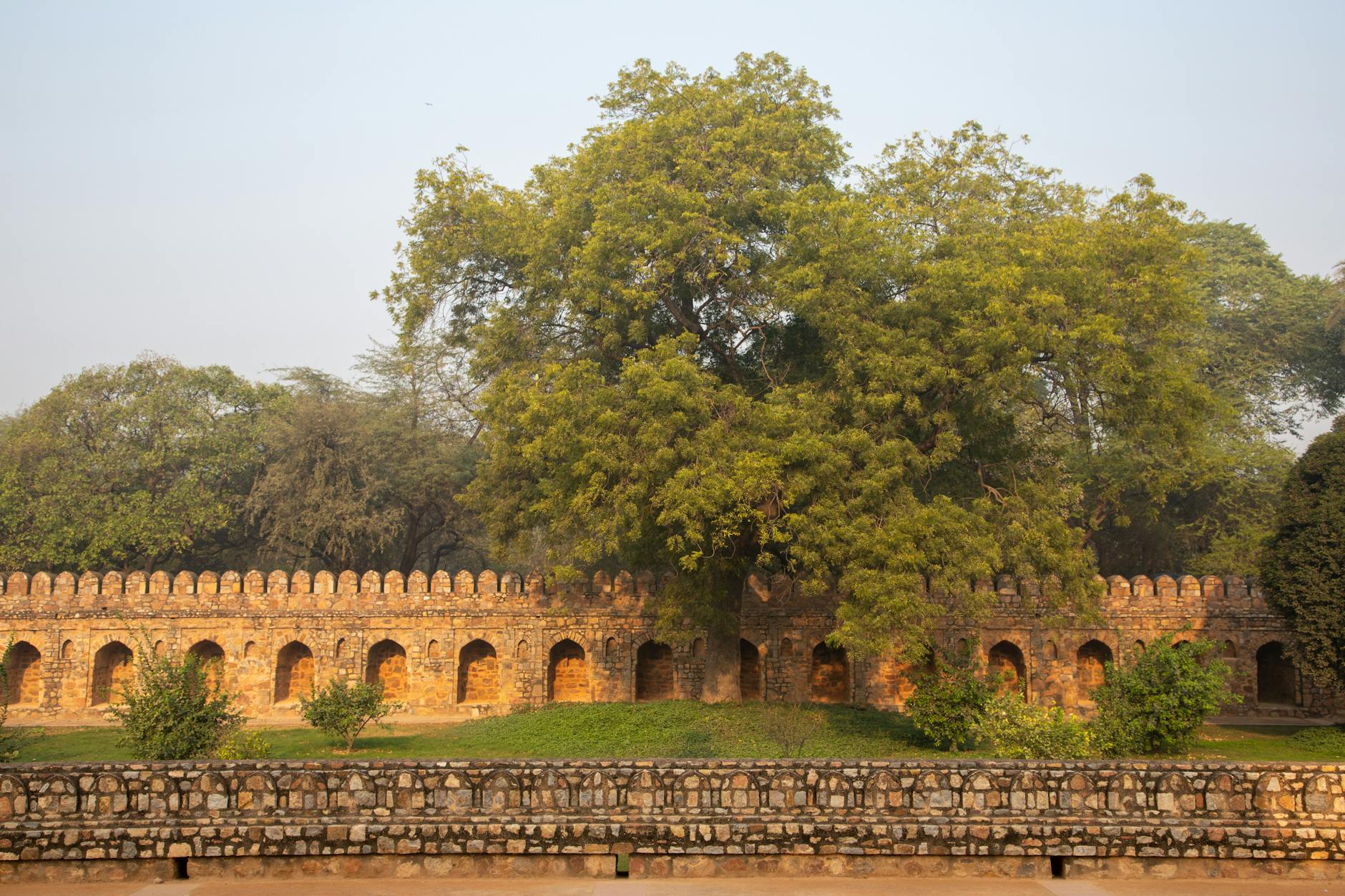
Delhi's monuments, gardens, museums, markets, and religious sites can be powerful for older travelers, but the route should respect walking distance, shade, toilets, seating, stairs, crowds, and transport access.
Depth usually beats volume.
- Choose fewer sights with better timing, shade, seating, and clear pickup points.
- Check whether sites involve stairs, long walks, uneven stone, crowds, or security queues.
- Use a guide or driver when interpretation, pacing, and pickup coordination would reduce strain.
Use transport to protect energy
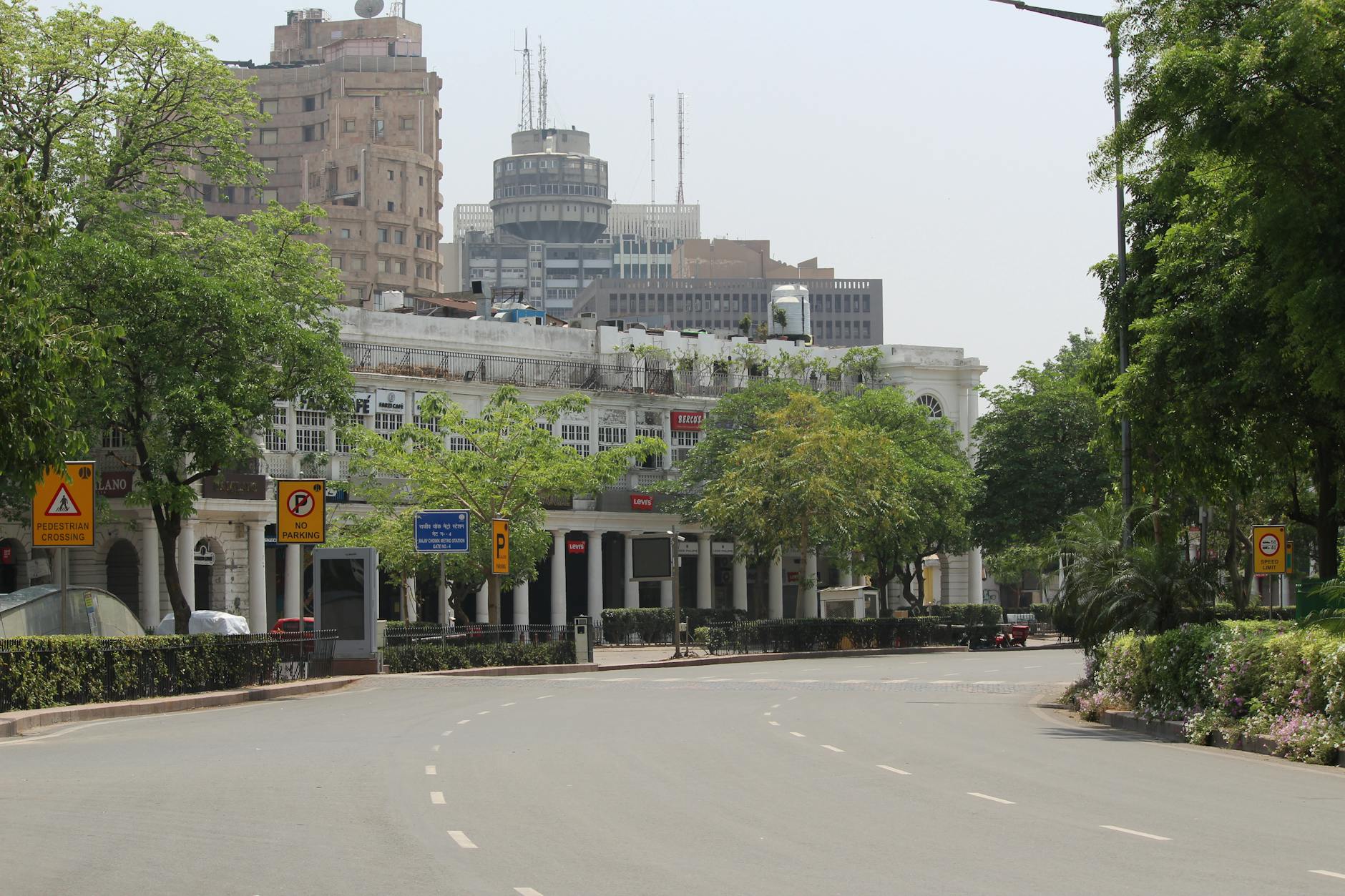
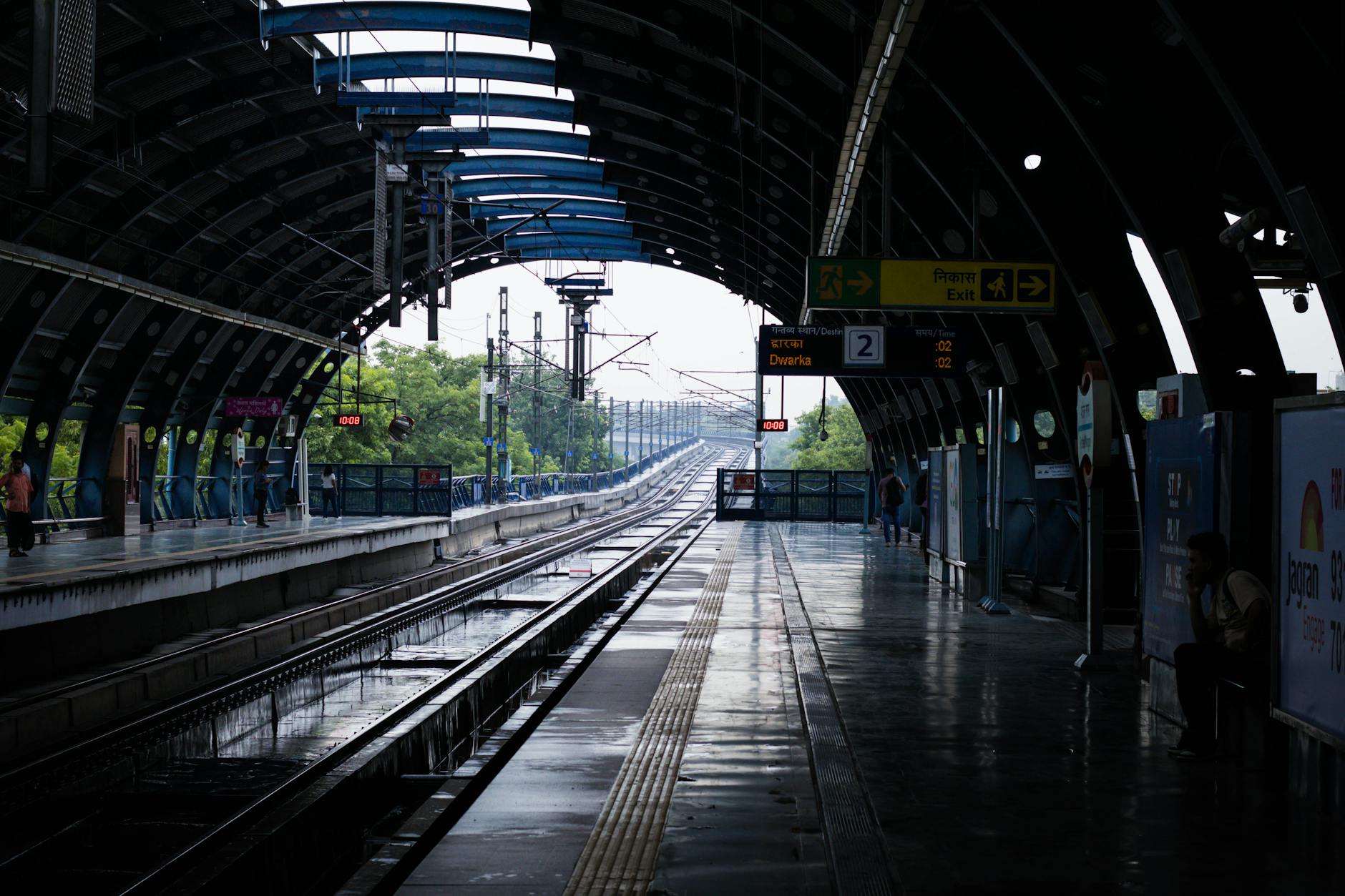
Transport should be chosen for comfort and predictability, not only speed. Metro routes, hotel cars, drivers, taxis, and rideshare can all be useful, but the best choice depends on walking distance, crowd tolerance, luggage, weather, and destination complexity.
Movement should preserve the traveler for the experience.
- Use hotel-arranged cars or vetted drivers for complex routes, evening returns, and multi-stop days.
- Use the metro only when station access, walking distance, crowding, and transfers are manageable.
- Set pickup points clearly and keep hotel address, driver details, and emergency contacts offline.
Plan health, meals, air quality, and heat
Health planning in Delhi should be practical and visible. Medication, hydration, trusted meals, air quality, heat, winter fog, restroom access, hand hygiene, and insurance contacts should be settled before the traveler is tired.
Small protections keep the trip stable.
- Check season, air quality, heat, and fog before choosing outdoor-heavy days.
- Carry medication, prescriptions, water, snacks, masks if needed, hand sanitizer, and a phone battery.
- Choose reliable restaurants and meal times rather than waiting until the traveler is hungry and far from the hotel.
Make airport days and departure gentle
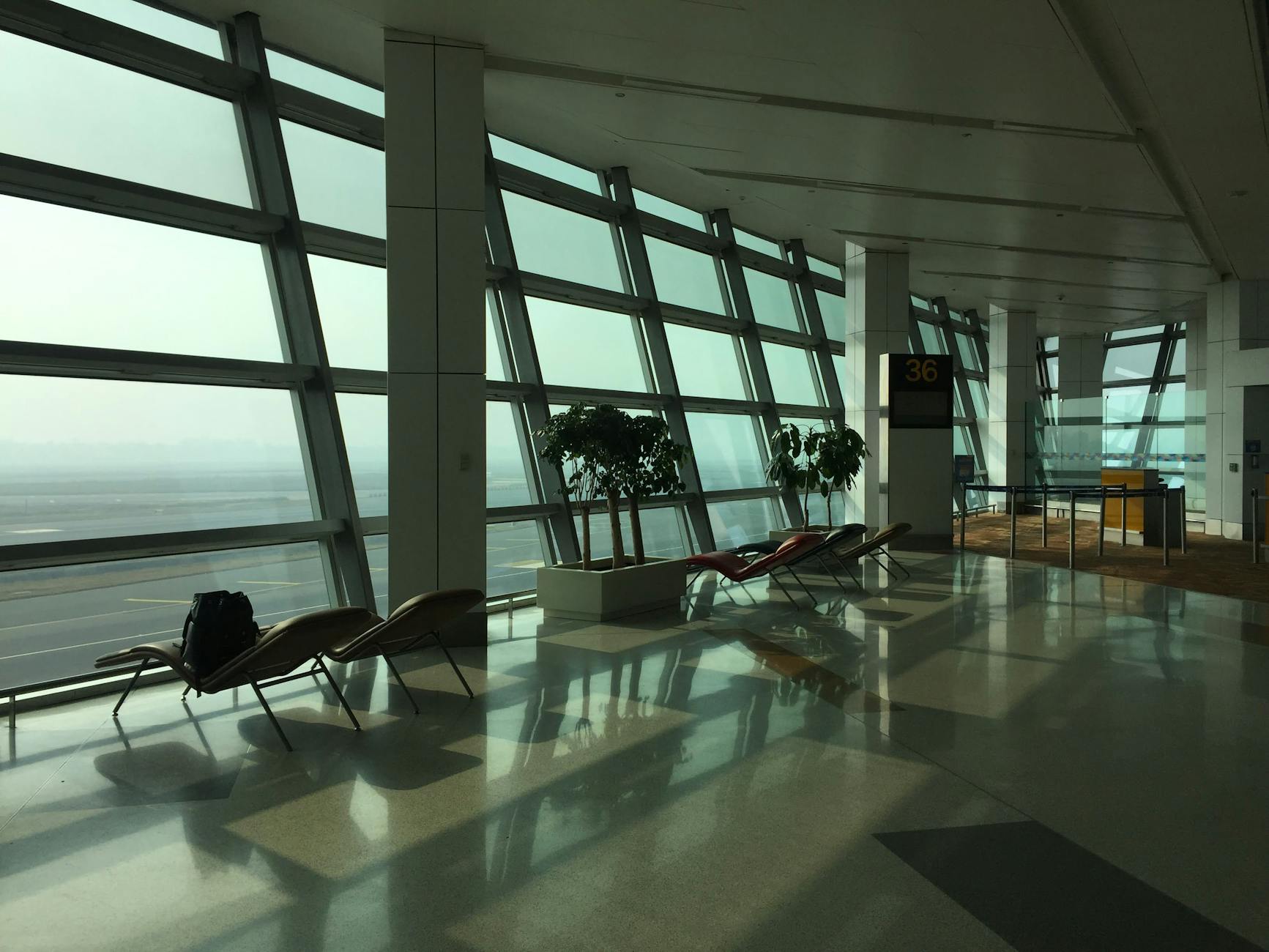
Delhi airport days can be tiring if transfers, luggage, security, meals, and medication timing are left vague. Older travelers benefit from a slower departure plan that allows for traffic, terminal navigation, seating, hydration, and assistance.
The last day should protect the journey home.
- Confirm terminal, pickup time, luggage handling, wheelchair or assistance requests, and check-in window.
- Leave a larger airport buffer than a younger traveler might tolerate.
- Keep medication, documents, chargers, glasses, snacks, and a light layer in the carry-on.
When to order a short-term travel report
An older traveler on a fully escorted trip may not need a custom report. A report becomes useful when Delhi hotel area, room details, airport timing, transport comfort, sightseeing pace, health needs, air quality, meals, and recovery time need to work together for a short stay.
The report should test hotel districts, room requirements, airport transfers, driver options, sight pacing, accessible routes, meal choices, medical considerations, heat and air-quality backups, and departure buffers. The value is a Delhi trip that feels rich without feeling punishing.
- Order when comfort, hotel setup, transport, sightseeing pace, health, meals, or airport timing needs coordination.
- Provide dates, flights, hotel candidates, mobility details, medication or dietary needs, interests, budget, and preferred pace.
- Use the report to make the Delhi trip slower where it matters and precise where it counts.