Choose lodging that supports confidence
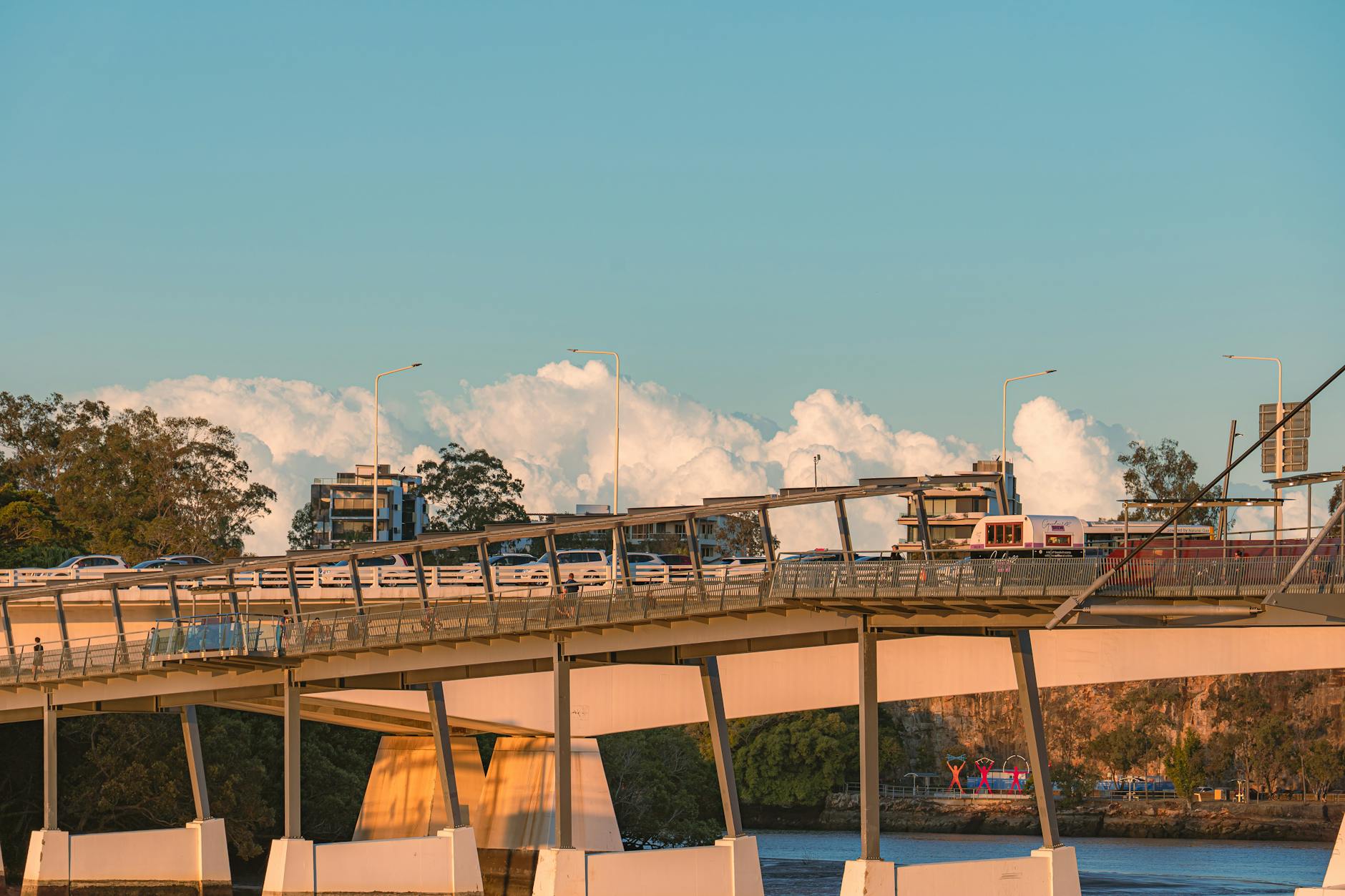
A solo stay works better when the hotel makes arrival, meals, returns, and downtime simple. The traveler should compare reception hours, elevator access, nearby food, rideshare pickup, and the feeling of the route after dark before choosing by price alone.
The base should make independence easier.
- Choose lodging near the main route, good lighting, simple food, and reliable transport.
- Check reception hours, luggage storage, room quiet, elevator access, and late-return details.
- Avoid a cheaper base that adds isolated walks, confusing transfers, or too much heat exposure.
Use the river for orientation
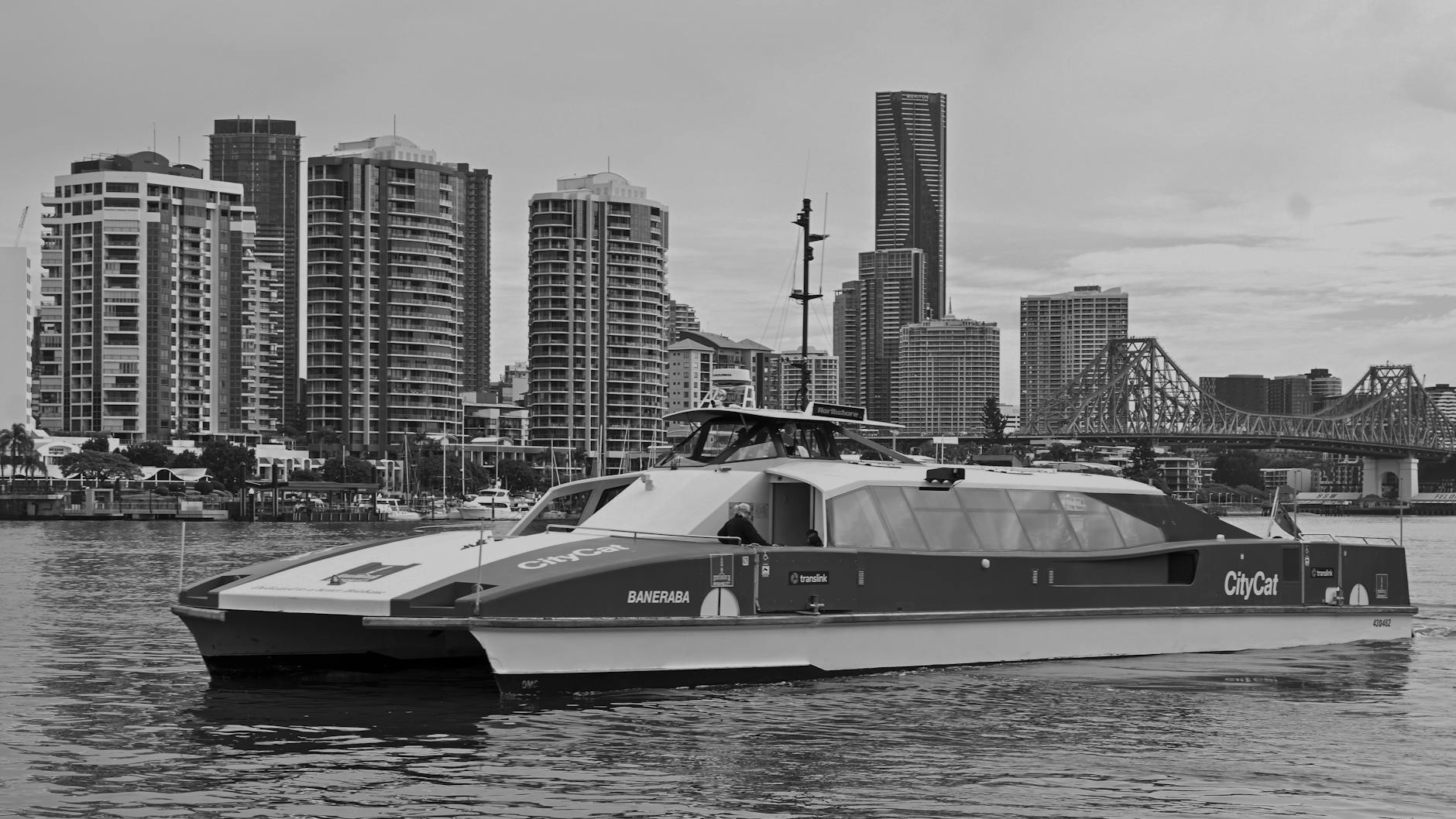
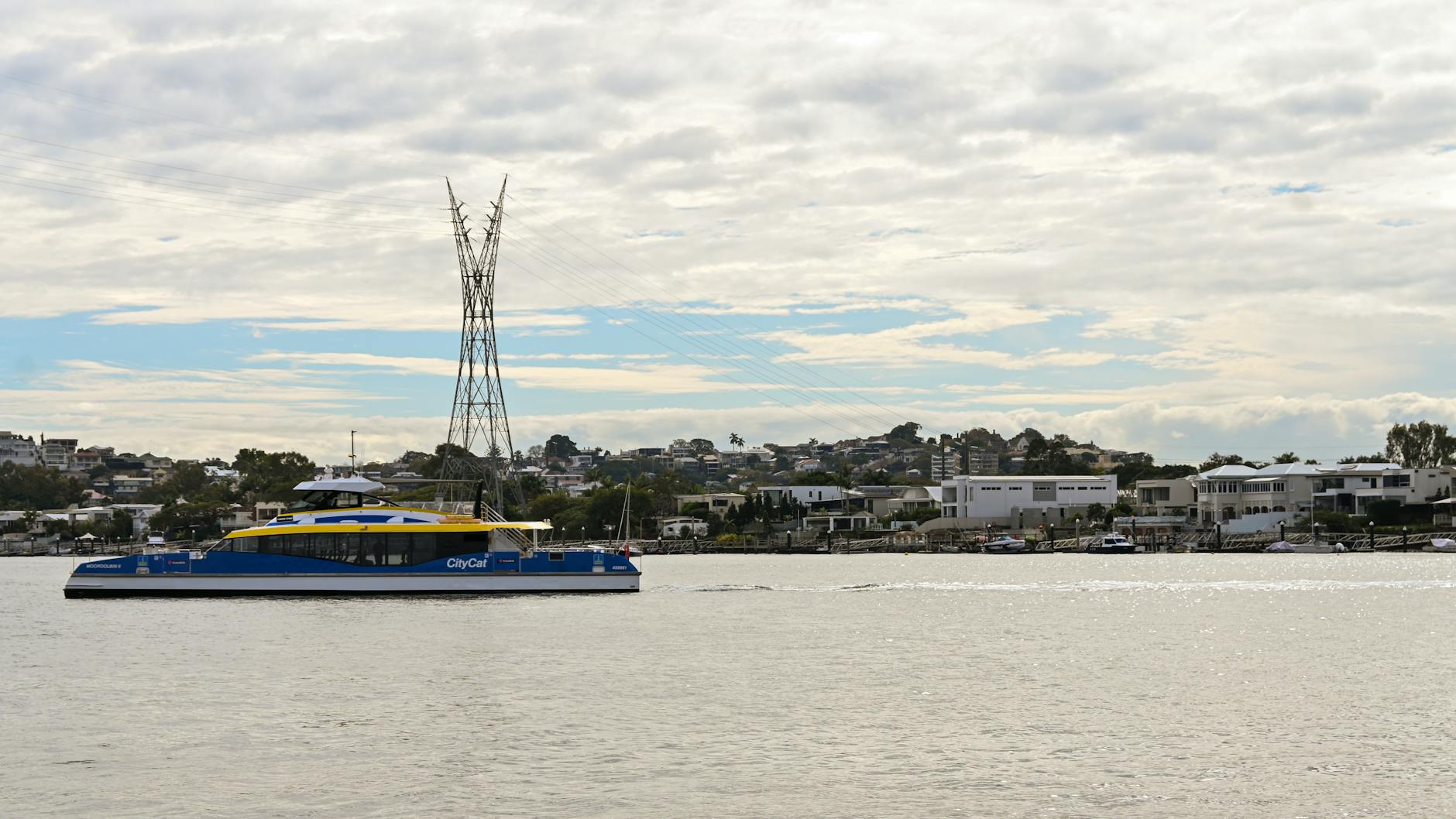
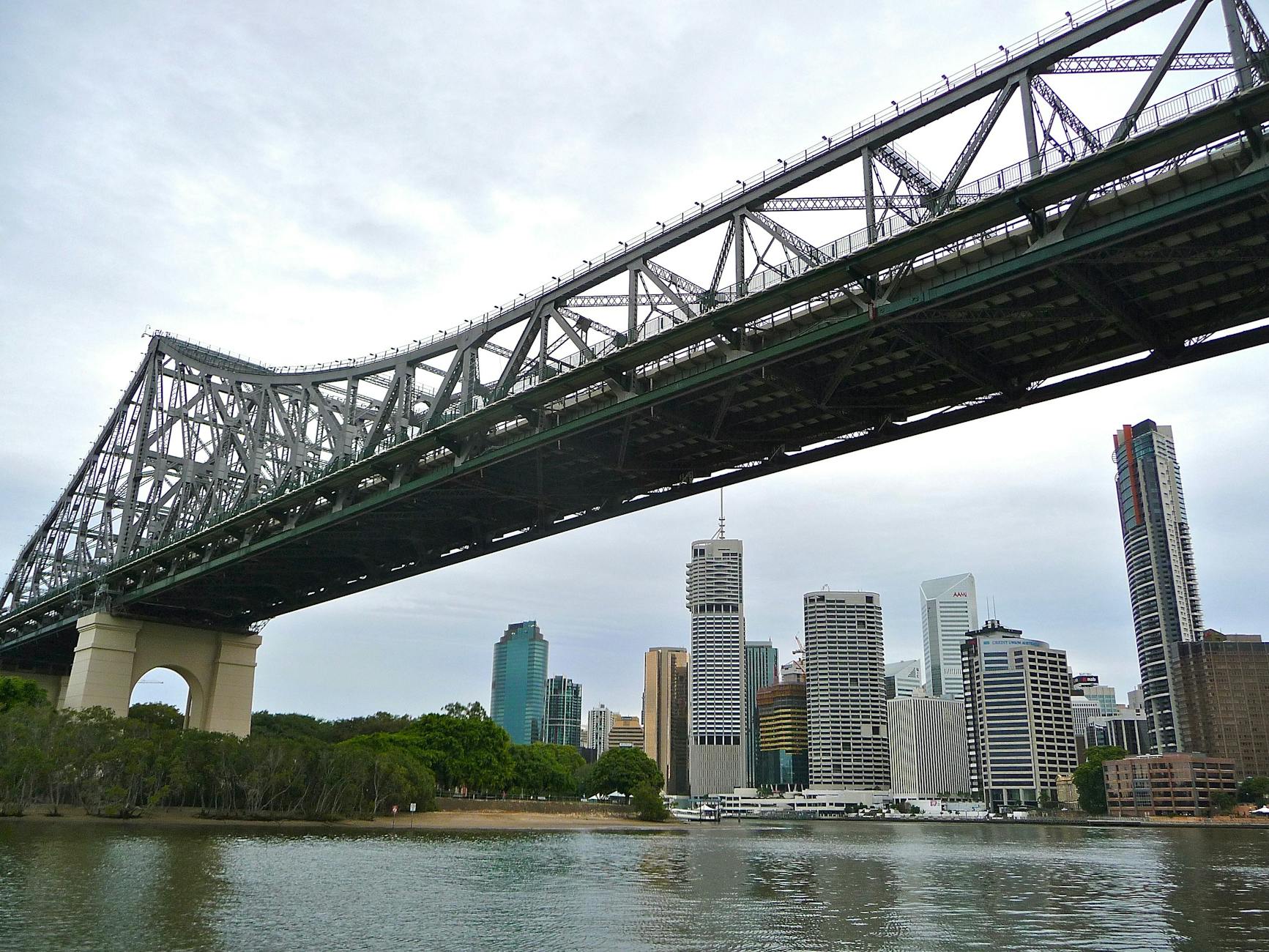
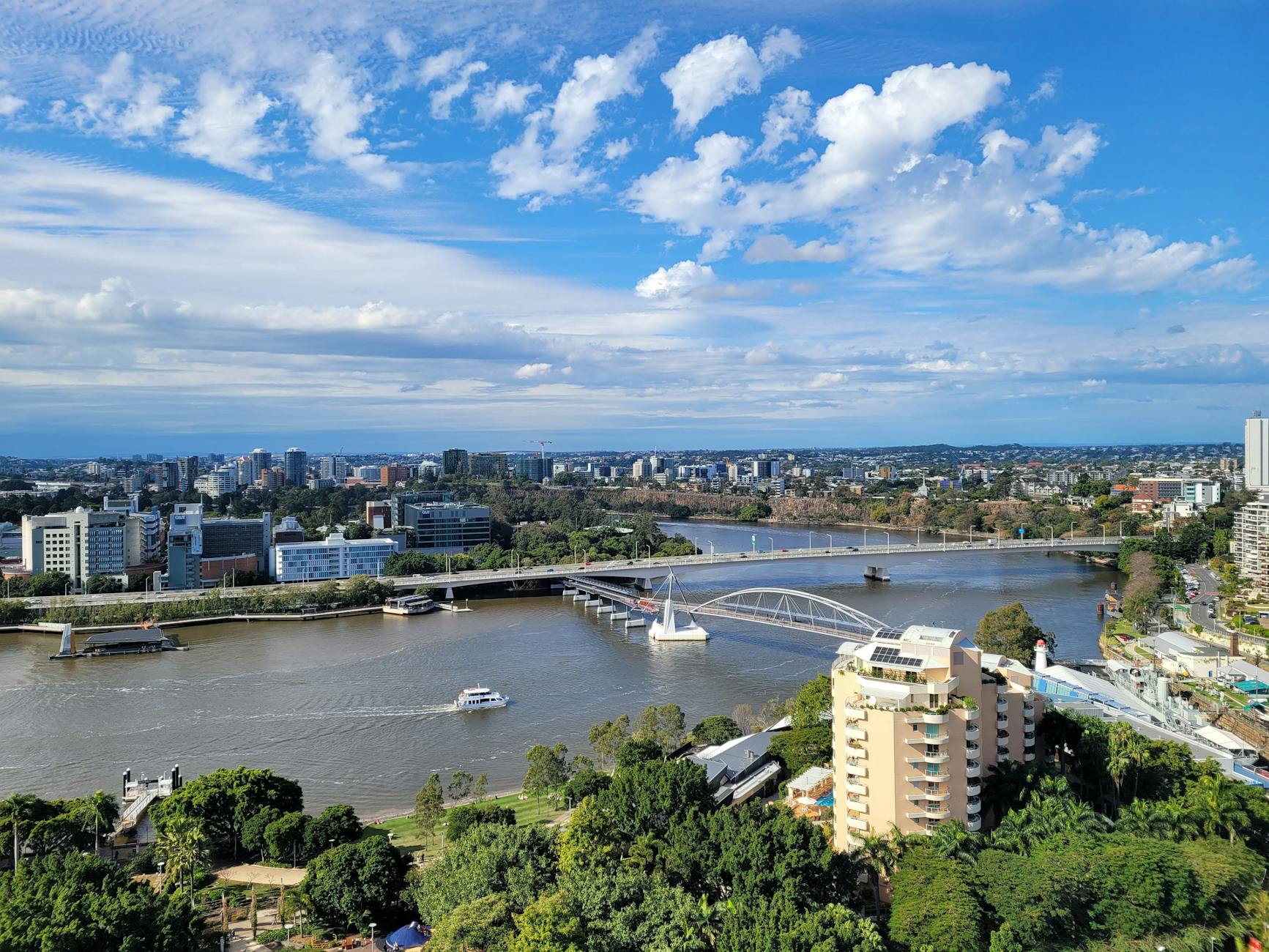
Brisbane can become much clearer when a solo traveler understands the river, bridges, CBD, South Bank, and ferry stops. A short ferry ride or river walk can make the city feel legible without requiring an overbuilt first day.
Orientation reduces friction.
- Map the hotel, river, bridges, ferry stops, meal areas, and evening return route before arrival.
- Use a river walk or ferry segment early to understand the city calmly.
- Keep the first route compact until the city's distances and weather feel familiar.
Build the day around comfort and weather
Solo travelers can adjust quickly, but Brisbane heat, humidity, rain, and glare still matter. The day should include shade, water, indoor options, and a clear way back to the hotel before fatigue makes decisions harder.
Flexibility works best with structure underneath.
- Check heat, rain, storm risk, and walking exposure before setting the day.
- Use cafes, galleries, gardens, ferries, and hotel pauses as planned resets.
- Carry water, phone power, payment backup, and a simple offline route.

Use quiet spaces without disappearing from the city
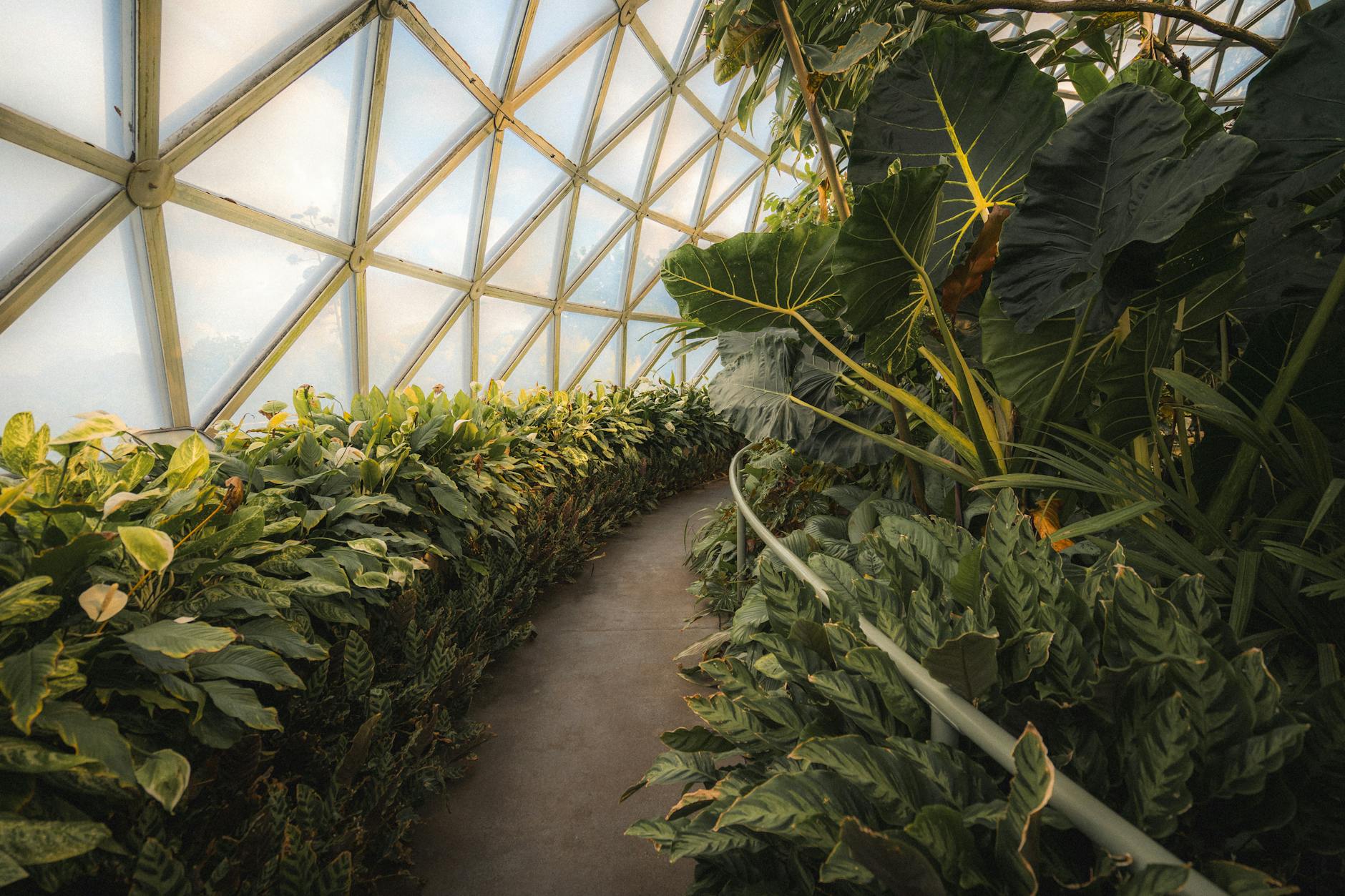
Solo travel should leave room for slow museums, gardens, bookstores, cafes, and riverside pauses. Brisbane's calmer spaces can make a short trip feel personal, especially when they sit close to transport and food.
A solo itinerary can be quieter without becoming vague.
- Choose one quiet anchor such as a garden, gallery, cafe, or riverside walk for each day.
- Place quiet time near transit, meals, and an easy hotel return.
- Avoid filling every gap just because there is no group to negotiate with.
Plan solo meals deliberately
Solo meals can be one of the pleasures of Brisbane when the traveler chooses settings that match mood and timing. Cafes, riverfront spots, hotel restaurants, market-style options, and bar seats should be selected before hunger narrows the choices.
Eating alone should feel intentional, not improvised under pressure.
- Identify breakfast, coffee, lunch, and dinner options near the route or hotel.
- Use reservations for the meals that matter and keep low-pressure backups nearby.
- Choose dinner locations with an easy return route after dark.
Keep evenings easy to finish
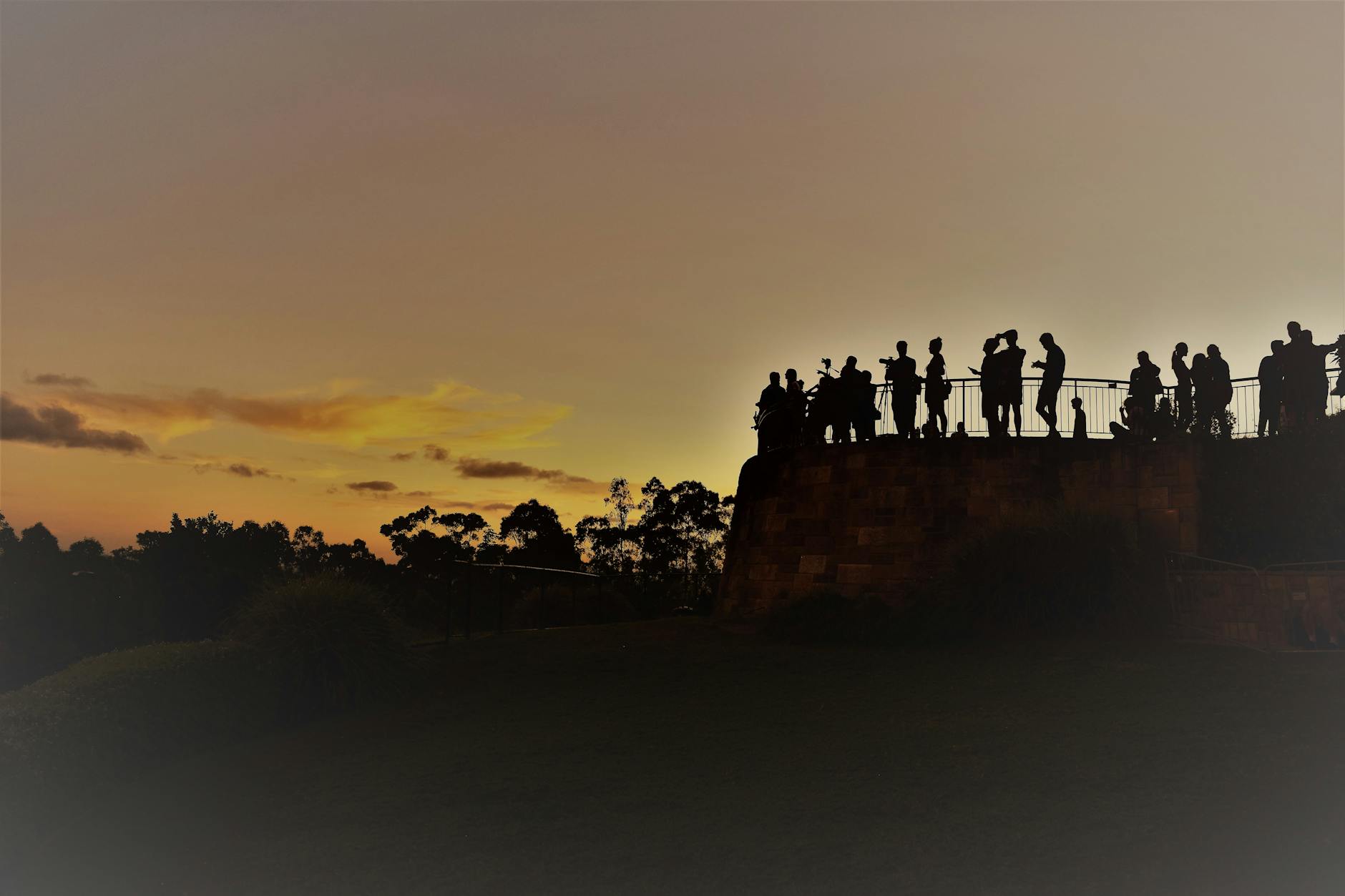
Brisbane can be beautiful in the evening, but a solo traveler should avoid letting dusk views turn into a loose, tiring route. Dinner, sunset, a drink, or a walk should connect cleanly to transport and the hotel.
A good solo night has a clear ending.
- Choose one evening area with food, views, and a short return route.
- Check rideshare pickup, ferry timing, lighting, weather, and phone battery before staying out late.
- Leave the biggest evening for a night before a lighter morning.
When to order a short-term travel report
A solo traveler with a familiar city style may not need a custom report. A report becomes useful when hotel confidence, arrival timing, river orientation, meals, weather, quiet spaces, evening returns, and departure buffers need to fit into a short Brisbane stay.
The report should test hotel area, arrival route, ferry and walking options, solo meal choices, quiet anchors, weather backups, evening routes, phone and payment needs, and departure timing. The value is a Brisbane solo trip that feels independent because the basics are already settled.
- Order when lodging, arrival, river movement, solo meals, weather, evening returns, or departure timing need coordination.
- Provide dates, flight details, hotel options, comfort preferences, interests, meal style, budget, and pace limits.
- Use the report to make the Brisbane solo stay clearer, calmer, and easier to adjust.