Start with access requirements, not sightseeing
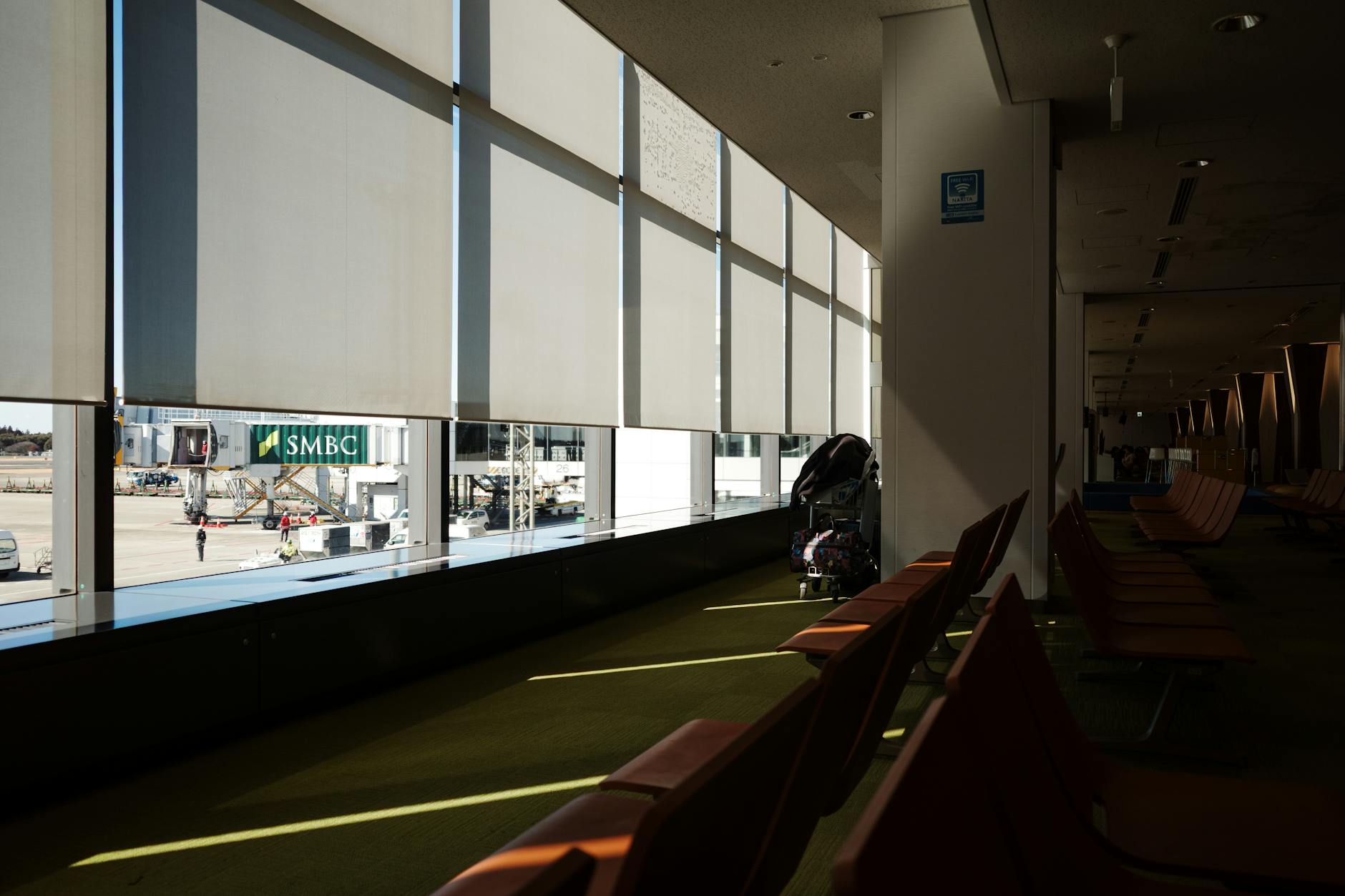
The first planning step is not a list of sights. It is a clear description of what movement, seating, rest, equipment, lift access, transfer help, and walking distance the traveler can manage comfortably.
That access profile should drive the Brisbane plan.
- Write down step limits, walking distance, lift needs, seating needs, equipment, and transfer assistance before choosing outings.
- Check hotel entrances, bathroom layout, bed height, lift reliability, parking, drop-off points, and room photos directly.
- Avoid assuming that a central address is usable without checking the exact route from door to transport.
Choose lodging around step-free movement and recovery
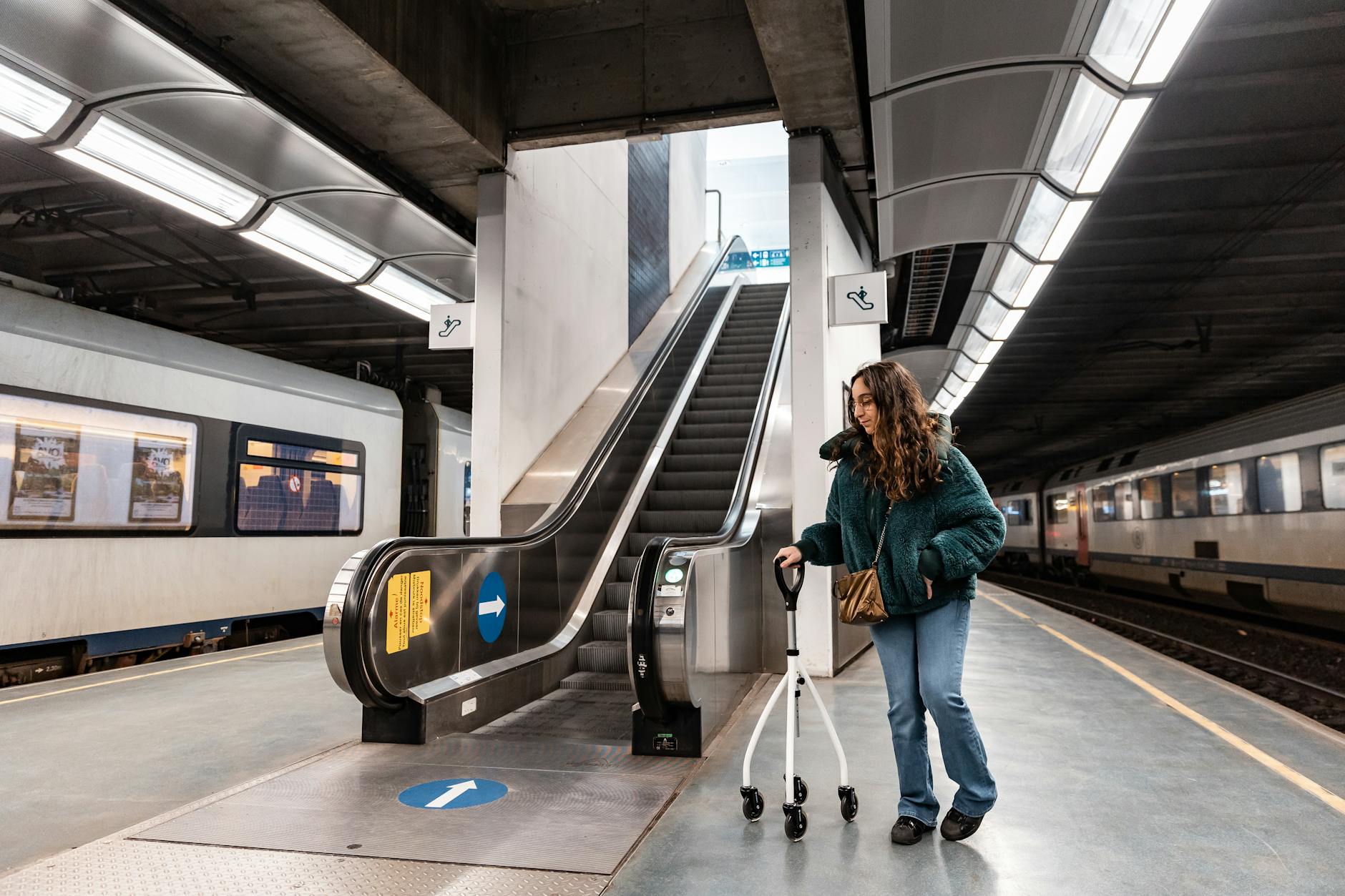
Brisbane lodging should be chosen for workable entry, nearby meals, shaded pickup, short returns, and rest, not only for views or nightly rate. A room that looks convenient on a map can still be tiring if the final approach includes slopes, broken pavements, stairs, or long exposed crossings.
The room has to support the whole stay.
- Prioritize step-free access, a reliable lift, reachable meals, quiet sleep, air conditioning, and easy vehicle pickup.
- Check whether the hotel area works in rain, heat, after dark, and with luggage or equipment.
- Keep a recovery block after arrival before adding South Bank, galleries, river paths, or evening plans.
Test airport and local transfers before arrival
Airport arrival can set the tone for the trip. The traveler should know whether the best option is train, taxi, rideshare, prebooked accessible vehicle, hotel transfer, or private pickup before landing in Brisbane.
The transfer should be boring on purpose.
- Confirm luggage help, vehicle type, pickup point, ramp or lift needs, and whether the driver can wait during delays.
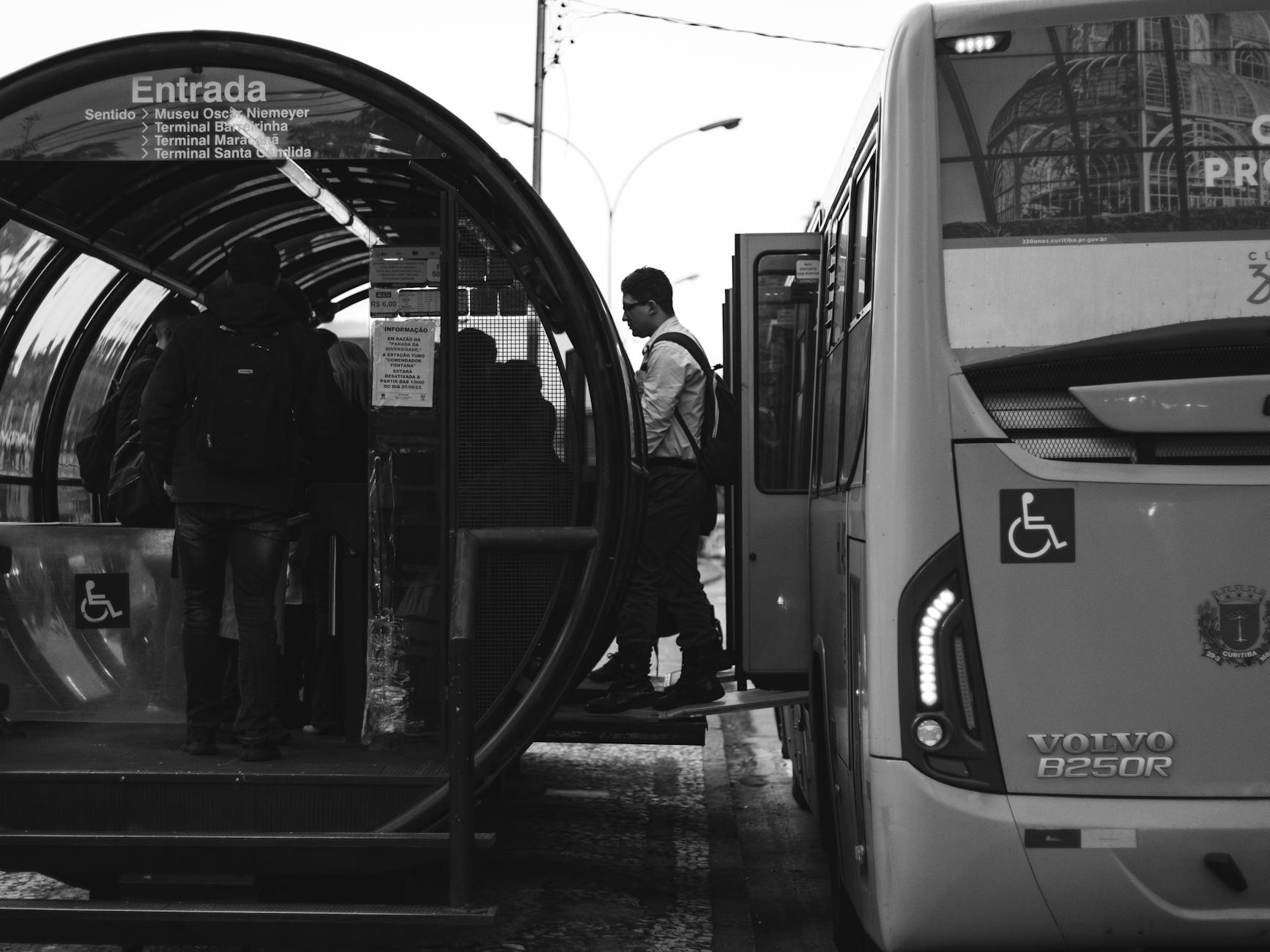
- Check train or bus routes for lift access, platform changes, walking distance, payment method, and service frequency.
- Plan the return airport transfer before the last day, especially for early flights or medical equipment.
Treat the river and hills as route constraints
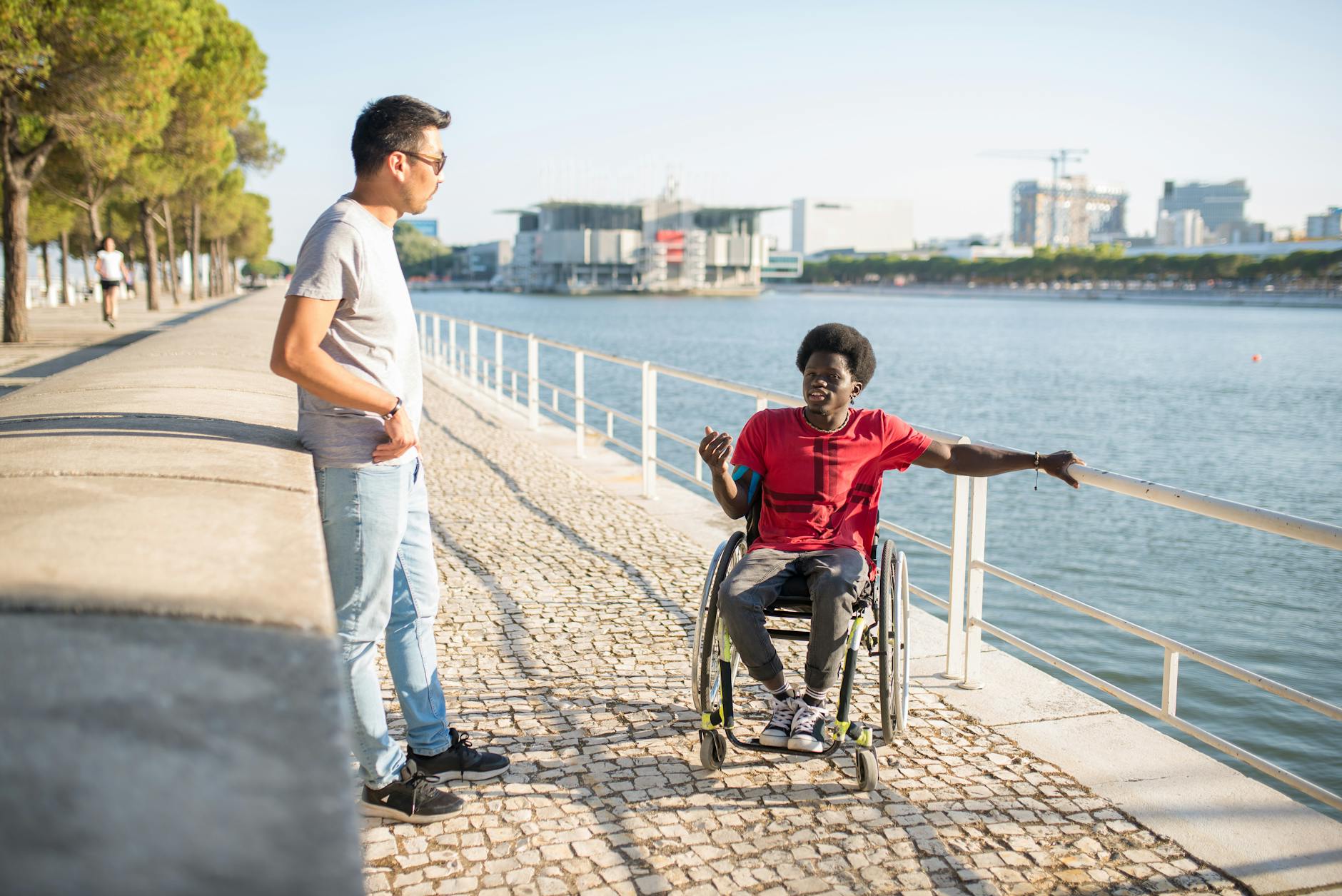
The Brisbane River, bridges, slopes, station exits, construction zones, and long riverfront stretches can make two nearby places feel very different in practice. A mobility-aware route should test the actual crossing, surface, shade, seating, and return path.
The map line is not the route.
- Check bridge access, ferry wharf access, slopes, curb cuts, lift locations, and weather exposure before committing.
- Use one compact zone at a time instead of crossing the river repeatedly during a short day.
- Keep a backup ride option for rain, heat, fatigue, lift outages, or unexpected construction.

Plan major stops with access details attached
South Bank, galleries, gardens, restaurants, river viewpoints, and event venues can work well when the access details are checked before the day begins. Entrances, lifts, restrooms, seating, distance between stops, and quiet reset points matter as much as opening hours.
Each stop needs its own access note.
- Check entrance location, accessible restrooms, lifts, seating, parking or drop-off, and whether tickets allow flexible timing.
- Group nearby indoor and outdoor stops so weather or fatigue can change the order without ending the day.
- Call ahead when access information is unclear or when equipment dimensions matter.
Build heat, shade, restrooms, and rest into each day
Brisbane heat, humidity, glare, rain, and summer storms can turn a manageable route into a difficult one. A traveler with mobility limitations should plan shade, water, restrooms, indoor pauses, seating, and a short return route from the start.
Comfort keeps the itinerary usable.
- Schedule outdoor movement for cooler parts of the day when possible.
- Mark restrooms, shaded seating, cafes, galleries, and hotel reset points before leaving.
- Leave more margin than the map suggests when weather, crowds, or equipment handling can slow movement.
When to order a short-term travel report
A traveler with mobility limitations who already has a proven hotel and simple schedule may not need a custom report. A report becomes useful when hotel access, airport transfer, step-free routes, ferry or train options, restrooms, weather, medical needs, and departure timing need to fit into a short Brisbane stay.
The report should test hotel access, room details, pickup points, local transport, river crossings, attraction entrances, restroom placement, shade, meal areas, backup rides, and departure buffers. The value is a Brisbane plan that is realistic before the traveler commits energy to it.
- Order when hotel access, transport, restrooms, route surfaces, weather, meals, or departure timing need coordination.
- Provide dates, flight details, hotel options, equipment needs, walking limits, rest needs, medical constraints, and preferred pace.
- Use the report to reduce access uncertainty before the short stay begins.