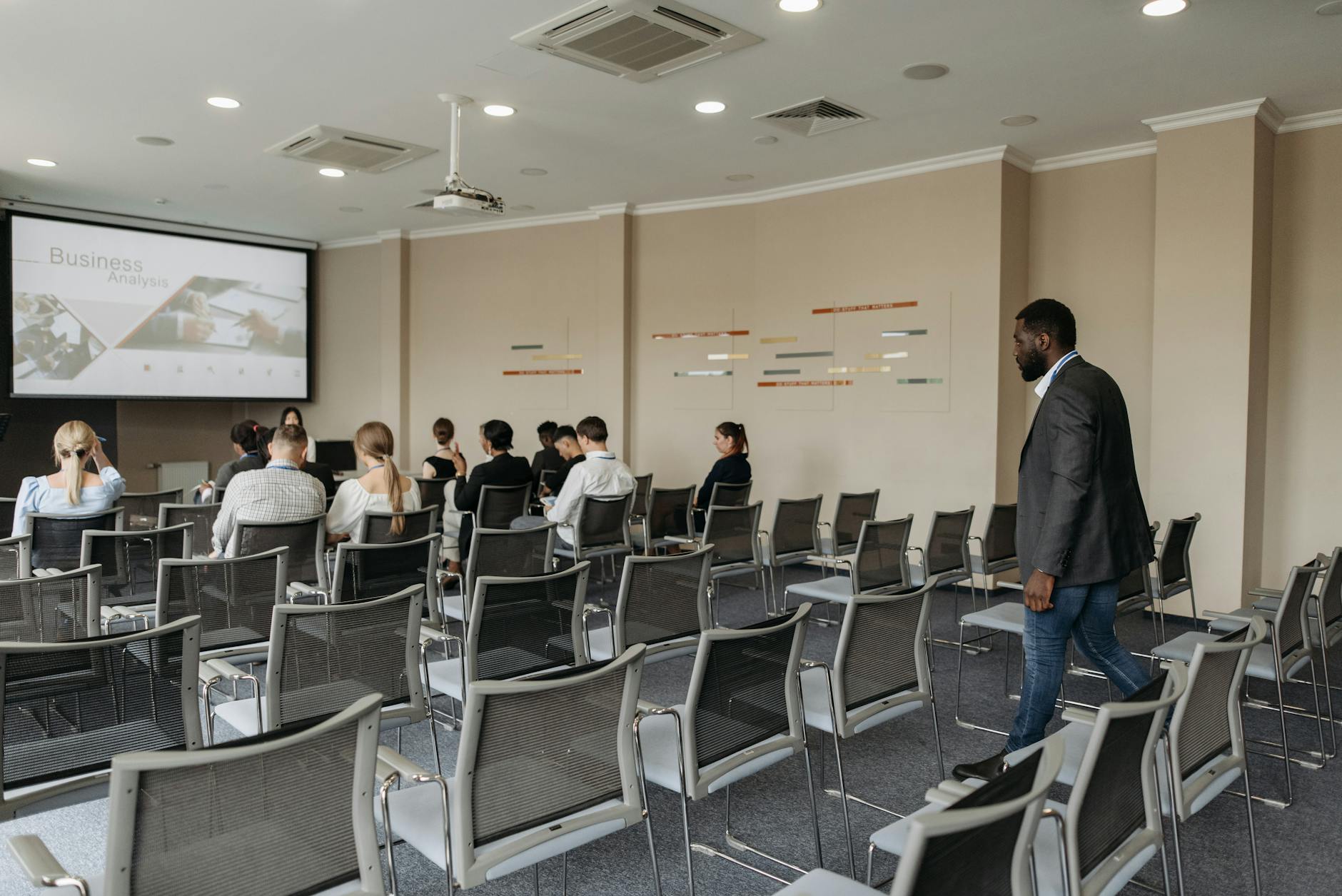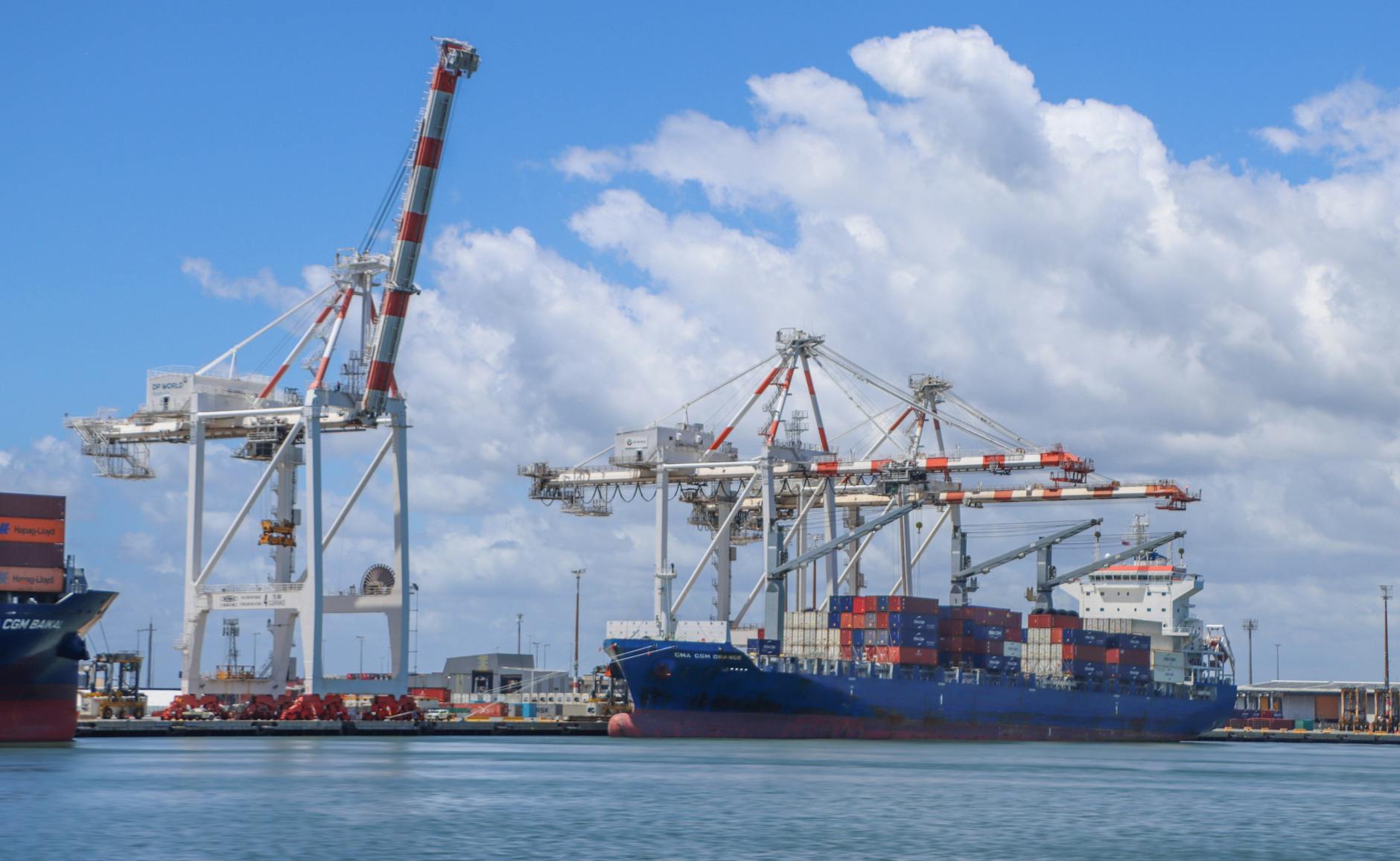
Confirm the exact venue and booth routine
A Brisbane trade-show trip depends on the specific venue, hall, entrance, loading rules, badge pickup, booth location, meeting rooms, and daily schedule. Small differences in entry or freight rules can change the whole day.
The venue plan should be explicit.
- Confirm hall name, entrance, badge pickup, booth number, loading times, storage, and exhibitor rules.
- Map hotel-to-venue movement by morning arrival, late return, rain, heat, and luggage or sample handling.
- Build the day around required booth coverage before adding meetings or evening events.
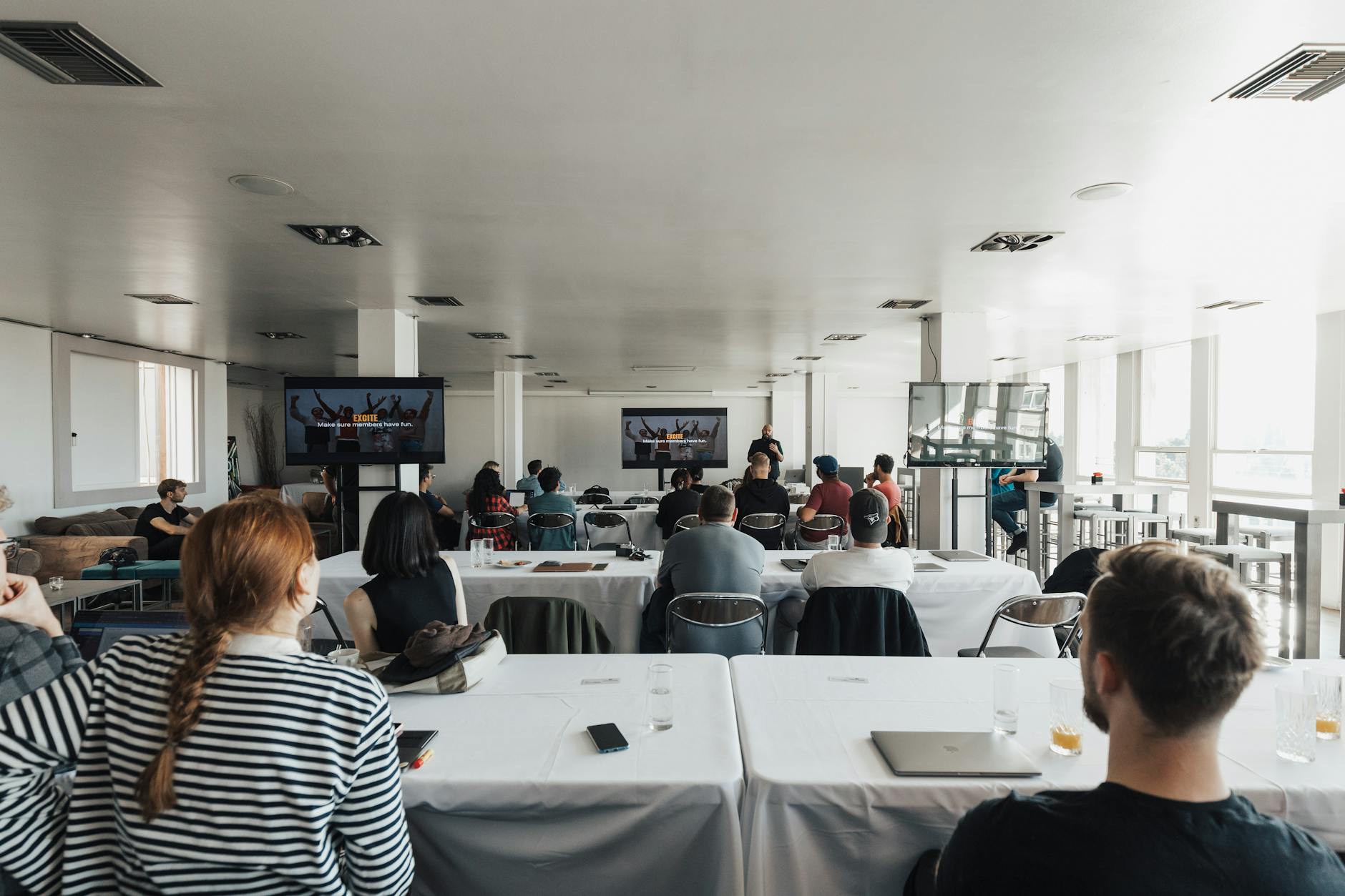
Choose lodging for repeated venue movement
The best hotel is usually the one that makes the show day simpler, not the one with the best view. Distance, reliable transport, breakfast timing, air conditioning, quiet sleep, late check-in, luggage storage, and easy rideshare pickup all matter.
The hotel should reduce friction every day.
- Compare hotels by venue travel time, morning traffic, walking exposure, luggage storage, breakfast, and late returns.
- Check whether the route still works with samples, display materials, formal clothing, or tired feet.
- Avoid a cheaper base that turns every show day into a transfer problem.
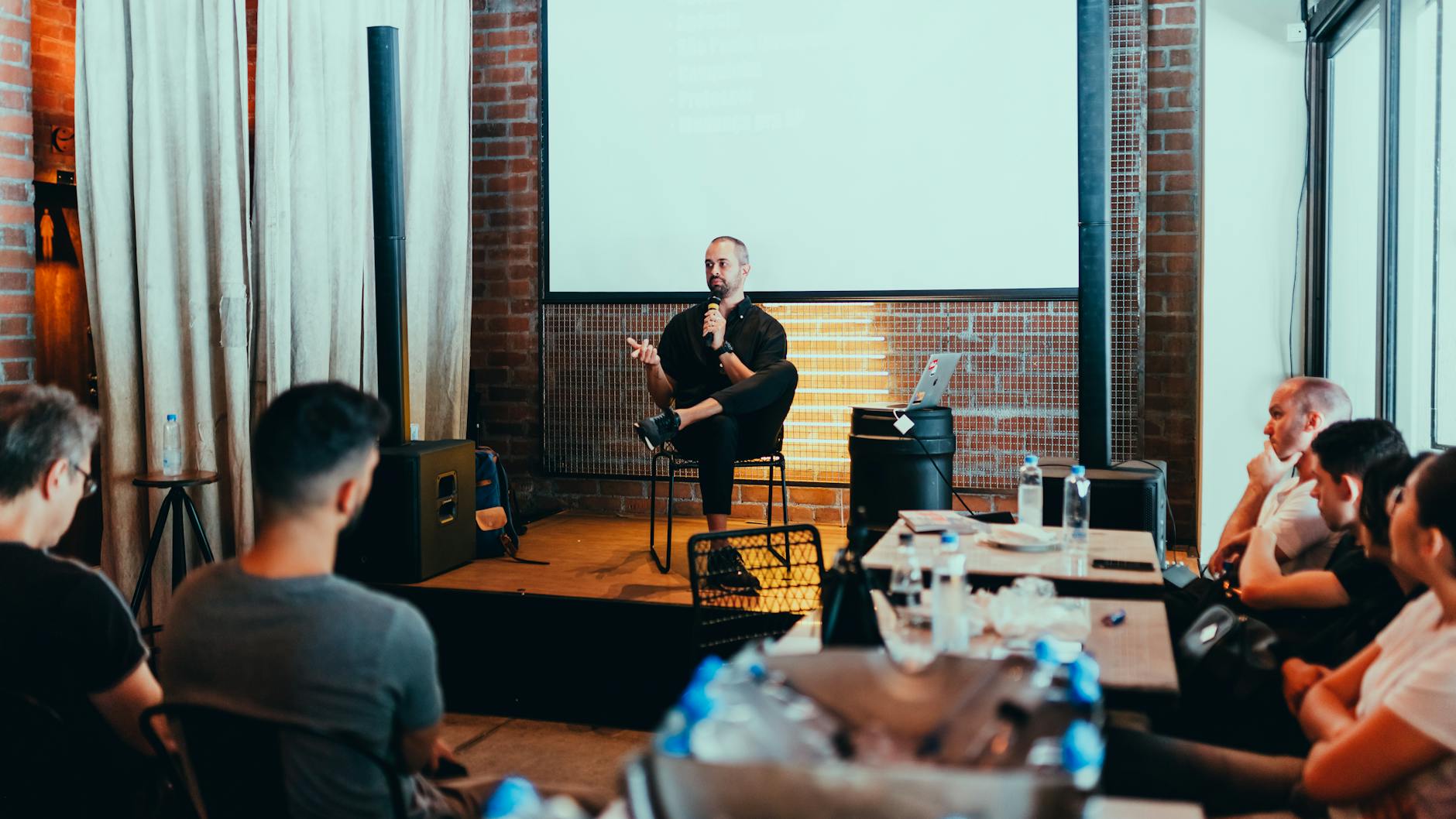
Plan freight, samples, and badge timing
Trade-show friction often comes from things that do not fit neatly into a carry-on: banners, demo units, giveaways, samples, uniforms, chargers, printed material, and booth tools. Brisbane arrival timing should leave space for these logistics before the first show commitment.
Materials need their own timeline.
- Confirm delivery address, customs or courier timing, dock access, storage, and who signs for materials.
- Pack backup chargers, adapters, tape, pens, business cards, QR codes, and a compact repair kit.
- Collect badges and inspect the booth before the first full show day whenever possible.
Protect trade-show stamina
A short trade-show trip can still be physically demanding. Long standing hours, conversation load, air conditioning, heat outside, formal shoes, late events, and skipped meals can weaken the final day.
Stamina is a planning resource.
- Schedule real meal breaks, water, quiet resets, shoe changes, and handoff coverage where possible.
- Keep one low-effort dinner option near the hotel for days when networking runs long.
- Avoid filling every evening when the next morning requires booth performance.
Use meals and networking deliberately
Brisbane trade-show meals should support the work: client breakfasts, quick lunches, booth-adjacent coffee, hosted dinners, and informal follow-ups. The attendee should know which meals matter and which are just fuel.
Networking is easier when the meal map is ready.
- Reserve important client meals early, especially near the venue or hotel.
- Identify fast lunch options, coffee stops, quiet meeting corners, and a reliable dinner backup.
- Keep travel time between the venue, hotel, and evening event short enough to preserve the next day.
Keep teardown and departure practical
The final trade-show day can fail when booth teardown, shipping, luggage, checkout, follow-up meetings, and airport timing are treated as separate problems. They need one sequence.
Departure day should be engineered backward.
- Confirm booth close time, teardown rules, courier pickup, storage cutoff, and who owns each task.
- Keep luggage storage, hotel checkout, airport transfer, and final meetings in one timeline.
- Avoid booking a flight that leaves no margin for late teardown or traffic after the show closes.
When to order a short-term travel report
A trade-show attendee with a simple agenda and proven venue hotel may not need a custom report. A report becomes useful when venue logistics, booth setup, freight, hotel choice, transport, networking meals, weather, and departure timing need to fit into a short Brisbane trip.
The report should test venue access, hotel position, airport transfer, freight timing, badge pickup, booth coverage, meeting flow, meal areas, evening events, teardown, courier options, and departure buffers. The value is a Brisbane show trip that feels operationally controlled.
- Order when venue movement, freight, booth coverage, meals, networking, teardown, or airport timing need coordination.
- Provide dates, venue, booth number, hotel options, freight needs, meeting schedule, team size, and flight details.
- Use the report to keep the Brisbane trade-show trip focused on the work instead of logistics.