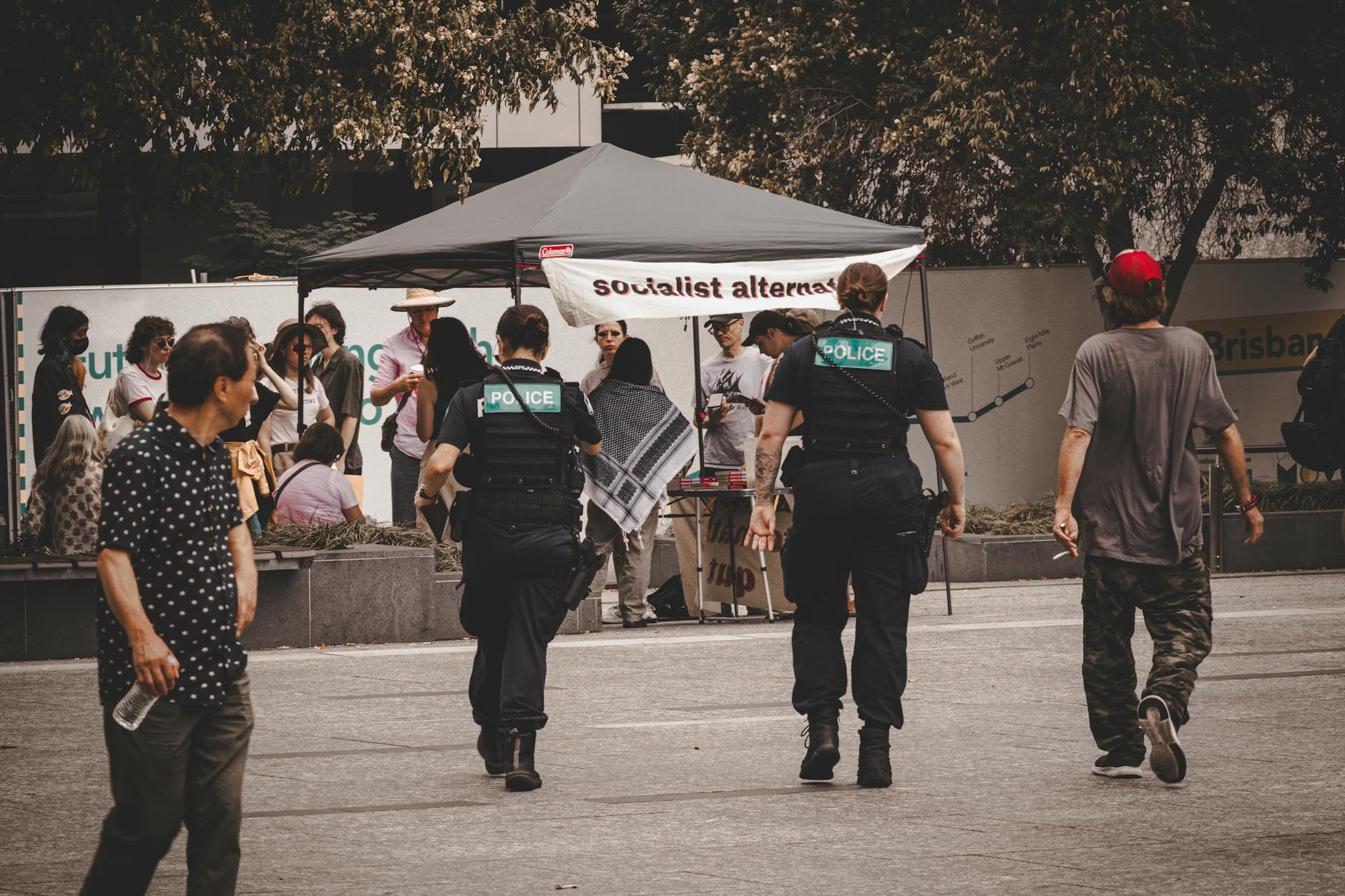
Map the client site before choosing the base
A consultant should choose lodging after confirming the exact client site, meeting rooms, security entrance, visitor process, and commute pattern. Brisbane CBD, South Bank, Fortitude Valley, suburban offices, and industrial sites can require very different bases.
The client location should drive the hotel map.
- Confirm the site address, visitor entrance, security process, arrival time, and meeting-room location.
- Compare hotel options by morning commute, late work return, breakfast, quiet sleep, and reliable pickup.
- Avoid choosing a scenic base if it weakens the first client meeting or adds cross-river friction.
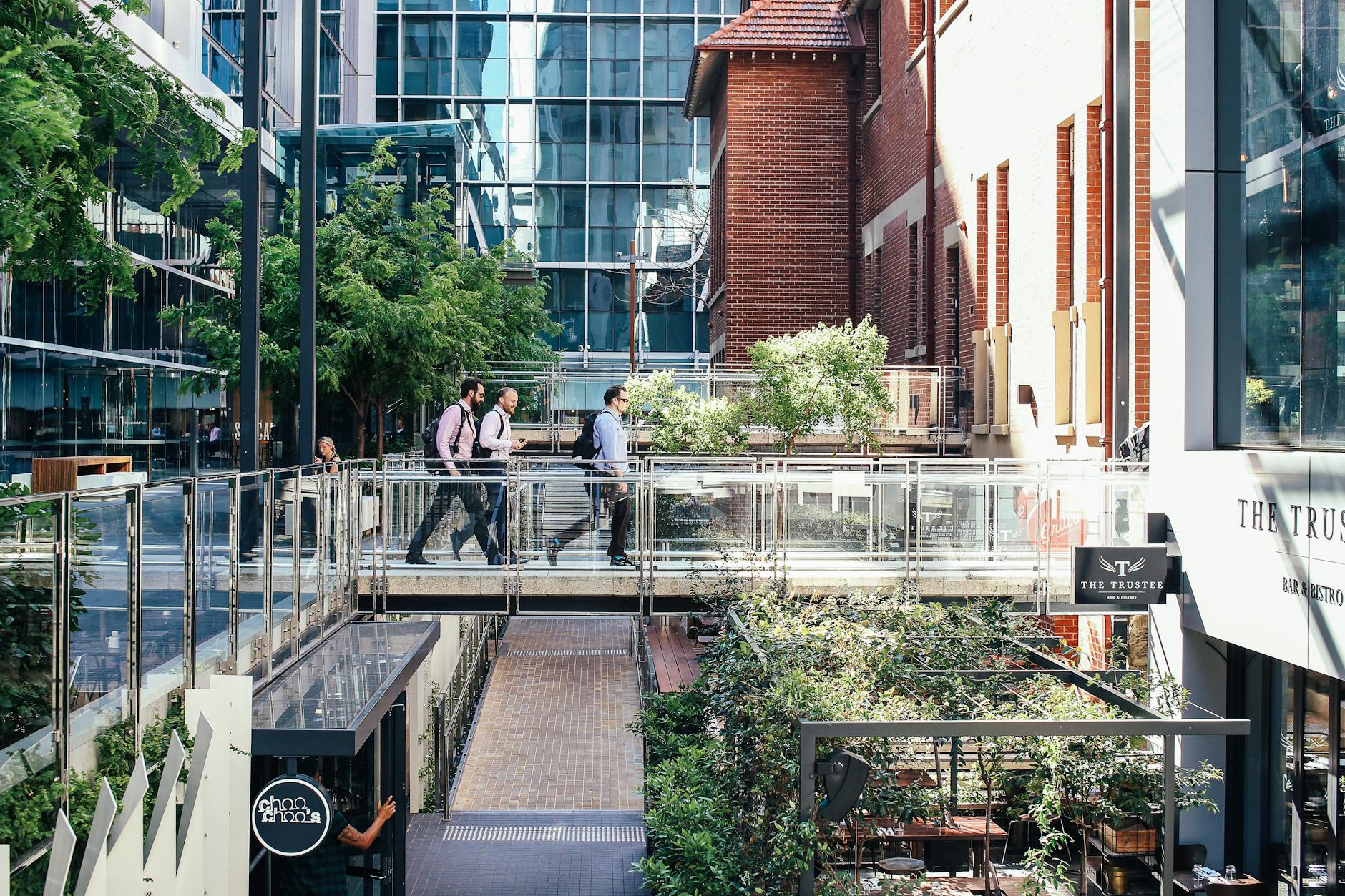
Make arrival support first-day performance
The arrival plan should protect sleep, preparation, and a calm first client day. Flight timing, airport transfer, hotel check-in, dinner, ironing, materials, and morning travel should be settled before landing.
A good consulting trip starts the night before the meeting.
- Choose flights and transfers that leave enough time for check-in, food, materials review, and sleep.
- Confirm hotel workspace, power outlets, Wi-Fi, printing needs, laundry, and breakfast timing.
- Keep the first morning simple enough that traffic, rain, or a minor delay does not damage the meeting.
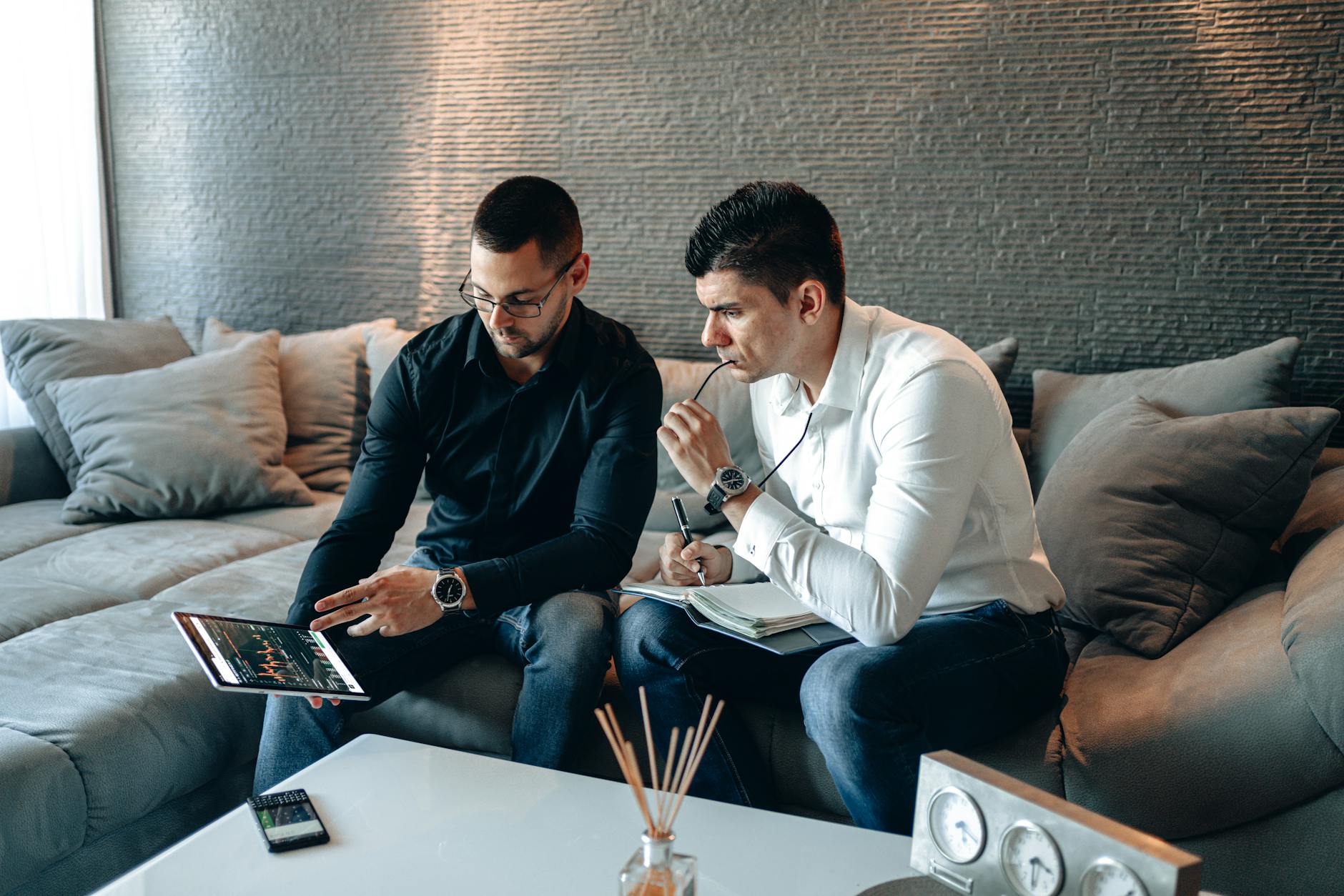
Protect work blocks and confidentiality
A consultant may need quiet time for slides, analysis, interviews, follow-up notes, or sensitive calls. Hotel rooms, lounges, cafes, coworking spaces, and client offices should be assessed for privacy as well as convenience.
Not every available workspace is appropriate.
- Identify where confidential calls, document review, and focused writing can happen without exposure.
- Use privacy screens, headphones, secure networks, and client-approved spaces for sensitive work.
- Reserve calendar blocks after workshops or interviews so notes are captured while they are fresh.
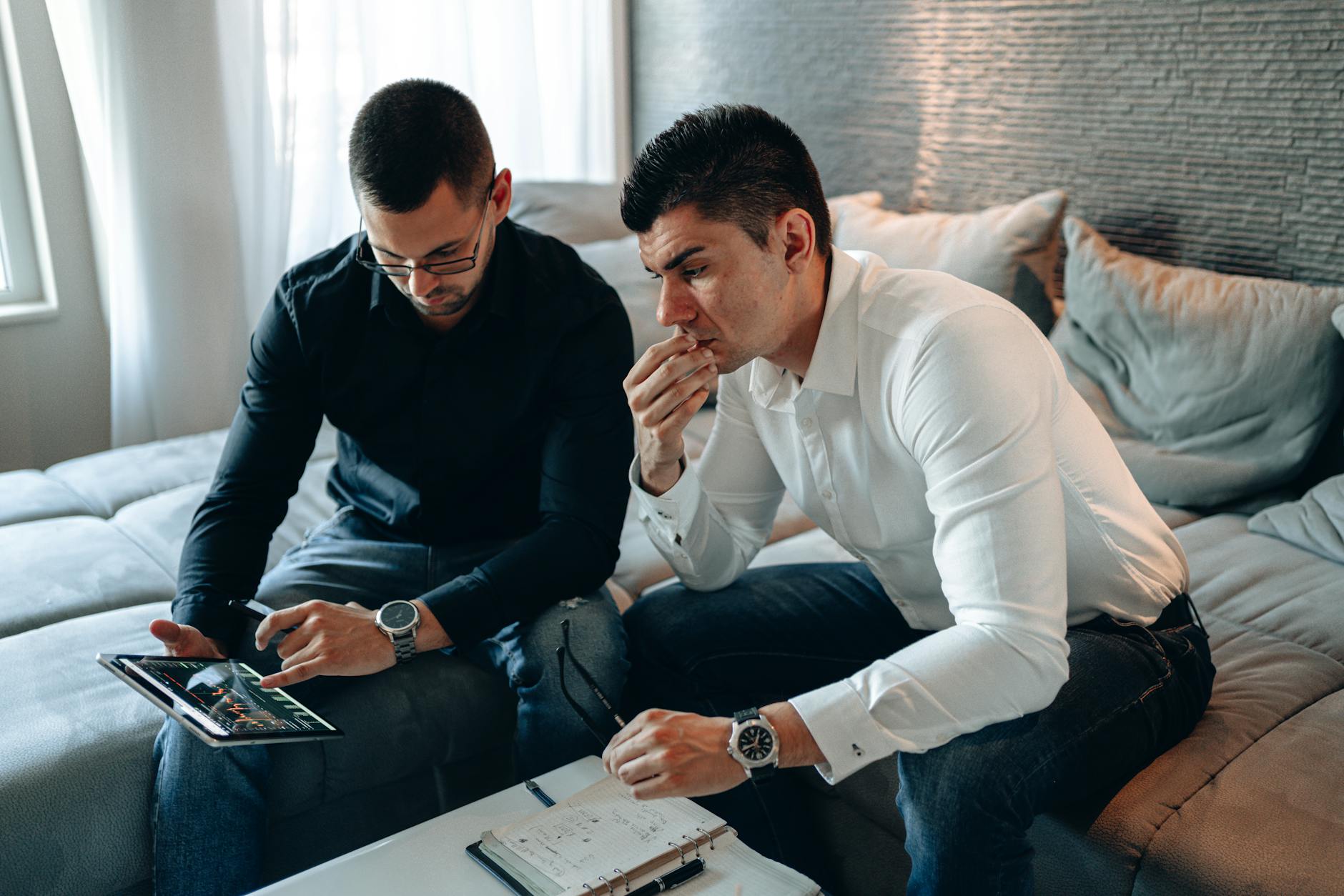
Use Brisbane movement by schedule and weather
Brisbane movement can be efficient when planned around time of day, river crossings, weather, and meeting locations. A consultant should know when to walk, ride, use public transport, or take a taxi rather than deciding under pressure.
Transport choices should match the workday.
- Map morning, midday, and evening routes separately because traffic, heat, and rain change the decision.
- Use rideshare or taxi for high-stakes arrivals, client materials, formal clothes, or tight transitions.
- Keep a backup route for river crossings, storms, public transport delays, or late client dinners.

Plan meals around the client rhythm
Consulting meals are part logistics, part relationship management. The trip may need client breakfasts, working lunches, quick solo dinners, dietary flexibility, or a quiet place to decompress after workshops.
Meals should not be left to whatever is nearby.
- Mark client-ready restaurants, quick lunches, coffee meeting spots, and low-effort solo dinners near the route.
- Check booking needs, dietary constraints, noise level, payment expectations, and travel time.
- Keep one easy backup meal near the hotel for days when client work runs late.

Keep departure day clean
A consultant's final day often includes checkout, luggage, follow-up meetings, document delivery, client debriefs, and airport timing. If these are not sequenced together, the last day becomes fragile.
The exit should be planned backward from the flight.
- Confirm checkout, luggage storage, final meeting location, document handoff, and airport transfer before the last morning.
- Avoid scheduling the most important debrief too close to departure.
- Leave enough margin for rain, traffic, client overruns, security lines, and last-minute follow-up.

When to order a short-term travel report
A consultant with a familiar client site and simple schedule may not need a custom report. A report becomes useful when client-site geography, hotel choice, airport transfer, work blocks, confidentiality, meals, weather, and departure timing need to fit into a short Brisbane engagement.
The report should test client location, visitor entry, hotel options, commute risk, private workspaces, meal areas, backup transport, weather exposure, checkout logistics, and airport buffers. The value is a Brisbane consulting trip that keeps attention on the client work.
- Order when client-site access, hotel geography, work blocks, meals, privacy, transport, or departure timing need coordination.
- Provide dates, flight details, client address, meeting schedule, hotel options, work needs, dietary constraints, and risk tolerance.
- Use the report to make the Brisbane engagement operationally calm.