Define the assignment before the itinerary
A journalist should know the core question, source map, locations, deadline, format, and risk profile before choosing lodging or transport. A short Brisbane trip can fail if the plan chases scenery instead of access.
The assignment should decide the route.
- Clarify story angle, required sources, must-visit locations, deadline, file format, and editor expectations.
- Map interviews, public records stops, press events, community sites, and visual locations before booking the base.
- Keep space for verification, source follow-up, and unexpected schedule changes.

Choose a base that supports access and filing
The right hotel should make source meetings, press events, field visits, and filing easier. Workspace, quiet, Wi-Fi, late check-in, transport, and secure gear storage matter as much as neighborhood appeal.
The room is part of the newsroom.
- Check desk setup, upload speed, quiet hours, secure storage, laundry, late returns, and easy pickup points.
- Choose lodging by interview geography, venue access, public transport, and deadline windows.
- Avoid a base that leaves the journalist filing from a noisy lobby or unstable connection.
Plan interviews with permissions and context
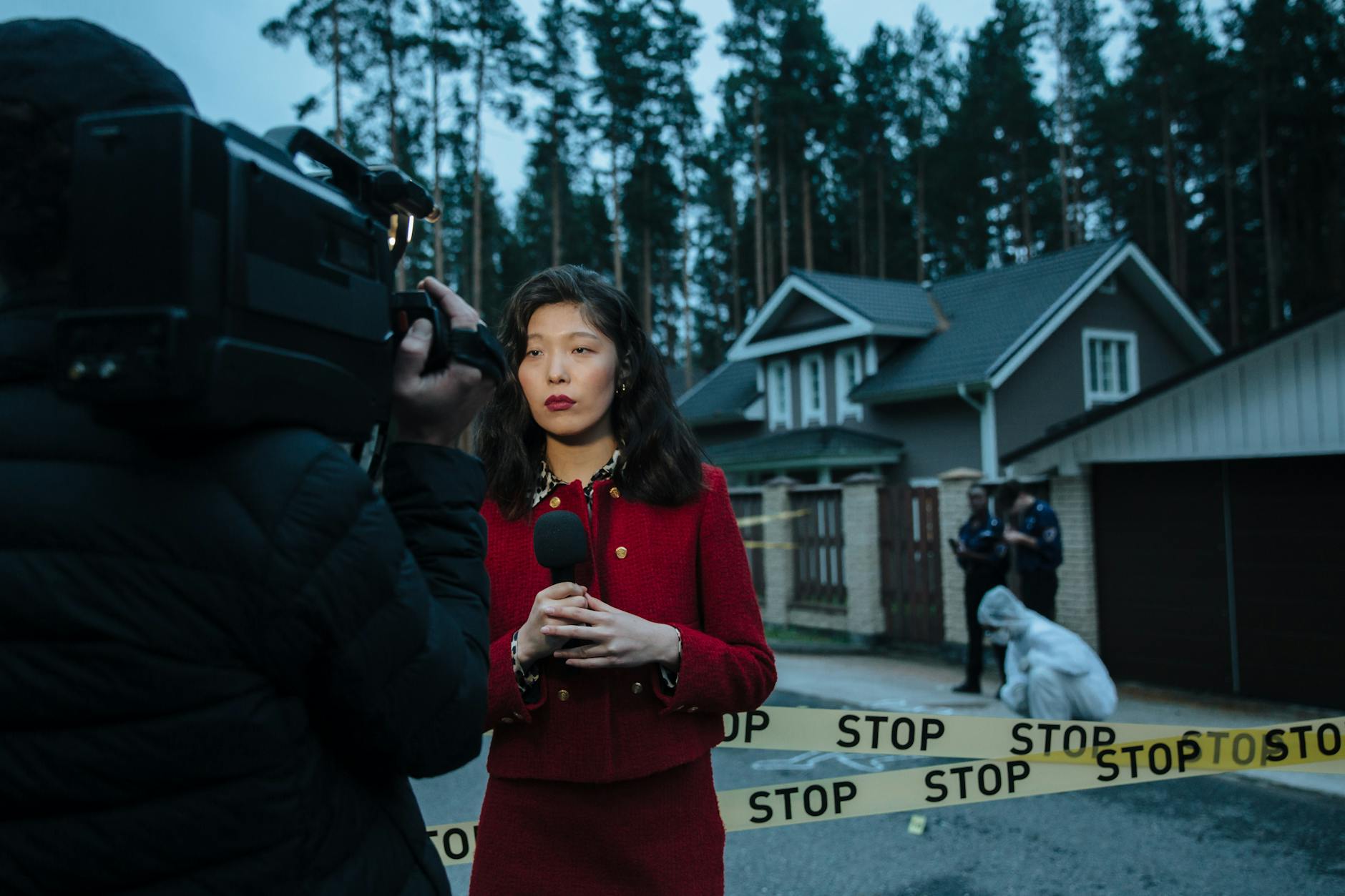
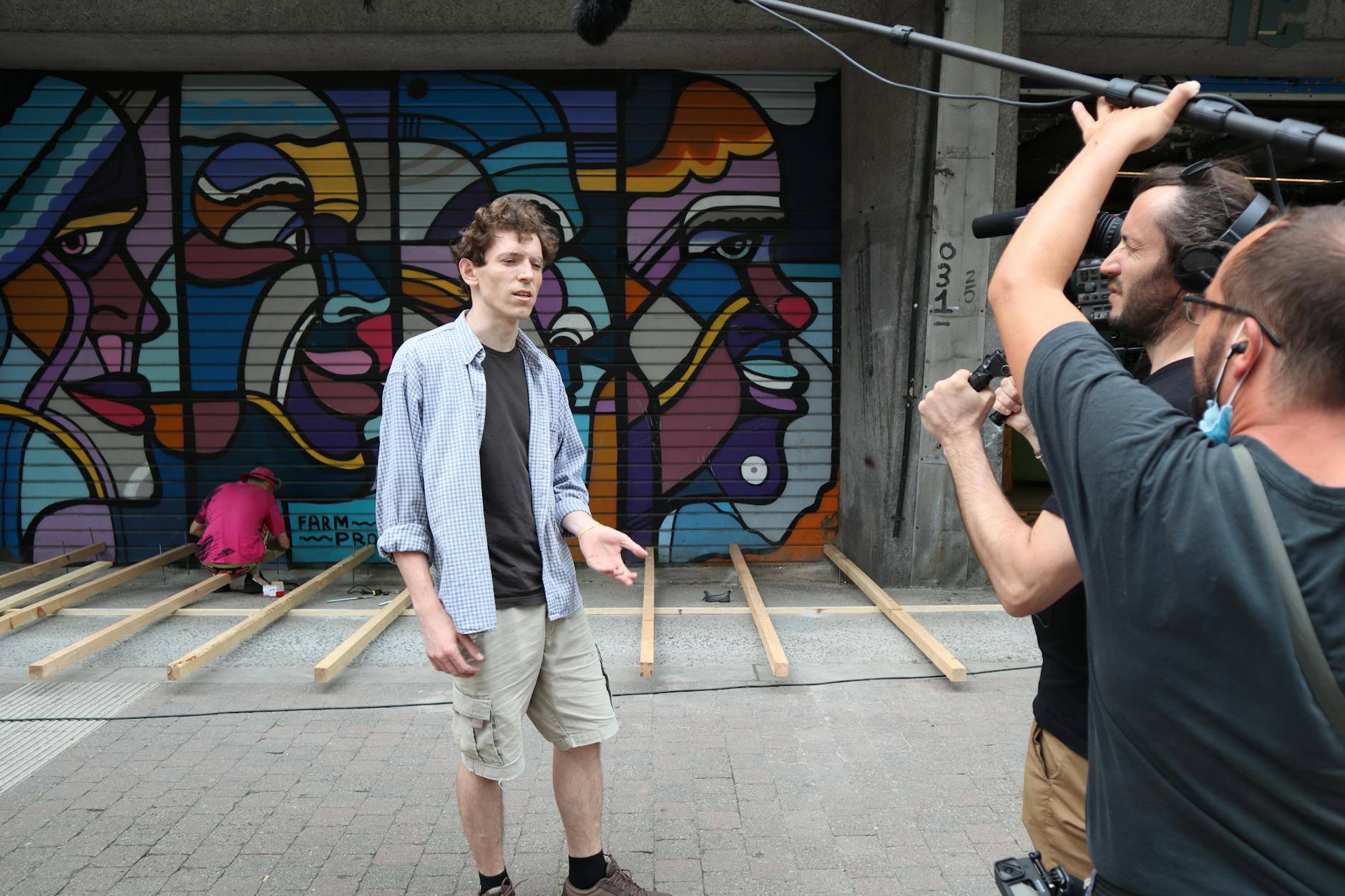
Brisbane reporting may involve civic events, universities, community groups, businesses, courts, cultural venues, health settings, or public spaces. The journalist should confirm access, recording consent, photography rules, and context before arriving with equipment.
Source time should not be wasted on logistics.
- Confirm interview address, timing, consent, recording rules, photo permissions, and backup contact method.
- Leave time before and after interviews for setup, notes, fact checks, and source protection.
- Treat vulnerable sources, private spaces, and advocacy settings with extra care.
Make gear and connectivity redundant
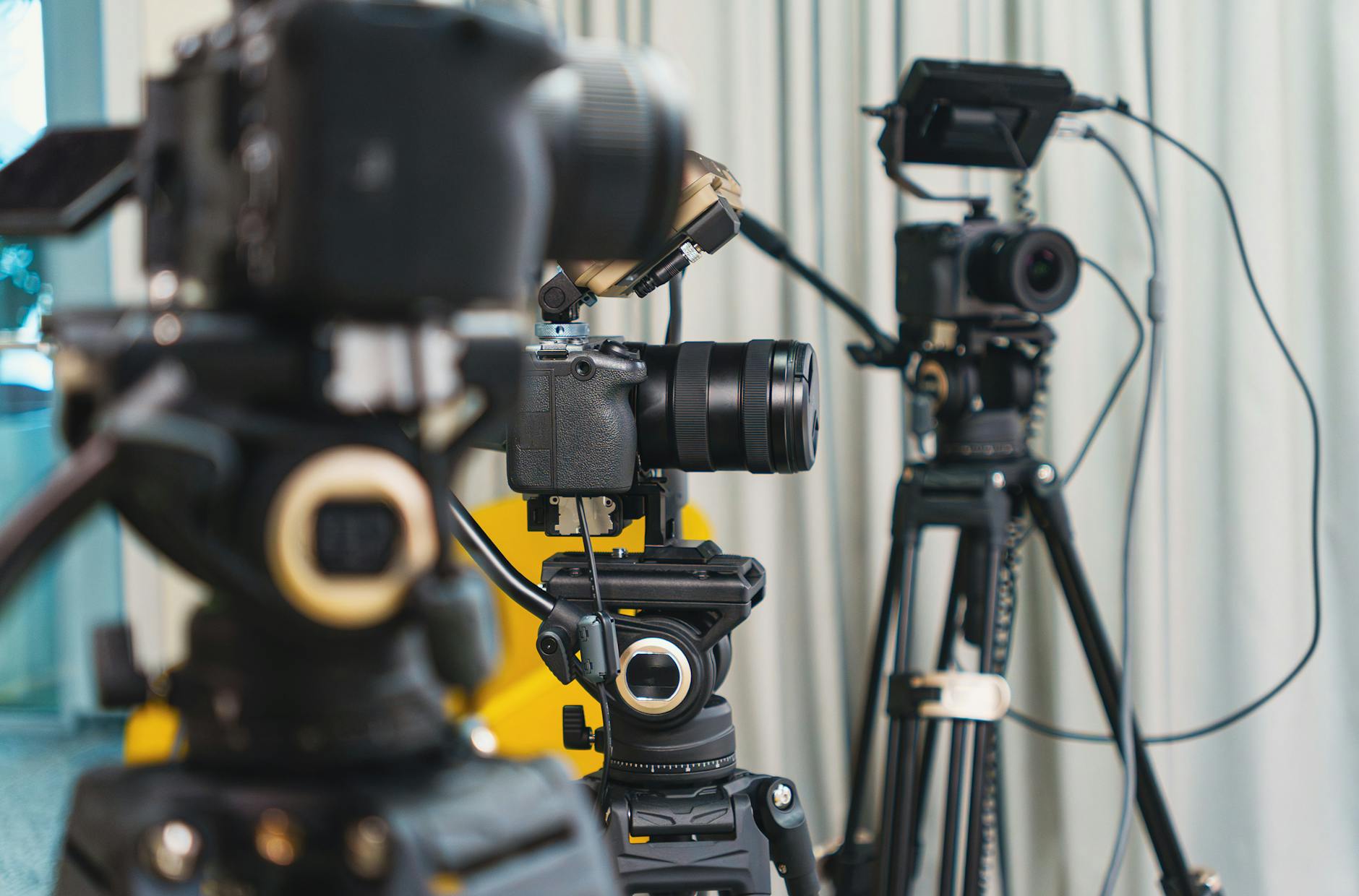
A short assignment leaves little room for dead batteries, full cards, missing adapters, poor audio, or slow uploads. Brisbane field days should be planned with backups for capture, storage, transmission, and power.
The gear plan should assume something will fail.
- Carry extra batteries, cards, chargers, adapters, microphones, headphones, and cloud or drive backup.
- Test mobile data, hotspot options, upload workflow, and file naming before the first field day.
- Keep equipment weather-aware when heat, storms, dust, or outdoor events are possible.
Use movement plans that respect deadlines
Brisbane movement can involve river crossings, CBD traffic, suburban interviews, outdoor events, and sudden weather changes. A journalist should know the fastest route, the cheapest route, and the reliable route before the day starts.
The deadline should shape transport choices.
- Map interview routes with realistic time for traffic, public transport, parking, rideshare pickup, and walking.
- Use taxis or rideshare when gear, safety, timing, or weather makes certainty more important than cost.
- Keep a filing location near the final interview or return route.
Balance independence, safety, and visibility
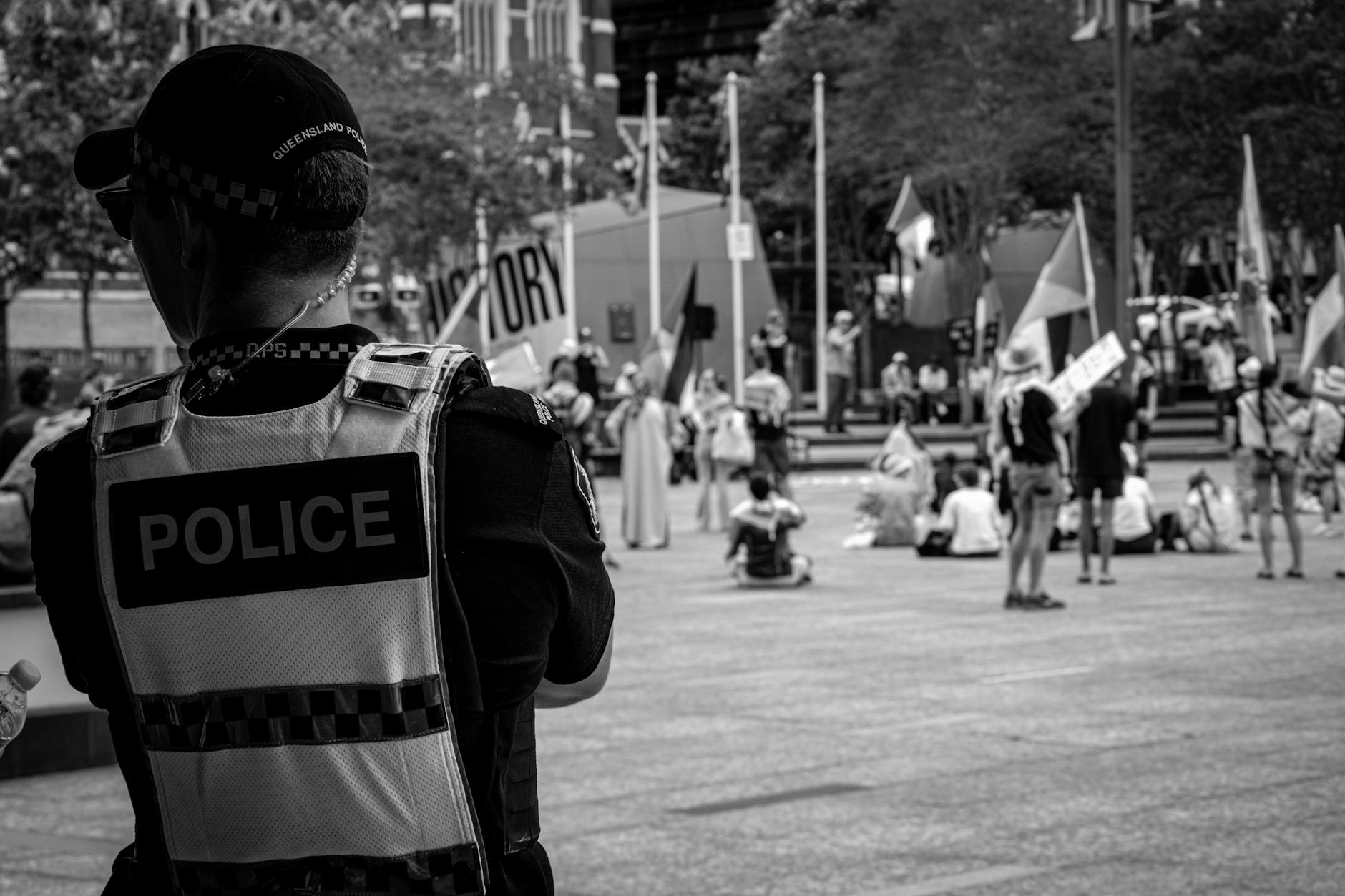
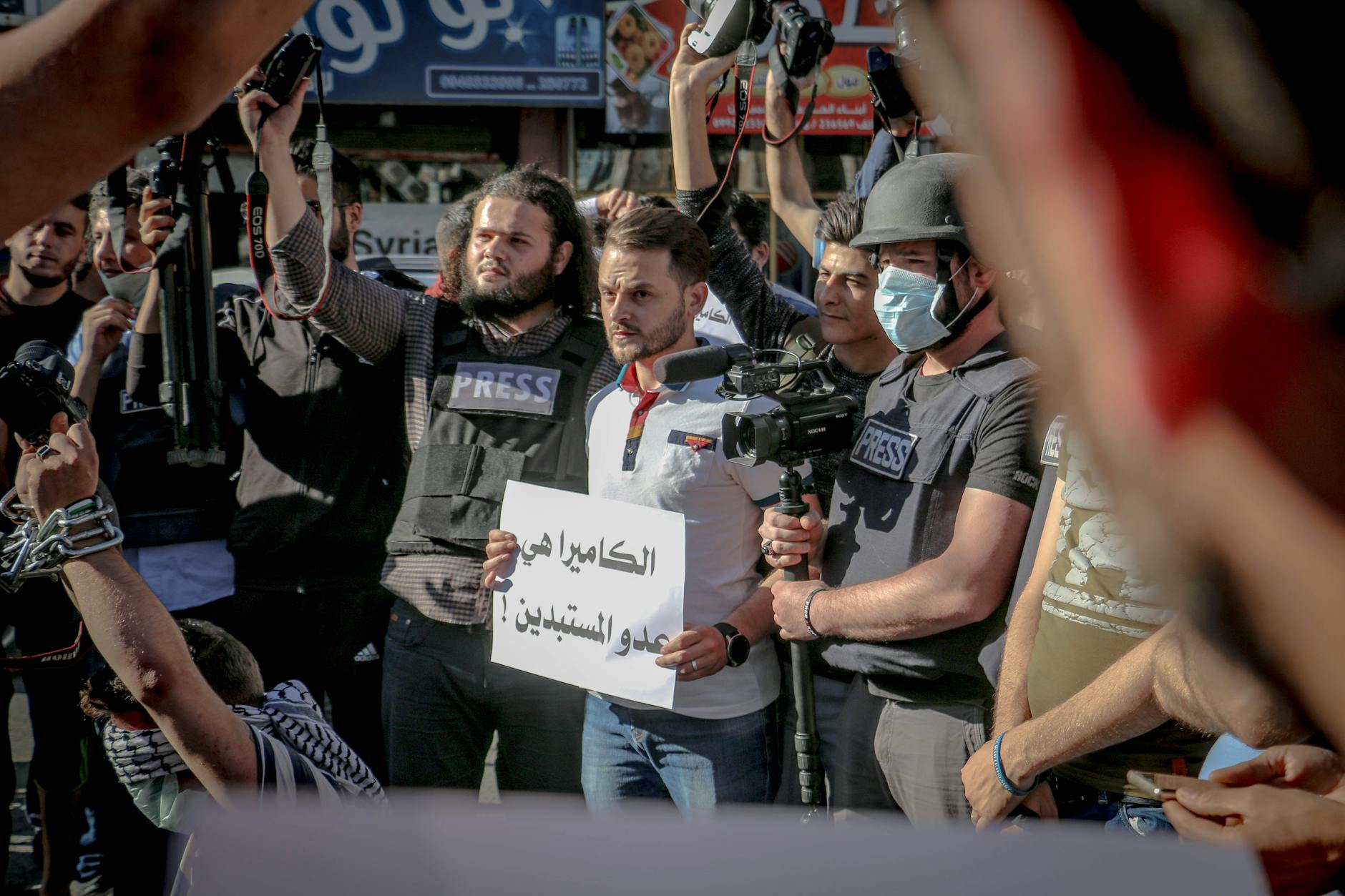
A journalist may need to cover protests, civic events, sensitive interviews, nightlife, weather impacts, or unfamiliar neighborhoods. Safety planning should not interfere with independence, but it should be explicit.
The journalist should know where they are, who knows their route, and how they leave.
- Share assignment movements with an editor or trusted contact when covering sensitive or late events.
- Check accreditation, public-space rules, event access, police lines, crowd exits, and local legal constraints.
- Carry ID, water, battery, emergency contacts, and a simple exit plan.
When to order a short-term travel report
A journalist with a single organized press event may not need a custom report. A report becomes useful when sources, field locations, hotel choice, filming rules, deadline windows, safety, weather, and airport timing need to fit into a short Brisbane assignment.
The report should test source geography, lodging options, interview routes, press event access, public records stops, gear needs, filing locations, safety considerations, meal gaps, weather risk, and departure buffers. The value is a Brisbane journalism trip that protects reporting quality under time pressure.
- Order when sources, field sites, access rules, deadlines, safety, gear, or departure timing need coordination.
- Provide dates, flight details, assignment scope, source locations, deadline windows, gear needs, lodging preferences, and safety concerns.
- Use the report to keep the Brisbane assignment organized without weakening editorial independence.