Choose lodging around family recovery
Families need a Brisbane base that makes returns simple. Room layout, elevators, breakfast, laundry, nearby food, pool access, stroller storage, and short transport links can matter more than a landmark view.
The hotel should make recovery easy.
- Check family room layout, extra beds, elevators, breakfast, laundry, fridge access, and quiet.
- Choose lodging near South Bank, the river, the main family anchor, or reliable transport.
- Avoid bases that require long hot walks after dinner or complicated transfers with children.

Use South Bank and the river as anchors
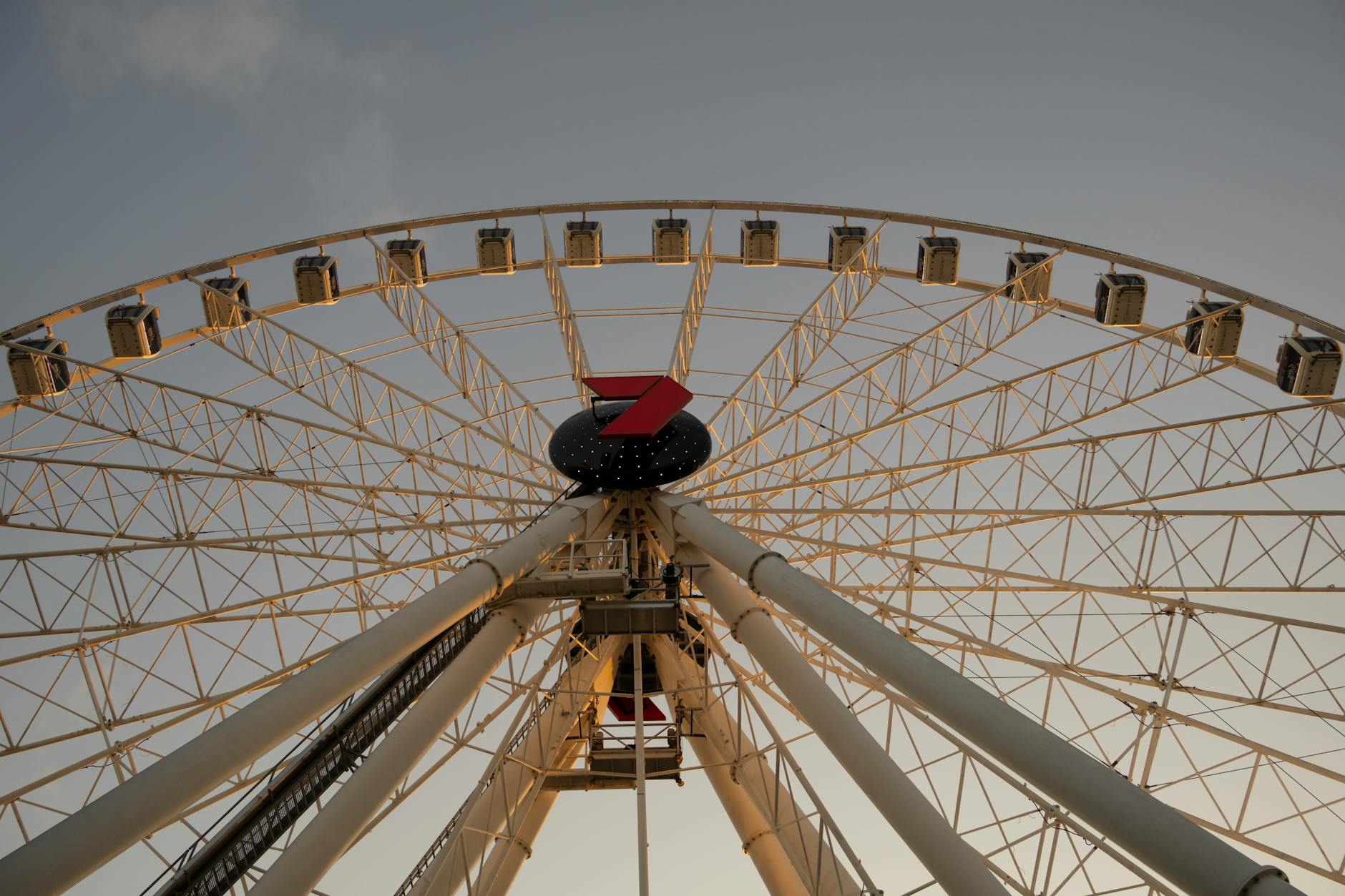
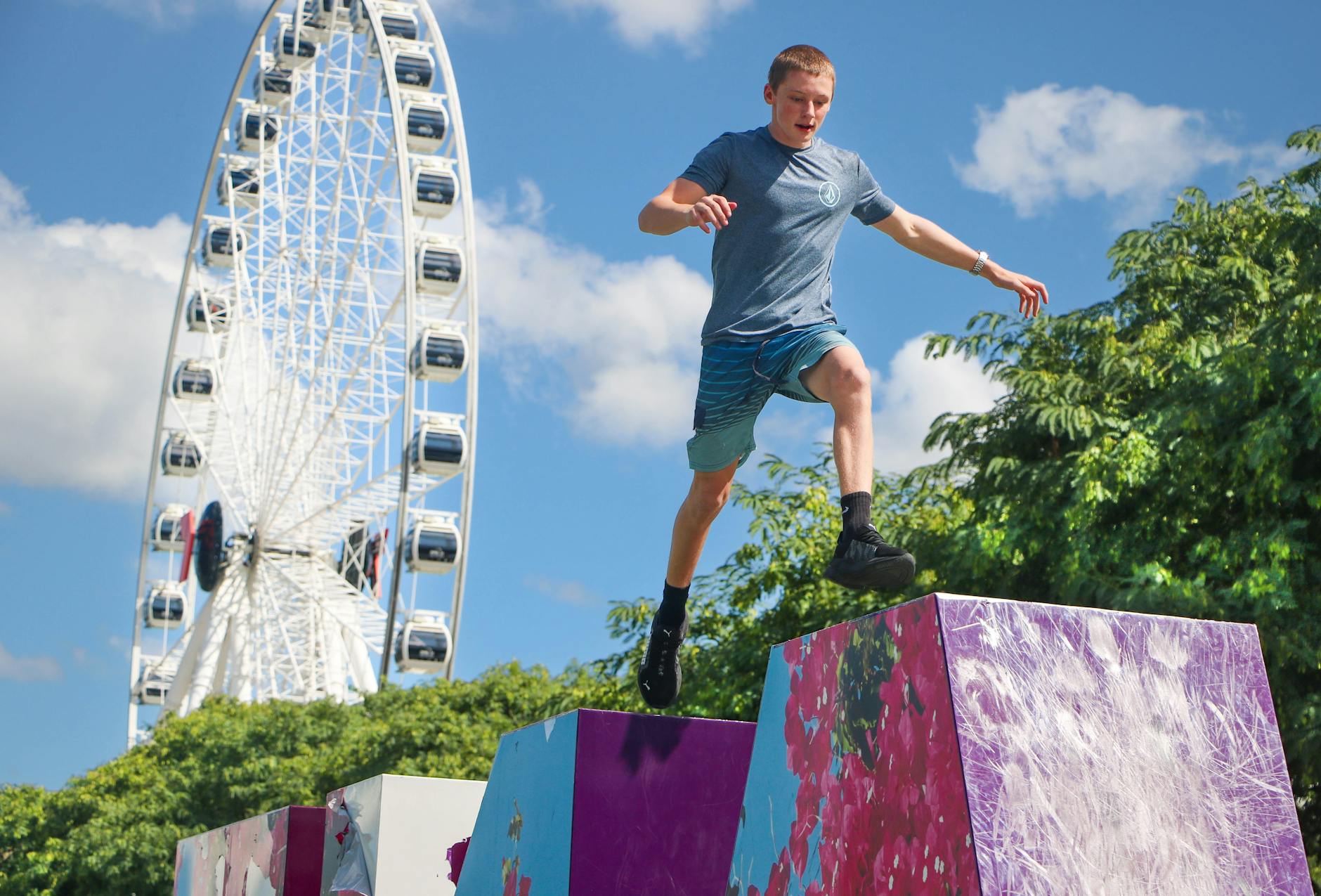
South Bank, the river, ferry views, the wheel, museums, and nearby food can give families a strong first structure. The day works better when one area carries the experience instead of forcing the group across the city.
A compact family anchor keeps the trip easier.
- Build one day around South Bank, river views, museums, food, and a simple return route.
- Check opening hours, stroller rules, shade, restrooms, and meal options before arrival.
- Keep the route short enough to adjust when children get tired or weather changes.
Make wildlife stops deliberate
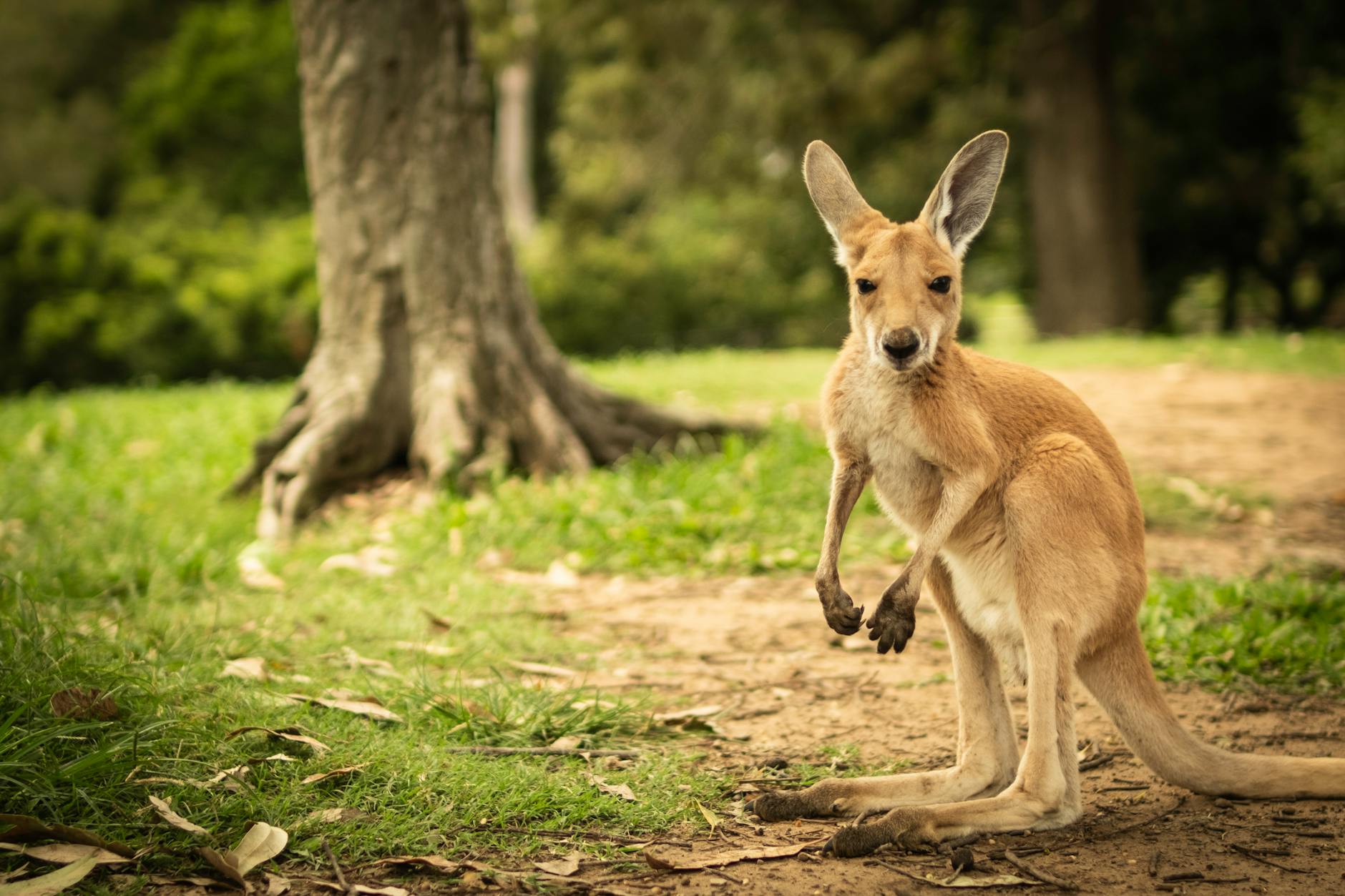
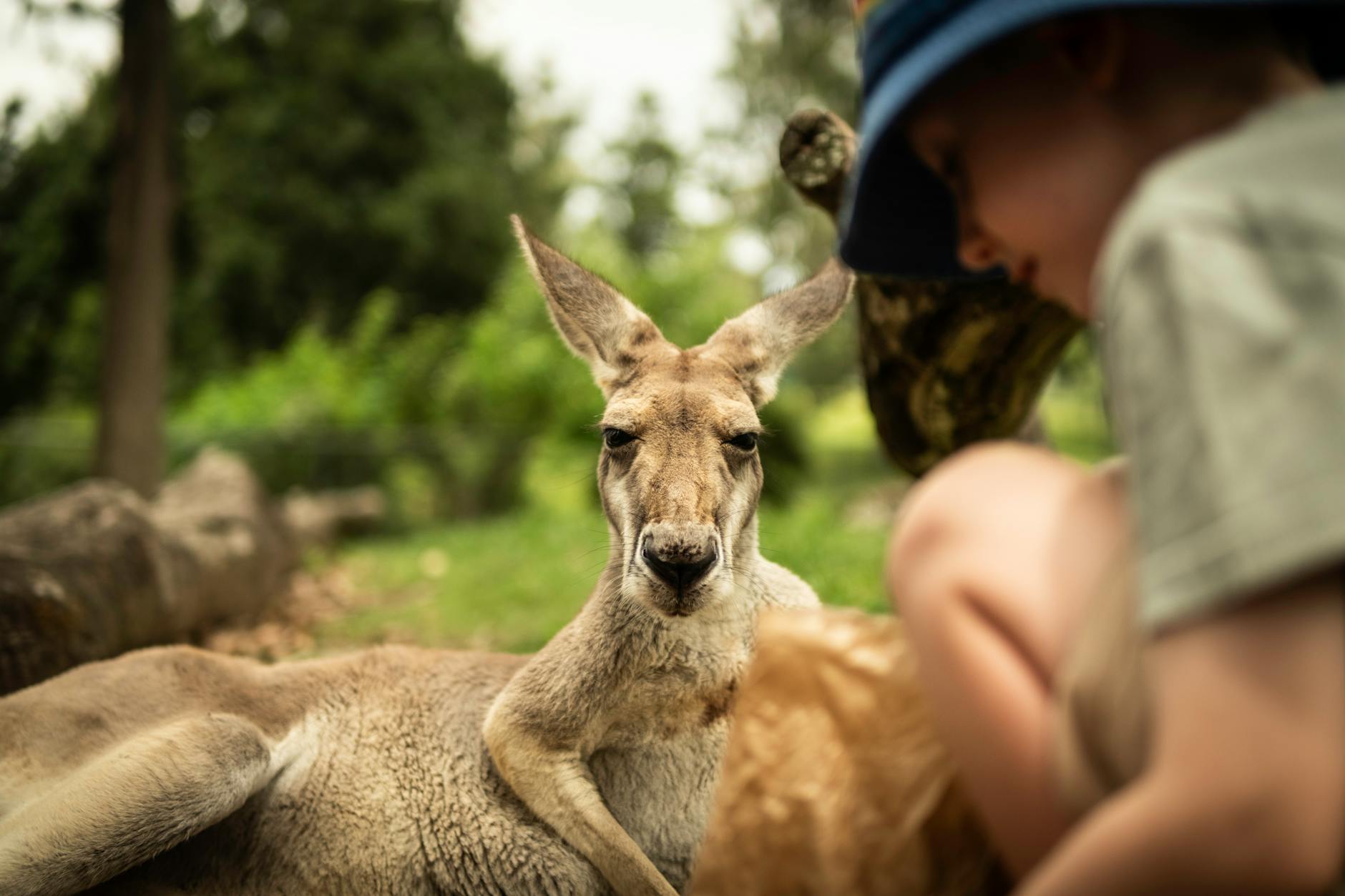
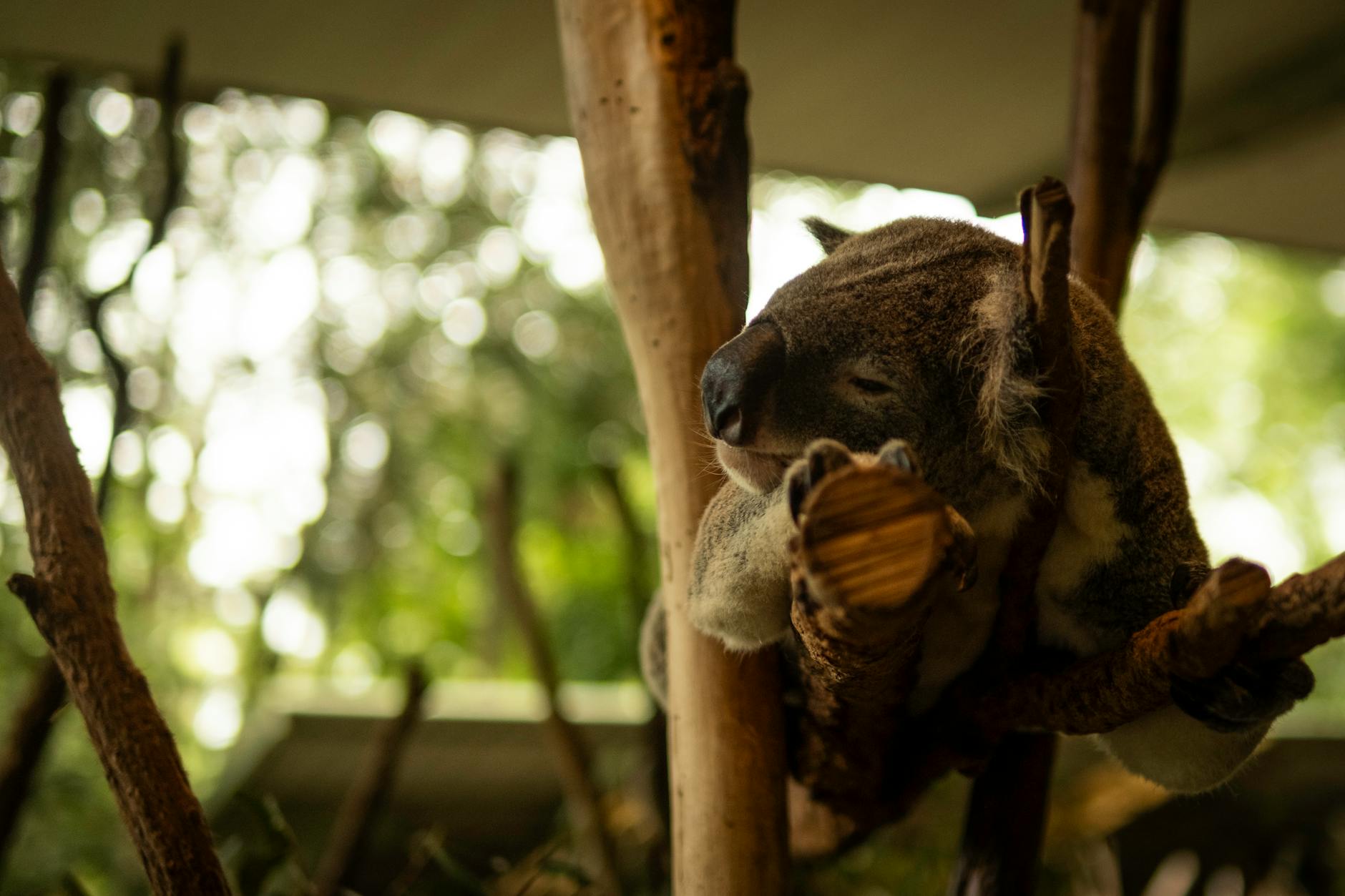
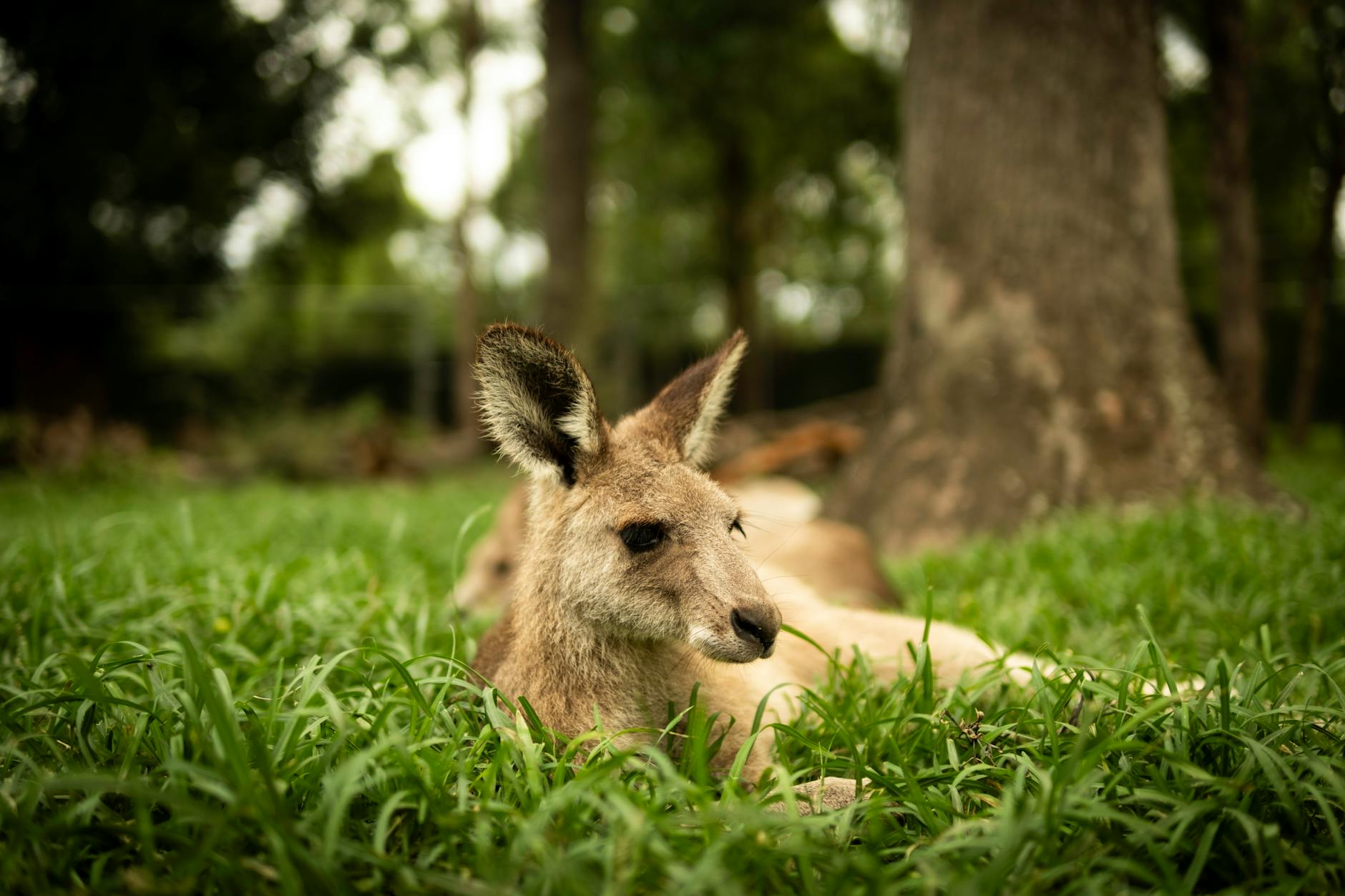
Wildlife can be a major family draw around Brisbane, but animal-focused plans need timing, transport, heat planning, food, restrooms, and realistic expectations. A wildlife stop should not be squeezed into the end of an already full day.
The animal experience needs its own space.
- Check transport time, opening hours, ticket rules, shade, food, restrooms, and stroller access.
- Put wildlife stops earlier in the day when children have more energy.
- Avoid pairing a long animal outing with too many other timed activities.
Treat heat, shade, and rest as real constraints
Brisbane family days need shade, water, sunscreen, hats, indoor breaks, and hotel resets. Children may enjoy the city more when the plan leaves space for rest instead of pushing through the hottest part of the day.
Comfort keeps the trip playful.
- Plan outdoor time for cooler parts of the day when possible.
- Carry water, sun protection, snacks, and a lightweight rain or storm backup.
- Use museums, cafes, hotel breaks, or shaded river areas when heat starts to dominate.
Plan meals, restrooms, and movement before leaving
Family logistics often fail around basics. Meals, restrooms, stroller routes, transit, rideshare pickup, and luggage should be known before the day begins, especially when weather or a timed ticket is involved.
The simple details are what keep the day moving.
- Map snacks, lunch, early dinner, restrooms, stroller-friendly paths, and transport stops.
- Reserve important meals and keep casual backups near the family route.
- Use taxis or rideshare when heat, luggage, or tired children make transit less sensible.

Keep evenings short and close
Brisbane evenings can work well for families when dinner, views, and the return route are close together. A long late plan can make the next day harder, especially after heat, wildlife outings, or a river-heavy day.
The best family night is easy to end.
- Choose evening meals near the hotel, river route, or a clear taxi pickup point.
- Keep one scenic view or simple treat rather than adding several late stops.
- Protect sleep before early flights, tours, or departure-day packing.
When to order a short-term travel report
A family with a simple hotel and one main outing may not need a custom report. A report becomes useful when lodging, South Bank, wildlife stops, heat, meals, stroller needs, restrooms, evenings, and departure timing need to work inside a short Brisbane stay.
The report should test hotel setup, airport transfer, family anchors, wildlife logistics, shade, meals, restroom access, stroller routes, weather backups, evening returns, and departure buffers. The value is a Brisbane family trip that stays fun because the harder parts were planned first.
- Order when lodging, family attractions, wildlife, meals, strollers, heat, restrooms, or departure timing need coordination.
- Provide dates, flight details, children's ages, hotel options, stroller needs, food needs, interests, budget, and pace limits.
- Use the report to make Brisbane playful, practical, and easier for everyone in the group.