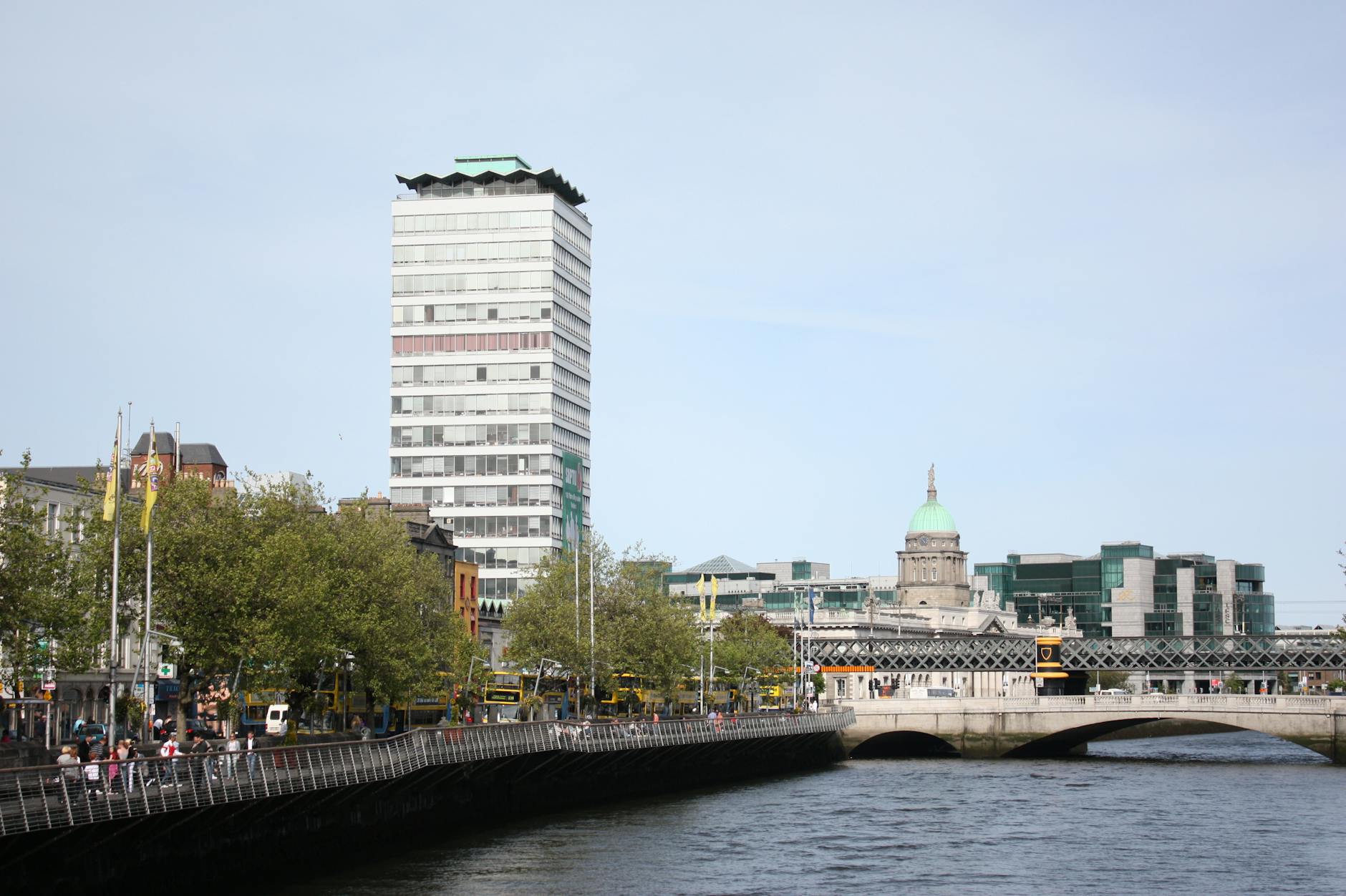
A volunteer or NGO trip to Belfast should begin with the local partner, not with the travel wish list. The traveler may be entering community settings, youth programs, research visits, service projects, faith-linked work, public-sector meetings, or advocacy conversations where context and conduct matter as much as logistics. Belfast can be welcoming, but it is not a blank stage. The best short stay protects the purpose of the work. That means clear lodging, safe and punctual transport, careful documentation, respect for local history, sensible evenings, and enough rest to show up well. A useful plan makes the traveler easier for the partner to host.
Start with the partner's operating reality
Volunteer and NGO travelers should map where the partner actually works: office, community centre, school, church, youth setting, clinic, university, council office, or field site. A hotel that looks central may still create awkward daily movement if the work is elsewhere or if arrival and departure times are fixed by the partner.
The traveler should also clarify the role. Observing, volunteering, interviewing, training, fundraising, documenting, or evaluating all create different responsibilities. Belfast rewards visitors who know why they are there before they start moving through local spaces.
- Map partner offices, community sites, meeting points, and daily routes before choosing lodging.
- Clarify whether the role is service, observation, training, research, advocacy, or evaluation.
- Use the partner's schedule and constraints as the core itinerary.
Plan safeguarding and permissions before arrival
Short volunteer travel can still involve safeguarding, consent, privacy, photo restrictions, identity checks, insurance, and organizational policies. The traveler should know what documentation is required, what spaces are off limits, when supervision is required, and what can or cannot be photographed or posted.
This matters especially in youth, community, housing, health, migration, faith, education, or conflict-related settings. Good intentions do not replace procedure. A traveler who arrives with permissions settled is easier to trust and easier to use well.
- Confirm safeguarding, consent, insurance, ID, and permission requirements before arrival.
- Know photo, interview, posting, and supervision rules.
- Treat procedure as part of respect, not bureaucracy.
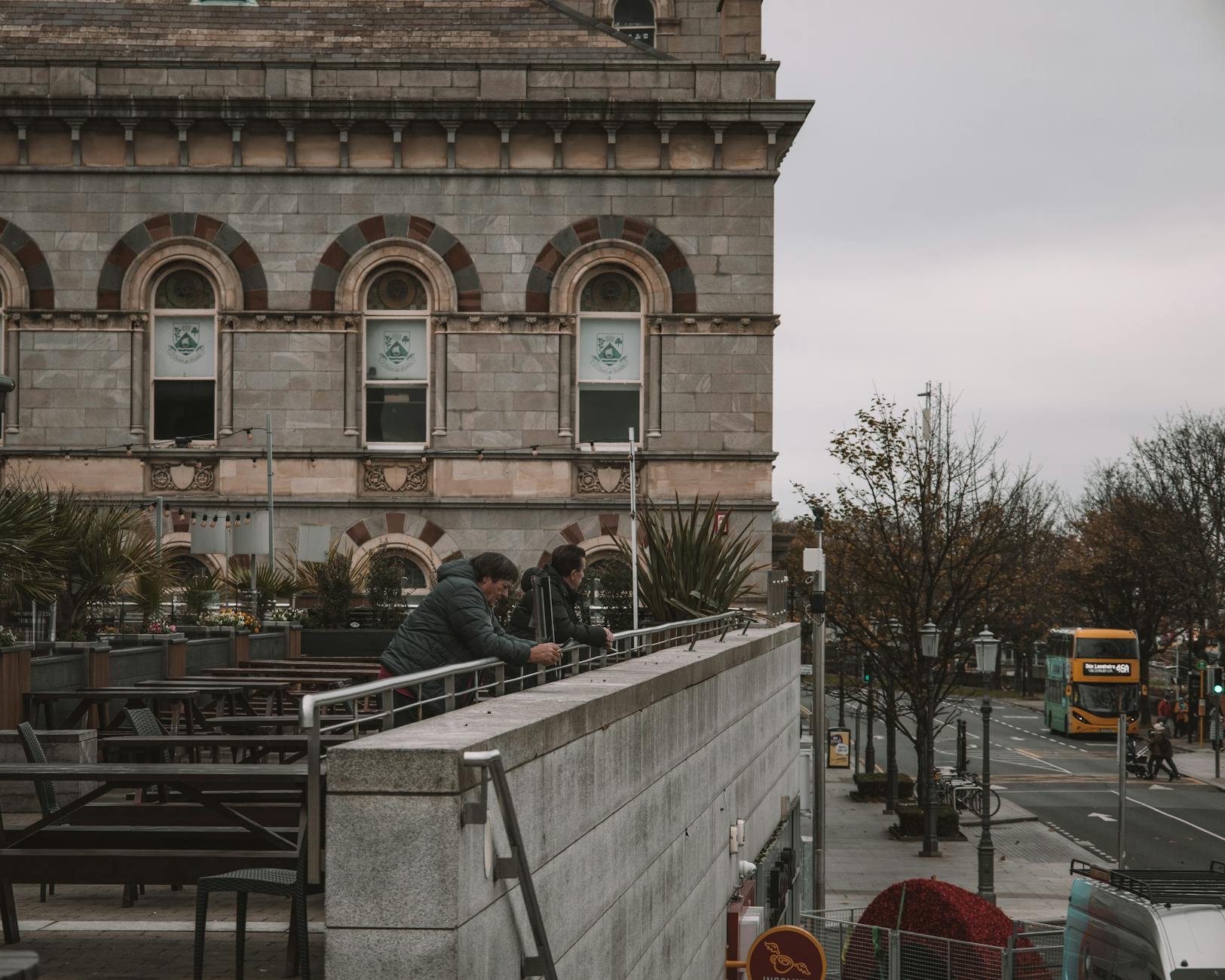
Choose lodging that supports the workday
The hotel or guesthouse should support punctual mornings, quiet sleep, laundry, simple meals, safe evening returns, and quick movement to the partner. If the traveler is carrying project material, donation items, documents, or equipment, storage and taxi access may matter more than the lowest room rate.
A volunteer or NGO traveler should avoid making the local partner solve basic travel problems. The accommodation should make the traveler self-sufficient enough to arrive prepared, rested, and on time.
- Choose lodging by partner access, sleep, laundry, meals, storage, and evening returns.
- Check whether donation items, equipment, or documents can be handled safely.
- Do not push avoidable travel friction onto the local partner.

Move through local context carefully
Belfast's history can be directly relevant to community, advocacy, social research, youth work, peacebuilding, housing, faith, and public-sector projects. The traveler should not treat local context as scenery. Murals, memorials, interfaces, and community spaces may carry meanings that outsiders can misread quickly.
The right posture is observant and specific. Ask the partner what language to use, which sites require care, and what forms of curiosity are welcome. A short visit should not create extra interpretive work for people already doing the work.
- Treat Belfast's local history as living context, not background material.
- Ask partners about language, routes, photography, and sensitive spaces.
- Listen before explaining or posting conclusions.
Keep records and communications controlled
Volunteer and NGO travelers may handle notes, participant names, case details, partner contacts, donor material, photos, and internal documents. Those should not be casually visible in cafes, hotel lobbies, taxis, or shared accommodation. A short trip can still create data and privacy risk.
The traveler should know where notes are stored, what is anonymized, which devices are locked, and whether the organization allows cloud storage, messaging apps, or personal cameras. Clear rules prevent small mistakes from becoming reputational problems.
- Protect participant names, partner contacts, photos, notes, and internal documents.
- Clarify device, storage, messaging, and camera rules before fieldwork.
- Use anonymization and locked devices as ordinary habits.
Protect rest, meals, and weather margin
NGO and volunteer days can be emotionally and physically tiring. Belfast weather, early starts, community visits, intense conversations, and evening debriefs can add up quickly. The traveler should plan meals, hydration, dry clothing, transport backup, and recovery time as part of the work, not as personal extras.
A tired traveler is more likely to miss context, speak carelessly, or create work for others. The itinerary should leave enough room to process what happened and return the next day with attention intact.
- Build meals, hydration, rain gear, transport backup, and rest into the workday.
- Leave space after intense community or field visits.
- Protect attention so the traveler remains useful to the partner.
When to order a short-term travel report
A volunteer or NGO traveler hosted door-to-door by a trusted partner may not need a custom Belfast report. A report becomes useful when the traveler is choosing lodging, arriving independently, visiting multiple community sites, handling interviews or photos, managing donor or board obligations, adding regional travel, or balancing safety with useful presence.
The report should test partner geography, lodging, arrival, daily movement, safeguarding, communications, local context, weather, meals, evenings, budget, and what to cut. The value is helping the traveler support the work without becoming the work.
- Order when partner geography, lodging, safeguarding, local context, or independent movement need testing.
- Provide dates, partner locations, lodging options, role, permissions, arrival route, budget, and constraints.
- Use the report to make the traveler useful, prepared, and low-friction.