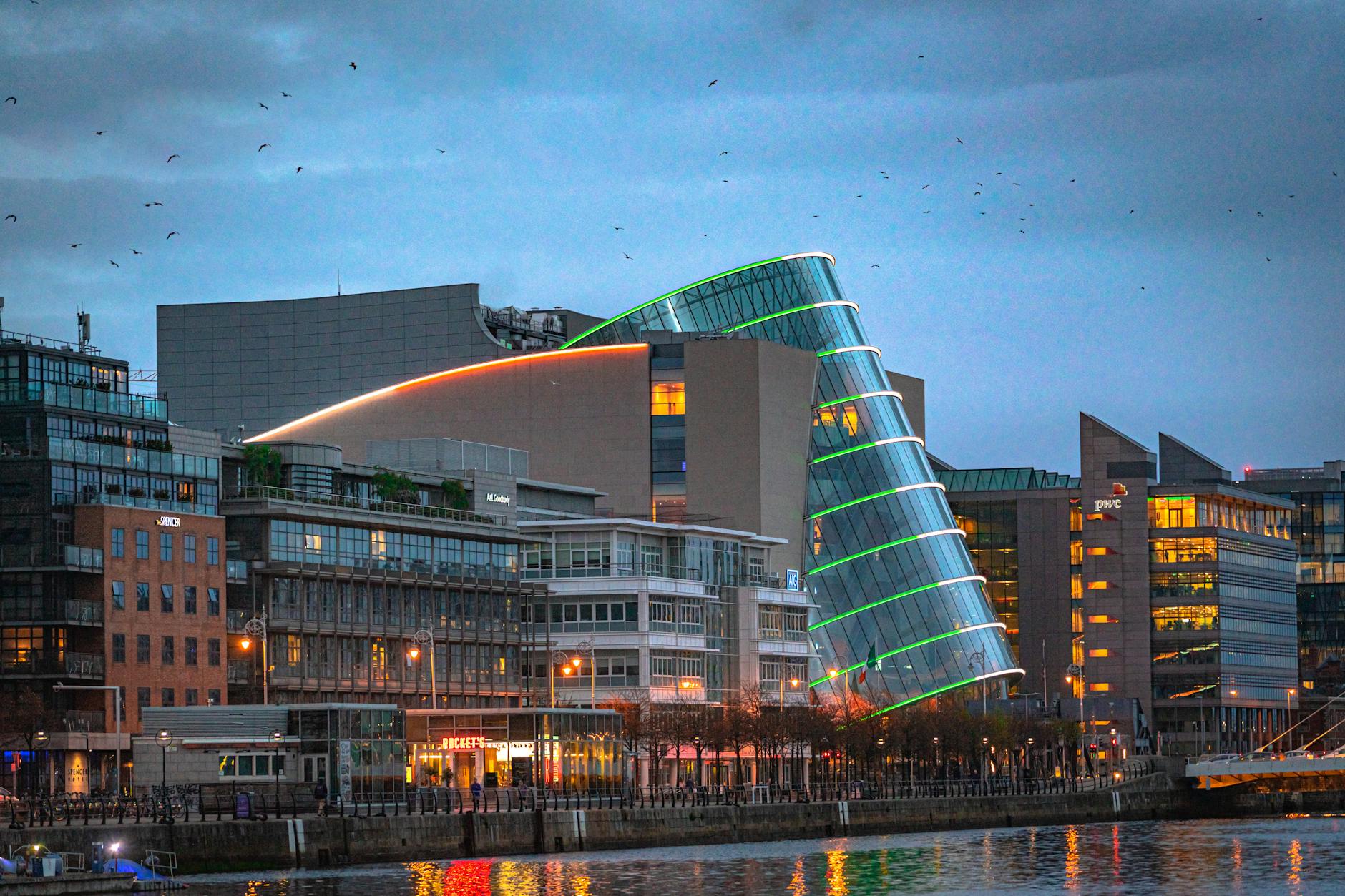
Belfast can be workable for travelers with mobility limitations because many central hotels, restaurants, museums, and riverfront areas sit within a compact city frame. The practical question is not whether Belfast is possible. It is whether the specific hotel, route, attraction, transfer, weather plan, and day trip fit the traveler's actual mobility. A short Belfast stay should be built around fewer, cleaner movements. Step-free access, taxi pickup, seating, toilets, weather protection, and realistic walking distance matter more than a map suggests. The strongest plan lets the traveler see the city without making access the hidden activity of the day.
Choose the hotel as the access hub
The hotel should be selected before the sightseeing list becomes fixed. Travelers with mobility limitations need to check lifts, entrance steps, room layout, shower type, bed height, taxi pickup, breakfast access, nearby meals, and how staff handle luggage or equipment. A central hotel with imperfect access can be worse than a slightly different hotel that makes every day easier.
The traveler should also test the surrounding block. A hotel can advertise accessibility while the final street approach, curb, slope, or dinner geography still makes the stay harder than expected.
- Confirm entrance, lifts, shower, room layout, bed height, and taxi pickup before booking.
- Check nearby meals and the final block around the hotel.
- Choose the base that lowers repeated movement, not just the one closest to a landmark.

Make airport and station transfers simple
Belfast City Airport, Belfast International, Dublin connections, rail, coach, and private transfers each create different access demands. The traveler should compare them by walking distance, standing time, luggage, toilets, vehicle type, curb access, and how much help is available at the transfer point.
A pre-booked accessible taxi or private transfer can be worth the cost when it removes uncertainty. The arrival plan should include the exact pickup point, equipment handling, hotel drop-off, and a backup if the first vehicle is not suitable.
- Compare arrival options by walking distance, standing, luggage, toilets, and vehicle access.
- Pre-book suitable transport when transfer uncertainty would damage the first day.
- Confirm pickup point, equipment handling, and hotel drop-off details.

Treat short walks as access decisions
Belfast's city centre may look compact, but mobility comfort depends on pavement quality, crossings, gradients, crowds, wind, rain, seating, and toilets. A short walk from City Hall to a meal or museum can be reasonable on one day and too much in poor weather or after standing through a long attraction.
The traveler should plan routes in small segments and decide in advance when to use taxis. The point is not to avoid walking entirely. It is to keep each movement inside the traveler's real margin.
- Judge walks by surfaces, crossings, gradients, seating, toilets, weather, and fatigue.
- Plan route segments rather than long continuous movement.
- Use taxis before mobility strain consumes the day.
Check museums and Titanic Quarter in detail
Titanic Belfast, the waterfront, museums, City Hall, and guided routes can be rewarding, but the access details should be checked before the day starts. Lifts, ramps, seating, toilets, queue handling, route length, lighting, noise, and distance from taxi drop-off all affect whether the visit is comfortable.
Titanic Quarter can feel spacious and exposed. That can be attractive, but it also means wind, rain, and distance matter. A traveler may need a taxi between points that another visitor would casually walk.
- Check lifts, ramps, seating, toilets, queue handling, and taxi drop-off points.
- Treat Titanic Quarter as an exposed district, not only a museum stop.
- Keep visits long enough to enjoy but short enough to preserve energy.
Build weather protection into the itinerary
Rain and wind are not minor details for travelers with mobility limitations. Wet surfaces, cold hands, slippery shoes, exposed waterfront routes, and difficulty waiting outside can turn a modest plan into a difficult one. The itinerary should include indoor alternatives and places to pause before the traveler is uncomfortable.
A good Belfast day might include one major indoor anchor, a meal nearby, and a short controlled outdoor segment. That structure usually works better than a sequence of scattered sights requiring repeated transfers.
- Plan for rain, wind, wet surfaces, and exposed waterfront areas.
- Use indoor anchors, nearby meals, and short outdoor segments.
- Avoid scattered days that require too many separate access decisions.

Be selective with day trips and guided routes
The Causeway Coast, Giant's Causeway, Derry, coastal viewpoints, gardens, castles, and filming locations can be appealing from Belfast. Travelers with mobility limitations should compare them by vehicle time, toilets, surfaces, steps, gradients, weather exposure, meal stops, and how much help the operator provides.
A private driver or specialist guide can be a better value than a cheaper group tour if it controls stops and reduces strain. The day trip should fit the traveler, not force the traveler to fit the standard route.
- Compare day trips by vehicle time, toilets, surfaces, steps, gradients, meals, and weather.
- Ask operators precise access questions before booking.
- Use private or smaller tours when control is worth more than the lowest price.

When to order a short-term travel report
A traveler with mild limitations, a known central hotel, and flexible plans may not need a custom Belfast report. A report becomes useful when access details affect hotel choice, transfers, museum visits, day trips, restaurant geography, companion pacing, medical needs, or whether the trip can stay comfortable in poor weather.
The report should test arrival, lodging, room access, routes, taxis, museums, toilets, seating, weather, day trips, budget, and what to cut. The value is a Belfast plan that protects mobility without reducing the trip to logistics.
- Order when access details affect hotels, transfers, routes, museums, meals, or day trips.
- Provide dates, mobility equipment, walking tolerance, hotel options, arrival route, interests, and constraints.
- Use the report to preserve comfort, dignity, and substance.