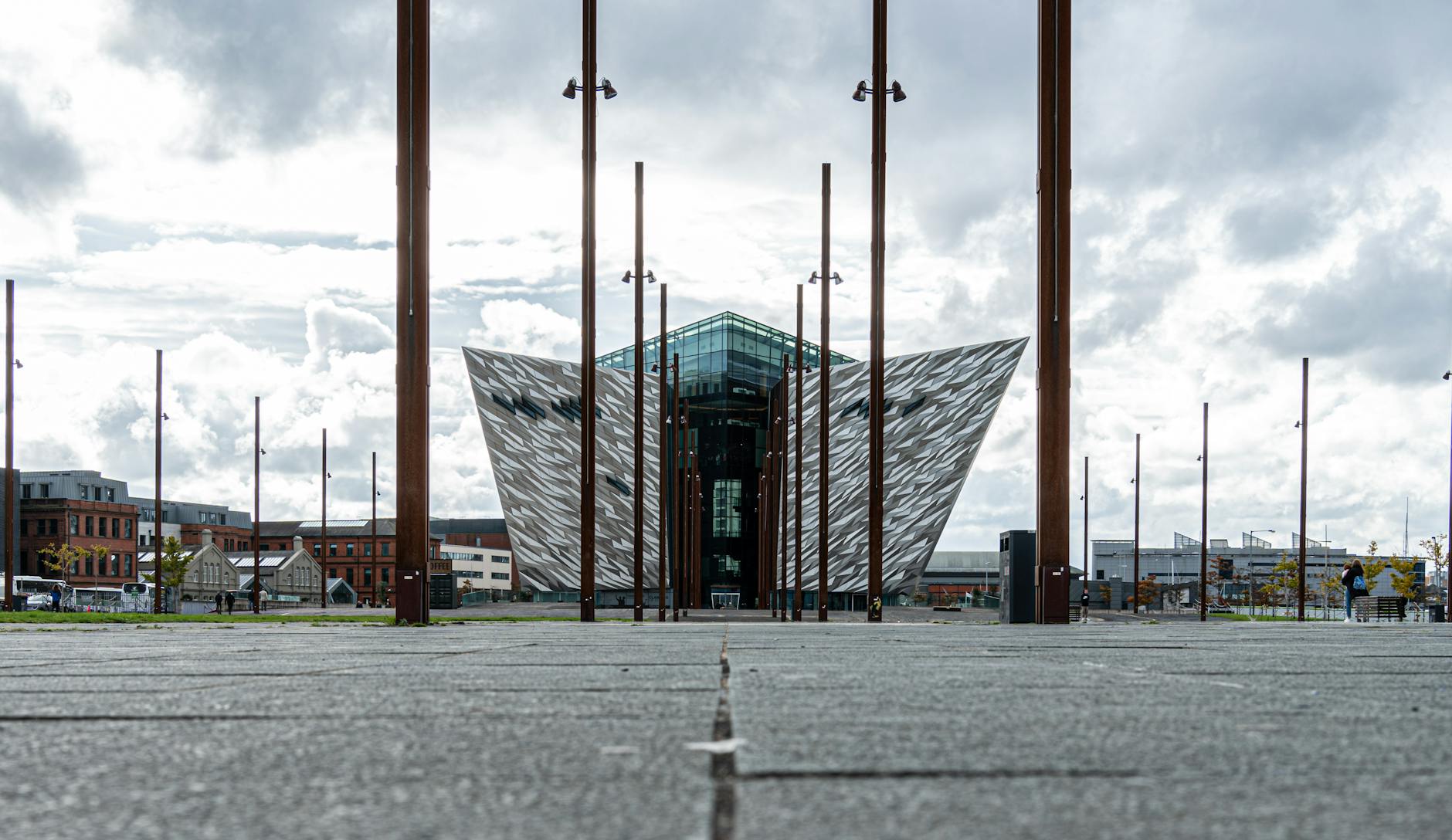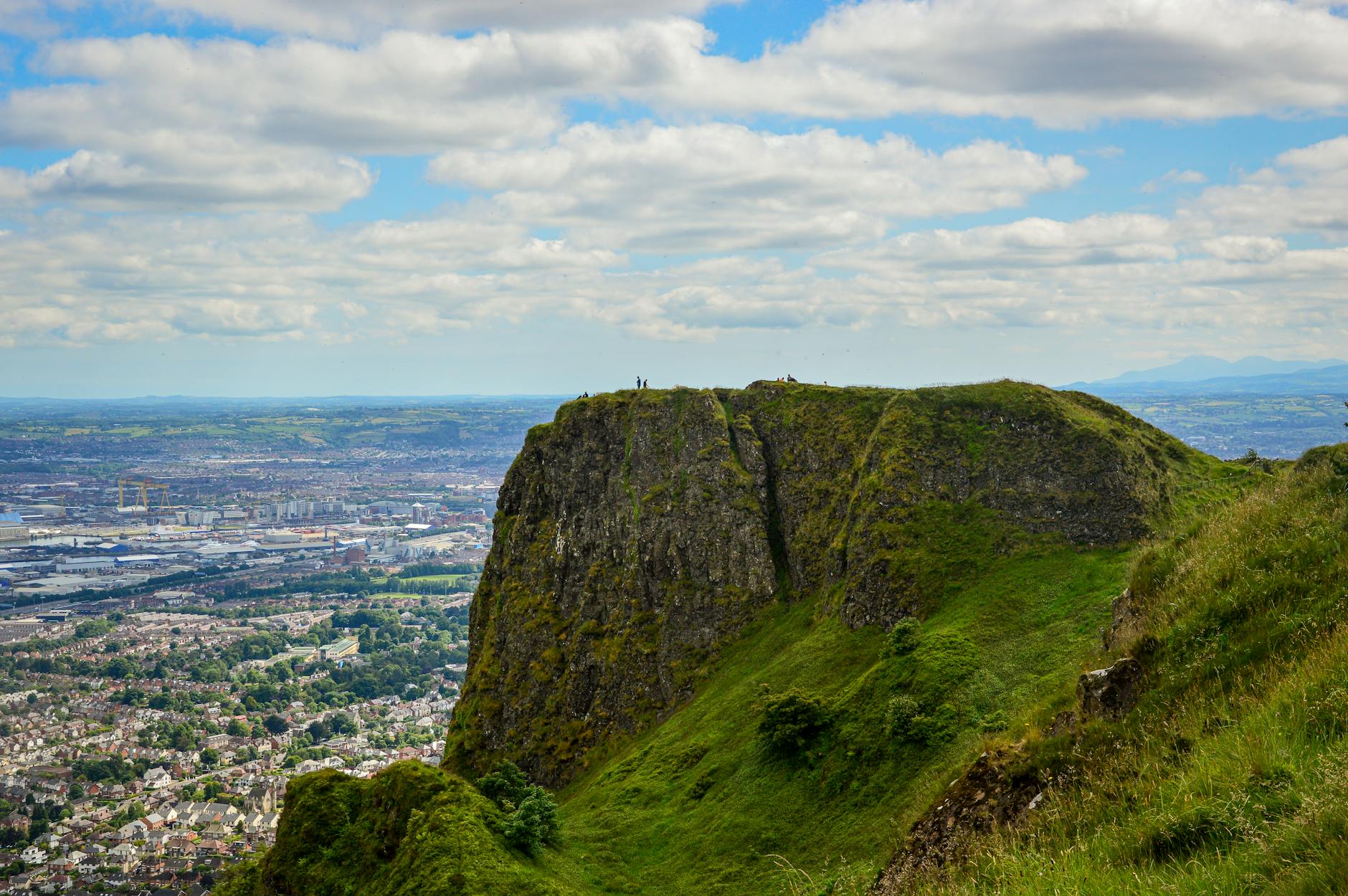
A Belfast trade-show trip is not a normal city break with a professional badge attached. The attendee may be carrying samples, signage, product material, formal clothing, a laptop, a scanner, a payment device, or sponsor collateral while managing setup times, floor hours, meetings, dinners, and follow-up work. Belfast's compact scale can make a trade-show trip efficient, but only if the venue, hotel, arrival route, materials, and evening events are coordinated. The weak point is usually not the show itself. It is the movement around it.
Start with the venue and load-in reality
The trade-show plan should begin with the venue, not the hotel. The attendee needs to understand setup windows, badge pickup, delivery rules, loading access, storage, Wi-Fi, power, furniture, printing, and where staff can pause during the day. A pleasant hotel is less useful if the booth materials move awkwardly.
Belfast is manageable, but trade-show timing can be unforgiving. The plan should identify which items travel with the attendee, which ship ahead, which can be sourced locally, and what happens if a delivery is late.
- Confirm setup windows, badge pickup, loading access, storage, power, Wi-Fi, and furniture.
- Decide what travels, what ships, and what can be sourced locally.
- Build a backup for late freight, missing print, or delayed samples.
Choose lodging for venue operations
A trade-show hotel should support early departures, late returns, breakfast, bag storage, parcel handling, garment care, laptop work, and quick movement to the venue. The best choice may be near the venue or near evening meetings, depending on the schedule.
The attendee should not choose lodging only by room rate or city-break appeal. A hotel that saves money but adds awkward daily transfers, poor storage, or weak Wi-Fi can undermine the commercial purpose of the trip.
- Check breakfast hours, parcel handling, storage, Wi-Fi, workspace, and taxi pickup.
- Choose hotel geography by venue, meetings, dinners, and setup timing.
- Avoid lodging that makes materials or early starts harder.
Make arrival serve setup, not sightseeing
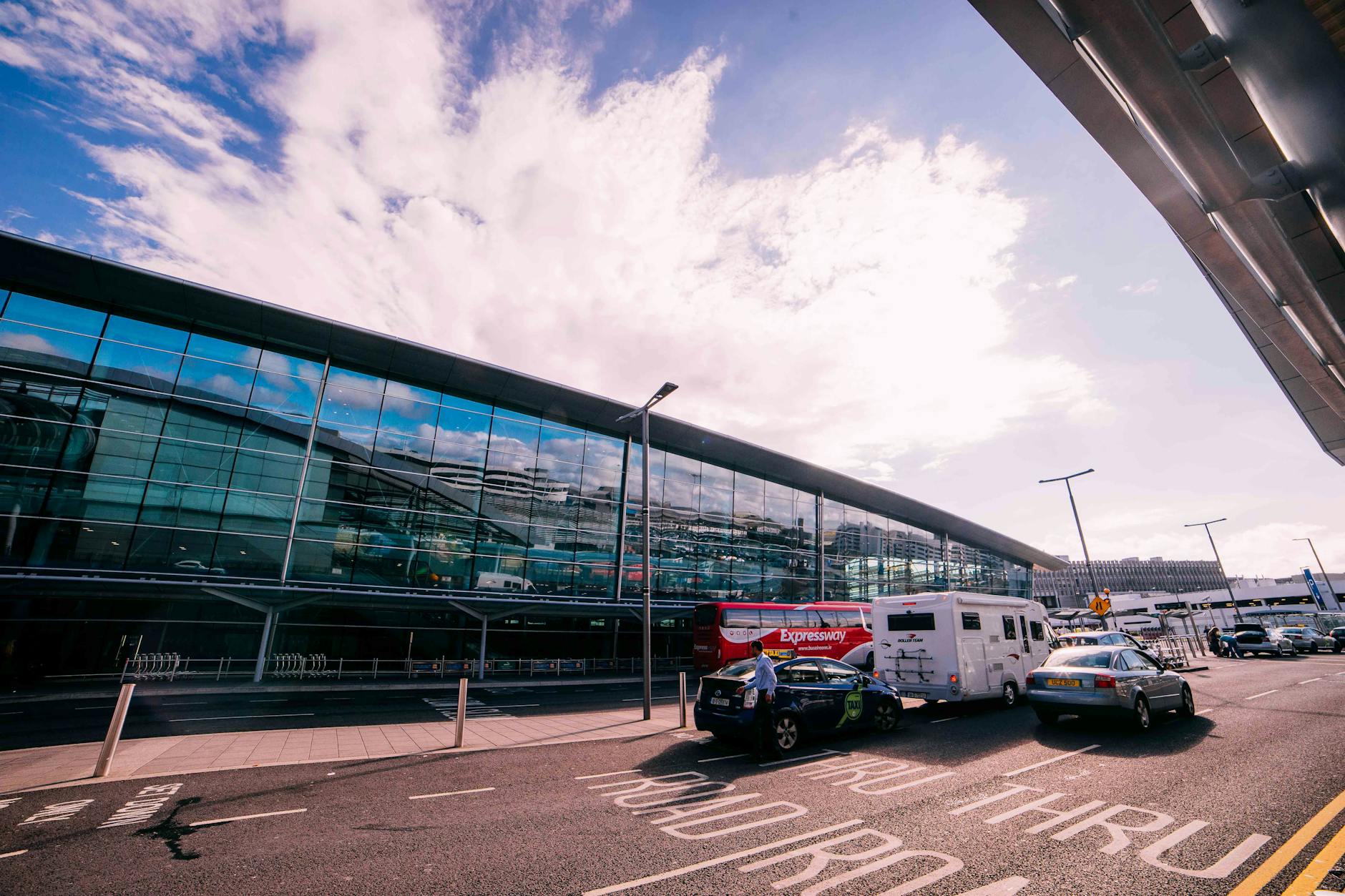
Arrival through Belfast City Airport, Belfast International, Dublin, rail, or road should be judged by setup time, luggage, samples, equipment, and how quickly the attendee needs to be useful. The lowest fare may be the wrong choice if it creates a late arrival, missed pickup, or expensive last-mile problem.
The arrival plan should include transfer details, where materials are stored, when registration opens, where the first meal happens, and whether the attendee has enough time to recover before the show floor demands attention.
- Choose arrival by setup timing, material handling, and first-day obligations.
- Plan bag storage, registration, first meal, and transfer backup.
- Keep the first day focused on readiness before leisure add-ons.
Protect devices, samples, and attention
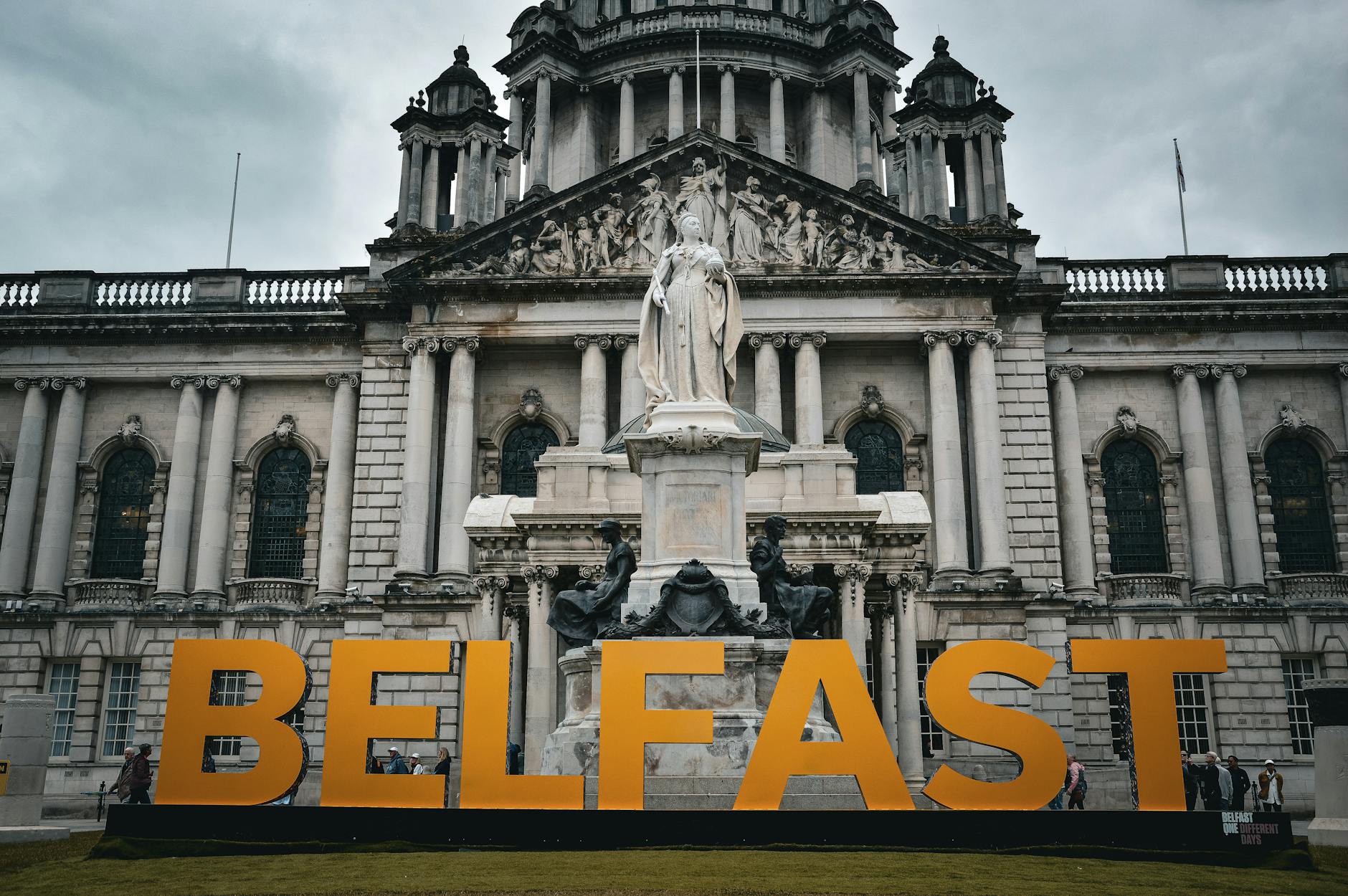
Trade-show attendees often carry more risk than they realize: laptops, lead lists, prototype material, sample inventory, payment devices, badges, chargers, and confidential notes. Belfast is not unusually difficult, but a crowded show floor, evening event, or taxi transition is still a place where casual handling can create problems.
The attendee should separate critical items, keep a backup charger and payment method, avoid leaving devices unattended at reception tables, and decide how lead data will be handled before the first conversation starts.
- Separate laptop, badge, payment, lead data, and critical samples.
- Keep chargers, backup payment, and device security habits visible.
- Decide how leads and confidential material will be handled on the road.
Plan food and recovery around floor hours
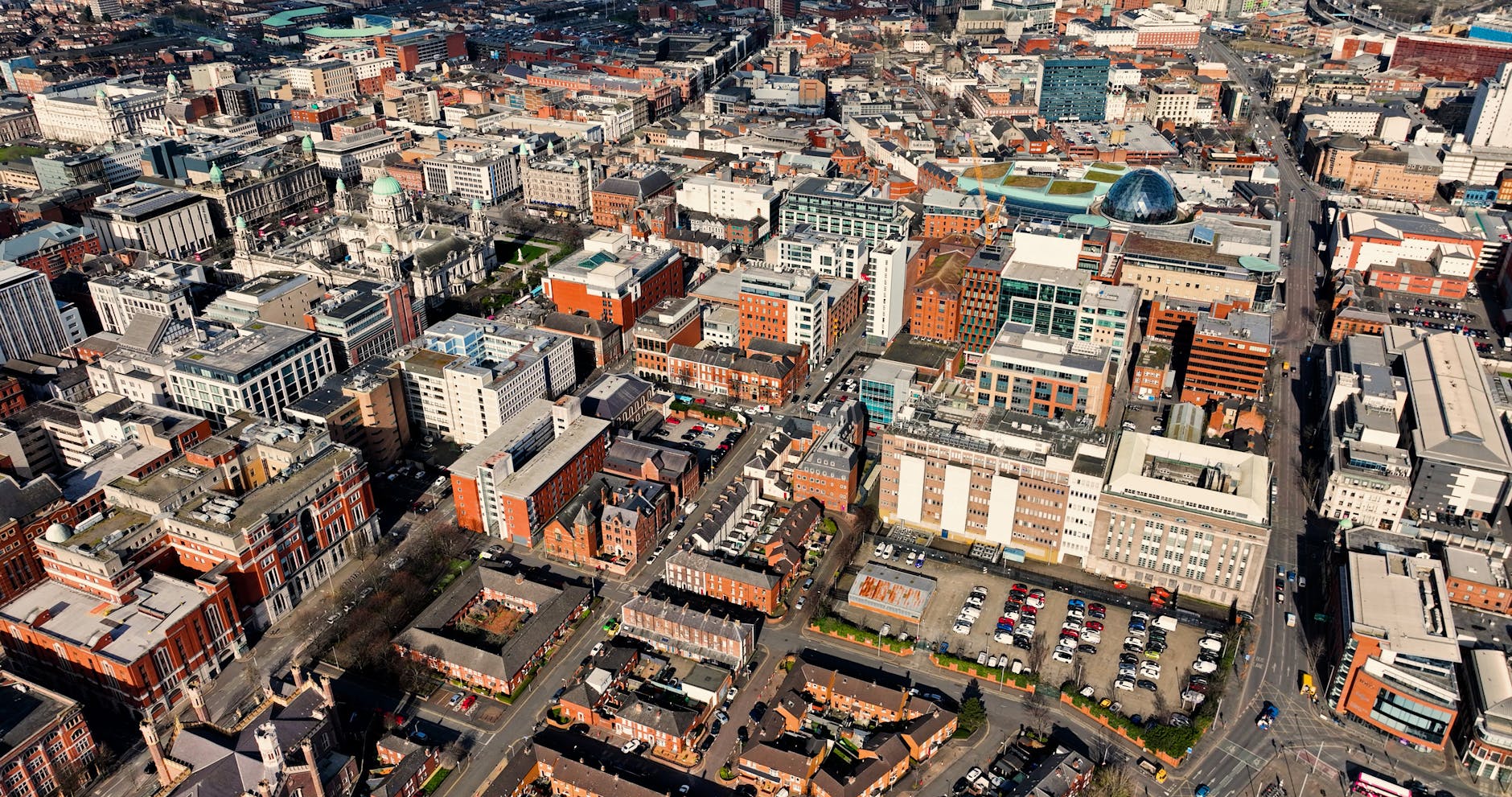
Trade-show days can be physically tiring because the attendee stands, talks, repeats the pitch, handles questions, and stays alert for long stretches. Meals and recovery should be planned before the day begins. Waiting until the floor closes often leads to poor food, weak follow-up, or an evening that runs too late.
The attendee should know where breakfast, coffee, lunch, and a quiet reset are available near the venue or hotel. A strong trade-show trip protects energy so the best conversations are not wasted.
- Plan breakfast, coffee, lunch, hydration, and reset points before show days.
- Protect voice, feet, and attention during long floor hours.
- Do not let networking consume the recovery needed for the next day.
Use evenings commercially, not automatically
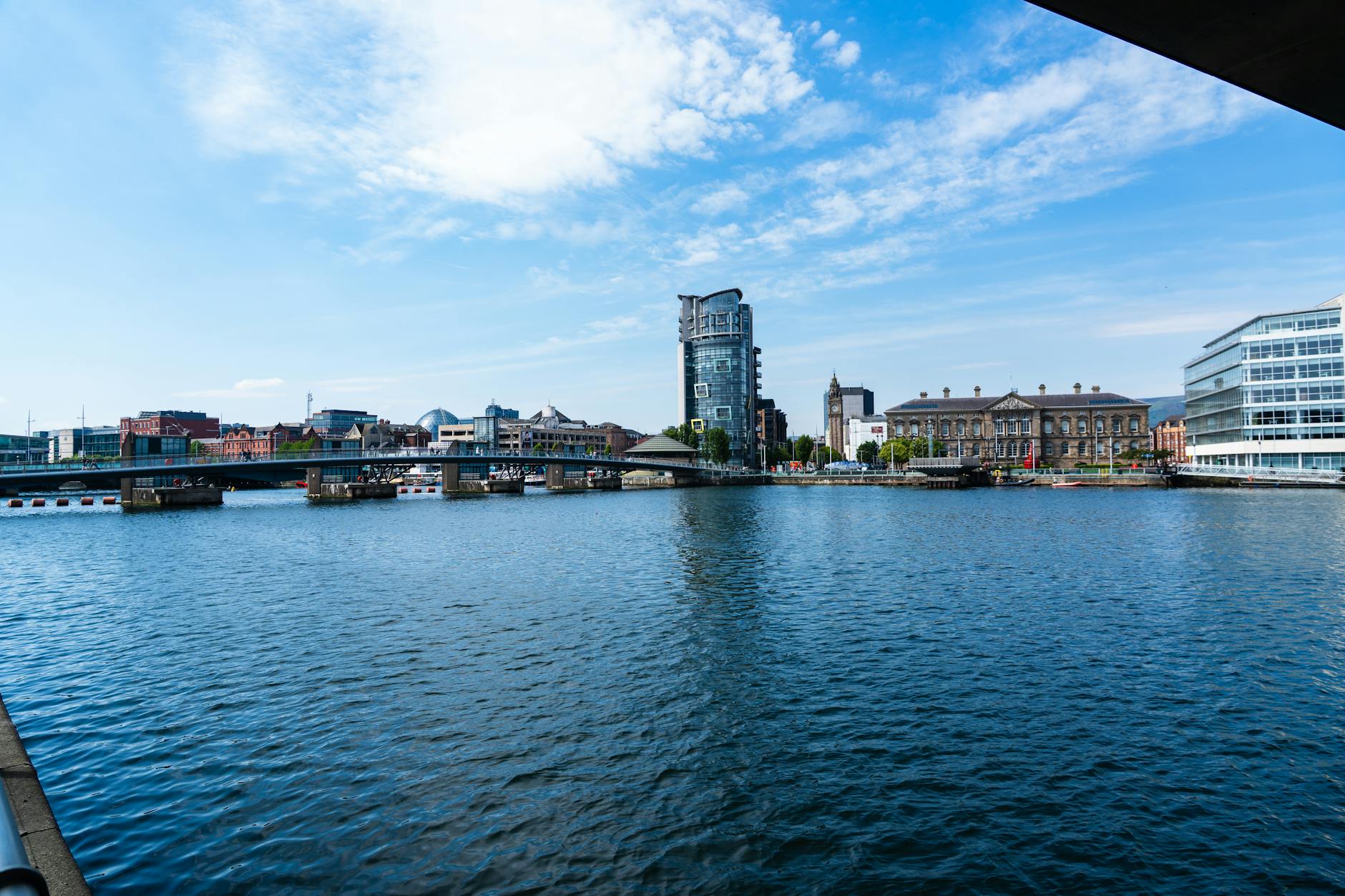
Belfast evenings can support dinners, pub gatherings, music, sponsor events, or client meetings. A trade-show attendee should decide which events actually advance the purpose of the trip and which simply consume time. The return route, laptop security, alcohol, and next morning's floor schedule all matter.
One good dinner or focused reception can be worth more than trying to appear everywhere. The attendee should leave with enough energy to follow up, not just enough receipts to file.
- Choose evening events by commercial value and return logistics.
- Keep devices, samples, badge, alcohol, and next-day obligations under control.
- Prioritize follow-up energy over indiscriminate networking.
When to order a short-term travel report
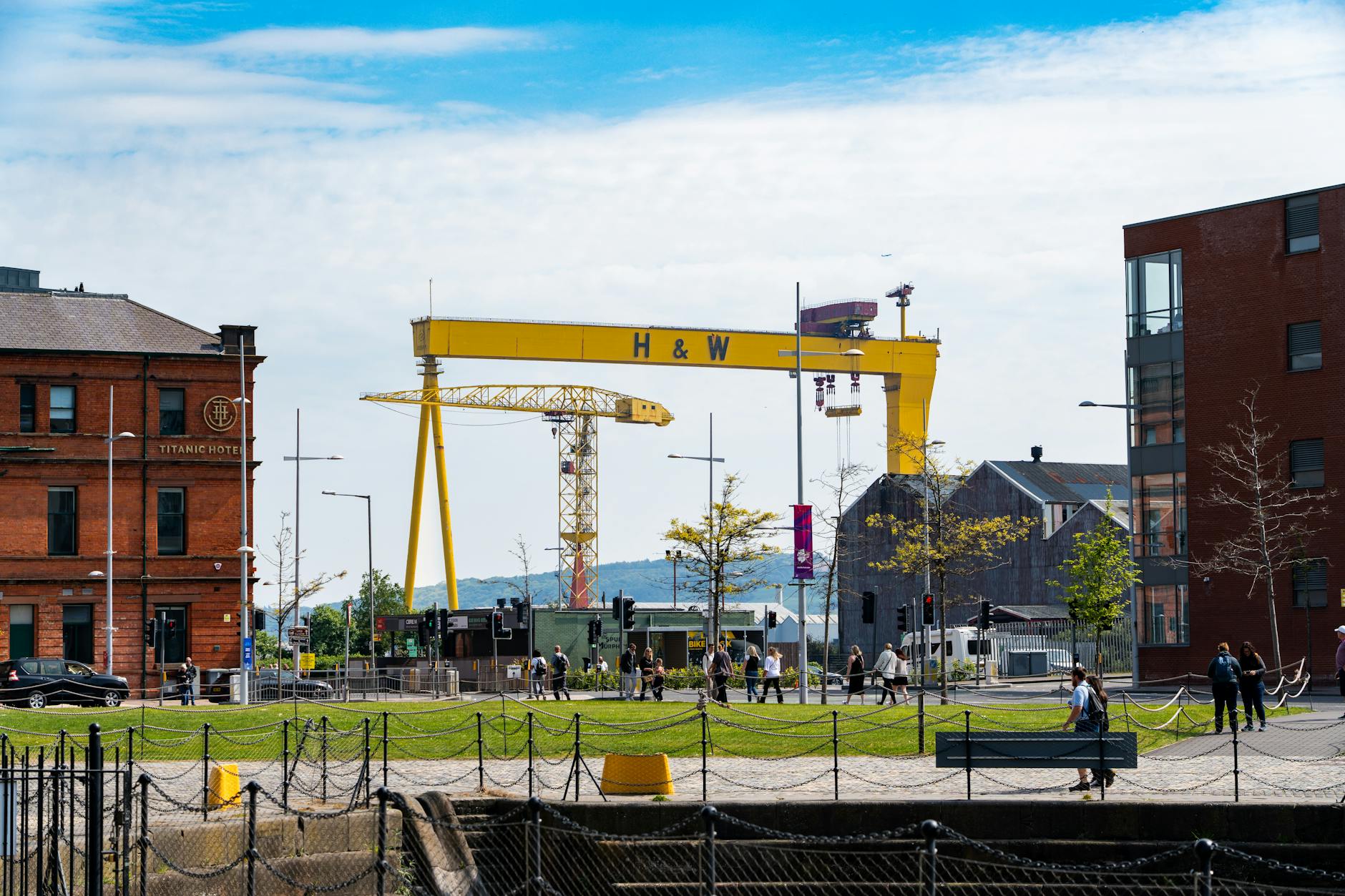
A trade-show attendee staying at a venue hotel with no materials and a simple schedule may not need a custom Belfast report. A report becomes useful when the trip involves booth setup, samples, shipment timing, multiple staff, tight arrival, client dinners, public transport uncertainty, or the need to add Belfast context around a demanding show.
The report should test venue geography, lodging, arrival, materials handling, meals, evening events, device security, weather, local context, budget, and what to cut. The value is a trip that protects the commercial outcome instead of merely getting the attendee to Belfast.
- Order when venue logistics, materials, arrival timing, staff, or evening events need coordination.
- Provide dates, venue, setup requirements, hotel options, arrival route, materials, meetings, and constraints.
- Use the report to protect the trade-show purpose and reduce operational friction.