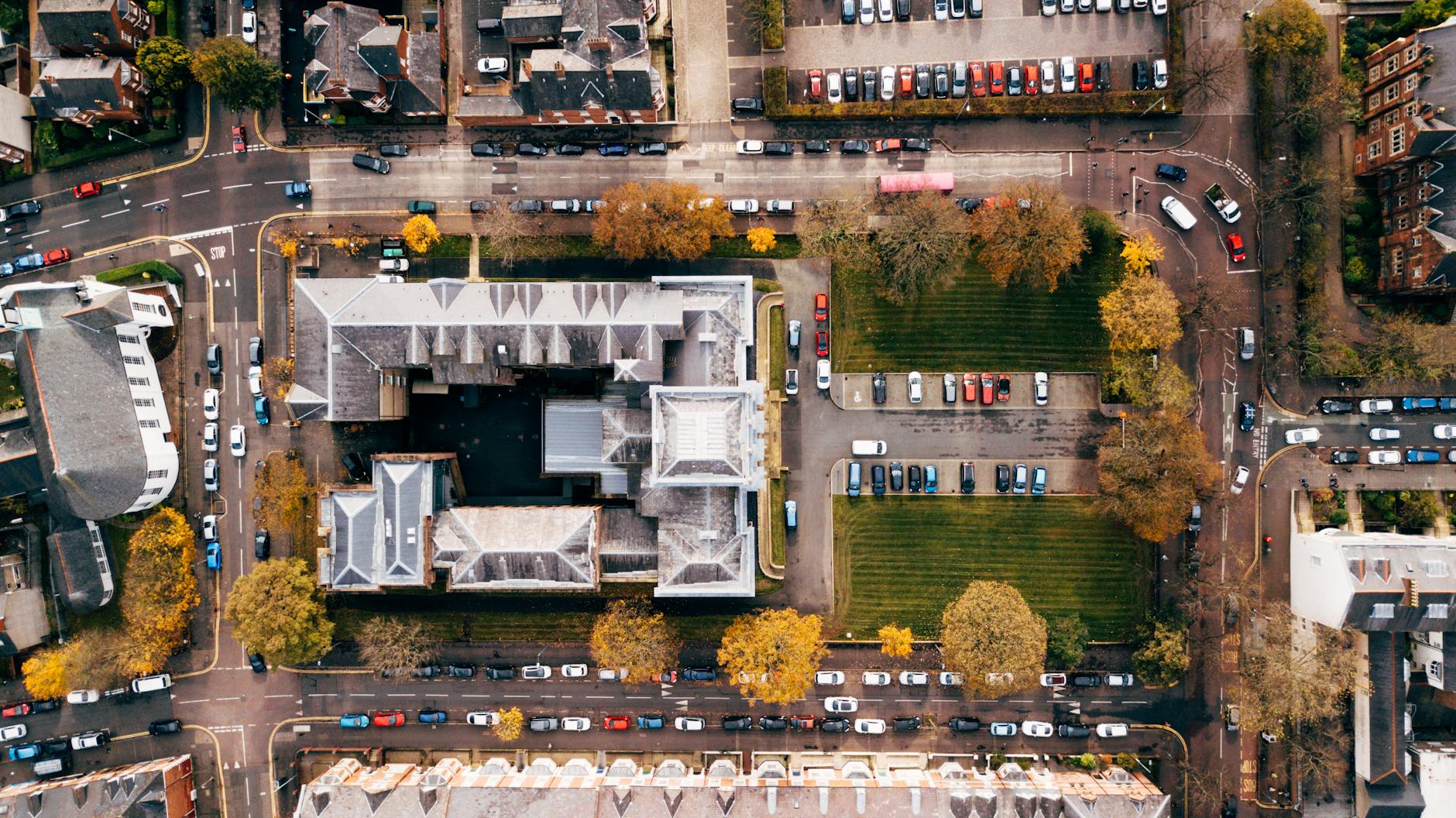
Belfast is a strong short-trip city for tourists because it offers a clear centre, major museums, riverfront spaces, political and social history, food, music, and access to the wider coast. It is also easy to plan badly. A tourist who treats Belfast as a quick stop between airport and day trip can miss the city that makes the trip worthwhile. The best tourist visit gives Belfast enough time to be understood. Titanic Quarter, City Hall, Cathedral Quarter, the riverfront, guided history, restaurants, and one regional excursion can all work, but not if every hour is overloaded. The city rewards selection.
Decide what kind of Belfast visit this is
A tourist should decide whether the Belfast trip is led by Titanic history, political and social history, food and music, architecture, a relaxed city break, or a base for the Causeway Coast. Those versions can overlap, but one of them should lead. Without that choice, the itinerary becomes a collection of famous names rather than a coherent stay.
Belfast is especially good when the tourist uses the city as a place with layers. A museum morning, a guided route, a meal, and a short evening can be stronger than racing through every recommended stop.
- Choose whether history, food, music, architecture, or day trips lead the visit.
- Let the main purpose shape lodging, timing, and route choices.
- Avoid turning Belfast into a checklist of disconnected stops.
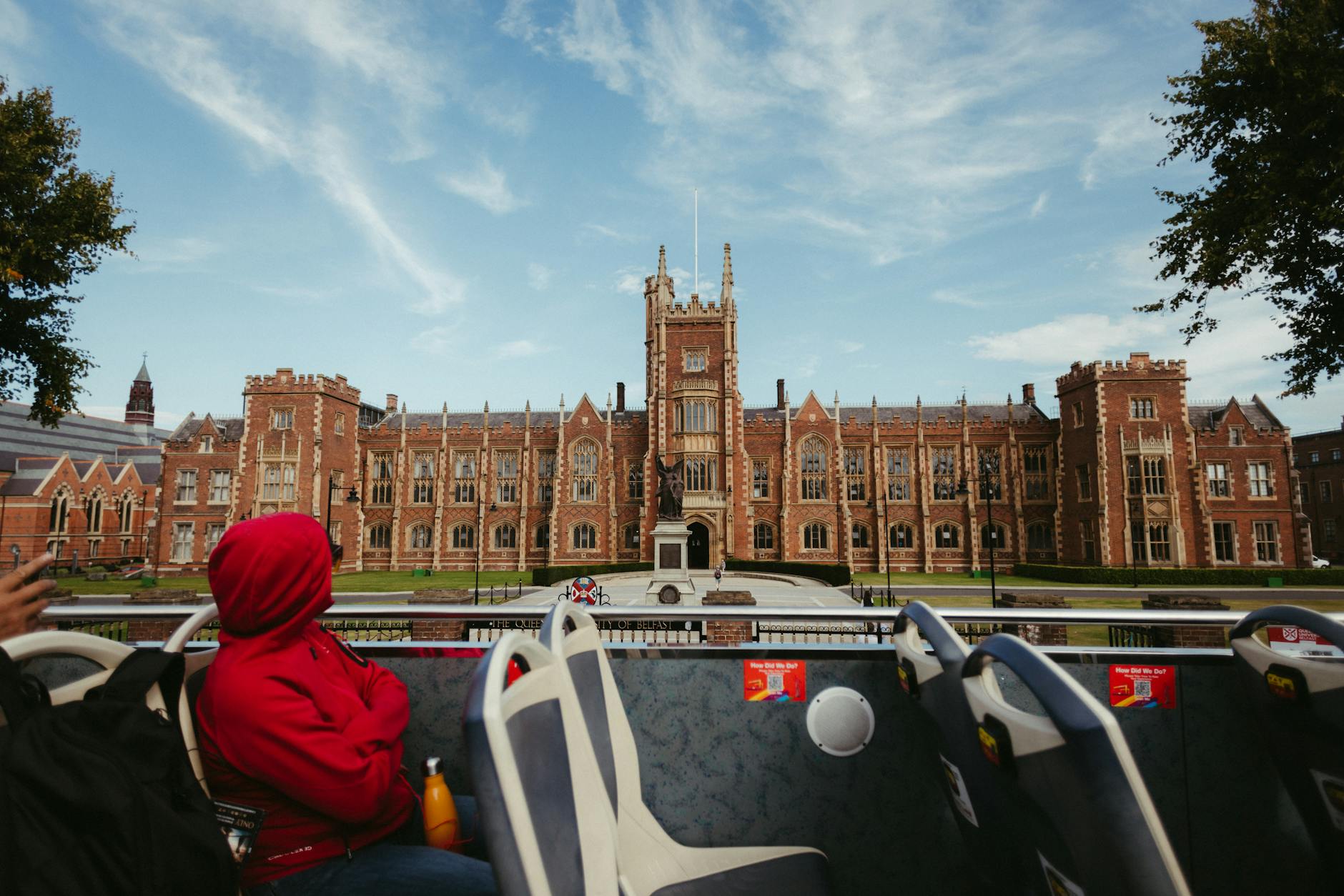
Choose a base that keeps the city easy
Tourists should choose lodging by arrival, walking routes, meal access, evening returns, and proximity to the sights that actually matter. City centre, Linen Quarter, Cathedral Quarter, and selected Titanic Quarter hotels can all work, but each creates different tradeoffs.
A hotel that reduces repeated taxi use and decision-making can make a short stay feel much longer. The best base lets the tourist reach City Hall, restaurants, the river, tours, and transport without making every outing a separate project.
- Choose lodging by arrival, meals, walking routes, and evening returns.
- Compare City centre, Cathedral Quarter, Linen Quarter, and Titanic Quarter by actual itinerary.
- Pay attention to the final walk back after dinner or rain.
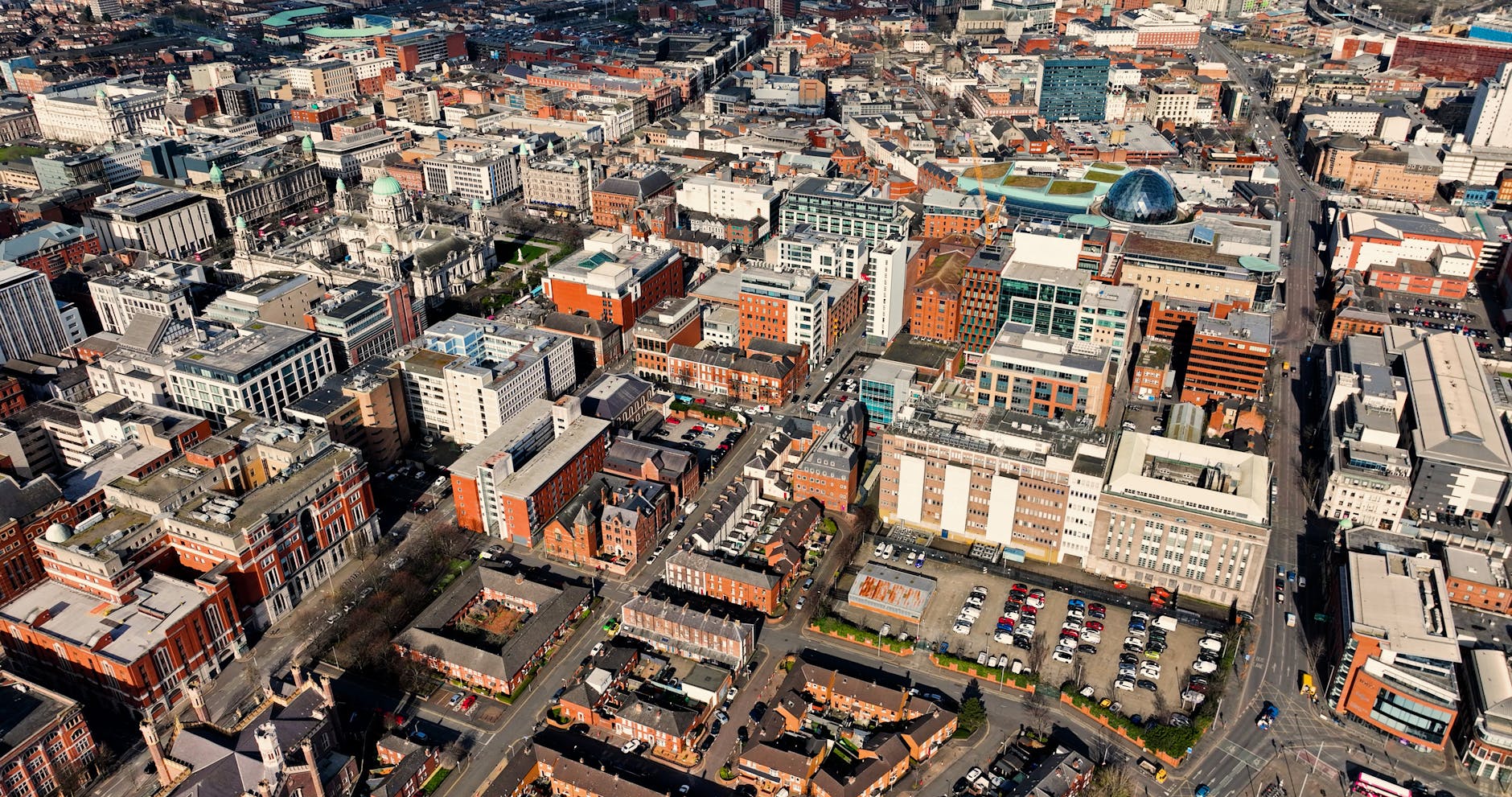
Give Titanic Quarter enough room
Titanic Belfast and the surrounding quarter are often central to a tourist itinerary, but they should not be squeezed between unrelated stops. The museum, architecture, waterfront, and shipbuilding context need time. Rushing through them can make the visit feel expensive and thin.
The tourist should decide whether Titanic Quarter is a half-day anchor, a shorter architectural and waterfront stop, or part of a wider history day. The answer changes meal timing, transport, and how much energy remains for the evening.
- Decide whether Titanic Quarter is the day's anchor or a shorter stop.
- Plan museum time, food, weather exposure, and return transport.
- Do not stack too many major sights after a full museum visit.
Handle local history with respect
Belfast's political and community history is not just an attraction category. A guided route, museum, or neighborhood visit can be valuable, but tourists should choose operators carefully and bring a listening posture. Murals, walls, memorials, and community spaces should not be treated as casual photo scenery.
A good history day explains the city more clearly rather than turning complexity into spectacle. The tourist should leave time afterward to process what they learned instead of immediately rushing to the next activity.
- Choose history tours by credibility, tone, and route quality.
- Be careful with photographs, captions, and quick assumptions.
- Allow time after heavier context instead of stacking the day too tightly.
Build weather and meals into the route
Belfast weather can change the quality of a tourist day quickly. Rain, wind, exposed waterfront walks, and shorter winter daylight all affect pacing. Practical shoes, layers, indoor alternatives, and well-placed meals make the city easier to enjoy.
Meals should not be left as an afterthought. A good lunch or dinner can connect the day, create a pause, and keep the tourist from using low-quality food simply because they waited too long to decide.
- Plan for rain, wind, exposed riverfront routes, and shorter daylight.
- Use meals and cafes as deliberate pauses, not emergency fixes.
- Keep indoor alternatives ready for outdoor-heavy days.
Be honest about day trips
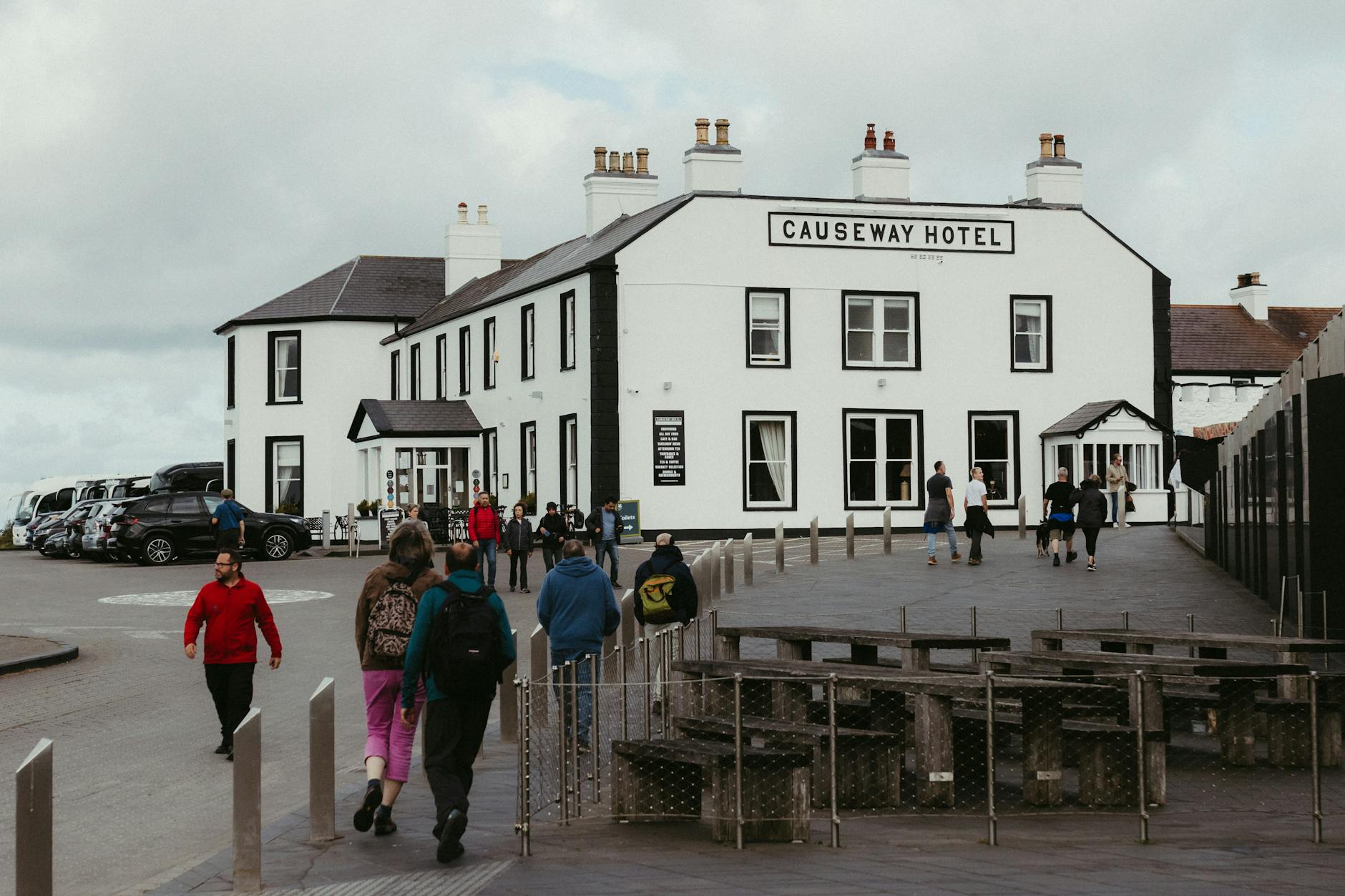
The Causeway Coast, Giant's Causeway, Derry, coastal drives, gardens, castles, and filming locations can all compete for a tourist's time. These trips may be excellent, but they should be judged by pickup point, vehicle time, weather, lunch, walking surfaces, and what they remove from Belfast itself.
For a short stay, one well-chosen day trip is often enough. A tourist who leaves the city too often may technically sleep in Belfast without really visiting it.
- Compare day trips by vehicle time, weather, meals, walking, and return hour.
- Protect enough time for Belfast itself.
- Choose one strong regional day rather than several thin excursions.

When to order a short-term travel report
A tourist with a central hotel, flexible schedule, and one or two simple interests may not need a custom Belfast report. A report becomes useful when the tourist is choosing between hotels, deciding whether to add the Causeway Coast, trying to handle sensitive history well, traveling with companions, managing weather risk, or fitting Belfast into a larger Ireland or United Kingdom trip.
The report should test arrival, lodging, route order, museum timing, local context, meals, evening movement, day trips, budget, and what to cut. The value is a Belfast visit that feels deliberate instead of improvised.
- Order when lodging, route order, history, day trips, or weather choices need testing.
- Provide dates, arrival route, hotel options, interests, day-trip ideas, companions, budget, and constraints.
- Use the report to make a tourist visit substantial without overloading it.