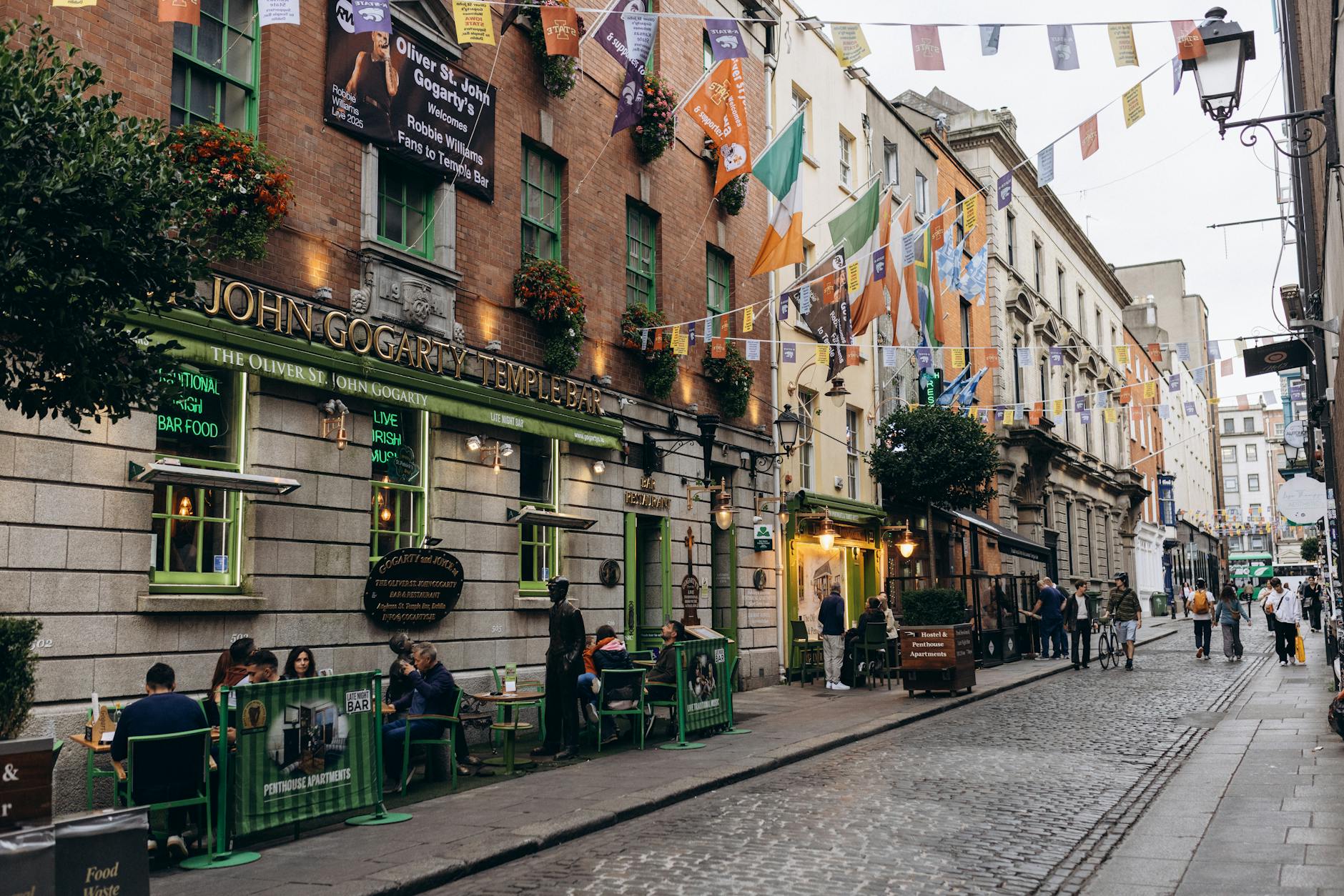
Belfast can be an excellent short-program city for students because it is manageable, historically rich, comparatively easy to navigate, and connected to universities, museums, public life, and regional excursions. A short academic, language, exchange, service, or professional program still needs structure. Students often get into difficulty when they treat the city like a casual weekend while carrying program obligations. The best Belfast student trip balances learning, budget, safety, meals, weather, group expectations, and independent time. The city can be open and rewarding when the student knows where they are based, how they return at night, what the program expects, and which local contexts deserve extra care.
Start with the program base
A student should begin with the program location: university building, classroom, placement site, hostel, residence, or meeting point. Belfast is compact, but a student with early sessions, group check-ins, or required activities should not choose lodging only by price or nightlife access.
The base should make attendance easy. Walking route, bus access, breakfast, laundry, study space, curfew or entry rules, and roommate arrangements can matter more than the attractions the student hopes to fit in afterward.
- Map the program site before choosing lodging or social plans.
- Check walkability, bus access, breakfast, laundry, study space, and entry rules.
- Choose a base that protects attendance and rest.
Make arrival clear before the group starts
Students may arrive through Belfast City Airport, Belfast International, Dublin, rail, coach, or group transport. The arrival plan should include transfer route, phone connectivity, payment method, meeting point, food, baggage, and what to do if a flight or bus is late.
A student traveling alone should share the arrival plan with the program contact and keep enough battery for maps, messaging, and payment. The first hour should be boring and clear, not a test of confidence.
- Confirm transfer route, meeting point, phone data, payment, food, and baggage plan.
- Share arrival details with the program contact or trusted person.
- Keep battery and backup payment ready for delays.

Budget for the full student day
A short program budget should include more than the bed and transport. Students need meals, snacks, laundry, local buses or taxis, admission fees, printing, data, weather gear, and one or two social or cultural experiences. Belfast can be affordable, but small unplanned costs can build quickly.
The student should decide which paid experiences matter most. A guided history route, museum, music evening, or regional day trip may be worth protecting, while random convenience spending can be reduced.
- Budget for meals, laundry, local transport, data, admissions, printing, and weather gear.
- Protect money for one or two experiences that support the program.
- Control small convenience spending before it crowds out better choices.
Handle local history as living context
Belfast's history can be central to a student program, especially in politics, history, urban studies, conflict resolution, journalism, public policy, literature, tourism, or social research. Students should treat murals, interfaces, memorials, community spaces, and guided visits with care.
The student should know what the program permits around photography, interviews, posting, and independent visits. Curiosity is valuable. Casual extraction of sensitive local material is not.
- Treat local history as living context, not only course content.
- Follow program rules for photos, interviews, posting, and independent visits.
- Ask careful questions and avoid quick public conclusions.
Plan evenings and nightlife with group rules in mind
Students may want pubs, music, restaurants, or independent evenings after program sessions. Belfast can support that, but evenings should fit age, program rules, return routes, alcohol limits, phone battery, and group accountability. A strong night out has a clear end and a safe way back.
Students should avoid splitting from the group without a plan, posting real-time locations from lodging, or letting social pressure override the next morning's obligation. The best short-program evenings add to the trip without becoming the story the next day.
- Know program rules, return route, alcohol limits, and phone battery before going out.
- Avoid vague late-night movement or splitting off without a plan.
- Protect the next day's program obligations.

Use day trips as learning, not escape
Programs may include or allow trips to the Causeway Coast, Derry, museums, community sites, gardens, or other Northern Ireland destinations. Students should judge these by educational value, cost, transport, weather, group timing, and how they connect back to the course or program purpose.
A day trip can deepen the Belfast stay when it is planned well. It can also become an expensive distraction if it leaves the student exhausted, behind on work, or disconnected from the city they came to study.
- Choose day trips by learning value, cost, transport, weather, and program relevance.
- Keep enough time for assignments, meals, and recovery.
- Use regional travel to deepen Belfast context, not replace it.

When to order a short-term travel report
A student on a fully managed program with lodging, transport, and group activities arranged may not need a custom Belfast report. A report becomes useful when the student is arriving independently, choosing lodging, adding solo time, managing budget, dealing with medical or mobility needs, planning sensitive local visits, or combining Belfast with regional travel.
The report should test arrival, lodging, program geography, food, local transport, budget, evening movement, local context, day trips, safety habits, and what to cut. The value is helping the student use Belfast seriously without losing the practical basics.
- Order when independent arrival, lodging, budget, evenings, local context, or day trips need testing.
- Provide dates, program site, lodging options, arrival route, age, budget, rules, interests, and constraints.
- Use the report to support learning, safety, and independence together.