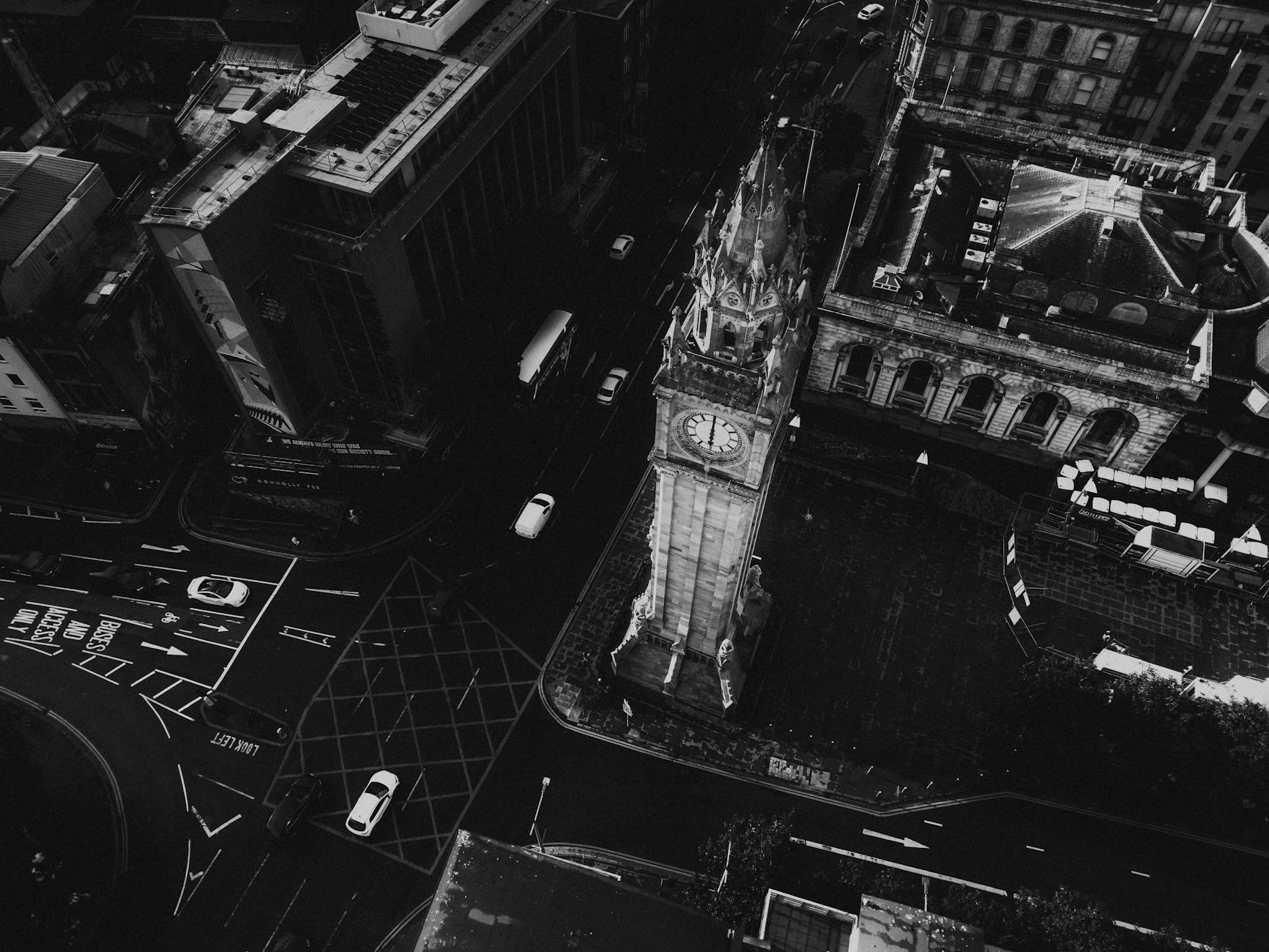
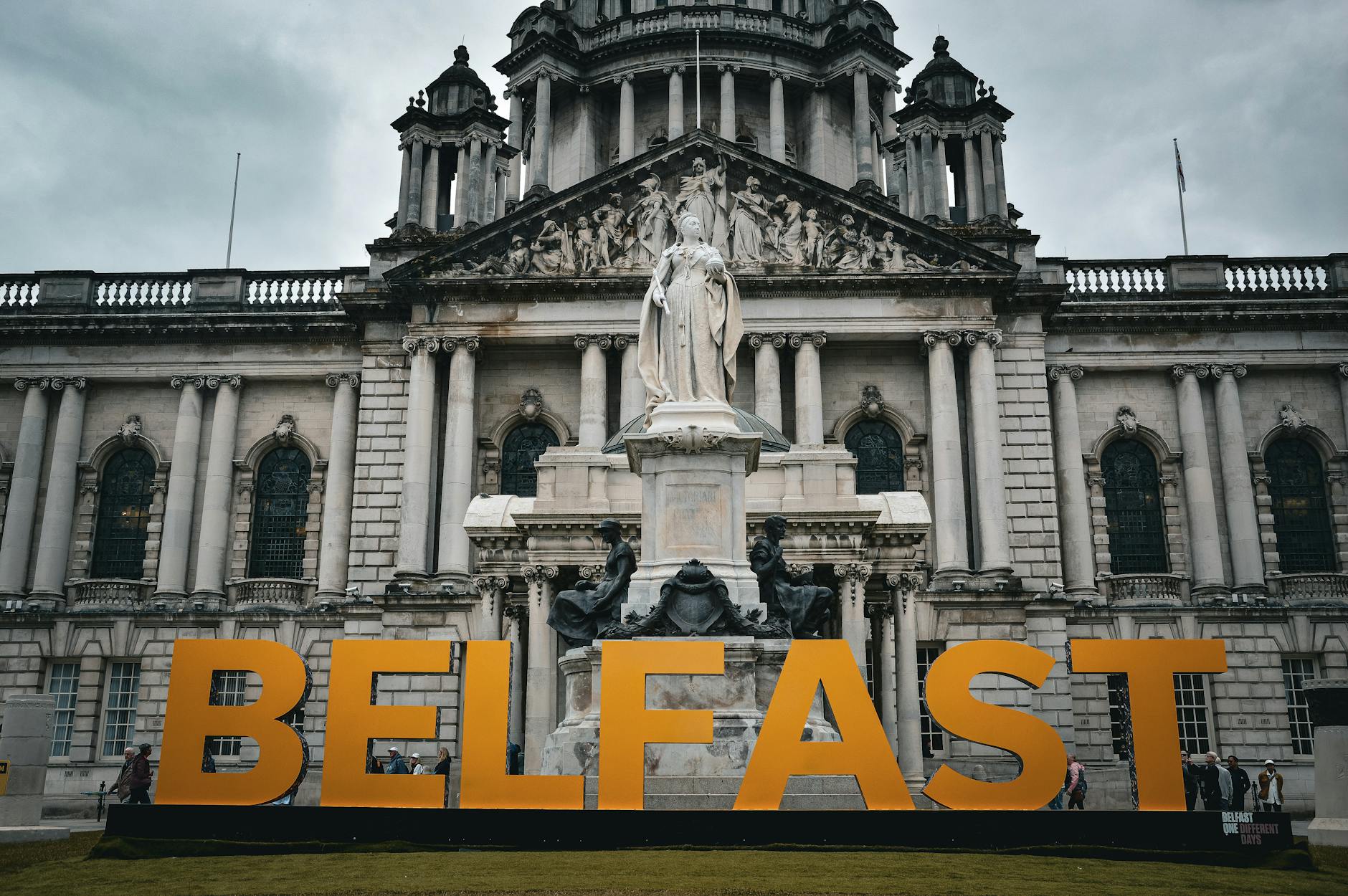
Belfast can be a strong solo destination. The city is compact, people are often helpful, and a traveler can build a short trip around City Hall, Titanic Quarter, the riverfront, Cathedral Quarter, museums, guided history, meals, and a day trip. Solo travel still needs structure. The goal is to feel independent without being casual about logistics. A solo traveler should know where they are staying, how they will arrive, which areas they want to understand, when to use a taxi, and how evenings will work. Belfast is easier when the traveler has a plan that can flex.
Choose lodging that makes solo movement easy
A solo traveler should choose a Belfast base by arrival ease, evening return, walkability, reception coverage, nearby meals, and how comfortable the area feels after dark. City centre, Linen Quarter, Cathedral Quarter, or carefully chosen Titanic Quarter lodging can work depending on the plan.
The cheapest bed is not always the best solo value. A slightly better location can reduce taxis, confusion, and late-night decision-making. The hotel or guesthouse should make the traveler feel anchored.
- Choose lodging by arrival, walkability, evening return, and nearby meals.
- Check reception hours, entry arrangements, noise, and taxi pickup.
- Pay for location when it reduces solo friction.
Make arrival predictable
Solo arrival is easier when the transfer plan is settled before landing or boarding. Belfast City Airport, Belfast International, Dublin connections, rail, coach, and taxi options each require a different margin. A traveler arriving late or tired should usually choose the simpler route rather than the route that saves a small amount.
The first hour in the city sets the tone. The traveler should know how to reach the hotel, where to get food if arrival is late, and what to do if the room is not ready. Those small details prevent avoidable stress.
- Decide the arrival transfer before the trip starts.
- Use extra margin for late flights, Belfast International, Dublin arrivals, or heavy luggage.
- Know the first meal and bag plan before arrival.
Use tours for context and company
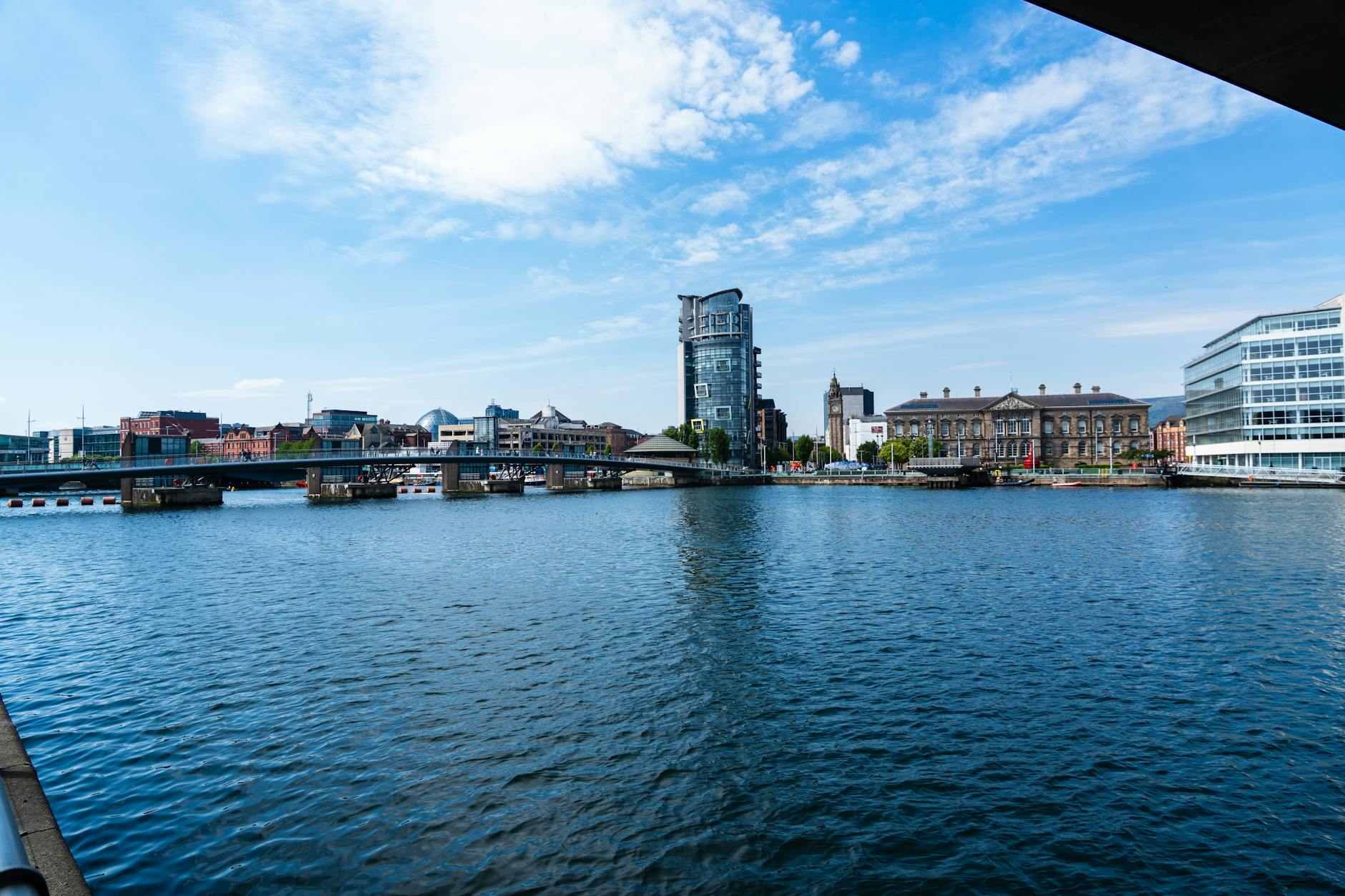
A solo traveler can use guided tours well in Belfast. Titanic history, political history, murals, food, architecture, or coastal routes are easier to understand with context, and a good group or private tour can add social structure to the day. The traveler should choose tours by tone and credibility, not only by ratings.
Sensitive subjects require care. Solo travelers should avoid using Belfast's history as a casual backdrop and should be thoughtful about photographs, questions, and captions. A good guide can help the traveler listen before forming quick conclusions.
- Use guided tours for context, structure, and social ease.
- Choose guides by tone, credibility, route, and group size.
- Be careful with photographs and assumptions around sensitive history.
Plan evenings before they start
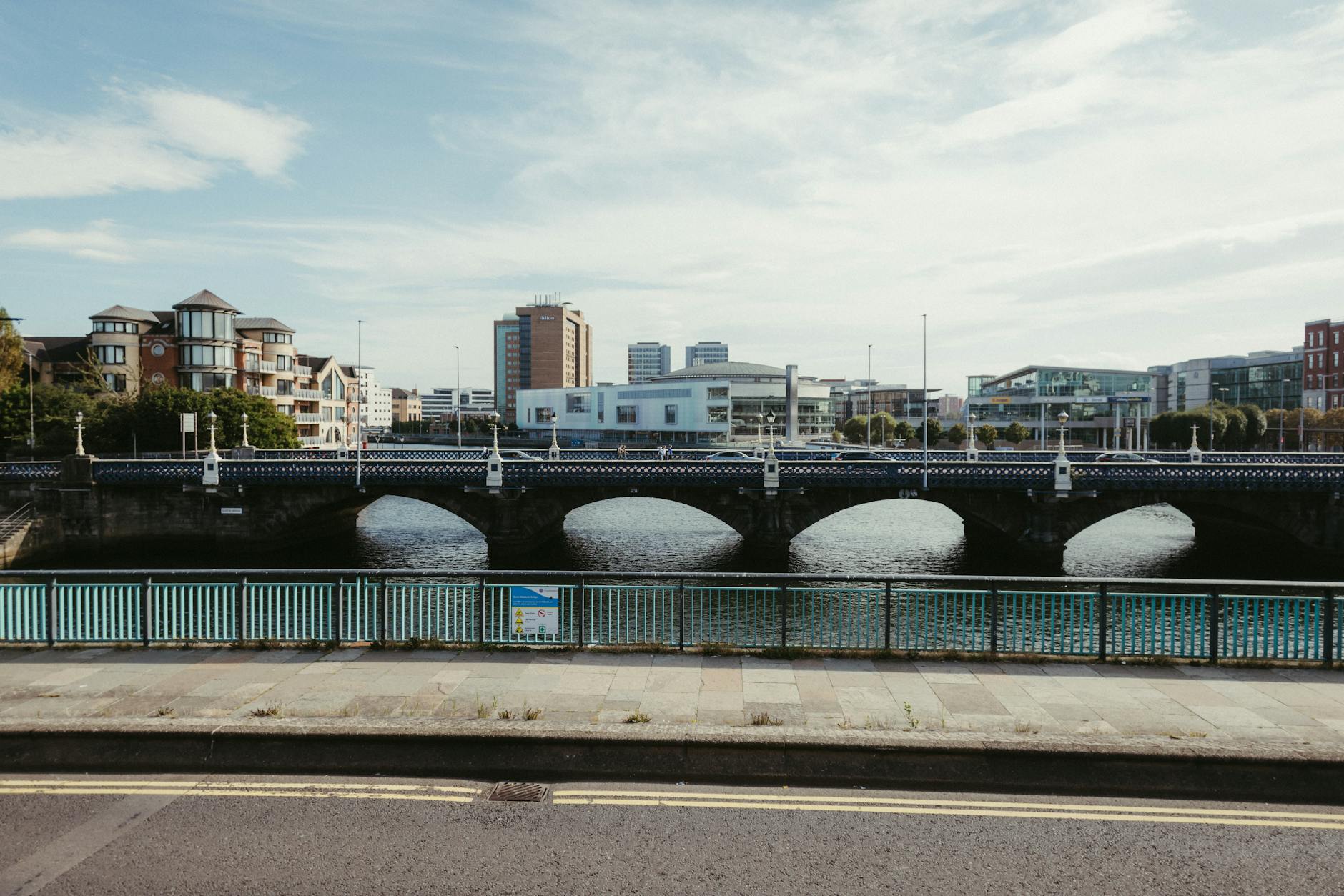
Solo evenings in Belfast can be enjoyable with restaurants, pubs, music, hotel bars, or a simple walk. They should still be planned. The traveler should know the route back, whether a taxi is better than walking, how much alcohol is sensible, and whether the venue suits someone alone.
A solo traveler does not need to avoid nightlife, but should avoid vague late-night movement. A good evening has a clear endpoint, charged phone, payment backup, and enough awareness to leave while the return still feels easy.
- Choose evening venues with the return route in mind.
- Keep phone battery, payment, alcohol, and taxi options under control.
- Leave before solo movement becomes complicated.

Balance independence with weather and fatigue
Belfast's weather can change solo plans quickly. Rain, wind, and exposed waterfront routes can make a planned walk less appealing. A solo traveler should carry layers, know indoor alternatives, and avoid making the day depend on constant outdoor movement.
Fatigue matters because there is no companion to share navigation, bags, or decisions. The itinerary should include pauses, simple meals, and a plan for switching to taxis or indoor sites when energy drops.
- Prepare for rain, wind, indoor alternatives, and shorter daylight.
- Schedule pauses and simple meals before fatigue builds.
- Use taxis or route changes without treating them as failure.
Be selective with day trips
A solo traveler may be tempted by the Causeway Coast, Derry, coastal drives, Game of Thrones locations, or guided regional tours. These can be excellent, especially when a group tour adds structure and company. They can also consume the Belfast time that would make the trip feel grounded.
The traveler should compare day trips by pickup point, return time, bathroom and meal stops, weather, group size, and how much energy remains for the city. Sometimes a strong Belfast day is better than a long solo coach day.
- Compare day trips by pickup point, timing, group size, meals, and weather.
- Use structured tours when they improve safety and social comfort.
- Do not leave too little time for Belfast itself.
When to order a short-term travel report
A solo traveler with a central hotel and flexible city plan may not need a custom Belfast report. A report becomes useful when the traveler is arriving late, choosing between neighborhoods, planning sensitive history tours, adding a day trip, managing safety concerns, traveling with medical constraints, or trying to balance independence with structure.
The report should test lodging, arrival, daily routes, evening movement, tours, local context, weather, day trips, budget, and what to cut. The value is a solo Belfast trip that feels open without becoming improvised.
- Order when lodging, arrival, evening movement, tours, or day trips need testing.
- Provide dates, arrival route, lodging options, interests, risk concerns, budget, and constraints.
- Use the report to make solo travel confident and specific.