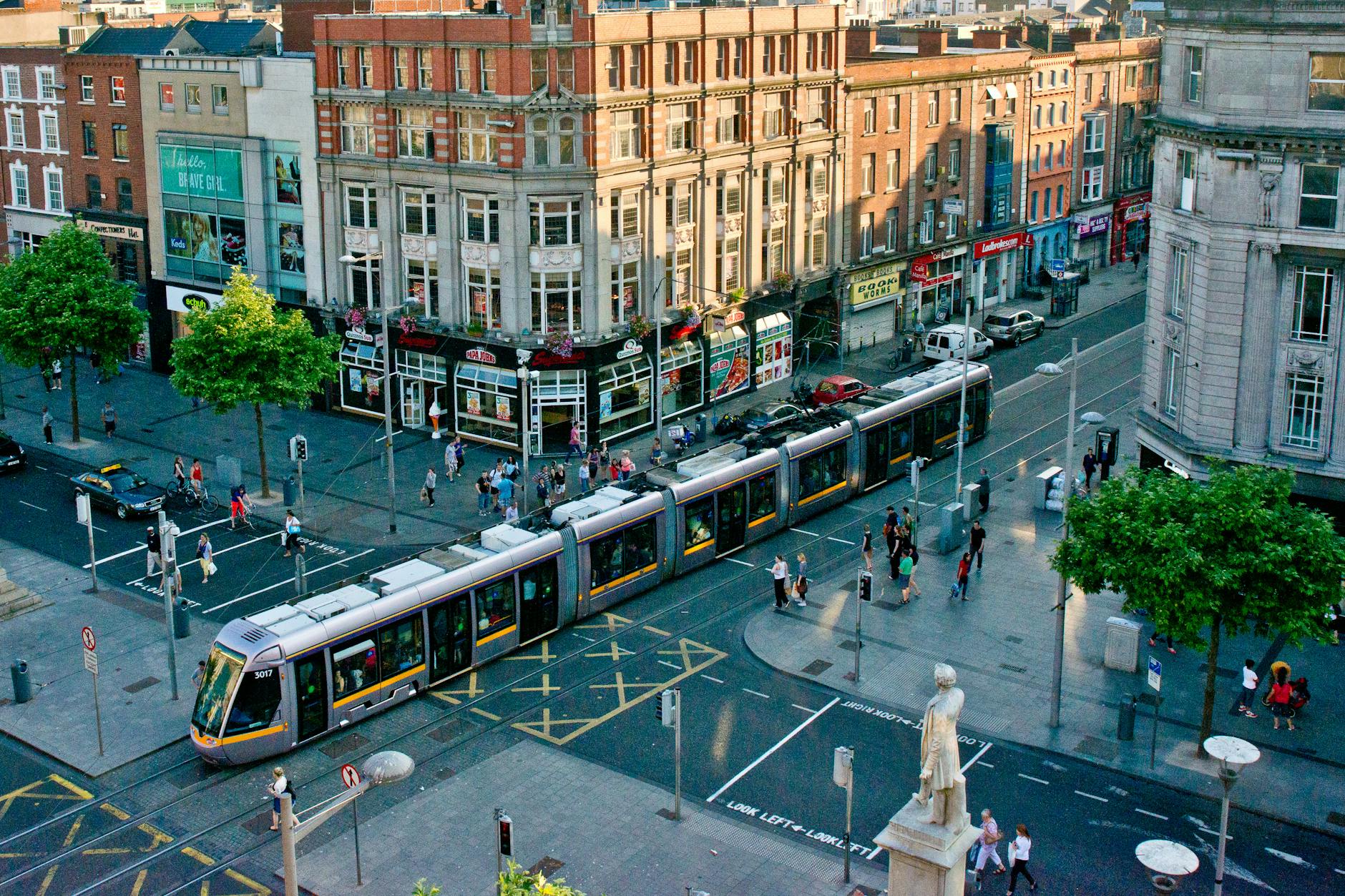
A sales trip to Belfast is not just a matter of getting into town, shaking hands, and leaving. The traveler may need to move between prospects, channel partners, public-sector contacts, client dinners, hotel workspace, and transport links while carrying a laptop, demo material, samples, or presentation notes. Belfast can support that well when the geography is planned. The advantage of Belfast is scale. The risk is assuming scale removes the need for discipline. A strong sales trip protects the arrival, the first meeting, the follow-up window, and the evening conversation that may matter more than the formal pitch.
Map prospects before choosing the hotel
A sales traveler should choose a Belfast base after mapping the prospect list. A day built around city-centre meetings, Titanic Quarter contacts, university or hospital buyers, public-sector offices, or suburban client sites will not use the same hotel equally well. The right base shortens transitions and preserves energy for the conversations that matter.
The hotel should also support prep and follow-up: quiet workspace, reliable Wi-Fi, breakfast, taxi pickup, quick returns, garment care, and a lobby or room setup that does not make every call awkward.
- Map prospect locations before choosing lodging.
- Check taxi pickup, Wi-Fi, workspace, breakfast, garment care, and quiet.
- Choose the base that protects meeting quality and follow-up time.
Make arrival serve the first meeting
Belfast City Airport, Belfast International, Dublin connections, rail, and road arrivals should be judged by how ready the traveler needs to be after arrival. A cheap or late route can be the wrong answer if it leaves no margin for a delayed bag, weather, a clothing change, or a quick review before the first appointment.
The traveler should decide the transfer, bag drop, first meal, backup route, and meeting-prep location before departure. Sales trips punish arrival improvisation because the first impression often happens before the traveler feels fully settled.
- Choose arrival by readiness, not only ticket price.
- Plan transfer, bag drop, first meal, and prep location in advance.
- Use extra margin when the first meeting cannot move.
Do not overpack the meeting day
Belfast's compactness can tempt a sales traveler to stack too many calls, demos, coffees, and dinners into one day. That can work only if the geography is clean and the meetings have different levels of importance. The strongest schedule protects the highest-value conversation and leaves enough space to adapt when a prospect runs late or asks for more time.
The traveler should also build in private follow-up after key meetings. A strong note sent while details are fresh can be worth more than squeezing in one low-value extra stop.
- Prioritize high-value meetings before filling the day.
- Leave buffers for taxis, rain, late prospects, and longer conversations.
- Protect same-day follow-up time after important meetings.
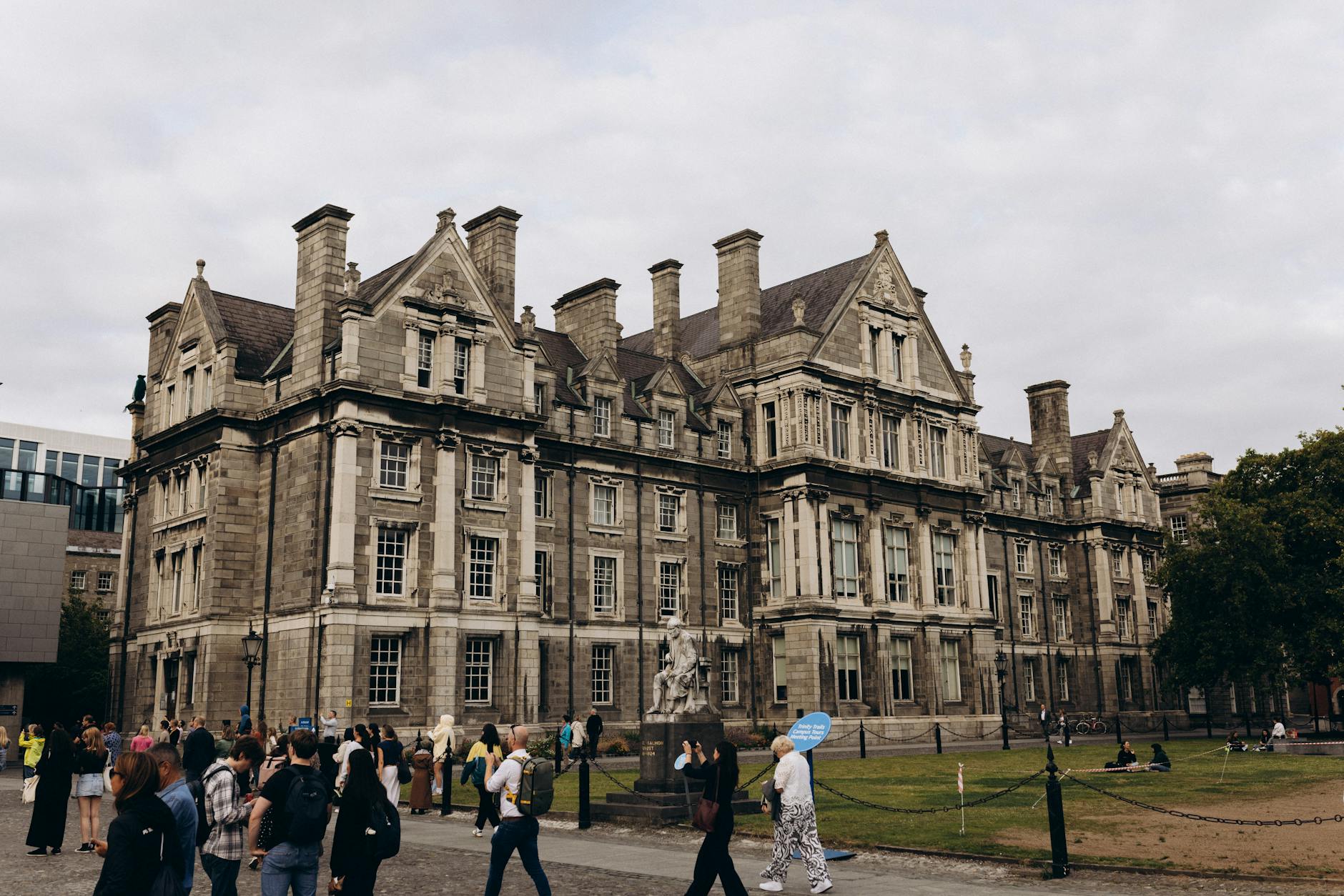
Protect demos, devices, and client information
Sales travelers often carry customer data, pricing decks, demo environments, samples, contracts, and devices that should not be handled casually in public spaces. Hotel lobbies, cafes, taxis, stations, and event venues may be convenient, but they are not automatically private.
The traveler should separate daily materials from backups, use a privacy screen when appropriate, keep devices controlled during meals, avoid exposed speakerphone calls, and decide how notes and follow-up data will be stored before the first meeting starts.
- Control laptop, samples, pricing material, contracts, and client notes.
- Use privacy screen, VPN, and quiet spaces for sensitive work.
- Separate backups from the bag used during the meeting day.
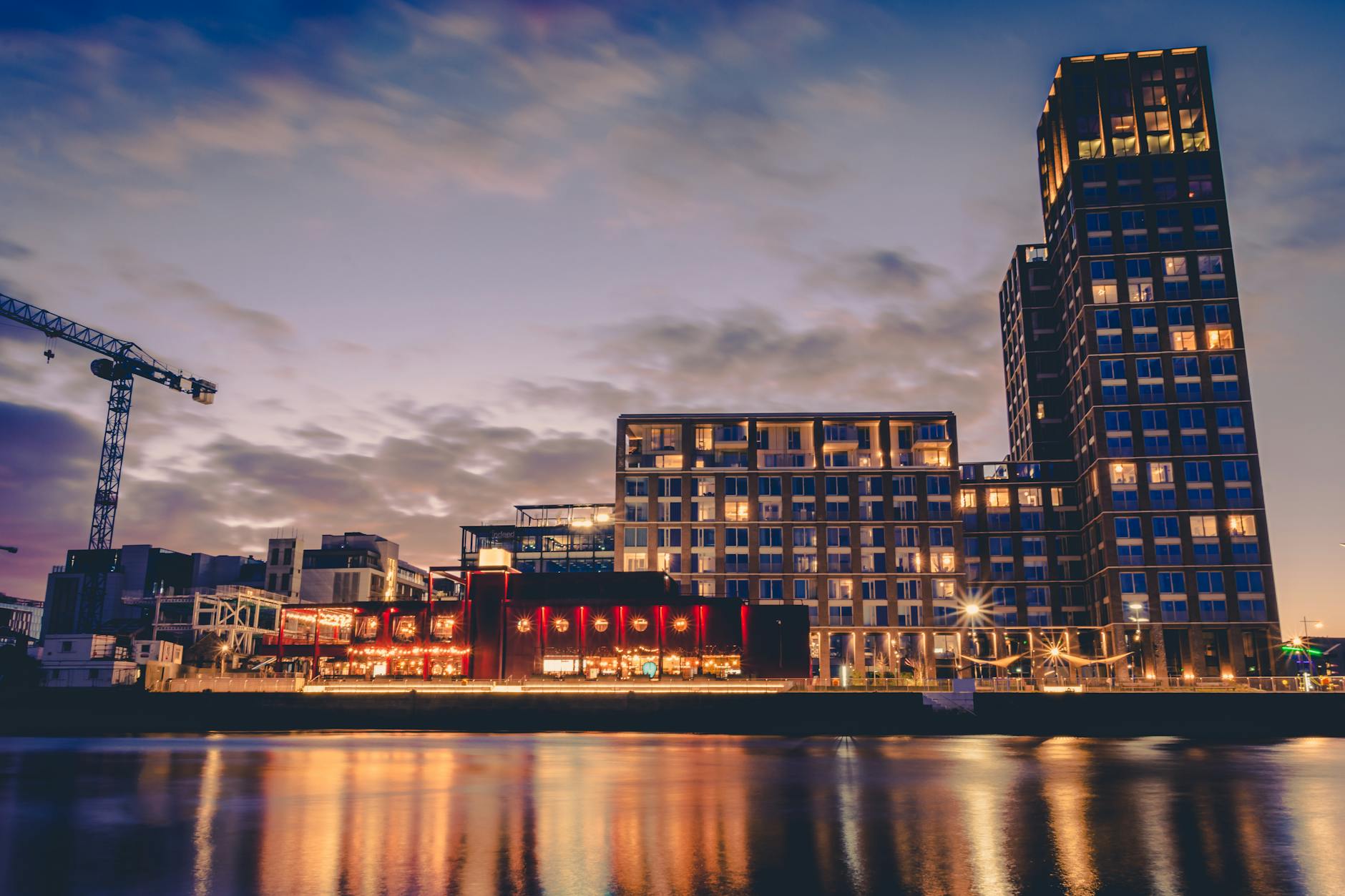
Use meals as sales infrastructure
Belfast restaurants, pubs, hotel bars, and informal coffee settings can support good sales conversations, but they should be chosen by purpose. A first meeting, renewal conversation, channel dinner, and internal debrief need different levels of privacy, noise, location, and timing.
The traveler should know the route back, whether a laptop or sample bag can be handled safely, and whether alcohol fits the next obligation. A good meal should advance trust without making the next morning weaker.
- Choose meals by privacy, noise, location, timing, and commercial purpose.
- Plan the return route before client dinners or pub meetings.
- Keep alcohol, devices, and next-day obligations under control.
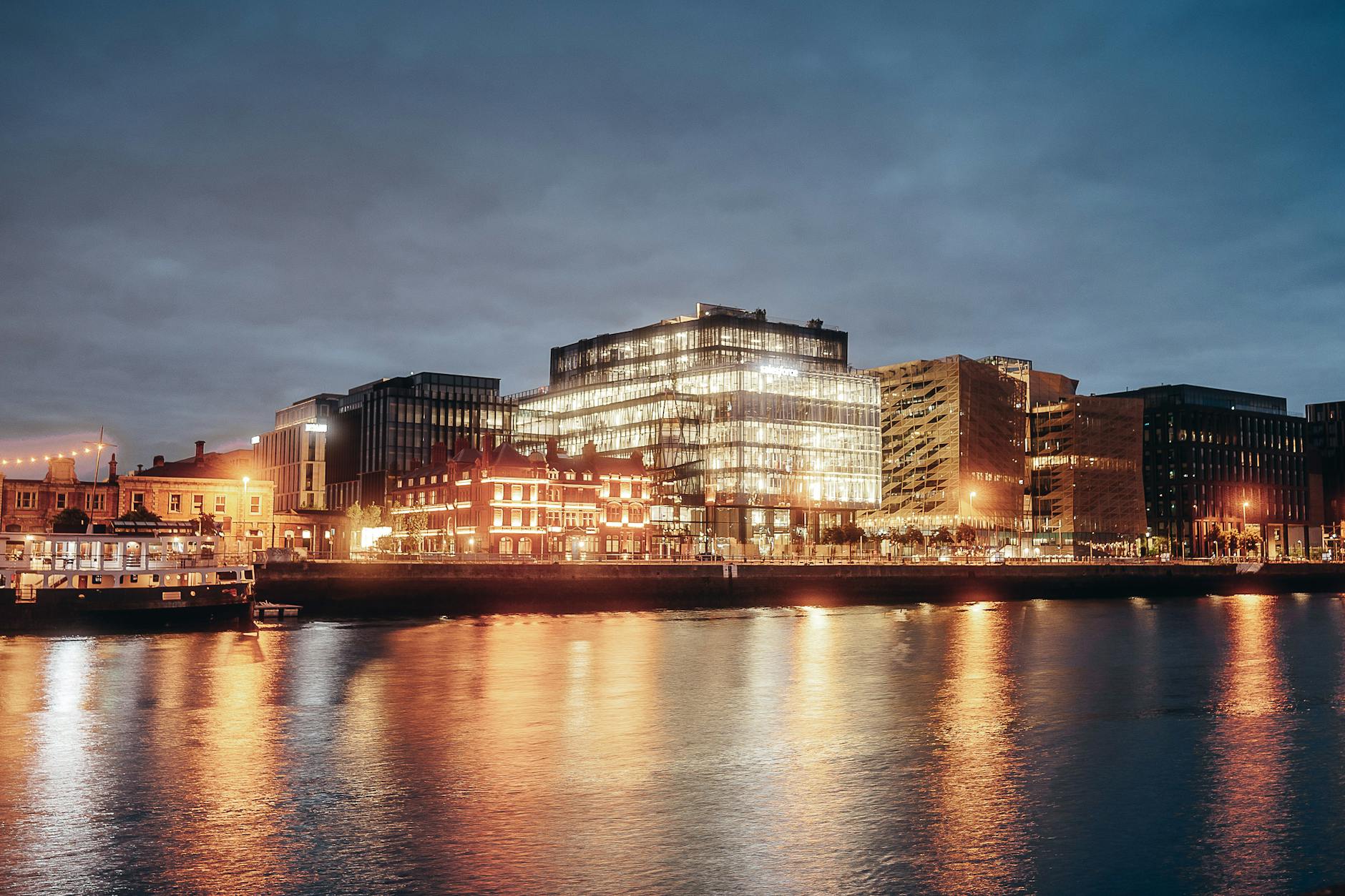
Add local context without becoming performative
A sales traveler does not need to become an expert on Belfast, but should know enough not to sound generic. The city's history, public-sector presence, universities, infrastructure, port and shipbuilding identity, and regional relationships may all shape local business conversations.
A short walk, a guided context window, or one carefully chosen dinner can help the traveler read the city better. The goal is professional fluency, not tourist performance between meetings.
- Learn enough local context to avoid generic conversations.
- Use one focused Belfast experience if it improves client understanding.
- Do not force sightseeing into time needed for preparation or follow-up.
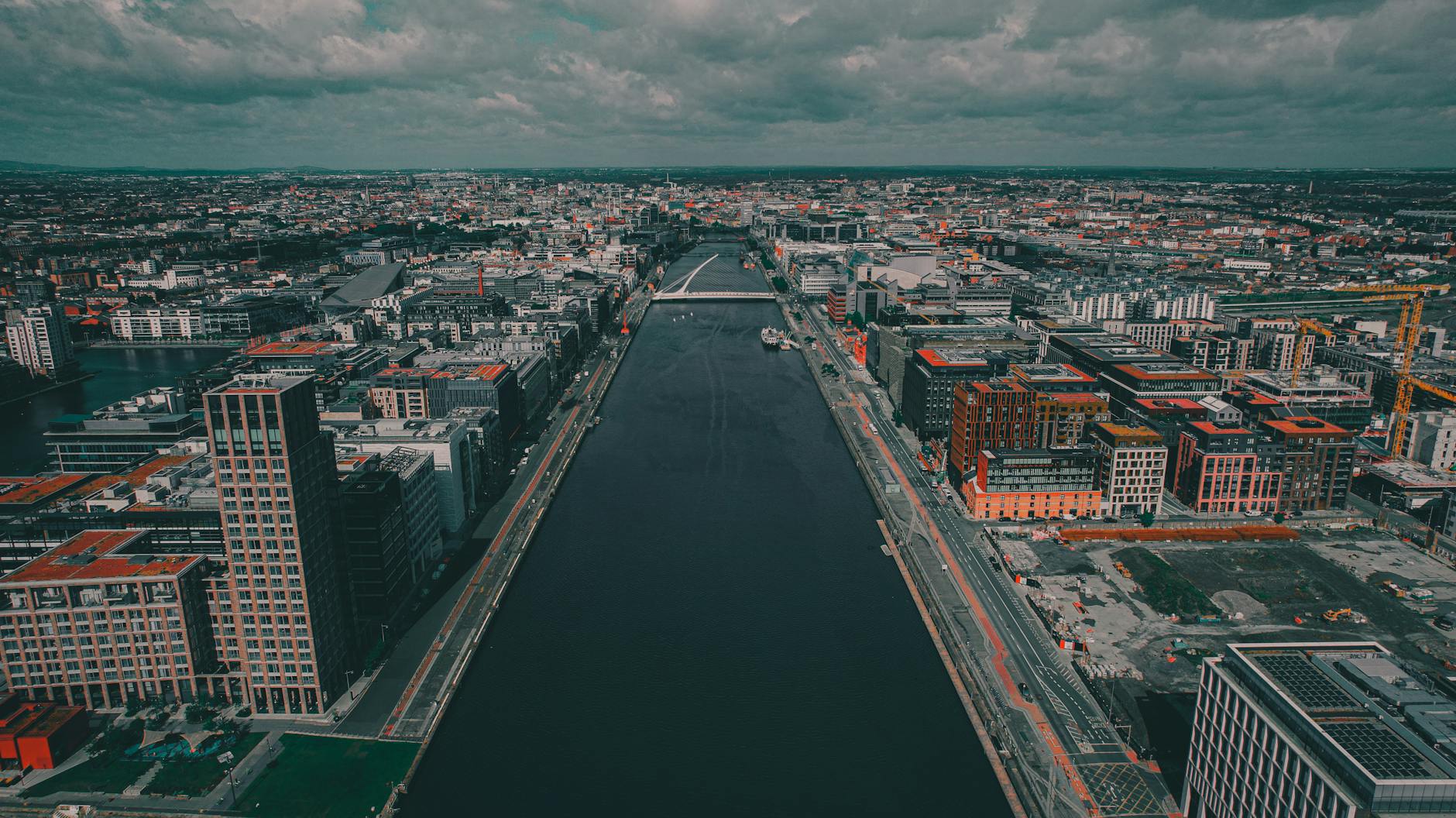
When to order a short-term travel report
A sales traveler with one client, a venue hotel, and a flexible schedule may not need a custom Belfast report. A report becomes useful when the trip includes multiple prospects, public-sector or university contacts, tight arrival timing, demos or samples, client dinners, unfamiliar geography, or a need to use limited time around the city intelligently.
The report should test prospect geography, lodging, arrival, meeting order, meals, evening returns, device security, weather, local context, budget, and what to cut. The value is a Belfast sales trip that protects the conversations worth traveling for.
- Order when prospect geography, meeting order, arrival, dinners, or device handling need coordination.
- Provide dates, prospect locations, hotel options, arrival route, meetings, materials, budget, and constraints.
- Use the report to protect the sales outcome and reduce wasted motion.