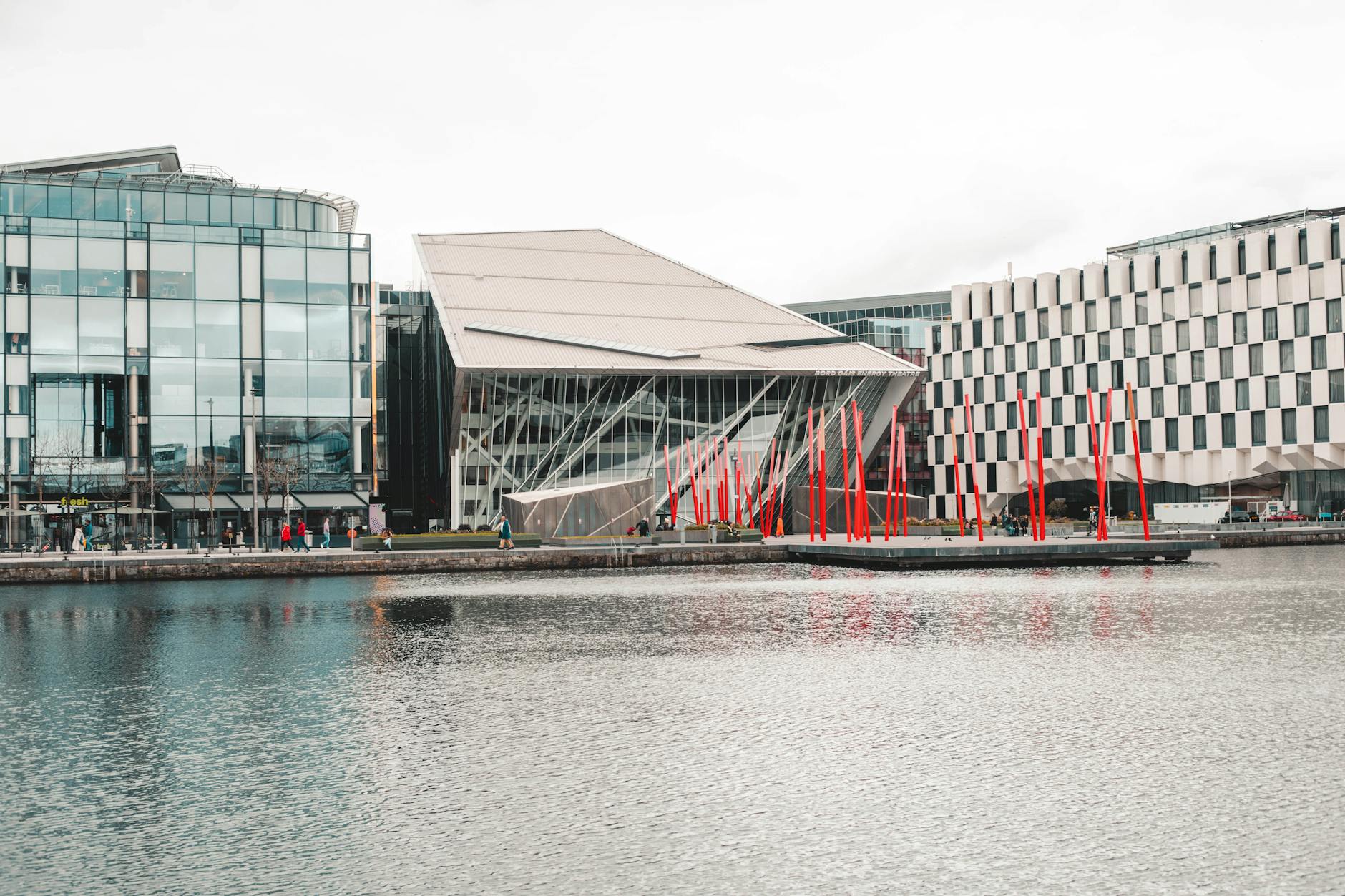
A repeat leisure visit to Belfast should not simply recreate the first itinerary with fewer surprises. The traveler already knows the headline shape of the city, so the second or third trip can be more selective: better meals, a different hotel base, deeper history, more time in museums, a music-led evening, a slower waterfront day, or a more deliberate regional excursion. Belfast rewards a return visit when the traveler has a reason for returning. Without that reason, the trip can drift into old routes and familiar sights without discovering much more than the first stay offered.
Name the reason for returning
A repeat visitor should identify what this Belfast trip is meant to do differently. The answer might be food, music, deeper political history, architecture, museums, a coastal day, a slower hotel stay, or visiting with someone who has never been before. That purpose should shape the whole trip.
Without a clear return motive, the traveler may default to City Hall, Titanic Quarter, the same dinner area, and a familiar day trip. Those can still be good, but repeat travel should earn its repetition.
- Define what this visit should add beyond the first trip.
- Let the return purpose shape lodging, meals, routes, and pacing.
- Avoid replaying familiar stops by accident.
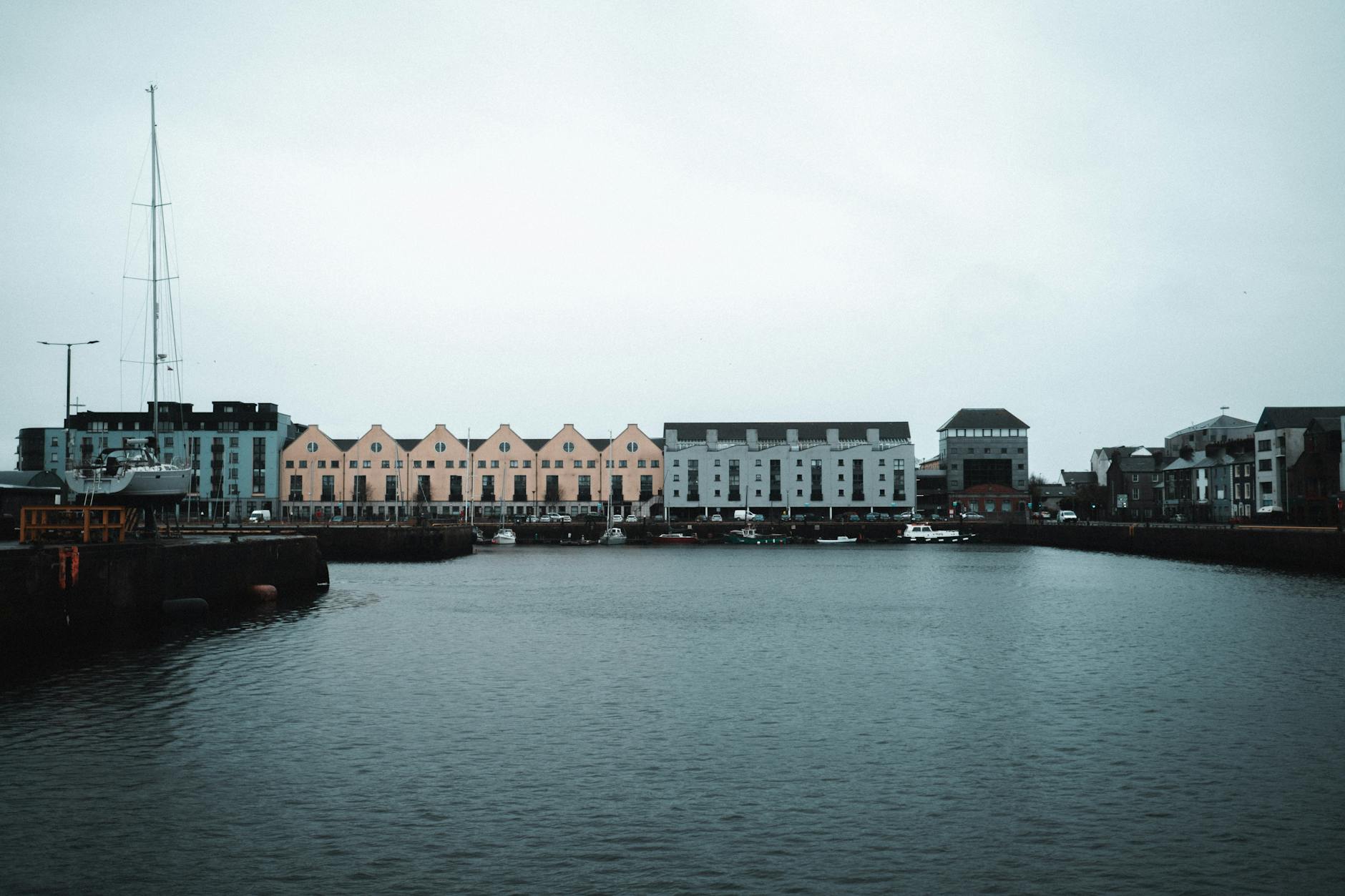
Change the base if the trip has changed
A hotel that worked for a first visit may not be right for a repeat stay. A traveler focused on food, music, quiet, museums, the waterfront, or regional access may benefit from a different location. The point is not novelty for its own sake. The point is matching the base to the current trip.
Repeat visitors often underestimate how much hotel geography controls evenings. A better base can make the second trip feel more local and less like a rerun of the first.
- Reconsider hotel location instead of rebooking automatically.
- Match the base to food, music, museums, quiet, or regional access.
- Use lodging to create a different Belfast rhythm.
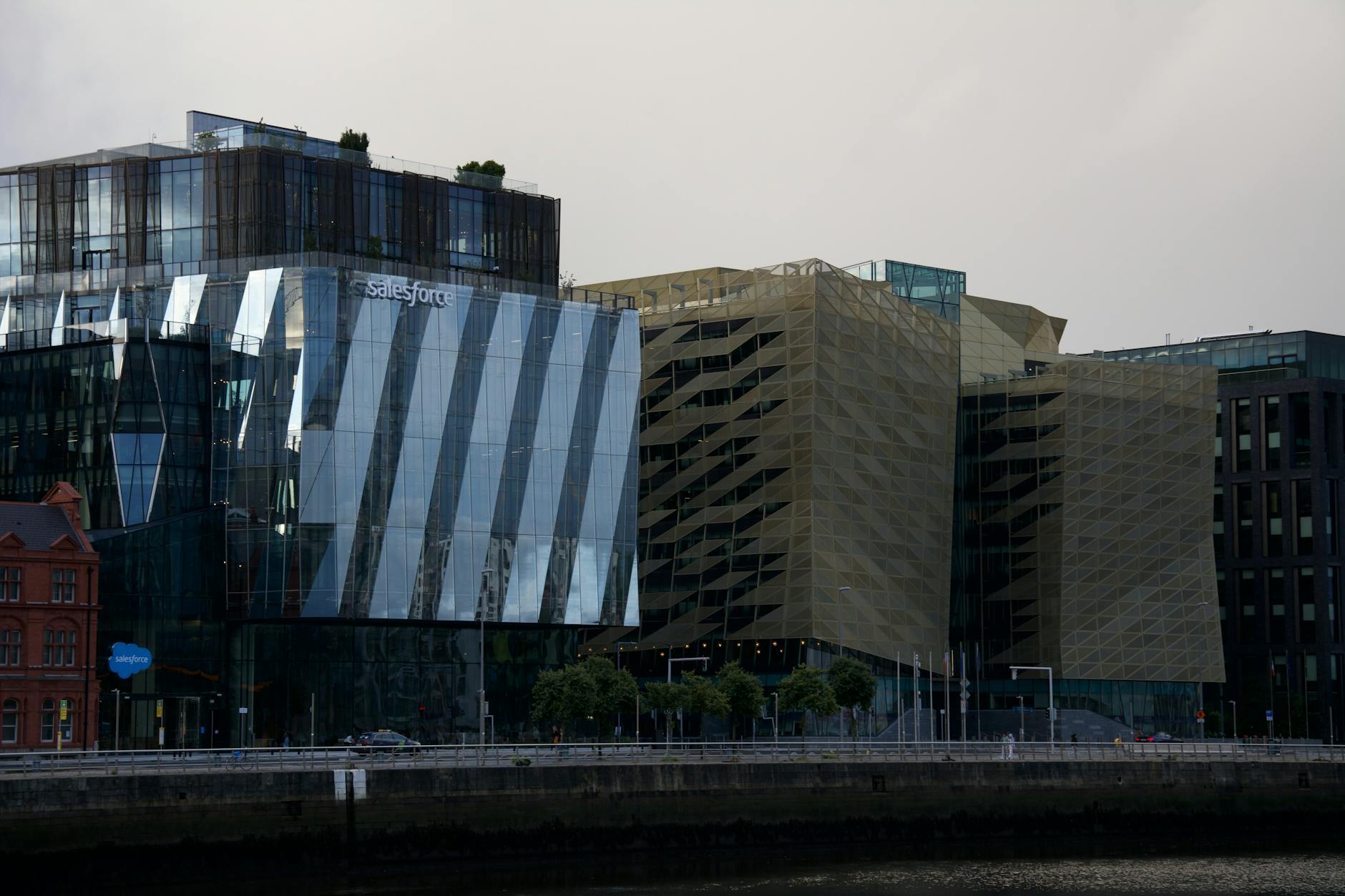
Go deeper into food, music, and ordinary evenings
A repeat leisure visitor can spend less energy proving they have seen the major sights and more energy using Belfast well. Better restaurants, pubs, music sessions, markets, cafes, hotel bars, and quieter evening streets can make the trip feel fuller than another fast sequence of attractions.
Evenings should still be planned. The traveler should know how dinner, music, taxis, weather, and the next morning fit together. A relaxed repeat visit can still lose quality if every night is decided too late.
- Use the return visit for better meals, music, cafes, and ordinary city time.
- Plan evening returns before the night gets late.
- Choose fewer, better evening moves instead of wandering vaguely.
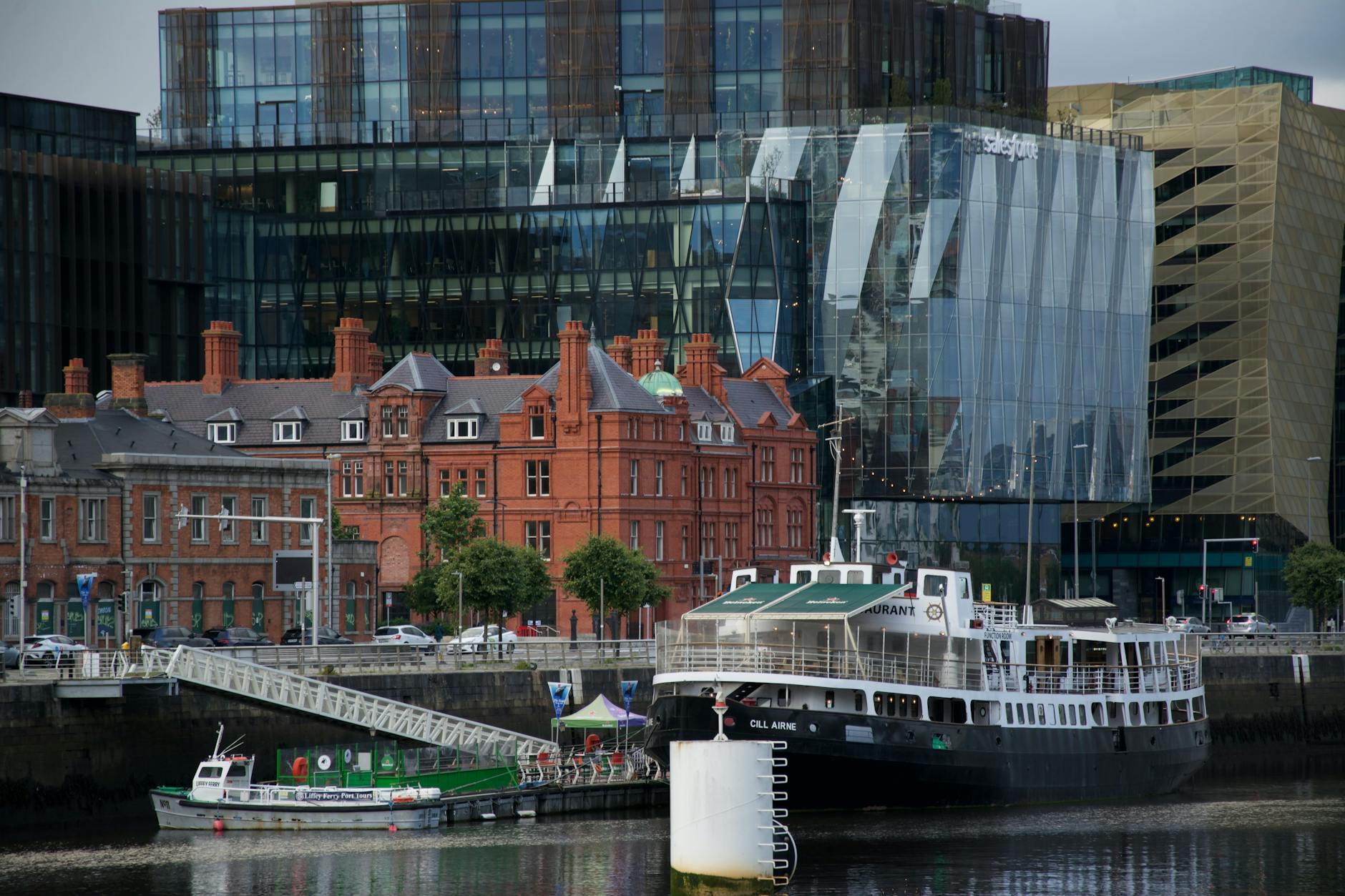
Return to history with better questions
A first Belfast visit may give the traveler only the basic outline of Titanic history, shipbuilding, political history, and community geography. A repeat visit can ask better questions. A more specialized guide, a different museum focus, or a slower neighborhood route can make the city more legible.
The traveler should avoid assuming prior exposure equals understanding. Belfast's history is layered enough that repeat visits can be more respectful and more rewarding when they move past the introductory version.
- Use repeat travel to ask more specific questions about Belfast history.
- Consider specialist guides or slower museum time.
- Do not confuse having seen the main sites with understanding the city.
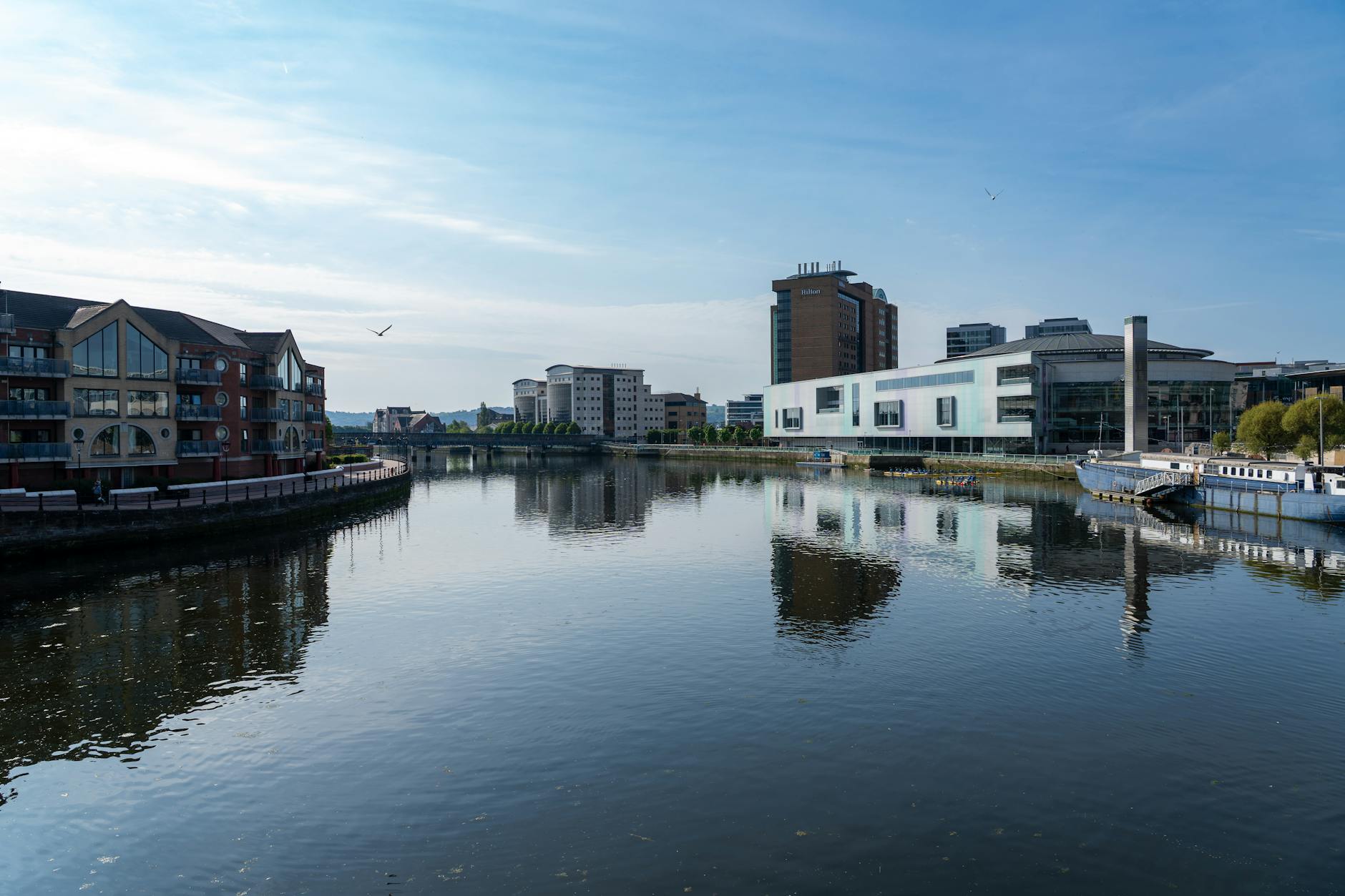
Use weather and season more intelligently
Repeat visitors can plan more honestly around Belfast's weather because they know the city is not only about perfect conditions. A rainy day can support museums, lunches, shops, hotel pauses, or a shorter guided route. A brighter day may deserve the coast, a longer walk, or more waterfront time.
The repeat traveler should keep the itinerary flexible enough to move the best outdoor plan to the best day. That small adjustment can make the return feel much more polished.
- Let weather decide which day gets the coast, waterfront, or longer walks.
- Keep rainy-day museums, meals, and hotel pauses ready.
- Use prior experience to plan more calmly around Belfast conditions.

Choose regional excursions more sharply
A repeat visitor may have already seen the most obvious day trip or may be ready for a better version of it. The Causeway Coast, Derry, gardens, coastal drives, castles, and smaller towns should be chosen by current interest, not by default lists.
A private driver, focused small tour, or slower independent day may be more satisfying than repeating the same coach route. The traveler should protect enough Belfast time so the return remains a city stay, not only a regional base.
- Choose regional days by current interest, not default popularity.
- Consider a slower or more specialized version of a familiar excursion.
- Keep enough time in Belfast for the return visit to feel rooted.

When to order a short-term travel report
A repeat visitor who already knows exactly where they want to stay and what they want to revisit may not need a custom Belfast report. A report becomes useful when the traveler wants a different version of Belfast, is choosing between neighborhoods, wants deeper history, plans regional excursions, is bringing first-time companions, or needs to refresh assumptions from an earlier trip.
The report should test lodging, changed priorities, dining, music, museums, local context, weather, day trips, budget, and what to skip this time. The value is making the return trip distinct rather than merely familiar.
- Order when the return visit needs a sharper purpose or different geography.
- Provide prior Belfast experience, dates, hotel options, interests, companions, day-trip ideas, and budget.
- Use the report to make the repeat visit feel earned.