A religious or pilgrimage trip to Belfast is not only a route between churches, cathedrals, memorials, retreat spaces, and historic neighborhoods. The city carries living religious, political, and community histories that shape how visitors should move, speak, photograph, and interpret what they see. Some travelers come for worship, some for family heritage, some for peacebuilding, some for church history, and some for a wider Northern Ireland itinerary. The strongest short stay respects both devotion and context. That means checking service times, understanding denominational and community geography, choosing lodging that supports quiet mornings and evening returns, building weather margin, and leaving room for reflection instead of treating every sacred or sensitive place as another stop.
Start with the purpose of the visit
A Belfast religious trip should begin with the purpose: worship, pilgrimage, heritage, peacebuilding, parish visit, choir travel, retreat, study, memorial travel, or interfaith learning. Those purposes require different pacing. A traveler attending a Sunday service needs different logistics than someone visiting religious sites as part of a wider history route.
The traveler should identify anchor commitments first. Service times, parish contacts, access rules, dress expectations, and quiet time should shape the day before restaurants, museums, or regional excursions are added.
- Define whether the trip is for worship, heritage, study, retreat, peacebuilding, or pilgrimage.
- Confirm service times, contacts, access rules, dress expectations, and quiet time.
- Build the itinerary around sacred commitments before optional sightseeing.
Understand religious and community geography
Belfast's churches, cathedrals, chapels, memorial sites, community spaces, and murals sit inside a city where religious identity has often overlapped with politics, neighborhood history, and family memory. Visitors should not assume that a site is simply aesthetic or only historical.
A traveler should learn the basic context before arrival and ask local hosts how to describe places respectfully. The goal is not to become an expert in a weekend. It is to avoid careless language, shallow symbolism, and routes that ignore how local people understand their own spaces.
- Learn basic religious, political, and neighborhood context before visiting sensitive sites.
- Ask local hosts or clergy about language, routes, and photography.
- Avoid treating symbols, murals, memorials, or churches as simple decoration.
Plan worship logistics carefully
Travelers attending services should confirm times, language, denomination, communion practice, entrance expectations, music, livestream or photography policies, and whether visitors are expected to introduce themselves. Holiday services, funerals, weddings, parish events, or security arrangements can change access.
The practical plan should include breakfast, weather, modest clothing where appropriate, taxi or walking route, return plan, and enough time not to arrive flustered. A sacred visit loses focus when the morning is rushed by avoidable logistics.
- Confirm worship times, denomination, visitor expectations, and photo or livestream rules.
- Plan clothing, breakfast, weather, route, and return before the service day.
- Arrive with enough margin to participate calmly.
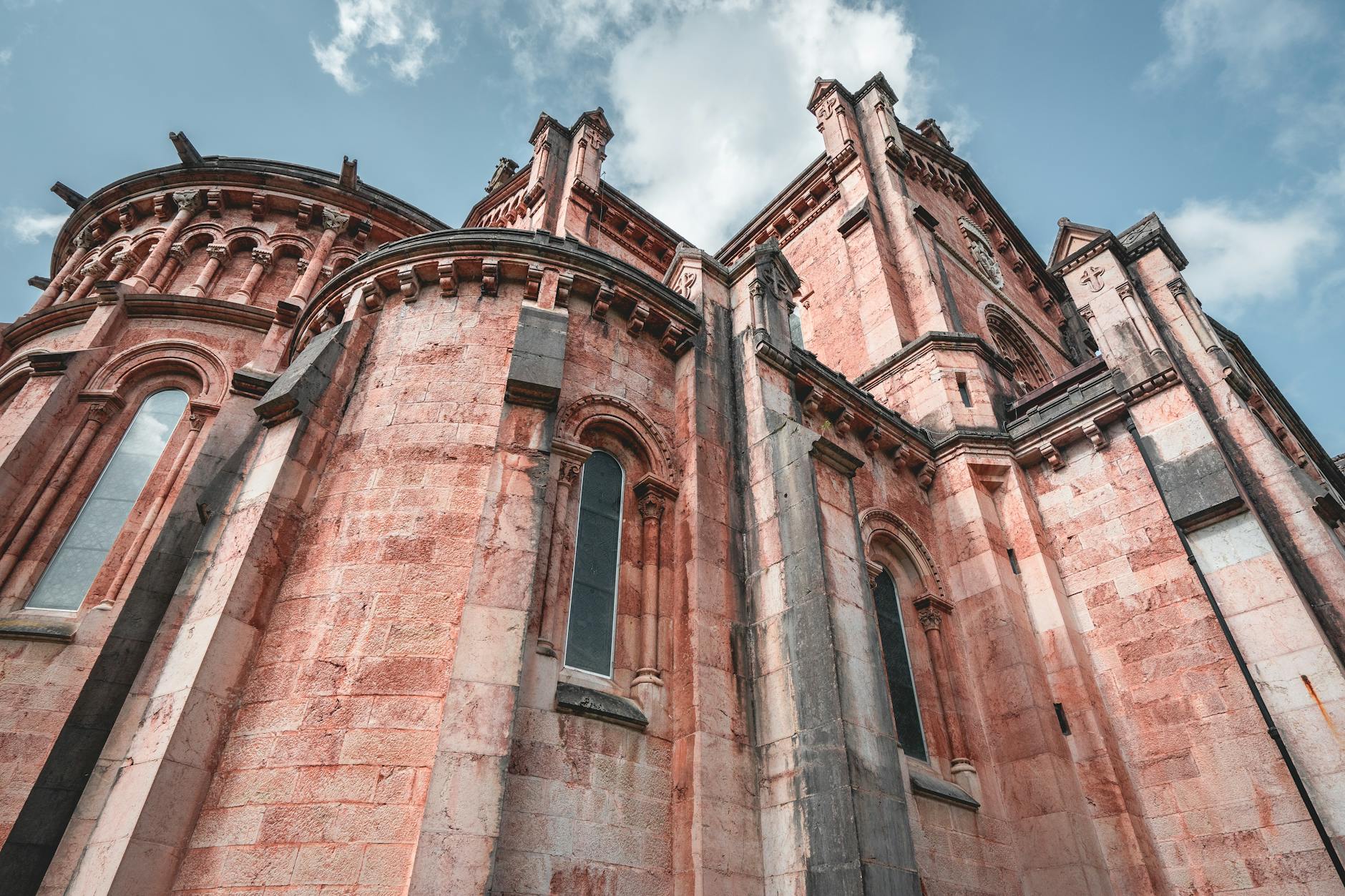
Choose lodging for rhythm and access
A religious traveler may need early mornings, quiet evenings, prayer time, group gathering space, reliable taxis, easy walking, or quick access to Cathedral Quarter, parish contacts, transport hubs, or community sites. The best base is not always the liveliest district.
The traveler should also consider alcohol-heavy surroundings, late-night noise, group members with mobility needs, and whether Sunday or holiday transport affects movement. Lodging should support the purpose of the visit, not fight it.
- Choose lodging by worship access, quiet, transport, group needs, and evening return route.
- Check noise, stairs, taxi pickup, and Sunday or holiday transport issues.
- Use the hotel base to protect the rhythm of the trip.
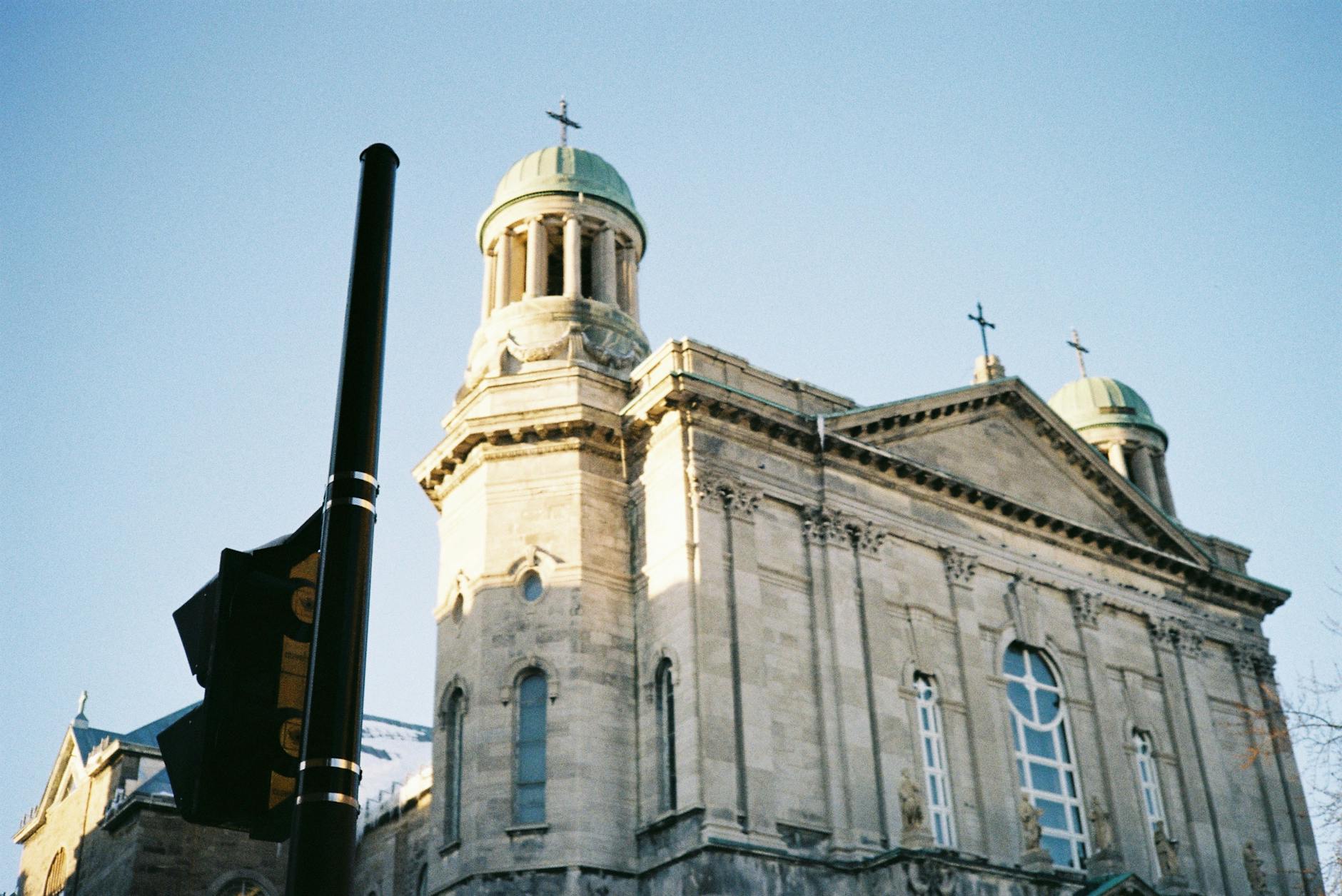
Handle photography and posting with restraint
Churches, memorials, community spaces, graves, services, clergy, parishioners, and prayer settings require more care than ordinary sightseeing images. A photo that is technically allowed may still be intrusive or poorly framed. Travelers should ask before photographing people or worship and should delay or avoid posts from sensitive settings.
Captions also matter. Belfast's religious sites may carry histories that do not fit simple inspirational language. If the traveler cannot explain the place accurately, it may be better to keep the visit private.
- Ask before photographing worship, people, community spaces, or memorial settings.
- Avoid real-time posts from sensitive or private religious contexts.
- Use captions that respect local meaning and avoid easy symbolism.
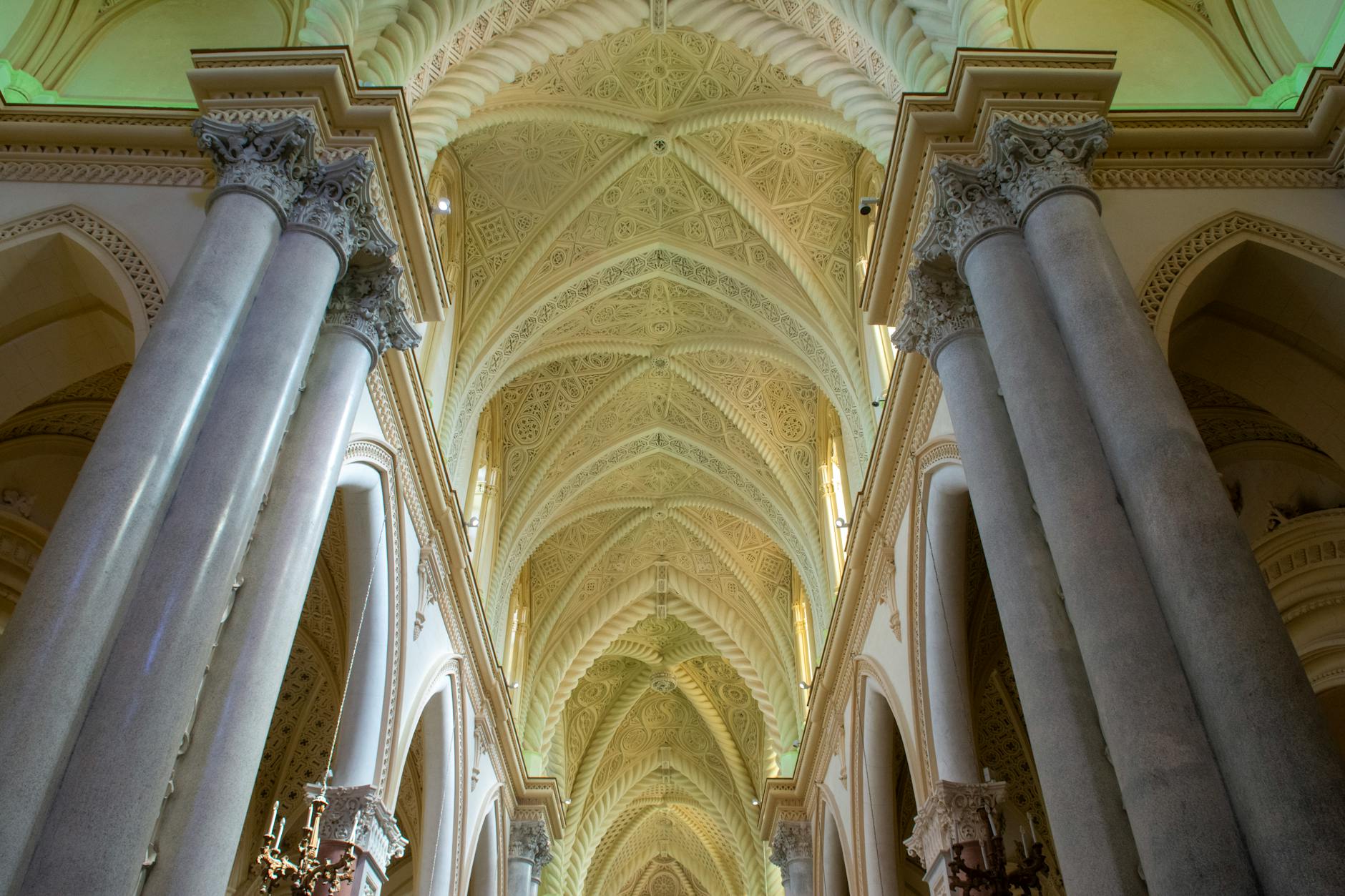
Balance Belfast with wider pilgrimage routes
Some travelers combine Belfast with Armagh, Downpatrick, Derry, monastic sites, family graveyards, coastal stops, or retreat settings elsewhere in Northern Ireland or Ireland. Those additions can be meaningful, but they should not overload a short stay.
The traveler should account for weather, daylight, transport, Sunday schedules, mobility, food, and emotional weight. A pilgrimage itinerary needs time to absorb what each place means. Too many stops can turn a serious trip into a checklist.
- Add regional sacred or heritage sites only when timing, transport, and weather work.
- Leave enough time for meals, reflection, and group pacing.
- Avoid reducing meaningful places to a rushed route list.
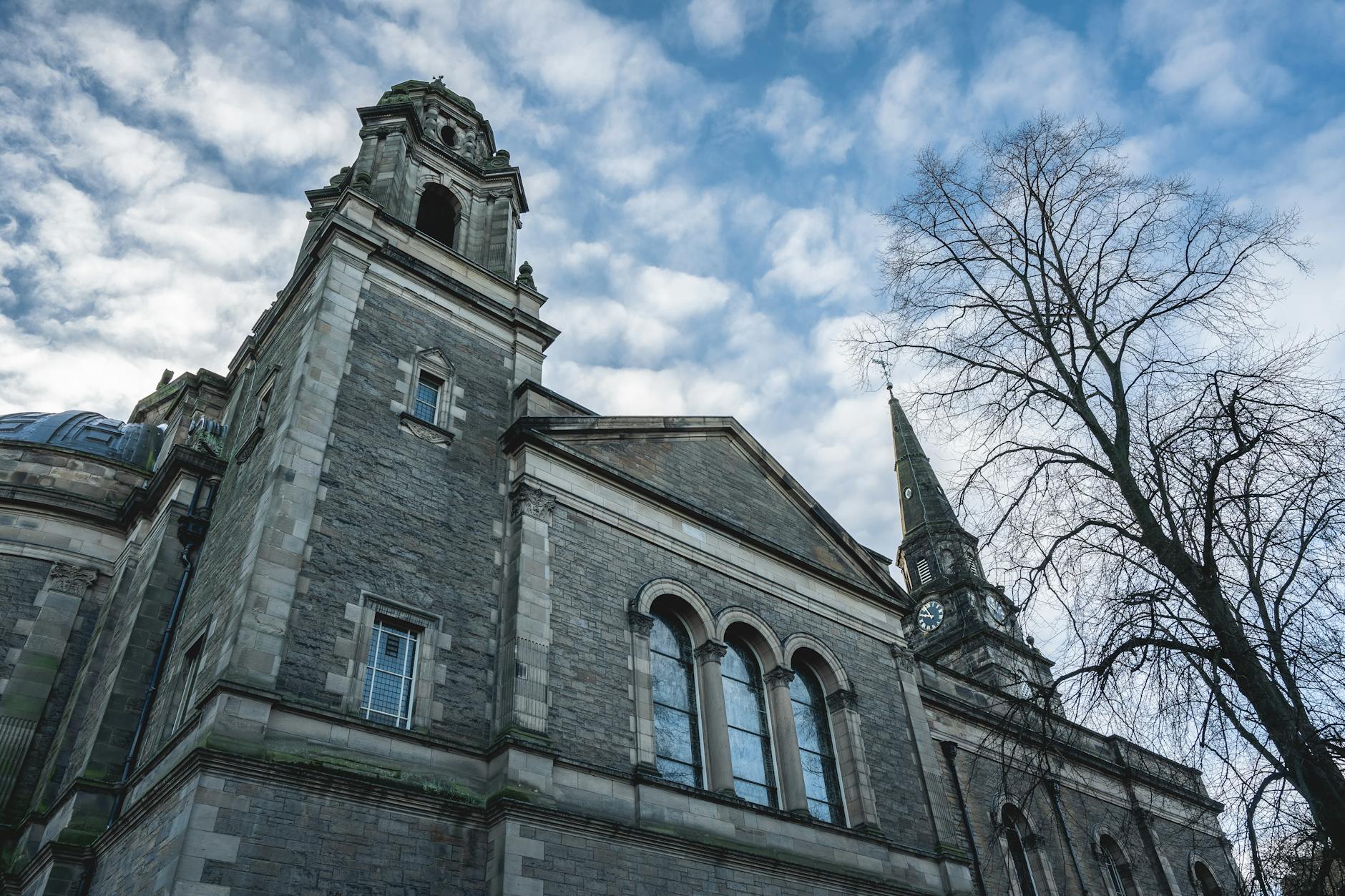
When to order a short-term travel report
A traveler attending one well-organized service with local hosts may not need a custom Belfast report. A report becomes useful when the trip includes multiple religious sites, family heritage research, group travel, mobility needs, sensitive community visits, independent transport, regional pilgrimage stops, or a need to understand Belfast context before arrival.
The report should test worship logistics, lodging, transport, community sensitivity, photo and posting rules, weather, meals, mobility, regional add-ons, budget, and what to cut. The value is a trip that respects the purpose of the visit while keeping the practical day under control.
- Order when worship, heritage, community context, group needs, or regional sites require careful planning.
- Provide dates, faith tradition, sites, service times, lodging options, mobility needs, budget, and sensitivities.
- Use the report to protect reverence, context, and practical control.