
Belfast can be a rewarding city for older travelers because many core sights, hotels, restaurants, museums, and riverfront areas sit within a manageable urban area. The trip still needs deliberate planning. Rain, uneven surfaces, stairs, long museum visits, airport distance, and ambitious day trips can make a short stay harder than it needs to be. The goal is not to avoid activity. It is to shape the trip around comfort, dignity, access, and energy. Belfast is best when the traveler has enough time to understand the city without making every day a test of endurance.
Choose arrival and lodging for ease
Older travelers should compare Belfast City Airport, Belfast International, Dublin connections, rail, coach, and car arrival by fatigue and simplicity. Belfast City Airport can be especially convenient for many itineraries, while Belfast International and Dublin usually require more transfer margin.
The hotel should be chosen by lifts, step-free access, taxi pickup, quiet rooms, breakfast, nearby meals, and realistic walking distance. A central base often reduces effort more than it raises cost.
- Choose the arrival route by comfort, transfer time, and fatigue.
- Check lifts, step-free access, room quiet, breakfast, and taxi pickup.
- Use central lodging when it reduces repeated effort.
Plan walking by surfaces, weather, and rest
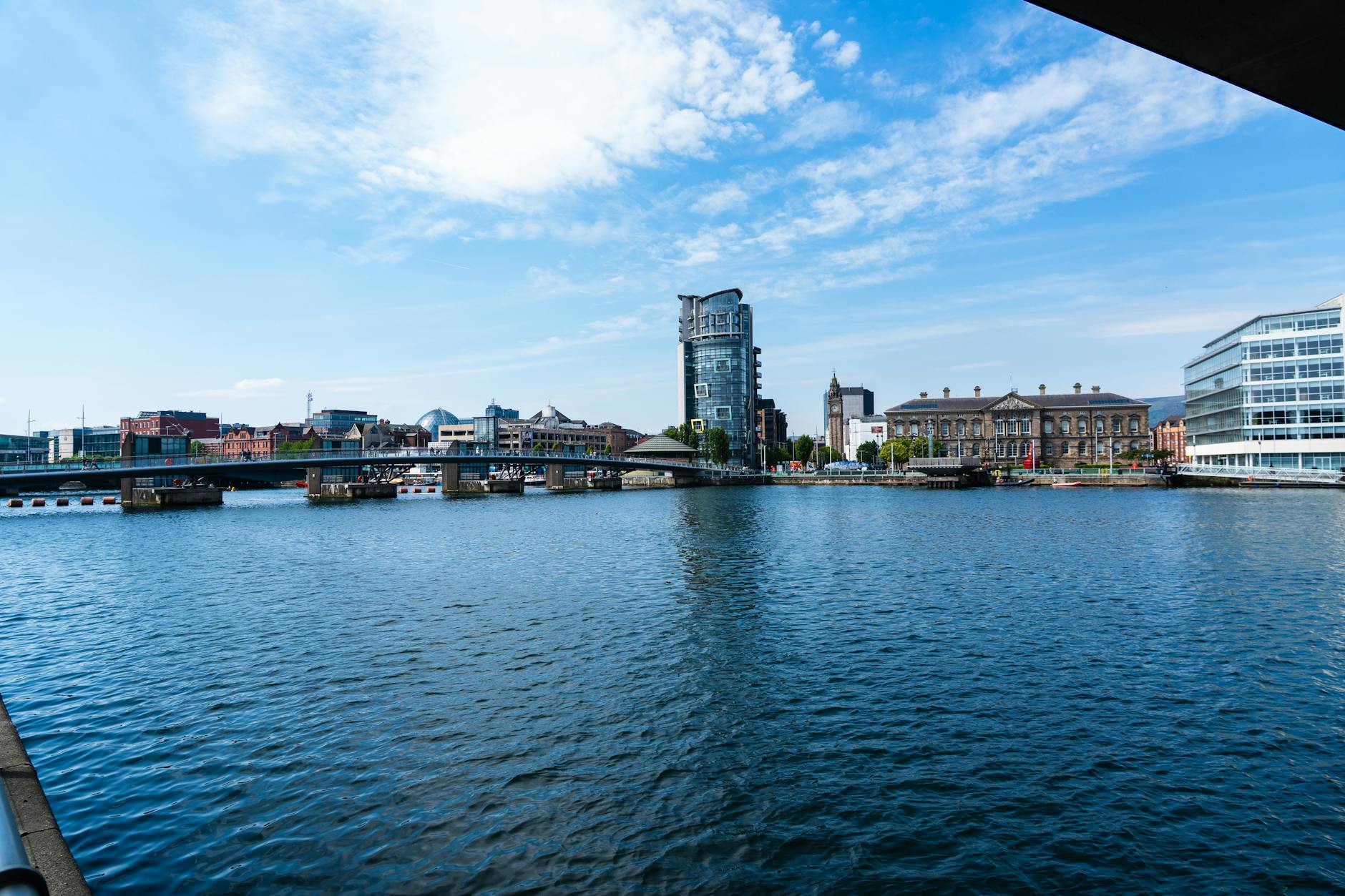
Belfast's centre can look easy on a map, but comfort depends on weather, crossings, pavement, gradients, seating, toilets, and how often the traveler needs to pause. Riverfront and Titanic Quarter routes can be exposed. Rain and wind can make a short walk feel longer.
The traveler should plan walks in segments and know when to use taxis. A good day might include one museum or district, a meal, and a short walk rather than several spread-out stops.
- Judge walking by surfaces, crossings, seating, toilets, wind, and rain.
- Use taxis before fatigue turns a manageable day into a difficult one.
- Group sights so rest and meals are built into the route.

Make Titanic Quarter and museums manageable
Titanic Belfast, the waterfront, City Hall, museums, and guided history routes can be excellent for older travelers, but they should be paced. Museum visits can be tiring through standing, stairs, crowds, lighting, noise, and information load. The traveler should check accessibility and decide how much time is enough.
A guided route can add context, but the vehicle, stops, walking, and restroom access should be clear. The best visit is the one the traveler can absorb comfortably.
- Check accessibility, seating, toilets, and visit length before museum days.
- Use guided tours with clear vehicle, stop, and walking details.
- Leave time to process major historical sites instead of rushing onward.

Keep medical and medication needs visible
Older travelers should plan medications, prescriptions, insurance, mobility aids, hydration, meals, and rest as part of the itinerary. A compact city can still become difficult when medication timing, low blood sugar, pain, fatigue, or weather is ignored.
The traveler should know where the nearest pharmacy, urgent care option, and taxi access are relative to the hotel. Companions should understand the plan enough to help if the day changes.
- Carry medications, prescriptions, insurance details, and backup supplies.
- Plan meals, hydration, rest, pharmacy access, and taxi use deliberately.
- Make sure companions understand mobility and health limits.

Handle local history and evenings gently
Belfast's history can be powerful, especially for visitors who remember news coverage from earlier decades or who have personal or family connections to the region. The traveler should choose tours and museums that match their interest and emotional bandwidth.
Evenings should be planned around easy meals, short returns, weather, and noise. A central restaurant, hotel bar, or early music session may be better than a late or crowded night that makes the next day harder.
- Choose history tours and museums that match interest and stamina.
- Plan evenings around easy returns, seating, weather, and noise levels.
- Leave space for emotional weight and recovery.

Be selective with day trips
The Causeway Coast, Giant's Causeway, Derry, gardens, coastal drives, or Game of Thrones locations can be tempting from Belfast. Older travelers should judge these by vehicle time, bathroom access, walking surfaces, weather, meal timing, and how much energy remains for Belfast itself.
A private driver or well-structured small tour can be worth the cost when it reduces fatigue and improves pacing. A long coach day may be fine for some travelers and draining for others. The day trip should not make the whole visit feel like transport.
- Compare day trips by vehicle time, toilets, surfaces, meals, weather, and fatigue.
- Consider private drivers or small tours when pacing matters.
- Skip distant add-ons if they undermine the Belfast stay.

When to order a short-term travel report
An older traveler with a central hotel, flexible schedule, and good mobility may not need a custom Belfast report. A report becomes useful when the trip involves medical conditions, mobility aids, multiple airports, day-trip decisions, uncertain hotel access, a tight schedule, or companions with different stamina.
The report should test arrival, lodging, accessibility, walking routes, transport, weather, medical needs, pacing, evening plans, day trips, budget, and what to cut. The value is a Belfast trip that preserves energy for the experiences that matter.
- Order when access, health, pacing, transport, or day-trip choices need testing.
- Provide dates, arrival route, lodging options, mobility details, medical constraints, interests, budget, and companions.
- Use the report to make Belfast comfortable without making it thin.