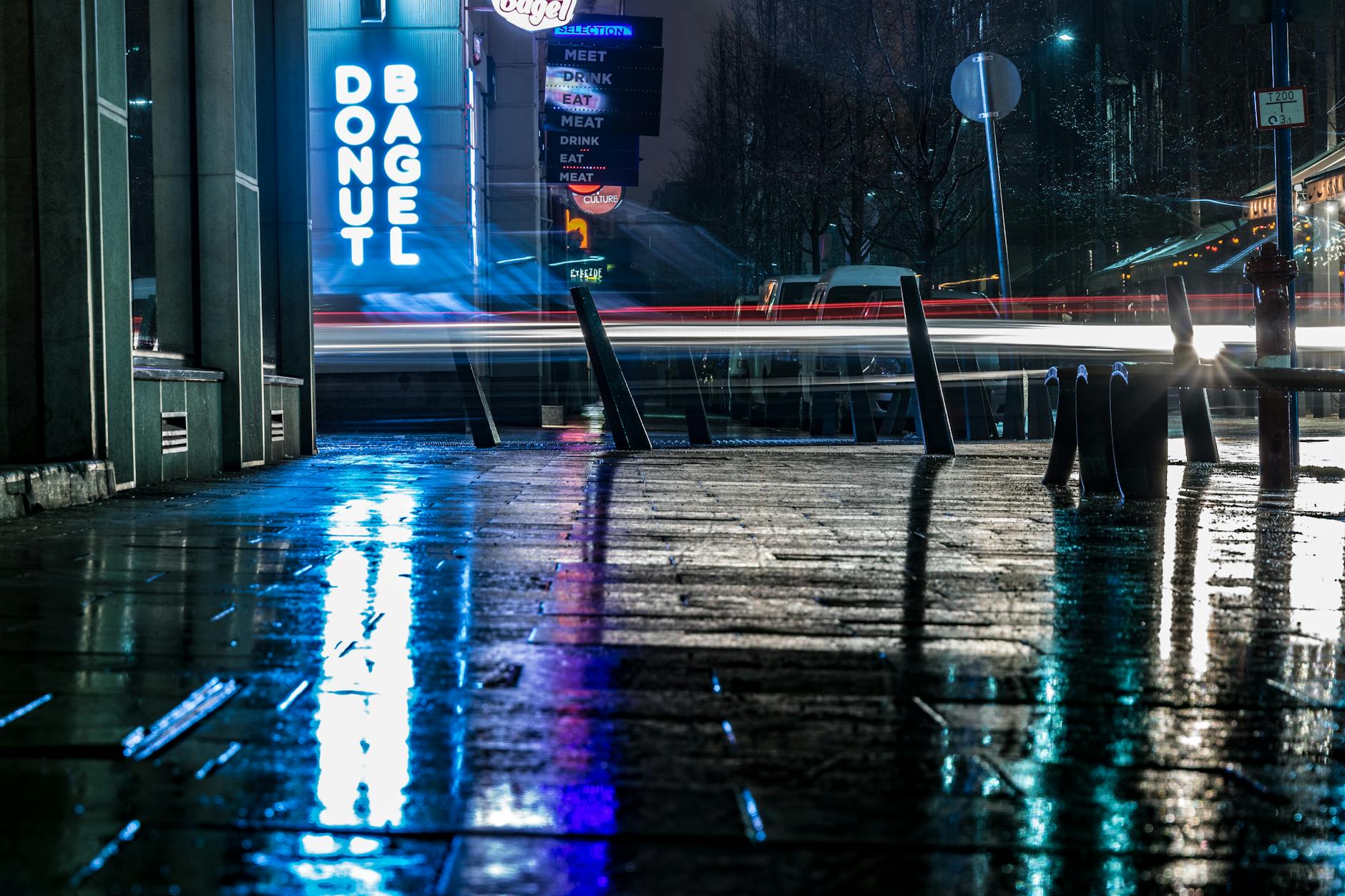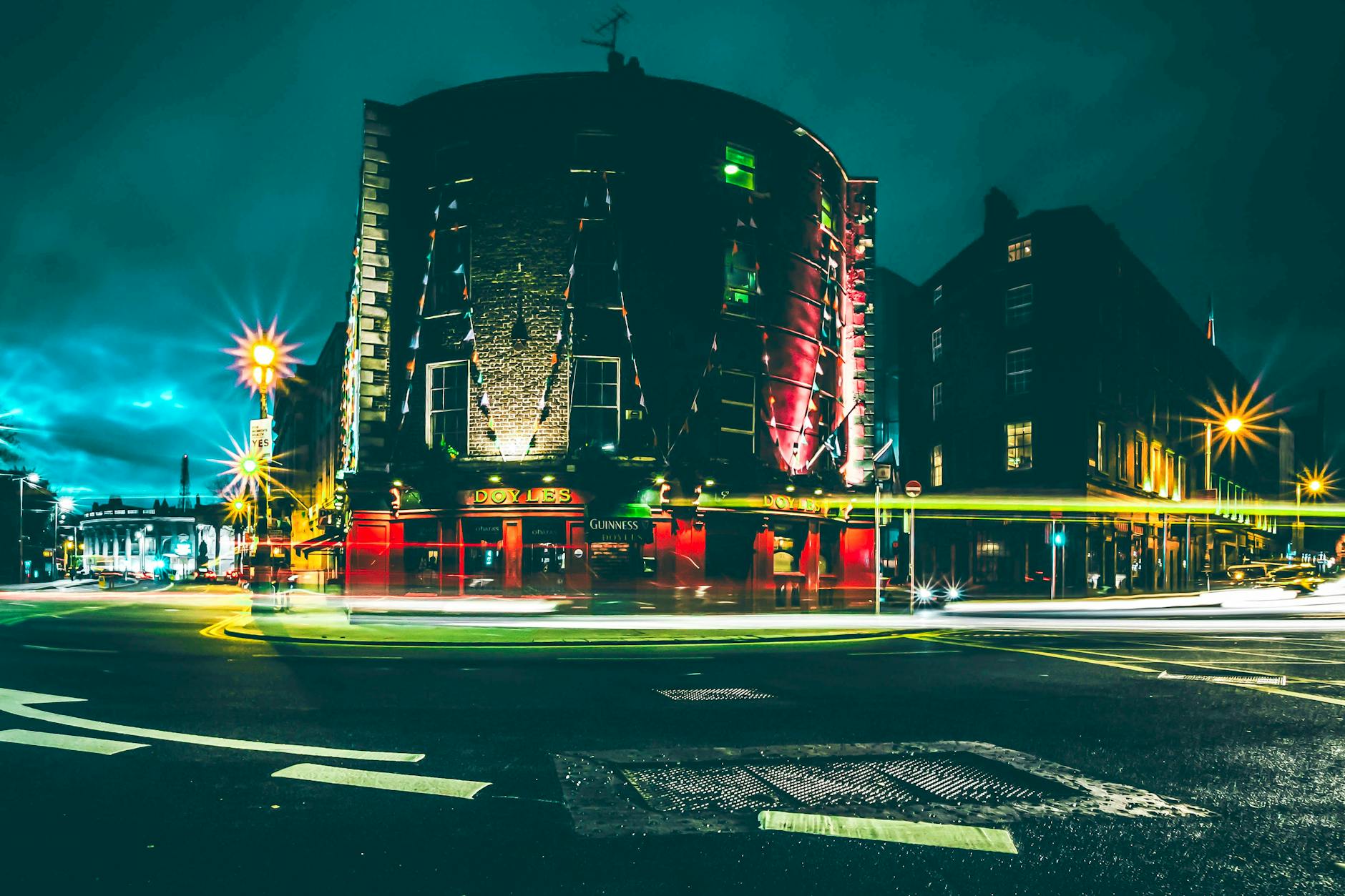
Belfast can be a strong nightlife city for travelers who want pubs, live music, restaurants, clubs, comedy, theatre, late dinners, and a compact evening circuit. Cathedral Quarter, city-centre venues, hotel bars, student areas, and event spaces can all fit a short stay. The city is manageable, but a good night still needs structure. A nightlife-focused trip should protect the evening and the next morning. That means choosing the right base, knowing how late transport works, pacing alcohol, checking venue rules, respecting local context, and having a clear return plan before the night gets noisy.
Choose a base that matches the evening plan
A nightlife-focused traveler should choose lodging by evening geography, not only daytime sightseeing. Cathedral Quarter, city-centre restaurants, music venues, theatres, hotel bars, and late-night food options all create different return patterns. A cheaper room far from the evening circuit can erase its savings in taxis and friction.
The traveler should check walking routes, late-night taxi pickup, hotel entry procedures, noise, security, and whether the base is still comfortable after midnight. The hotel should make the night easier to end well.
- Choose lodging by pub, music, restaurant, theatre, and late-night return geography.
- Check walking routes, taxi pickup, hotel entry, noise, and security.
- Make the end of the night part of the lodging decision.
Build the night around a few strong venues
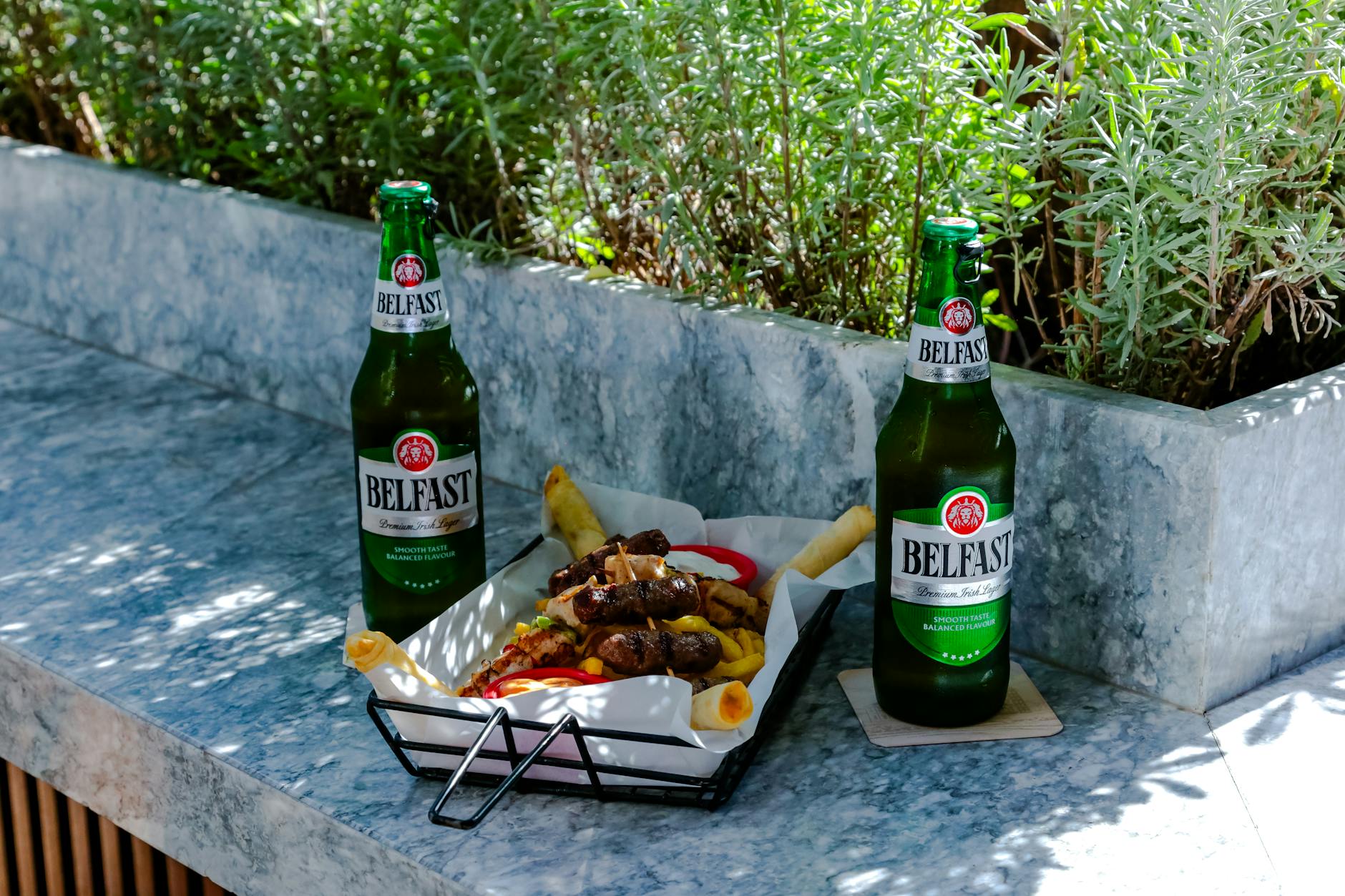
Belfast evenings work best when the traveler chooses a realistic sequence: dinner, one or two pubs, a live music venue, a theatre or comedy show, or a late bar. Trying to sample every recommended place can turn the night into queueing, walking, and decision fatigue.
The traveler should check opening days, booking requirements, door policies, age rules, dress expectations, set times, and whether a venue is suitable for the group. A short list often produces a better night than an ambitious crawl.
- Plan a realistic sequence instead of chasing every venue.
- Check bookings, door rules, age limits, dress expectations, and set times.
- Choose venues that fit the group and the purpose of the night.
Respect local context after dark
Nightlife does not remove Belfast's local context. Travelers should be careful with jokes, chants, flags, football references, political comments, and assumptions about neighborhoods or identities. A visitor may not understand what a phrase, song, or symbol carries locally.
The safest posture is simple: be friendly, listen more than perform, and avoid turning local history into pub conversation for entertainment. Good nightlife travel lets the city remain itself.
- Avoid casual political jokes, chants, symbols, or assumptions about local identity.
- Be careful with football, neighborhood, and history references.
- Keep pub conversation respectful and specific to the setting.
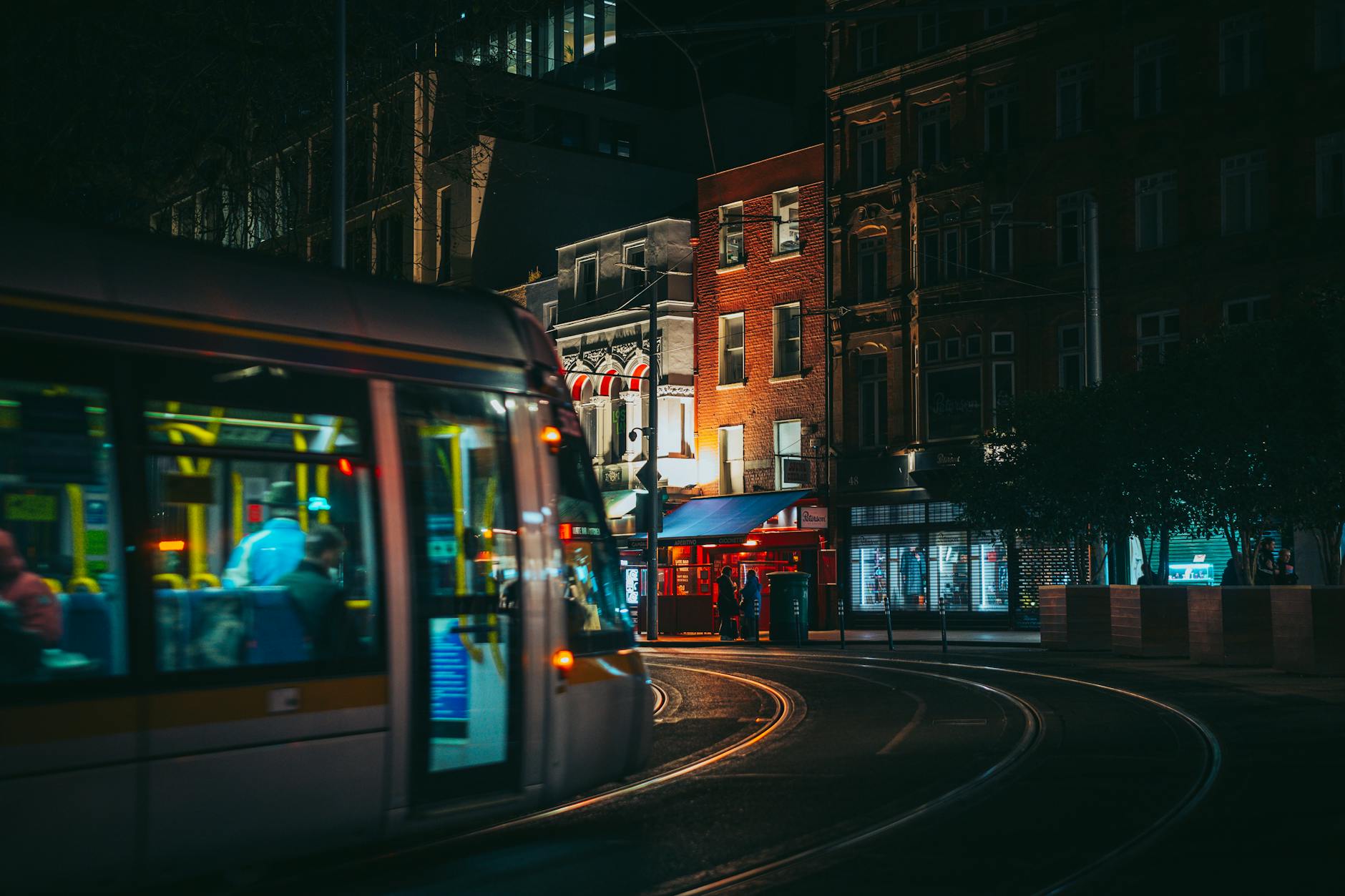
Plan late-night transport before drinking
The traveler should know the return route before the first drink: walking path, taxi app, taxi rank, hotel pickup point, last public transport, and what to do if a phone dies. Rain and wind can make a short walk feel longer, especially with dress shoes, heels, or tired group members.
Groups should agree on a check-in habit and avoid splitting without a clear plan. The return is where many otherwise good nights become messy, expensive, or unsafe.
- Confirm walking route, taxi options, pickup points, last transport, and phone backup.
- Plan for rain, wind, footwear, and tired group members.
- Agree on check-ins and avoid vague late-night splitting.
Pace alcohol, food, and next-morning plans
A Belfast nightlife trip may include stout, whiskey, cocktails, late dinners, music, and long conversations. Travelers should pace alcohol with food and water, know personal limits, and avoid letting the first night damage the rest of the trip. Strong nightlife planning includes the morning after.
If the next day includes a tour, flight, train, work meeting, religious service, outdoor route, or family obligation, the traveler should set an end time. A good short stay does not need every evening to become a test of stamina.
- Pace alcohol with food, water, and personal limits.
- Set an end time when the next day has obligations.
- Protect tours, flights, work, outdoor plans, and recovery time.
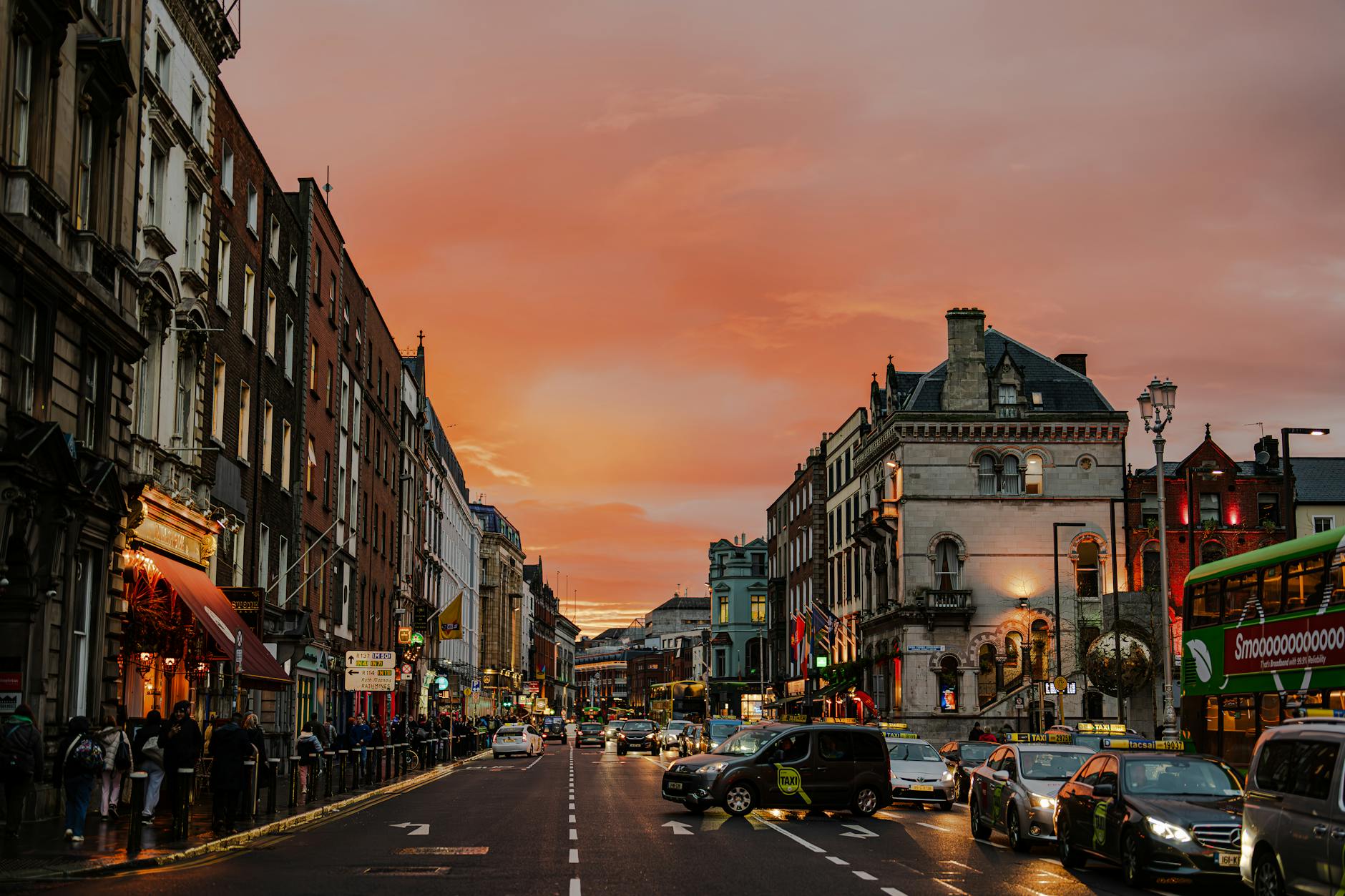
Use music and events as anchors
Live music, theatre, festivals, comedy, sports screenings, food events, and seasonal programming can give a Belfast night structure. The traveler should check the calendar before arrival instead of relying only on walk-up recommendations. Ticketed events also reduce aimless late-night movement.
Events should be chosen by location, finish time, crowd, and return plan. A great show far from the base may still be the wrong choice if the traveler has no sensible way back.
- Check music, theatre, comedy, festival, sports, and food calendars before arrival.
- Use events to anchor the night and reduce aimless movement.
- Choose events by location, finish time, crowd, and return plan.
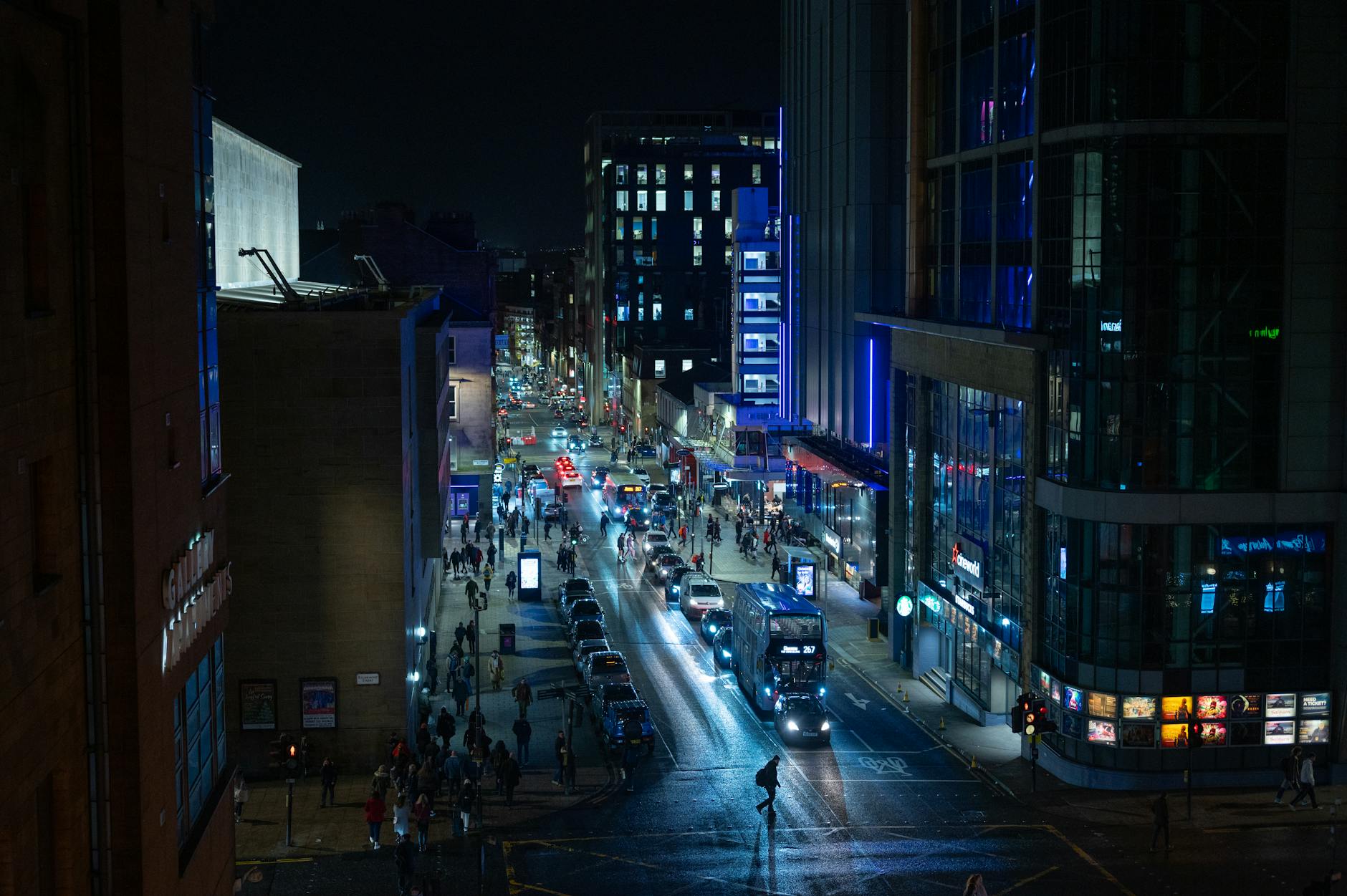
When to order a short-term travel report
A traveler planning one casual pub evening may not need a custom Belfast report. A report becomes useful when nightlife is the center of the trip, the group has mixed ages or risk tolerances, lodging is undecided, late-night transport is unclear, events are ticketed, alcohol pacing matters, or the traveler wants nightlife without losing the rest of the itinerary.
The report should test base location, venue sequence, bookings, door rules, transport, local context, group safety, weather, budget, next-morning obligations, and what to cut. The value is a Belfast nightlife plan that stays enjoyable because the practical risks were handled before the night began.
- Order when nightlife, lodging, transport, group safety, bookings, or next-morning obligations need testing.
- Provide dates, ages, lodging options, venue interests, budget, event tickets, transport preferences, and constraints.
- Use the report to make the night strong without weakening the trip.