A Belfast reporting trip needs more than a hotel and a list of interviews. The city has layered political, social, economic, and community contexts that can be misread by outsiders who move too quickly. Journalists may need to balance source protection, location sensitivity, equipment handling, weather, tight deadlines, and the pressure to produce a clean narrative from a complicated place. The strongest short trip protects accuracy. That means understanding assignment geography, choosing interview settings carefully, controlling devices and notes, leaving time for verification, and treating local history as present-tense context rather than a convenient frame.
Map the assignment before booking the base
A journalist should map interviews, public records locations, community visits, events, political sites, universities, courts, archives, or visual locations before booking. Belfast's scale helps, but the assignment may not sit in the same geography as visitor Belfast.
The hotel should support reporting work: quiet rooms, reliable Wi-Fi, desk space, secure storage, taxi pickup, and quick access to interview areas. A picturesque base is less useful if it makes the reporting day fragile.
- Map interviews, events, visual locations, and records access before choosing lodging.
- Check Wi-Fi, desk space, secure storage, quiet, and taxi pickup.
- Choose a base that supports the assignment, not only the city break.
Treat local history as live context
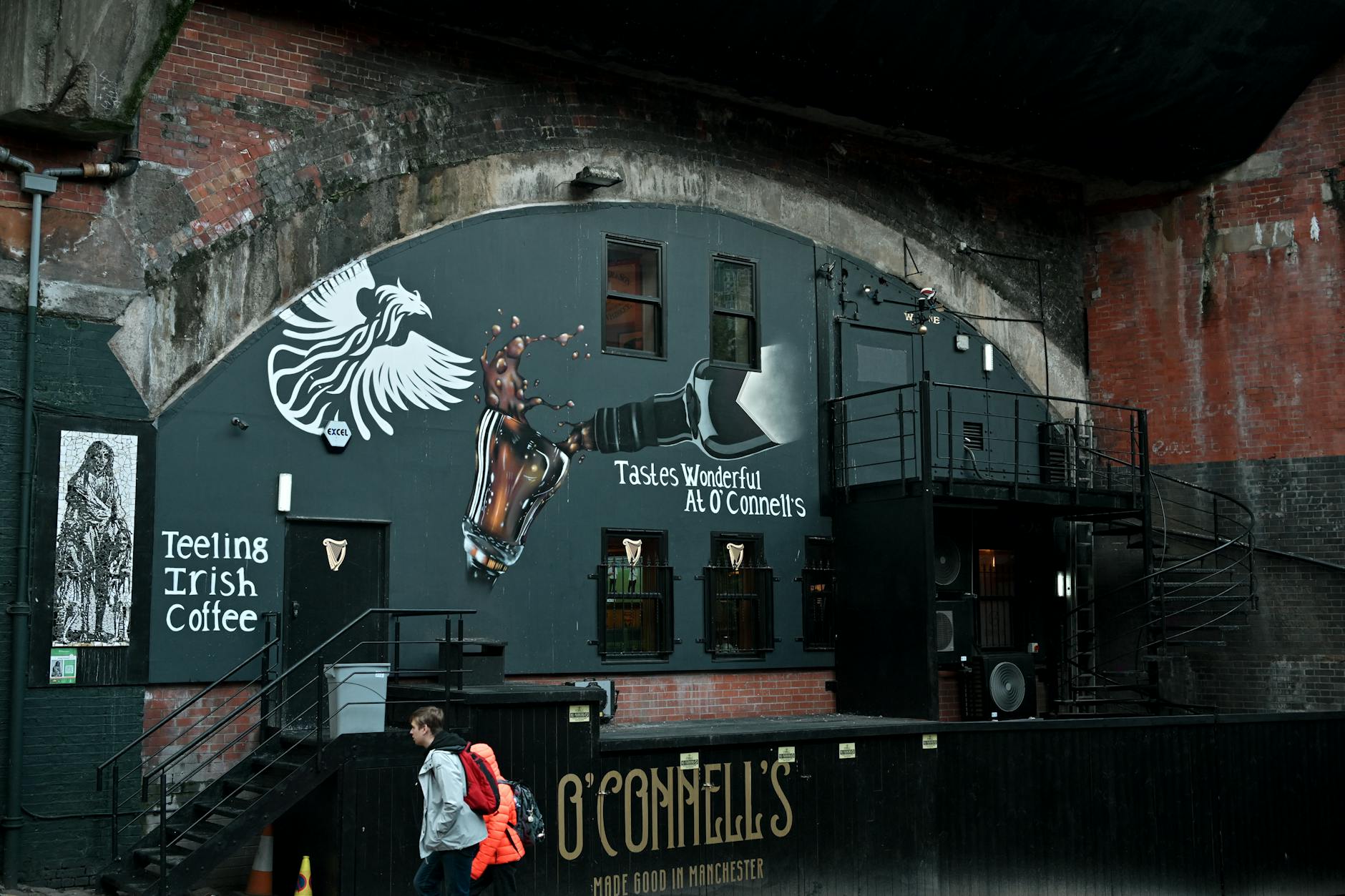
Belfast's political and community history may be central to the assignment or simply part of the background. Either way, it should not be handled casually. Murals, interfaces, memorials, churches, civic buildings, and neighborhood boundaries can carry meanings that a fast visitor may flatten.
The journalist should prepare before arrival, listen carefully on the ground, and avoid using familiar outside shorthand when local language is more precise. Accuracy depends on resisting the easy frame.
- Prepare local context before interviews and visual reporting.
- Use careful language around communities, history, and political identity.
- Avoid reducing Belfast to a simple outside narrative.
Protect sources, notes, and devices
Journalists may carry source names, recordings, notes, contact lists, unpublished material, cameras, laptops, and sensitive messages. Hotel lobbies, cafes, taxis, venues, and shared accommodation should be treated as exposed spaces unless proven otherwise.
The traveler should use device locks, encrypted storage where appropriate, careful file naming, privacy screens, secure backups, and controlled messaging habits. Source safety can be compromised by small operational mistakes, not only by dramatic threats.
- Protect source names, notes, recordings, contact lists, and unpublished material.
- Use locked devices, secure backups, careful file names, and controlled messaging.
- Treat public workspaces as public, even when they feel calm.
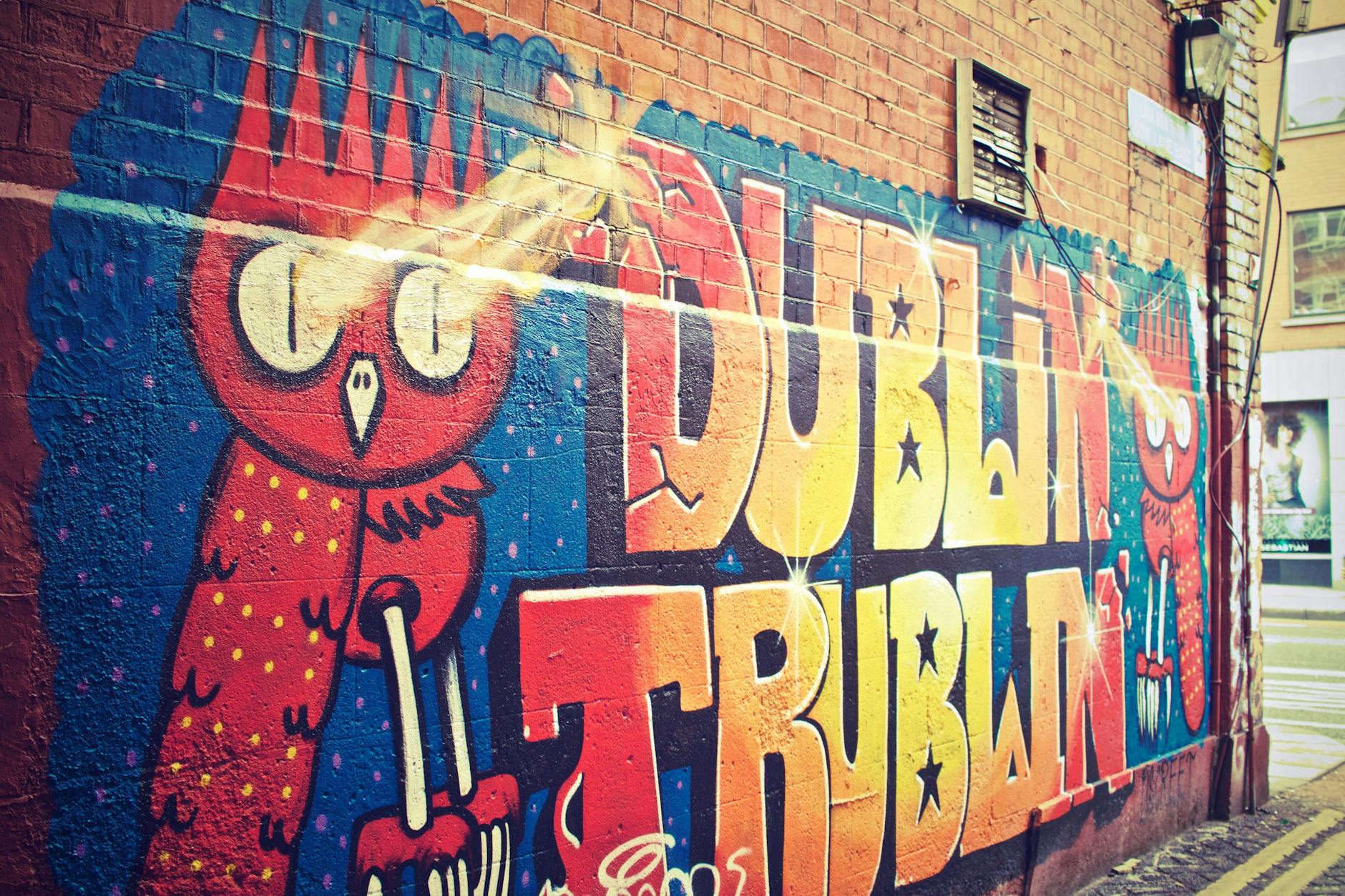
Choose interview settings deliberately
Interview location affects candor, safety, recording quality, and source comfort. A public cafe may be fine for some conversations and wrong for others. Community spaces, offices, hotel lounges, outdoor locations, and homes all require different consent and security judgments.
The journalist should confirm whether the source wants anonymity, whether the setting is suitable for recording, and how the source will arrive and leave. In Belfast, context and visibility can matter in ways a visitor may not immediately recognize.
- Choose interview settings by privacy, comfort, recording quality, and source risk.
- Confirm anonymity, attribution, arrival, and exit expectations.
- Ask local contacts when visibility or location could create problems.
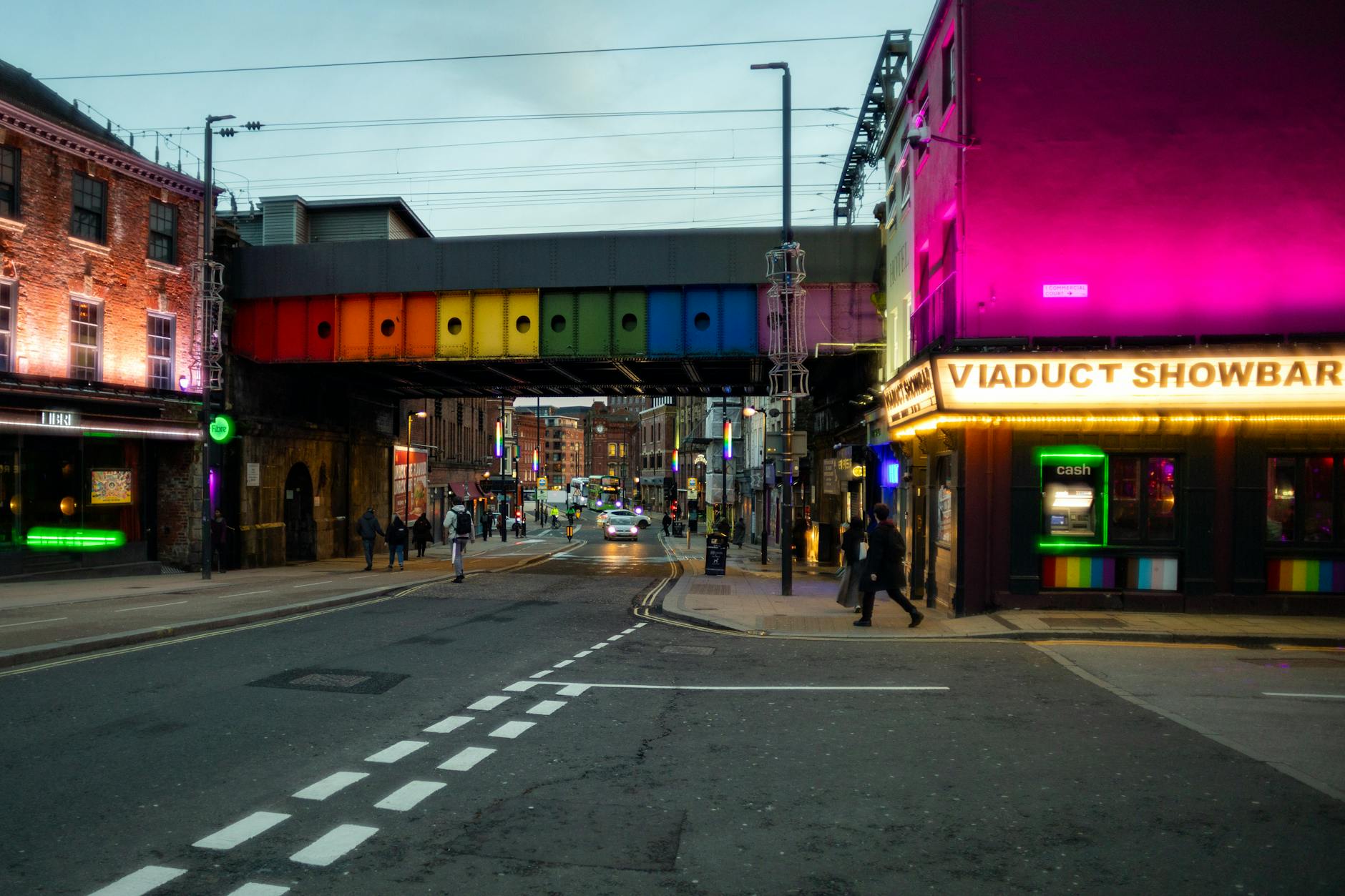
Plan photography and permissions carefully
Belfast can be visually compelling, but photography and filming should be handled with care. Public streets, murals, events, community spaces, youth settings, private businesses, and sensitive sites do not all carry the same expectations. A legal photo may still be a poor editorial or ethical choice.
The journalist should know assignment permissions, outlet standards, caption requirements, and whether images could expose a source or misrepresent a community. Visual speed should not outrun editorial judgment.
- Check permissions, outlet standards, captions, and consent before visual work.
- Be especially careful around youth, community, private, or sensitive settings.
- Do not let a strong image override context or source protection.
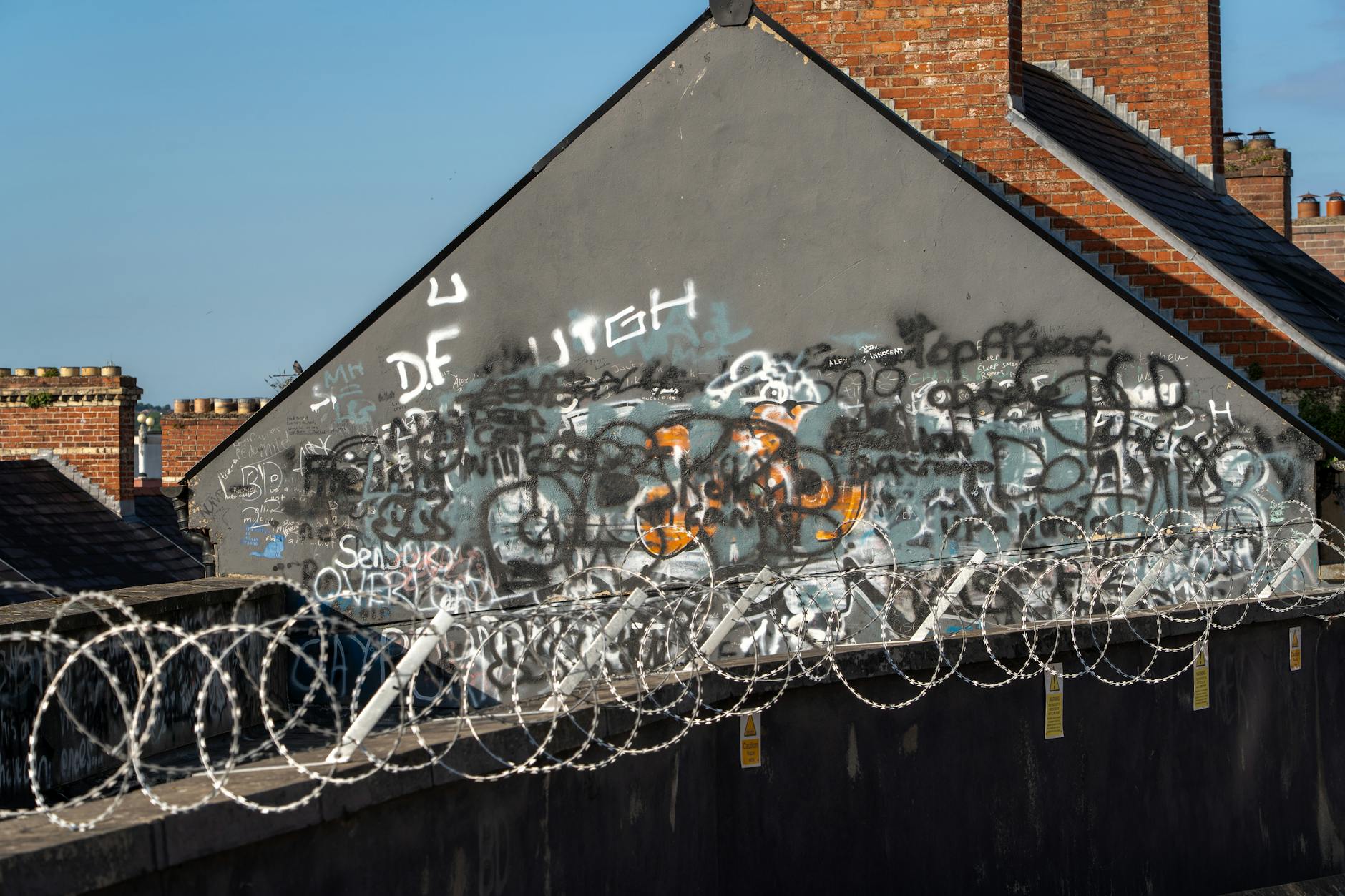
Build weather, verification, and filing time into the day
Belfast weather can affect interviews, exterior filming, sound quality, transport, and equipment. The schedule should include indoor alternatives, dry storage, extra battery, backup recording, and enough time to verify details before filing.
A short reporting trip can become inaccurate when every hour is spent gathering and no time remains for checking. The journalist should protect a quiet block for review, follow-up questions, transcription, and correction of assumptions.
- Plan for rain, wind, equipment protection, batteries, and backup recording.
- Keep indoor alternatives for interviews or filming.
- Reserve time for verification, follow-up questions, and clean filing.
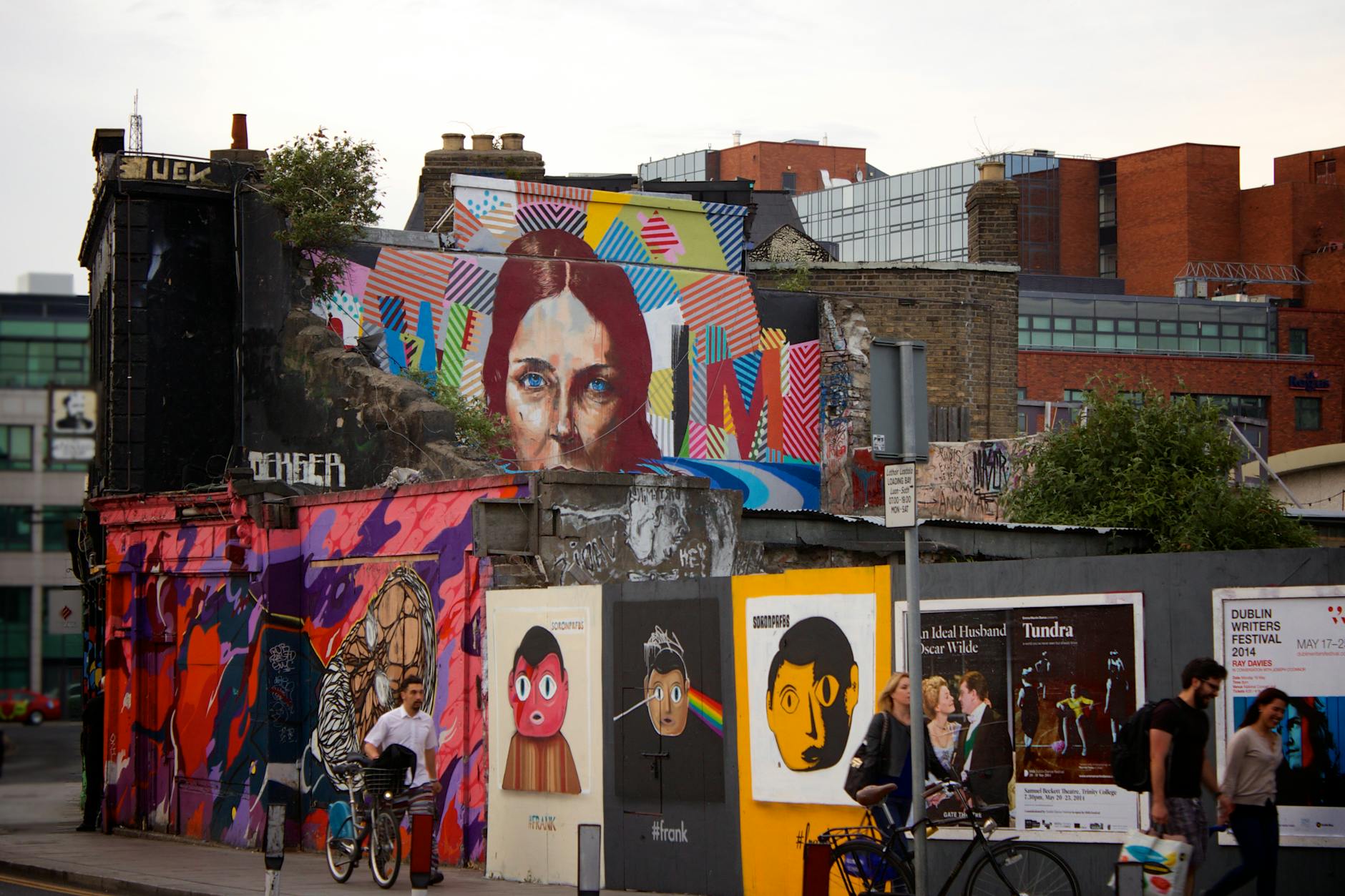
When to order a short-term travel report
A journalist embedded with a local producer and a fixed assignment plan may not need a custom Belfast report. A report becomes useful when the journalist is working independently, arranging interviews, moving through sensitive areas, handling equipment, protecting sources, choosing lodging, or adding visual and contextual work around tight deadlines.
The report should test assignment geography, lodging, arrival, transport, interview settings, source protection, digital habits, local context, weather, filing windows, budget, and what to cut. The value is a Belfast reporting trip that supports accuracy and reduces avoidable exposure.
- Order when assignment geography, interviews, source protection, visual work, or deadlines need testing.
- Provide dates, assignment type, interview areas, lodging options, arrival route, equipment, security concerns, and constraints.
- Use the report to protect accuracy, sources, and operational control.