
Belfast is approachable for a first-time visitor, but it is not a city to treat casually. The centre is manageable, the river and Titanic Quarter are easy to understand with a map, and airport access can be straightforward. At the same time, Belfast carries layered history, neighborhood context, and weather that can change the feel of a short visit quickly. A good first trip gives Belfast enough time to be more than a stop between Dublin, the Causeway Coast, and the rest of Northern Ireland. The visitor should decide what they want to understand: the city centre, the waterfront, Titanic history, political history, food and pubs, museums, or a wider regional route.
Start with a realistic Belfast frame
A first-time visitor should decide whether Belfast is the main destination, a two-night city break, a stop on a wider island itinerary, or a base for the Causeway Coast and other day trips. The right plan changes with that answer. A city break can move slowly. A one-night stop needs stricter choices.
Belfast is compact enough to feel manageable, but that does not mean everything should be squeezed into the first day. The visitor should give the city a clear structure rather than moving from landmark to landmark without context.
- Decide whether Belfast is the destination, a stopover, or a base for day trips.
- Choose a city plan that fits the actual number of nights.
- Avoid treating Belfast as only a logistical link to elsewhere.
Choose a base that simplifies the first visit
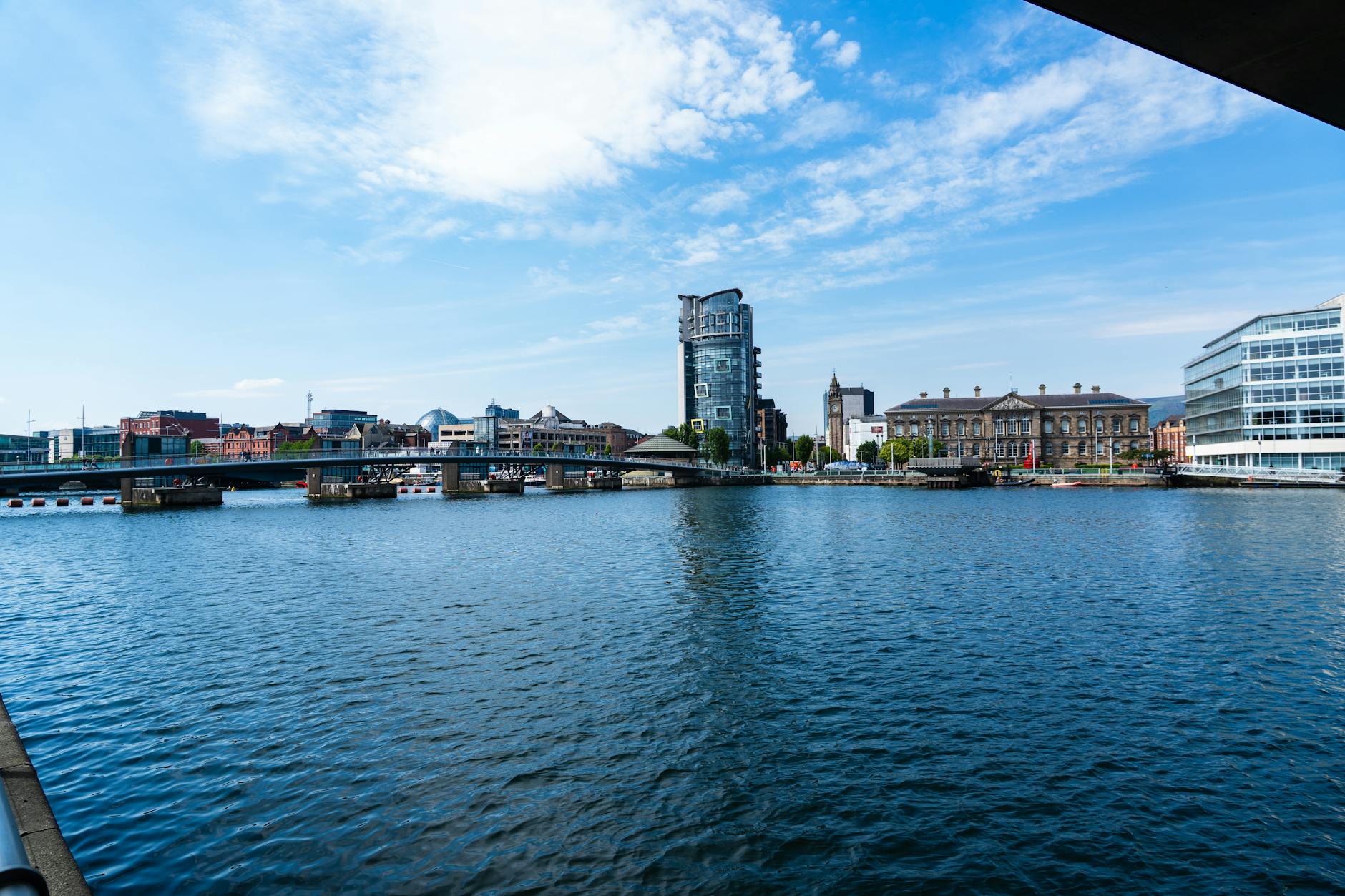
For many first-time visitors, a city-centre, Linen Quarter, or Cathedral Quarter base keeps meals, transport, City Hall, river walks, pubs, and pickup points manageable. Titanic Quarter may suit travelers whose main interest is the waterfront and museum complex. A cheaper outer base can work, but it asks more from the visitor.
The lodging decision should consider arrival route, walkability, evening return, breakfast, luggage, and rain. A first trip is easier when the hotel reduces decisions rather than creating a puzzle at the start and end of every day.
- Prioritize walkability, transport, meals, and evening return routes.
- Use Titanic Quarter lodging only when it fits the trip's main focus.
- Check rainy walking distances before choosing a cheaper outer base.

Plan arrival before the sightseeing list
Belfast City Airport, Belfast International, Dublin connections, rail, coach, and rental car arrivals all create different first impressions. A traveler arriving late, with luggage, after a long flight, or before a booked tour should choose the simplest route into the city rather than the theoretically cheapest one.
The first evening should be realistic. A meal, short walk, and early orientation may be smarter than trying to force major sightseeing after travel. The visitor can do more when the first night does not start with confusion.
- Match airport or rail arrival to hotel location and travel fatigue.
- Decide the transfer plan before landing or boarding.
- Keep the first evening simple if arrival is late or tiring.

Handle history with more than a checklist
Belfast's history is not a set of photo stops. Political murals, peace walls, museums, shipbuilding history, city architecture, and community stories need context. A guided tour, museum visit, or well-chosen local explanation can be more useful than a rushed sequence of images.
First-time visitors should be careful with tone, assumptions, and photography. The goal is to understand more, not to turn complicated local history into travel content. A respectful itinerary leaves room to listen.
- Use guides, museums, or local context for political and community history.
- Be careful with photographs, captions, and casual assumptions.
- Treat Belfast's history as living context, not only visitor material.

Balance Titanic Quarter, City Hall, and neighborhood time
The classic first visit often includes City Hall, Titanic Belfast, the riverfront, Cathedral Quarter, pubs, and perhaps Queen's Quarter or a guided political-history route. These can fit, but not if every stop is treated as equally important. The visitor should group sights by geography and energy.
Titanic Quarter can take more time than expected if the museum, waterfront, photos, and meals are included. City centre and Cathedral Quarter work well together. A short trip improves when the visitor chooses fewer areas and experiences them properly.
- Group City Hall, Cathedral Quarter, riverfront, and Titanic Quarter logically.
- Allow enough time for Titanic Belfast if it is a priority.
- Choose fewer areas rather than racing across the city.

Watch weather, evenings, and day-trip pressure
Rain and wind can change walking comfort, especially around the river and open waterfront areas. Evening plans should account for the return route, alcohol, group separation, and whether the hotel area feels easy after dark. Belfast is manageable, but a first-time visitor still benefits from ordinary city judgment.
Day trips can also distort a short stay. The Causeway Coast, Game of Thrones locations, Derry, or other routes may be tempting, but they can leave very little time for Belfast itself. The traveler should decide whether this trip is about the city or the region.
- Pack and route-plan for rain, wind, and exposed waterfront walks.
- Plan evening returns before drinking or separating from the group.
- Do not let day trips consume a first Belfast visit by default.

When to order a short-term travel report
A first-time visitor with a simple weekend and flexible expectations may not need a custom Belfast report. A report becomes useful when the traveler is choosing between Belfast and regional day trips, arriving through Dublin, traveling with family or older companions, managing mobility or medical needs, or trying to understand which history, museum, food, and neighborhood choices fit the time.
The report should test arrival, lodging, city geography, local context, weather, evening movement, day trips, budget, and what to cut. The value is a first Belfast trip that is clear, respectful, and not overloaded.
- Order when arrival, lodging, local context, day trips, or mobility need testing.
- Provide dates, arrival route, lodging options, interests, day-trip ideas, budget, and constraints.
- Use the report to make a first visit coherent rather than crowded.