
Belfast can work well for families because the city offers a manageable centre, strong museums, waterfront space, food options, and access to regional day trips. It also requires careful pacing. Titanic history, political history, weather, long museum visits, and coastal excursions can be too much if the family tries to cover everything at adult speed. A good family trip to Belfast chooses a clear base, a few high-value activities, practical meal plans, and enough flexibility for tired children, older relatives, rain, and short attention spans. The point is not to dilute the city. It is to make Belfast understandable at the right pace.
Choose a base that lowers family friction
Families should choose lodging by room setup, lift access, breakfast, laundry, nearby meals, taxi pickup, and easy returns. A central or well-placed hotel can make the difference between a workable day and a day spent negotiating tired movement. Titanic Quarter may suit families focused on that area, but it should be judged against dinner and evening needs.
The right base also depends on ages. Strollers, teenagers, grandparents, and multi-room needs all change the answer. The hotel should make the family simpler to move, feed, and rest.
- Check room layout, lifts, breakfast, laundry, nearby meals, and taxi access.
- Choose location by the youngest or least mobile traveler.
- Avoid lodging that makes every meal or return trip a project.
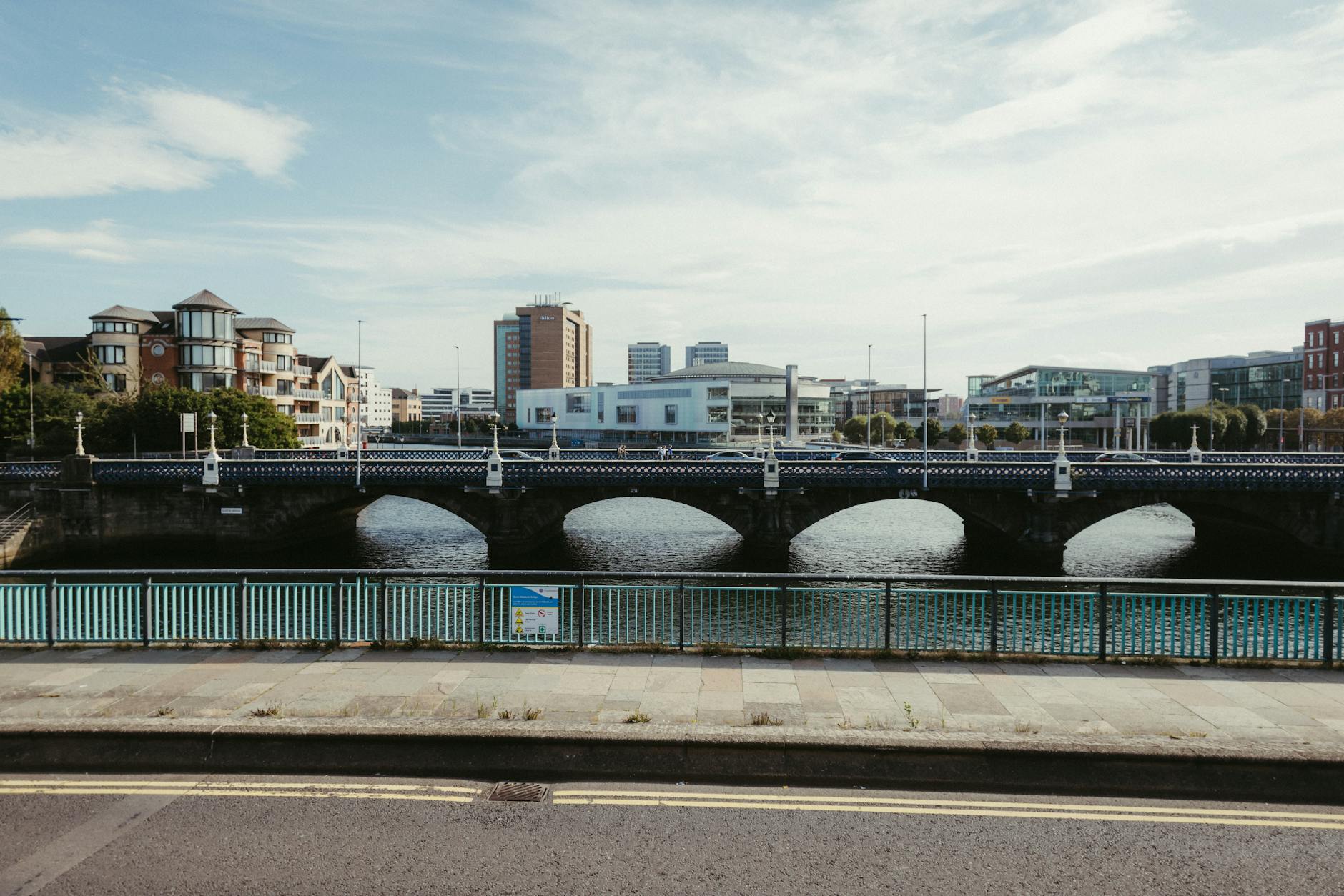
Plan arrival around tired people and bags
A family arrival through Belfast City Airport, Belfast International, Dublin, rail, coach, or car should be planned around luggage, strollers, car seats, late check-in, food, and the first bathroom break. The cheapest transfer may be the wrong one if it leaves adults carrying too much and children hungry or restless.
The first day should usually be light. A meal, hotel check-in, City Hall view, short river walk, or early night can be better than forcing a major museum immediately after travel.
- Choose transfers by luggage, strollers, car seats, hunger, and fatigue.
- Plan the first meal and bag drop before arrival.
- Keep the first day lighter if the travel leg is demanding.

Make Titanic Quarter age-appropriate
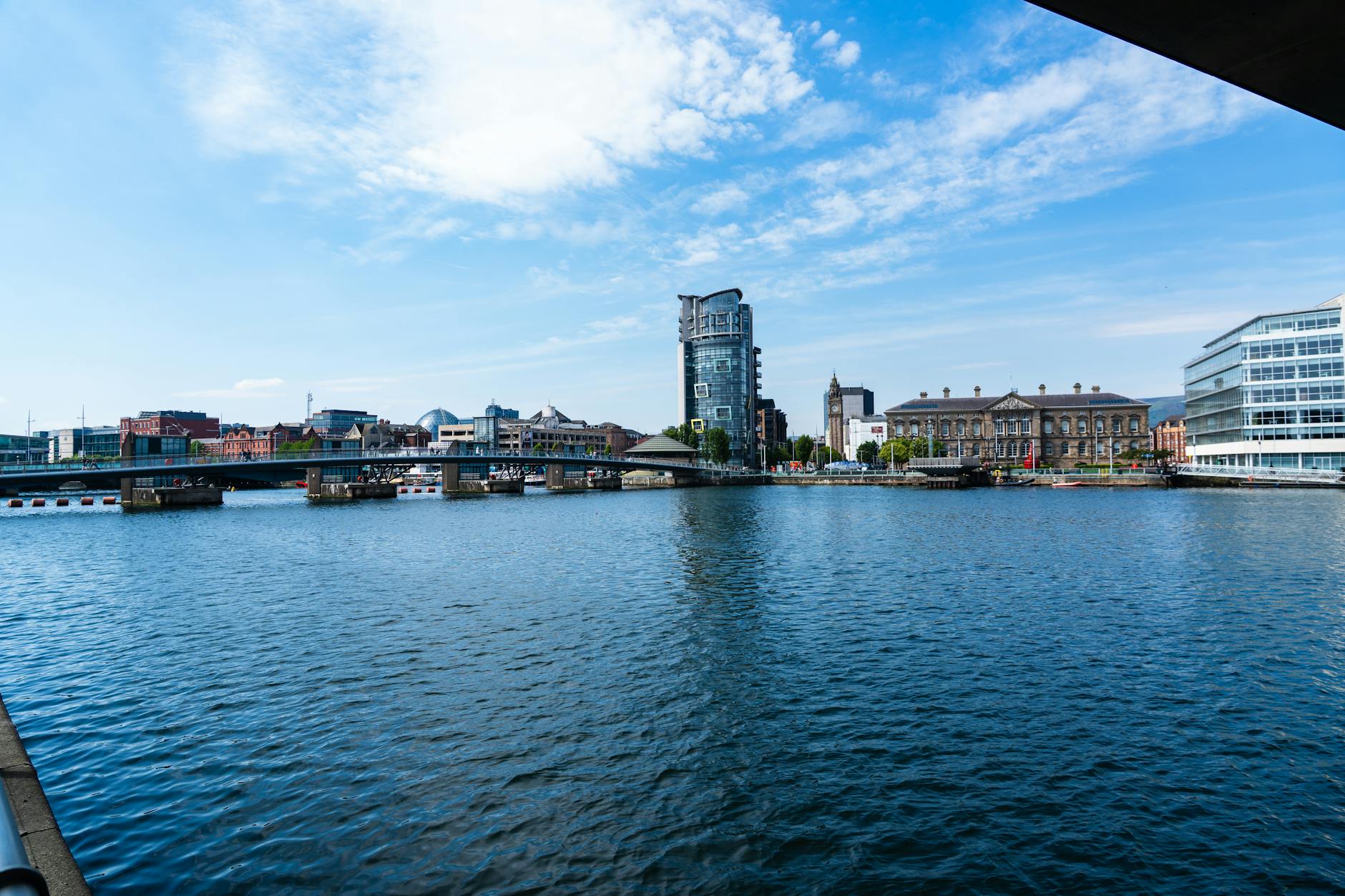
Titanic Belfast and the surrounding quarter can be a highlight, but families should plan by age, attention span, noise tolerance, queues, meals, toilets, and how much history children can absorb at once. The building and waterfront can impress even children who do not follow every detail.
Families should decide whether the museum is the main event or one part of a wider day. Trying to combine a full museum visit, long walks, shopping, a restaurant meal, and another major attraction can overload the day.
- Check museum timing, queues, toilets, meals, and attention span.
- Decide whether Titanic Quarter is the main event or a shorter stop.
- Leave room for children to process, snack, and reset.
Handle Belfast history with care
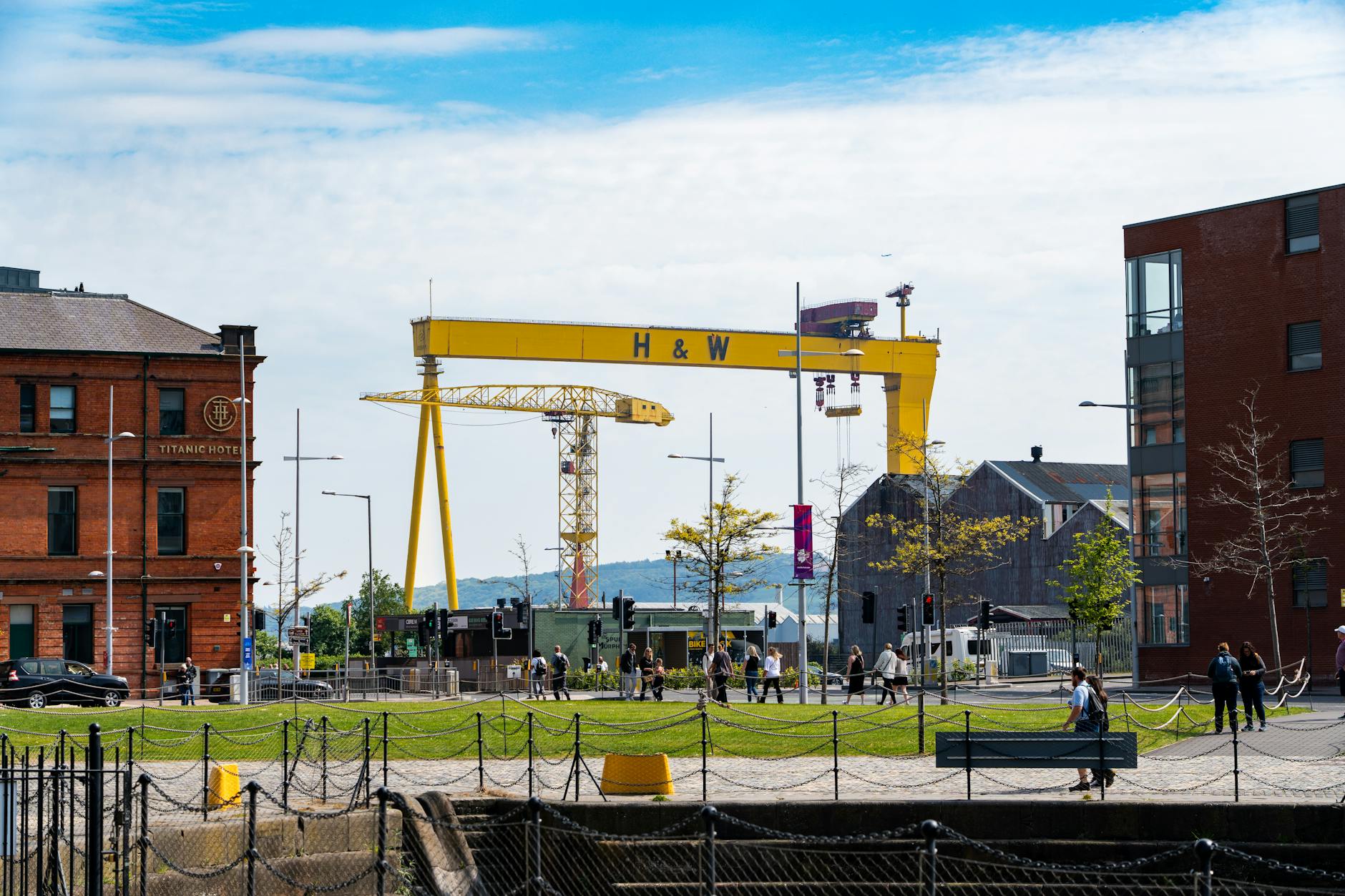
Belfast's political and community history can be important for families, especially with older children and teenagers. The route should match maturity and interest. A guided tour may provide helpful context, but parents should know the tone, topics, length, stops, and whether the content is appropriate.
Younger children may need a lighter frame, while teenagers may benefit from deeper explanation. The family should avoid treating murals, walls, or neighborhoods as casual photo props.
- Choose history tours by age, maturity, tone, and route length.
- Prepare children for sensitive topics without overloading them.
- Be careful with photography and casual treatment of local communities.
Use weather-proof pacing
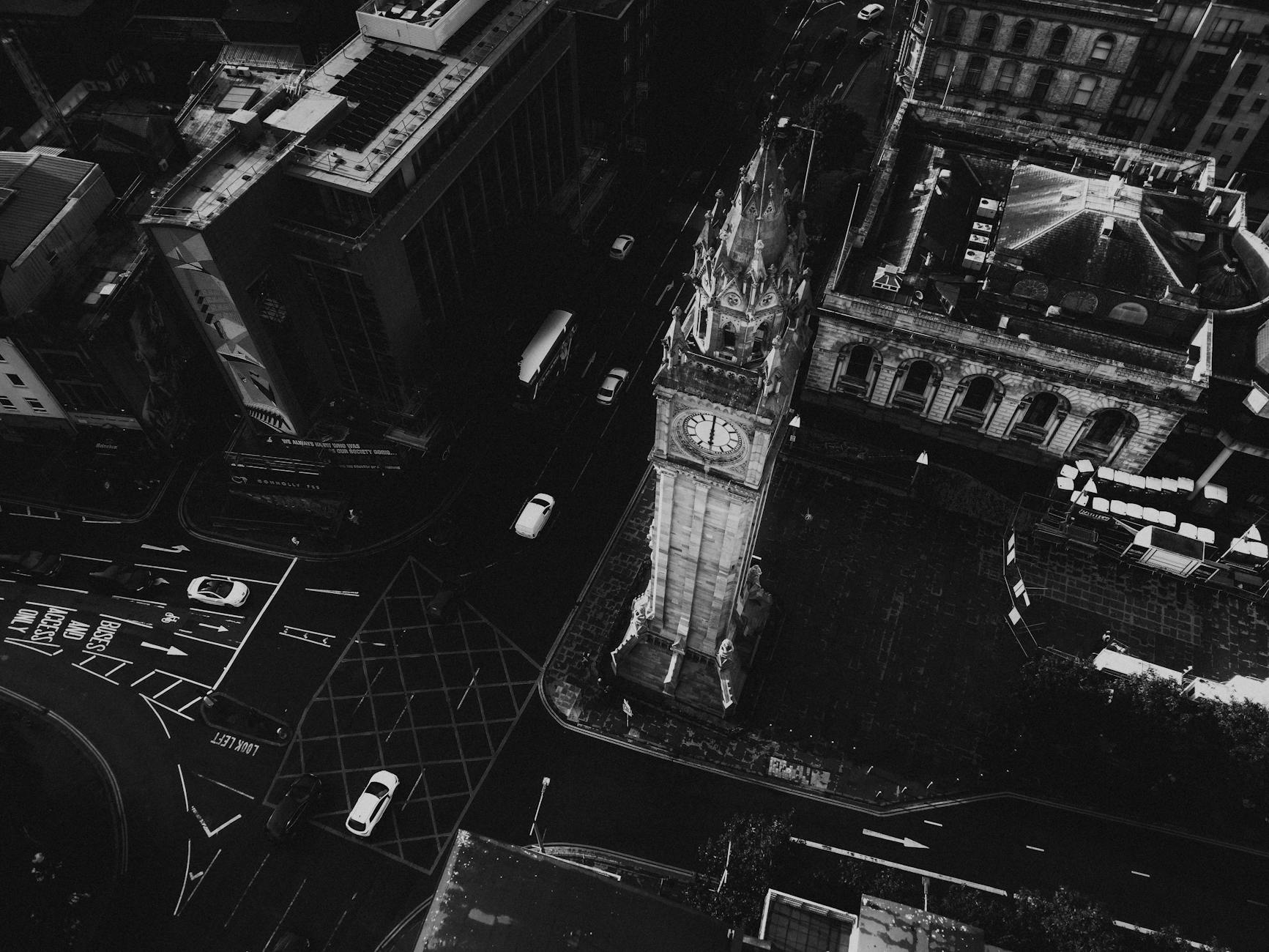
Rain and wind can change a family day quickly, especially with strollers, small children, older relatives, or anyone who dislikes wet clothing. Belfast plans should include indoor alternatives, short outdoor segments, practical shoes, layers, and places to stop before everyone is frustrated.
A family itinerary should alternate effort and recovery. City Hall, a museum, a short walk, a meal, and an early evening may work better than a long sequence of outdoor sights.
- Pack for rain, wind, wet shoes, and exposed waterfront routes.
- Alternate museums, walks, meals, and rest rather than stacking effort.
- Keep an indoor fallback for every outdoor-heavy day.

Be cautious with big day trips
The Causeway Coast, Giant's Causeway, Derry, castles, gardens, and filming locations can be tempting from Belfast. Families should judge day trips by vehicle time, toilets, meals, nap needs, walking surfaces, weather, car seats, and whether the children will enjoy the destination enough to justify the ride.
A private driver, smaller tour, or shorter regional plan may be worth it if it improves pacing. A long day can be memorable, but it can also consume the energy needed for Belfast itself.
- Compare day trips by driving time, toilets, meals, naps, weather, and surfaces.
- Consider private drivers or shorter tours when family pacing matters.
- Skip distant add-ons when they make the main city stay worse.
When to order a short-term travel report
A family with central lodging, flexible dates, and older children may not need a custom Belfast report. A report becomes useful when the family has young children, mixed ages, grandparents, medical or mobility needs, day-trip decisions, uncertain lodging, a tight budget, or a need to balance Belfast history with child-friendly pacing.
The report should test arrival, lodging, room setup, family routes, meals, weather, museum choices, local context, day trips, budget, and what to cut. The value is a Belfast trip that works for the actual family rather than an imagined average traveler.
- Order when room setup, pacing, mobility, day trips, or age-appropriate history need testing.
- Provide dates, arrival route, ages, lodging options, interests, mobility needs, budget, and constraints.
- Use the report to make Belfast manageable and substantial for the whole family.