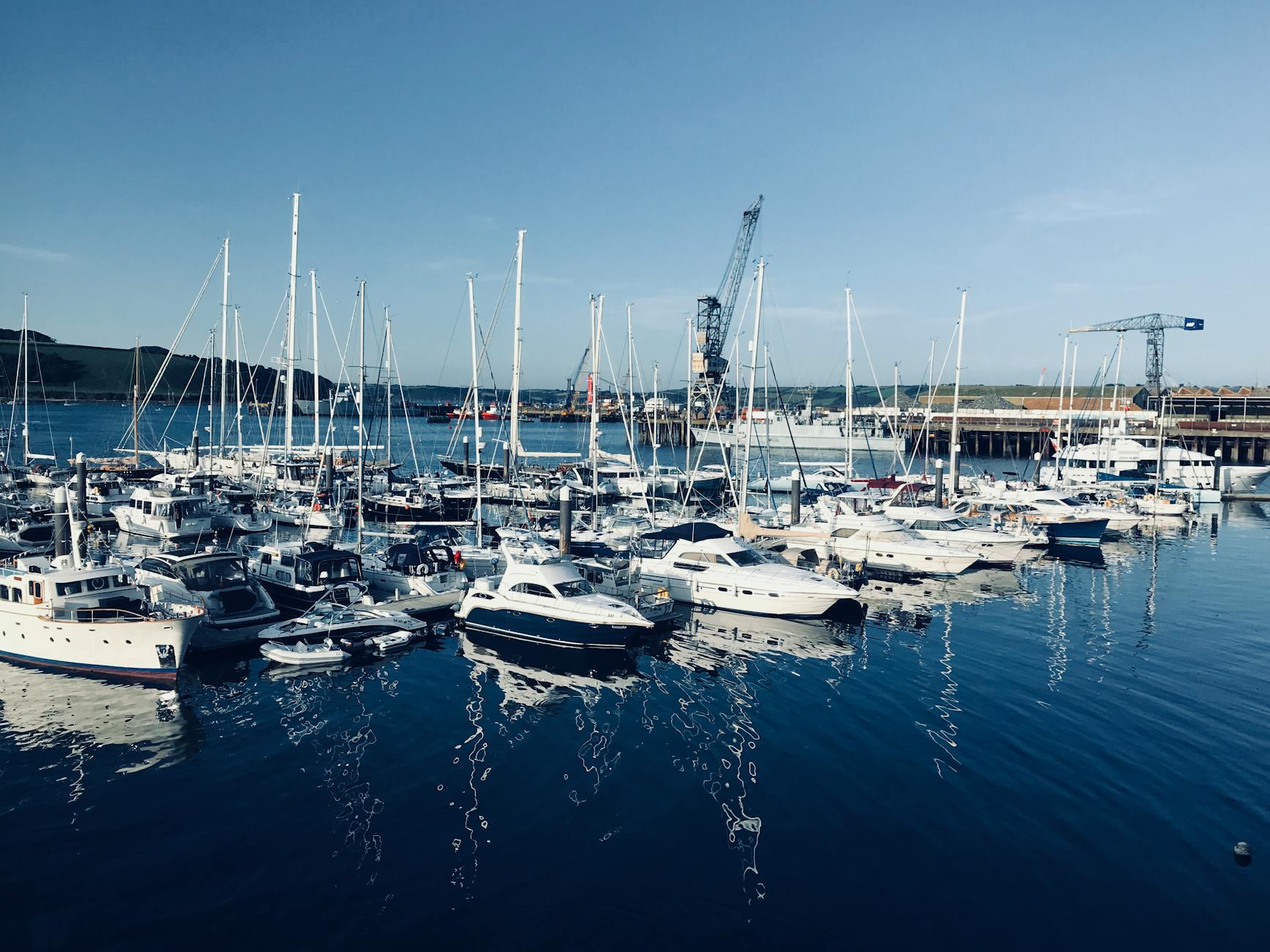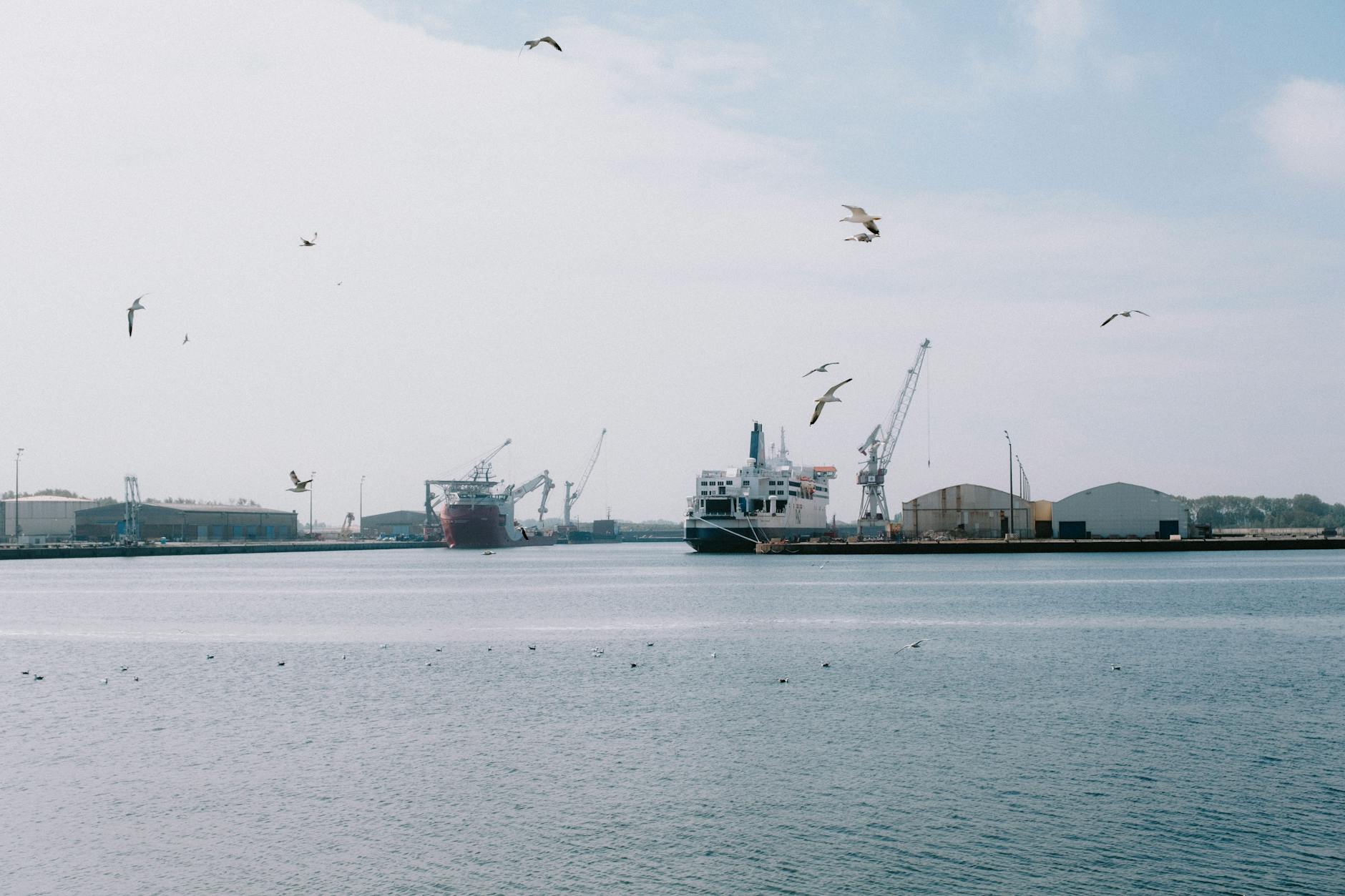
A Belfast port call can be one of the more rewarding stops on a British Isles or Ireland itinerary, especially for travelers interested in Titanic history, local food, murals, music, museums, or a wider Northern Ireland excursion. It can also be easy to overbuild. The port is not the same thing as the city center, weather can change quickly, and the Causeway Coast or other regional sights require discipline with time. The strongest port day starts with the ship schedule and works backward. A traveler needs to know docking location, transfer method, return deadline, ship time, mobility limits, weather plan, and whether the day should stay in Belfast or reach beyond it. A port call is short enough that every avoidable delay matters.
Treat the port call as a timed operation
The traveler should start with the ship's published docking time, all-aboard time, tender or gangway process, port shuttle details, and whether the ship uses local time consistently. A generous-looking call can shrink quickly after disembarkation, transfer, queues, weather, and return security are included.
The day should have a hard return buffer. Belfast is manageable, but a cruise traveler does not have the same flexibility as a hotel guest. The ship schedule is the real itinerary constraint.
- Confirm docking time, all-aboard time, shuttle details, and ship time.
- Account for gangway queues, transfer time, weather, and return security.
- Set a hard return buffer before adding attractions.
Know the port-to-city connection
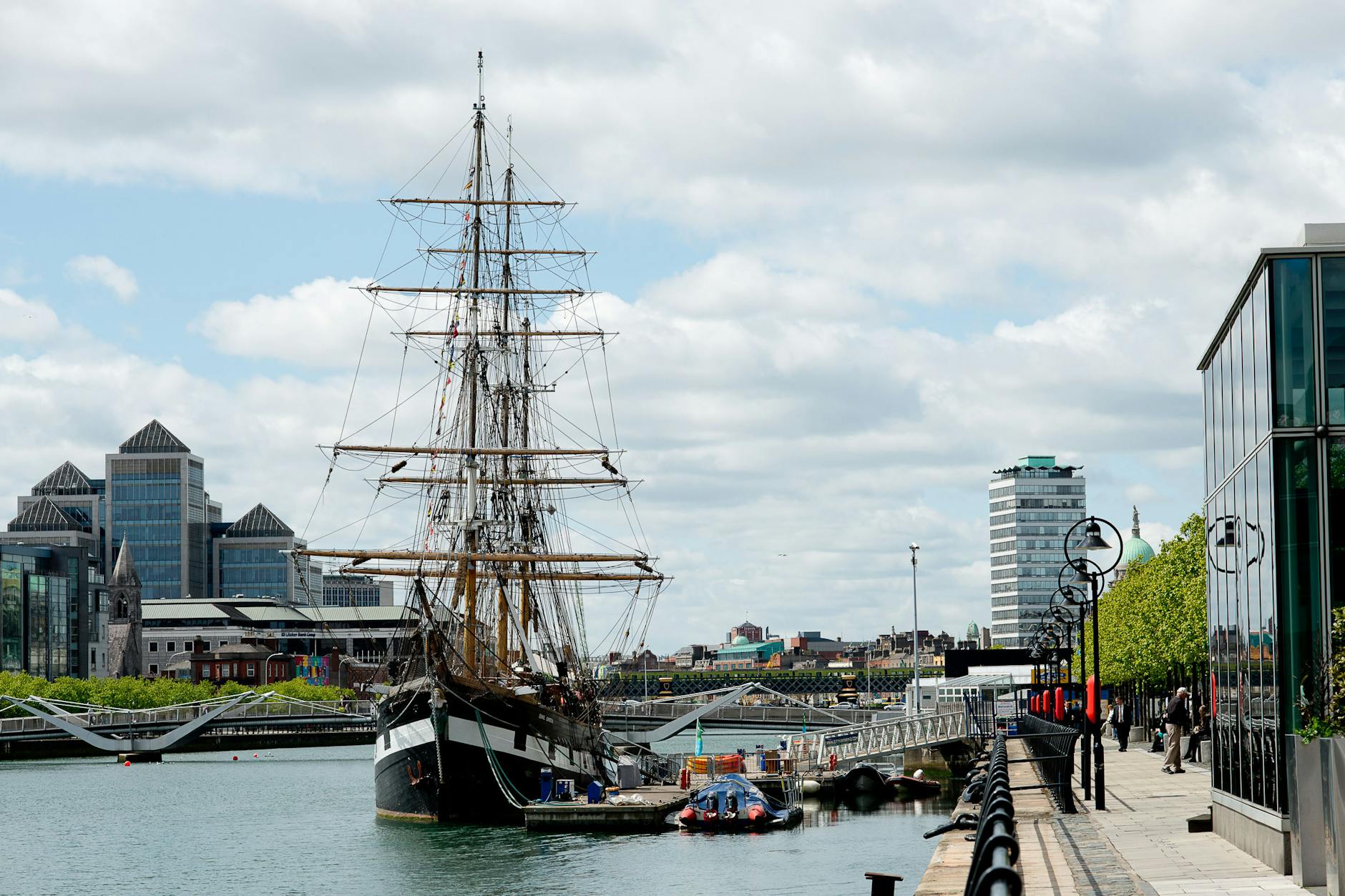
Belfast cruise calls may involve port shuttles, taxis, private guides, coach excursions, or independent transfers into the city. Travelers should know where they will be dropped, where pickup happens, how payment works, and whether walking from the port is practical for their situation. The answer may differ by berth and ship arrangements.
A traveler with mobility limits, children, or a tight museum time slot should be especially careful. The transfer plan should be boring, clear, and written down before leaving the ship.
- Confirm shuttle, taxi, coach, or private-guide arrangements before disembarking.
- Know drop-off, pickup, payment, and return points.
- Do not assume the port is walkable for every traveler or every berth.
Choose Belfast city or a regional excursion
A port traveler should decide whether the day is about Belfast itself or a larger Northern Ireland sight such as the Causeway Coast. Trying to do both deeply can make the day thin. Titanic Belfast, Cathedral Quarter, City Hall, markets, murals, and local food can fill a strong city day without needing a long drive.
A regional excursion can be worthwhile when the ship schedule, weather, guide reliability, and return buffer all support it. The traveler should avoid building a private route that depends on everything going perfectly.
- Choose between a Belfast city day and a larger regional excursion.
- Protect enough time for Titanic Quarter, local food, murals, or museums if staying in the city.
- Only choose distant sights when timing, weather, and return buffers are strong.
Plan weather and clothing for a mixed day
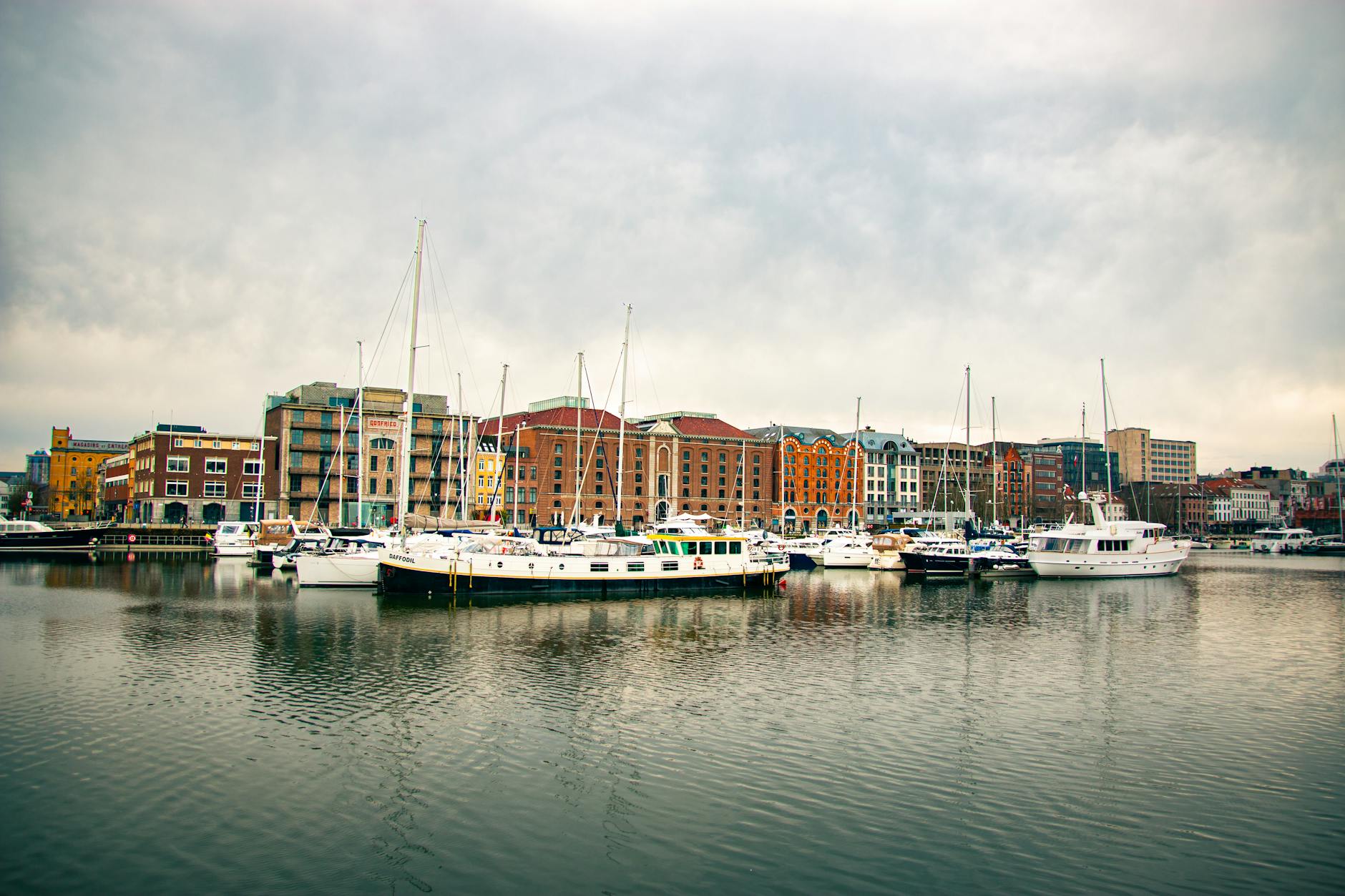
A Belfast port call can include exposed waterfront areas, rain, wind, museums, walking streets, coaches, and possibly a coastal excursion. The traveler should dress for layers and carry a small day bag with rain protection, medication, charger, ship card, ID, payment, and any mobility support needed away from the vessel.
Cruise clothing that works onboard may not work well on wet pavements, windy viewpoints, or long shore-excursion days. Shoes matter more than the ship dining room dress code until the traveler is safely back onboard.
- Pack layers, rain protection, practical shoes, medication, charger, ship card, ID, and payment.
- Plan for exposed waterfronts, wet pavements, coaches, and indoor stops.
- Treat shoes and weather gear as core port-day equipment.
Handle Titanic Quarter and museums realistically
Titanic-related sights can be central to a Belfast port call, but timed entry, crowds, shuttle timing, and traveler energy should be planned carefully. A visitor should decide whether Titanic Belfast is the main event or one stop among several. The answer changes lunch, transport, and how much of the city center is realistic.
Museum-heavy days should also include simple food and a return plan. Port travelers often underestimate how tiring a day becomes when every stop includes queues, stairs, exhibits, gift shops, and group movement.
- Decide whether Titanic-related sights are the main event or one stop.
- Check timed entry, crowds, shuttle timing, lunch, and return route.
- Leave energy margin for queues, stairs, exhibits, and group movement.
Use sensitive history with care
Belfast's political and community history may be part of a taxi tour, walking route, museum visit, or mural stop. Cruise travelers should approach that material with care, especially when time is short. A fast tour can introduce context, but it should not make the traveler overconfident about a complex city.
The traveler should listen closely, avoid performative photos, and choose guides or tours that handle local history with seriousness. A port call can be meaningful without turning living context into a souvenir.
- Approach murals, political history, and community sites with restraint.
- Choose guides who handle Belfast context carefully.
- Avoid photos or comments that flatten living local history.
When to order a short-term travel report
A cruise traveler taking a ship-run excursion may not need a custom Belfast report. A report becomes useful when the traveler is comparing private guides, choosing between Belfast and the Causeway Coast, managing mobility or medical needs, planning independently from the port, traveling with family, or trying to fit a meaningful city visit into a tight call.
The report should test docking logistics, port transfer, ship time, shore-excursion choices, weather, mobility, timed entries, lunch, local context, return buffers, budget, and what to cut. The value is a port day that feels full without gambling with the ship deadline.
- Order when private touring, independent movement, mobility needs, or tight timing require testing.
- Provide ship, date, docking hours, interests, mobility needs, tour options, budget, and constraints.
- Use the report to protect the return deadline while improving the day ashore.