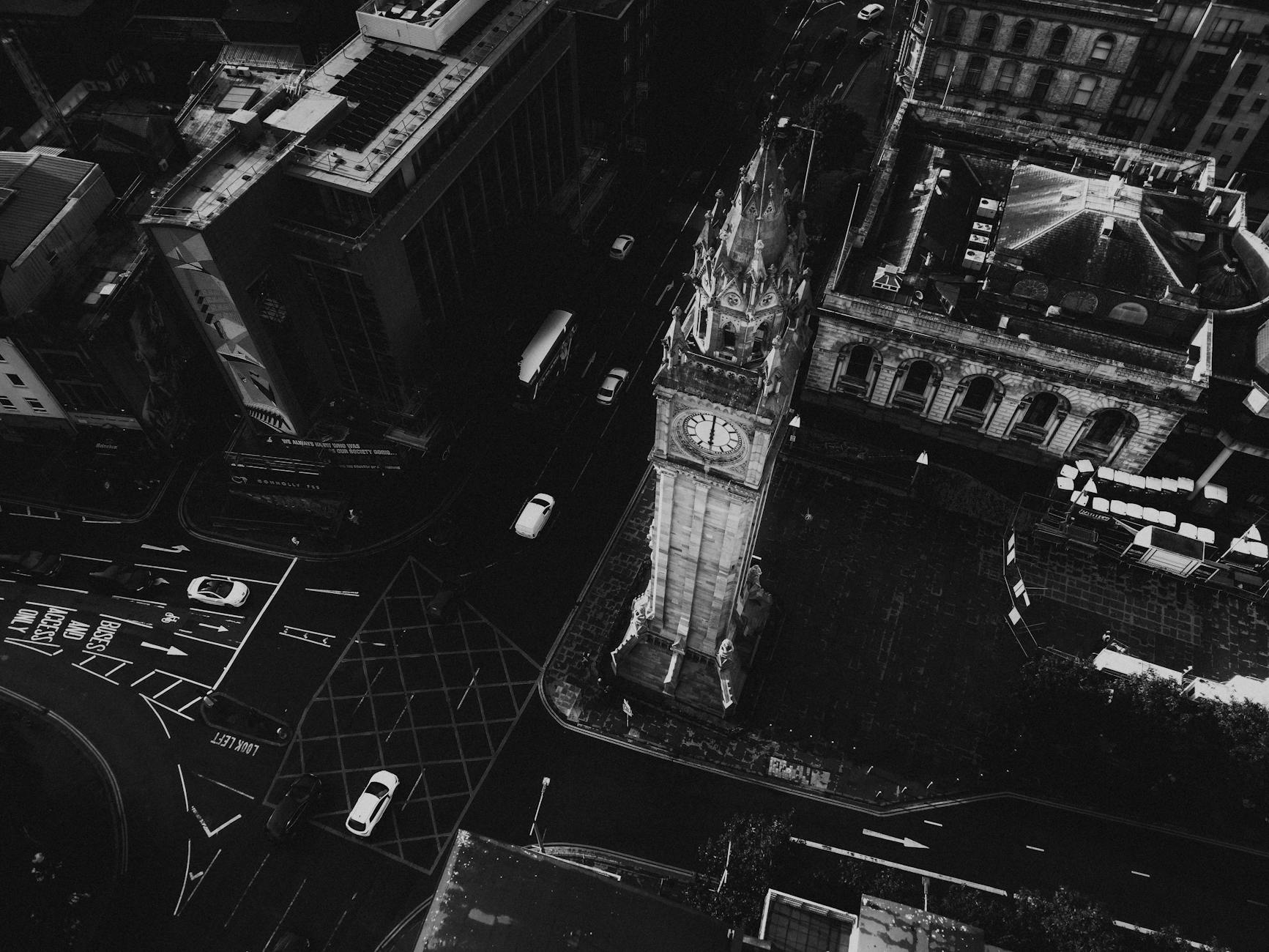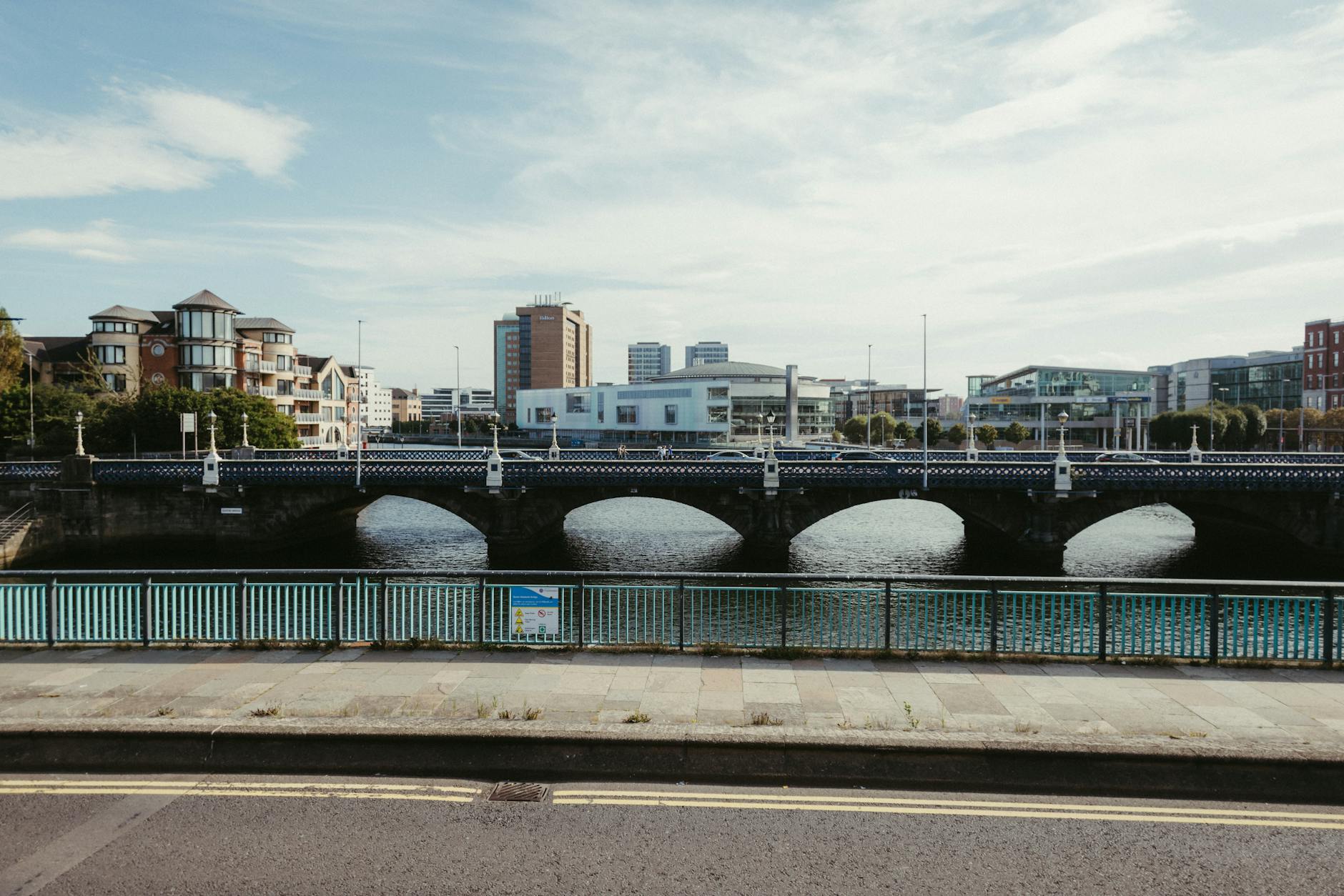
A consultant's Belfast trip is usually judged by whether the work stays controlled: arrival, hotel, client-site access, preparation time, meeting performance, private work, meals, and return travel. Belfast's compactness helps, but it does not remove the need to plan the operating day carefully. The consultant may need to move between a client site, hotel, dinner, station, airport, and quiet workspace while carrying a laptop and sensitive material. The right trip reduces friction without turning the stay into a generic business commute.
Map the client site before choosing the hotel
The consultant should start with the client-site address, not the most familiar hotel district. A client in the city centre, Titanic Quarter, Queen's Quarter, a business park, a hospital, a university setting, or a public-sector office creates a different travel pattern.
The right hotel should support the first meeting, the last meeting, and the work that happens between them. A property that looks convenient for leisure may be weak for early arrivals, taxi pickup, quiet calls, or quick returns before dinner.
- Choose lodging after mapping client site, meeting times, and evening obligations.
- Check taxi pickup, walking route, breakfast, workspace, and quiet.
- Avoid hotel geography that makes every work movement slightly harder.
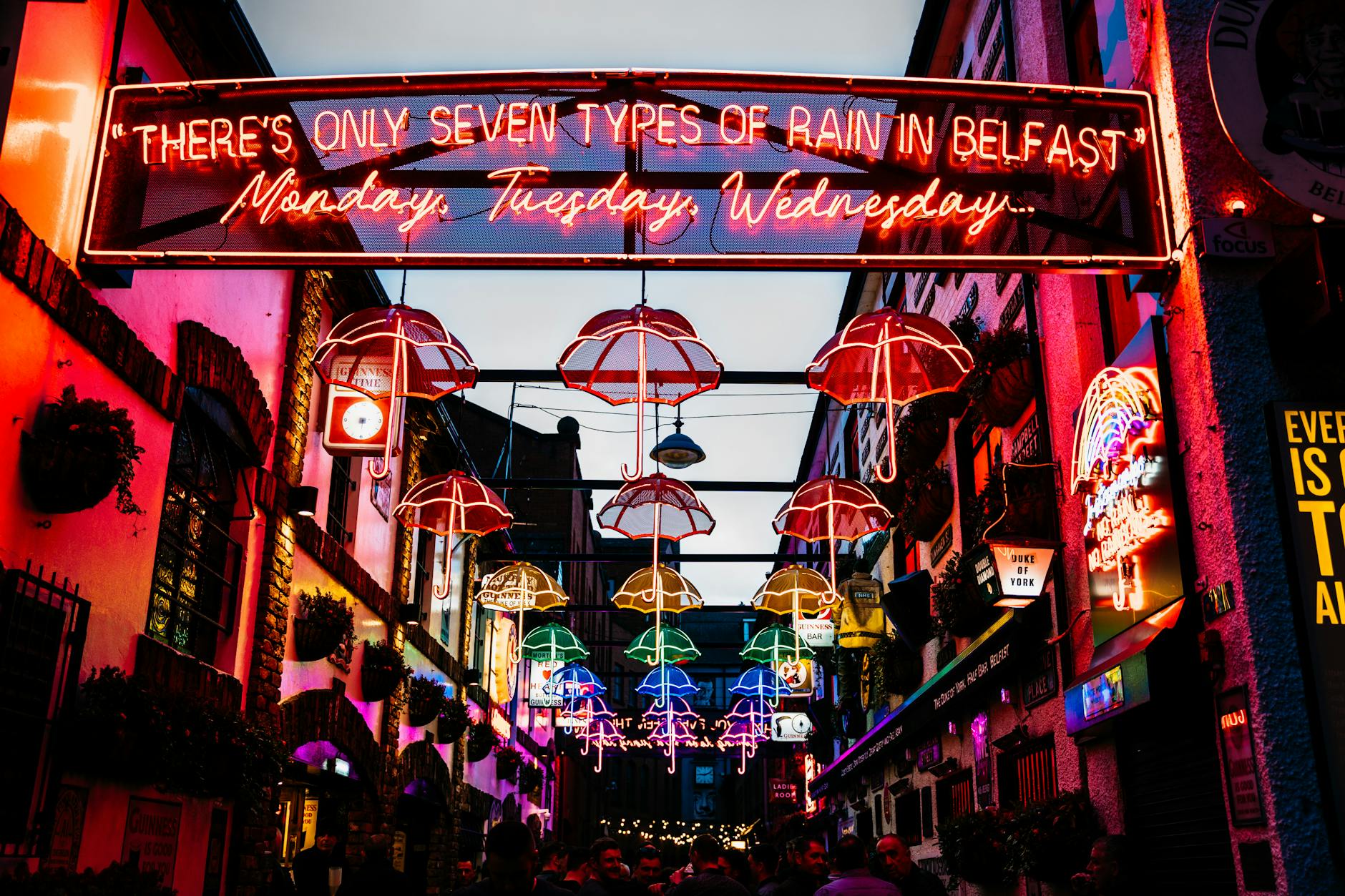
Make arrival preserve meeting readiness
Arrival through Belfast City Airport, Belfast International, Dublin, rail, or road should be judged by meeting readiness, not only by price. A consultant who arrives tired, late, or without a clean place to work may lose more value than the fare saved.
The first-day plan should include transfer route, hotel bag drop, lunch or coffee, document review, clothing change if needed, and a backup if the flight or ground movement slips. Belfast is easier when the consultant does not need to solve those details between calls.
- Choose arrival by meeting readiness, timing, luggage, and recovery.
- Plan bag drop, food, workspace, and clothing needs before landing.
- Use a simpler transfer when a delay would weaken the workday.
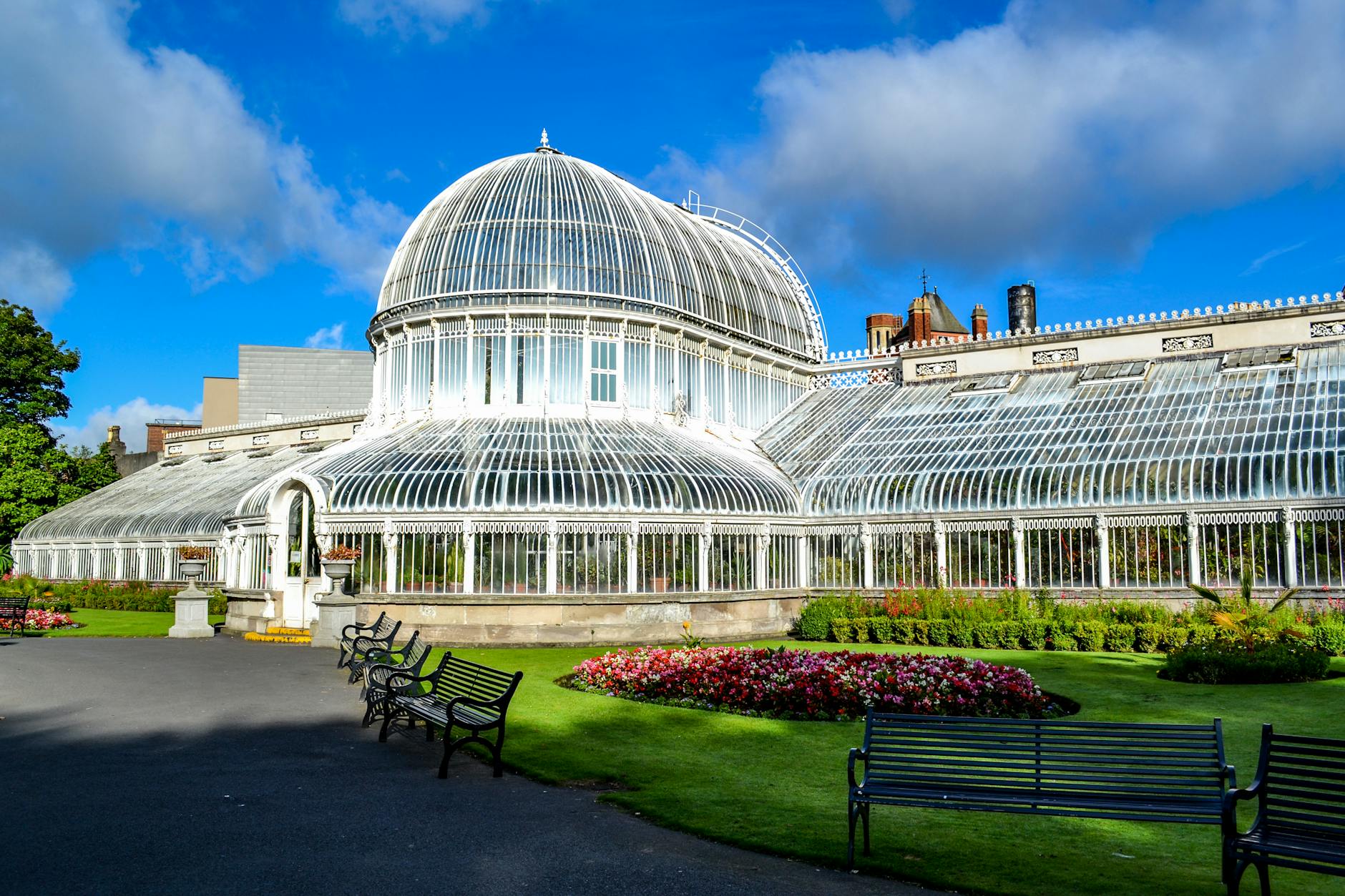
Protect confidential work in public spaces
Consultants often work in hotel lobbies, cafes, trains, lounges, client reception areas, and taxis. Belfast has plenty of places to pause, but not every place is suitable for confidential calls, sensitive slides, financial models, personnel notes, or client names visible on a screen.
The traveler should decide where private work can happen and where only low-risk work is appropriate. A privacy screen, headphones, disciplined file naming, VPN use, and restraint around speakerphone or visible documents can prevent ordinary carelessness.
- Separate private work from low-risk email or admin tasks.
- Use privacy screen, headphones, VPN, and careful document handling.
- Do not handle sensitive calls or slides in exposed public spaces.
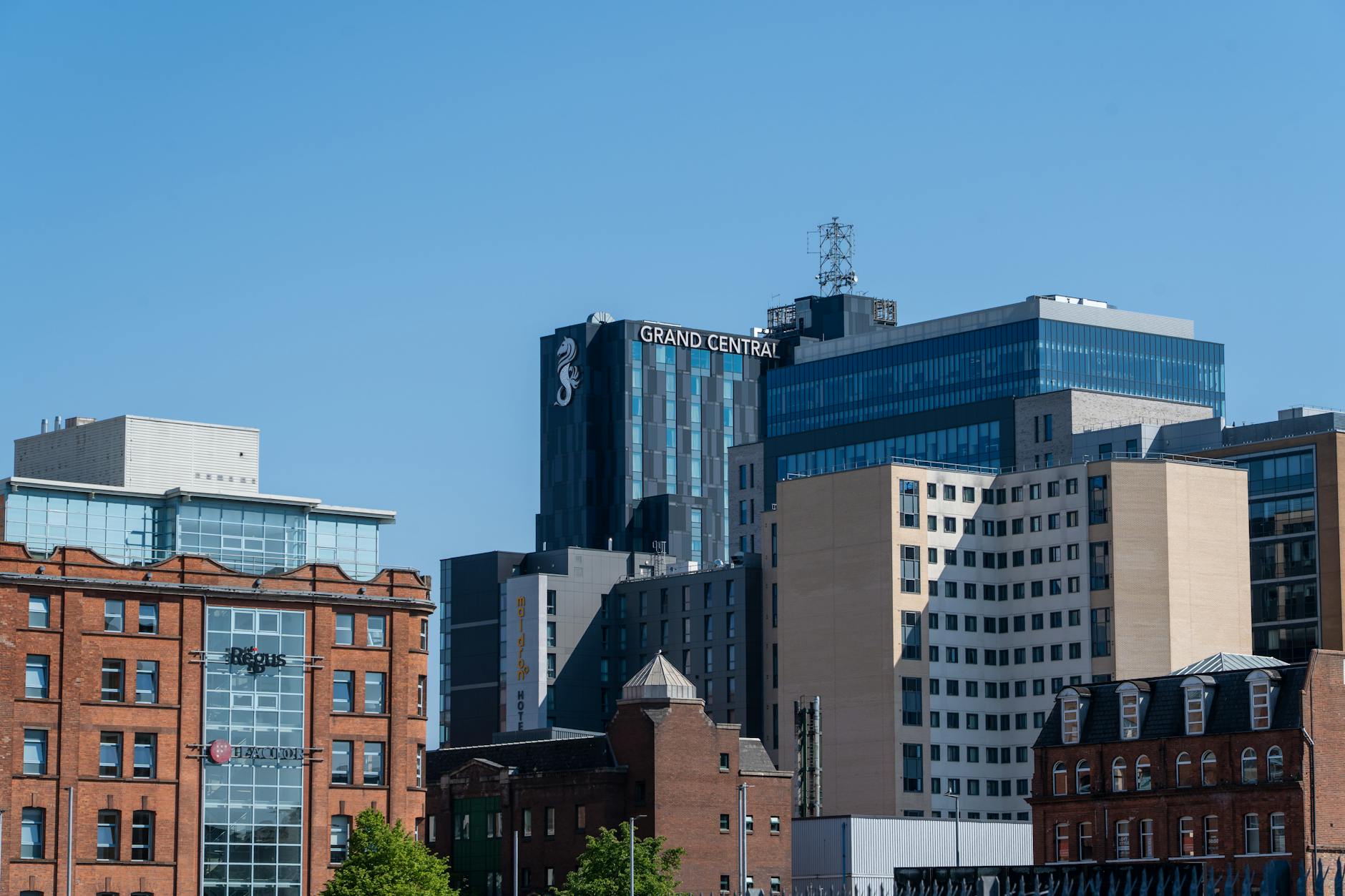
Build the day around transitions
A consultant's Belfast day may include a client workshop, stakeholder interviews, a working lunch, a hotel reset, a dinner, and follow-up work. The weak moments are often transitions: waiting for taxis, crossing town in rain, finding a quiet call spot, or carrying a laptop between venues.
The schedule should include movement buffers and a fallback workspace. A dense day can work if the geography is clean. It becomes fragile when every meeting assumes perfect timing.
- Add buffers for taxis, rain, laptop handling, and quiet-call needs.
- Identify a fallback workspace near the client site or hotel.
- Avoid schedules that require every transition to be perfect.
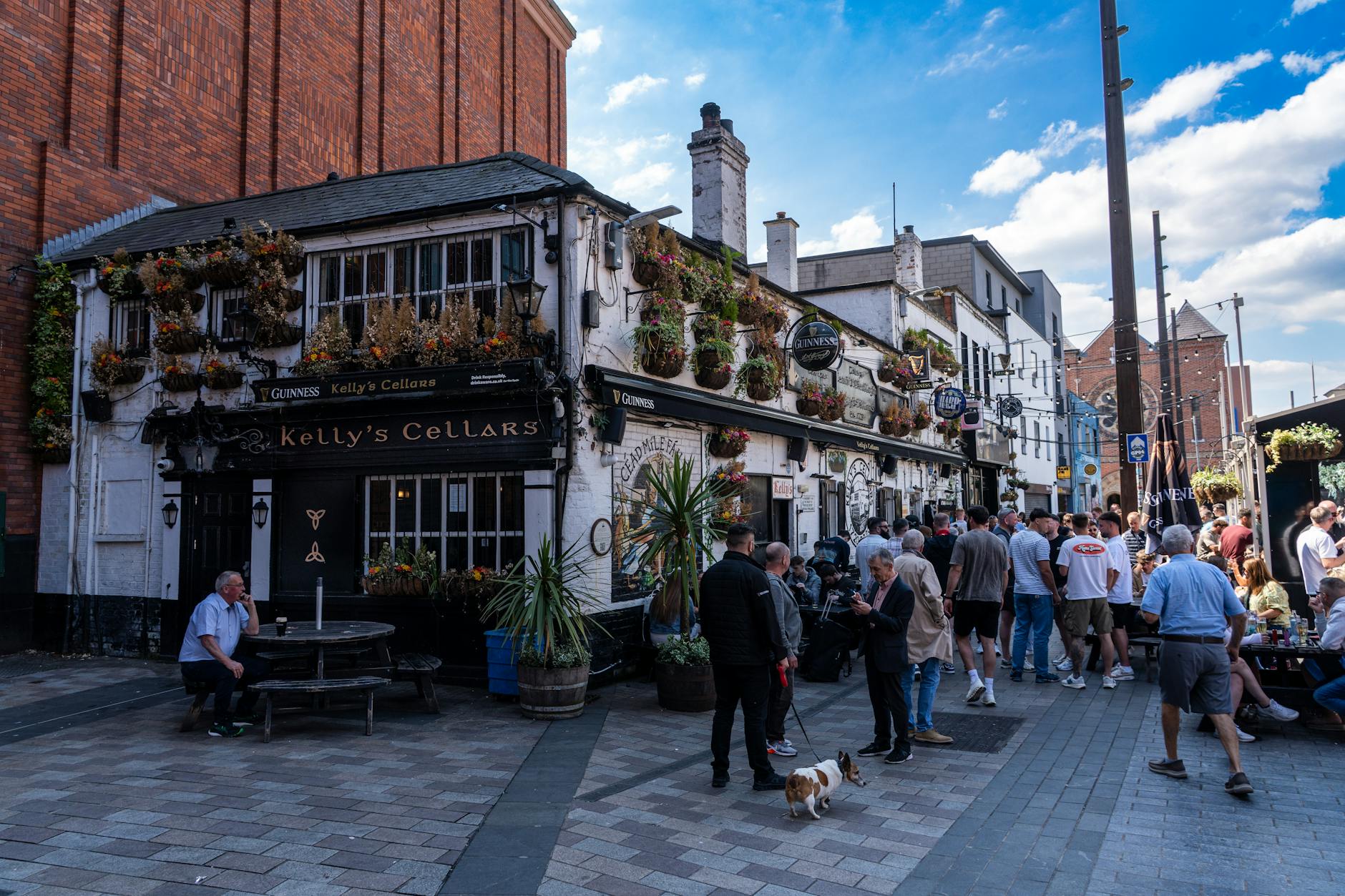
Use meals and dinners with intent
Consulting trips often include client dinners, internal debriefs, quick solo meals, or networking drinks. These should be placed around the next obligation. A heavy dinner after a long workshop may be useful if it advances the work, but it may also damage the follow-up the consultant needs to complete that night.
Belfast's restaurants and pubs can support a strong professional trip when chosen deliberately. The consultant should know the return route, laptop plan, alcohol limit, and whether the venue is suitable for the conversation.
- Choose meals by work value, conversation privacy, and next-day obligations.
- Keep laptop, return route, alcohol, and follow-up time controlled.
- Use Belfast hospitality without letting the evening overrun the assignment.
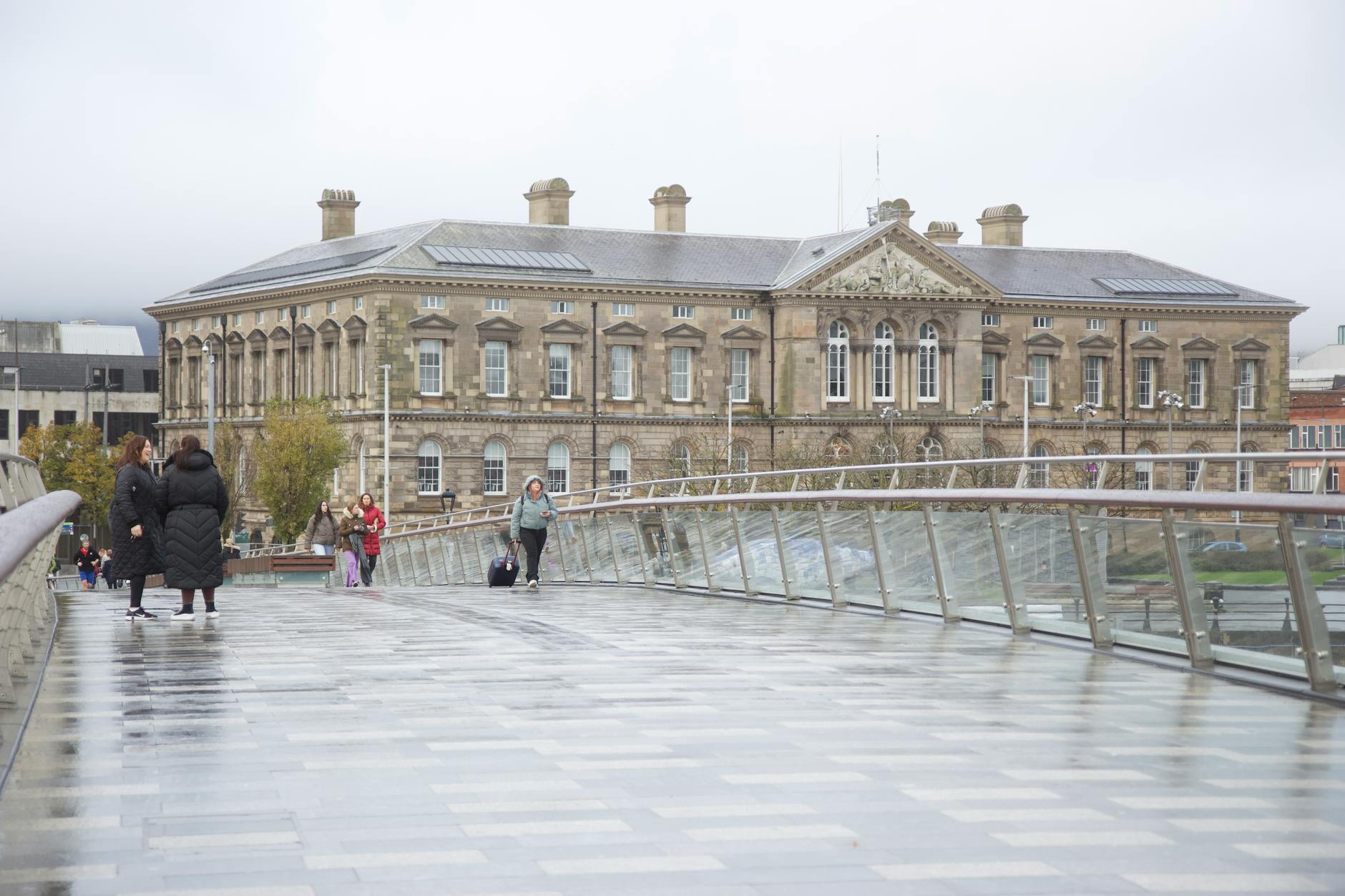
Add local context only when it fits
A consultant may have limited time for Belfast beyond work. A short walk by City Hall, a focused Titanic Quarter visit, a guided history route, or one strong dinner can still make the trip feel grounded. The mistake is forcing leisure into windows that should be used for preparation or recovery.
Local context can also matter professionally. Belfast's history, public-sector presence, universities, infrastructure, and regional relationships may shape client conversations. The consultant should know enough to avoid sounding generic.
- Add Belfast context only where it supports the workday.
- Use one focused city experience rather than scattered sightseeing.
- Understand enough local context to avoid generic client conversations.
When to order a short-term travel report
A consultant with a venue hotel, simple client meeting, and flexible arrival may not need a custom Belfast report. A report becomes useful when client geography is uncertain, arrival timing is tight, several meetings are spread across the city, confidential work needs quiet spaces, dinners matter, or the consultant wants to use a short stay without weakening the assignment.
The report should test client-site geography, lodging, arrival, daily transitions, workspace, device security, meals, evening returns, local context, budget, and what to cut. The value is a Belfast assignment that stays controlled from first transfer to final follow-up.
- Order when client geography, arrival, workspace, confidential work, meals, or transitions need testing.
- Provide dates, client-site locations, meeting schedule, hotel options, arrival route, work constraints, and budget.
- Use the report to protect the consulting outcome and reduce wasted movement.