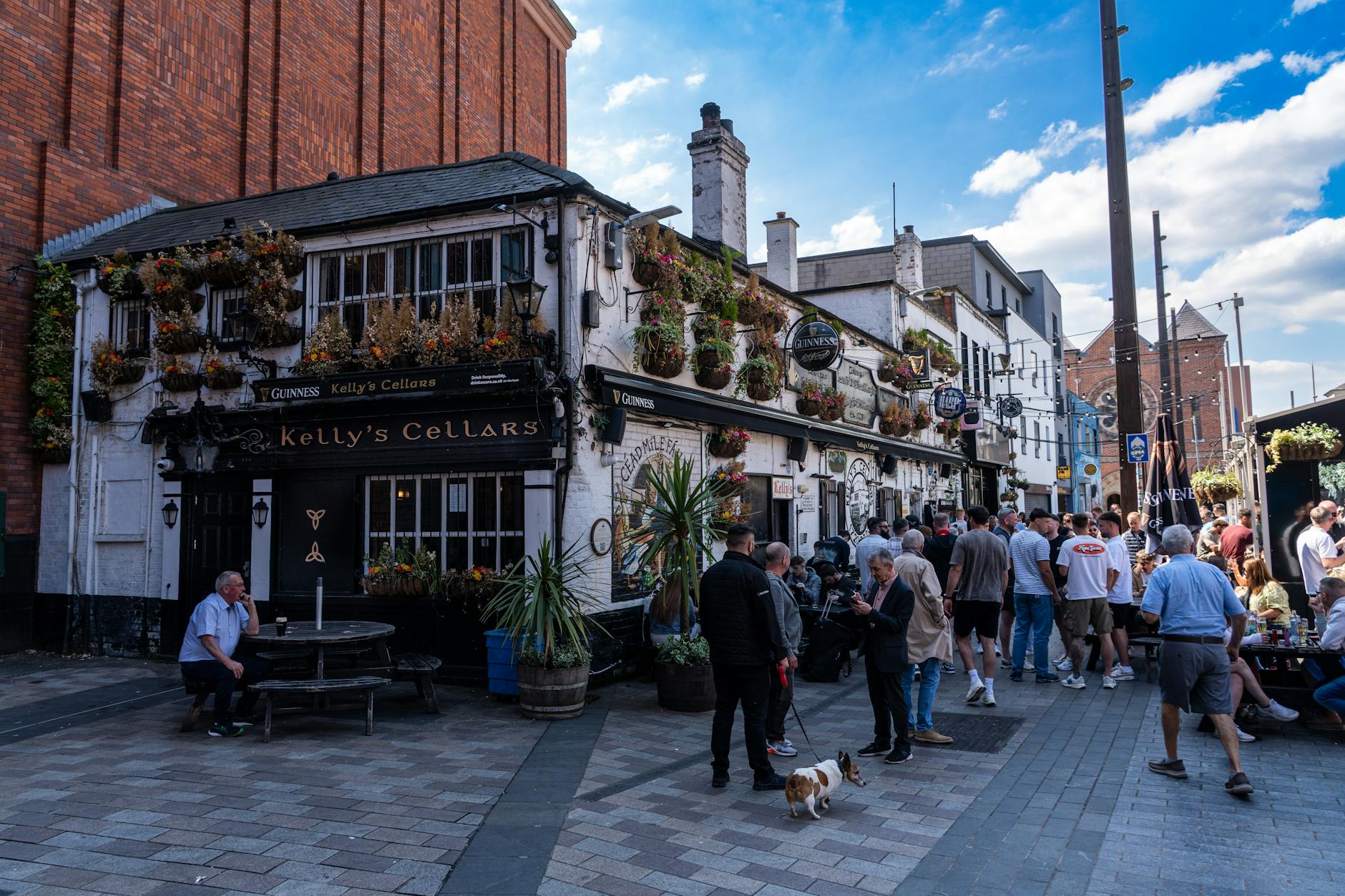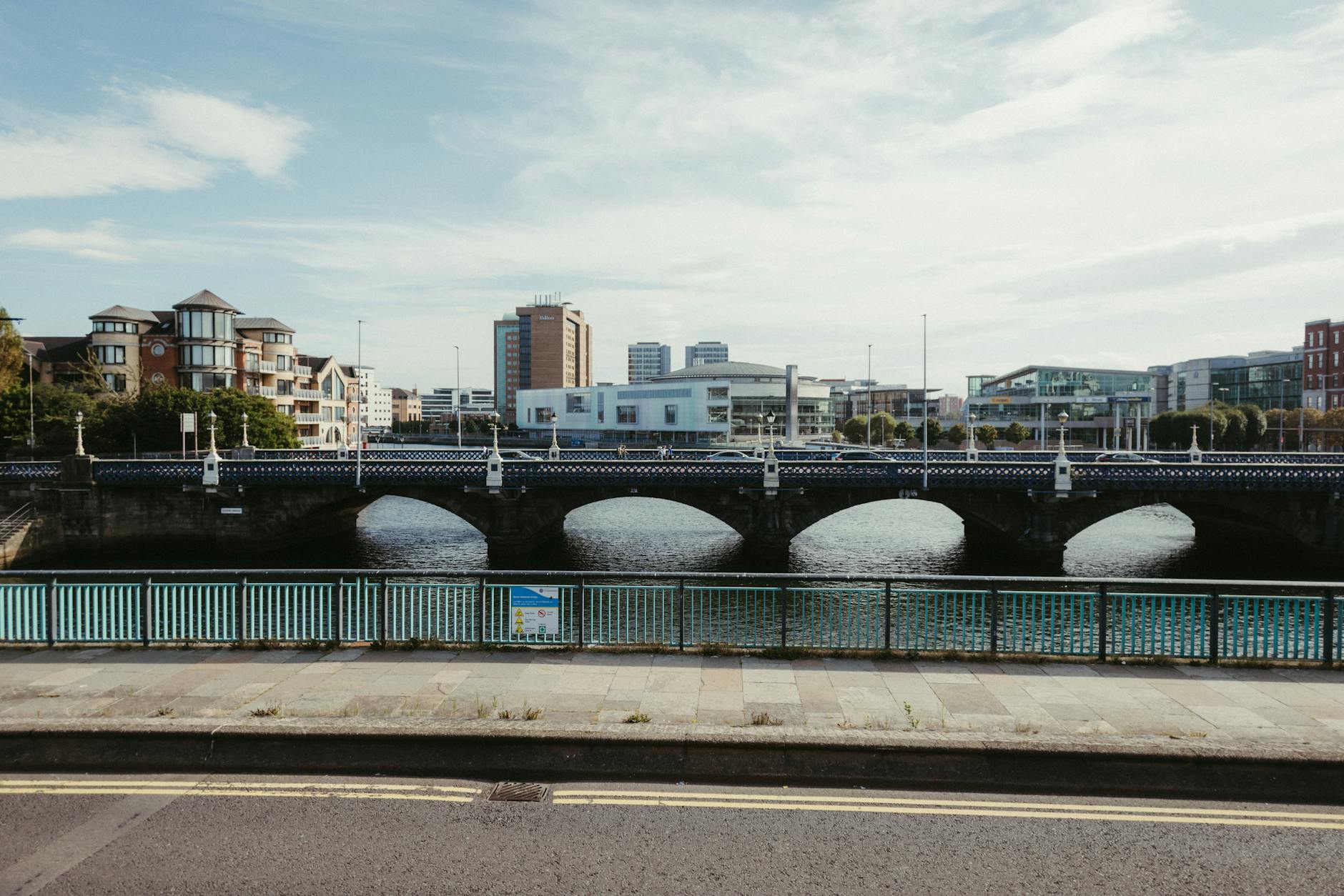
A Belfast conference trip is different from a leisure visit and different from a normal business trip. The traveler may be carrying a laptop, badge, presentation materials, formal clothes, sponsor items, or research notes while moving between a venue, hotel, dinners, receptions, and side meetings. The city can handle that well, but only when the plan respects geography. Belfast's manageable size is an advantage for conference travel. It can also tempt attendees to underestimate transfer time, weather, fatigue, and evening logistics. A good plan keeps the venue, hotel, meals, networking, and one or two Belfast experiences close enough to support the actual purpose of the trip.
Anchor the plan to the venue
The first conference question is not which Belfast neighborhood is nicest. It is where the venue sits in relation to the hotel, arrival point, dinners, and any side meetings. A conference near the waterfront, city centre, Titanic Quarter, Queen's Quarter, or a hotel venue creates a different movement pattern.
A short walk can be useful, but only if it works in rain, with a laptop, formal shoes, and morning timing. A hotel that looks close enough on a map may still be awkward if crossings, weather, or evening returns are weak.
- Choose lodging by the actual venue, not by generic Belfast appeal.
- Test the route in rain, with laptop, badge, and formal clothes.
- Check morning and evening movement separately.
Choose the hotel as work infrastructure
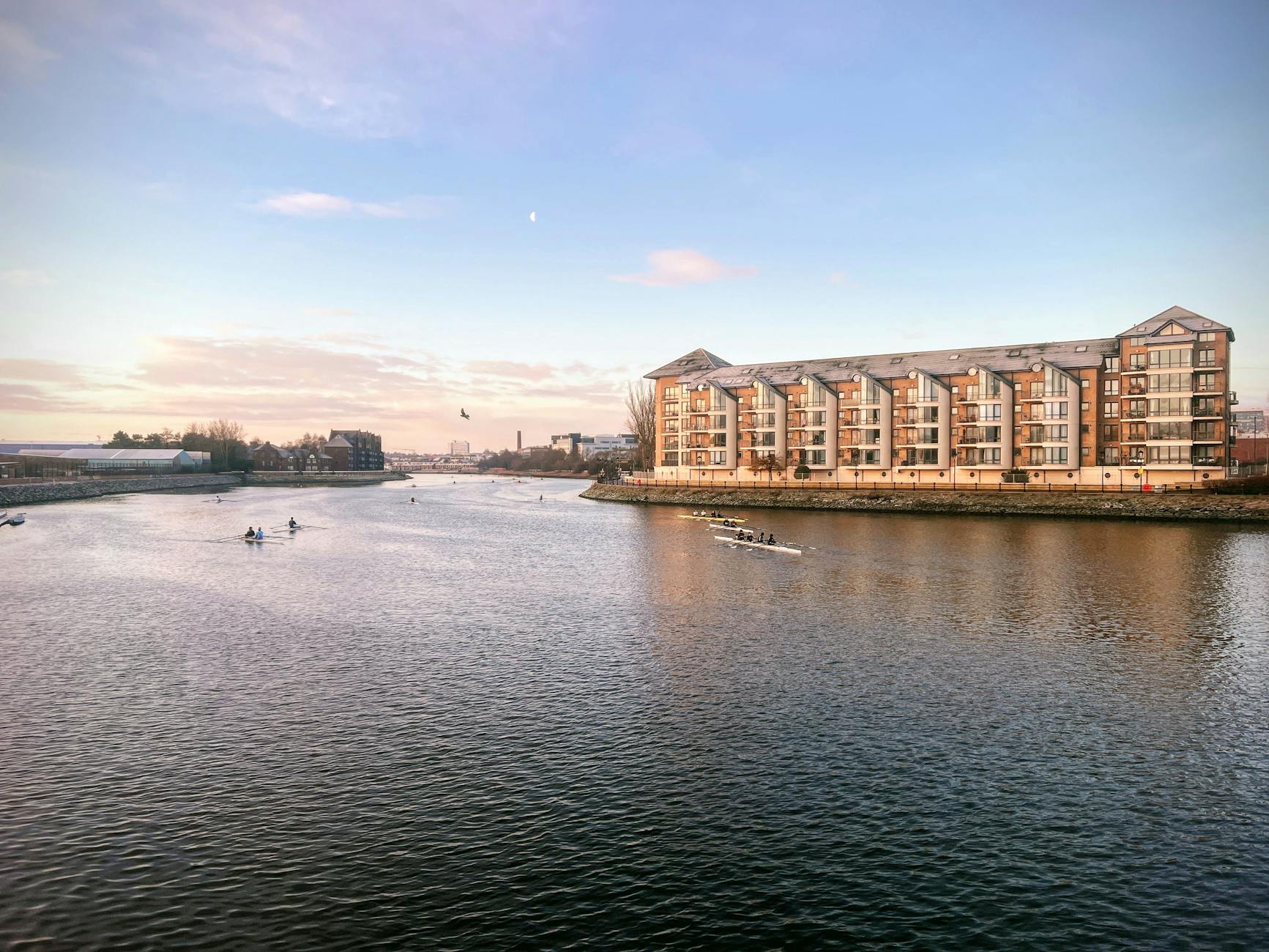
A conference hotel should support sleep, breakfast, laptop work, calls, garment care, secure bag storage, and easy returns between sessions. It should also have a lobby or room setup that works when the traveler needs to answer email, revise slides, or wait before check-in.
The cheapest hotel can be expensive if it creates weak mornings, late-night taxi dependence, poor sleep, or no good place to reset between program blocks. Belfast's compactness makes a better base especially valuable.
- Check breakfast, desk space, Wi-Fi, bag storage, laundry or ironing, and quiet.
- Use the hotel for reset time between sessions and events.
- Avoid lodging that makes every conference movement slightly harder.
Build arrival around registration and materials
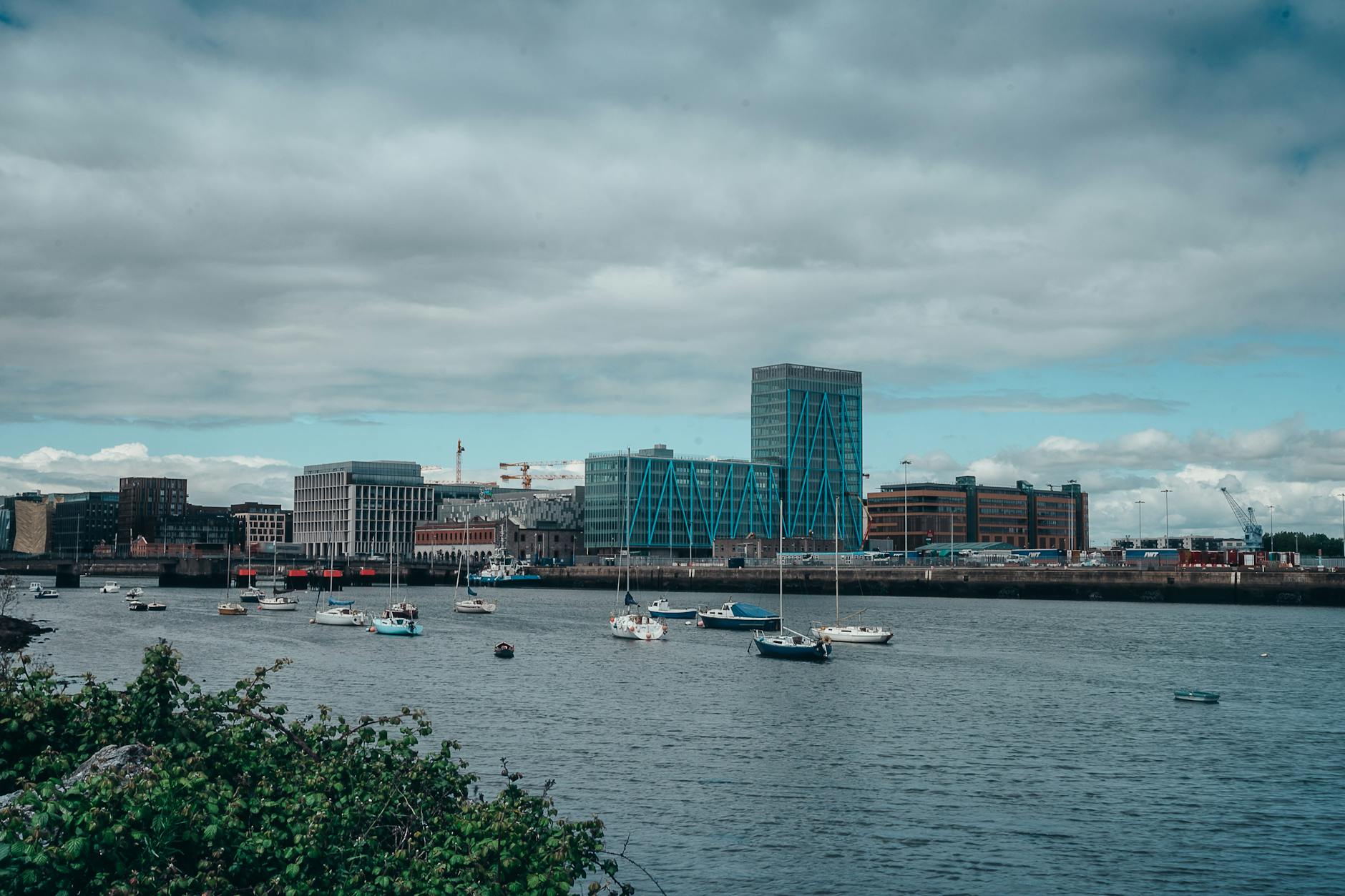
A conference arrival through Belfast City Airport, Belfast International, Dublin, rail, or coach should be planned around registration time, check-in, luggage, presentation materials, poster tubes, booth items, and whether the traveler needs to be functional the same day. A late or complicated arrival can weaken the first important session.
The traveler should decide where bags go, when the badge is collected, where clothes are changed or pressed, and whether the first meal is near the hotel or venue. Those details matter more when the trip is short.
- Match transfer timing to registration, check-in, and first-session obligations.
- Plan luggage, poster tubes, booth items, and clothes before arrival.
- Keep the first conference meal easy and close.
Manage session fatigue and networking load
Conference days can be more tiring than sightseeing days because the traveler is constantly processing information, meeting people, carrying materials, and staying socially available. Belfast's scale helps, but the attendee still needs pauses, food, hydration, and a realistic limit on after-hours commitments.
The best conference plan distinguishes essential sessions from optional ones. It also leaves enough energy for the meeting, dinner, or conversation that actually matters. Attendance is not the same as usefulness.
- Prioritize essential sessions, meetings, and networking moments.
- Build in food, hydration, and quiet reset time.
- Do not let optional sessions consume the energy needed for high-value conversations.
Plan dinners and receptions by the return route
Belfast conference evenings may involve sponsor dinners, receptions, pub gatherings, music, or informal meetings. These can be useful, but the attendee should know how the evening ends. A venue that is charming at 7 p.m. can be inconvenient at 11 p.m. in rain with a laptop or conference bag.
The traveler should protect phone battery, payment backup, device security, and the next morning's obligations. A strong conference evening is one that advances the trip without damaging the following day.
- Choose evening events with the return route and next morning in mind.
- Keep laptop, badge, phone battery, and payment backup controlled.
- Leave before networking turns into avoidable fatigue.

Add Belfast context without crowding the program
A conference attendee may have only a narrow window for Belfast itself. City Hall, Titanic Quarter, Cathedral Quarter, a guided history route, or a short river walk can add real value if placed carefully. The mistake is trying to force a full tourist itinerary around a full professional agenda.
The attendee should choose one or two Belfast experiences that fit the venue geography and emotional bandwidth. A high-context tour may be more meaningful than several shallow stops between sessions.
- Add one or two Belfast experiences that fit the conference geography.
- Use guided context when history matters and time is limited.
- Avoid crowding the agenda with sightseeing that weakens the professional purpose.
When to order a short-term travel report
A conference attendee staying at the venue hotel with a simple schedule may not need a custom Belfast report. A report becomes useful when the venue is separate from the hotel, arrival timing is tight, side meetings matter, materials are difficult to carry, evenings are important, or the attendee wants to add Belfast context without undermining the conference.
The report should test venue geography, lodging, arrival, registration timing, work needs, meals, evening returns, local context, weather, budget, and what to cut. The value is a trip that lets the attendee use the conference instead of being managed by it.
- Order when venue, hotel, arrival, meetings, materials, or evenings need coordination.
- Provide dates, venue, program schedule, hotel options, arrival route, side meetings, equipment, and constraints.
- Use the report to make the professional trip coherent and still give Belfast a place.