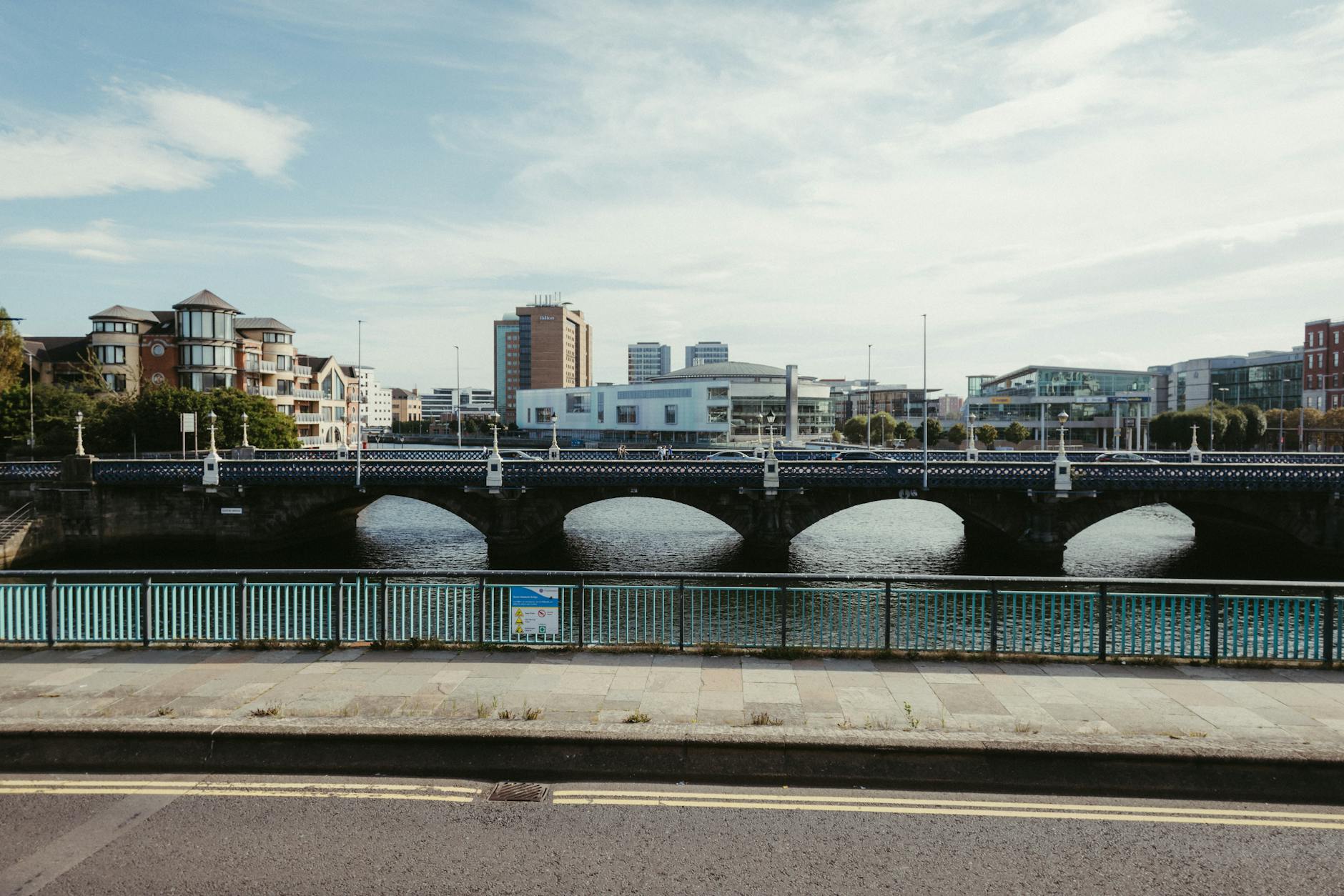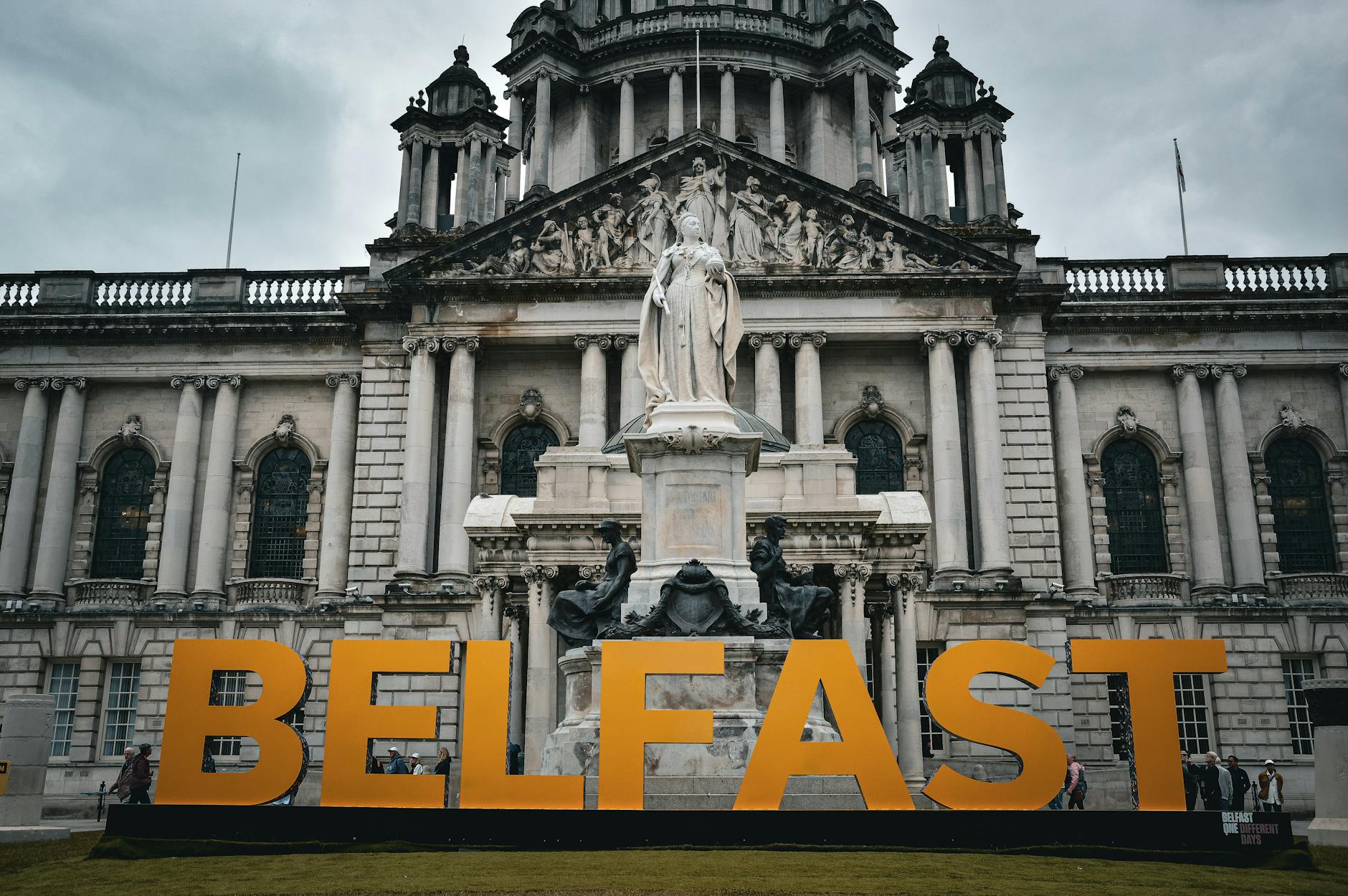
Belfast can be a highly workable short business destination. The city is compact, the airport choices can be efficient, and many meetings cluster around the city centre, Linen Quarter, Cathedral Quarter, Titanic Quarter, Queen's Quarter, harbour area, or nearby office and university settings. That does not mean the trip should be improvised. A business visit works best when the traveler maps the meeting pattern, chooses lodging by movement rather than prestige, understands airport and road timing, and treats local context with respect. Belfast rewards practical planning because the distances are manageable and the weak points are usually knowable in advance.
Map meetings across Belfast's operating zones
Belfast is compact compared with London, Manchester, or Dublin, but business movement still depends on geography. City centre meetings, Linen Quarter offices, Cathedral Quarter hospitality, Titanic Quarter sites, Queen's University appointments, harbour-related work, and suburban offices should not be treated as one interchangeable area.
The traveler should map every meeting before booking the hotel. A short taxi ride may be easy in normal conditions and annoying in rain, peak traffic, roadworks, or event pressure. The right base is the one that reduces repeated friction across the actual itinerary.
- Map each meeting before choosing the hotel.
- Treat city centre, Titanic Quarter, Queen's Quarter, harbour, and suburban meetings as distinct zones.
- Use door-to-door timing, not only map distance.
Choose lodging by movement and recovery
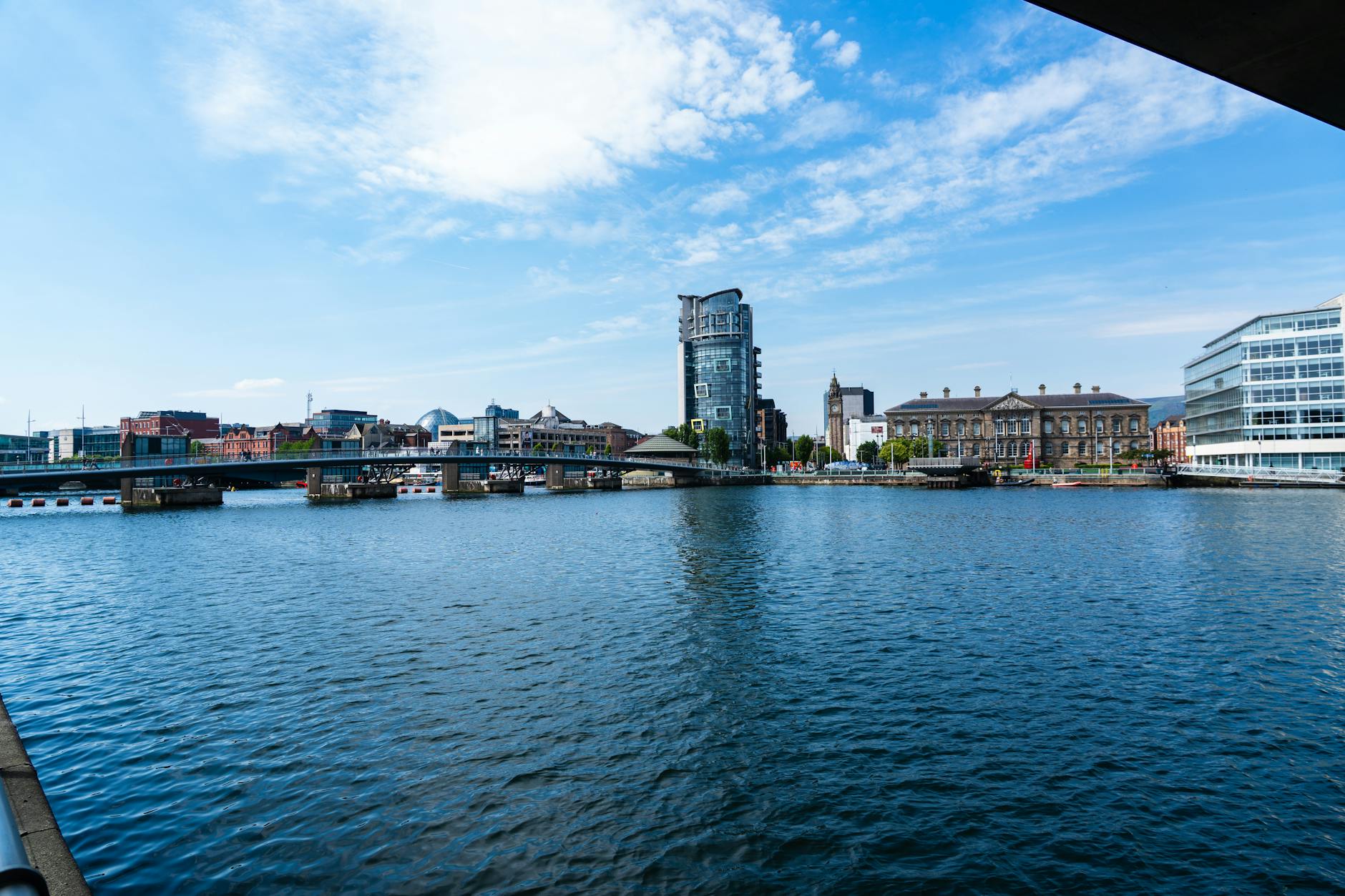
A Belfast business hotel should support arrival, meetings, calls, meals, evening obligations, and sleep. A city-centre or Linen Quarter base can simplify many short visits. Titanic Quarter may work when the main agenda sits there. A more remote property can be comfortable but may add taxi dependence at exactly the wrong times.
The traveler should check desk space, Wi-Fi, breakfast timing, vehicle access, walkability, late return routes, lobby suitability, and quiet. For a short business trip, the hotel is not only accommodation. It is the operating base.
- Choose lodging by meeting pattern, arrival route, work needs, and evening obligations.
- Check Wi-Fi, desk space, breakfast, pickup access, and late return routes.
- Avoid a scenic or cheaper base that creates daily movement friction.
Plan airport and rail arrival as work time
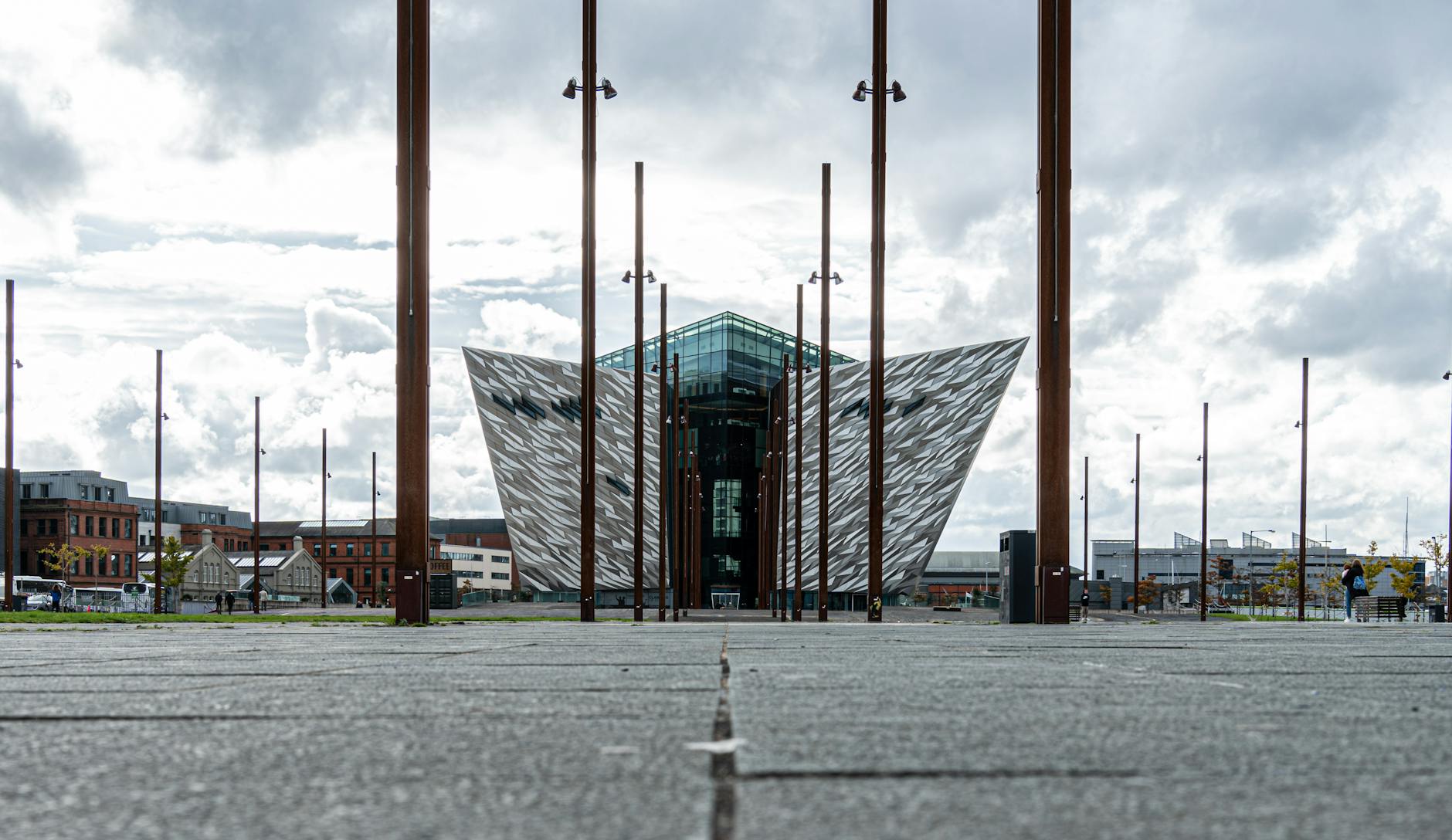
George Best Belfast City Airport can be very convenient for many business itineraries. Belfast International is farther out and needs more transfer discipline. Some travelers may also arrive through Dublin, by rail, by coach, or by car from elsewhere on the island. Each choice changes buffer time, fatigue, and first-meeting risk.
The arrival method should be chosen around the first obligation. A traveler landing and going directly to a meeting should value simplicity, a known pickup point, and margin. A traveler arriving the night before may have more flexibility, but should still avoid making the first business morning depend on unresolved transport choices.
- Match airport or rail choice to the first meeting and hotel location.
- Use more buffer for Belfast International, Dublin arrivals, or same-day obligations.
- Decide taxi, car, coach, or rail movement before arrival.
Build resilience into short city movements
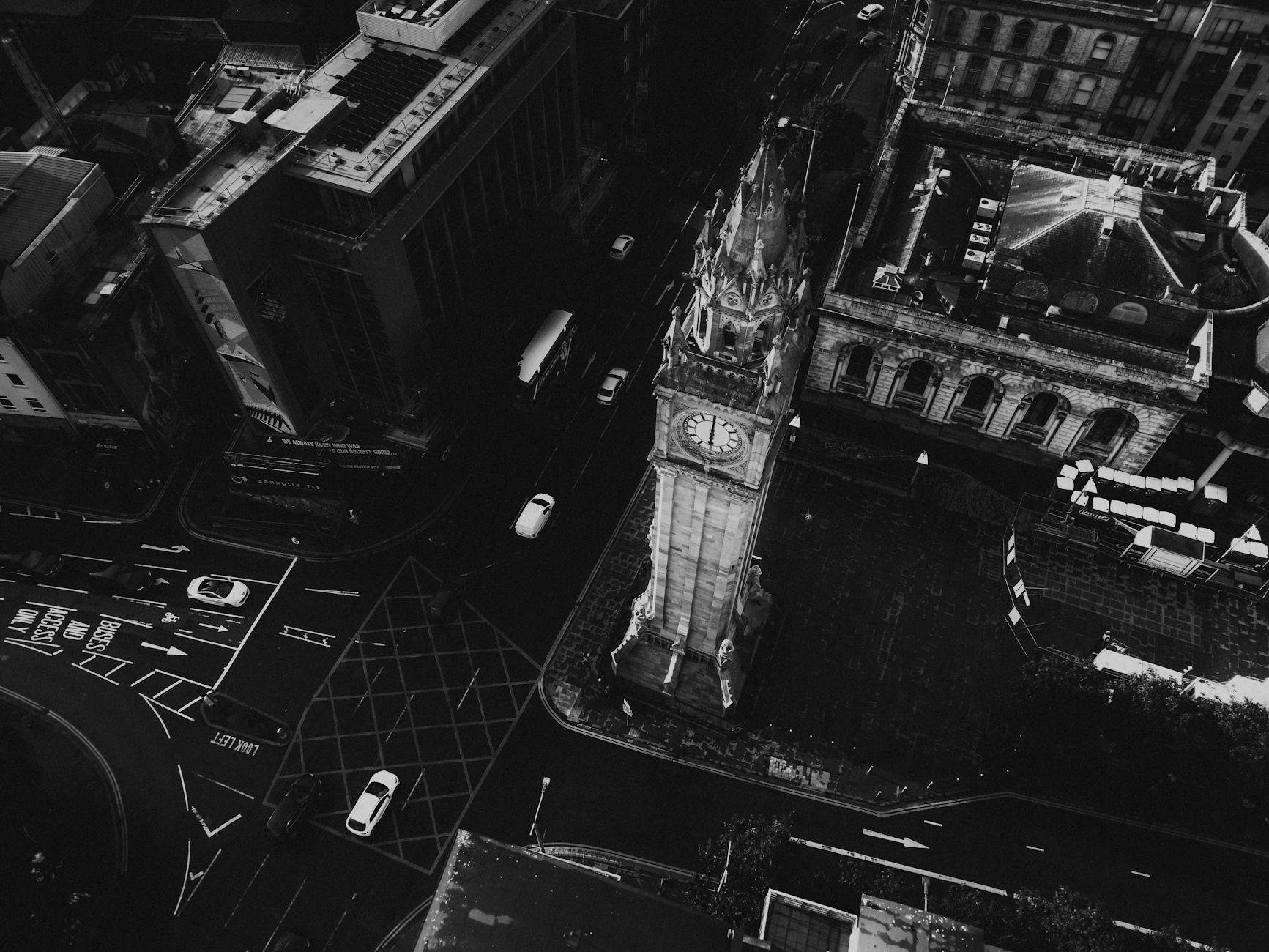
Belfast's manageable scale can make travelers under-plan local movement. Walking, taxis, buses, private cars, and employer-provided transport may all be useful, but weather, roadworks, events, school traffic, waterfront movement, and pickup confusion can still affect punctuality.
For critical meetings, the traveler should know the primary route, the backup route, and when to leave. If the agenda moves between the city centre and Titanic Quarter, or between business meetings and evening hospitality, the route should be checked close to departure rather than assumed.
- Pair critical movements with backup routes and realistic departure times.
- Check weather, roadworks, events, and pickup points before leaving.
- Do not let Belfast's compactness erase punctuality planning.
Handle local context with professional care
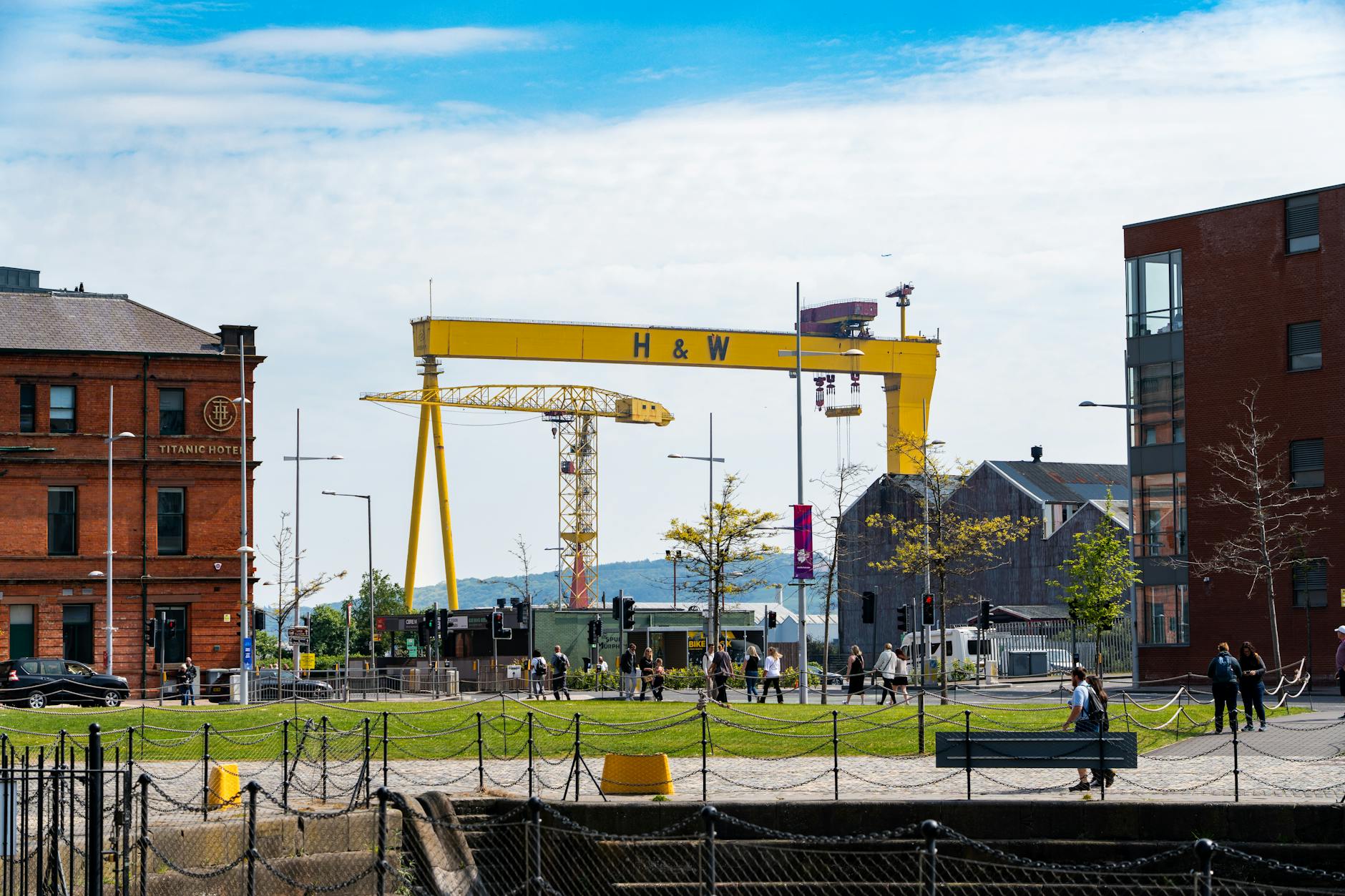
Most Belfast business travel is straightforward, but visitors should still respect local political, community, and event context. Parades, protests, sporting events, anniversaries, road closures, or area-specific sensitivities can affect movement or conversation. The point is not to overstate risk. It is to avoid arriving uninformed.
Business visitors should use neutral routing, professional discretion, and local host guidance when agendas involve community-facing work, public-sector meetings, media attention, or evening movement through unfamiliar areas.
- Check relevant local events, road closures, and host guidance before travel.
- Use discretion around political, community, and identity-sensitive topics.
- Treat local context as part of professional preparation.
Protect work, devices, and evening obligations
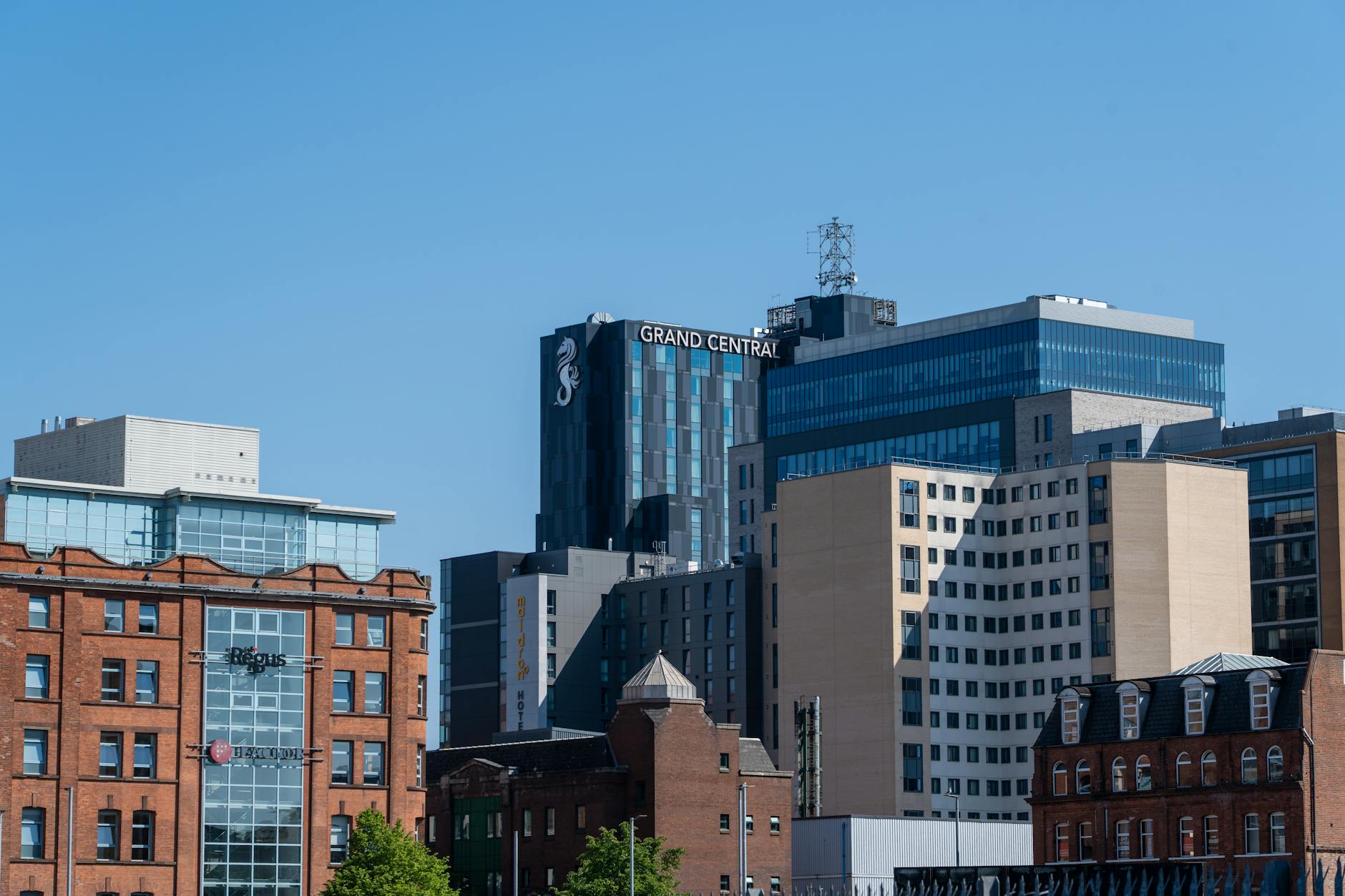
The fragile points of a Belfast business trip are often between formal meetings: laptops opened in public spaces, calls taken in hotel lobbies, bags left during meals, confidential conversations after drinks, or tired late returns after client hospitality. Ordinary device and document discipline still applies.
The traveler should decide where sensitive calls happen, how devices are carried, what material can be discussed in public, and how evening obligations end. Belfast has strong hospitality, but business judgment should not dissolve after dinner.
- Use private spaces for sensitive calls and confidential material.
- Keep devices, bags, passports, and payment backups under control.
- Plan the return from client dinners or receptions before the evening starts.

When to order a short-term travel report
A business visitor with one flexible meeting and a confirmed hotel may not need a custom Belfast report. A report becomes useful when the trip includes same-day arrival, multiple zones, senior meetings, confidential work, unfamiliar airport choices, evening obligations, public-sector or community context, weather sensitivity, or limited room for delay.
The report should test hotel location, airport arrival, meeting geography, local movement, event context, weather fallback, evening plans, work security, budget, and what to cut. The value is a Belfast business trip that uses the city's manageable scale without assuming everything will automatically work.
- Order when timing, discretion, local context, movement, or seniority makes improvisation expensive.
- Provide dates, flight or rail details, meeting addresses, hotel options, evening plans, budget, and constraints.
- Use the report to turn Belfast's practical advantages into a controlled itinerary.