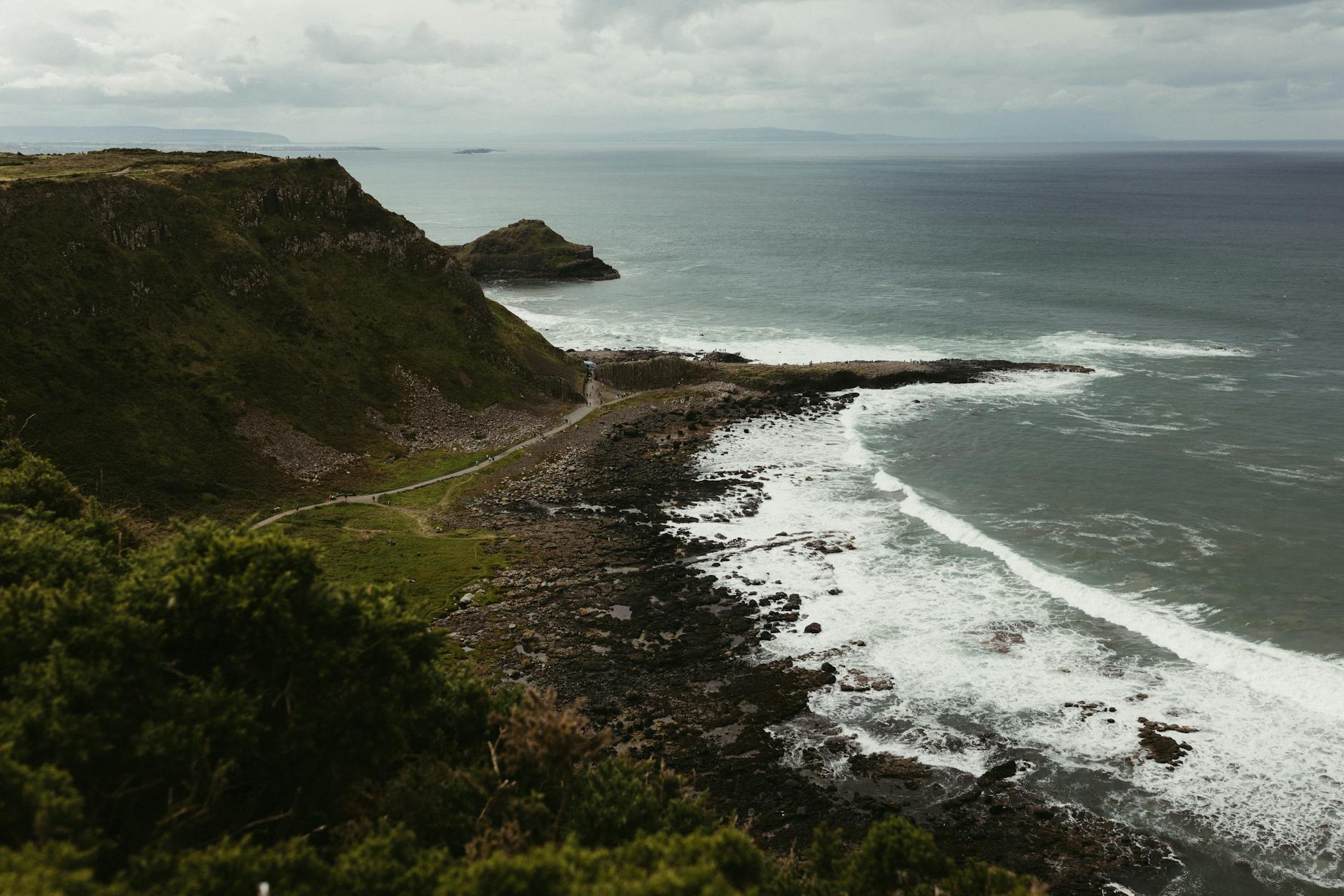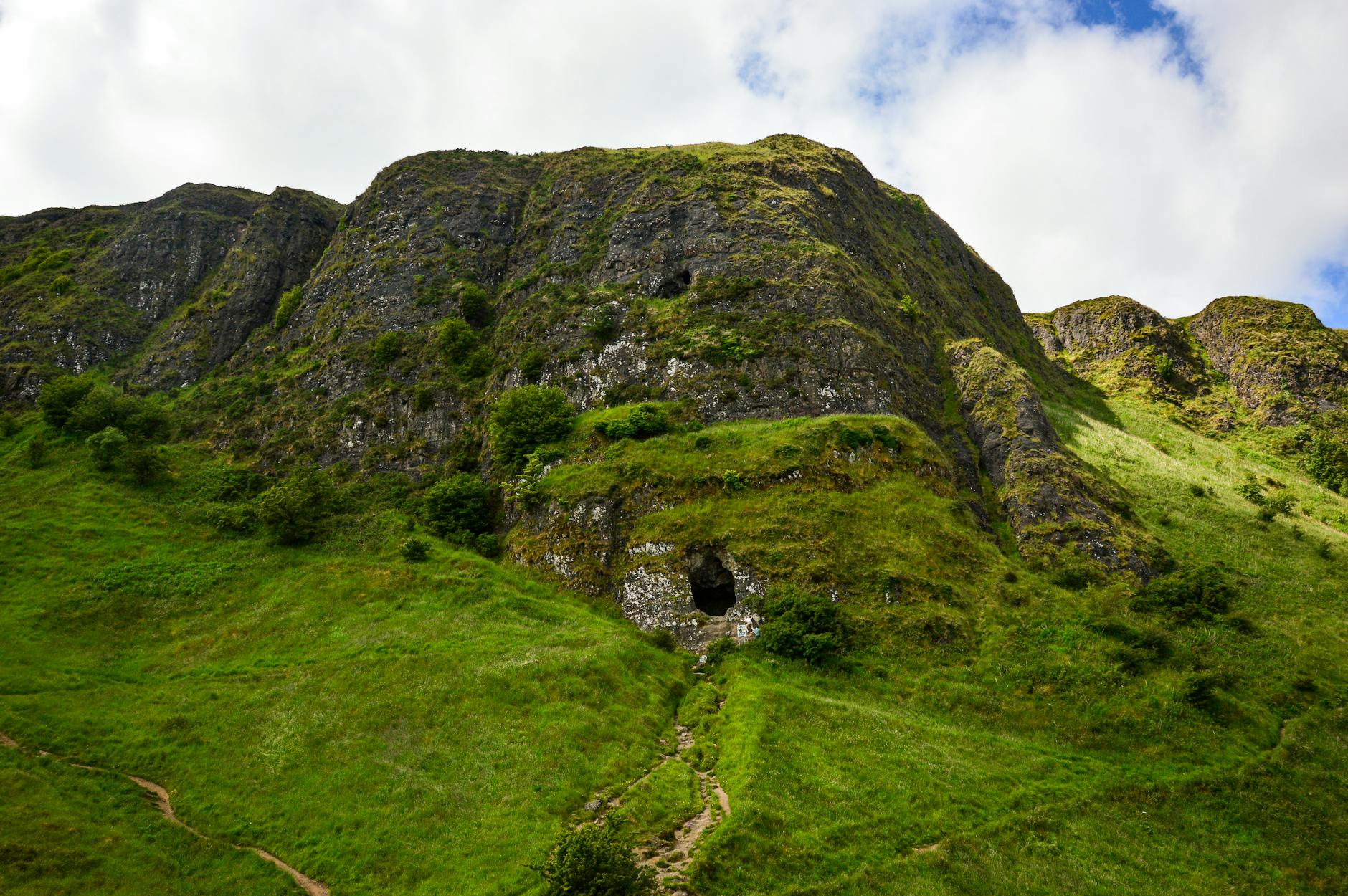
Belfast can work well for an outdoor-focused short trip because the city sits close to hills, coast, gardens, greenways, and wider Northern Ireland landscapes. Cave Hill, Divis and the Black Mountain, the Lagan corridor, the Causeway Coast, the Mournes, and coastal day trips can all tempt a traveler who wants more than museums and restaurants. The risk is assuming that proximity makes everything easy. A good adventure plan respects weather, daylight, transport, gear, fitness, route exposure, and the need to return safely to the city. Belfast can support an active trip, but the traveler should choose a few strong outdoor priorities rather than forcing a full regional itinerary into a short stay.
Choose the outdoor priority before choosing the base
The traveler should decide whether the trip is centered on Belfast hills, city walking, coastal scenery, cycling, gardens, photography, Causeway Coast touring, or a more ambitious Northern Ireland excursion. Each priority changes lodging, transport, start times, gear, and recovery needs.
A central hotel may be best for restaurants and evening returns, while a base near transit, taxi pickup, or a rental car plan may matter more for early outdoor starts. The route should define the base, not the other way around.
- Decide whether the trip is hill, coast, walking, cycling, garden, or regional-excursion focused.
- Choose lodging by start times, transport, gear storage, and evening return route.
- Do not let a convenient city base distort the outdoor plan.
Treat Belfast weather as a planning variable
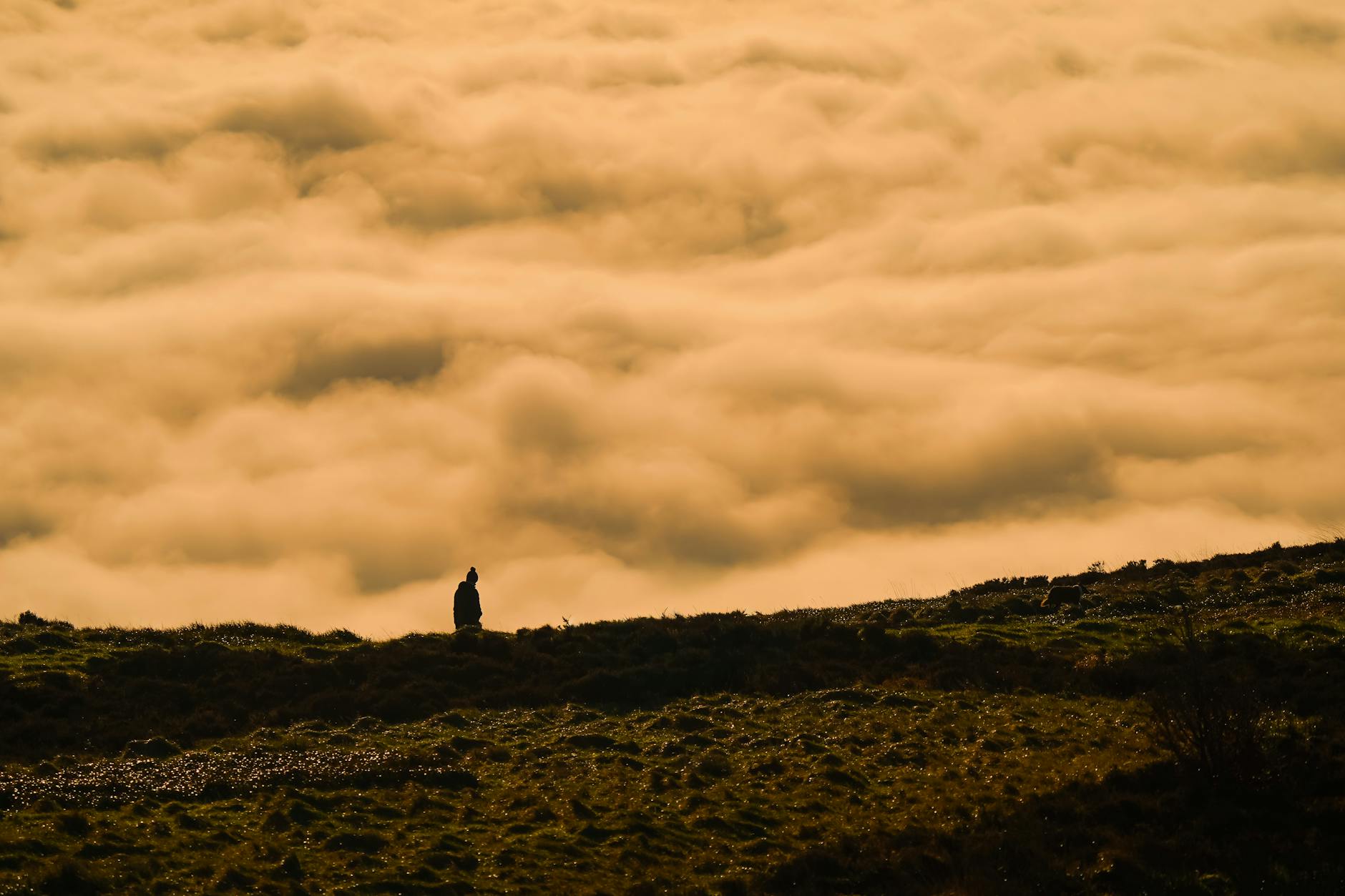
Rain, wind, low cloud, soft ground, and fast-changing light can shape outdoor days around Belfast. A route that looks simple on a map may feel different when paths are slick, visibility drops, or wind makes exposed viewpoints uncomfortable.
The traveler should pack layers, waterproofs, footwear with grip, dry storage, backup socks, and a realistic indoor alternative. Bad weather does not have to cancel the trip, but it should change the route and timing.
- Plan for rain, wind, low cloud, slick paths, and changing light.
- Pack layers, waterproofs, proper footwear, dry storage, and backup socks.
- Keep indoor or lower-exposure alternatives ready.
Build routes around daylight and return logistics
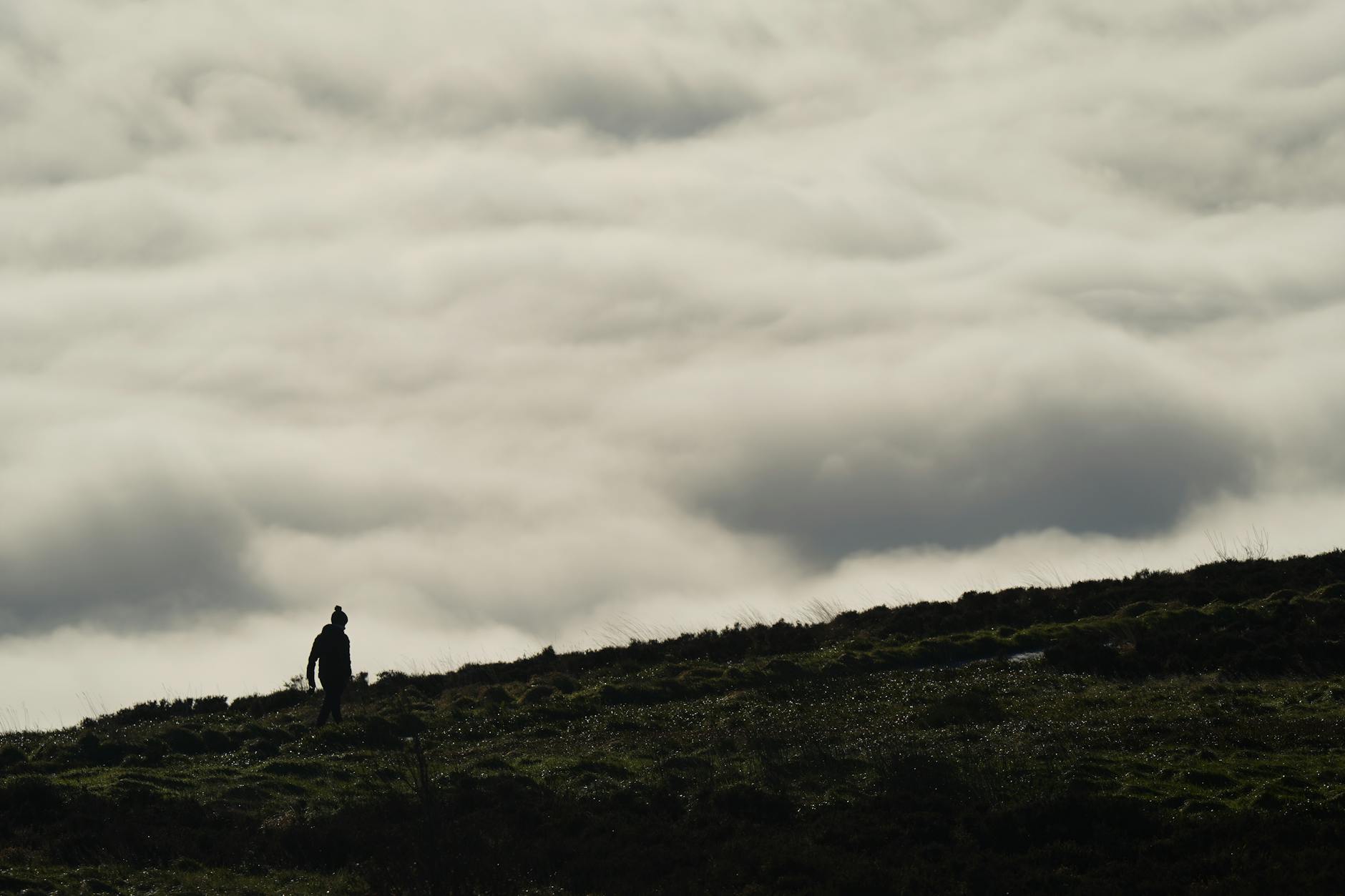
Short outdoor trips can fail at the return stage. The traveler should know trail length, last bus or train, taxi availability, parking, phone coverage, sunset, food stops, and whether the route has safe exit points. A late start can turn a moderate walk into an avoidable stress point.
For solo travelers, the plan should include sharing the route, carrying battery, checking weather again before departure, and avoiding isolated late-day sections. The best outdoor day ends with a predictable return to Belfast, not improvisation in the dark.
- Check distance, daylight, transport, taxi availability, food, and exit points.
- Share routes and preserve phone battery, especially when solo.
- Make the return to Belfast part of the route plan.
Do not overload the Causeway Coast day
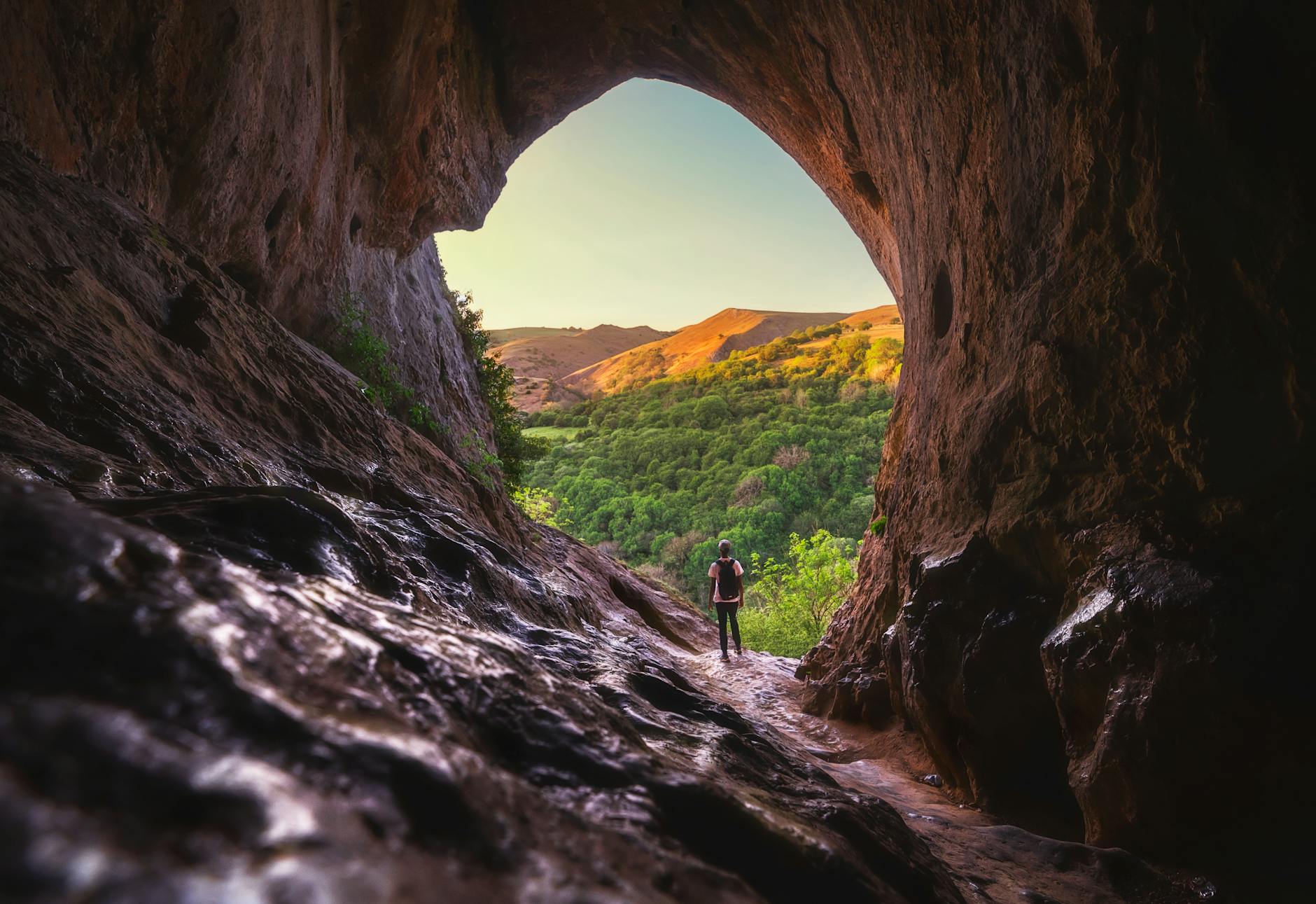
The Causeway Coast can be one of the strongest additions to a Belfast trip, but it can also become too crowded with stops. Giant's Causeway, coastal paths, castles, viewpoints, lunch, photography, weather delays, and transport all compete for the same daylight.
The traveler should choose the main purpose of the day: hiking, scenery, photography, heritage, or a guided tour. Trying to do every named stop can make the experience thinner and increase the chance of missing the best weather window.
- Choose the main purpose of the coast day before adding stops.
- Account for weather, daylight, lunch, transport, and photography time.
- Protect one or two strong experiences instead of chasing every landmark.
Match equipment to the real activity
A city traveler adding one hill walk may need different gear than someone planning repeated hikes, wet coastal paths, cycling, paddle activities, or photography-heavy outdoor days. Equipment should match route exposure, weather, and how long the traveler will be away from the hotel.
The traveler should also consider storage, drying space, baggage weight, laundry, power banks, maps, and whether rentals or guided trips reduce friction. Belfast is close to outdoor experiences, but gear still determines how comfortable and safe those experiences feel.
- Match shoes, layers, bags, maps, and power to the real route.
- Plan storage, drying space, laundry, and baggage limits.
- Use rentals or guides when they reduce risk and friction.
Leave room for recovery and city context
An outdoor traveler can still benefit from Belfast itself: food, music, museums, local history, and calmer river or garden walks. A short trip should not pack every daylight hour with exertion and every evening with social plans, especially when weather and early starts are involved.
Recovery is part of the itinerary. Warm meals, dry clothes, quiet evenings, and flexible mornings can make the outdoor days better rather than weaker.
- Balance hill or coast days with food, local context, and easier city time.
- Protect recovery after wet, windy, or long outdoor routes.
- Avoid stacking early starts and late evenings without margin.
When to order a short-term travel report
An outdoor traveler taking one guided day tour may not need a custom Belfast report. A report becomes useful when the trip includes independent hikes, solo movement, rental cars, multiple outdoor days, Causeway Coast routing, weather-sensitive photography, medical or mobility constraints, expensive gear, or a tight schedule.
The report should test route order, lodging, transport, daylight, weather alternatives, equipment, solo safety, food, recovery, regional add-ons, budget, and what to cut. The value is an outdoor Belfast trip that is ambitious without becoming brittle.
- Order when independent routes, weather, gear, solo movement, or regional excursions need testing.
- Provide dates, fitness level, route ideas, lodging options, gear, transport plan, budget, and constraints.
- Use the report to keep the trip active, realistic, and controlled.