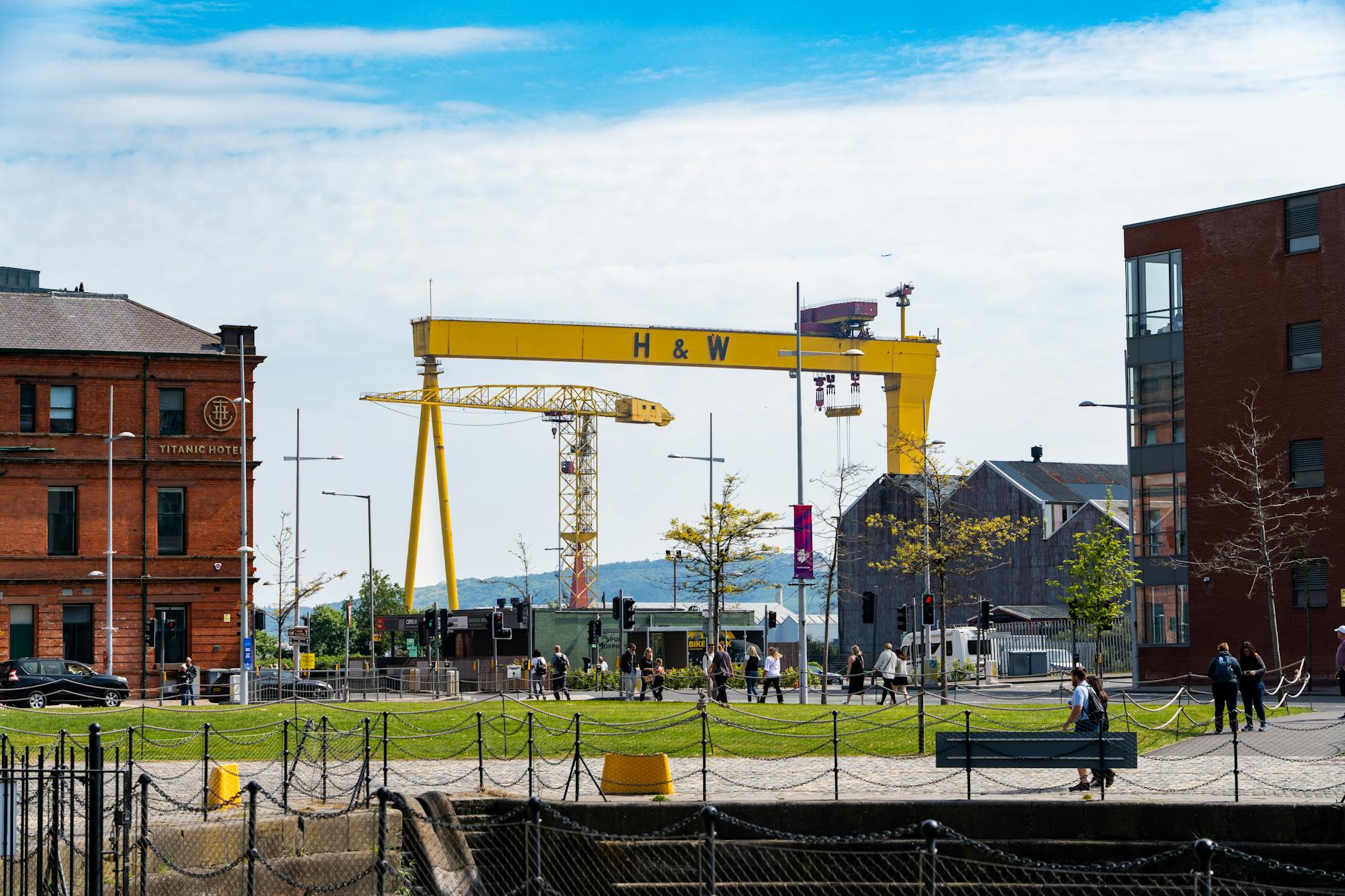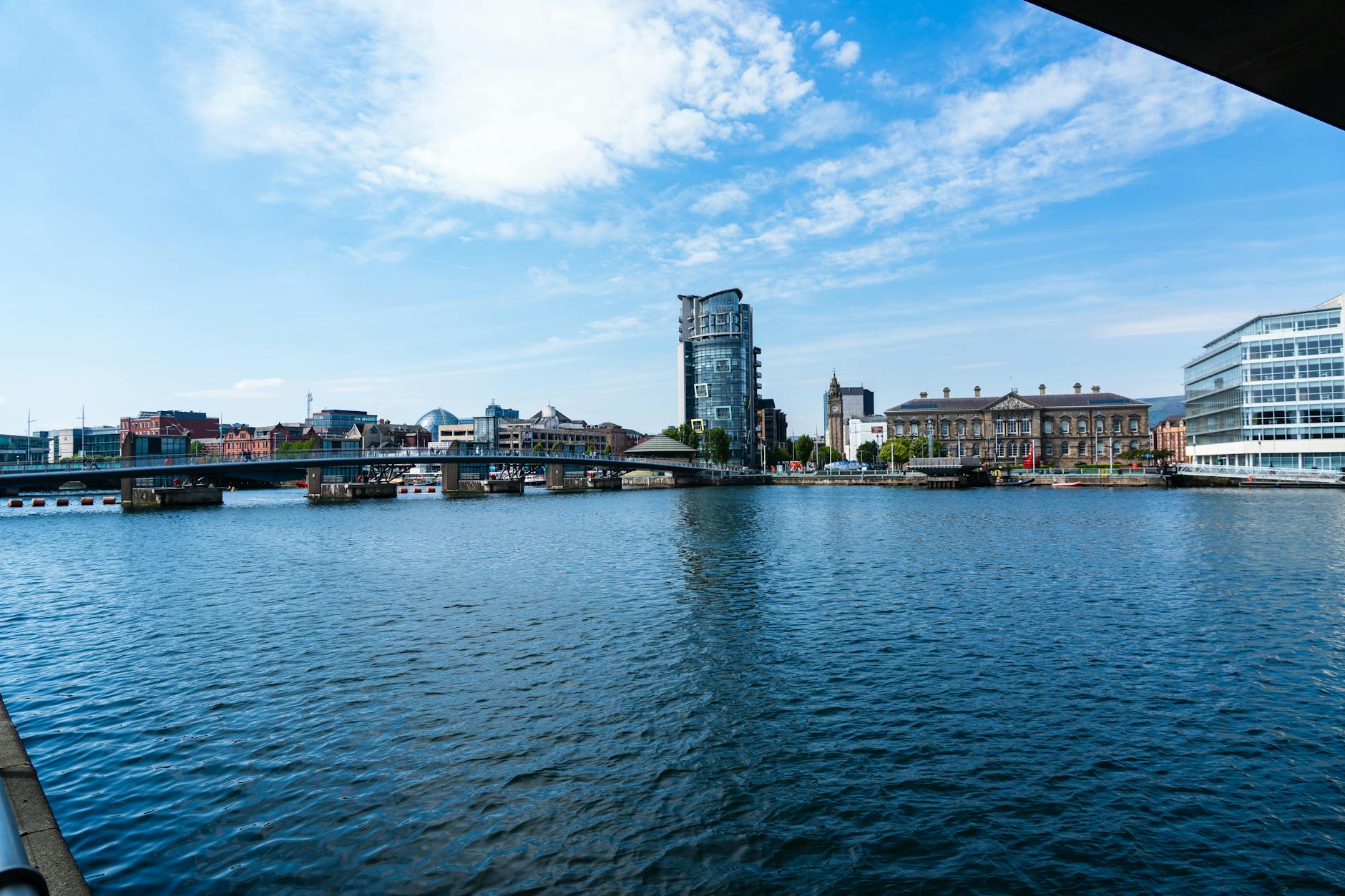
Belfast can work well for an academic conference because the city is compact enough for efficient movement and interesting enough to reward a careful extra half-day. The conference may be near the Waterfront, Titanic Quarter, city centre hotels, Queen's University, or another institutional venue. Those locations are close in principle, but the daily experience changes depending on lodging, weather, session timing, and evening commitments. A strong conference trip starts with the program, not the city break. The attendee should know where the key sessions are, when they need to be mentally sharp, where networking will happen, and how much time is realistically available for Belfast beyond the conference.
Anchor the trip around the venue
The first planning question is where the conference actually happens. A program based around the Waterfront, Titanic Quarter, Queen's University, a city centre hotel, or a suburban campus will create different daily movement. A map distance that looks small can feel larger in rain, with a laptop bag, between sessions, or after a reception.
The attendee should identify the rooms that matter most, registration timing, poster or presentation locations, evening events, and any off-site meetings. The hotel and transport plan should protect those obligations before adding Belfast sightseeing.
- Confirm the venue, registration desk, session rooms, and evening event locations.
- Choose lodging by conference geography rather than general city appeal.
- Build the daily route around the sessions that matter most.

Choose lodging for conference rhythm
A conference hotel needs to support early starts, late receptions, work blocks, quiet sleep, breakfast timing, and the ability to drop materials or change clothes between sessions. A cheaper or more atmospheric property can be a poor value if it adds friction every morning and evening.
For Belfast, a city-centre base may suit many programs. Titanic Quarter or Queen's Quarter can be better when the venue sits there. The right answer depends on the timetable, not on which neighborhood sounds most interesting.
- Check walking time, taxi access, breakfast, quiet, desk space, and bag drop.
- Prefer the base that makes repeated conference movement easy.
- Do not let a small lodging saving create daily session risk.
Plan arrival around the first obligation
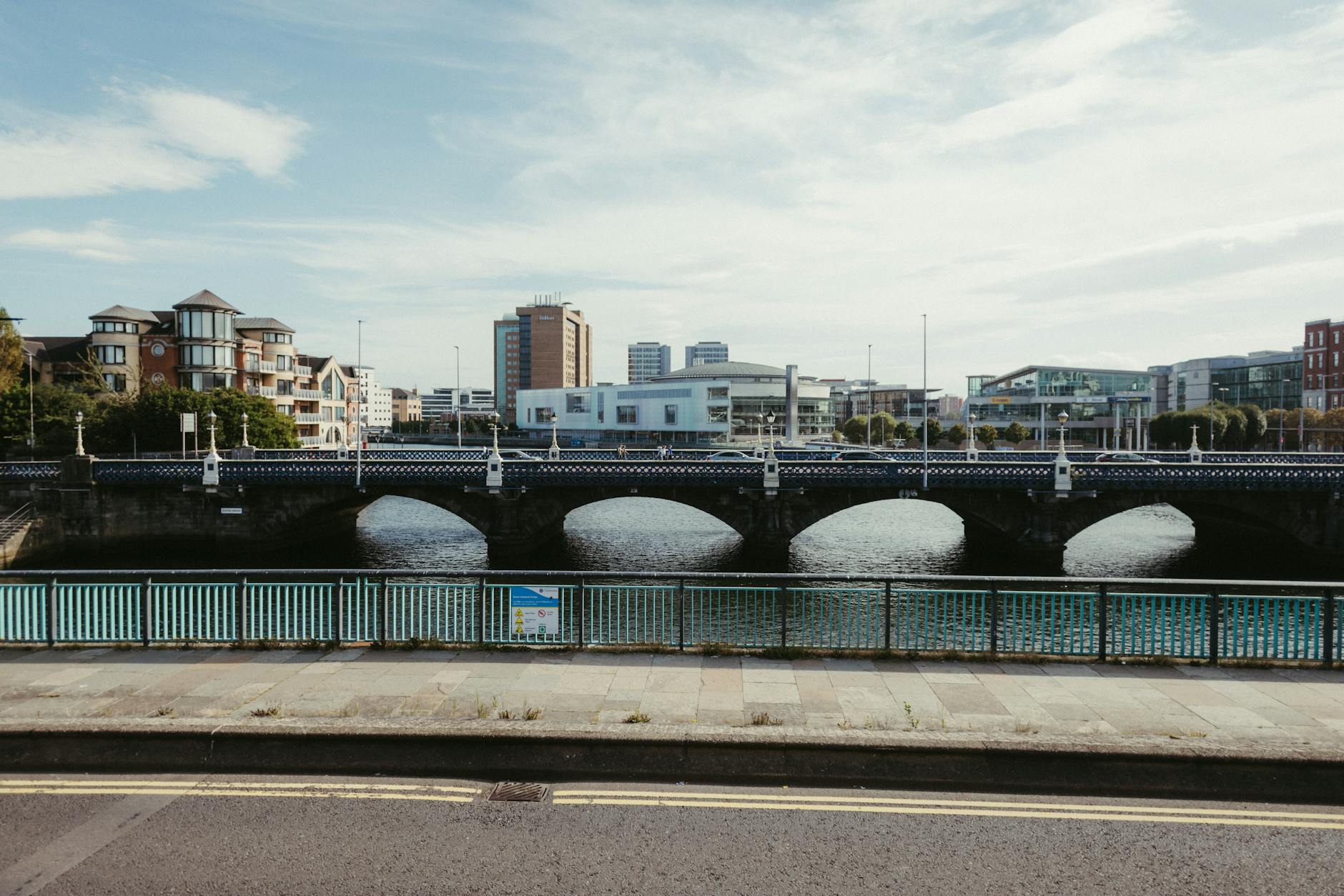
George Best Belfast City Airport can be very convenient for conference travelers, while Belfast International requires more transfer margin. Some attendees may arrive through Dublin or by rail and coach from elsewhere. The arrival plan should be matched to the first real obligation: registration, a panel, a dinner, a supervisor meeting, or the need to recover before presenting.
Same-day arrival before a presentation should be treated carefully. Flight delay, luggage delay, rain, and a confusing transfer can all affect the attendee's ability to perform. If the paper or panel matters, arrival should not be planned at the edge of failure.
- Match airport or rail choice to the first session or meeting.
- Add more buffer for Belfast International, Dublin arrivals, and same-day presentations.
- Carry critical presentation materials in hand luggage.
Protect academic materials and work blocks
The attendee should plan for slides, posters, handouts, notes, charging, adapters, backups, laptop security, file access, and a quiet place to revise. A conference trip can fall apart when the travel plan assumes work will happen somewhere, sometime, after arrival.
Belfast's compactness helps, but the schedule still needs protected work blocks. A hotel desk, library visit, quiet cafe, or institutional workspace should be identified before the attendee needs it. Public spaces are not ideal for confidential data, sensitive interviews, or unreleased research.
- Back up slides, posters, notes, and files before departure.
- Plan charging, adapters, laptop security, and quiet work time.
- Avoid using public spaces for sensitive academic material.
Handle networking and local context with care
Academic conferences often blur formal and informal obligations: panels, receptions, dinners, pub conversations, campus meetings, and early coffee. Belfast's hospitality can make networking feel easy, but attendees should still keep professional boundaries, alcohol judgment, and local context in mind.
If the conference touches politics, identity, history, community work, conflict, planning, health, education, or public policy, local context matters even more. Visitors should listen carefully and avoid treating Belfast as a shorthand example for a prepared argument.
- Plan receptions and dinners as professional obligations, not only social time.
- Use care around political, community, and identity-sensitive conversations.
- Keep networking useful without sacrificing the next morning's sessions.

Leave room for Belfast without overfilling the program
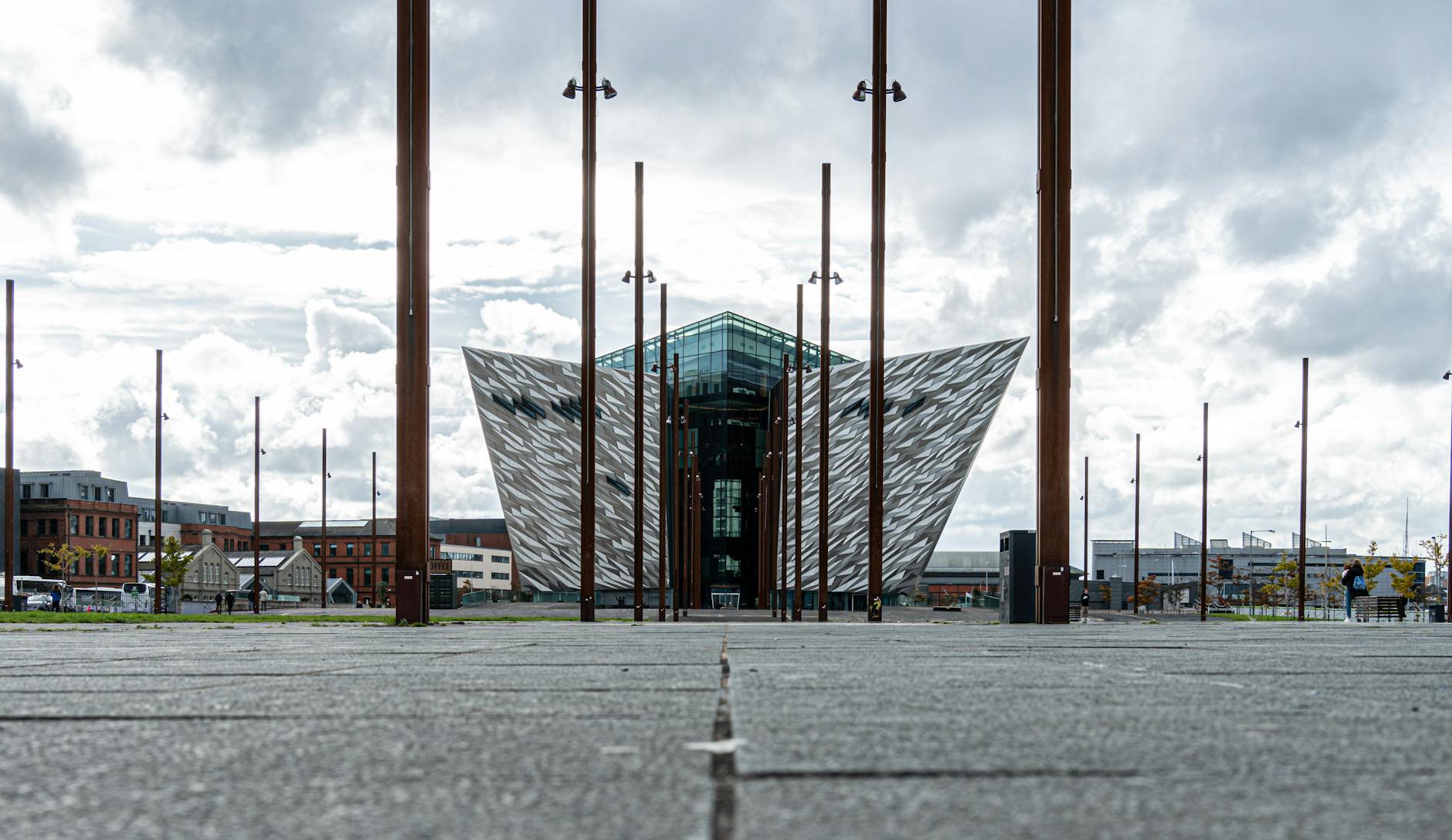
A conference attendee may want to see City Hall, Titanic Quarter, the riverfront, murals, the Cathedral Quarter, Queen's Quarter, museums, or a coastal extension. That can be worthwhile if the schedule allows it. It becomes counterproductive when sightseeing steals the recovery needed for presenting, listening, and meeting people well.
The best approach is to choose one or two Belfast experiences that fit the conference geography. A short walk, a museum block, or a planned dinner can be enough. The city should enrich the trip, not compete with the academic purpose.
- Choose compact Belfast experiences that fit the conference timetable.
- Protect sleep before presentations, panels, and important meetings.
- Do not let sightseeing crowd out the academic purpose of the trip.

When to order a short-term travel report
An academic conference attendee with a simple hotel booking and no presentation may not need a custom Belfast report. A report becomes useful when the attendee is presenting, carrying sensitive materials, arriving same day, managing multiple venues, coordinating meetings, extending the trip, traveling with mobility or medical constraints, or deciding whether a Belfast side plan fits.
The report should test venue geography, lodging, arrival route, work needs, session priorities, networking, local context, weather, budget, and what to cut. The value is a Belfast conference trip that protects the academic work instead of treating it as an accessory to travel.
- Order when venue geography, presentation timing, arrival risk, or work needs require testing.
- Provide dates, venue, program, presentation requirements, lodging options, transport plans, budget, and constraints.
- Use the report to keep scholarship and logistics aligned.