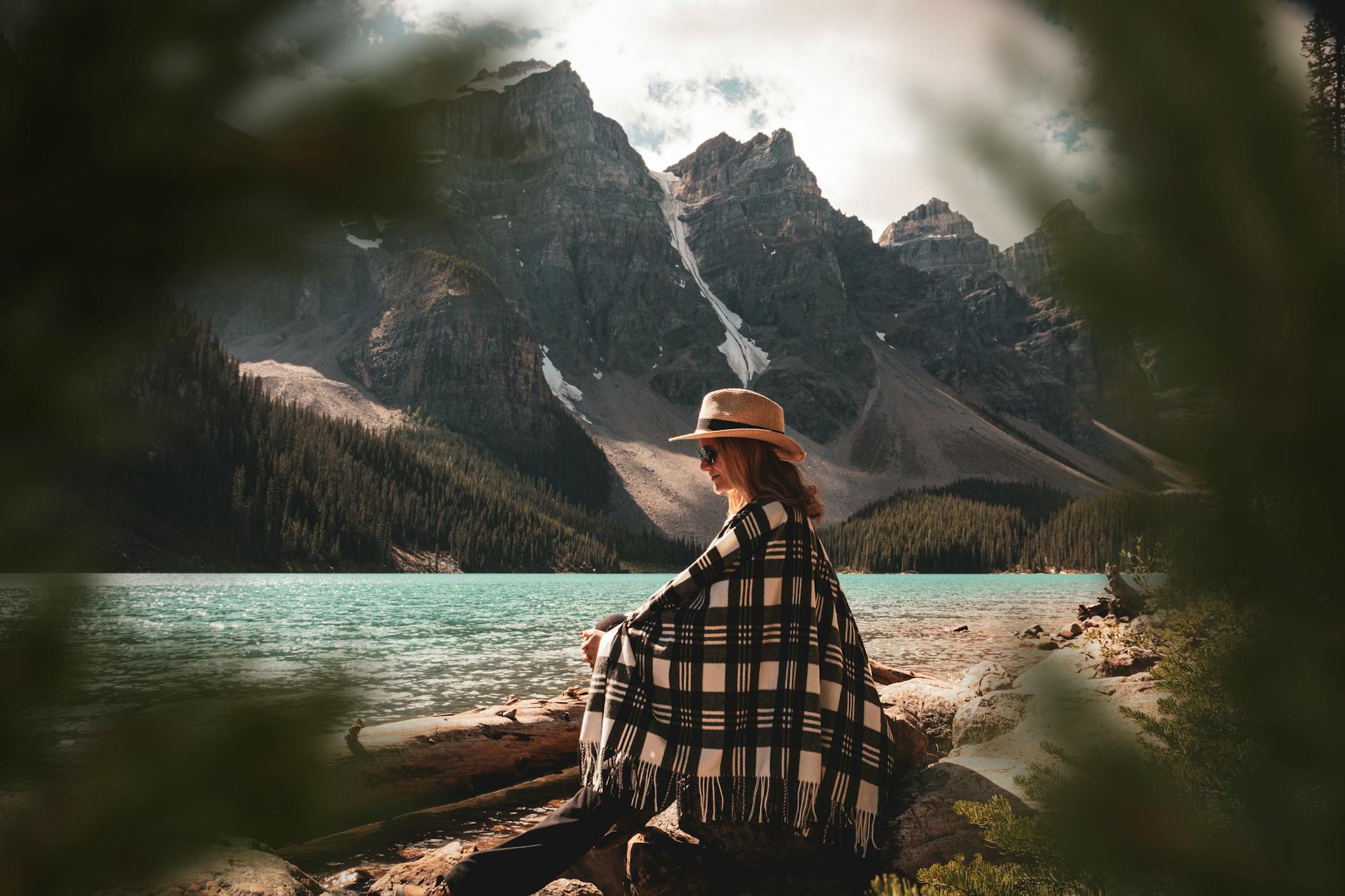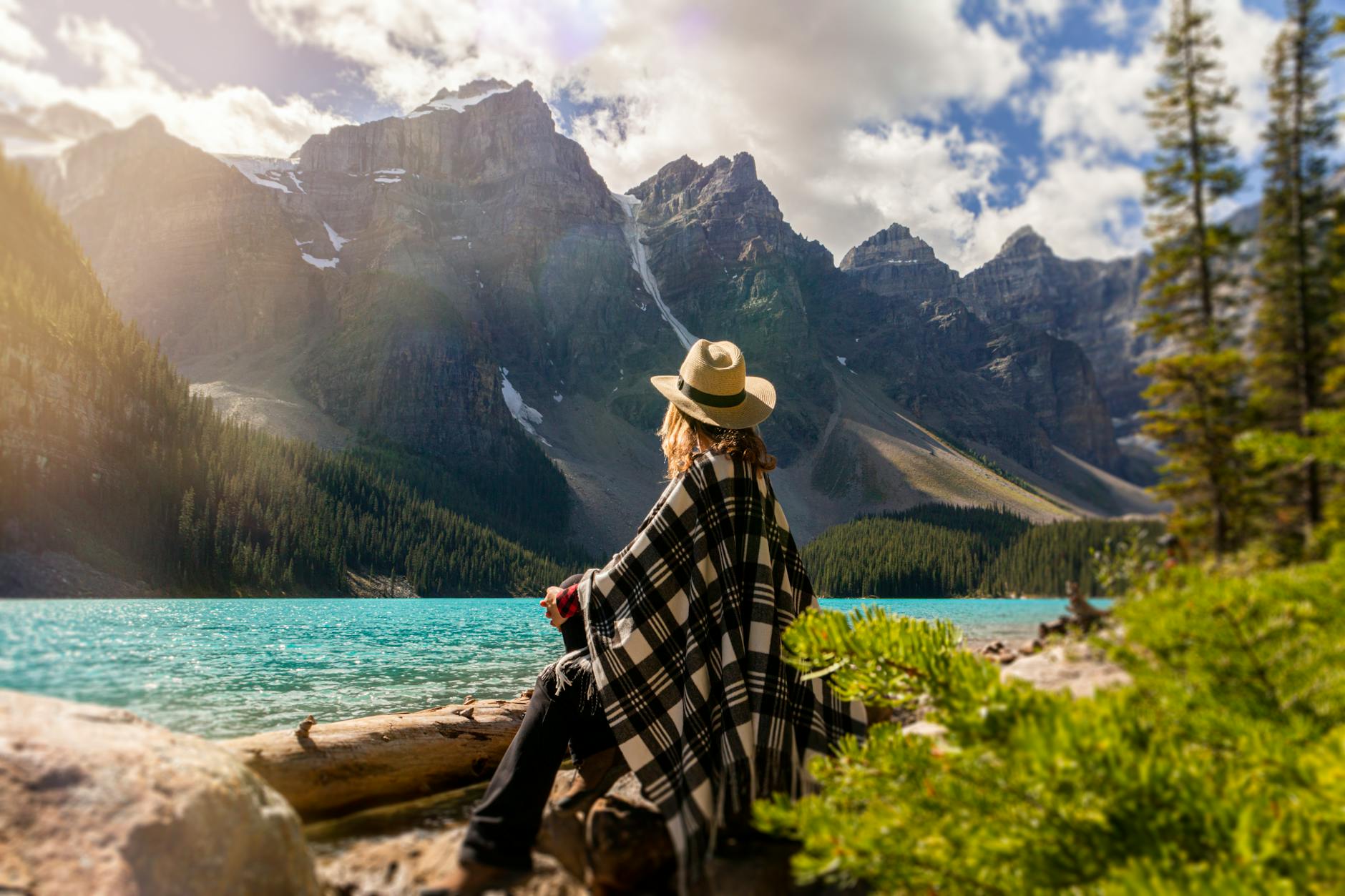
Banff can be a rewarding destination for women traveling alone, with friends, with a partner, or as part of a wider Canadian Rockies trip. The town is compact, visitor services are visible, and the scenery is immediate. That does not mean the planning can be casual. Mountain conditions, isolated trails, winter darkness, road transfers, and expensive lodging can change the practical shape of the trip. The useful plan is not built from fear. It is built from control. A woman traveler should know how she will arrive from Calgary, where she will stay, how she will move after dark, which trails or lake visits make sense, and how much backup she has if weather, fatigue, or discomfort changes the day.
Start with arrival and lodging confidence
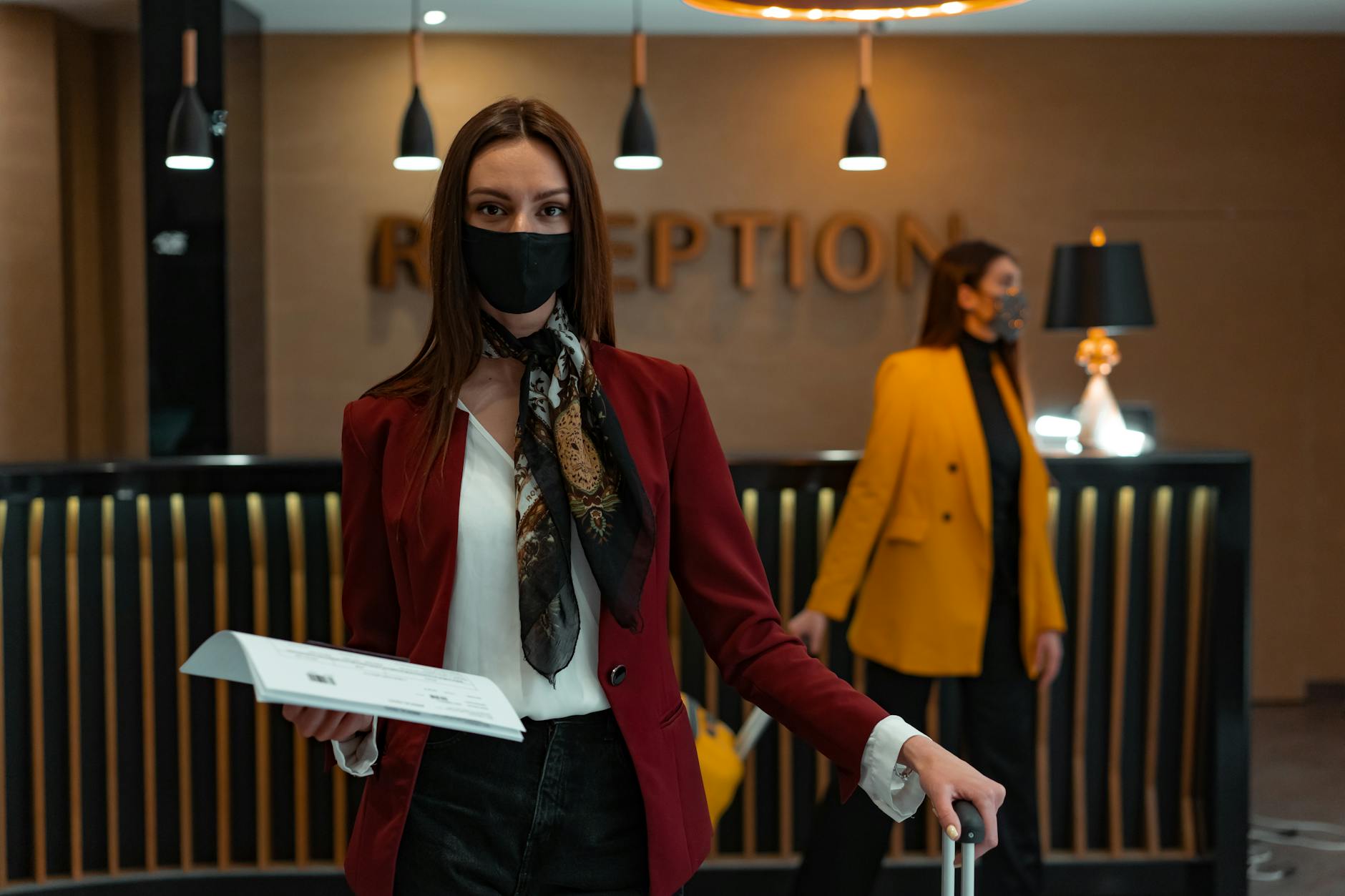
The first safety decision is often the Calgary-to-Banff transfer. A woman traveler should know whether she is using a shuttle, private transfer, rental car, tour, or Calgary overnight, and how that choice works if the flight is delayed or the arrival is after dark. Pickup points, phone battery, luggage, winter roads, and hotel check-in should be clear before the trip starts.
Lodging should support confident movement. A central hotel, well-reviewed hostel, or resort with reliable transportation can make meals, tour pickups, evening returns, and rest easier. A remote bargain may create unnecessary dependence on taxis, dark walks, or weather.
- Confirm Calgary transfer mode, pickup point, arrival time, luggage handling, and late-arrival backup.
- Choose lodging around evening comfort, food access, tour pickups, and transport reliability.
- Avoid a cheaper location if it weakens arrival confidence or daily movement.
Use Banff town deliberately
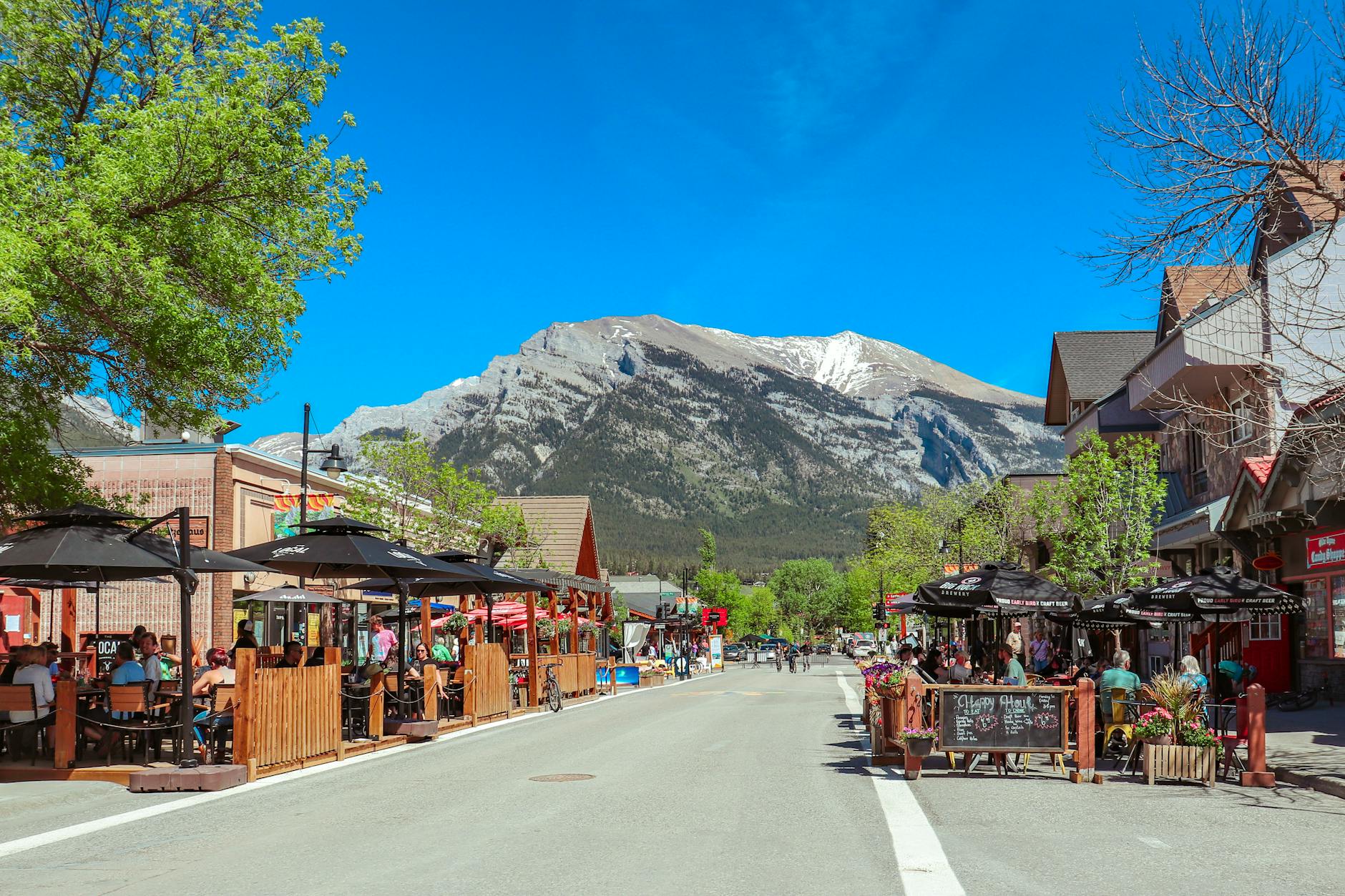
Banff town can give women useful structure: visible streets, cafes, restaurants, shops, hotels, pharmacies, bus stops, and tour offices. Staying close to that structure can make solo or small-group travel easier, especially when weather changes or an activity ends earlier than expected.
The town still deserves judgment. Winter footing, late meals, alcohol, unfamiliar shortcuts, quiet river paths, and dark returns should be handled deliberately. A slightly longer visible route can be better than a prettier isolated one.
- Keep key meals, pickups, pharmacy access, and evening returns close to a known route.
- Use visible streets and familiar paths after dark, especially in winter.
- Do not let the resort-town feeling replace normal personal-safety judgment.
Choose trails and lakes by conditions, not pressure
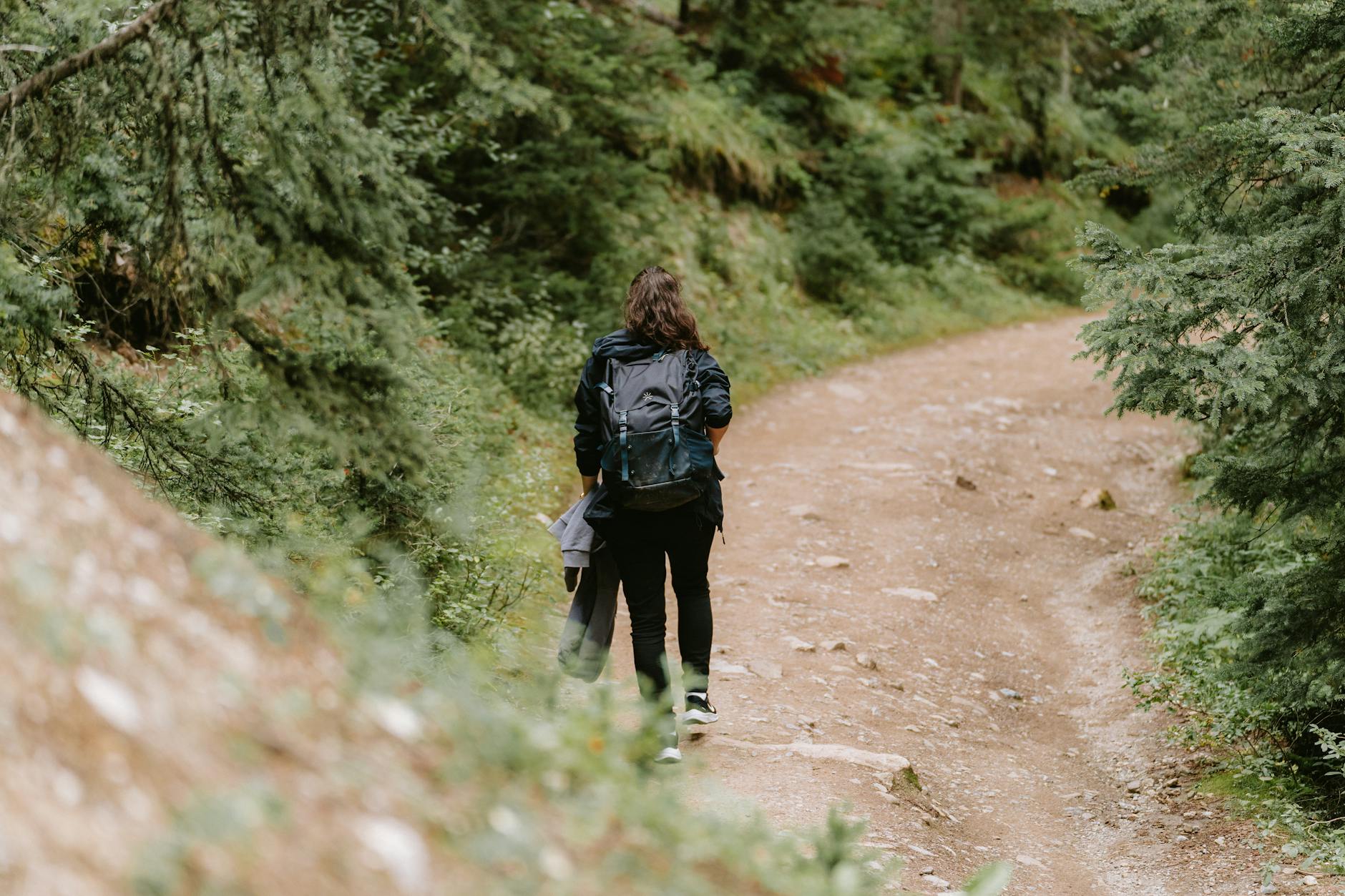
A woman traveler should choose hikes, lake viewpoints, gondola plans, snow routes, and scenic walks by season, daylight, weather, ability, equipment, and comfort level. A famous trail is not automatically the right trail. A popular route can still be a poor choice if it is icy, isolated, too late in the day, or beyond the traveler's experience.
Guided hikes, group tours, shuttles, and well-trafficked viewpoints can preserve independence while reducing exposure. Turning around is also a plan, not a failure.
- Match trails, lakes, and viewpoints to daylight, weather, footing, experience, and equipment.
- Use guides, shuttles, or group routes when they improve confidence and logistics.
- Share plans when appropriate and keep the option to turn around early.
Plan clothing, weather, and winter footing
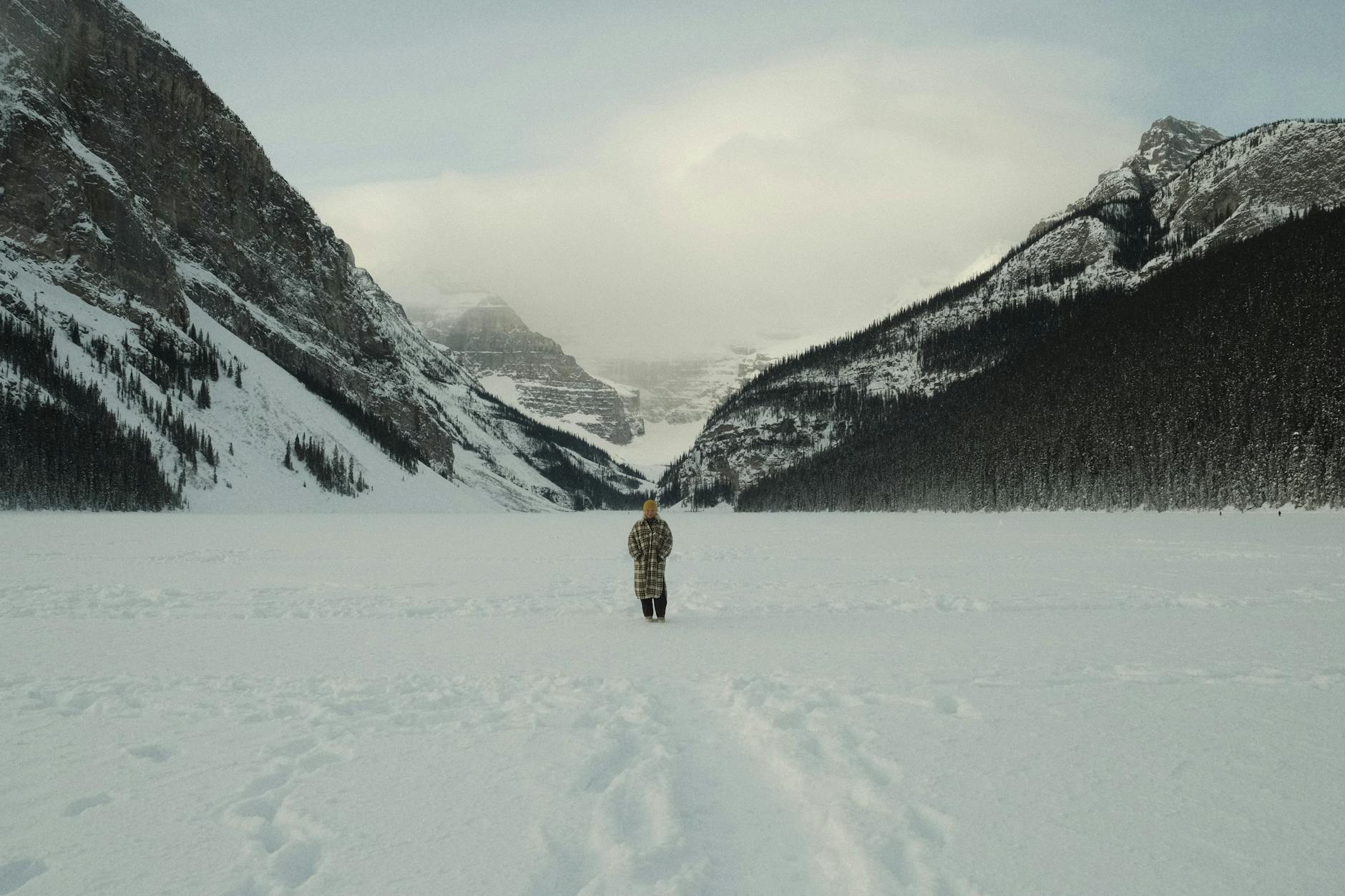
Banff can create real comfort and safety issues through cold, wind, ice, snow, sun, dry air, and fast-changing weather. Clothing should be chosen for the month and activities, not for a generic mountain look. Shoes, traction, layers, gloves, hats, and rain or snow protection matter.
A woman traveler should also plan how clothing affects movement: evening walks, restaurant comfort, trail readiness, hot springs, hotel lounges, and the transition from outdoor cold to indoor warmth. A short trip is easier when the traveler is not constantly underdressed, overdressed, or slipping.
- Pack footwear, layers, traction, gloves, sun protection, and rain or snow gear for the actual season.
- Plan clothing for trails, town meals, transfers, hotel spaces, and sudden weather changes.
- Treat winter footing as a real itinerary constraint, not a small inconvenience.
Make meals and social rhythm intentional
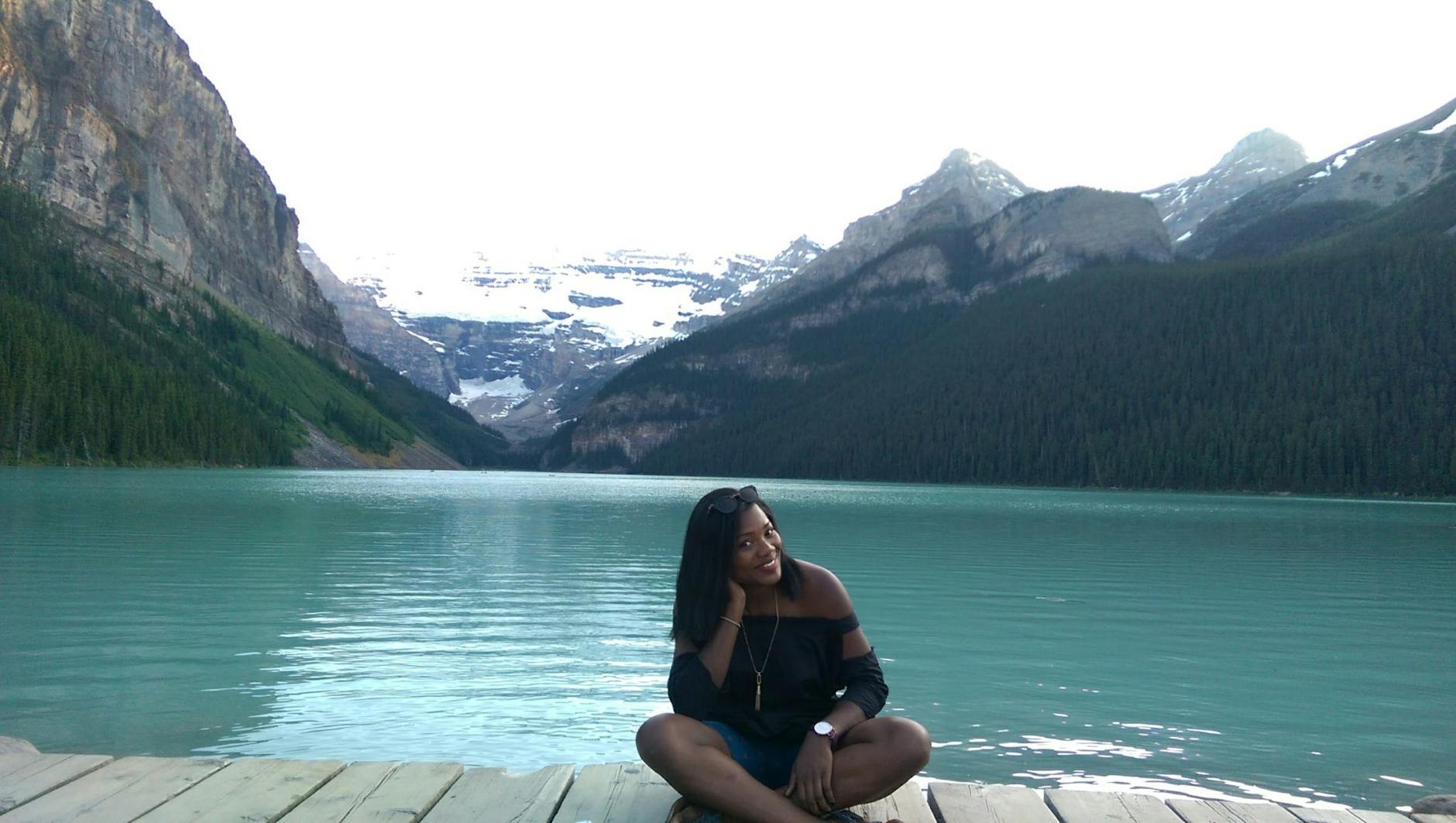
Banff can work well for solo meals, friend trips, and group travel, but meal timing should not be ignored. Peak periods can make restaurants busy, and a woman traveling alone may prefer bar seating, hotel dining, early reservations, casual cafes, or takeout depending on mood and comfort.
Social contact should also be chosen. Group tours, guided activities, hostel common spaces, cafes, and casual conversations can make the trip richer. Private time can be equally important. The itinerary should give the traveler room to choose rather than pushing her into every invitation or every quiet evening.
- Identify comfortable solo meals, group meals, cafes, hotel dining, and reservation needs.
- Use guided or group activities when shared structure improves the day.
- Protect private recovery time so the trip remains enjoyable and self-directed.
Keep communication and backup simple
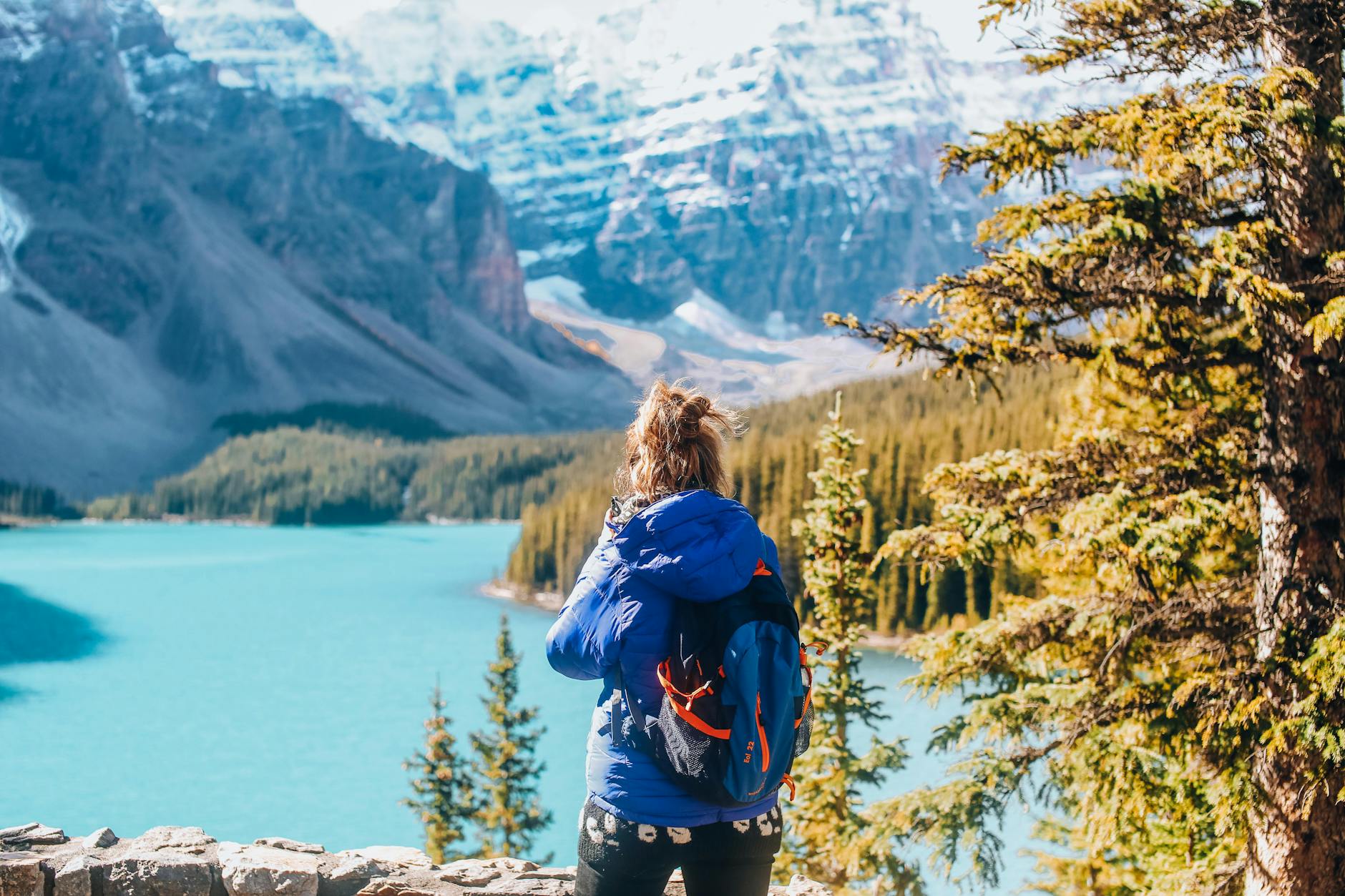
Phone battery, offline maps, emergency contacts, hotel details, transport schedules, weather alerts, and backup ride options matter more in a mountain destination. A woman traveler should know what happens if a shuttle is missed, a trail feels wrong, a phone dies, weather turns, or a meal plan falls apart.
Budget is part of backup. Money for a taxi, private transfer, warmer gear, changed activity, or better lodging can prevent a small problem from becoming the center of the trip.
- Carry battery support, offline maps, hotel details, emergency contacts, and transport backups.
- Know what to do if weather, discomfort, missed transport, or fatigue changes the plan.
- Keep budget available for safer transport, better timing, or necessary gear.
When to order a short-term travel report
A woman traveler with central lodging, flexible dates, and simple town plans may not need a custom Banff report. A report becomes useful when the trip includes solo travel, winter conditions, hiking, late arrival, uncertain transfers, Lake Louise or Moraine Lake goals, budget pressure, medical needs, or a desire to balance independence with safety.
The report should test arrival confidence, lodging location, evening movement, trail choices, weather, clothing, phone backup, meals, transport, budget, medical fallback, and what to cut. The value is a Banff trip that feels free without becoming fragile.
- Order when solo movement, transfers, winter, trails, budget, or safety choices need testing.
- Provide dates, arrival mode, lodging options, activity goals, comfort level, budget, and constraints.
- Use the report to protect independence while keeping the mountain trip practical.