Banff can attract volunteers and NGO travelers because the landscape makes conservation, education, outdoor programming, community work, and event support feel meaningful before the work has even started. That appeal is useful, but it can also blur the practical questions. A short volunteer trip still needs a clear assignment, local supervision, housing that supports the work, realistic transport, and respect for the people or places the traveler is trying to help. A volunteer or NGO traveler should treat Banff as a mountain destination with limited margins. The goal is not simply to arrive with goodwill. The goal is to understand what is needed, what is allowed, what is seasonal, and how to avoid turning a helpful trip into extra coordination work for the host organization.
Start with the assignment, not the scenery
A short volunteer or NGO trip to Banff may involve conservation support, outdoor education, event staffing, research assistance, visitor services, community programming, fundraising, or organizational meetings. Each version has different limits. Some travelers will be useful in the field; others will mainly help with logistics, communications, or donor-facing work.
The traveler should know what work is actually being requested, who supervises it, what skills are needed, and what success looks like by the end of the visit. Banff's setting can make the trip feel purposeful, but the assignment should be specific enough that the host does not have to invent useful work after arrival.
- Confirm the assignment, supervisor, schedule, skills needed, and expected output before booking.
- Separate conservation, community, event, donor, research, and administrative work because each requires different planning.
- Do not assume enthusiasm is a substitute for a defined role.
Protect arrival and orientation
Most travelers reach Banff through Calgary, and that transfer can shape the first working day. Flight delay, baggage, shuttle timing, rental cars, winter roads, and food availability can all affect whether the traveler arrives ready for orientation. A volunteer who reaches Banff exhausted or late may immediately consume staff attention.
The arrival plan should identify the airport meeting point, transfer method, late-arrival procedure, check-in time, first briefing, emergency contacts, and what the traveler should carry. If the work starts early, a buffer night may be more responsible than a heroic same-day transfer.
- Map Calgary arrival, transfer, luggage, food, check-in, orientation, and late-arrival instructions.
- Keep identification, medications, weather layers, organization contacts, and required documents in hand luggage.
- Use a buffer when delay would disrupt orientation or the host team's first working day.
Choose housing that supports the work
Volunteer housing in Banff should be judged by more than the nightly rate. The traveler may need early starts, laundry, quiet sleep, gear storage, kitchen access, a desk, reliable internet, and a route to the work site that does not depend on fragile assumptions. A scenic but isolated base can become inefficient if every task requires extra coordination.
The traveler should know whether housing is supplied, shared, subsidized, self-funded, or tied to the host organization. They should also understand cancellation rules and peak-season demand, because Banff lodging can become expensive quickly.
- Check work-site access, shared-room rules, kitchen access, laundry, storage, Wi-Fi, quiet hours, and winter footing.
- Clarify whether the organization provides housing or expects the traveler to arrange and fund it.
- Avoid lodging that creates repeated transport or supervision burdens for the host.
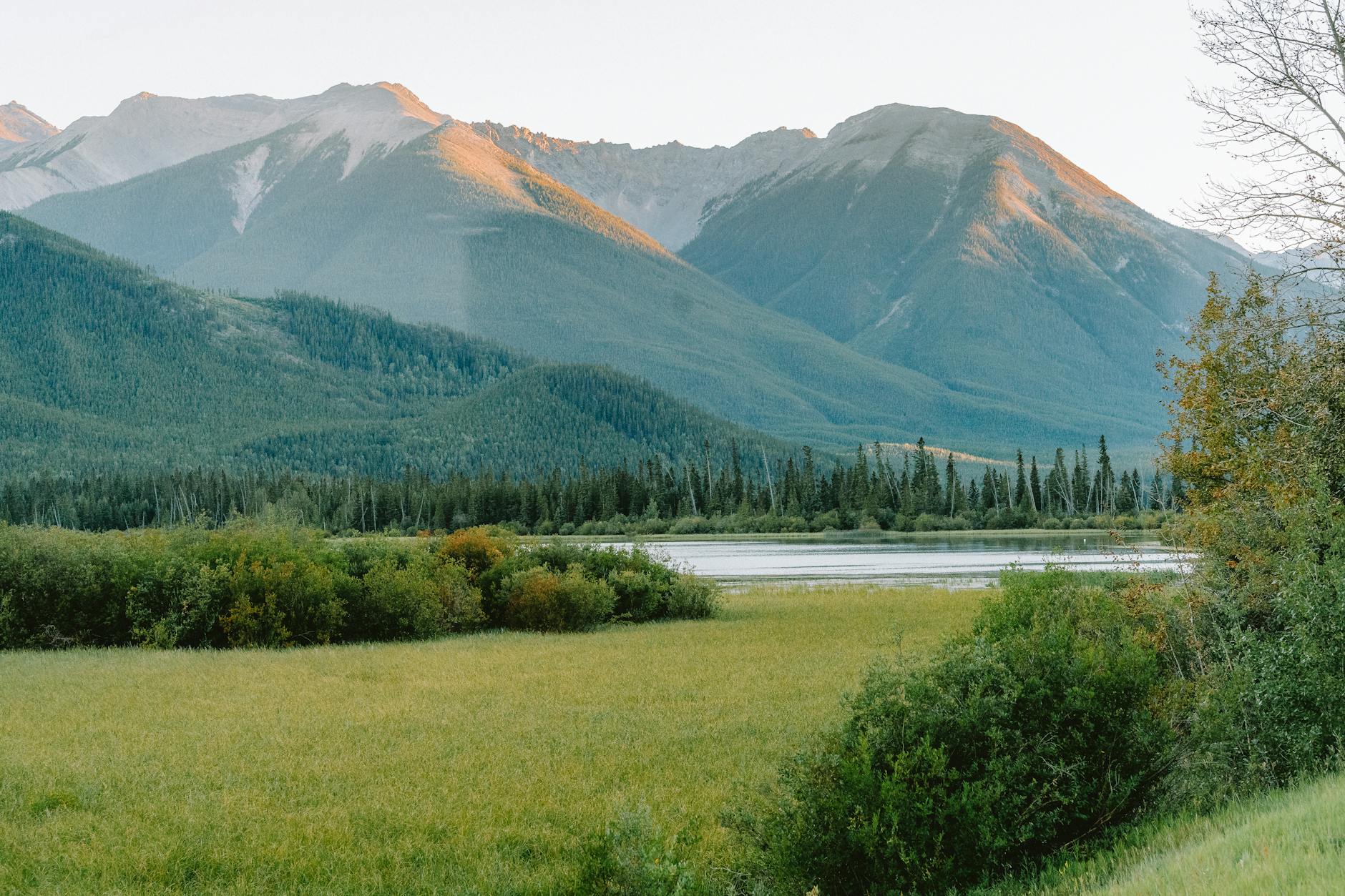
Respect permissions and community boundaries
Good intentions do not remove the need for permission. A Banff volunteer or NGO traveler may be working around protected landscapes, local businesses, visitors, Indigenous context, youth groups, wildlife areas, donors, or sensitive community issues. Photography, interviews, public posting, data collection, and informal advocacy may all require limits.
The traveler should ask what can be photographed, who may be quoted, which locations are appropriate, what uniforms or badges are required, and how the organization wants the work described. Respecting boundaries is part of being useful.
- Confirm rules for photography, interviews, social posting, data collection, branding, and public comments.
- Understand protected-area, wildlife, youth, donor, and community sensitivity before acting independently.
- Let the host organization set the boundaries for how the work is represented.
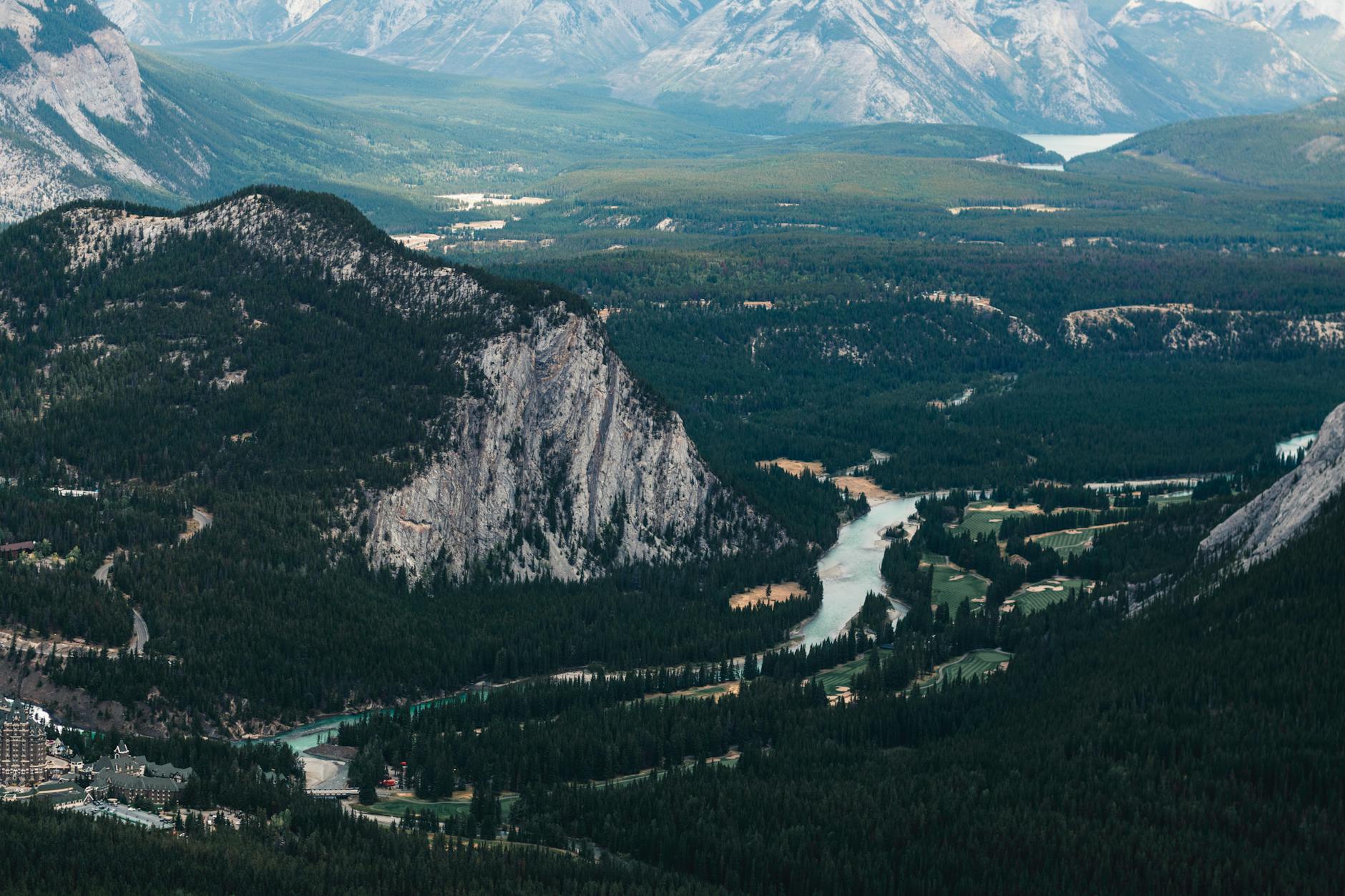
Plan fieldwork and outdoor limits
Some Banff assignments may involve trails, visitor movement, outdoor events, lakes, field observations, or conservation work. Weather, smoke, ice, snow, altitude, daylight, wildlife rules, and current access restrictions can change what is reasonable. A traveler who is fit in a city may still be underprepared for mountain conditions.
The traveler should understand activity difficulty, required gear, supervision, communications, turnaround rules, and what happens if weather changes. Lake Louise, Moraine Lake, and other popular areas may have current access rules that should be checked close to travel rather than assumed from old advice.
- Check weather, smoke, daylight, road conditions, wildlife rules, required gear, and activity difficulty.
- Verify current access rules for popular areas instead of relying on old route or parking assumptions.
- Know who can cancel or modify fieldwork if conditions become unsafe.
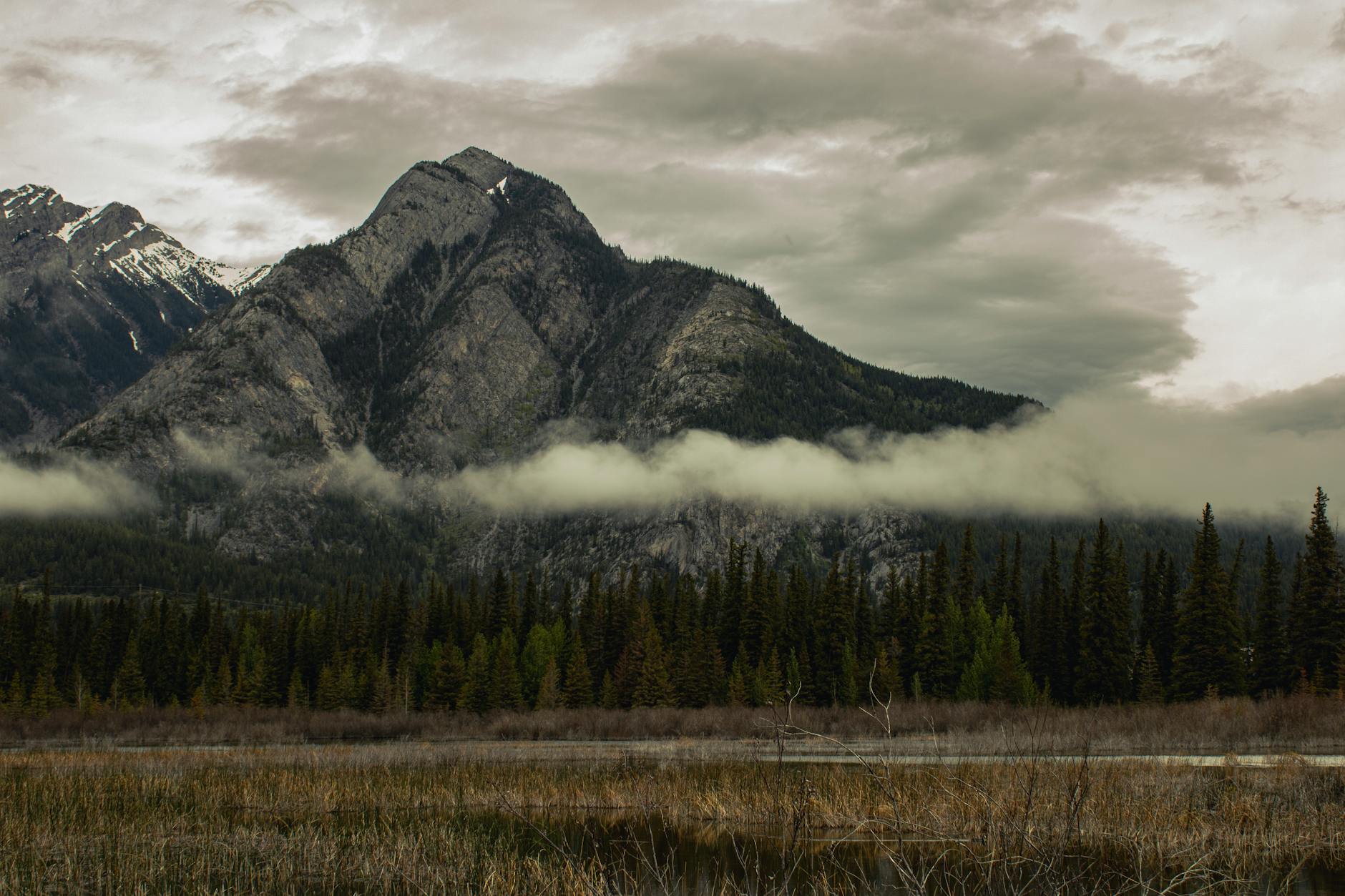
Budget for gear, meals, and recovery
Volunteer travel can still be expensive in Banff. The traveler may need layers, traction, rain protection, sturdy footwear, gloves, snacks, transit, groceries, laundry, incidentals, and recovery meals. If the assignment is unpaid, these costs should be understood before the traveler commits.
Recovery also matters. A traveler who fills every evening with sightseeing may perform poorly the next morning. Short trips should protect sleep, food, hydration, and quiet time so that the assignment receives the energy it deserves.
- Separate covered costs from personal lodging, meals, gear, laundry, transit, and emergency purchases.
- Bring practical layers and footwear rather than relying on expensive last-minute purchases.
- Protect rest time so the volunteer work does not become secondary to sightseeing.
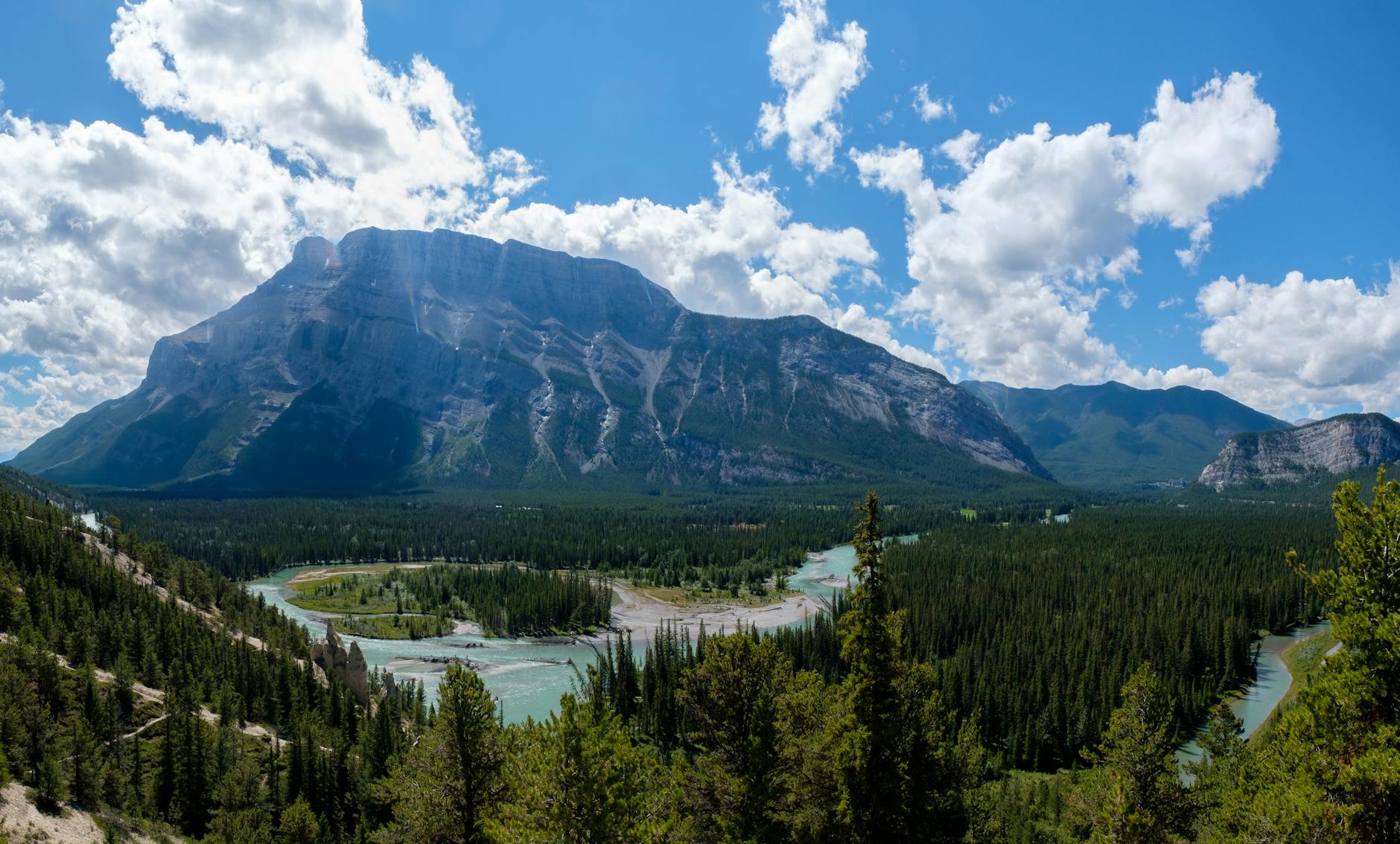
When to order a short-term travel report
A volunteer or NGO traveler with a fully organized placement, confirmed housing, provided transfers, and clear supervision may not need a custom Banff report. A report becomes useful when the traveler must assess independent arrival, expensive lodging, fieldwork, winter conditions, outdoor activity limits, medical needs, confidentiality, photography rules, or whether the trip can genuinely help the host.
The report should test arrival, housing, assignment purpose, supervision, permissions, gear, weather, fieldwork, food, budget, recovery, emergency contacts, and what to avoid. The value is a Banff volunteer trip that is useful, respectful, and realistic.
- Order when arrival, housing, permissions, fieldwork, weather, gear, budget, or host burden needs review.
- Provide dates, assignment, host organization, housing plan, transfer details, health constraints, gear needs, and budget.
- Use the report to protect the work from preventable travel friction.