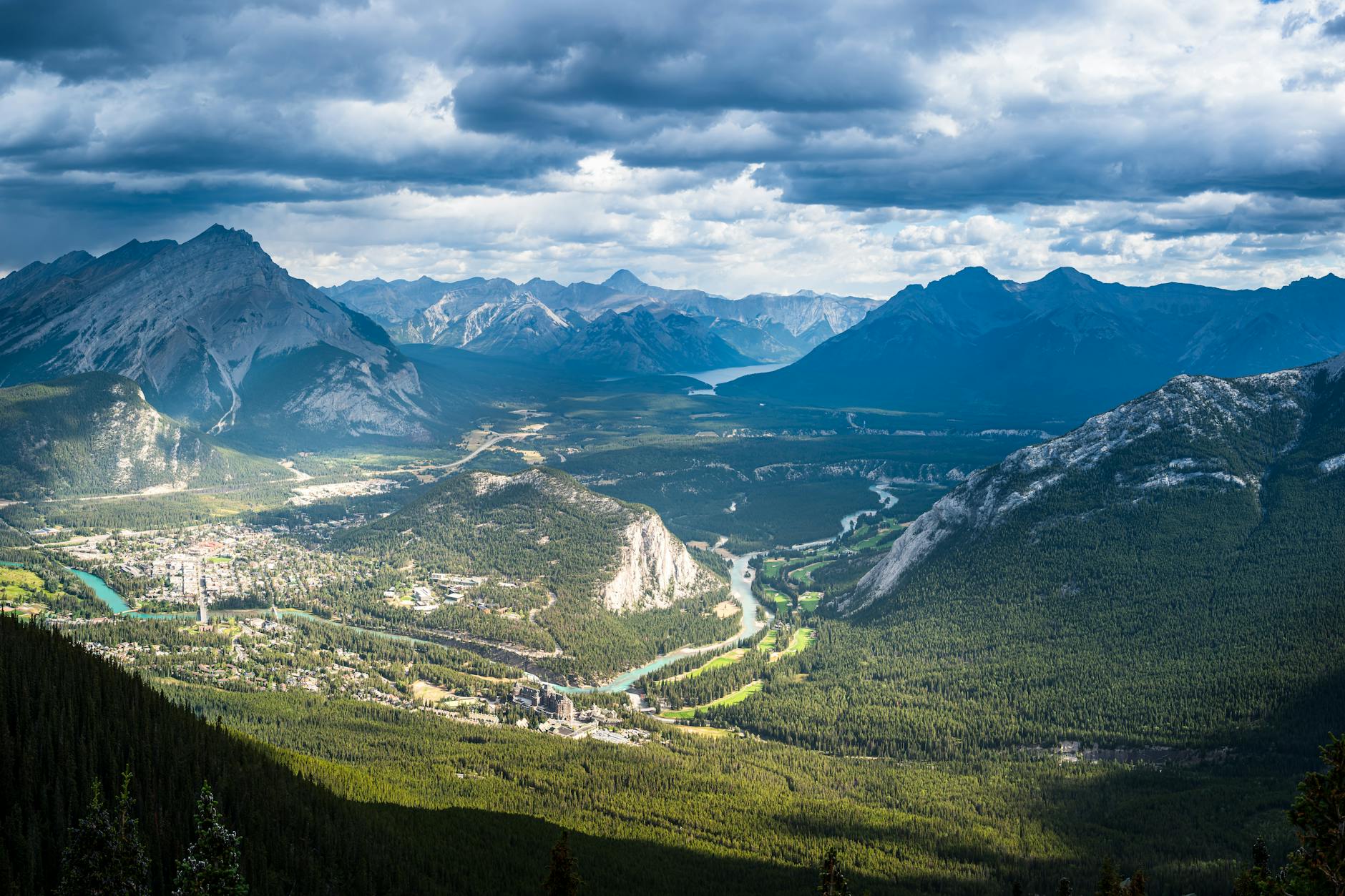
Banff can be rewarding for travelers with mobility limitations, but it should not be treated as a frictionless scenic town. The destination involves a Calgary-to-mountain transfer, changing weather, hills, snow or ice in some seasons, crowded sidewalks, shuttle decisions, lake access rules, uneven paths, hotel layouts, and attractions where the view may be easier than the route. A good Banff plan starts with the traveler's actual mobility pattern: walking distance, standing tolerance, stair exposure, wheelchair or scooter use, cane or walker needs, pain or fatigue limits, transfer tolerance, and weather sensitivity. Once those constraints are explicit, Banff can be shaped into a realistic short stay instead of a sequence of tiring compromises.
Start with the access chain
The mobility plan starts before Banff town. Calgary arrival, baggage handling, shuttle boarding, rental-car pickup, private transfer access, bathroom stops, winter road timing, and hotel check-in can all affect the first day. A transfer that looks simple on a map may still require standing, lifting, waiting, and sitting longer than expected.
The traveler should decide whether a direct shuttle, private transfer, rental car, Calgary overnight, or extra arrival buffer best protects comfort. The first activity should be light enough that the transfer does not consume the whole day's capacity.
- Map Calgary arrival, baggage, transfer boarding, bathroom stops, road timing, and hotel check-in.
- Choose shuttle, rental car, private transfer, or Calgary buffer by mobility needs, not just price.
- Keep the arrival day light when the transfer itself may be demanding.
Choose lodging by usable access
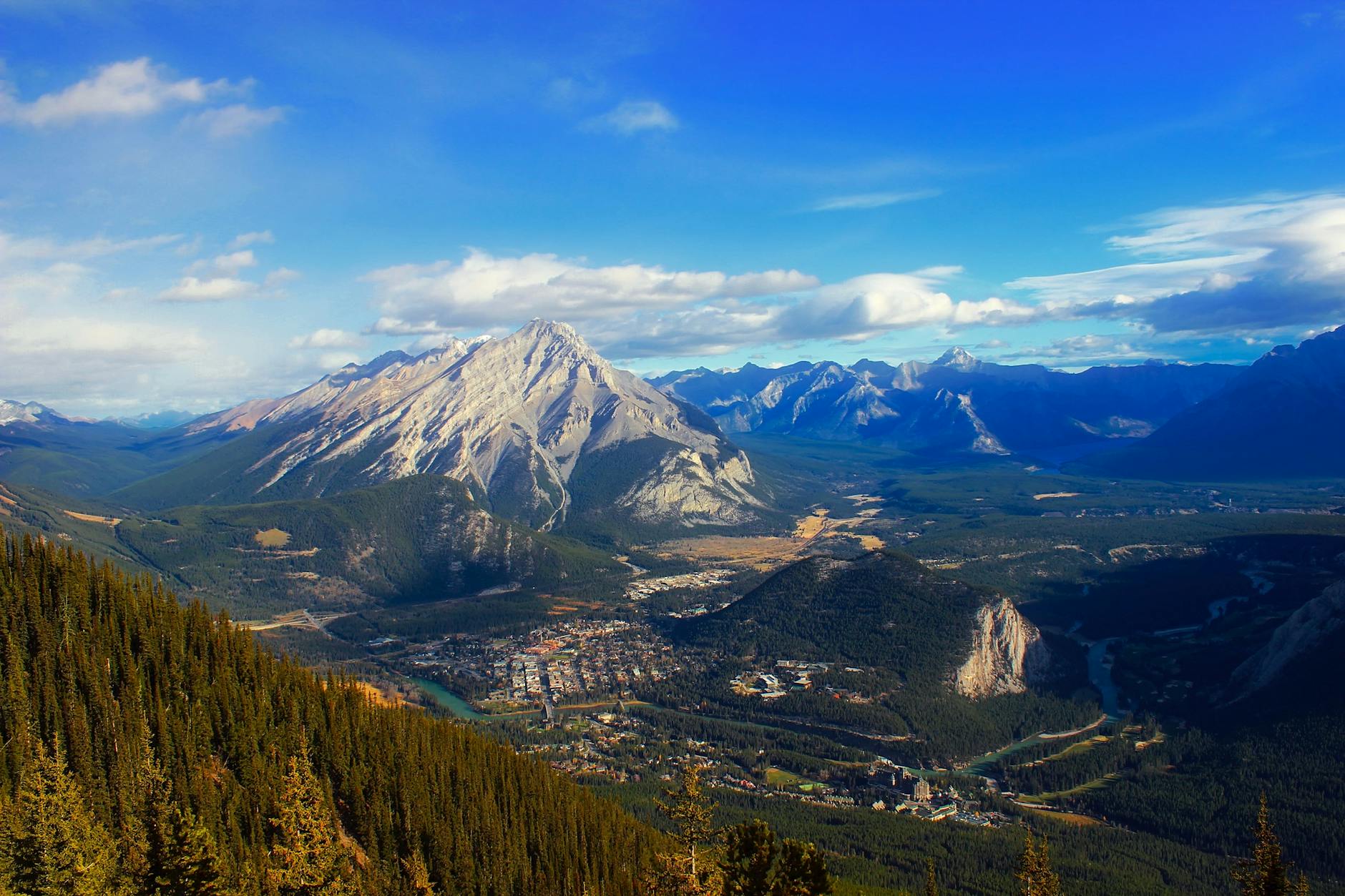
A scenic Banff hotel is only a good fit if the guest can use it comfortably. Travelers should check step-free entry, elevator access, room distance from reception, bathroom layout, shower setup, bed height, parking, shuttle pickup, restaurant access, luggage assistance, and whether winter paths are maintained.
Location also matters. A central hotel can reduce repeated transfers, but a quieter property may offer better rest. The right choice depends on the traveler's daily route, not only the room photograph.
- Confirm step-free access, elevators, bathroom setup, parking, luggage help, and maintained paths.
- Choose central lodging when reducing daily movement matters most.
- Use quieter lodging only when transport and food access remain practical.
Plan town movement before arrival
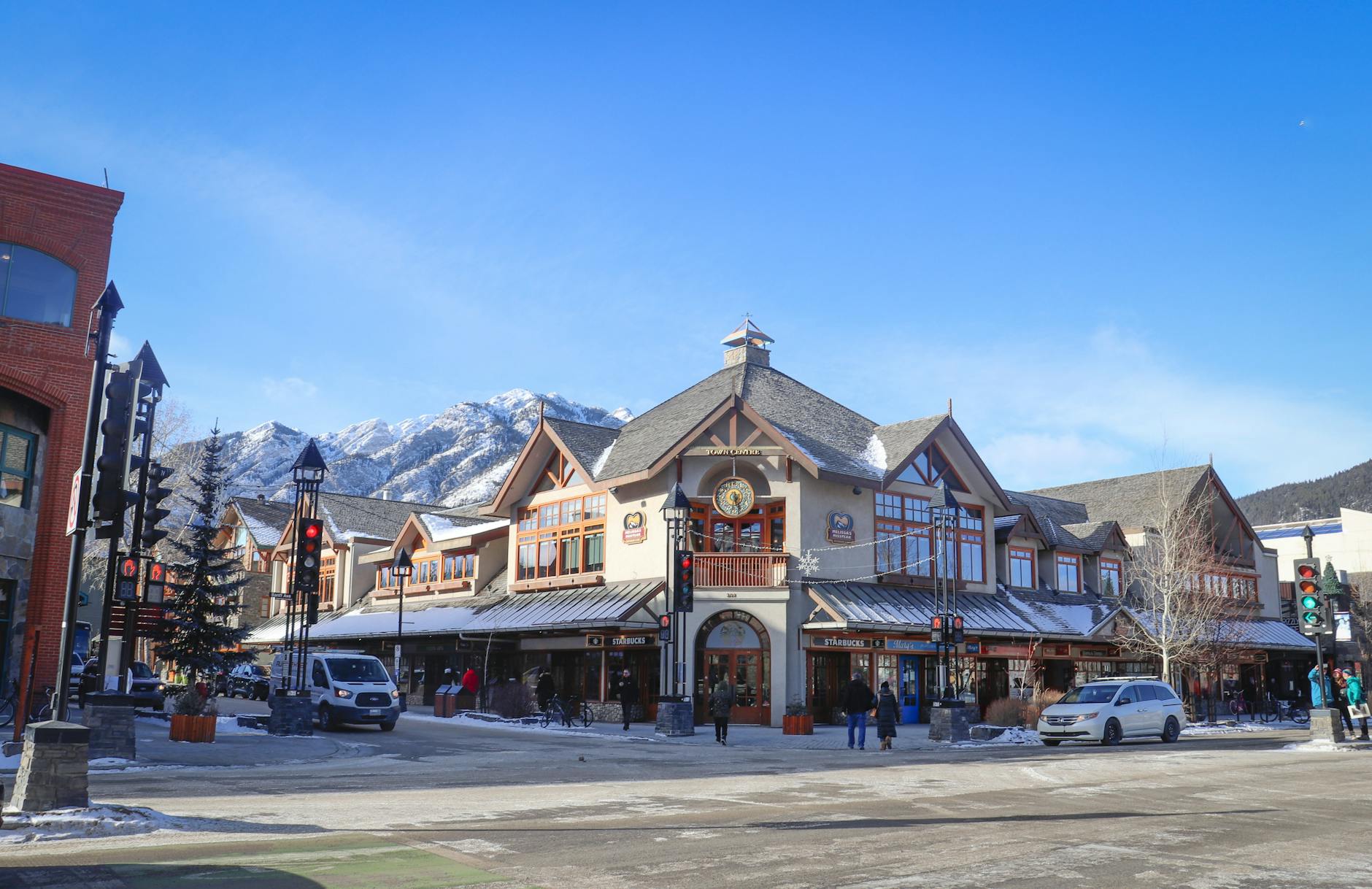
Banff town can be manageable, but it is not automatically easy for every mobility pattern. Sidewalk grade, curb cuts, crowds, snowbanks, icy patches, road crossings, shuttle stops, restaurant entrances, and distance between useful services can all matter. A traveler should know how far the hotel is from meals, pharmacies, pickup points, and low-effort activities.
The plan should include short loops, taxi or shuttle fallbacks, and places to sit. A town walk is more enjoyable when the traveler knows where to stop before fatigue makes the decision.
- Check walking distance to meals, services, shuttle stops, tour pickups, and easy viewpoints.
- Build short town loops with seats, warm stops, bathrooms, and ride fallbacks.
- Do not assume a compact mountain town removes grade, crowd, or footing issues.
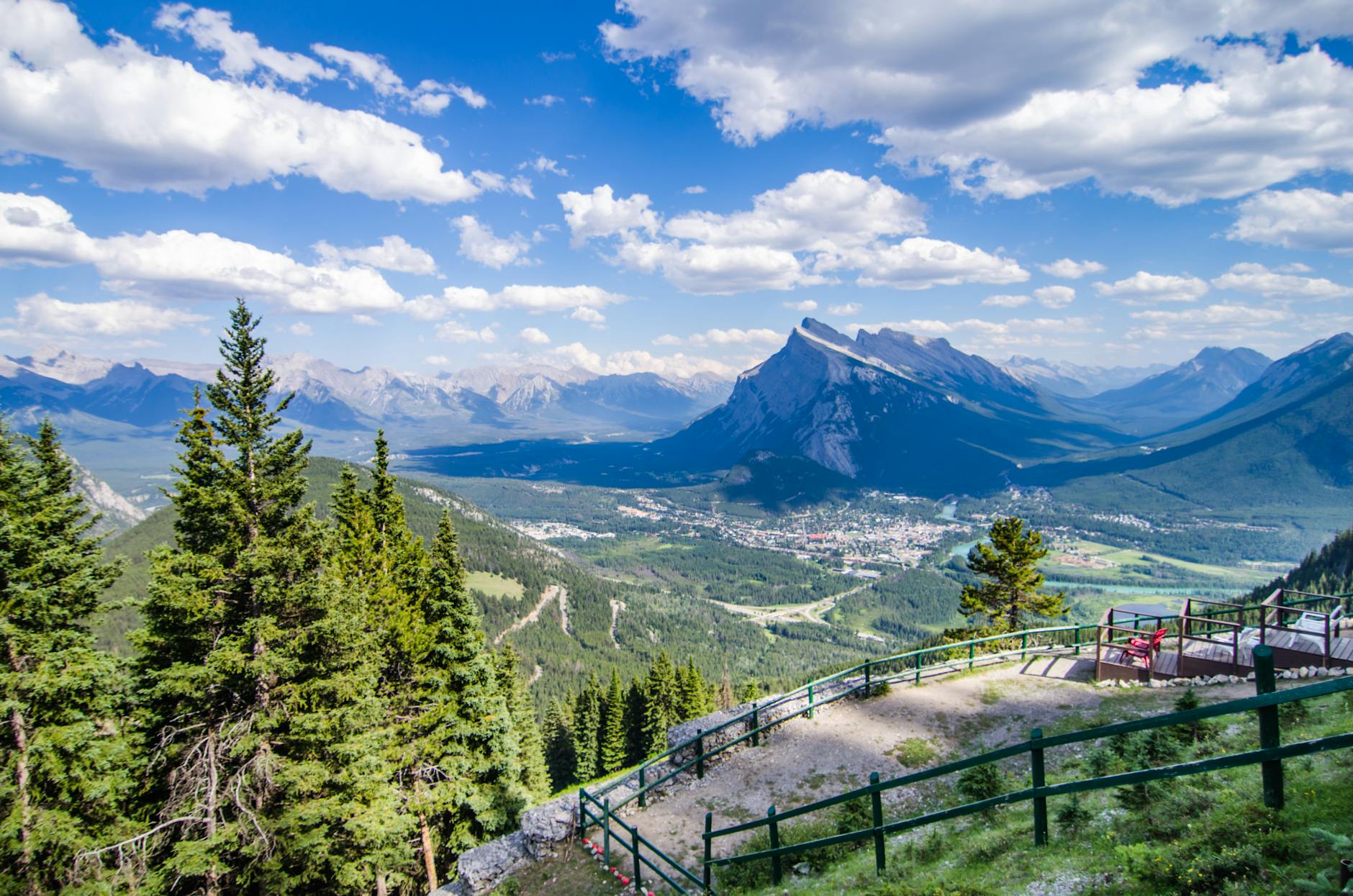
Treat lakes and viewpoints as access decisions
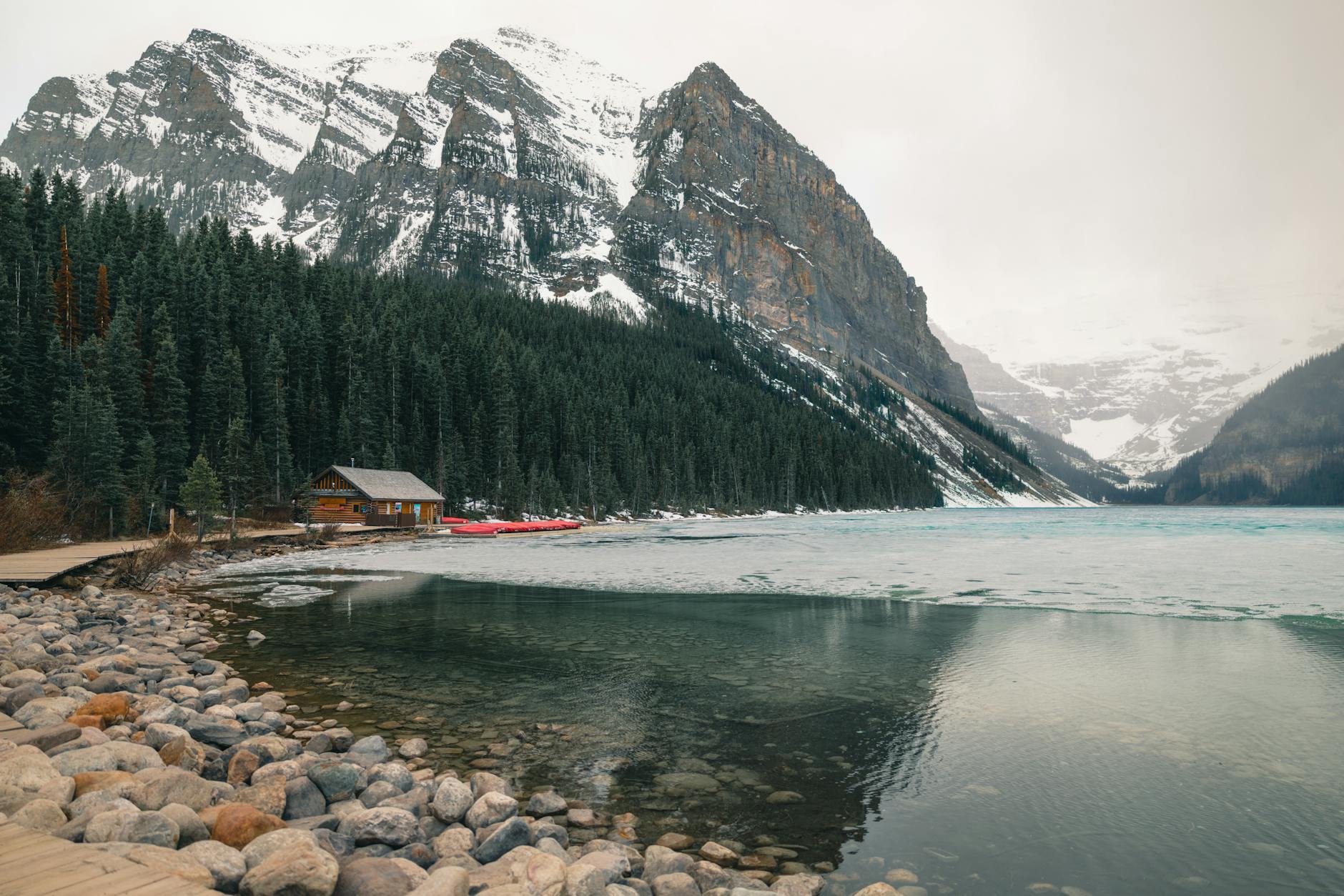
Lake Louise, Moraine Lake, overlooks, gondola viewpoints, scenic drives, and lakeshore paths vary widely in how accessible they feel. Parking, shuttle boarding, path surface, slope, crowding, bathroom access, benches, weather exposure, and distance from drop-off to viewpoint should all be checked before committing.
The traveler should prioritize the views that can be enjoyed without pushing past known limits. A shorter, well-supported scenic stop is usually better than an iconic stop that requires too much standing, walking, waiting, or weather exposure.
- Check parking, shuttles, slopes, surfaces, bathrooms, benches, crowding, and distance to the view.
- Choose fewer scenic anchors that fit the traveler's actual capacity.
- Use guides, tours, or private transport when they reduce access uncertainty.
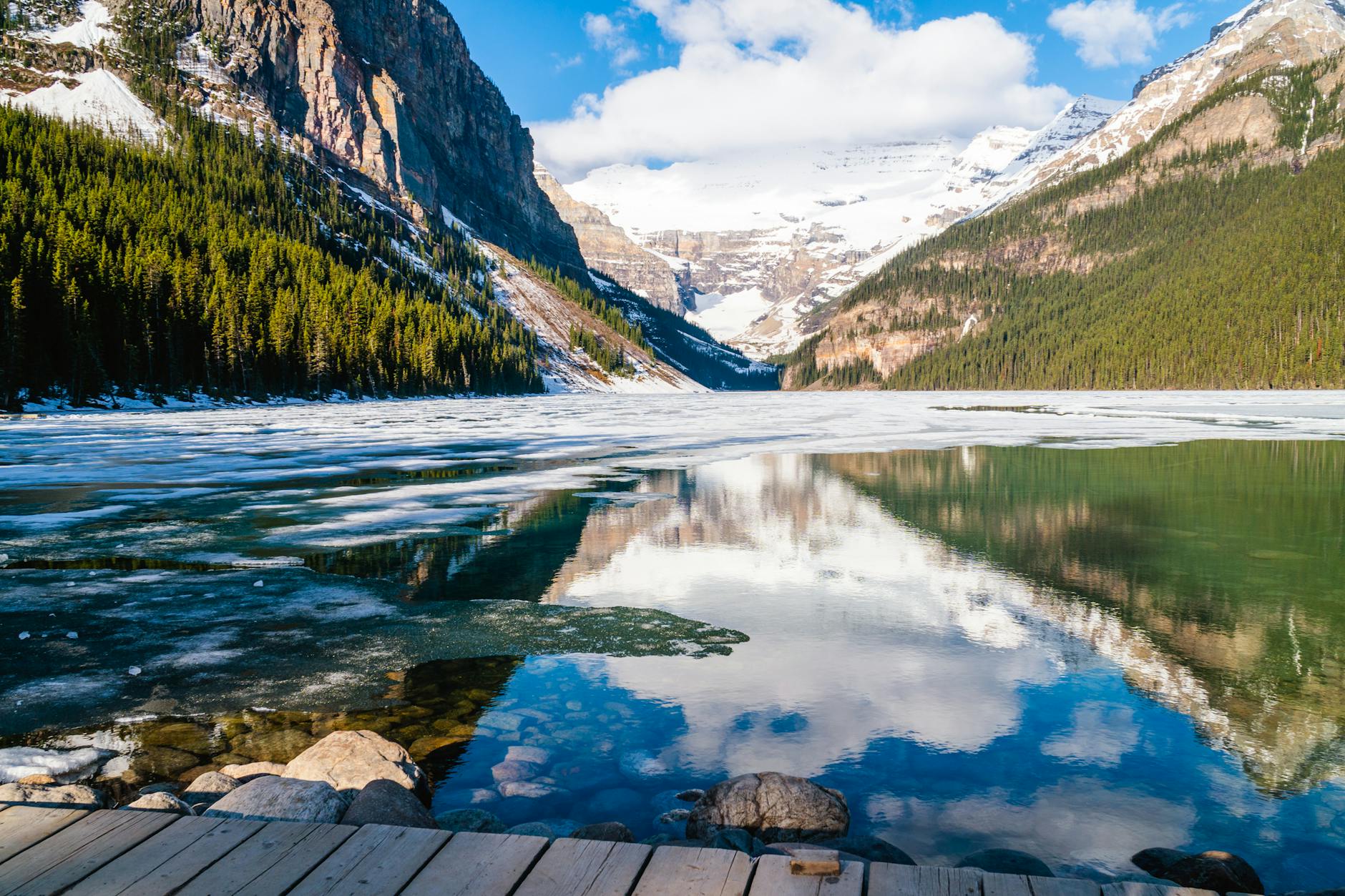
Make weather and footing central
Weather is a mobility issue in Banff. Snow, ice, slush, rain, cold, wind, bright sun, smoke, and short winter daylight can change what is safe or comfortable. A route that is manageable in dry summer conditions may be poor in winter or after a storm.
The traveler should plan footwear, traction, layers, gloves, poles or mobility aids, indoor alternates, and flexible day order. The itinerary should change when footing changes instead of treating the original route as a promise.
- Plan for ice, snow, slush, rain, cold, wind, sun, smoke, and short daylight by season.
- Use traction, layers, mobility aids, indoor alternates, and shorter routes as needed.
- Adjust the itinerary when footing or visibility changes the risk profile.
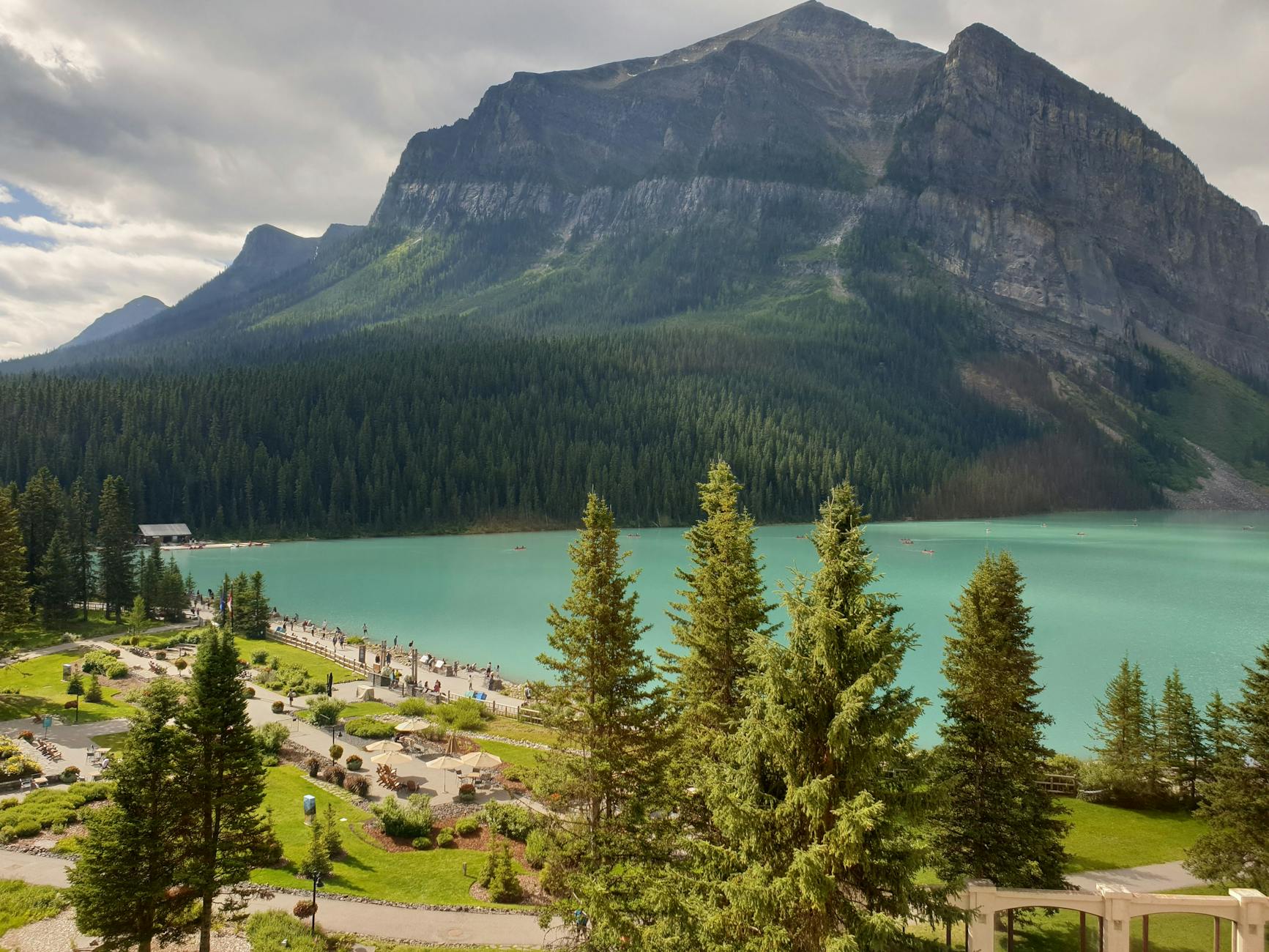
Build rest and companion support into the day
A mobility-aware Banff day should include recovery, not just routes. Meals, hotel breaks, warm stops, bathroom access, medication timing, pain management, companion responsibilities, and a clear stop rule can make the difference between a satisfying trip and a forced march.
Companions should understand the plan before the day begins. They should know what gets cut first, when to call a ride, where essential items are, and how to avoid pressuring the traveler into one more viewpoint when the day has already reached its limit.
- Schedule meals, warm stops, bathroom access, hotel breaks, and recovery after exposed activities.
- Define companion roles, stop rules, and what gets cut first.
- Avoid designing days that depend on the traveler exceeding known limits.
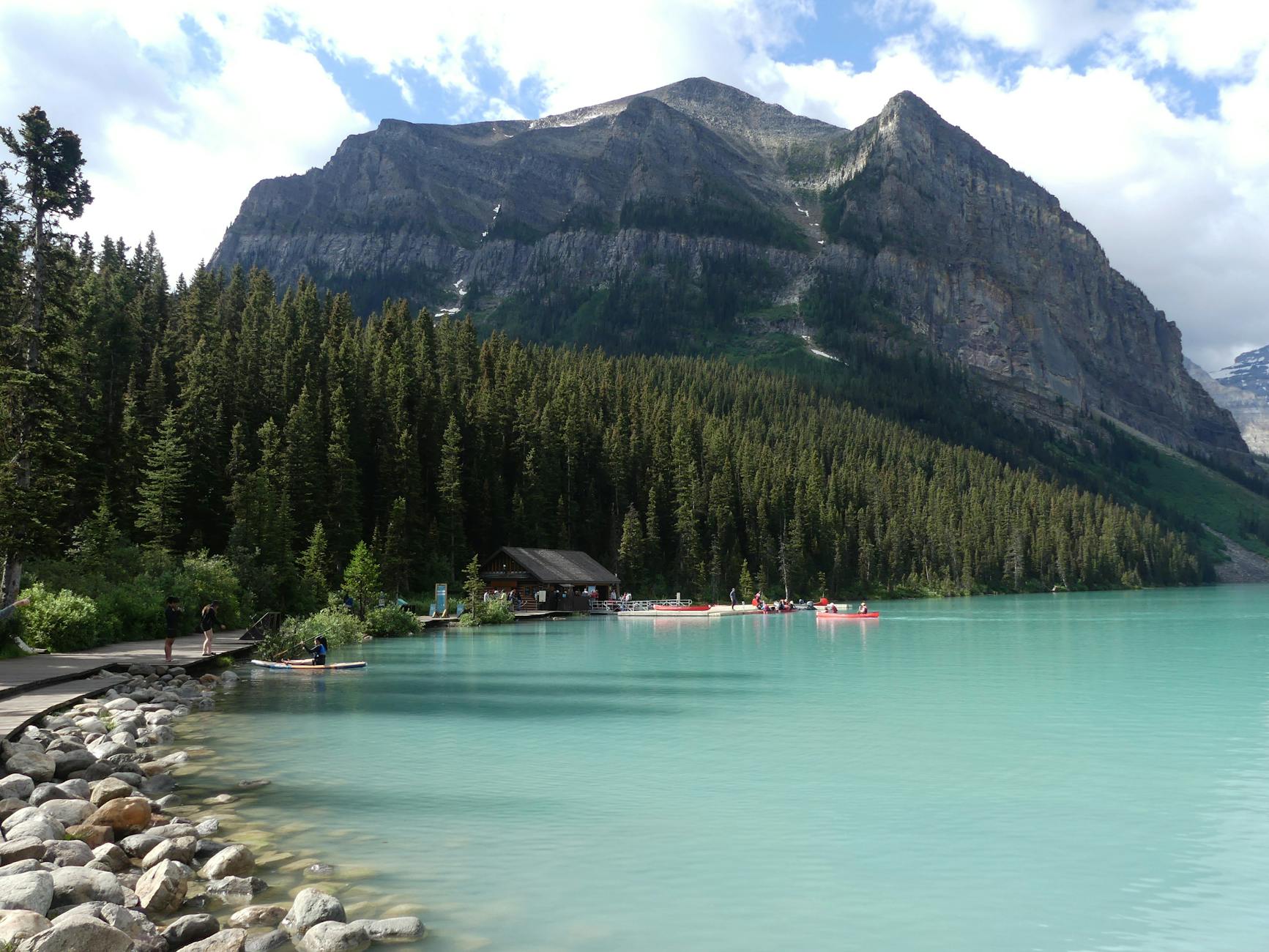
When to order a short-term travel report
A traveler with modest mobility limits, a central hotel, and flexible expectations may not need a custom Banff report. A report becomes useful when the trip involves winter footing, wheelchair or scooter use, limited walking tolerance, Lake Louise or Moraine Lake access, expensive lodging, family companions, medical overlap, or a tight Calgary transfer.
The report should test transfer mode, hotel access, room usability, town movement, shuttle and lake access, weather exposure, rest stops, companion support, budget, and what to cut. The value is a Banff trip that protects the mountain experience without pretending access will solve itself.
- Order when transfer, lodging, lake access, winter footing, walking tolerance, or companion support needs testing.
- Provide dates, mobility pattern, hotel options, arrival mode, must-see places, equipment needs, and budget.
- Use the report to make Banff scenic without making it punishing.