Banff can be a good trip for travelers with medical constraints, but it should not be treated like a standard city break. The setting includes altitude, dry air, cold, snow or ice in season, mountain roads, variable weather, shuttle logistics, high-demand lodging, and outdoor activities that may look easier in photos than they feel in practice. The goal is not to avoid Banff. It is to design the trip around medical continuity and recovery. A traveler with cardiac, respiratory, mobility, immune, medication, fatigue, pain, dietary, neurological, or other constraints should know how the transfer, hotel, daily routes, emergency access, and backup plan will work before committing to the itinerary.
Start with medical clearance and trip limits
A traveler with medical constraints should define what Banff can safely include before booking the attractive pieces. Altitude, cold, dry air, walking distances, winter footing, long transfers, activity intensity, medication timing, and fatigue can all interact with existing conditions. Medical advice should be specific to the planned trip, not a vague approval to travel.
The traveler should know what symptoms would require slowing down, skipping an activity, returning to the hotel, or seeking care. The best Banff plan includes limits before the mountain setting starts encouraging overreach.
- Discuss altitude, cold, walking, transfers, activity intensity, and medication timing before travel.
- Define warning signs and decision points for slowing down or stopping.
- Avoid building the itinerary around activities that exceed the traveler's known limits.

Protect medication, documents, and insurance
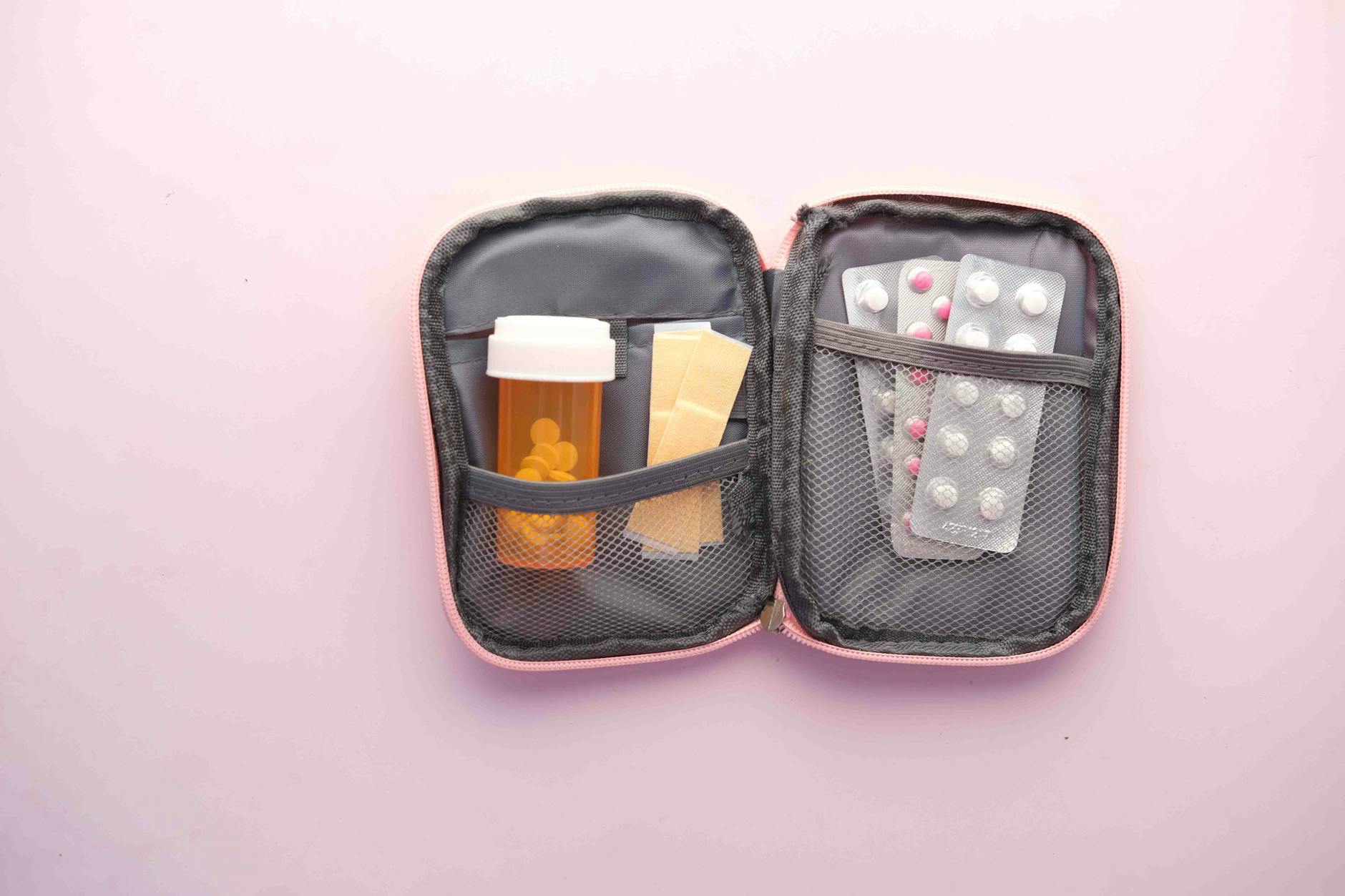
Medication continuity is central in Banff because a disrupted day can involve road delays, weather, shuttle timing, and limited replacement options. The traveler should carry prescriptions, medication lists, physician notes when useful, insurance details, emergency contacts, and enough medication to survive delays.
Cold-sensitive, time-sensitive, refrigerated, controlled, injectable, or specialty medications need a practical transport and storage plan. The traveler should know what can be carried, what must stay with them, and what cannot be replaced easily in a mountain town.
- Carry prescriptions, medication lists, insurance details, emergency contacts, and relevant medical notes.
- Plan storage for refrigerated, injectable, controlled, time-sensitive, or cold-sensitive medication.
- Keep critical medication with the traveler during flights, shuttles, and hotel transfers.

Choose transfer and lodging for recovery
The Calgary-to-Banff transfer should be chosen by medical tolerance, not just price. A private transfer, shuttle, rental car, or Calgary overnight may each be right depending on fatigue, nausea, pain, mobility, oxygen needs, bathroom needs, winter driving risk, and arrival time. The first day should not be overloaded after a demanding transfer.
Lodging should support recovery: elevator access, bathroom layout, quiet room, temperature control, food access, pharmacy proximity, shuttle pickup, parking, and the ability to rest between activities. A scenic property is not enough if the room and routes do not work medically.
- Choose transfer mode around fatigue, pain, bathroom needs, oxygen, mobility, winter roads, and timing.
- Check hotel elevators, bathroom setup, quiet, temperature control, food access, and transport pickup.
- Keep the first day light enough for recovery after the mountain transfer.

Map pharmacy, clinic, and emergency access
A traveler with medical constraints should know where to seek help before help is needed. Banff has visitor services, but it is still a mountain destination. The traveler should identify pharmacy options, clinic or urgent-care pathways, emergency contacts, hotel support, transport to care, and what happens if a condition worsens during a lake visit, tour, shuttle, or winter activity.
The plan should also account for travel companions. Everyone involved should know the medication location, key symptoms, insurance details, and when to stop the day. A beautiful setting is easier to enjoy when the fallback is already understood.
- Identify pharmacy, clinic, urgent-care, emergency, hotel, and transport options before arrival.
- Share key medical details with trusted companions when appropriate.
- Know how care access changes during lake visits, tours, shuttles, and winter activities.
Treat altitude, weather, and footing as medical variables
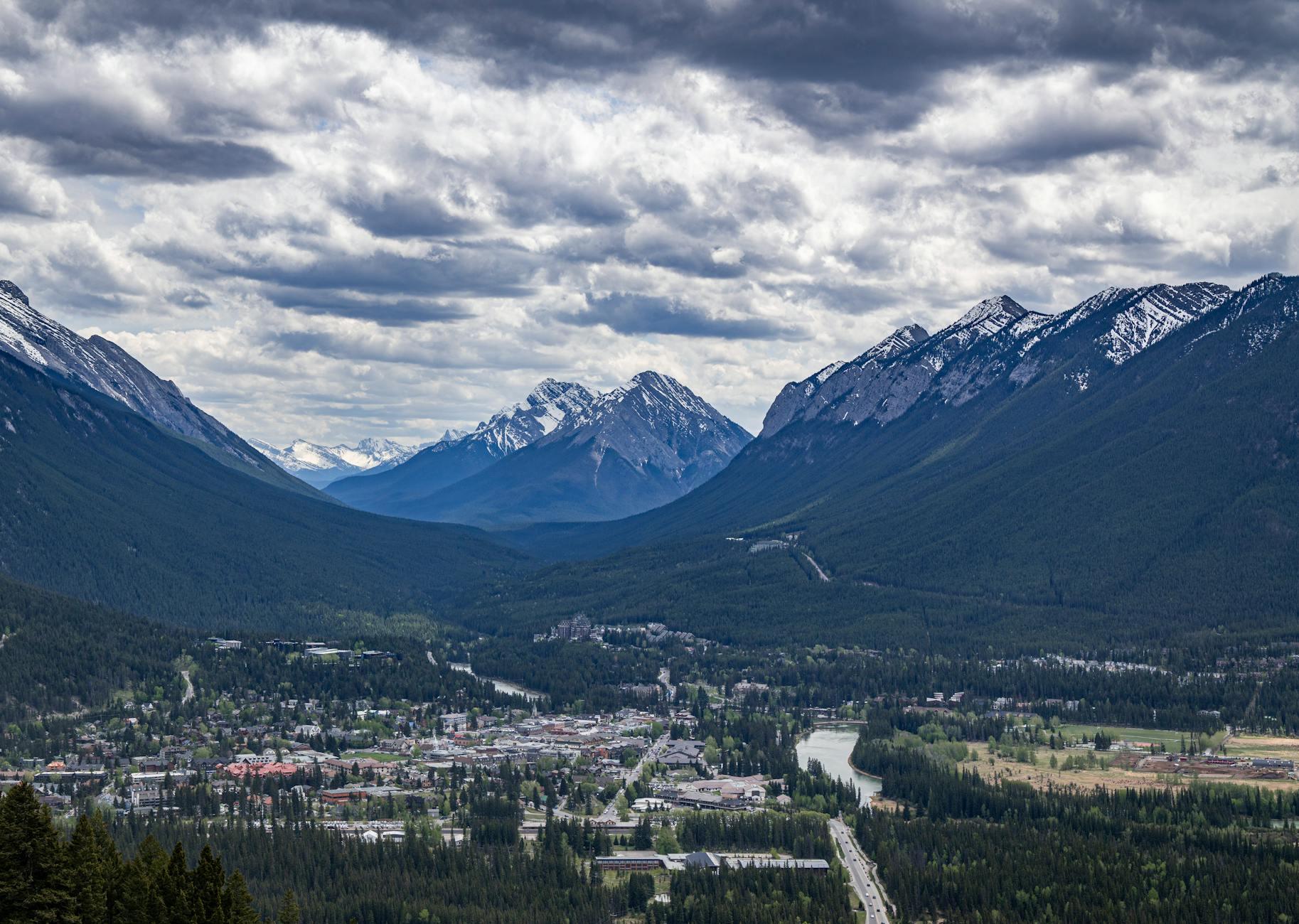
Banff's altitude, dry air, cold, sun, snow, ice, wind, and uneven surfaces can affect respiratory, cardiac, pain, balance, fatigue, and mobility conditions. The traveler should plan clothing, footwear, hydration, sun protection, traction, rest, and indoor alternatives with the condition in mind.
Winter can be especially demanding. A short walk can become difficult if footing is poor or cold triggers symptoms. Summer can bring sun exposure, dehydration, and crowd stress. The itinerary should change with the conditions rather than forcing the original plan.
- Account for altitude, dry air, cold, snow, ice, sun, wind, and uneven walking surfaces.
- Use footwear, traction, layers, hydration, rest, and indoor alternates as medical tools.
- Adjust the day when weather or footing increases symptom risk.
Pick activities that can be shortened
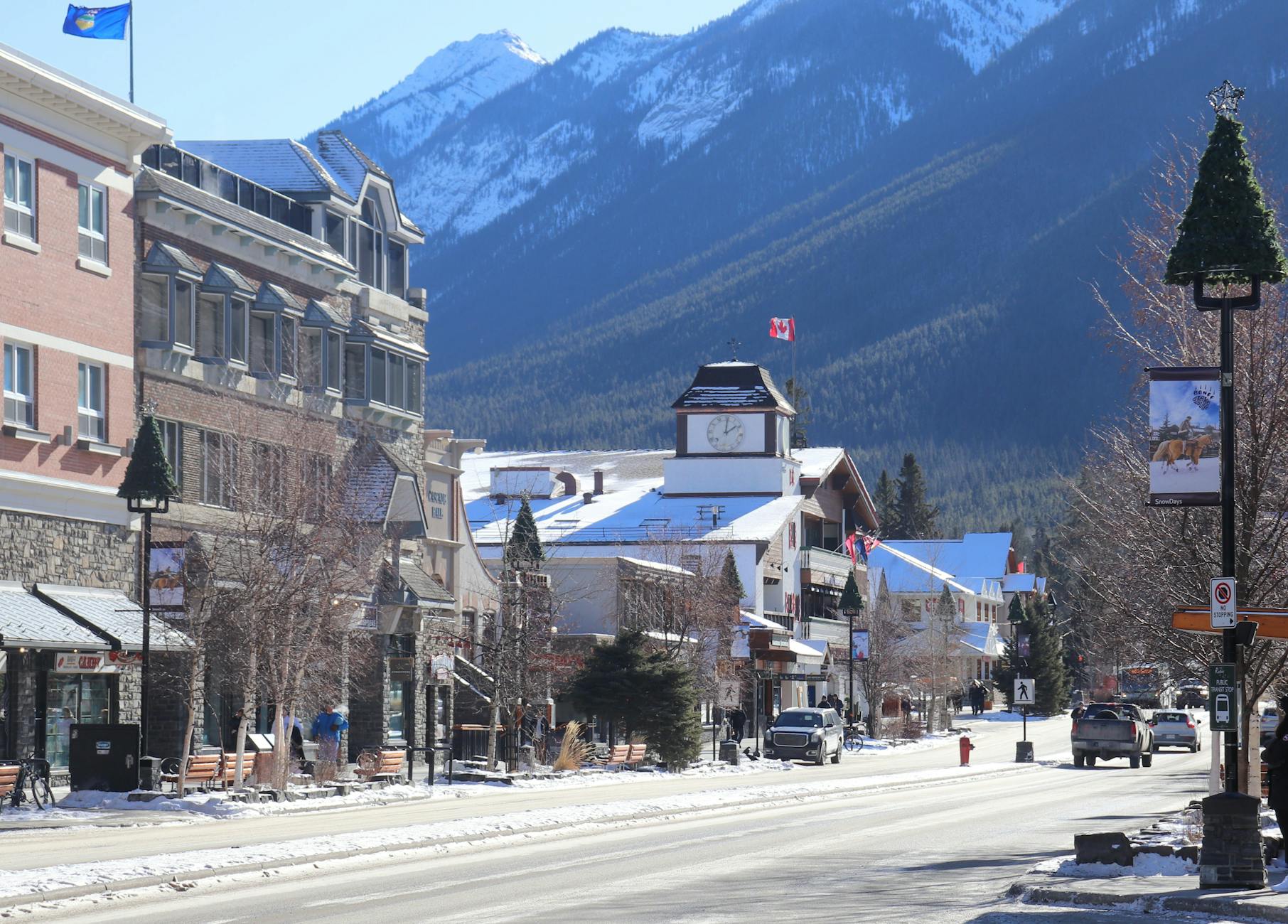
A medical-constraint itinerary should favor activities with exit options: town walks, scenic drives, easy viewpoints, shorter lake visits, hotel-based recovery, guided routes with clear timing, and attractions that do not require pushing through symptoms. Long hikes, remote routes, tight shuttles, and ambitious multi-stop days need extra scrutiny.
Food and rest should be built into the day. Medication timing, blood sugar, hydration, nausea, pain, fatigue, and temperature sensitivity can all be worsened by skipped meals or overlong gaps between rest points.
- Choose activities with clear exit points, seating, bathrooms, food, and return options.
- Be cautious with remote hikes, tight shuttles, long standing, and multi-stop scenic days.
- Plan meals, hydration, and rest around the medical condition, not after symptoms appear.
When to order a short-term travel report
A traveler with a stable condition, central hotel, and very light Banff plans may not need a custom report. A report becomes useful when the trip includes altitude sensitivity, respiratory or cardiac concerns, mobility limits, winter conditions, medication complexity, young or older dependents, Lake Louise or Moraine Lake access, expensive lodging, or a tight Calgary transfer.
The report should test transfer mode, hotel recovery, medication continuity, clinic and pharmacy access, weather exposure, activity limits, food timing, emergency fallback, companion responsibilities, budget, and what to cut. The value is a Banff trip that remains worthwhile without gambling on health.
- Order when medical limits, medication, transfers, altitude, winter, lodging, or activity choices need testing.
- Provide dates, condition constraints, medication needs, arrival mode, hotel options, activity goals, and budget.
- Use the report to keep the mountain trip adaptive rather than brittle.