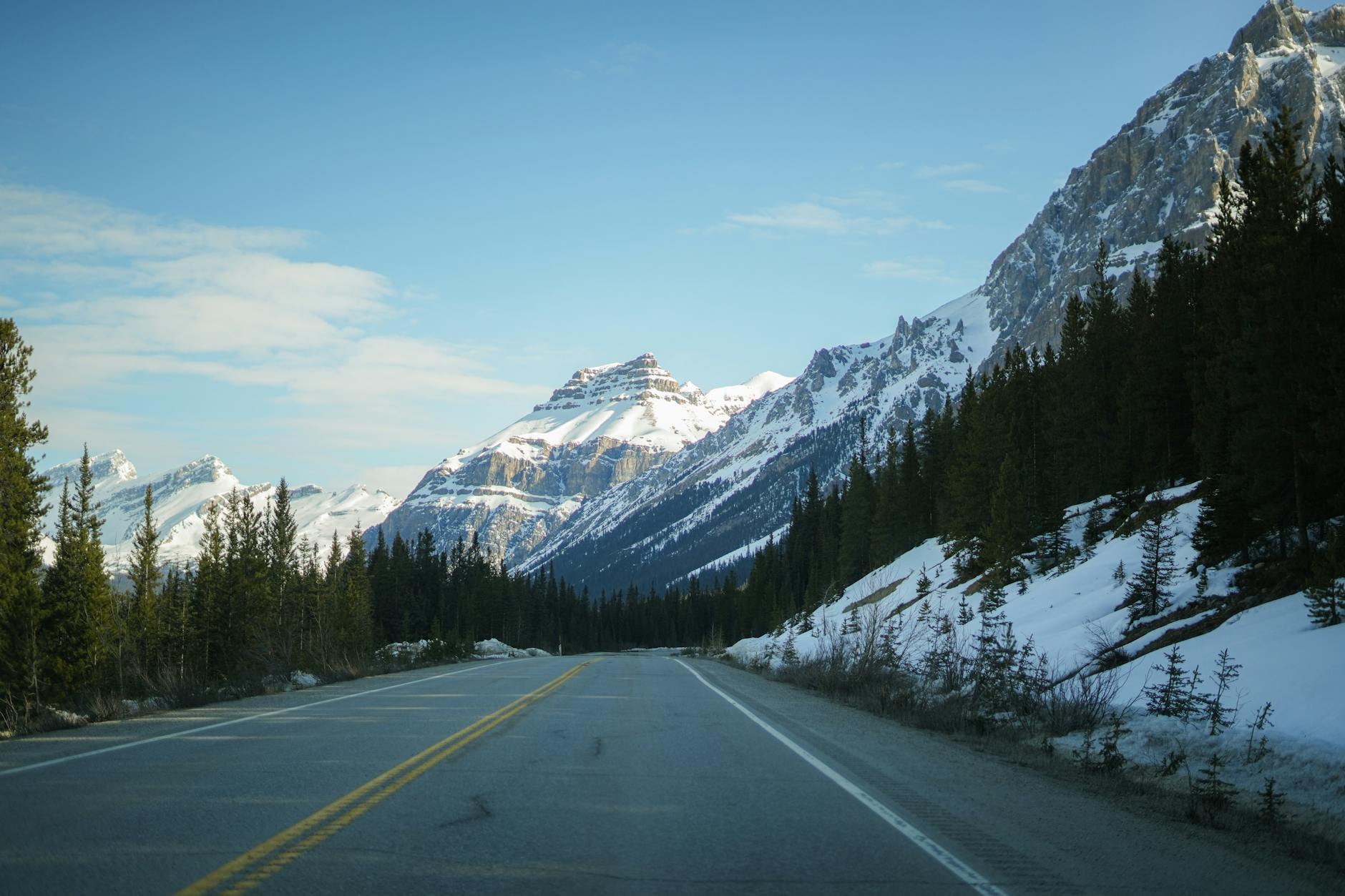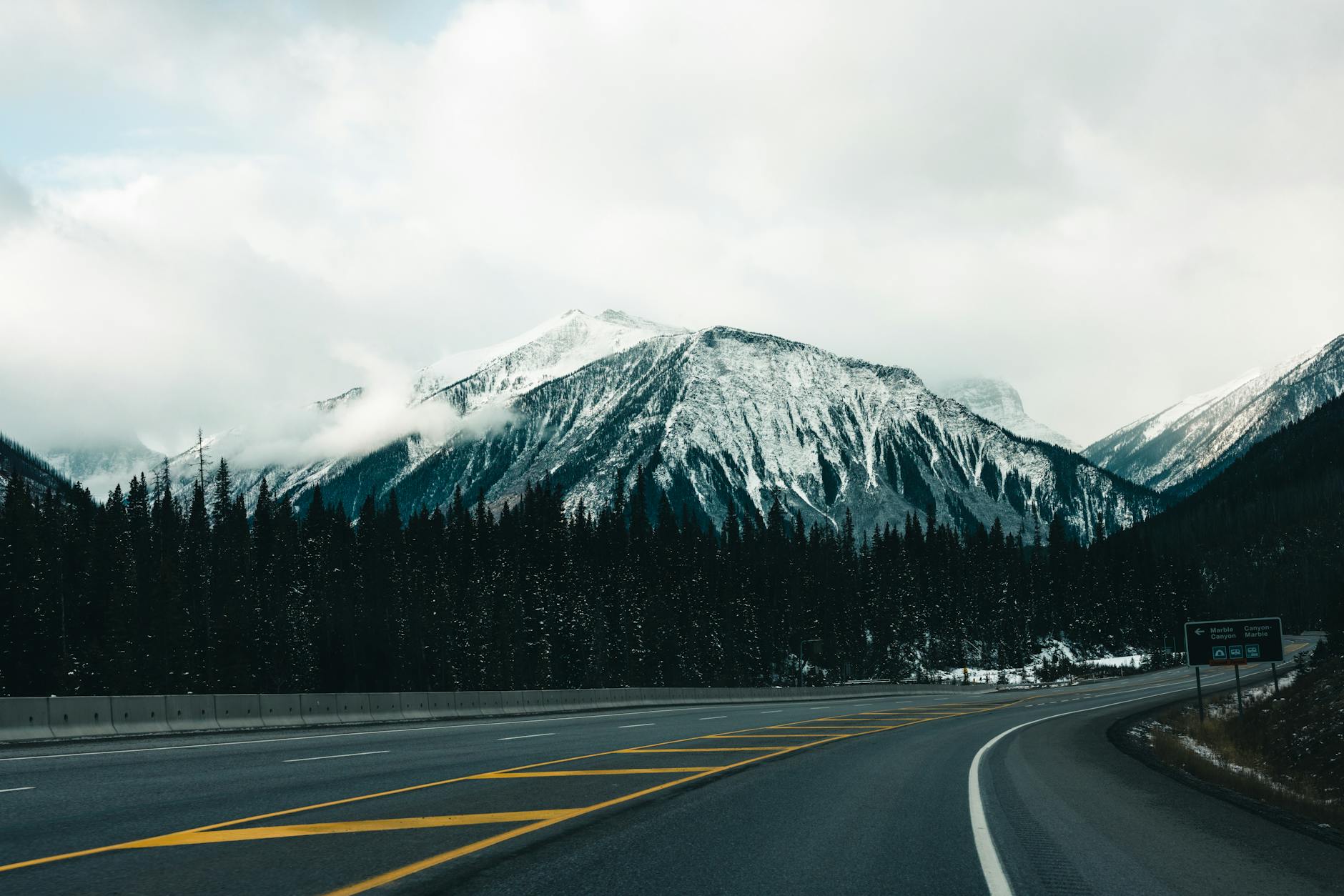
Banff can tempt transit and stopover travelers because it looks close enough to Calgary to become a quick mountain reward. Sometimes that is true, but only when the schedule is honest. Banff is not an airport layover attraction. It is an inland mountain town reached by road, with weather, daylight, traffic, lodging, and return timing all affecting the plan. A transit or stopover traveler should decide whether Banff is a real short stay, a single controlled scenic detour, or an idea that belongs on another trip. The best version protects the onward connection and avoids pretending that a rushed mountain transfer is the same as experiencing the Rockies.
Decide whether this is a stopover or a squeeze
A real Banff stopover usually needs enough time for the Calgary transfer, check-in or luggage storage, one or two focused scenic moves, meals, sleep, and a controlled return. A squeeze is different. It tries to convert a fragile gap between flights or route segments into a mountain trip with little margin.
The traveler should be blunt about the available hours. If the onward flight, train, meeting, or road leg matters, Banff should not be attempted on optimism alone. A smaller Calgary-area plan may sometimes be the better travel decision.
- Count the real hours after immigration, baggage, transfer, food, weather, and return timing.
- Do not confuse a Calgary layover with an automatic Banff opportunity.
- Choose a smaller plan if the onward connection has no margin.
Protect the Calgary road transfer
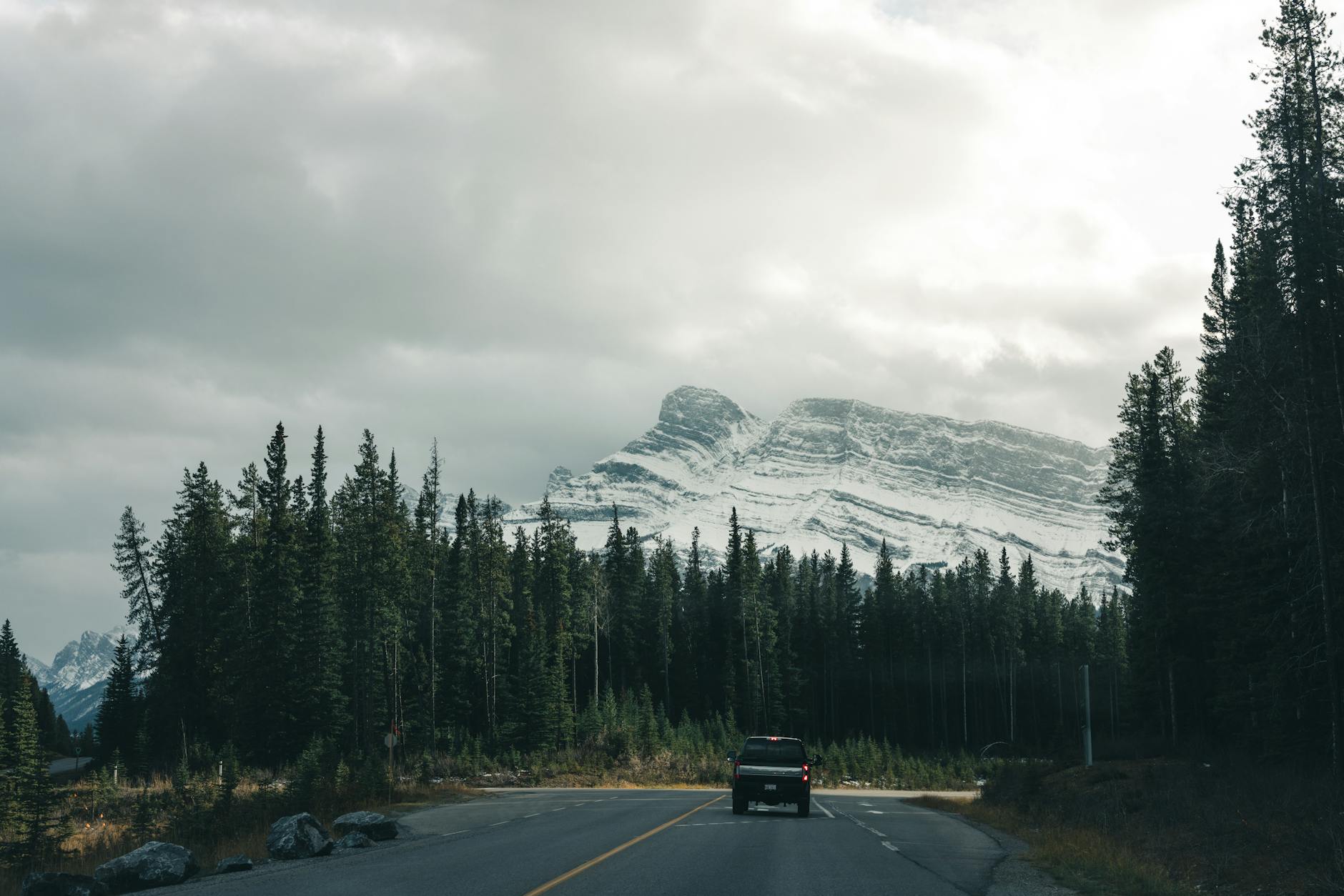
The Calgary-to-Banff transfer is the heart of a stopover plan. Rental cars, shuttles, private transfers, road conditions, winter driving, traffic, baggage, and pickup timing all matter. A traveler who has not driven winter mountain roads should be careful about assuming independence is the simplest option.
The return matters even more than the arrival. It is easy to become relaxed once the mountains appear, but a stopover is only successful if the traveler reaches the next connection with enough time to absorb delay.
- Compare rental car, shuttle, private transfer, and bus options by timing, weather, luggage, and return reliability.
- Treat winter road conditions as a real planning factor, not a scenic inconvenience.
- Build the return plan before deciding what to do in Banff.
Plan luggage and comfort around movement
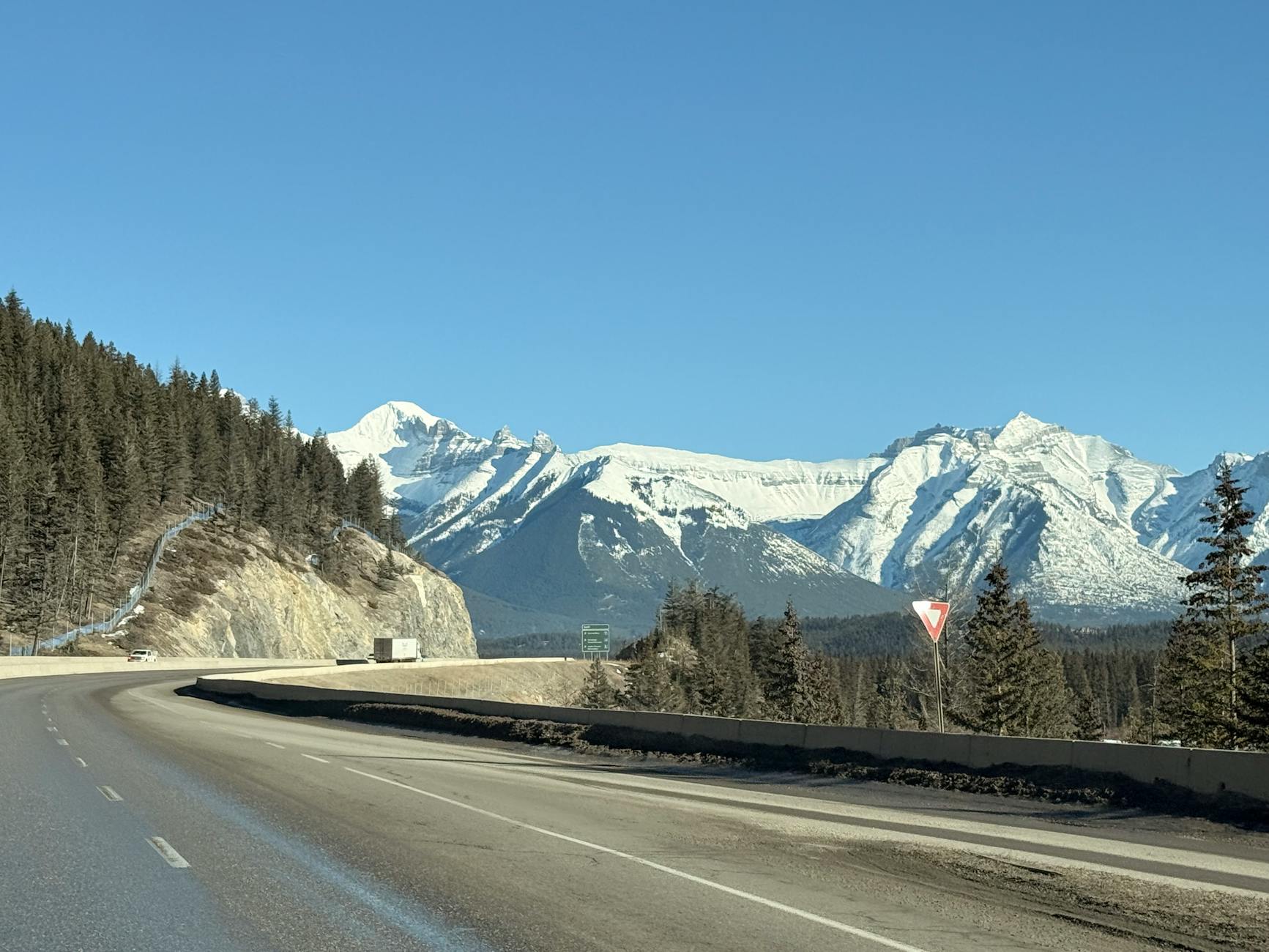
Stopover travelers often have awkward baggage: checked suitcases, work bags, outdoor layers, medication, duty-free items, or cruise luggage. Banff is much easier when luggage storage, hotel check-in, shuttle rules, and vehicle space are solved before arrival. Dragging bags through a scenic day is a poor use of limited time.
Comfort also matters. A traveler coming off a long flight may need food, water, layers, and a quiet pause before driving or sightseeing. The itinerary should not treat fatigue as a character flaw.
- Confirm luggage storage, vehicle space, shuttle baggage rules, hotel check-in, and medication access.
- Keep warm layers, chargers, documents, and essentials reachable during the stopover.
- Build food, hydration, and rest into the first hour after arrival.
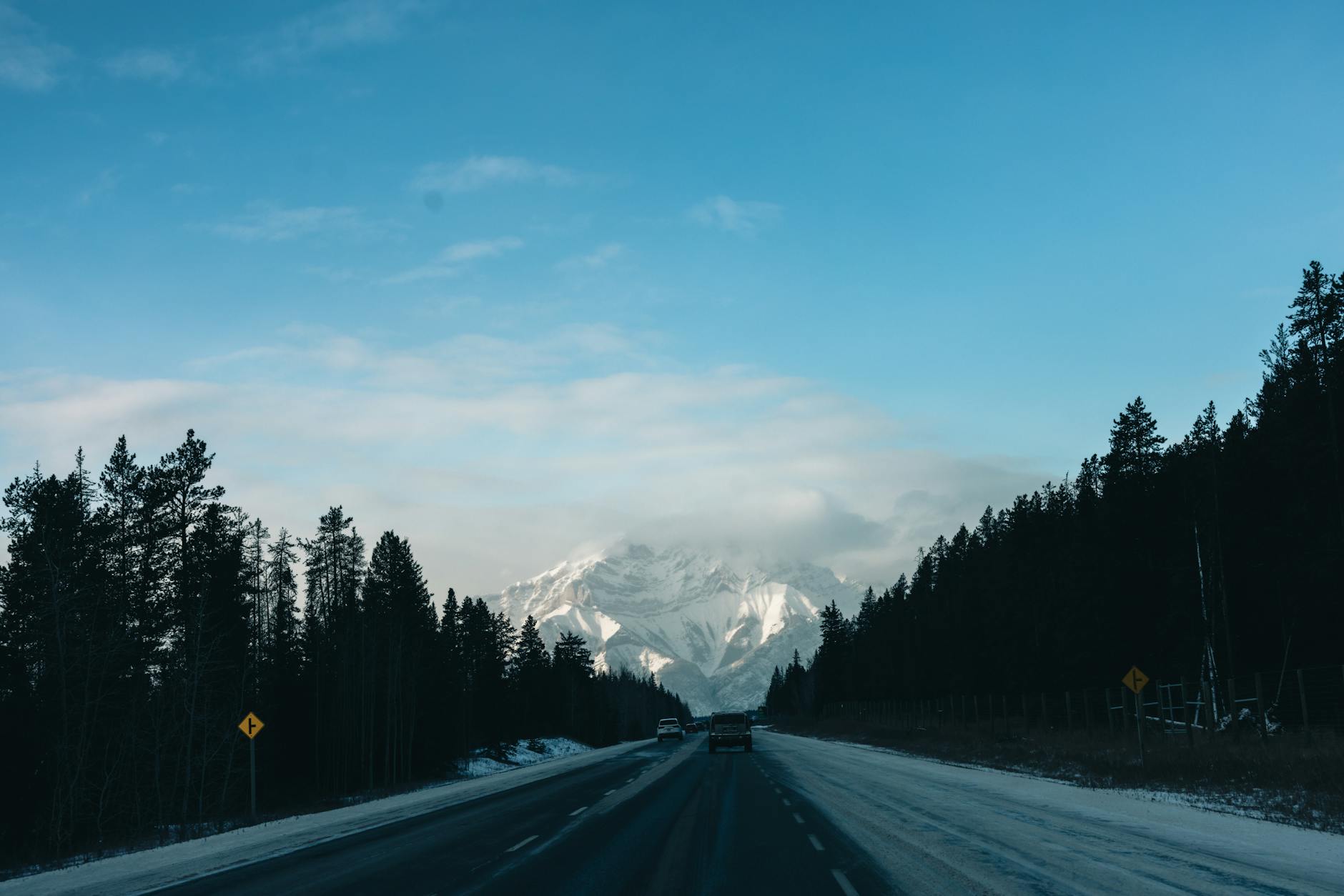
Choose one clean scenic objective
A stopover is not the right format for harvesting all the famous Banff names. A short town walk, one viewpoint, one lake plan, a gondola, a relaxed meal with mountain context, or one controlled drive may be enough. The trip becomes weaker when every extra idea steals margin from the return.
If Lake Louise, Moraine Lake, or another high-demand site is the objective, current access rules should be checked close to travel. The traveler should also have a backup that still feels like Banff if the first choice is unavailable.
- Pick one primary scenic objective and one realistic backup.
- Verify current access rules before anchoring the stopover to a famous lake.
- Do not let a short stay become a race through disconnected viewpoints.
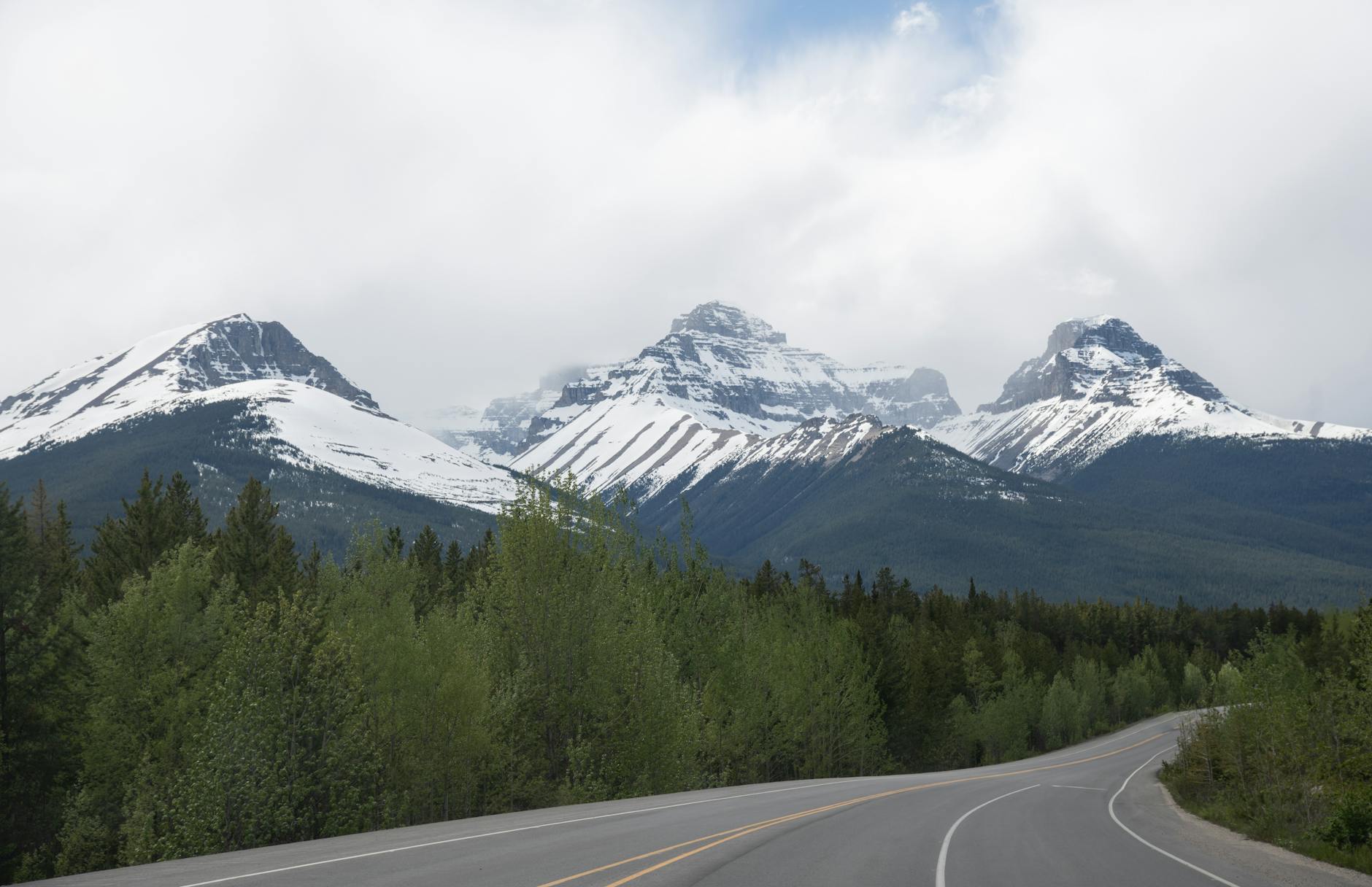
Respect daylight, weather, and season
Daylight can make or break a Banff stopover. Winter darkness, snow, smoke, rain, road closures, icy sidewalks, and summer crowding all affect what is reasonable. A plan that works in June may be foolish in January, and a plan that works with a private driver may be weak with a rental car after a red-eye.
The traveler should check conditions close to travel and keep the itinerary easy to shorten. A good stopover is defined by controlled tradeoffs, not by forcing the original idea after conditions change.
- Check daylight, smoke, snow, ice, rain, road conditions, and crowding for the actual date.
- Avoid night driving or icy walking if the traveler is tired or inexperienced.
- Keep a cut list that protects the onward connection.
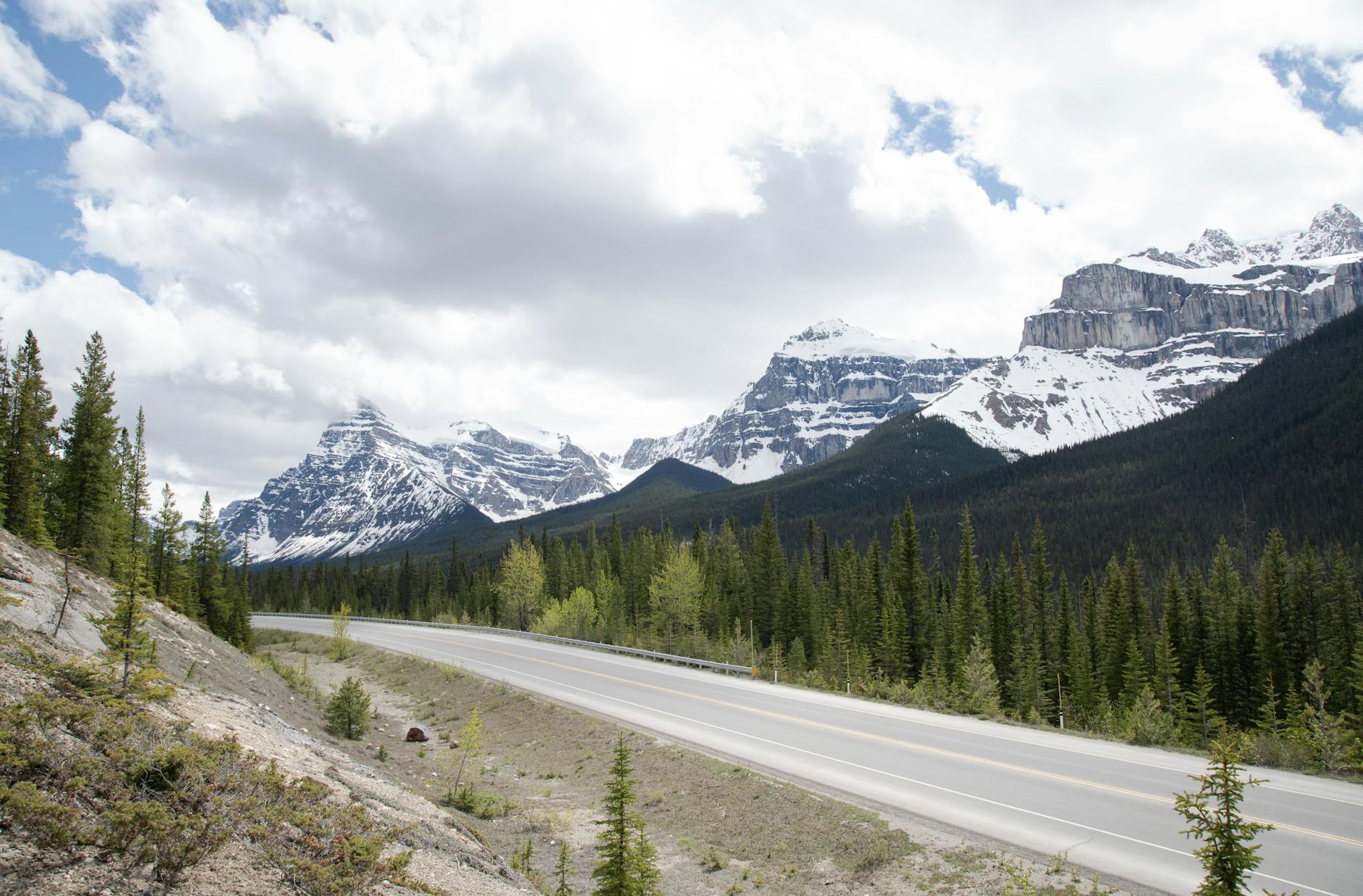
Budget honestly for a short mountain detour
A Banff stopover can cost more than expected through transfers, parking, luggage storage, hotel nights, meals, tips, activity tickets, winter gear, and missed-connection risk. The traveler should compare the cost against what will actually be experienced, not against the dream version of Banff.
Sometimes one proper night is better value than an expensive day squeeze. Sometimes skipping Banff and returning later is the adult answer. The budget should include risk, not just receipts.
- Budget for transfers, storage, meals, lodging, activities, weather gear, and connection risk.
- Compare a rushed day detour against one real overnight or a future trip.
- Do not spend heavily on a plan that cannot survive a modest delay.
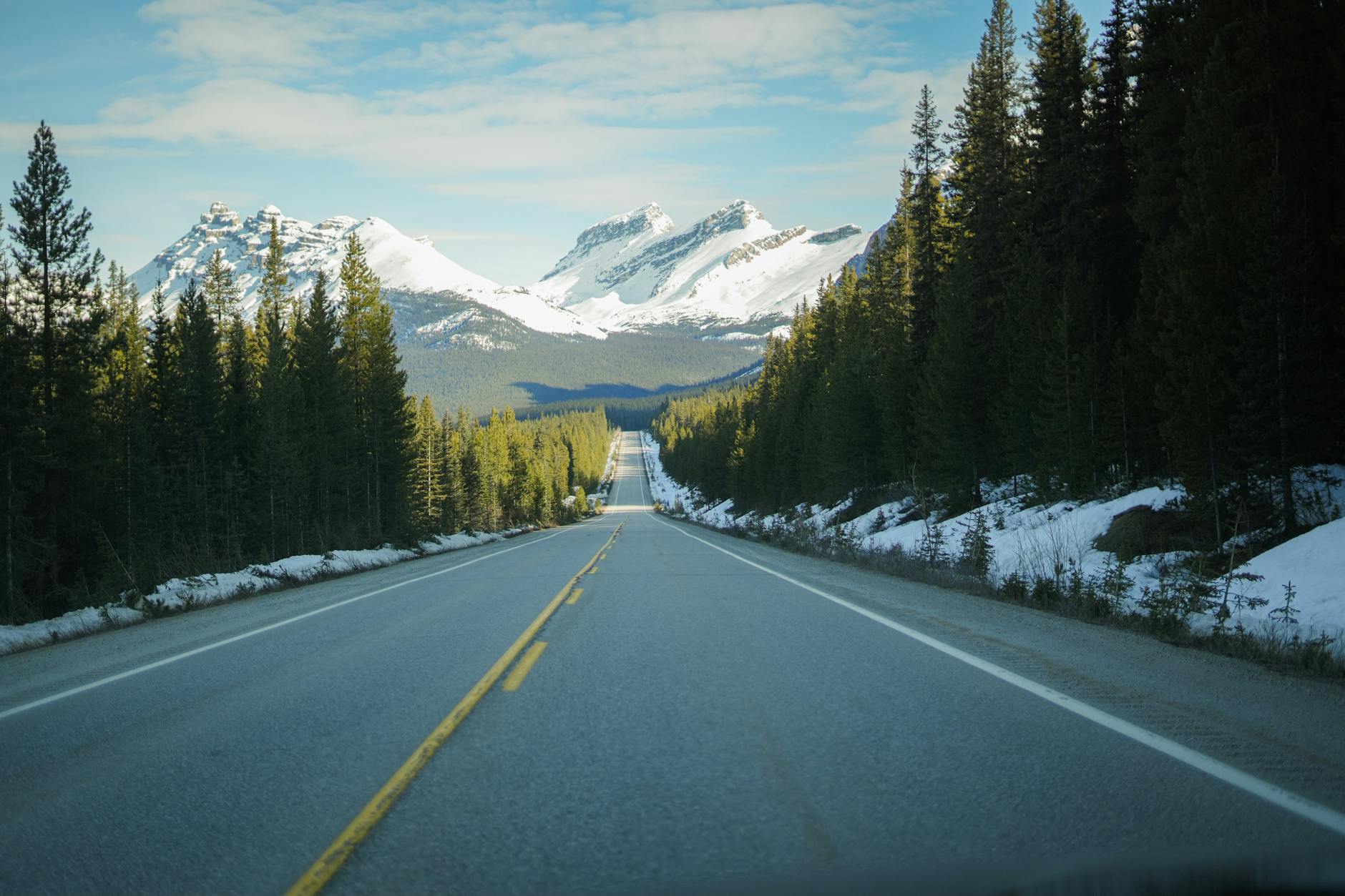
When to order a short-term travel report
A transit traveler with a full overnight, flexible onward timing, and simple transfer plan may not need a custom Banff report. A report becomes useful when the traveler is trying to use a tight layover, winter road window, self-drive plan, cruise connection, business stopover, heavy luggage, older traveler needs, or an expensive private transfer.
The report should test Calgary timing, road transfer, luggage, lodging, scenic objective, current access rules, weather, daylight, fatigue, meals, budget, contingency, and what to skip. The value is knowing whether Banff is realistic before the traveler commits the onward schedule.
- Order when timing, transfers, luggage, road conditions, lake access, or onward connections need testing.
- Provide flights, onward travel, available hours, luggage, mobility needs, season, preferred scenic target, and budget.
- Use the report to decide whether Banff should be a stopover, an overnight, or a later trip.