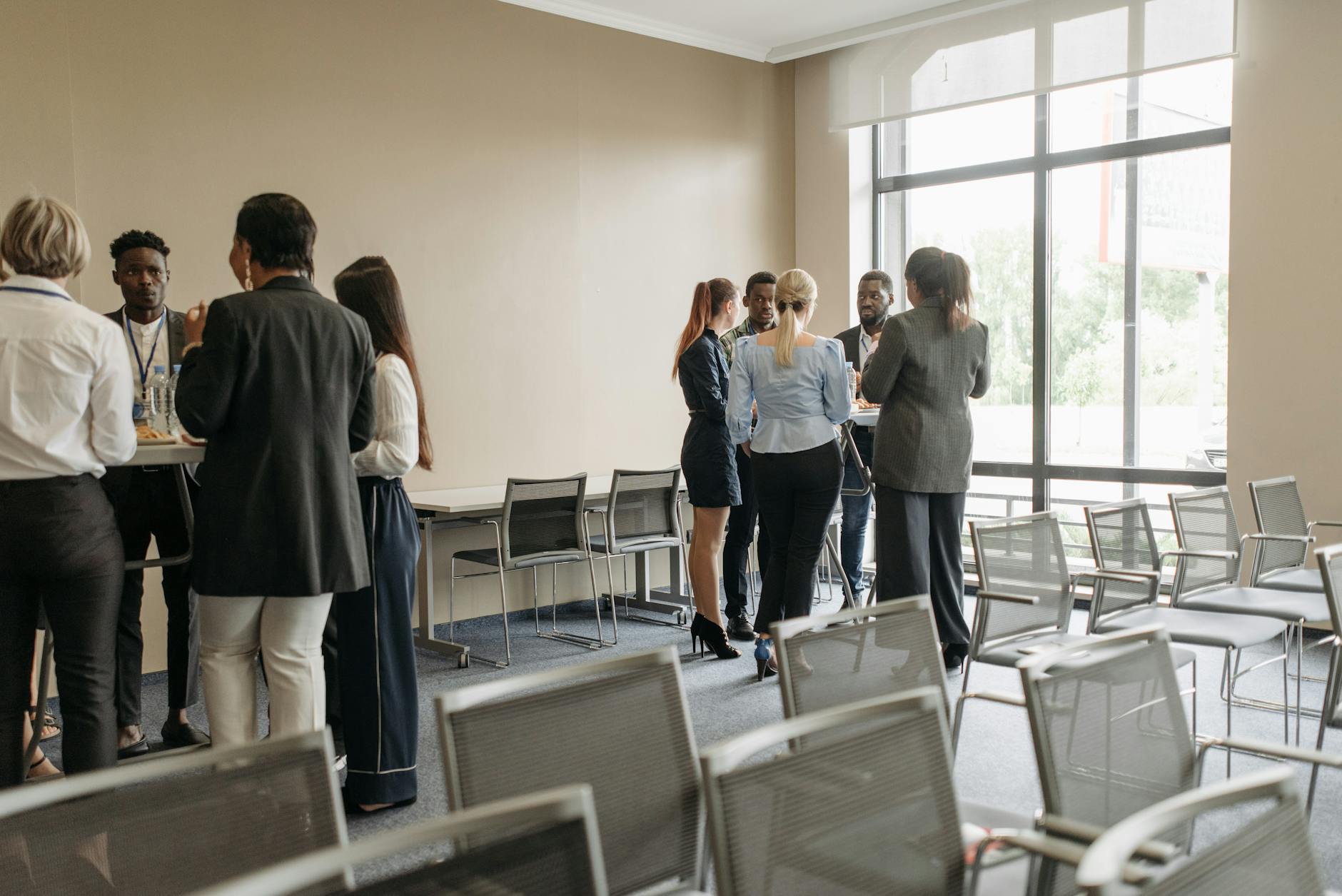
A trade-show trip to Banff can look attractive because the destination makes networking, hospitality, and memory easier. It can also make practical execution harder. Attendees may need to move product samples, banners, demo equipment, printed materials, badges, business clothing, booth supplies, or sponsor assets through Calgary and into a mountain resort environment. The right plan treats Banff as both a commercial event and a mountain logistics problem. The scenery is valuable only if the attendee reaches the venue prepared, keeps the booth or meetings under control, and uses the destination to strengthen relationships rather than distract from the reason for travel.
Anchor the trip to the event obligation
A Banff trade-show trip should start with the attendee's exact obligation: exhibitor, sponsor, buyer, sales representative, association delegate, product demonstrator, or hospitality host. Each version changes the amount of luggage, setup time, staffing, meeting space, and recovery required.
The traveler should define what must happen before adding lakes, gondolas, dinners, or scenic breaks. In Banff, commercial focus can easily be softened by the setting unless the event purpose is protected first.
- Clarify whether the traveler is exhibiting, buying, sponsoring, selling, demoing, or hosting.
- List booth, meeting, badge, staffing, sample, and client obligations before adding leisure time.
- Treat scenery as a support to the commercial purpose, not a substitute for it.
Protect the Calgary transfer and materials
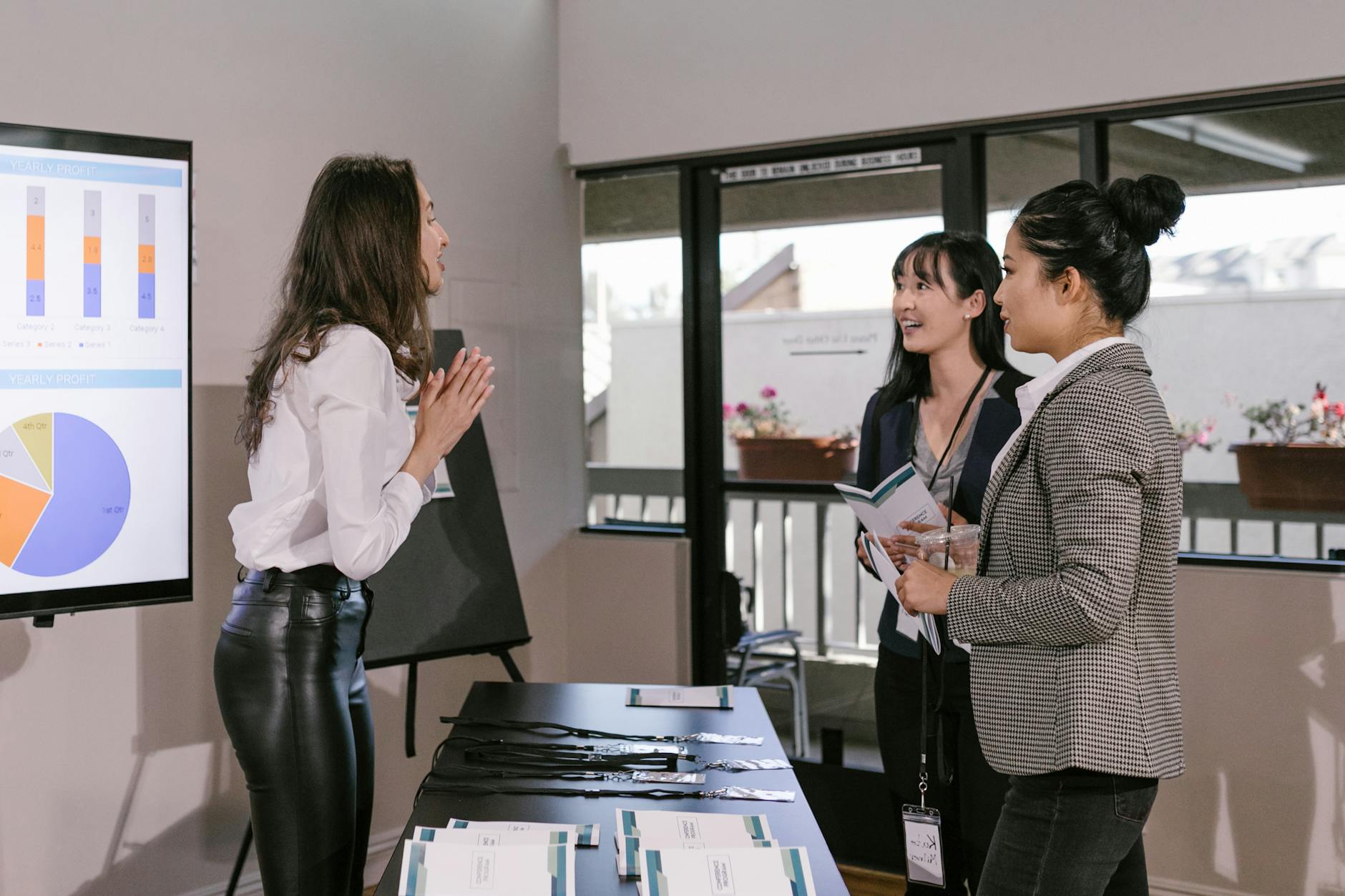
Trade-show materials make the Calgary-to-Banff transfer more sensitive. Samples, display hardware, chargers, demo devices, printed collateral, branded clothing, small freight, and checked baggage all need a plan. A delayed suitcase may be annoying for a leisure traveler and damaging for an exhibitor.
The attendee should decide what travels personally, what ships ahead, what can be replaced locally, and what needs extra arrival margin. A private transfer or earlier arrival may be justified when materials or setup timing matter.
- Separate critical booth or demo materials from replaceable items before travel.
- Check baggage, freight, hotel receiving, venue receiving, storage, and setup deadlines.
- Use earlier arrival or private transfer when missing materials would damage the event.
Map venue, hotel, and booth geography
The attendee should know the event venue, hotel block, loading or receiving area, registration desk, exhibit area, sponsor rooms, meeting suites, coat storage, storage rules, and reception locations before arrival. Resort layouts can involve long corridors, elevators, outdoor paths, shuttles, and winter footwear issues.
A hotel room that looks close enough on a map may still be inconvenient with display bags, samples, or formal clothing. Booth setup and breakdown should be planned as physical movement, not just calendar items.
- Map venue, hotel block, registration, exhibit area, receiving, storage, meeting rooms, and receptions.
- Check how booth materials move between hotel, vehicle, storage, and exhibit space.
- Confirm setup, breakdown, badge, and security rules before the travel day.
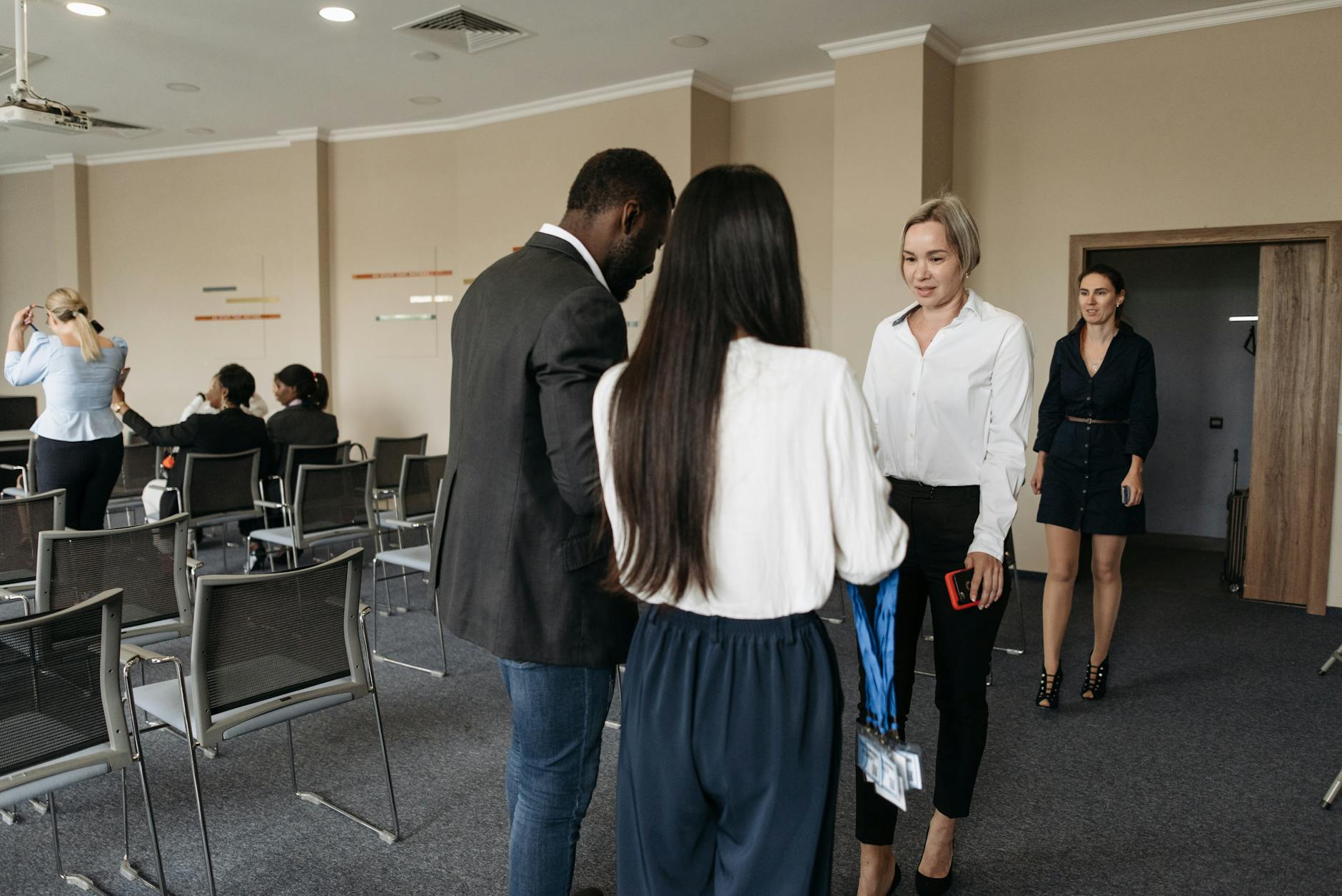
Use networking time with intention
Banff can make trade-show networking feel warmer because receptions, lodge spaces, mountain views, and shared transfers create natural conversation. That does not guarantee useful business. The attendee should identify target buyers, partners, sponsors, vendors, speakers, or association contacts before the event begins.
The strongest networking plan balances booth time, scheduled meetings, receptions, meals, and follow-up work. A scenic dinner can be valuable if it advances a relationship. It is weaker when it replaces structured outreach.
- Identify target contacts, meetings, receptions, buyers, sponsors, and vendors before arrival.
- Schedule important conversations rather than relying only on chance encounters.
- Use Banff hospitality to deepen relationships, not to avoid follow-up discipline.
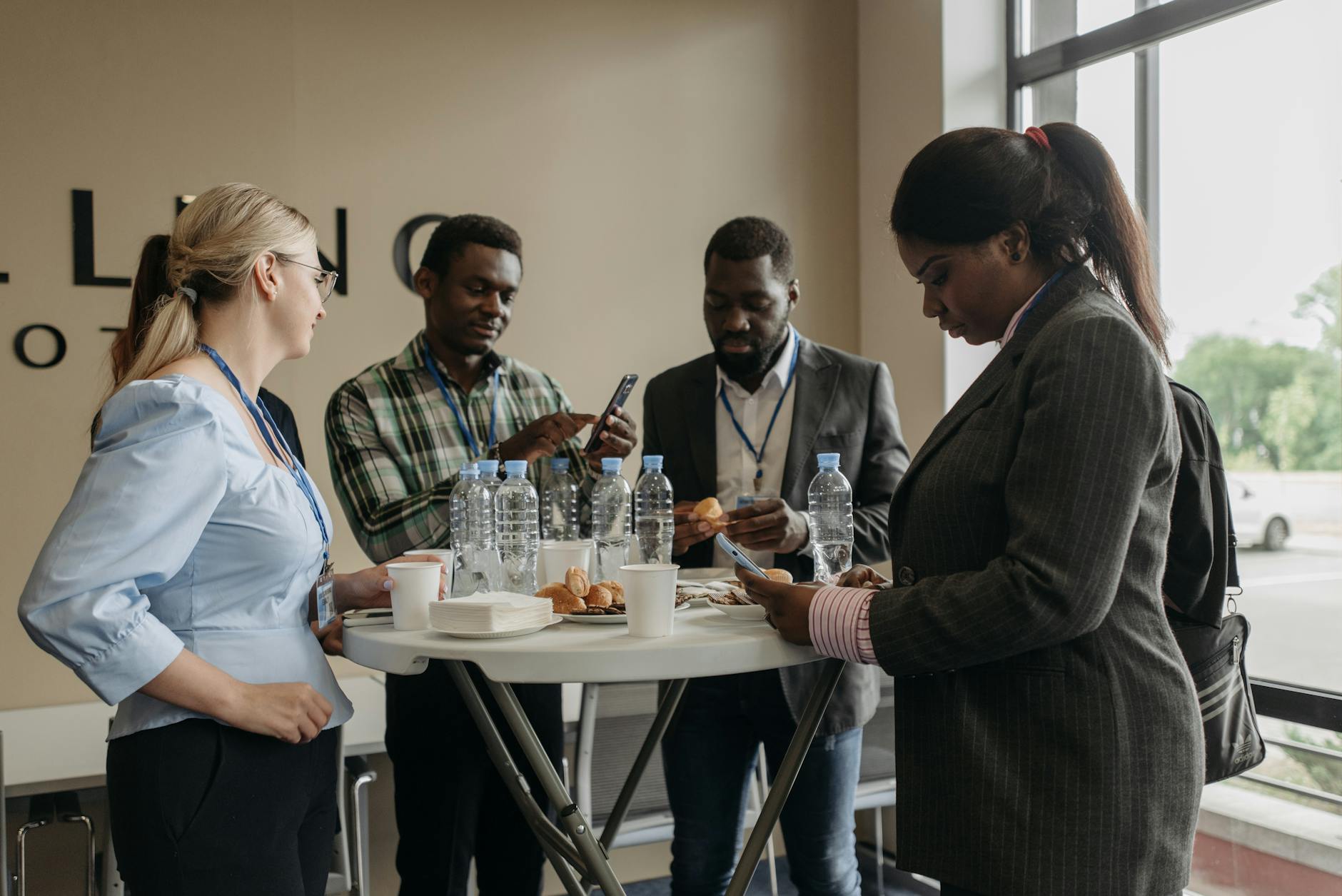
Plan clothing, weather, and evening events
Trade-show clothing and Banff weather can conflict. Dress shoes, booth attire, sponsor dinner clothing, outerwear, winter boots, layers, and luggage volume all need coordination. A reception that requires outdoor movement can become awkward if the attendee packs only for the exhibit hall.
Evening events should be treated as logistics. The attendee should know transport, footwear, coat storage, return timing, and whether alcohol, fatigue, or cold will affect the next morning's booth or meeting schedule.
- Pack for booth attire, client dinners, outdoor movement, winter footwear, layers, and coat storage.
- Plan transport and return timing for receptions, sponsor events, and off-site meals.
- Protect the next morning's commercial obligations from late-night fatigue.
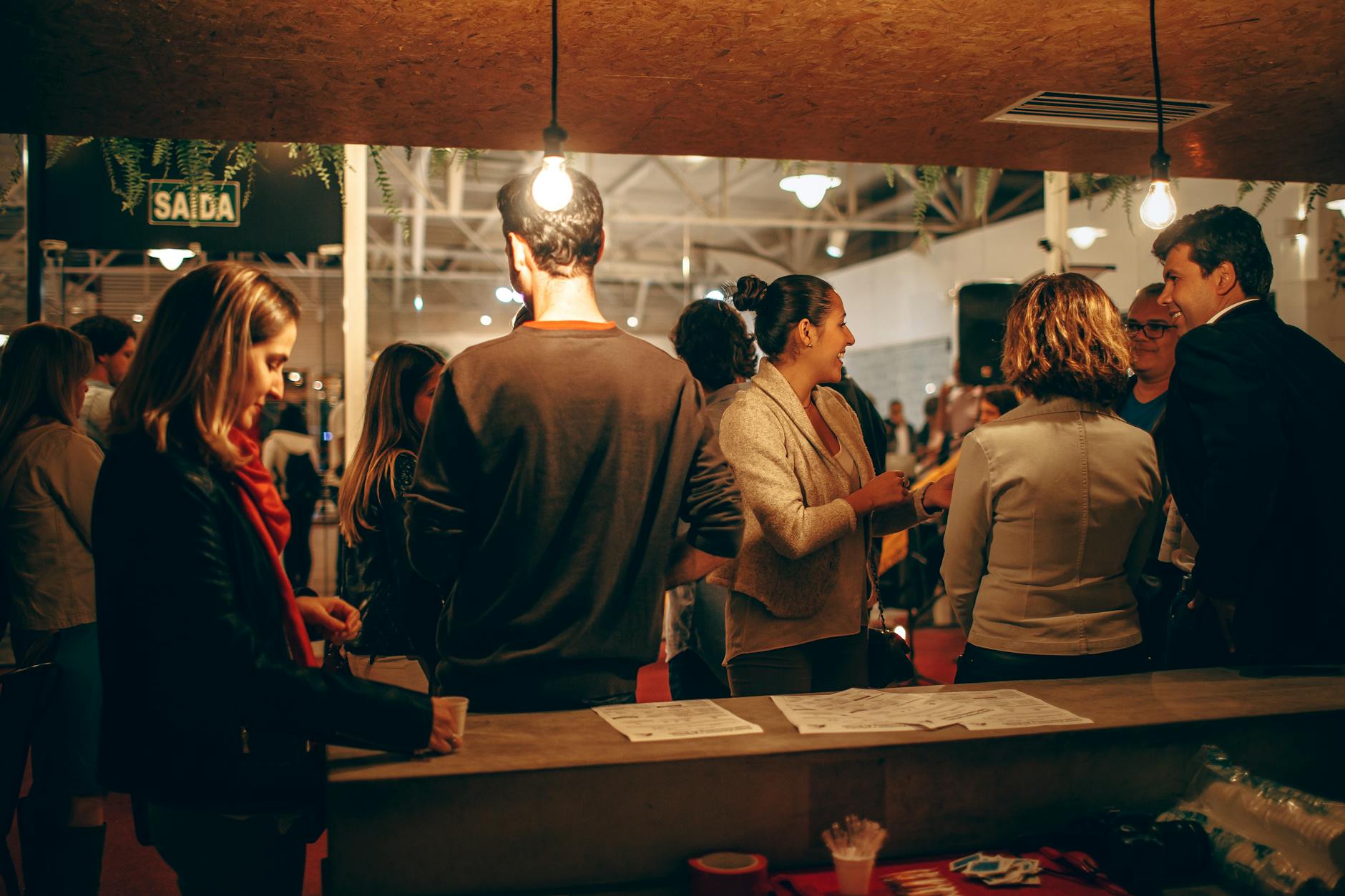
Budget for the full event cost
A Banff trade-show trip can exceed a normal event budget through hotels, transfers, material shipping, baggage fees, storage, booth services, meals, sponsor events, taxis, winter gear, parking, and missed-time costs. The attendee should separate required commercial spending from optional destination spending.
The budget should also preserve recovery and follow-up. Saving money by staying far from the venue may weaken booth coverage or make early meetings harder. The lowest rate is not always the lowest event cost.
- Budget lodging, transfers, materials, baggage, shipping, booth services, meals, gear, and taxis together.
- Separate required event spending from destination extras.
- Avoid savings that damage booth coverage, meetings, or follow-up work.
When to order a short-term travel report
A trade-show attendee with no booth duties, central lodging, and generous timing may not need a custom Banff report. A report becomes useful when the trip involves product samples, booth setup, sponsor duties, client hospitality, winter travel, expensive hotels, tight Calgary transfers, multiple venues, or a short stay with little margin.
The report should test access mode, freight and baggage plan, hotel and venue geography, setup timing, networking priorities, meal logistics, weather, clothing, budget, recovery, and what to cut. The value is a Banff event trip that uses the destination without letting the destination dilute the commercial purpose.
- Order when booth materials, transfers, venue geography, winter weather, or client meetings need testing.
- Provide dates, event role, venue, hotel options, materials list, arrival mode, meeting goals, and budget.
- Use the report to protect event outcomes in a mountain setting.