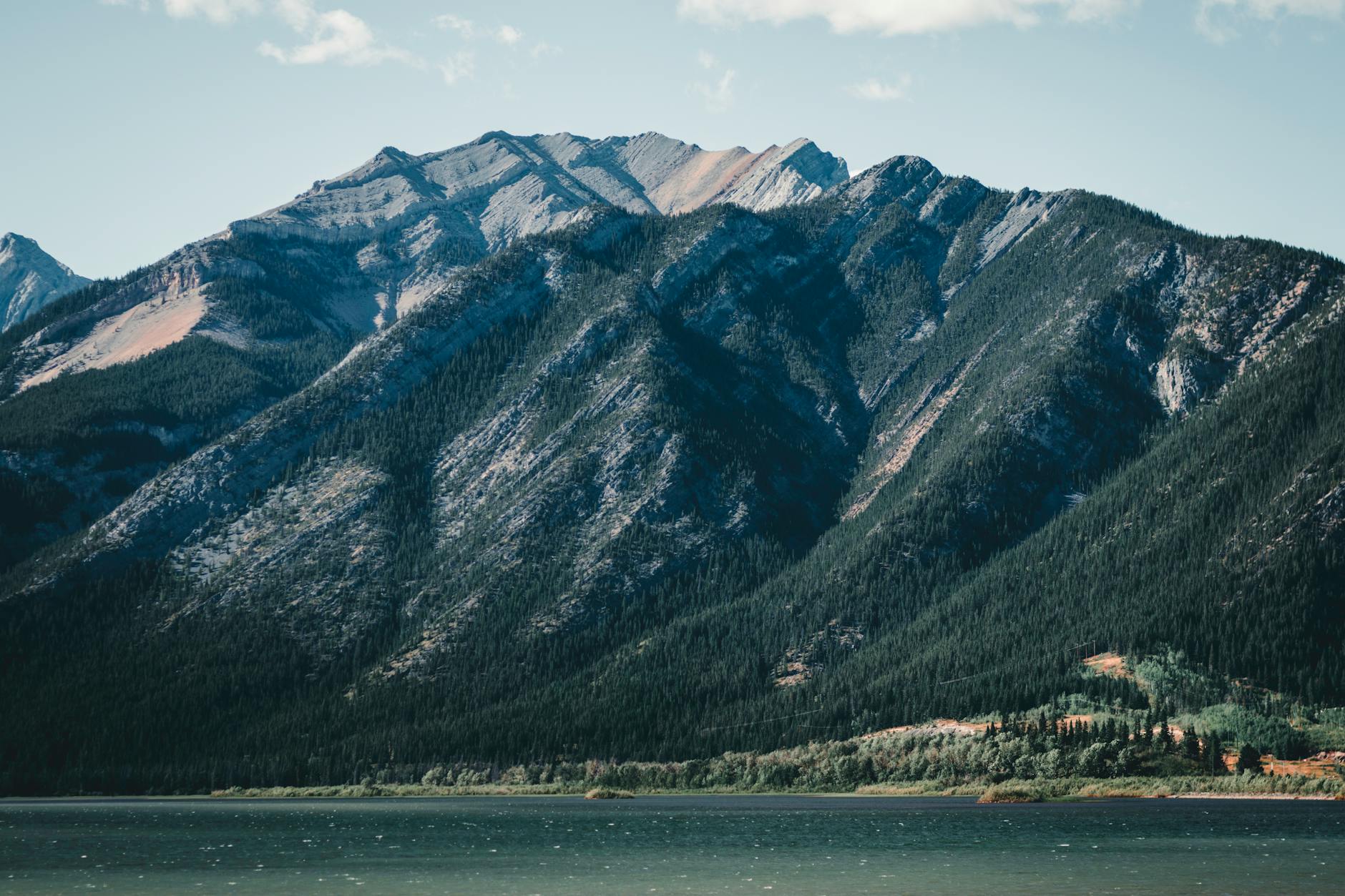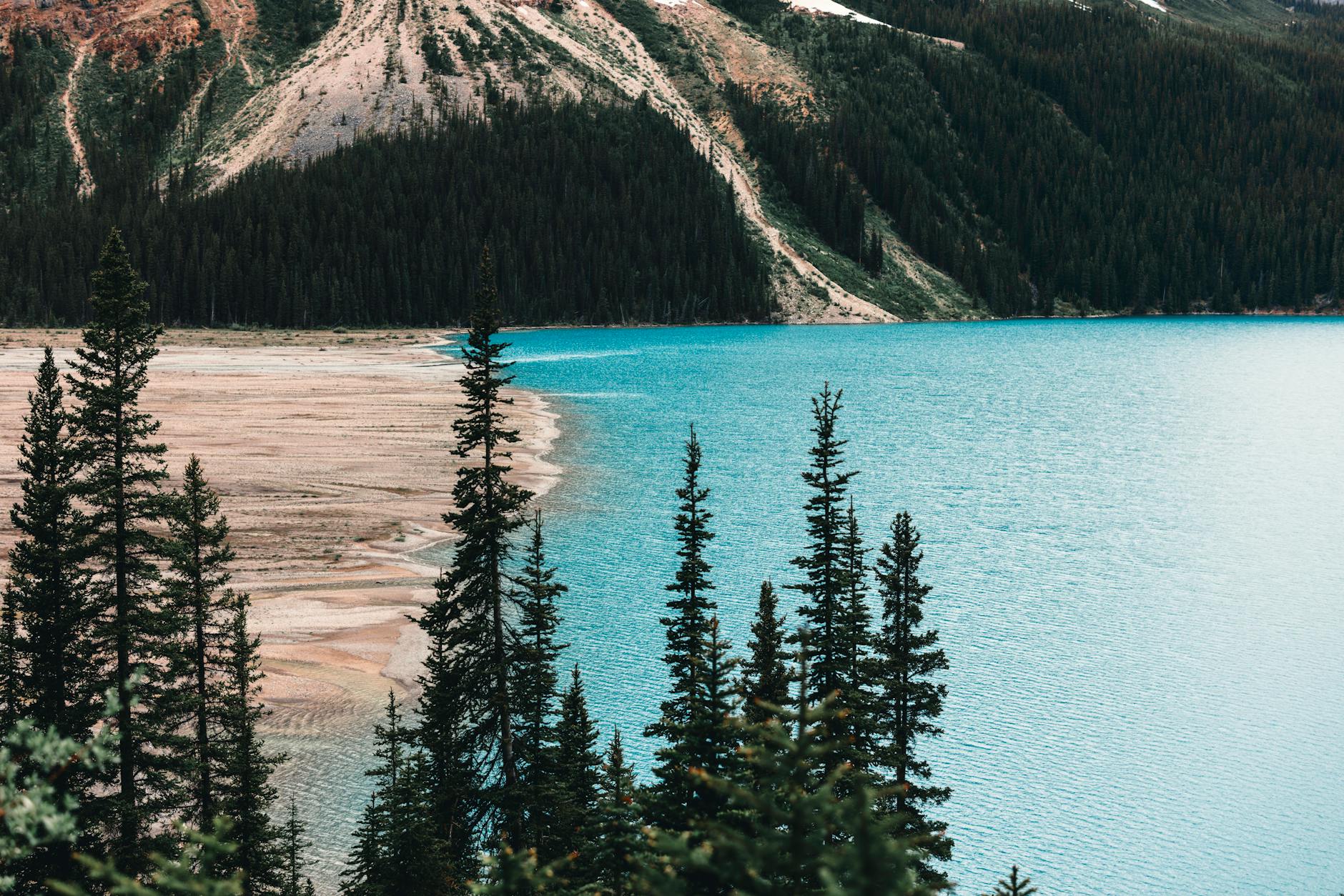
Banff is one of Canada's most visually powerful short-stay destinations, which is exactly why tourist trips there can become messy. The lakes, peaks, town streets, gondola views, hot springs, scenic drives, and hotel lobbies all look easy from a distance. In practice, the trip depends on airport access, park rules, road timing, hotel location, weather, crowds, shuttle plans, and how much mountain scenery can fit into a short stay without exhausting the traveler. A tourist should treat Banff as a mountain destination first and an attraction list second. The strongest trip decides what version of Banff matters most: a classic first look, a lake-focused stay, a winter scenery weekend, a town-and-gondola visit, or a broader national park route.
Start with access, not the lake photos
Most Banff tourists must first solve Calgary arrival, the transfer into the mountains, park entry, hotel check-in, luggage, and first-day food. That access chain determines how much useful time the traveler actually has. A late flight, winter road, rental-car delay, or missed shuttle can weaken a short stay before the scenery starts.
The tourist should decide whether the first day is for arrival only, a town walk, a low-effort viewpoint, or a real attraction. Banff looks compact on an itinerary, but the mountain approach makes fragile timing expensive.
- Map Calgary arrival, transfer mode, park entry, check-in, luggage, food, and first-day energy.
- Choose shuttle, rental car, private transfer, or Calgary buffer by season and timing.
- Avoid putting a major lake or paid activity immediately after a vulnerable arrival.
Choose the right base for the trip shape
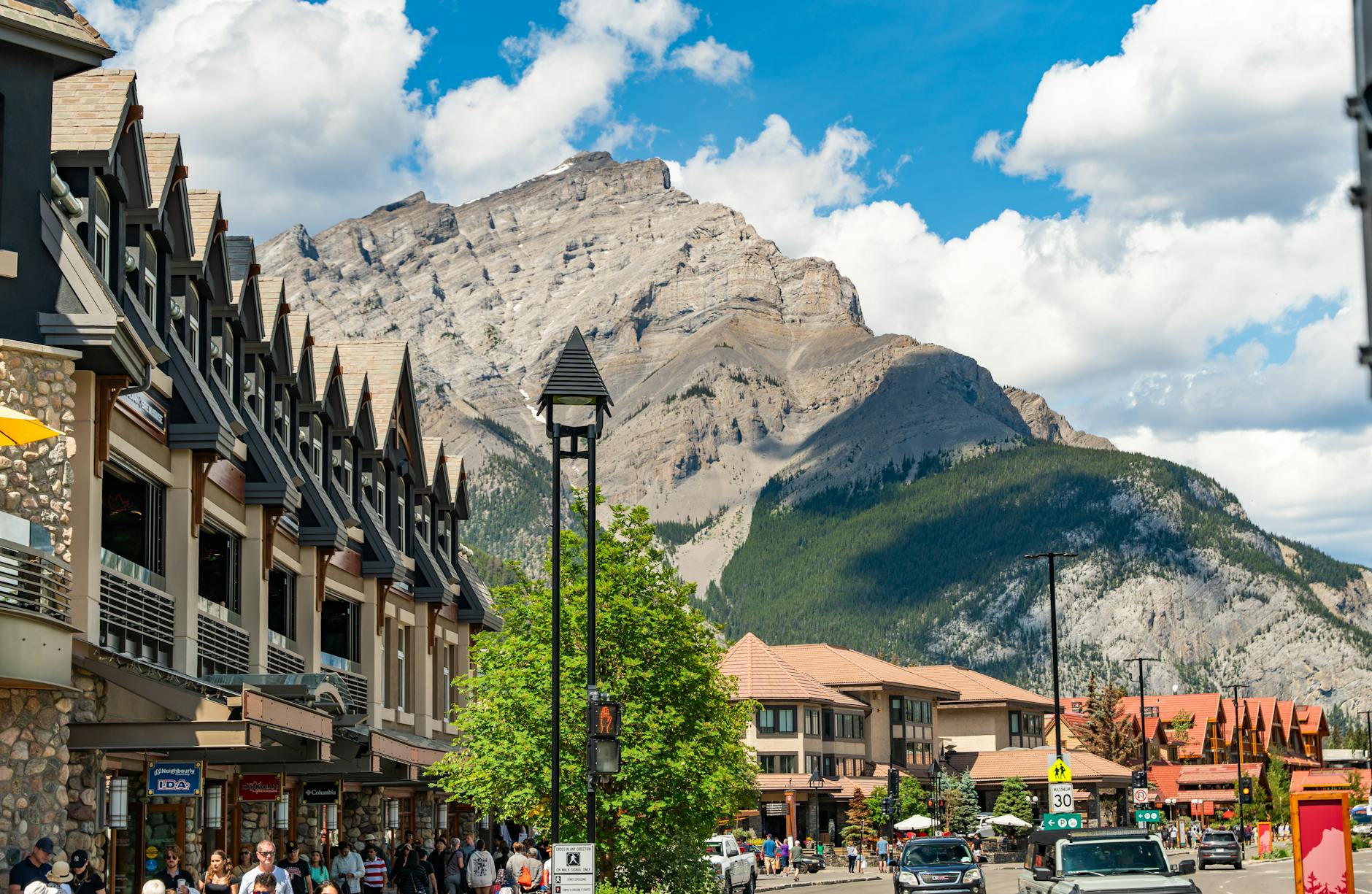
Banff town is convenient for restaurants, shops, tours, shuttles, evening walks, and a flexible first visit. Lake Louise, resort properties, and quieter bases can be beautiful, but they change meal choices, transport, parking, and how easily the traveler can adjust the day.
A tourist should pick lodging by the actual trip shape. A traveler who wants town dinners and easy pickups may be frustrated by an isolated scenic stay. A traveler who wants one calm lake-centered escape may not need to be in the busiest part of town.
- Use Banff town when flexibility, meals, pickups, and evening walks matter.
- Choose Lake Louise or a resort-style base only when the added isolation supports the trip.
- Check parking, shuttles, restaurants, stairs, luggage, and late returns before booking.
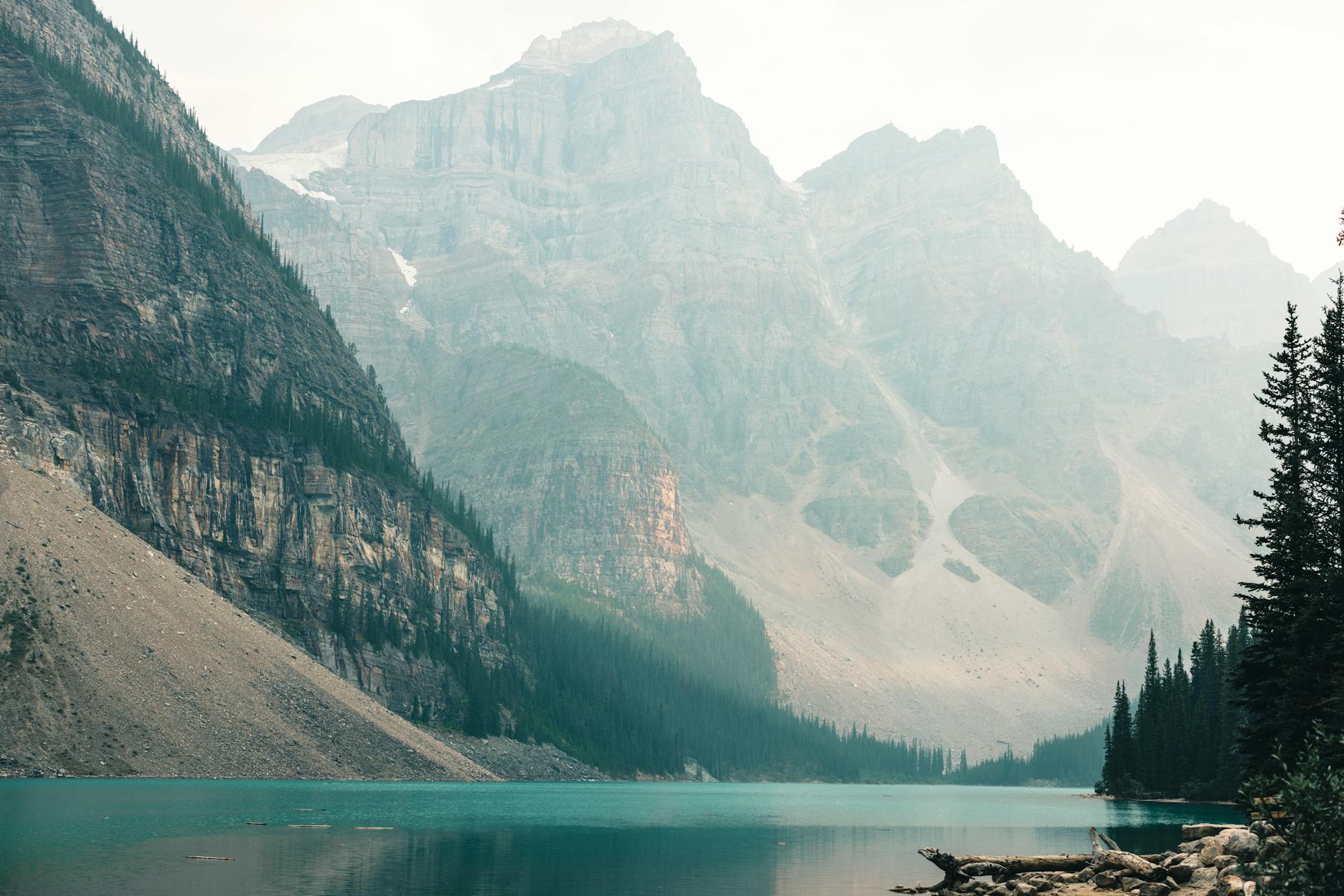
Treat Lake Louise and Moraine Lake as logistics projects
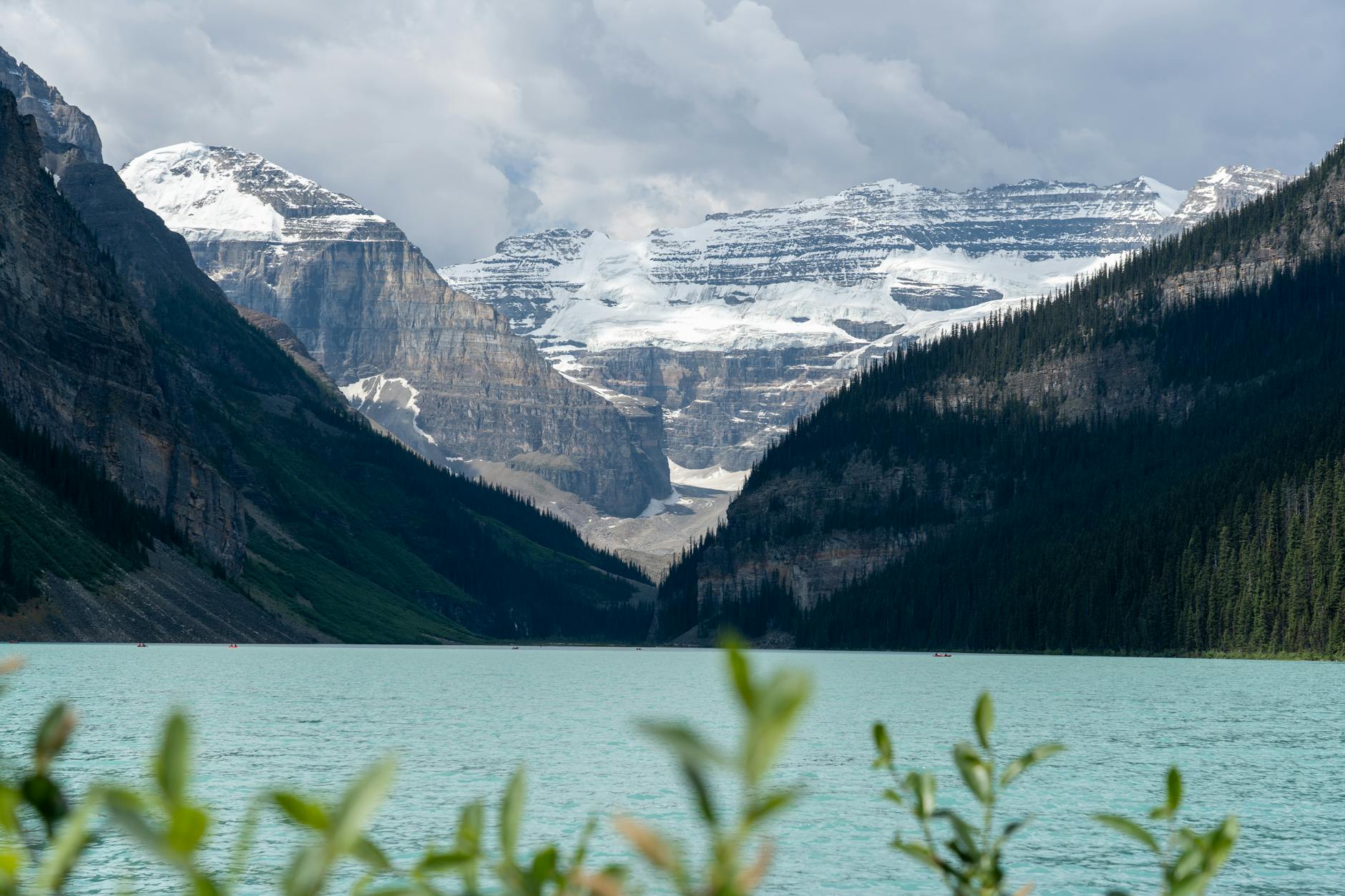
Lake Louise and Moraine Lake can define a Banff tourist trip, but they are not casual add-ons in a short stay. Access rules, parking pressure, shuttle timing, weather, road conditions, crowds, photo expectations, footwear, and daylight all affect whether the visit feels magical or merely crowded.
The traveler should confirm current access arrangements before building the day. A strong lake plan usually protects one primary lake experience and leaves enough margin for weather, transport, food, and recovery.
- Confirm current lake access, parking, shuttle, road, and reservation rules before arrival.
- Choose the lake visit by season, daylight, weather, and crowd tolerance.
- Do not stack multiple major lake movements without a proven transport plan.
Use Banff town deliberately
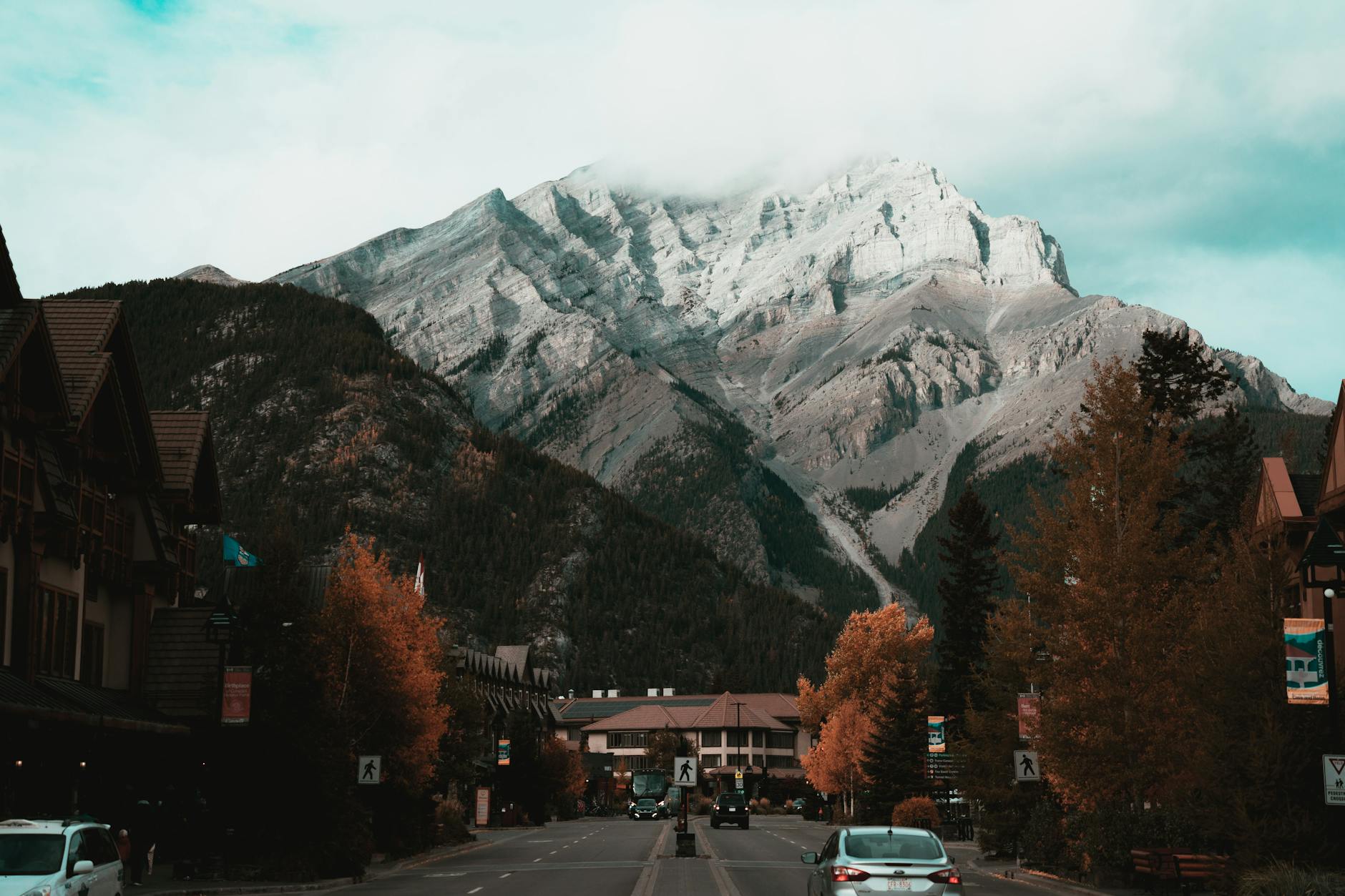
Banff town is more than a place to sleep. It can carry restaurants, coffee, shops, rental gear, tour desks, a low-pressure evening, and a recovery day when weather or crowds make the park plan harder. It can also become expensive and crowded if the traveler relies on it without reservations or timing.
The tourist should identify a few useful meal areas, pickup points, and backup activities before arrival. Town time works best when it is placed in the itinerary instead of being used only after a plan fails.
- Know where to eat, get coffee, meet tours, buy gear, and recover in town.
- Reserve important meals during high-demand periods or group travel.
- Use town time as a planned pressure valve, not only as a fallback.
Make the weather plan part of the itinerary
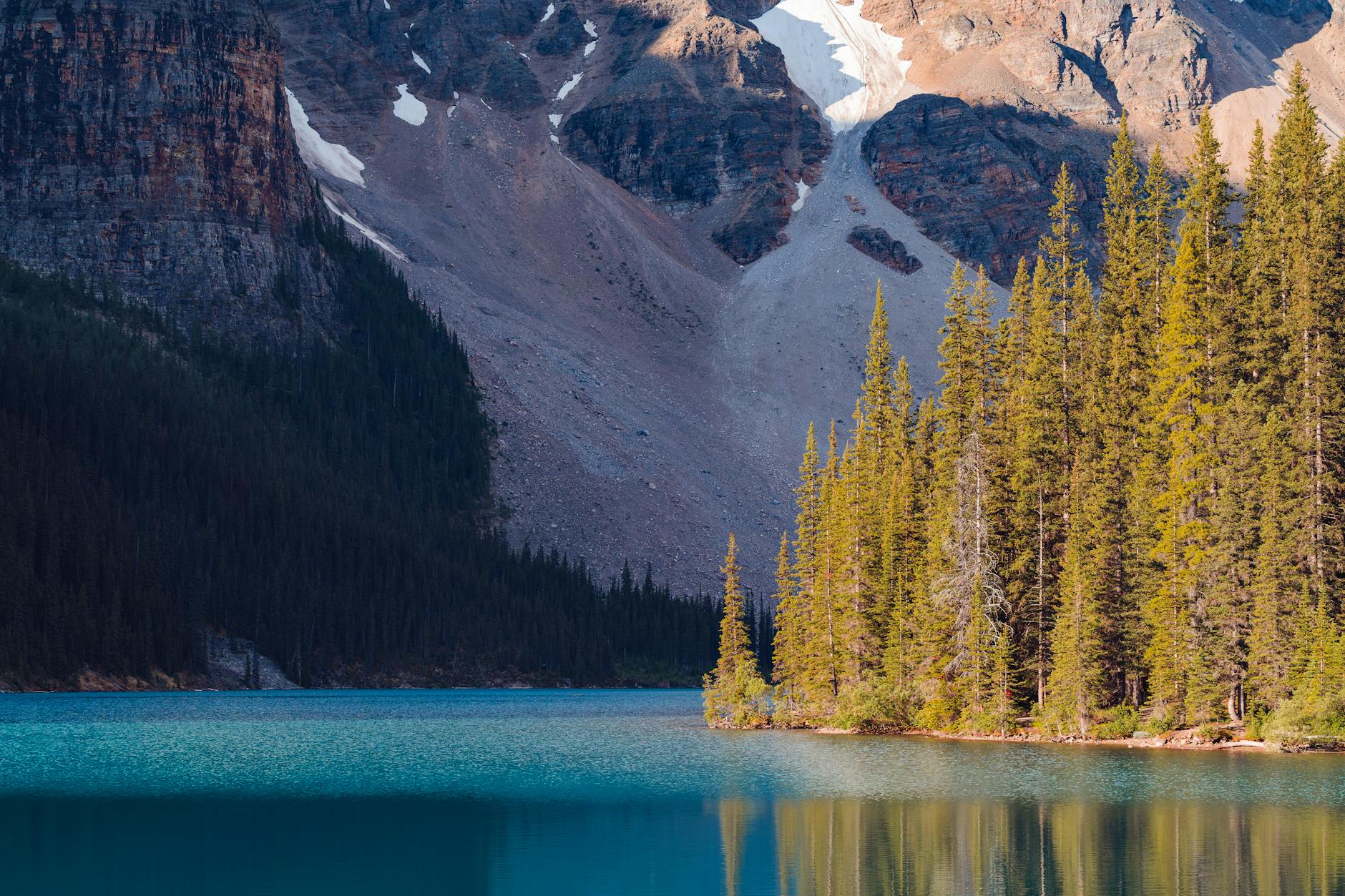
Mountain weather changes what a tourist day is worth. Cold, wind, rain, smoke, snow, ice, summer sun, and short winter daylight can all affect lakes, viewpoints, hikes, gondola timing, and scenic drives. A plan that assumes postcard conditions is fragile.
The itinerary should include layers, footwear, traction when needed, indoor or lower-effort alternates, and a willingness to swap days. Banff can still be rewarding in difficult weather, but only if the traveler stops pretending the original route is fixed.
- Plan clothing, footwear, traction, sun protection, and layers around the actual season.
- Keep lower-effort options ready for poor visibility, cold, smoke, rain, or ice.
- Use flexible day order when weather changes the value of lakes or viewpoints.
Spend on the experiences that define the trip
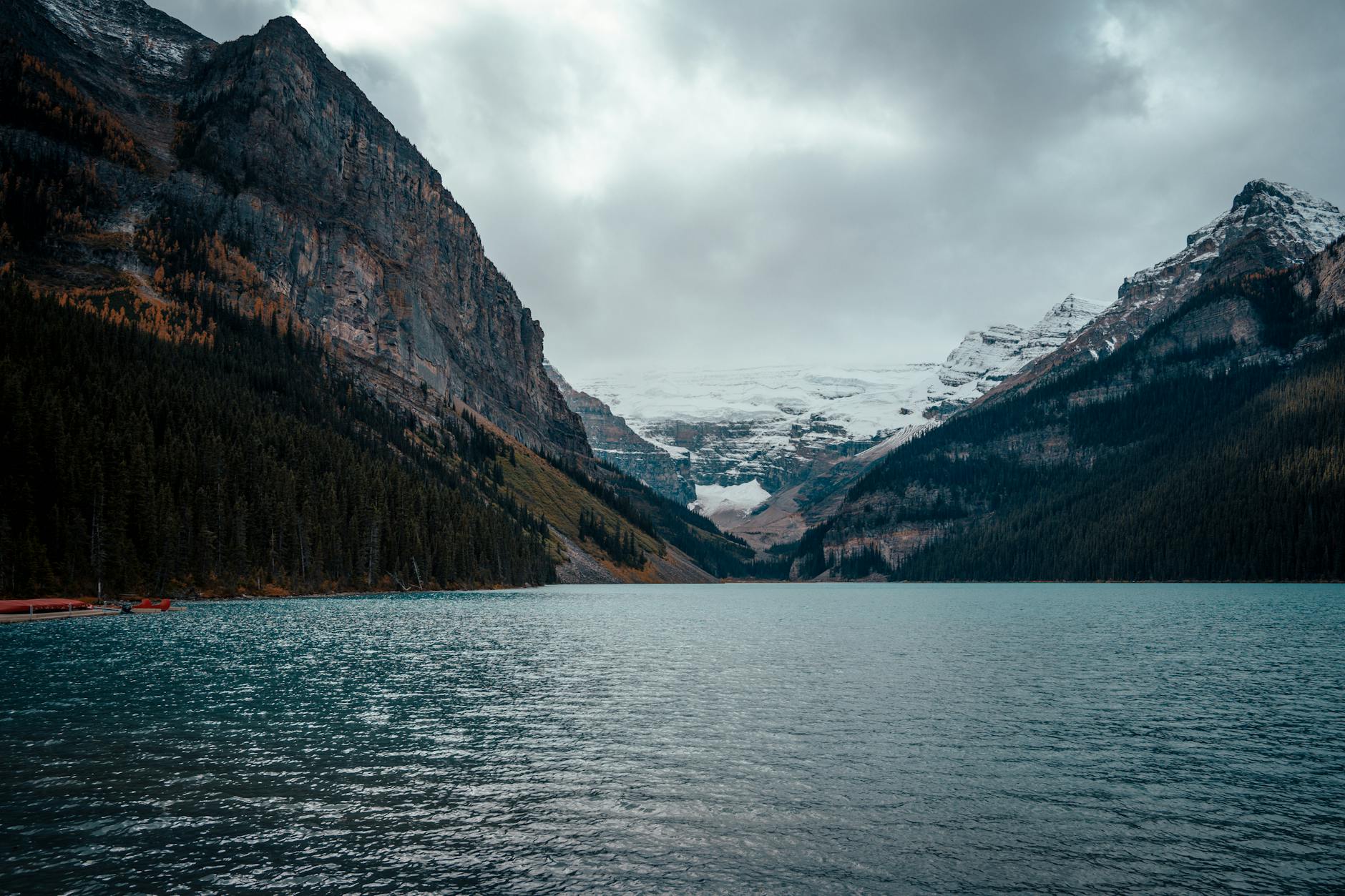
A Banff tourist budget can climb through lodging, transfers, rental cars, parking, shuttles, park passes, tours, gondola tickets, meals, gear, and seasonal rates. The expensive part is not always wasteful. The mistake is paying for scattered extras that do not improve the main trip.
The traveler should decide which paid experience actually defines the stay: a stronger hotel base, a gondola, guided lake access, a winter tour, a special meal, or a private transfer. Spending deliberately is different from letting Banff's demand curve make every decision.
- Budget lodging, transfers, park costs, meals, shuttles, tours, gear, and seasonal rates together.
- Choose one or two paid anchors that clearly improve the stay.
- Cut weak extras before cutting the item that makes the Banff trip work.
When to order a short-term travel report
A tourist with flexible dates, a central hotel, and low pressure to see every famous lake may not need a custom Banff report. A report becomes useful when the stay is short, expensive, seasonal, lake-focused, winter-sensitive, dependent on Calgary transfers, or built around several must-do activities.
The report should test arrival timing, lodging base, lake access, shuttle or car choices, park rules, weather alternates, meal placement, activity pacing, budget, and what to cut. The value is a Banff tourist trip that feels full without becoming a mountain logistics scramble.
- Order when access, lodging, lakes, weather, budget, or activity sequencing could decide the trip.
- Provide dates, arrival mode, hotel options, must-see sights, budget, mobility, and weather tolerance.
- Use the report to choose the Banff trip that can actually work in the time available.