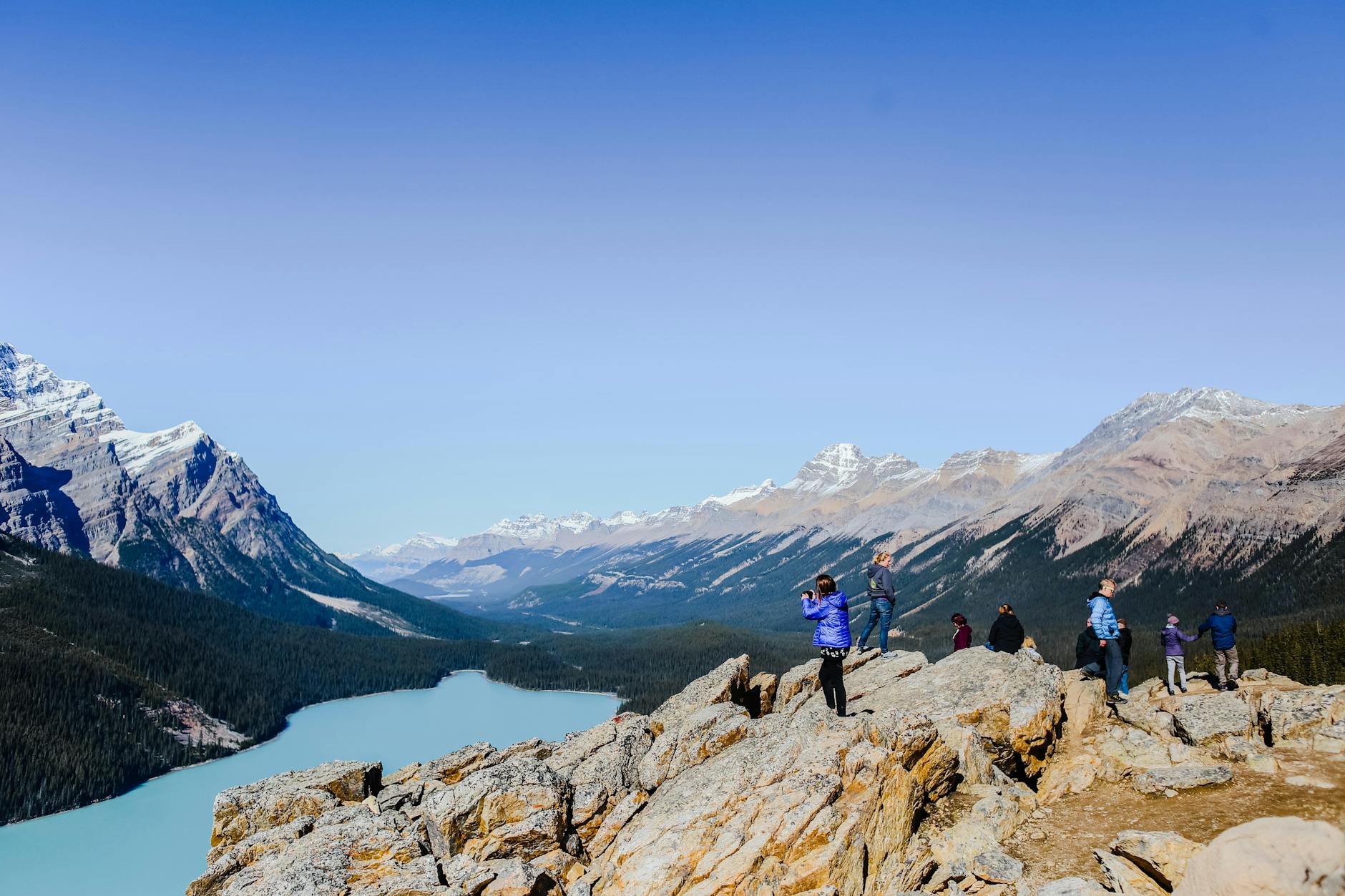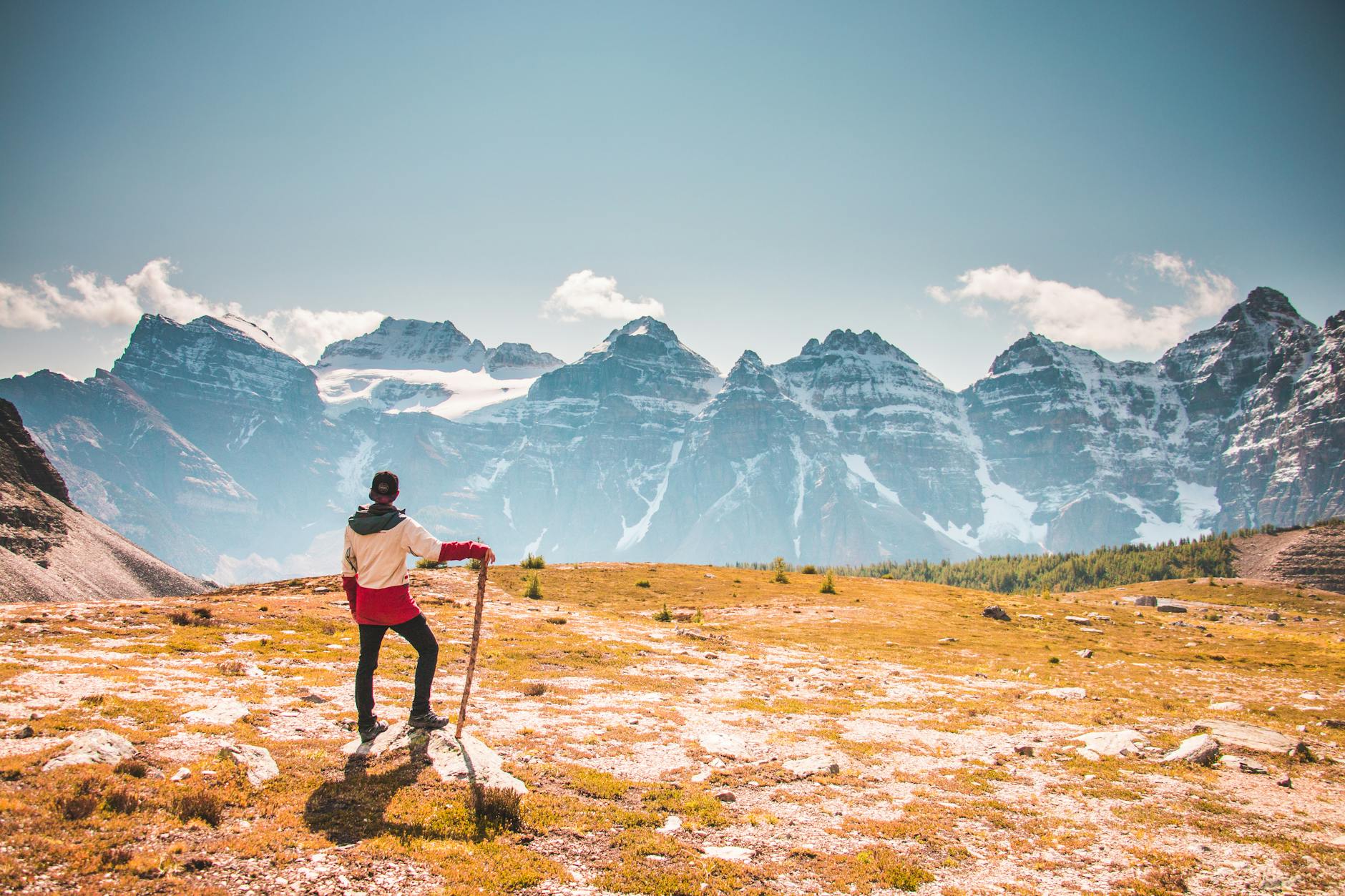
Banff can be an exceptional setting for a short program, field course, outdoor education module, language or leadership program, environmental study trip, hospitality training, or student travel segment. It can also become risky or wasteful if students treat the mountains as casual background. The destination involves transfers, weather, gear, supervision, budgets, group movement, and outdoor decision-making. A student on a short program should understand both sides of the trip: the program obligations and the mountain environment around them. The best Banff experience keeps the learning purpose intact while giving students enough structure to enjoy the scenery safely.
Start with the program structure
The student should understand what kind of short program this is: academic fieldwork, outdoor education, leadership training, hospitality study, environmental science, language immersion, service component, or a broader student travel itinerary. Each format has different expectations for attendance, supervision, free time, risk tolerance, and academic output.
Before adding independent sightseeing, the student should know the daily schedule, required sessions, assessment expectations, curfew or check-in rules, transportation plan, and who makes weather or activity decisions.
- Clarify whether the program is academic, outdoor, leadership, hospitality, language, service, or mixed travel.
- Know required sessions, assignments, attendance rules, check-ins, and supervision before arrival.
- Do not treat free time as unlimited if the program has structured responsibilities.
Plan Calgary arrival and group transfer carefully
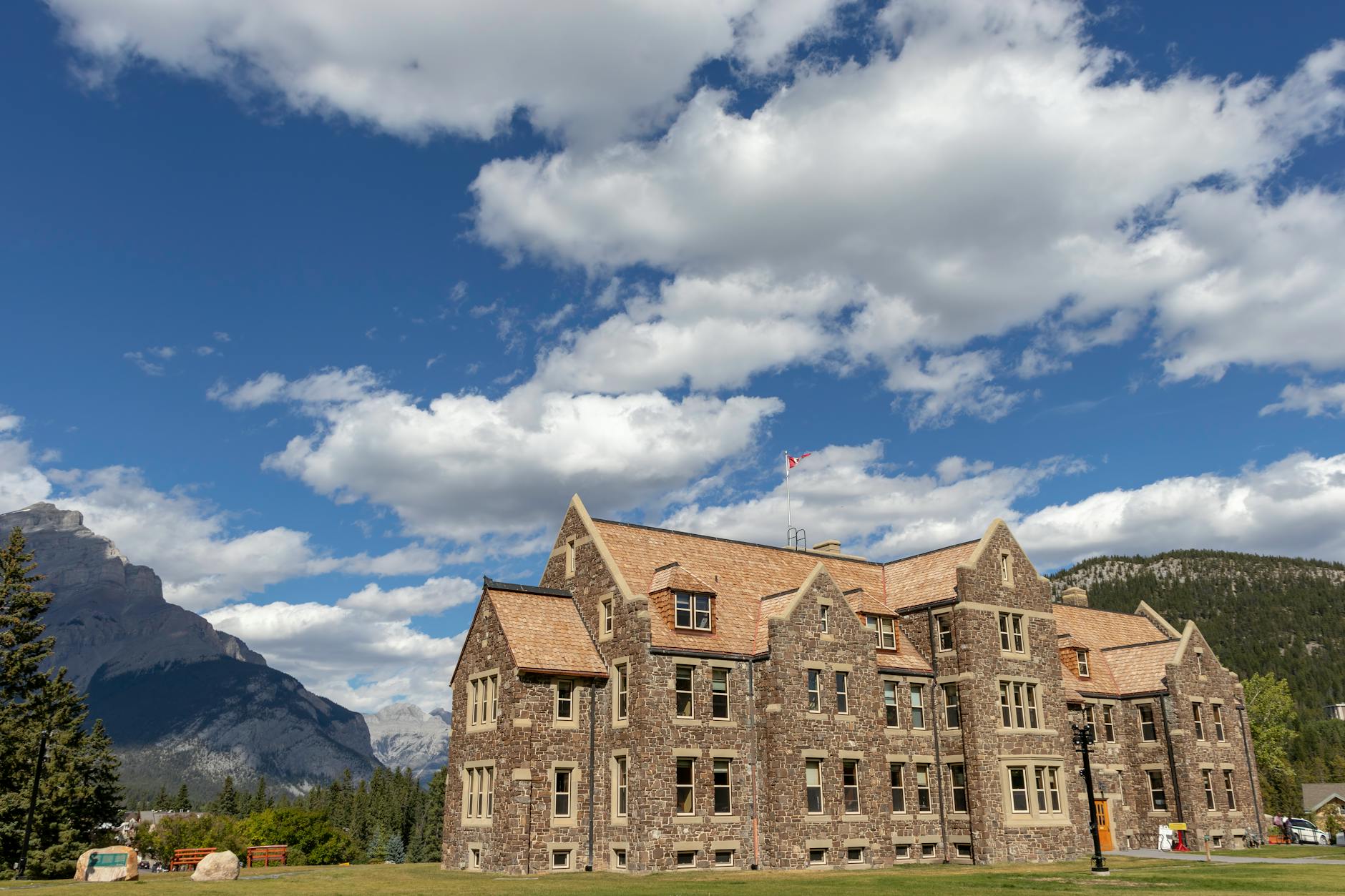
Student programs often depend on group transfers, staggered arrivals, checked bags, gear, and a fixed start time. Calgary-to-Banff movement should be treated as part of the program, not just transportation. Flight delays, winter roads, missed shuttles, and unclear meeting points can create immediate stress.
Students should know where to meet, what happens if a flight is late, who has emergency contacts, how luggage is handled, and whether food is available before the first program session. A weak arrival plan can make the first day feel chaotic.
- Confirm airport meeting point, transfer mode, late-arrival procedure, luggage handling, and emergency contacts.
- Account for winter roads, shuttle schedules, food, and first-session timing.
- Keep critical medication, documents, warm layers, and program contacts with the student.
Treat housing as part of student safety
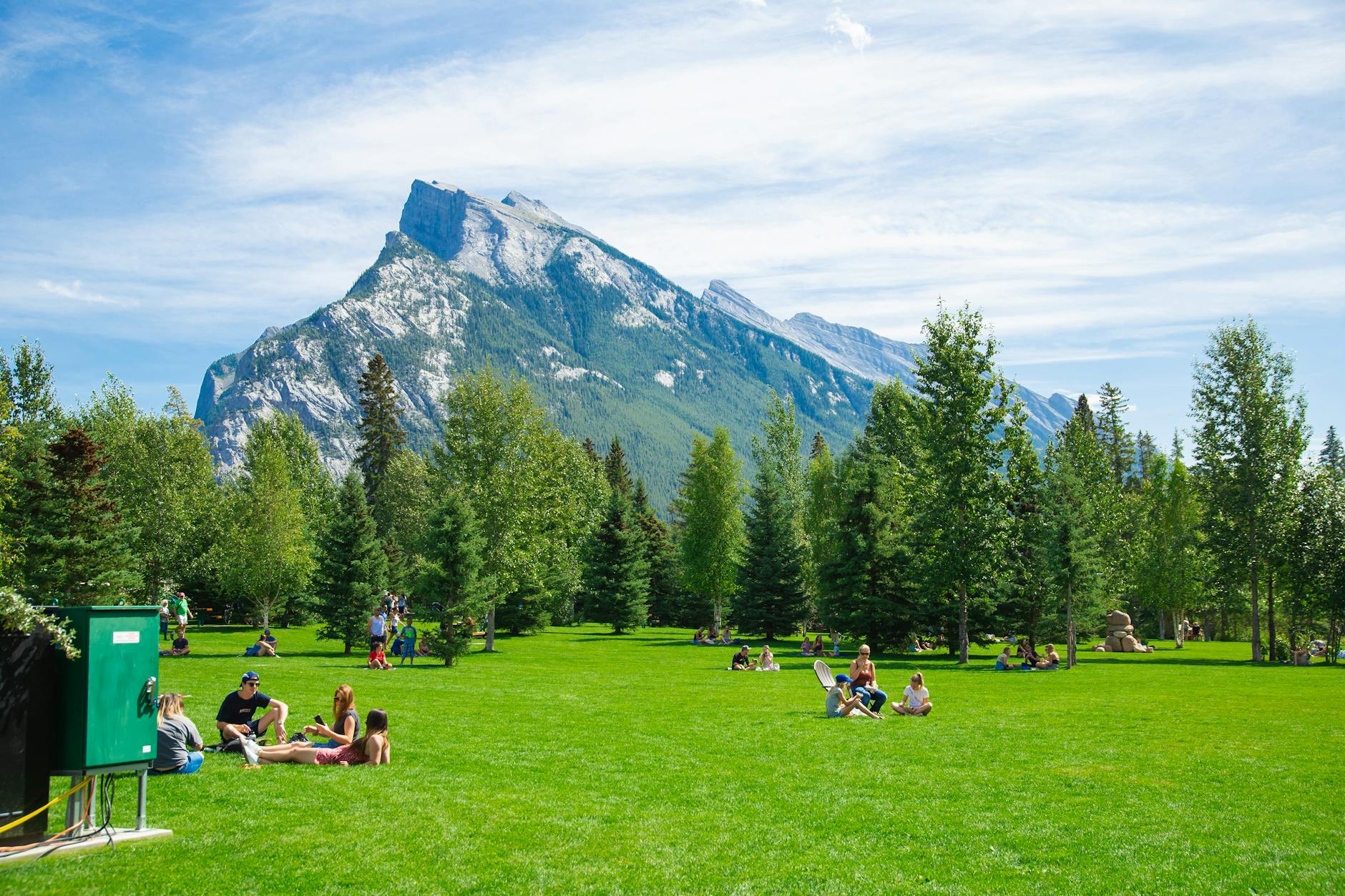
Program housing should be assessed for more than price. Students need to know room sharing, supervision proximity, curfew rules, keys or access cards, laundry, food access, quiet hours, bathrooms, storage, winter path maintenance, and how far housing is from classrooms, trailheads, or pickup points.
If students have free evenings, housing location matters even more. A base that seems scenic can create late returns, taxi costs, or group-splitting if it is not matched to the program's movement plan.
- Check room sharing, supervision, access, quiet hours, bathrooms, laundry, storage, and food access.
- Map housing to classrooms, trailheads, pickup points, meals, and evening return routes.
- Avoid housing that creates unsupervised friction for young or first-time travelers.
Respect outdoor activity limits
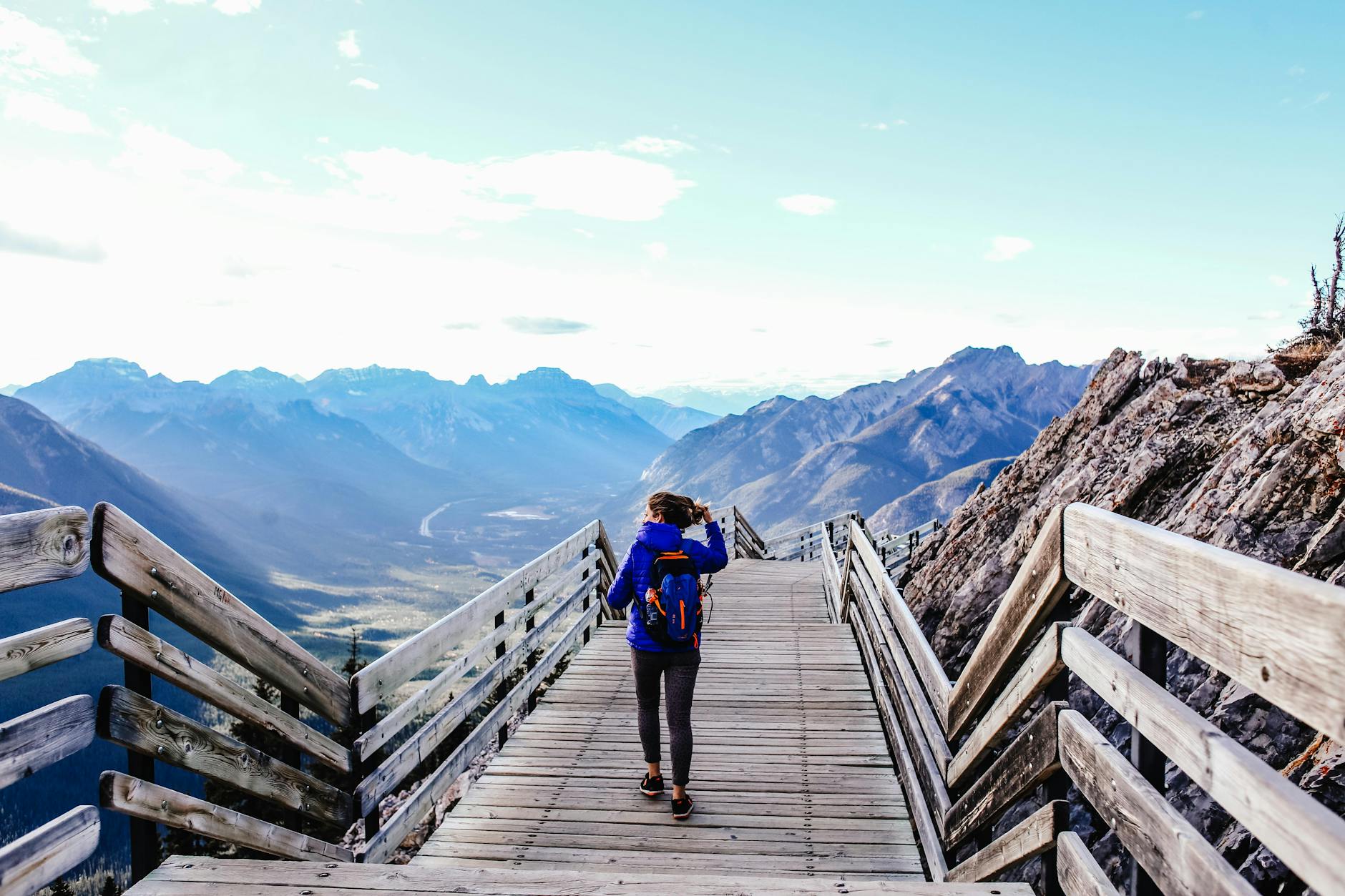
Banff program activities can involve hikes, lakes, viewpoints, winter surfaces, buses, boats, gondolas, field observations, or group walks. Students vary widely in fitness, footwear, medical needs, risk judgment, and outdoor experience. A program should not assume everyone can safely handle the same route at the same pace.
Students should understand activity difficulty, required gear, weather thresholds, turnaround rules, buddy systems, wildlife expectations, and what to do if they cannot continue. The mountain setting rewards humility.
- Confirm activity difficulty, gear, weather thresholds, supervision, buddy rules, and turnaround points.
- Disclose relevant medical or mobility constraints through the proper program channel.
- Do not improvise independent hikes or lake visits outside the program's risk rules.
Budget for gear, food, and free time
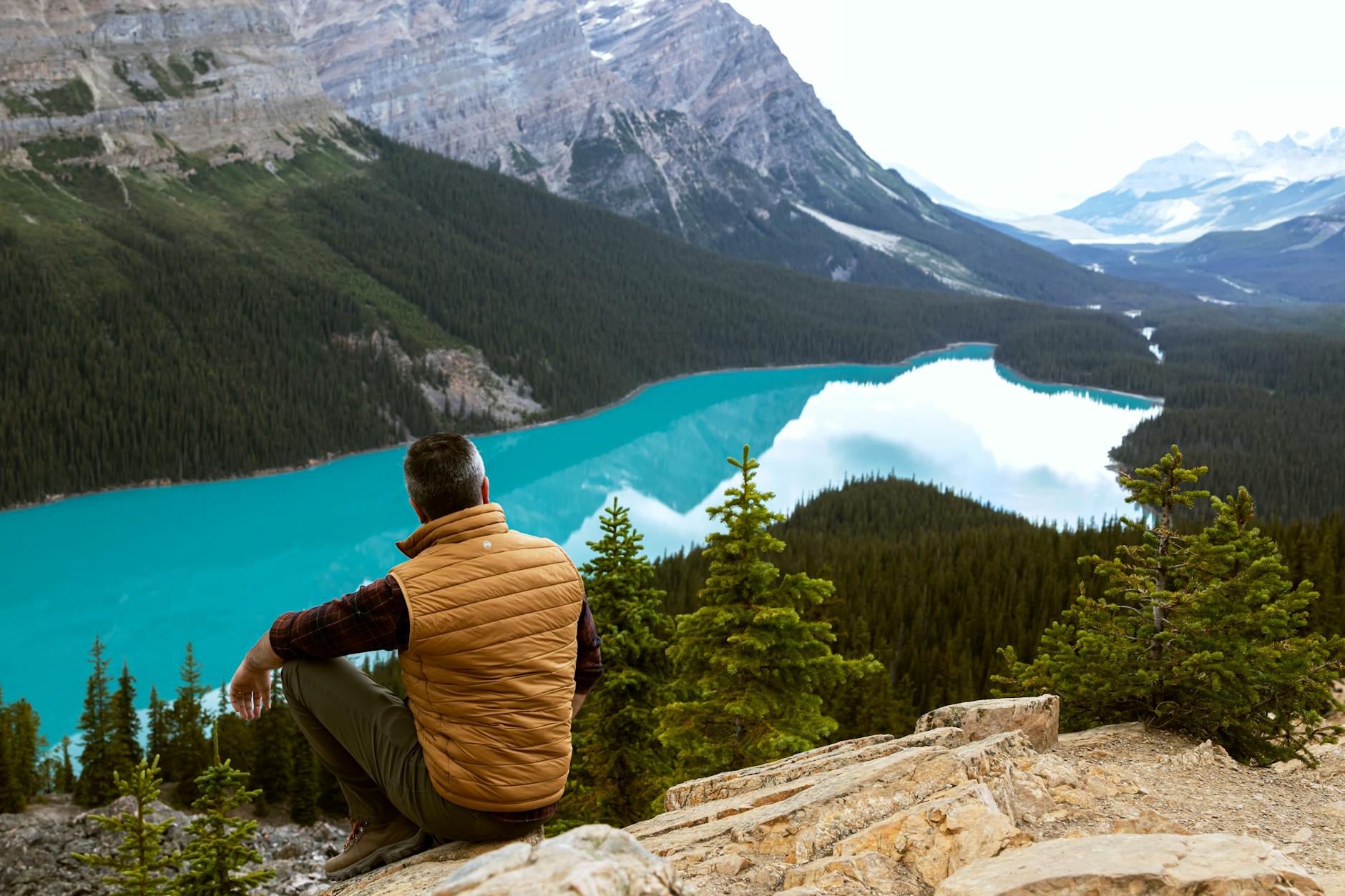
Student budgets can break in Banff because the trip feels outdoorsy but still requires real spending. Layers, footwear, rain gear, winter traction, snacks, groceries, laundry, casual meals, transit, park activities, and emergency purchases can add up quickly. A student should know what the program covers and what is personal responsibility.
Free time also needs a budget. A gondola ticket, cafe stop, hot springs visit, or souvenir may be reasonable if planned. It becomes a problem when students underestimate food and gear, then spend impulsively in a high-cost resort town.
- Separate program-covered costs from personal food, gear, transit, laundry, and activity costs.
- Bring essential layers and footwear instead of relying on emergency purchases in town.
- Plan free-time spending before Banff prices make decisions for the student.
Keep communication and emergency plans simple
Students should know who to contact for illness, injury, missed transfers, lost documents, weather changes, roommate issues, mental health concerns, or activity discomfort. Phones, roaming, battery life, group chats, emergency contacts, insurance, and medication storage should be sorted before the first excursion.
The program should make decision authority clear. Students should not be guessing whether a route is canceled, whether they may leave the group, or who needs to know if they feel unwell.
- Save program leaders, emergency contacts, insurance details, housing information, and transfer contacts.
- Keep phones charged and know the group communication channel before leaving town.
- Know who makes weather, activity, illness, and missed-transfer decisions.
When to order a short-term travel report
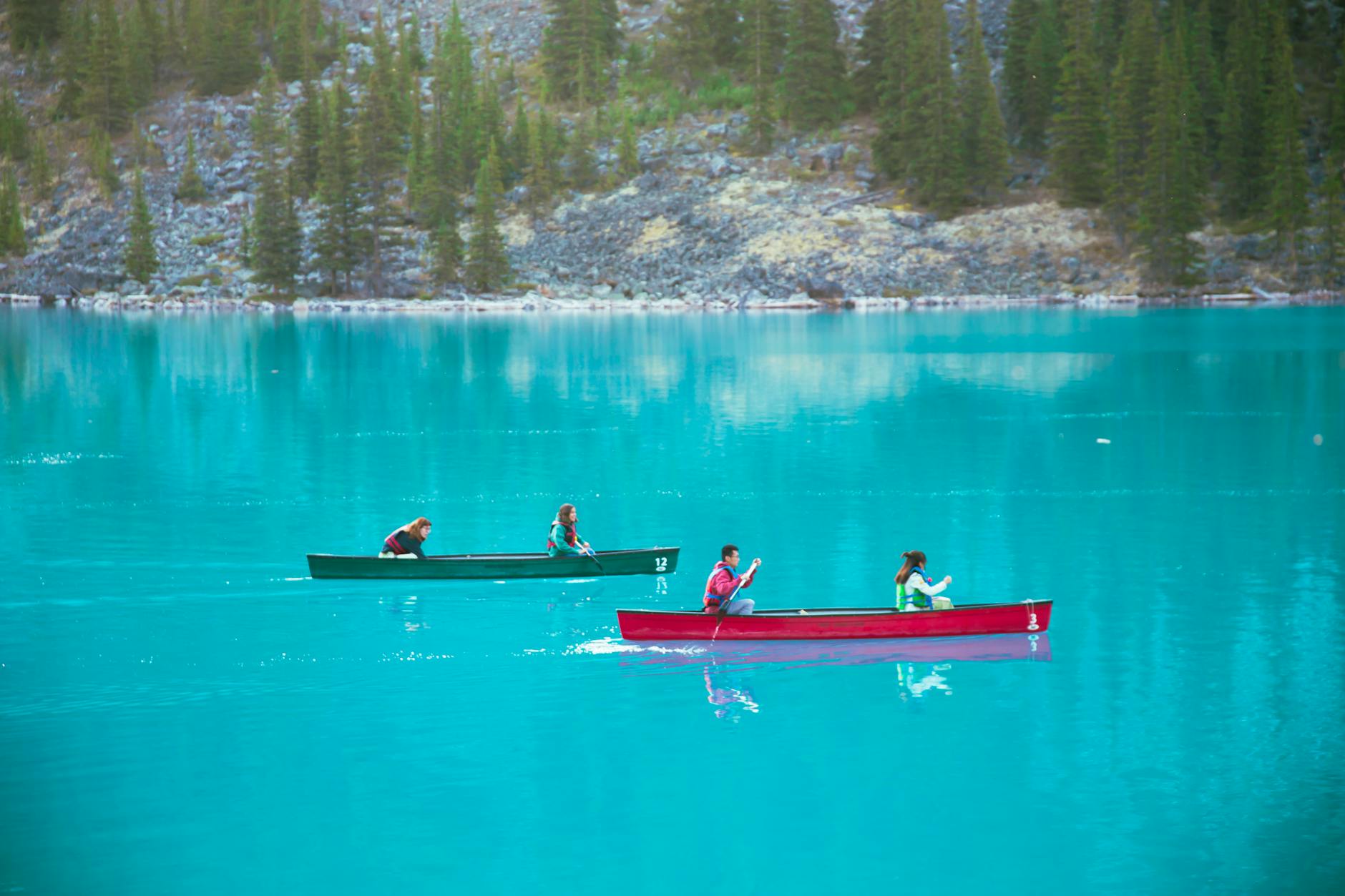
A student joining a highly organized program with housing, transfers, meals, and activities already managed may not need a custom Banff report. A report becomes useful when families, schools, or students must assess independent arrival, medical or mobility constraints, gear gaps, free-time plans, budget limits, winter conditions, or whether the program design fits the student's actual needs.
The report should test arrival, housing, supervision, activity difficulty, gear, weather, food, budget, emergency contacts, free time, medical constraints, and what to avoid. The value is a Banff student experience that remains educational and enjoyable without drifting into preventable risk.
- Order when arrival, housing, outdoor activities, gear, budget, medical needs, or free time need review.
- Provide dates, program type, itinerary, housing, transfer details, student constraints, budget, and supervision model.
- Use the report to make the short program safe, useful, and realistic.