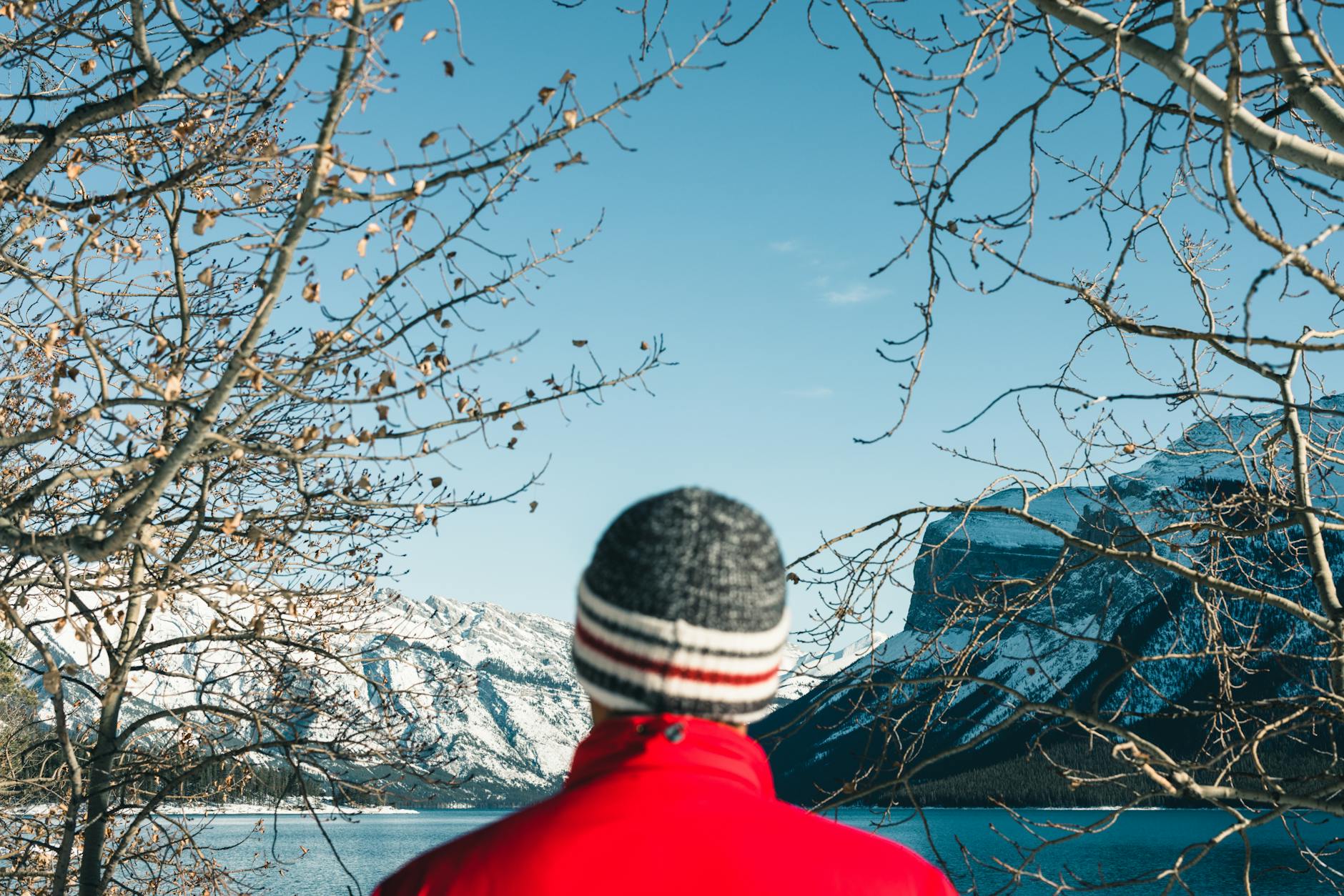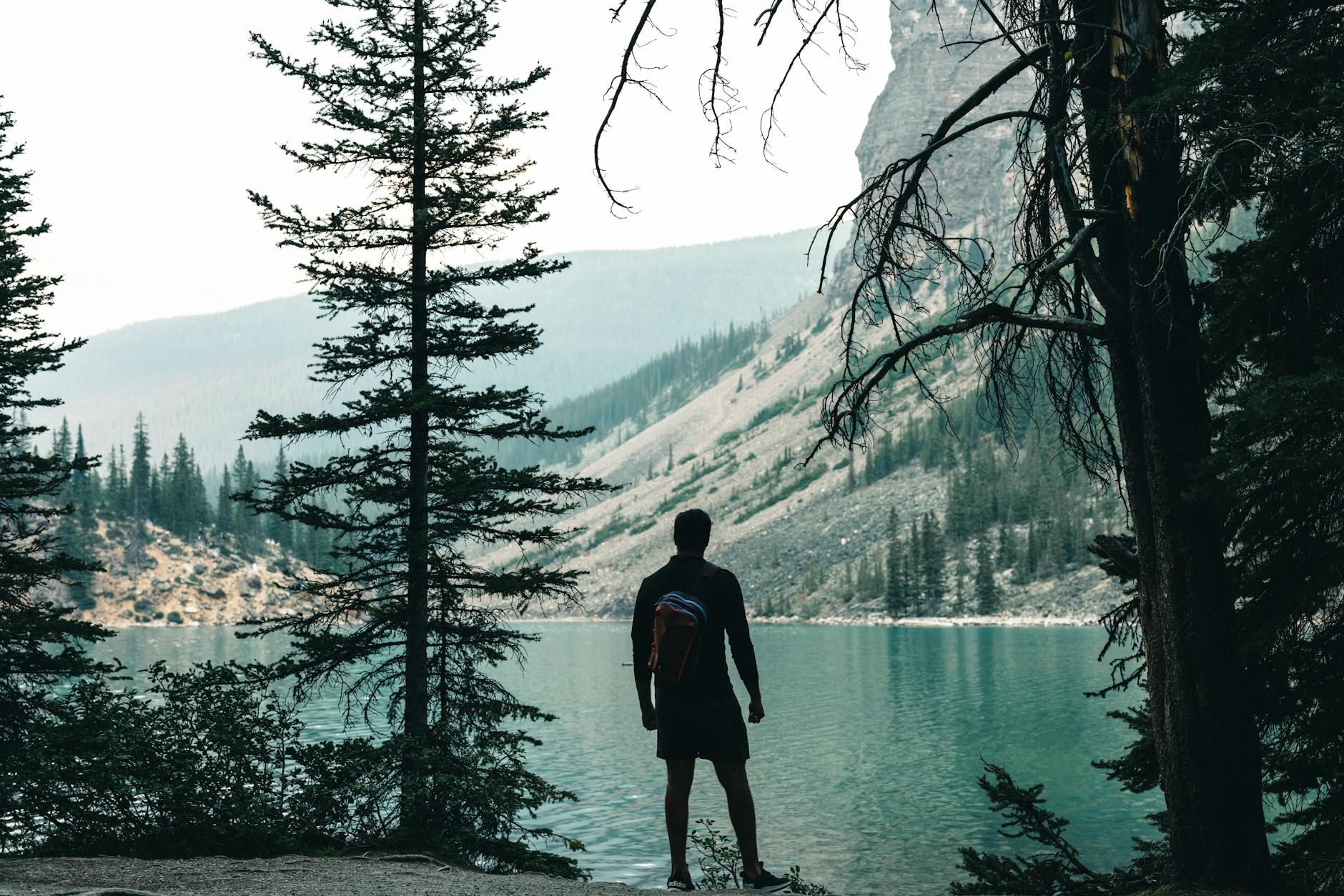
Banff can be a strong solo destination because the town is compact, the scenery is immediate, organized tours are common, and a traveler can build a trip around walks, viewpoints, cafes, lakes, shuttles, winter activities, or a quiet mountain reset. It still requires more discipline than a normal city break. A solo traveler should plan for independence and backup at the same time. Calgary transfers, winter conditions, trail choices, restaurant timing, lodging location, phone battery, weather shifts, and fatigue matter more when there is no companion to share navigation, decisions, or recovery.
Choose the solo trip shape
A solo Banff trip should have a clear shape before the traveler starts adding famous places. It may be a town-based reset, a hiking trip, a winter stay, a photography route, a budget hostel trip, a comfortable hotel weekend, or a stop inside a wider Canadian Rockies journey. Each version changes lodging, transport, risk, and how much solitude makes sense.
The traveler should choose one or two main purposes and let the rest support them. Banff rewards a solo traveler who can move at their own pace, but too much open-ended movement can become expensive, tiring, and weather-dependent.
- Define whether the trip is about hiking, rest, photography, winter, town time, or a Rockies route.
- Build around one or two main purposes before adding every famous viewpoint.
- Leave flexible time without leaving the whole trip undecided.
Make arrival and lodging confidence non-negotiable
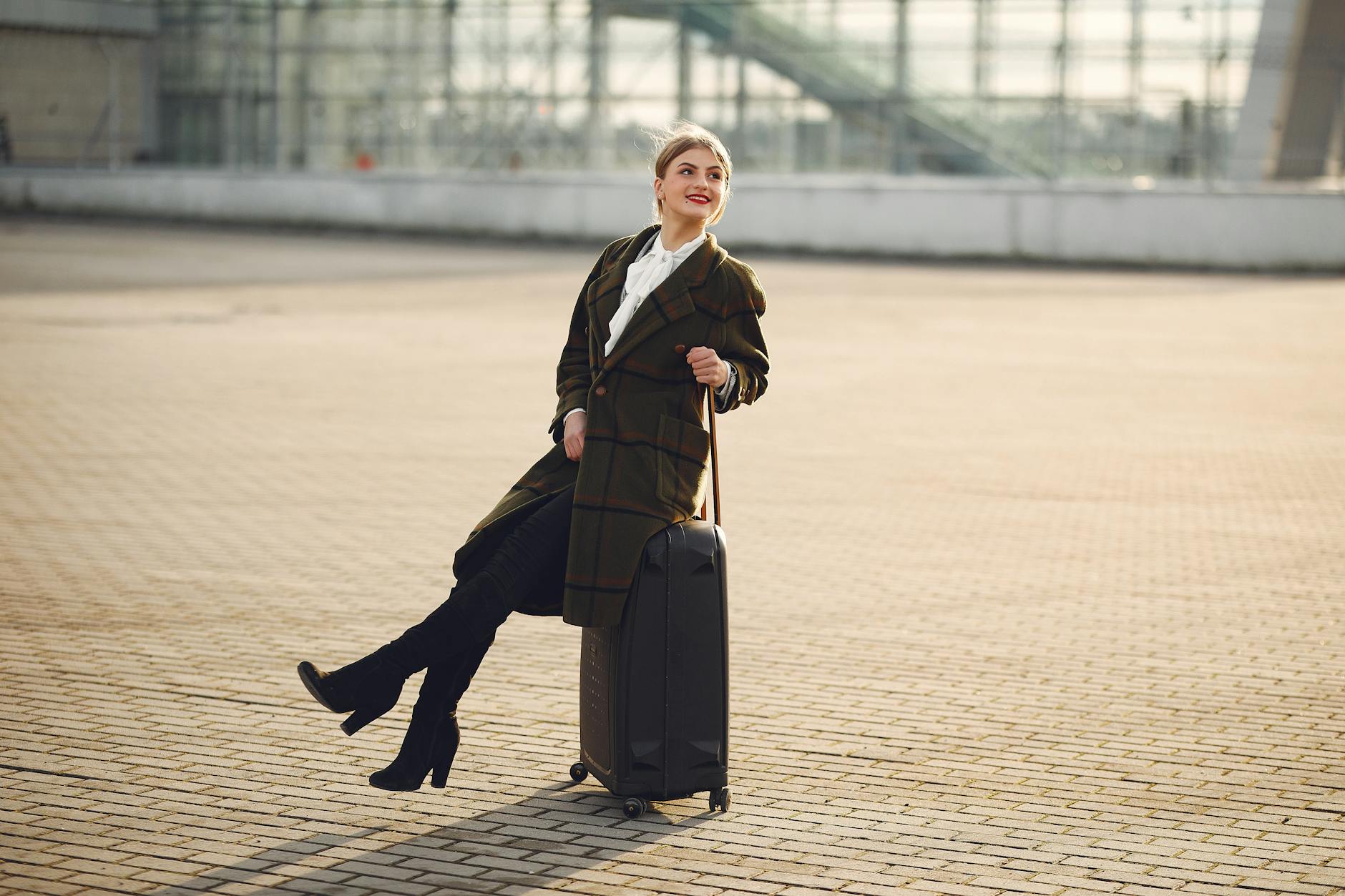
Solo travelers should treat the Calgary-to-Banff transfer and first hotel arrival as core safety planning. A delayed flight, late shuttle, winter road, dead phone, or confusing pickup point is harder when the traveler is alone. The plan should make the first move simple enough to execute while tired.
Lodging should support independence. A central hotel or well-run hostel can make meals, tours, pickup points, and evening returns easier. A cheaper or remote property may work with a car, but it can create unnecessary dependence on taxis, darkness, or weather.
- Confirm shuttle, rental car, private transfer, pickup point, arrival time, and phone battery plan.
- Choose lodging around evening comfort, food access, tour pickups, and return routes.
- Avoid arriving late into a complicated transfer unless there is a clear backup.
Use town access as a safety tool
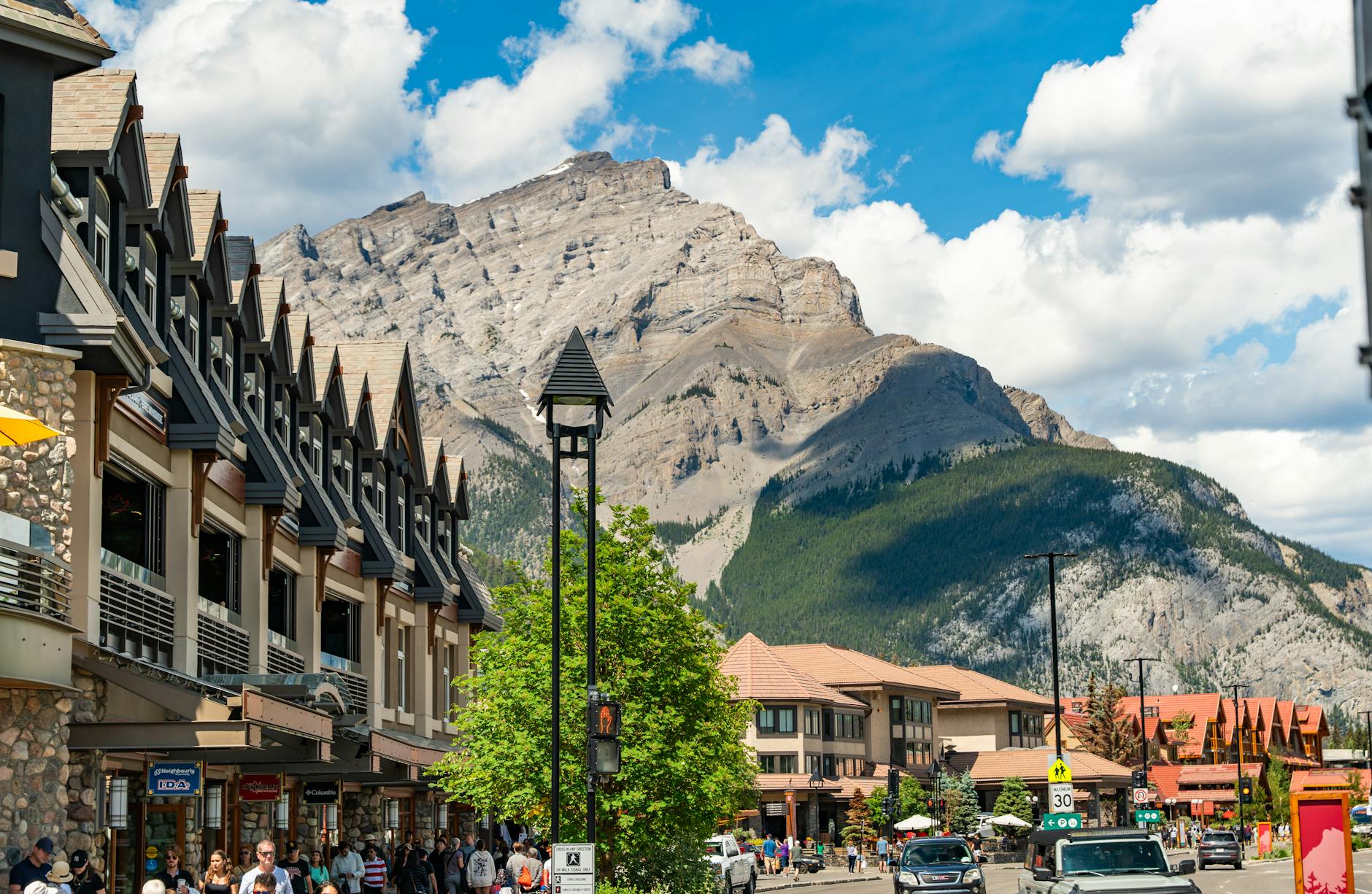
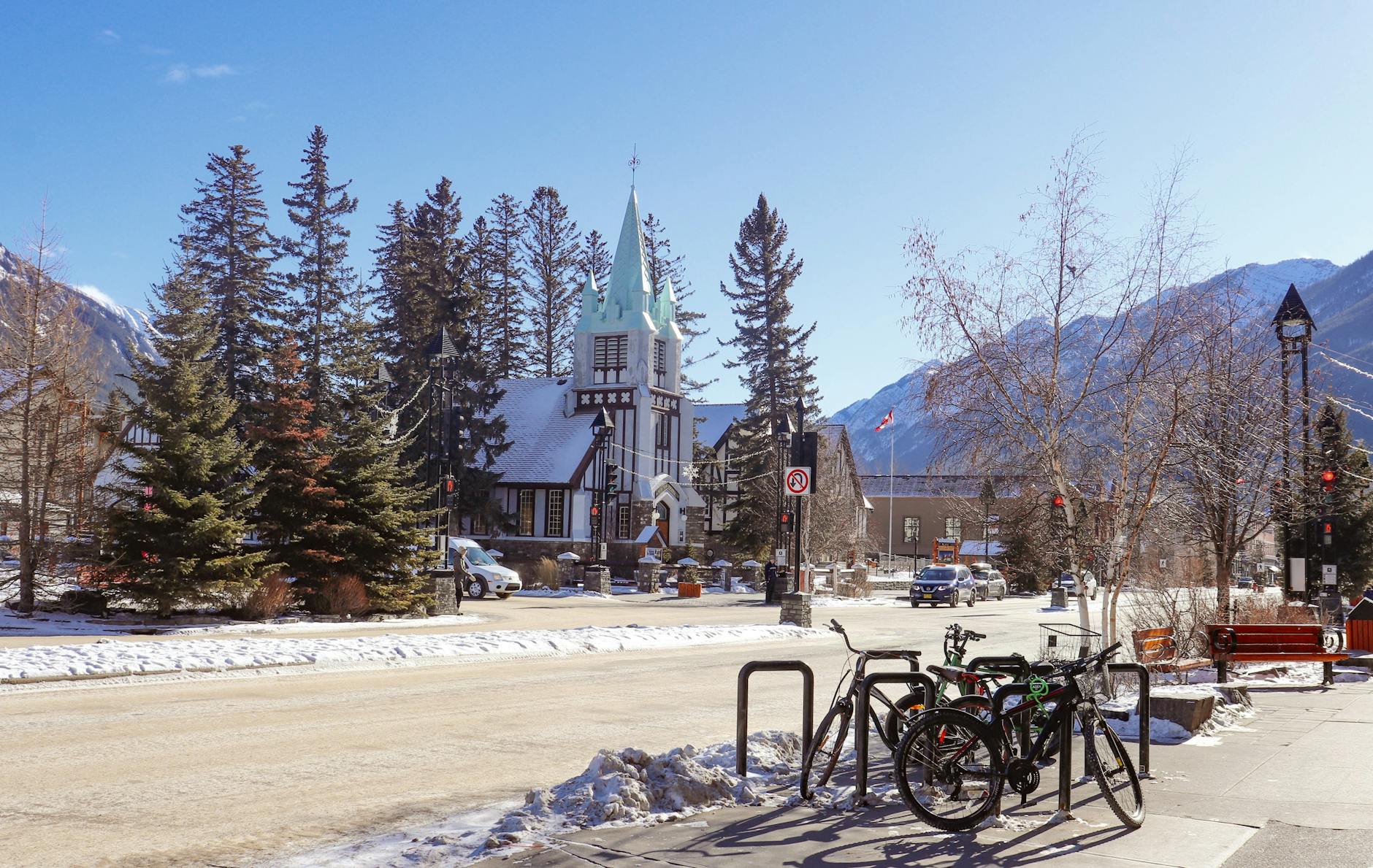
Banff town can give solo travelers useful structure: restaurants, cafes, shops, tour desks, bus stops, pharmacies, hotels, and visible evening movement. Staying close to the town core can reduce friction if weather shifts, a plan ends early, or the traveler needs an easy meal and quiet return.
The traveler should still avoid treating the town as risk-free. Winter footing, dark returns, alcohol, isolated paths, and unfamiliar shortcuts should be handled with the same judgment used in a larger city. The advantage is that many needs can be kept close and visible.
- Use central lodging, restaurants, cafes, shops, and pickups to reduce solo friction.
- Keep evening routes simple, lit, and familiar, especially in winter.
- Avoid isolated shortcuts when a slightly longer visible route is safer.
Treat trails and viewpoints with solo discipline
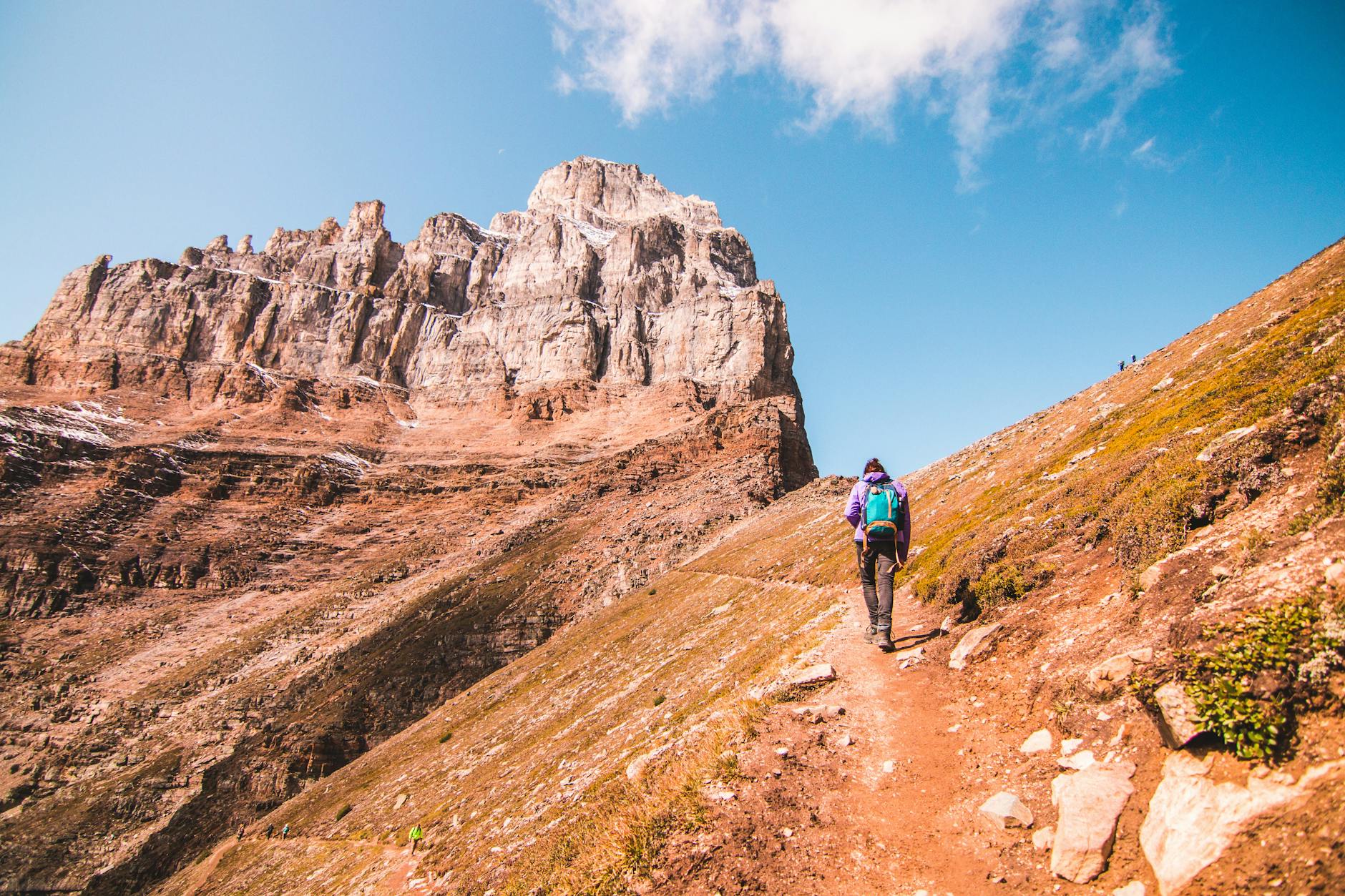
A solo traveler should be careful about hiking, viewpoints, snow routes, icy paths, wildlife areas, and weather changes. The plan should match the traveler's skill, equipment, season, daylight, phone coverage, and ability to turn around. A popular trail can still become a poor solo decision if the timing or conditions are wrong.
The traveler should share plans when appropriate, carry basics, understand route difficulty, and choose guided options when they reduce risk without undermining the trip. The goal is not fear. It is to preserve the freedom of solo travel by removing avoidable mistakes.
- Match trails and viewpoints to season, daylight, footing, equipment, and experience.
- Share plans, carry basics, watch weather, and know when to turn around.
- Use guided hikes, tours, or shuttles when they improve safety and confidence.
Plan meals, social contact, and quiet time
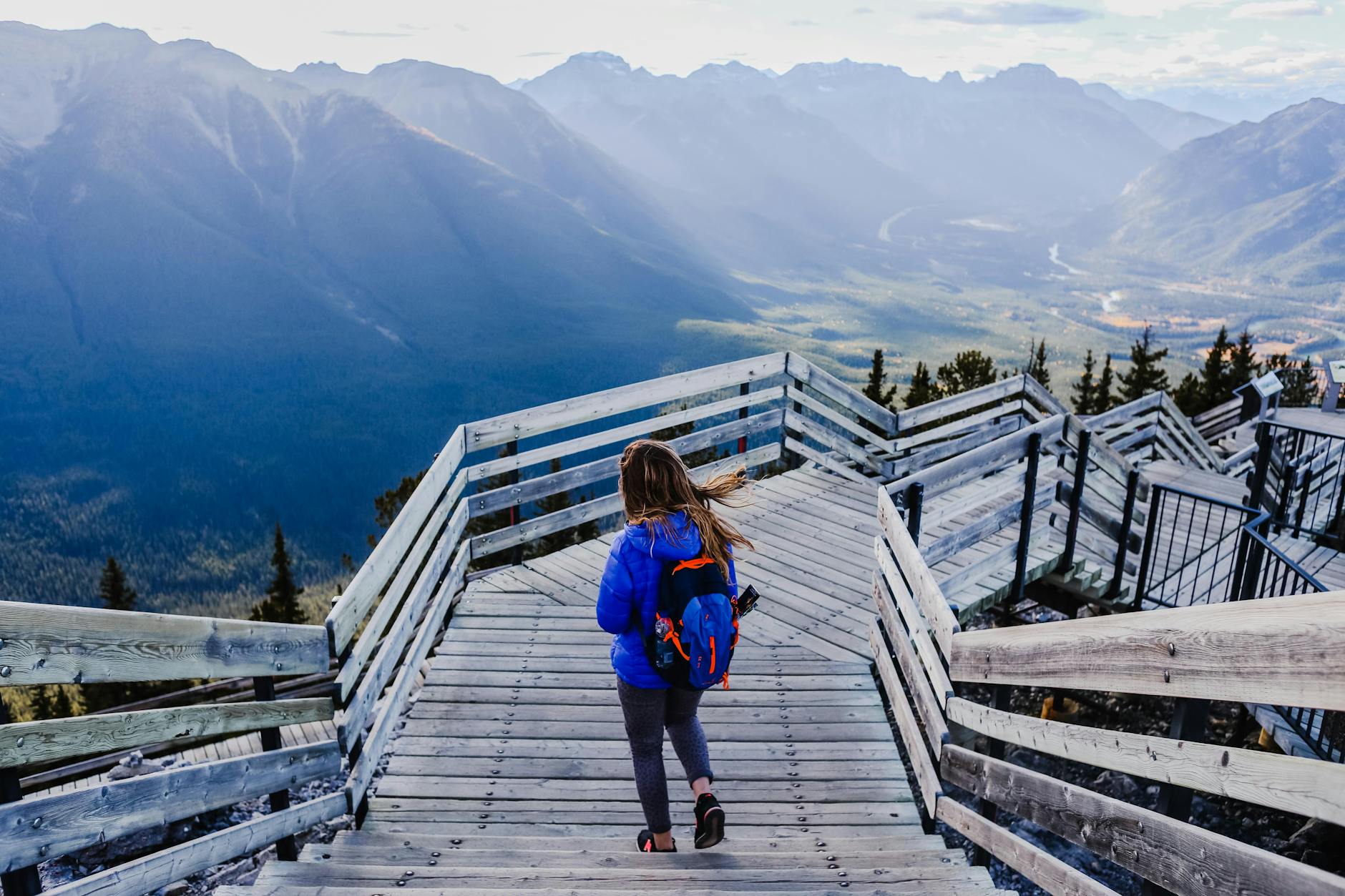
Solo meals in Banff can be easy if the traveler plans them lightly. A cafe, bar seat, hotel restaurant, casual takeaway, early dinner, or booked table can each work. Leaving every meal to chance during peak demand can make a solo traveler spend too much time searching or settling for weak options.
Social contact should also be intentional. Group tours, hostel common areas, guided activities, cafes, and casual conversations can be useful, but the traveler may also want solitude. The itinerary should include both connection and private recovery instead of letting the day decide.
- Identify easy solo meals, cafe stops, bar seating, hotel dining, and reservation needs.
- Use group tours or guided activities when shared context would improve the day.
- Protect quiet time so solo travel remains restorative rather than isolating or frantic.
Budget for independence
Solo Banff travel can be expensive because lodging, transfers, rental cars, taxis, tours, and meals are not shared. A traveler may save money with hostels, shuttles, grocery stops, simple meals, and town-based routes, but those savings should not remove necessary safety or comfort.
The budget should include a few independence tools: a safer transfer, central lodging, a guided route, warm gear, taxi fallback, or a meal reservation when needed. Saving money is useful only if the trip still works while alone.
- Budget for solo lodging, transfers, meals, shuttles, taxis, tours, gear, and backup transport.
- Use hostels, simple meals, and shuttles without stripping away safety or comfort.
- Keep money available for weather, fatigue, late arrival, or a changed plan.
When to order a short-term travel report
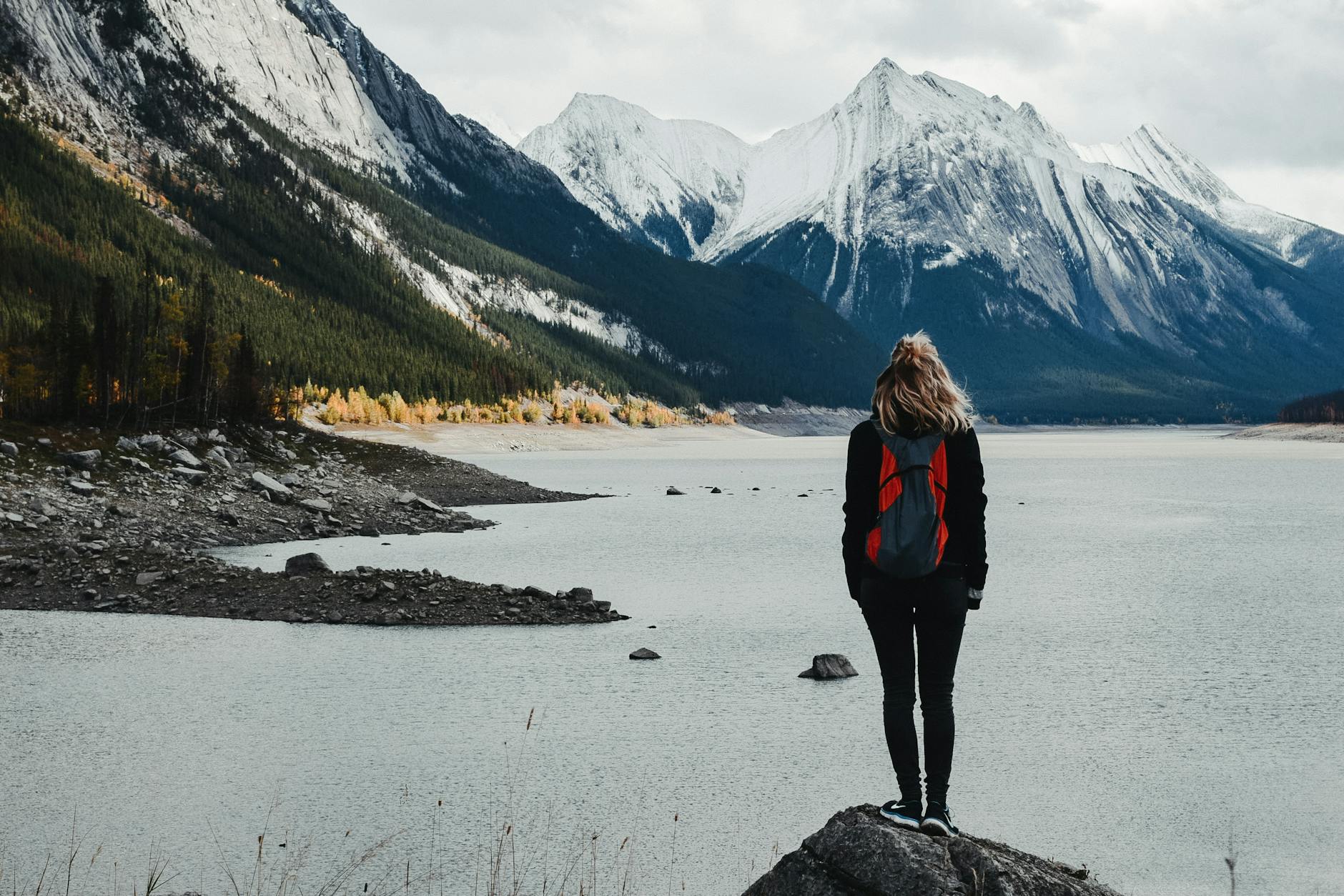
A confident solo traveler with flexible dates, central lodging, and simple town plans may not need a custom Banff report. A report becomes useful when the trip involves winter conditions, solo hiking, late arrival, expensive lodging, uncertain transfers, Lake Louise or Moraine Lake access, limited budget, limited mobility, or a need to balance solitude with safety.
The report should test Calgary arrival, lodging location, solo route design, trail choices, weather, phone and transport backup, meal planning, budget, medical fallback, social options, and what to cut. The value is a solo Banff trip that feels independent without becoming fragile.
- Order when solo transfer, lodging, trail, weather, budget, or safety choices need testing.
- Provide dates, arrival mode, hotel options, experience level, activity goals, budget, and constraints.
- Use the report to protect independence while keeping the trip manageable.