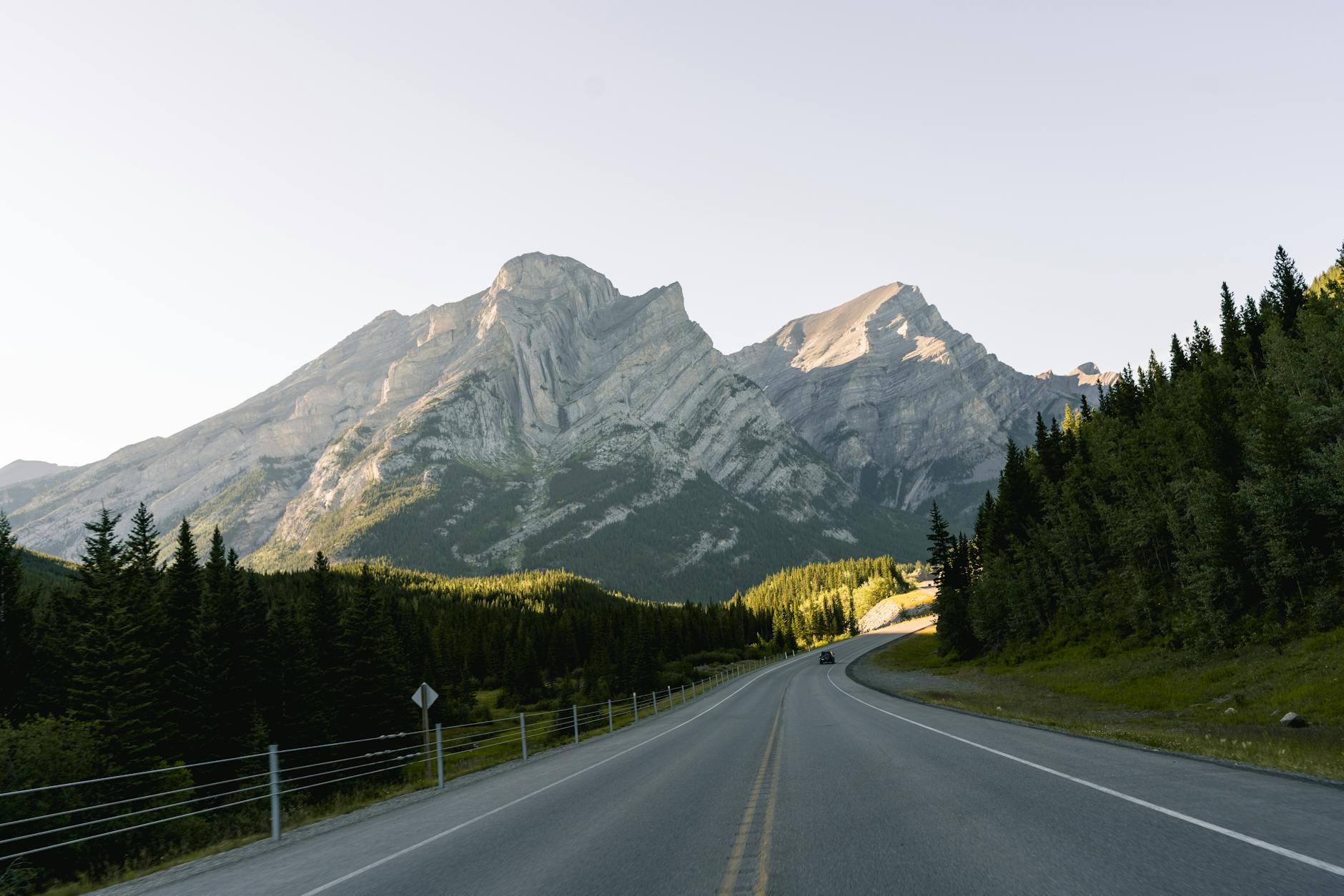
Banff can be a powerful sales setting because the destination gives client meetings, incentive conversations, retreats, and hospitality moments a stronger emotional frame. That same setting can weaken the trip if the traveler lets scenery replace preparation. A sales visit still depends on access timing, meeting control, materials, privacy, meals, follow-up, and whether the client relationship is advanced. A sales traveler should treat Banff as a mountain environment with a commercial purpose inside it. The goal is not to impress the client with the Rockies alone. The goal is to use the destination without losing the sales discipline that justifies the trip.
Define the sales purpose before booking around scenery
A Banff sales trip may be for a prospect meeting, account review, renewal conversation, hospitality event, incentive visit, product presentation, partnership discussion, or client retreat. Each version needs a different level of privacy, preparation, meal planning, and follow-up. A beautiful setting does not automatically make the sales objective clear.
The traveler should know what decision, next step, objection, relationship issue, or expansion opportunity the trip is meant to advance. Once that is clear, the destination can be used deliberately instead of becoming expensive background.
- Clarify whether the trip is for prospecting, renewal, expansion, hospitality, or partnership work.
- Name the decision, relationship shift, or follow-up action that should come from the trip.
- Use Banff's setting to support the sale, not to substitute for the sales plan.
Protect the Calgary transfer and meeting timing
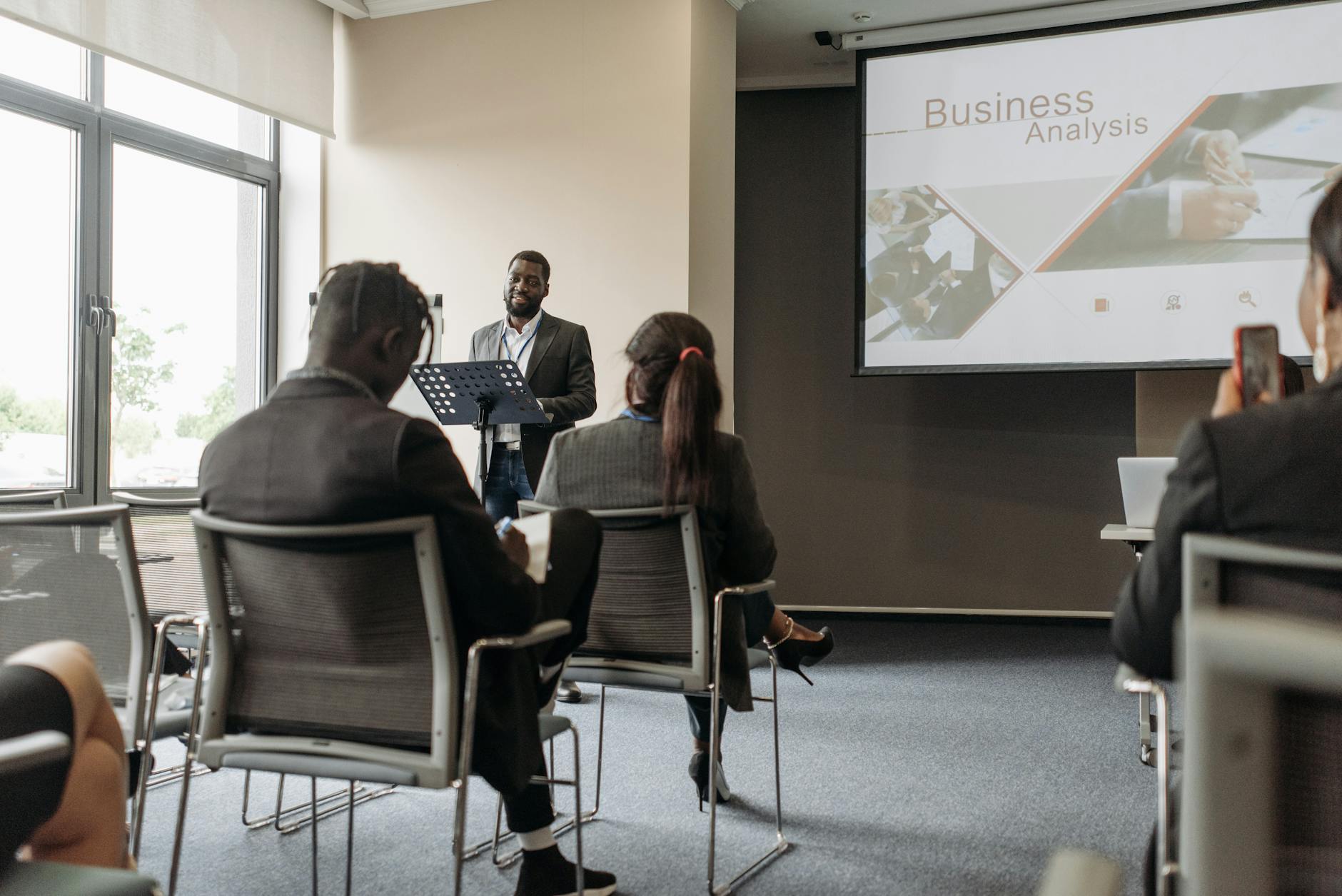
Most sales travelers reach Banff through Calgary, which means the first weak point is often the transfer, not the meeting room. Flight delay, baggage, rental car lines, shuttle schedules, winter roads, and check-in timing can all affect whether the traveler reaches the client calm and prepared.
A same-day arrival may be acceptable for a casual dinner, but it is fragile for a formal presentation, senior buyer meeting, or timed hospitality event. A buffer night, earlier flight, private transfer, or simplified luggage plan can be a sales-quality decision.
- Map flight timing, Calgary transfer, luggage, road conditions, check-in, and first client commitment.
- Use a buffer when delay would damage a presentation, dinner, or senior meeting.
- Carry critical materials, chargers, samples, and documents personally.
Choose hotel and meeting geography by client flow
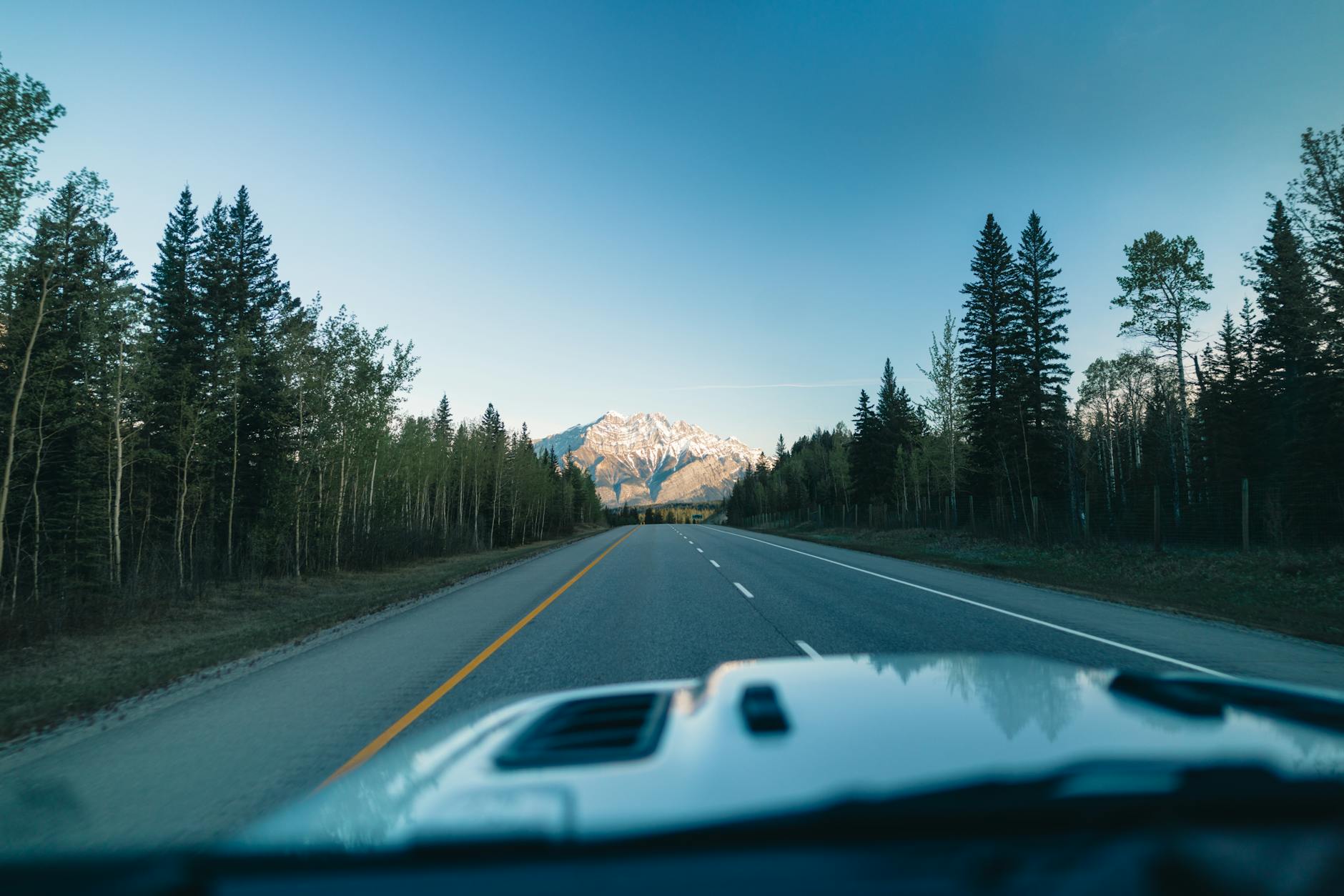
The hotel, meeting room, restaurant, reception area, parking, shuttle pickup, and scenic add-ons all form the client experience. A sales traveler should know how the client moves from arrival to meeting to meal to departure. Banff can make that movement pleasant, but only if the plan is coherent.
A prestigious property may be worth the cost if it makes the client feel valued and reduces friction. It may be the wrong answer if it isolates the meeting, complicates transfers, or leaves no private space for the actual sales conversation.
- Map client arrival, meeting space, meal location, parking, shuttles, and return route.
- Check privacy, Wi-Fi, quiet, presentation setup, and weather exposure.
- Do not choose a scenic venue that weakens the client flow.
Use hospitality without losing commercial discipline
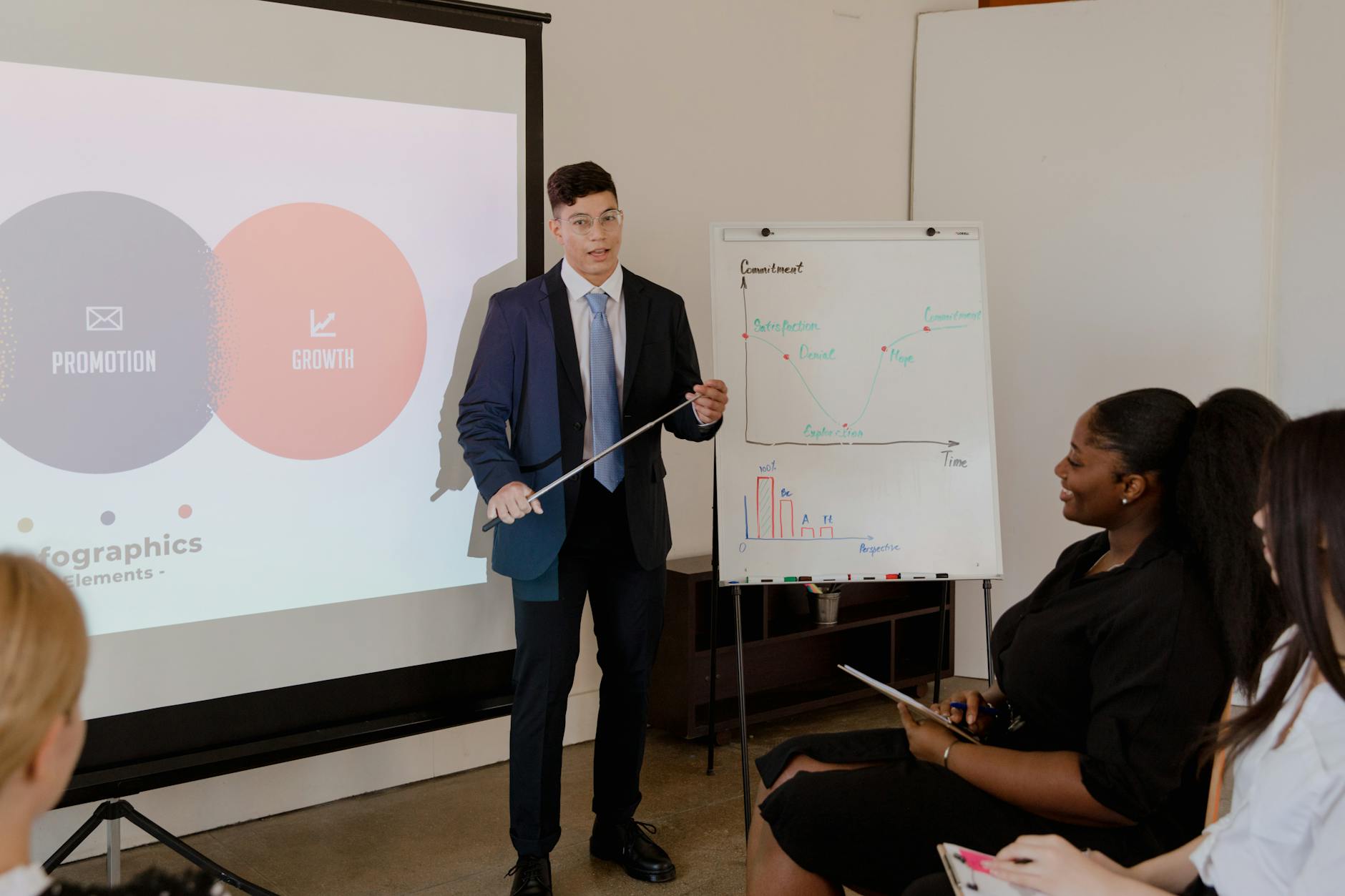
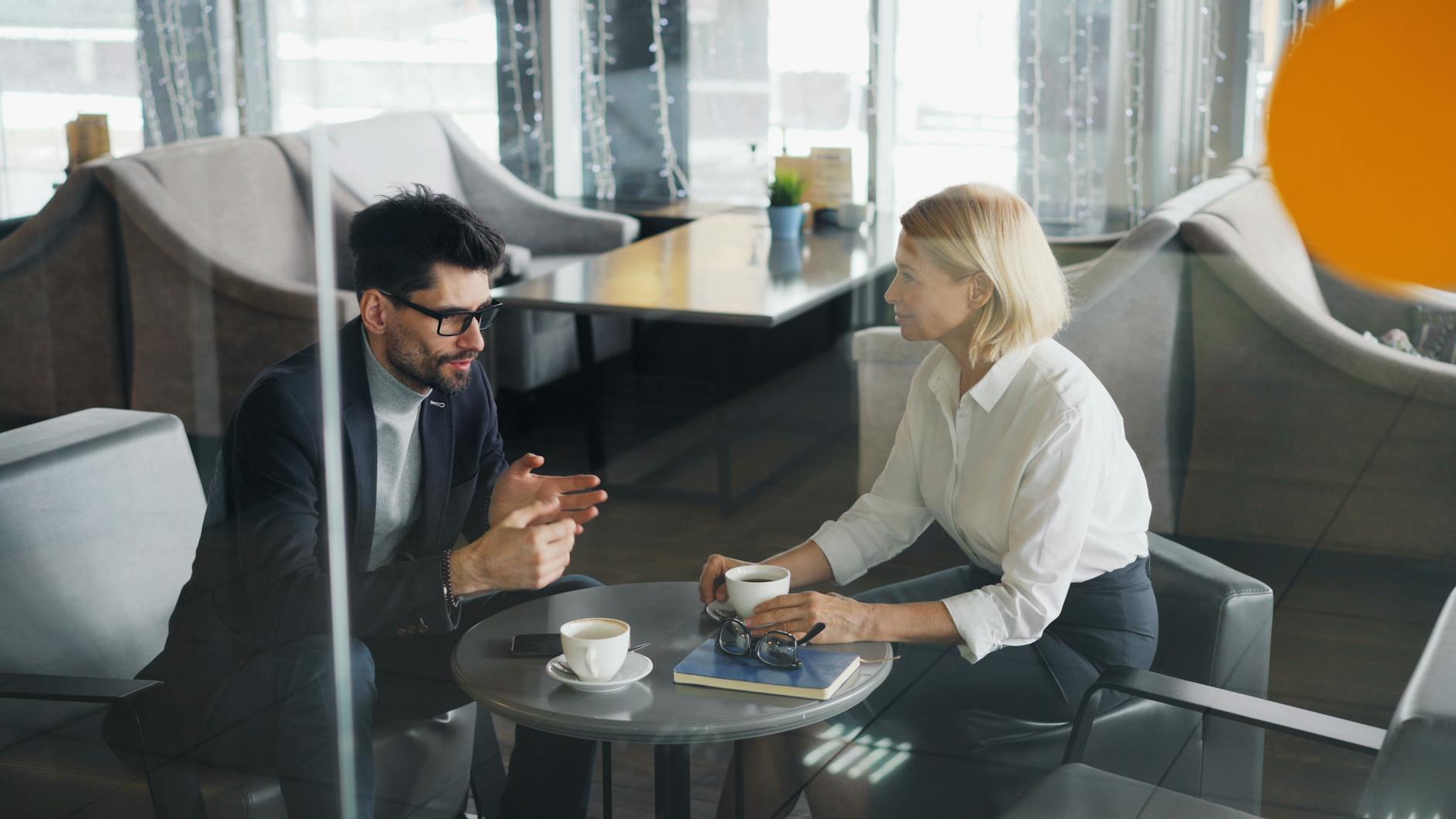
Client meals, coffee, lodge lounges, scenic viewpoints, and mountain breaks can make sales conversations warmer. They can also blur the trip if every interaction becomes atmospheric and no one handles the commercial questions directly. Banff's hospitality value should be attached to a defined purpose.
The traveler should decide which meal or informal moment is meant for trust, discovery, objection handling, executive alignment, or relationship repair. A good setting creates space for a better conversation. It does not close the deal by itself.
- Assign a purpose to client meals, coffee, scenic breaks, and informal time.
- Reserve important meals and confirm dietary needs during high-demand periods.
- Protect the commercial conversation instead of relying on atmosphere.
Plan weather, clothing, and presentation readiness
Sales travelers in Banff may need to move between professional settings and cold, snow, rain, wind, or summer sun. Clothing, footwear, outerwear, samples, collateral, laptop bags, and presentation devices should be planned together. Dress shoes that work in a boardroom may be poor for icy paths or outdoor movement.
The traveler should also plan for backup presentation files, chargers, adapters, hotspot options, and printed materials. A mountain destination makes small missing items harder to replace quickly.
- Pack client-ready clothing together with weather layers and practical footwear.
- Carry backups for slides, files, chargers, adapters, connectivity, and printed material.
- Account for winter footing or weather before scheduling off-site client movement.
Keep follow-up from being swallowed by the trip
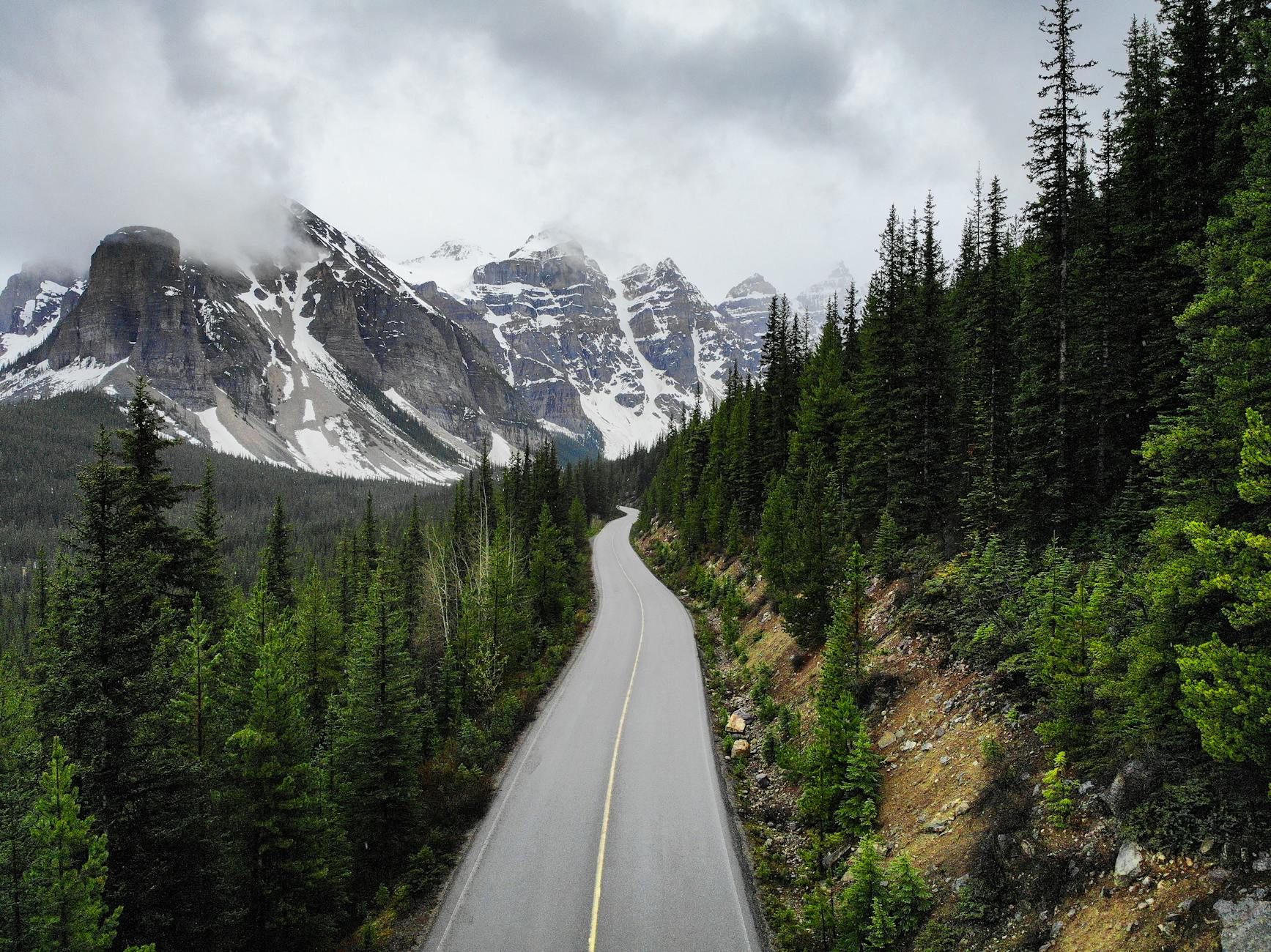
Banff sales travel can feel successful in the moment because the setting is memorable. That feeling is not the same as pipeline progress. The traveler needs time for notes, internal updates, revised proposals, pricing changes, CRM entries, stakeholder summaries, and next-step confirmation while details are still fresh.
The itinerary should include a quiet work block before departure or immediately after the client meeting. If the trip ends with a rushed transfer and no follow-up discipline, the mountain setting may have produced goodwill without converting it into action.
- Reserve quiet time for notes, CRM updates, proposals, pricing, and stakeholder summaries.
- Confirm next steps before the client leaves the meeting or dinner.
- Do not let scenic add-ons consume the follow-up window.

When to order a short-term travel report
A sales traveler with a simple meeting, confirmed hotel, and generous schedule may not need a custom Banff report. A report becomes useful when the trip involves senior clients, a tight Calgary transfer, winter weather, expensive hospitality, multiple stakeholders, presentation materials, scenic add-ons, or a short window to justify the spend.
The report should test access, hotel and meeting geography, client flow, materials, weather, clothing, meals, privacy, follow-up time, budget, contingency, and what to cut. The value is a Banff sales trip that advances the relationship without becoming a scenic distraction.
- Order when transfer, client flow, materials, weather, hospitality, or follow-up needs testing.
- Provide dates, client purpose, meeting schedule, hotel options, arrival mode, materials, budget, and constraints.
- Use the report to make the sales purpose stronger than the setting.