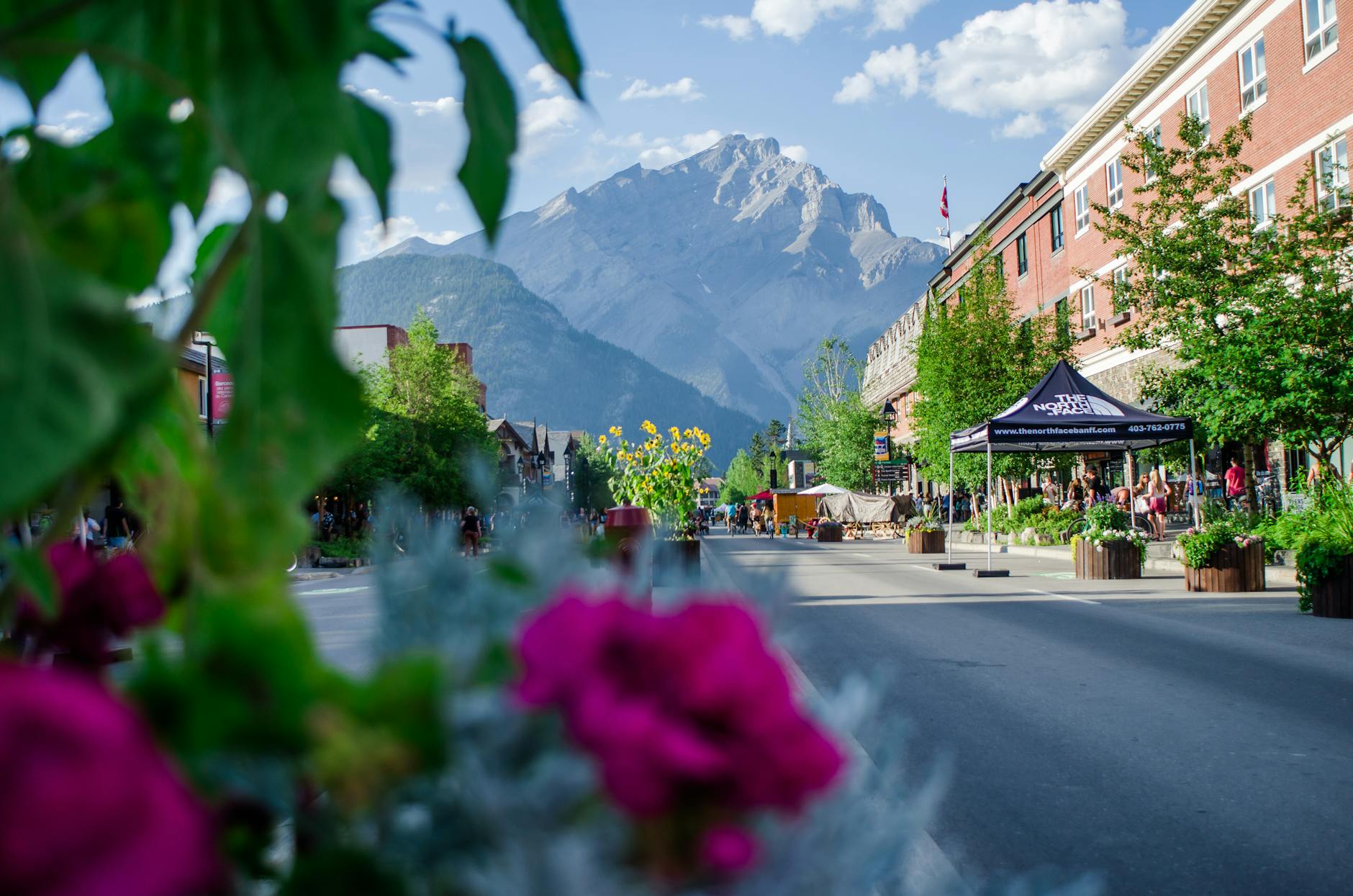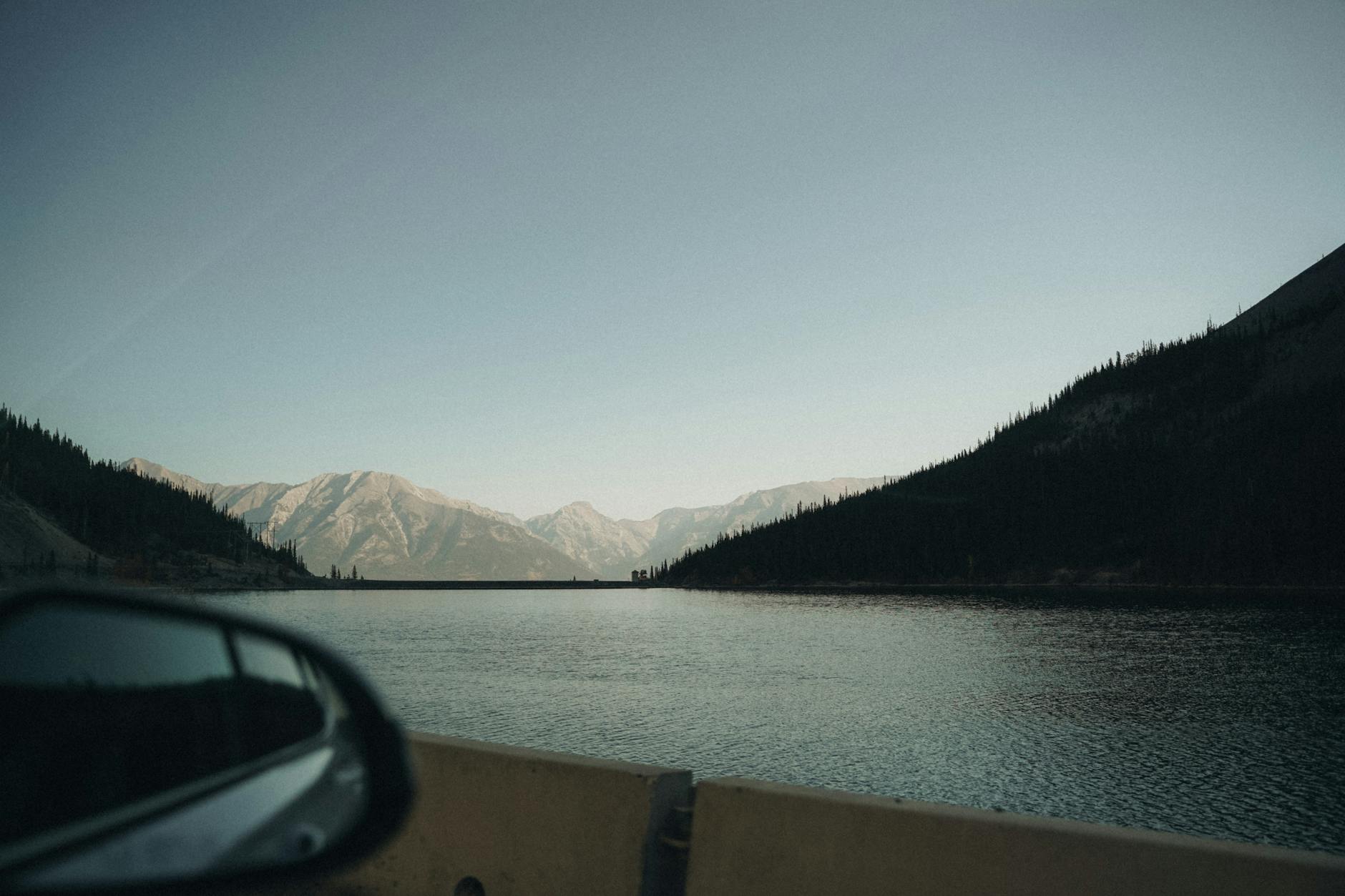
A repeat trip to Banff can be better than the first because the traveler no longer needs to chase every obvious postcard. The town, Lake Louise, Moraine Lake, Bow Valley views, scenic drives, and mountain hotels may already be familiar. That familiarity creates an opportunity: a slower route, a different season, a quieter base, a deeper trail, or a more deliberate way to use the park. Repeat leisure travel becomes weak when it simply recreates the first itinerary under more expensive or more crowded conditions. The return trip should answer one question before anything is booked: what should be different this time?
Define what the return trip is for
The repeat visitor should name the reason for returning before booking the same hotel, restaurant, lake shuttle, or scenic drive. The purpose might be a calmer winter stay, a shoulder-season hiking trip, a lodge weekend, a family return, a photography-focused visit, a town-and-spa pause, or a deeper national park route.
Without that purpose, Banff's familiar highlights can pull the traveler back into the same crowd pattern. A return trip deserves one or two deliberate changes that make the second experience stand on its own.
- Name the return-trip purpose before repeating the previous itinerary.
- Choose one or two deliberate differences in season, base, activity, or pace.
- Avoid paying for the same Banff trip unless that repetition is the actual goal.
Question the obvious lodging choice
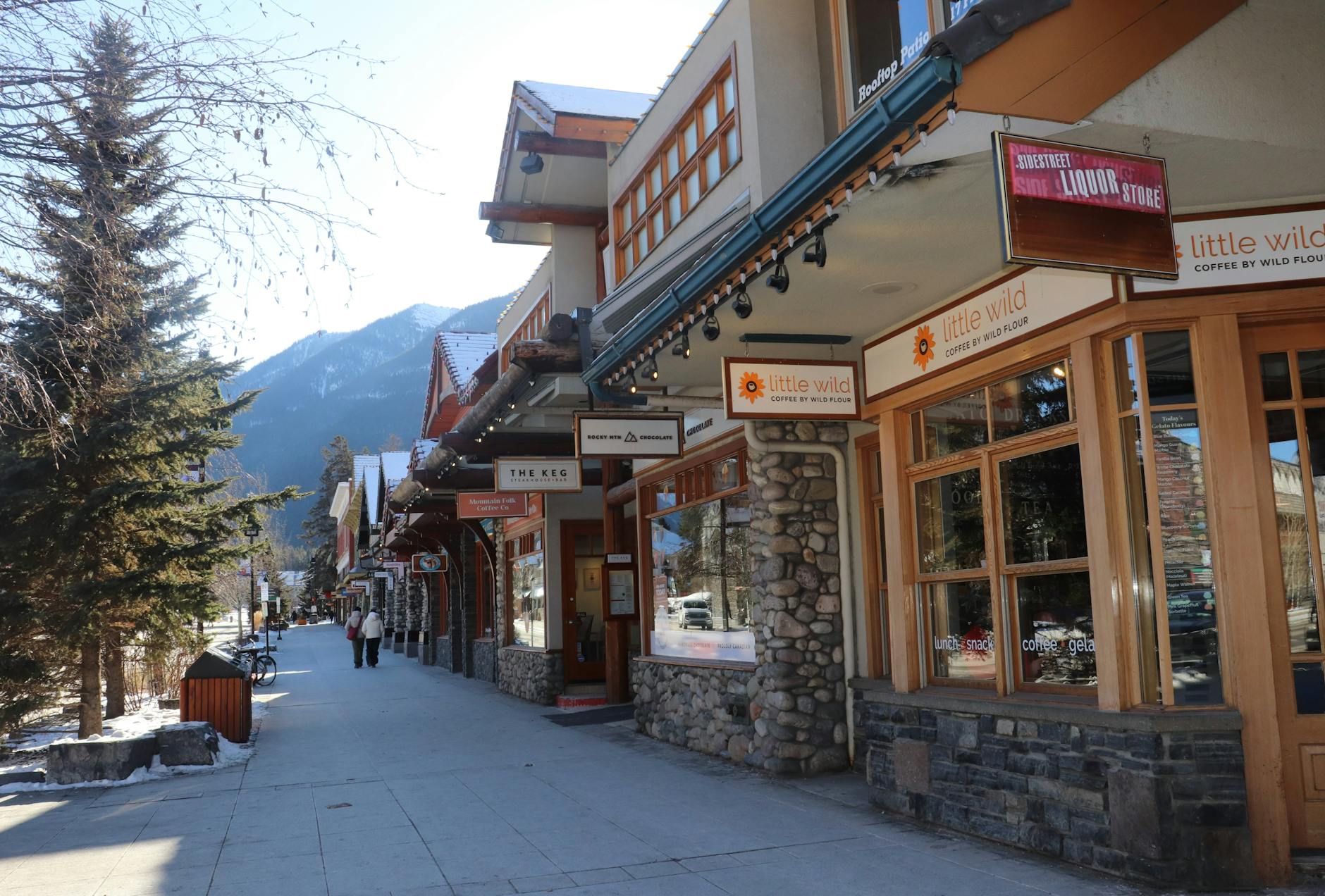
A first visit often favors Banff town because it is convenient and legible. A repeat visit may still need that convenience, but it may also be time to consider Lake Louise, a quieter property, a lodge-style stay, a Calgary buffer, or a base chosen for one specific activity. The right answer depends on how the traveler now wants mornings and evenings to feel.
Changing the base can change the whole trip. It can create more calm, better scenery, or easier access to a route. It can also reduce restaurant choice and increase transport dependence. The tradeoff should be chosen, not discovered after arrival.
- Stay in Banff town again only if its convenience still supports the new trip.
- Consider Lake Louise, quieter properties, or activity-led bases when they serve a clear purpose.
- Check meals, parking, shuttles, luggage, and late returns before moving away from town.
Let season change the trip
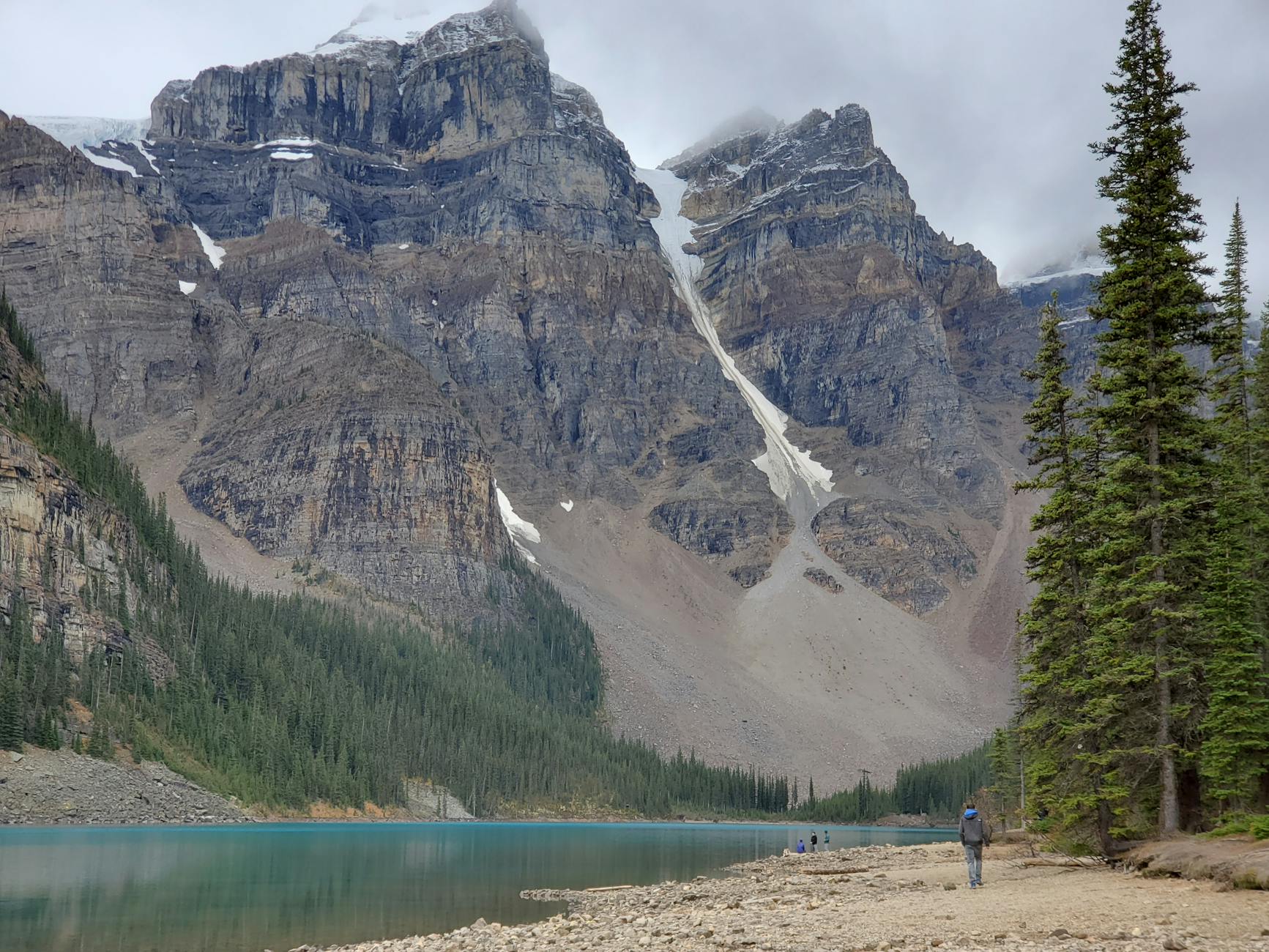
Repeat visitors can use season as a design tool. Summer can support long daylight and iconic lakes but brings crowd pressure and higher prices. Winter can be quieter and beautiful, but it changes footwear, roads, daylight, driving, and activity choices. Shoulder seasons may offer value and atmosphere, but conditions can be variable.
The traveler should not reuse a previous itinerary without testing it against the current dates. A route that worked in September may be poor in March, and a winter lodge weekend should not be judged by summer sightseeing standards.
- Design the return around the actual season, not the memory of the last trip.
- Treat summer demand, winter roads, short daylight, ice, smoke, and shoulder-season uncertainty as planning variables.
- Use the season to justify a different pace rather than forcing the old route.
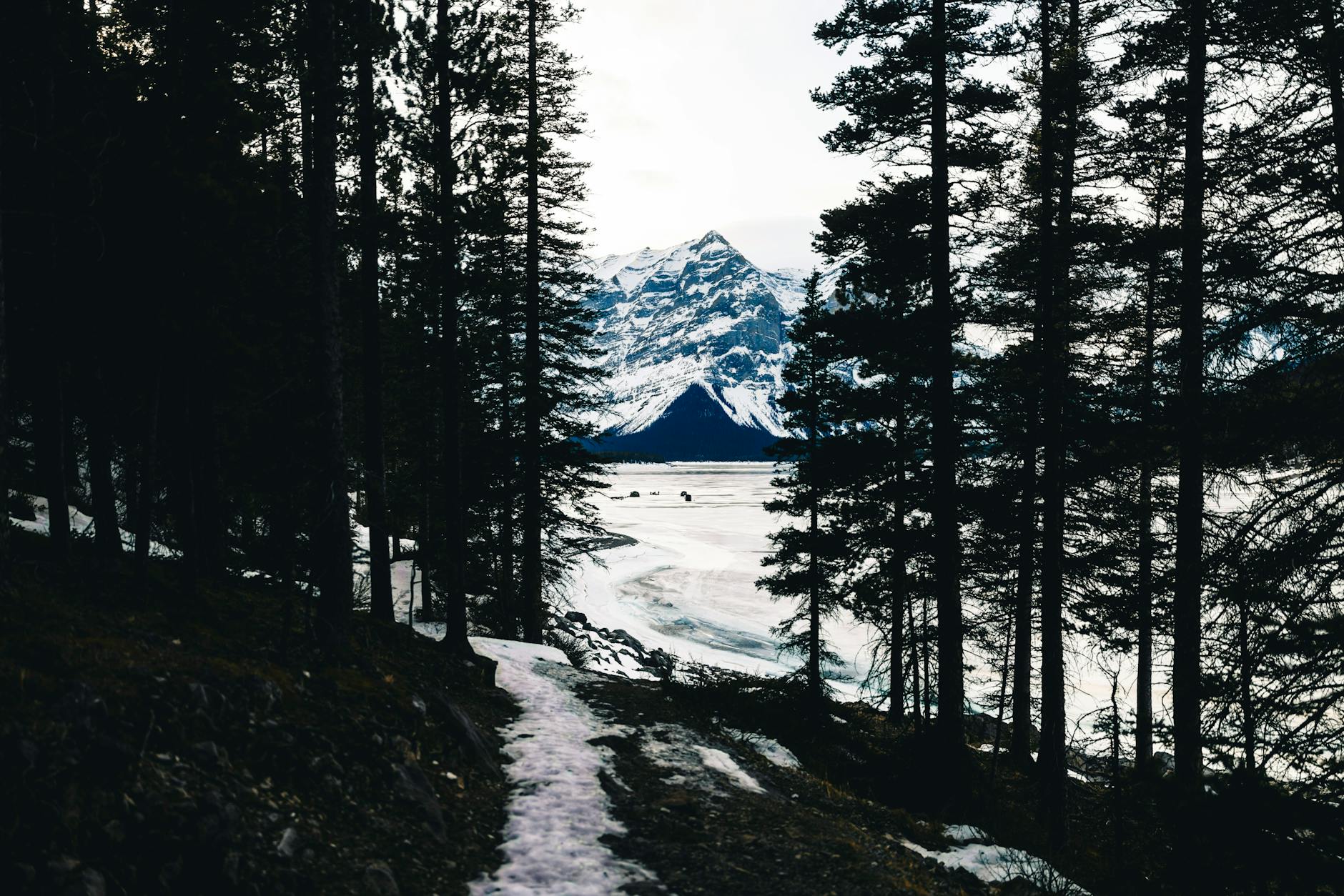
Go deeper instead of wider
A repeat Banff traveler does not need to collect every major viewpoint again. The stronger return may be one better hike, a slower lake morning, a quieter scenic drive, a more intentional photography window, a spa-and-town day, or a guided activity that explains the landscape instead of merely passing through it.
Depth requires saying no. A day with one serious outdoor anchor and enough recovery may feel richer than another sequence of crowded parking lots, quick photos, and rushed meals.
- Choose one deeper anchor instead of rebuilding a broad sightseeing checklist.
- Use familiar places at better times of day if they still matter.
- Leave enough margin for weather, meals, rest, and unexpected conditions.
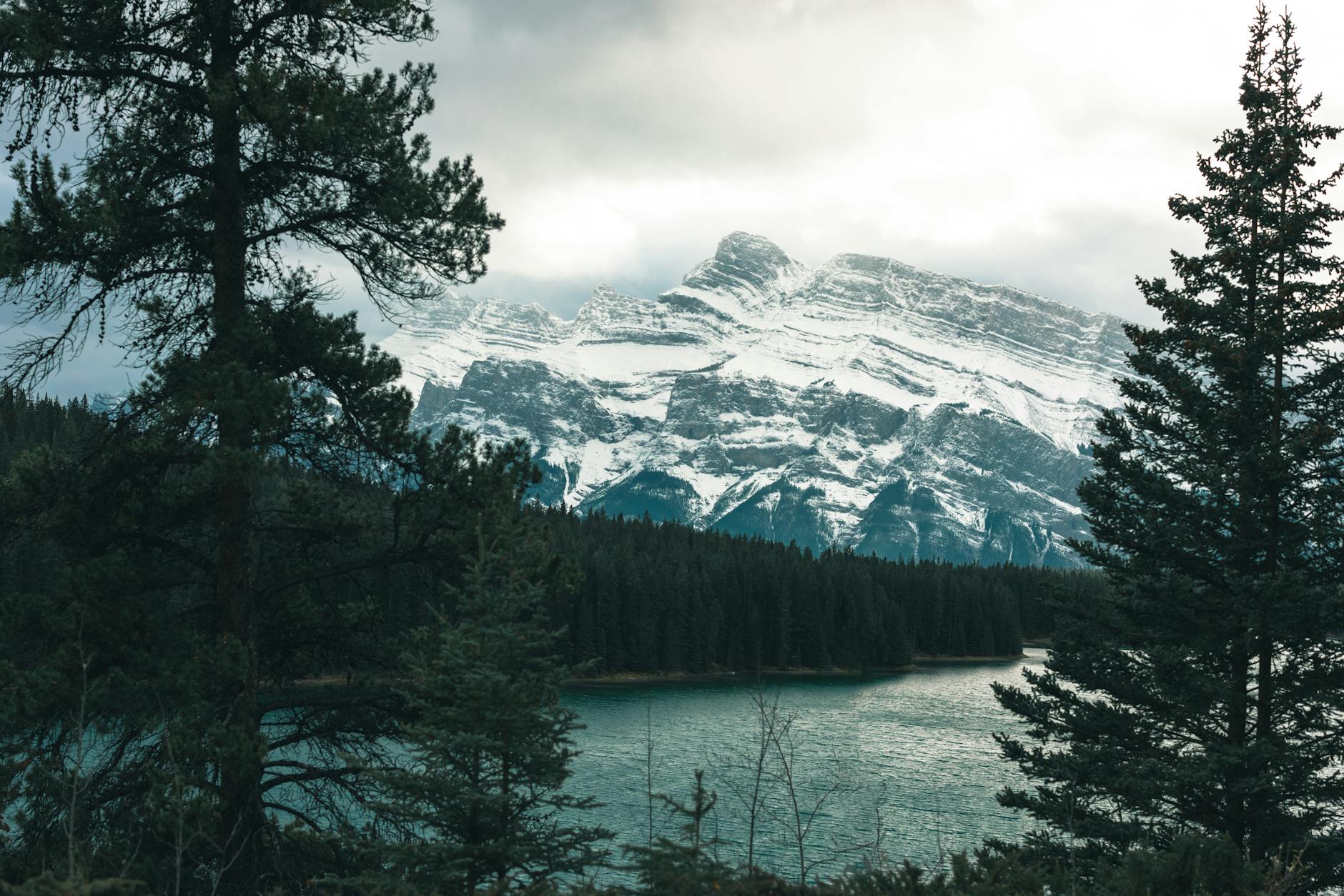
Recheck familiar lake and road logistics
Familiarity can make repeat visitors casual about Lake Louise, Moraine Lake, road closures, shuttles, construction, parking, winter traction, and seasonal access. That is risky because Banff logistics can change by season and year. A lake that felt easy on one trip may require a different plan on the next.
The return visitor should verify current access and make peace with cutting a famous stop if the conditions do not justify the effort. Repeating a beautiful place is worthwhile only when the visit has enough margin to be enjoyed.
- Confirm current lake, road, parking, shuttle, and seasonal access before relying on memory.
- Do not assume prior timing still works during a different season or demand level.
- Cut or replace a familiar stop when logistics would consume too much of the return.
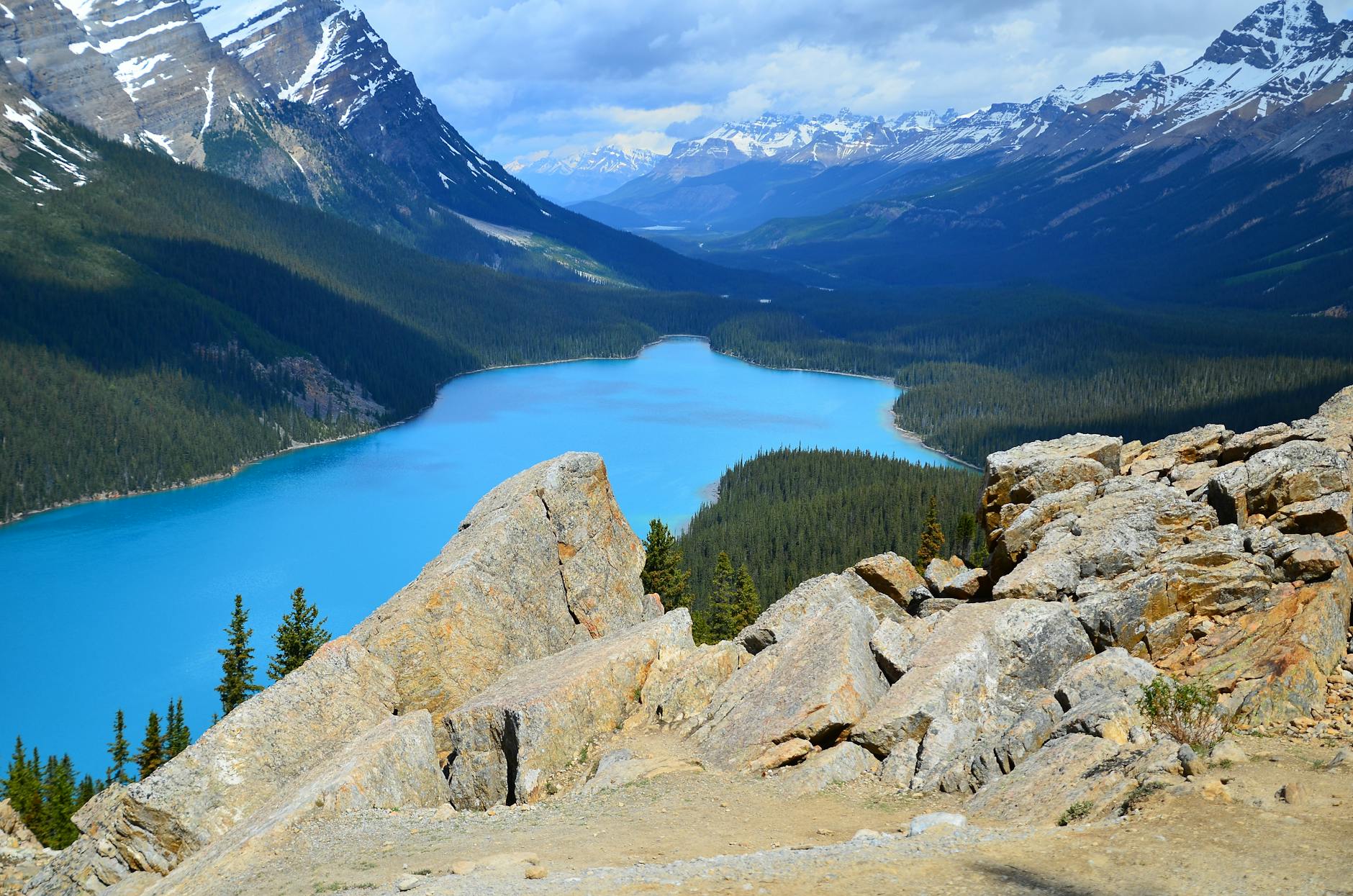
Upgrade food, rest, and recovery
Repeat visitors often know which Banff meals, cafes, lodge lounges, grocery stops, and easy evenings worked last time. That knowledge should improve the plan. It should not become autopilot. Restaurants may need reservations, hotel breakfasts may affect departure timing, and long outdoor days need better recovery than a hurried dinner.
A return trip can also be more comfortable by reducing unnecessary movement. If the goal is to feel restored, the itinerary should protect sleep, warmth, slower mornings, and a realistic end to each day.
- Use prior experience to choose better meals, coffee, groceries, and recovery blocks.
- Reserve or plan food before high-demand periods and long outdoor days.
- Protect rest when the return trip is meant to feel restorative rather than busy.
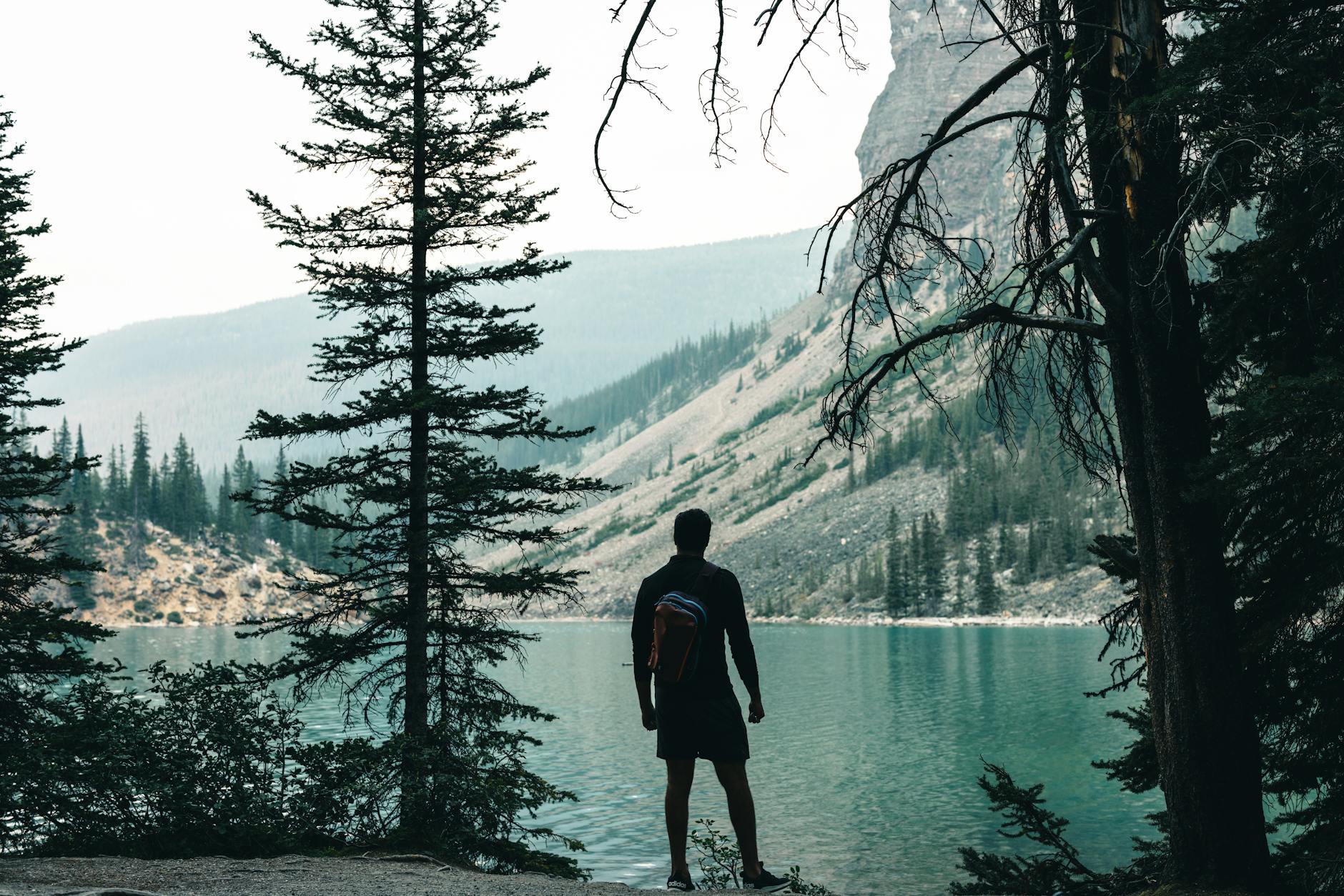
When to order a short-term travel report
A repeat visitor who simply wants a familiar Banff weekend may not need a custom report. A report becomes useful when the traveler wants the return to feel meaningfully different, compare a new base, change season, avoid crowd traps, add a harder trail, host companions, control cost, or decide what not to repeat.
The report should test prior-trip lessons, lodging base, season, lake logistics, road and shuttle choices, activity depth, meals, recovery, budget, weather alternates, and what to cut. The value is a return to Banff with a purpose instead of a more expensive copy of the first visit.
- Order when the return needs a new base, season strategy, deeper route, or cleaner logistics.
- Provide prior Banff experience, dates, hotel options, must-repeat items, disliked friction, budget, and constraints.
- Use the report to make the second or third Banff trip sharper than the first.