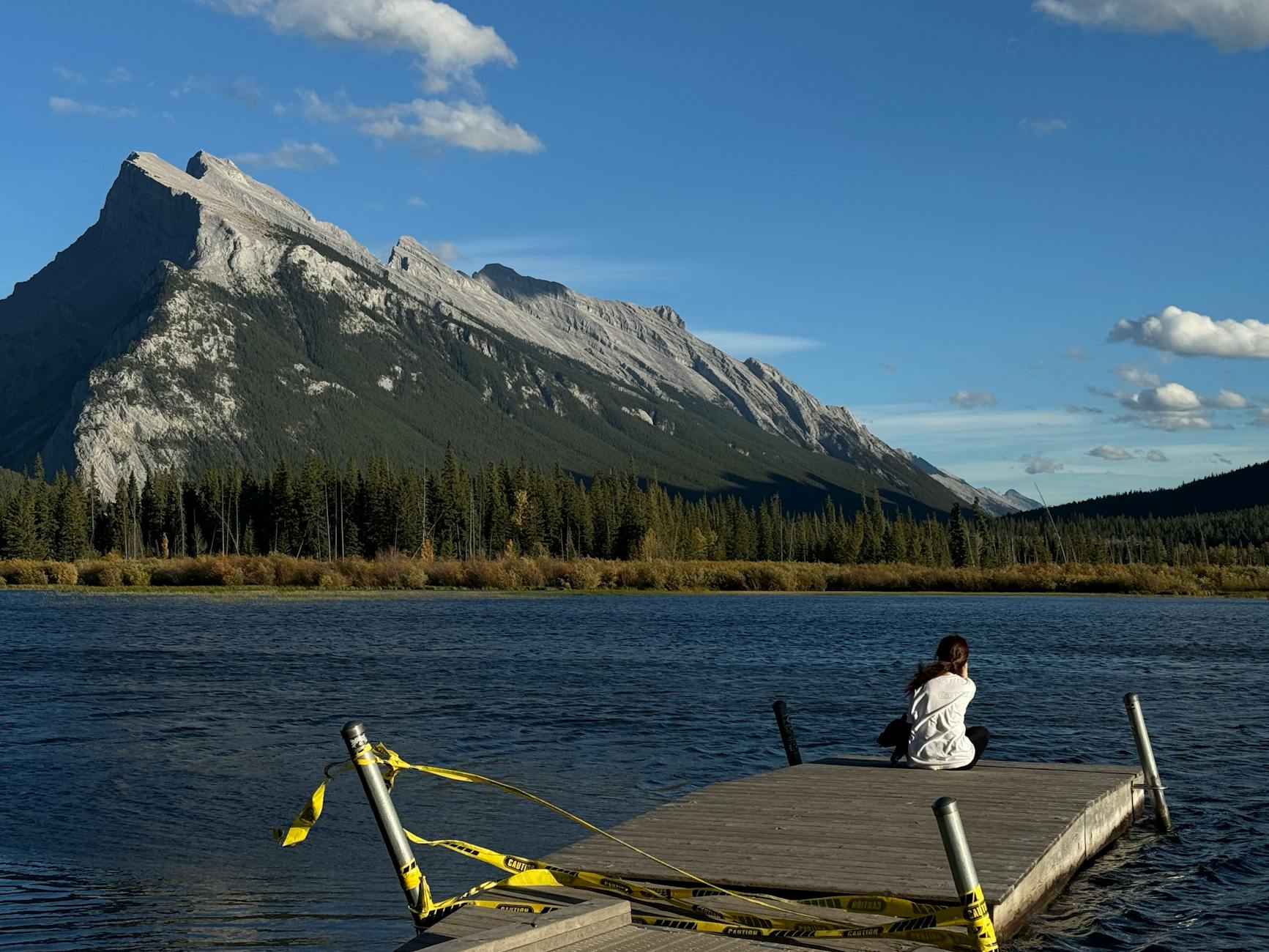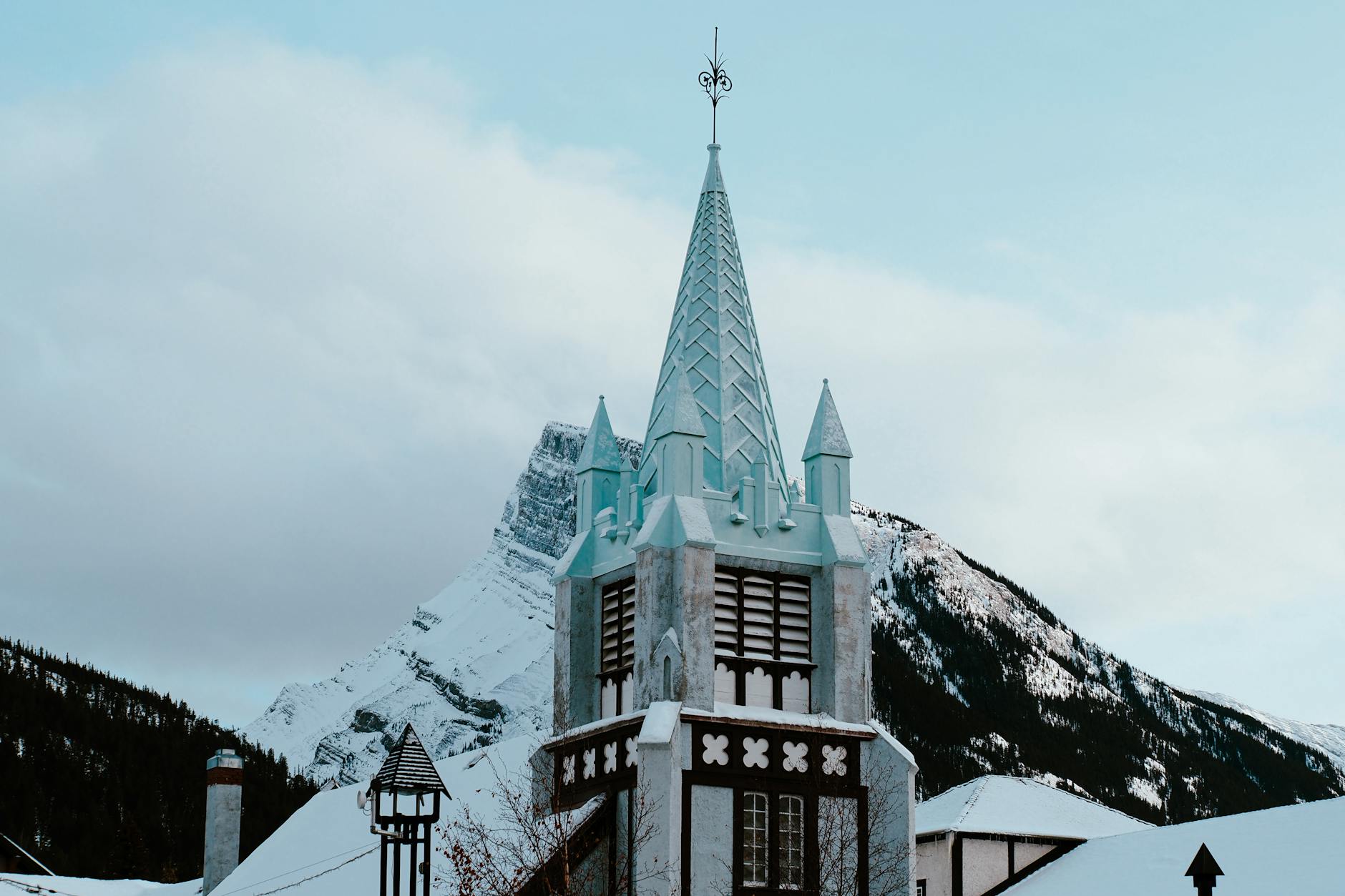
Banff is not a single-purpose pilgrimage destination in the way some religious cities are, but it can still matter deeply to travelers seeking worship, retreat, remembrance, spiritual reflection, sacred landscape, faith community connection, or a quiet pause inside a longer trip. The mountains can support that purpose, but they can also distract from it if the traveler treats every famous viewpoint as mandatory. A religious or pilgrimage-oriented traveler should define the spiritual purpose before building the itinerary. The trip needs realistic access from Calgary, current information on services or community spaces, lodging that allows rest and reflection, weather-aware movement, and enough restraint to let the destination be experienced slowly.
Define the spiritual purpose before the itinerary
The traveler may be coming for worship, retreat, grief, gratitude, renewal, interfaith learning, a small group trip, a clergy rest period, or quiet time in the mountains. Those versions of the trip should not be planned the same way. A retreat needs spaciousness; a worship visit needs service timing; a family remembrance trip needs emotional margin.
Banff can support reflection, but it can also push travelers into a checklist of lakes and viewpoints. The first planning decision should be what the journey is meant to hold, and what should be left out so that purpose has room.
- Name whether the trip is for worship, retreat, remembrance, rest, group travel, or personal reflection.
- Decide which commitments are essential and which scenic items are optional.
- Avoid building a rushed itinerary around a trip that is supposed to create quiet.
Plan Calgary access around services and rest
Most visitors reach Banff through Calgary, which means flight timing and the mountain transfer can affect worship plans, group arrivals, meals, and rest. A late flight or winter road delay can make a scheduled service, retreat opening, or memorial gathering more stressful than it should be.
The traveler should map airport arrival, transfer mode, luggage, food, check-in, and the first fixed commitment. If a service or gathering is important, arriving the night before may be a spiritual decision as much as a logistical one.
- Map Calgary arrival, transfer, road conditions, meal timing, check-in, and first service or gathering.
- Use a buffer when delay would disrupt worship, retreat opening, or a family remembrance plan.
- Keep medication, religious items, documents, warm layers, and group contacts in hand luggage.
Verify worship, community, and quiet-space details
Travelers should confirm service times, open hours, language, accessibility, parking, holiday schedules, seasonal changes, and whether visitors are welcome in the way they expect. A small mountain community may not have the same range of religious services or facilities that a large city offers.
Quiet space also matters. A hotel room, lakeside walk, church visit, retreat room, or early morning bench may serve the purpose better than a crowded attraction. The plan should make room for silence instead of assuming it will appear.
- Confirm service times, holidays, language, accessibility, parking, visitor expectations, and seasonal changes.
- Identify quiet spaces for prayer, reading, grief, reflection, or group conversation.
- Do not assume a resort town will provide every faith-specific support without advance checking.
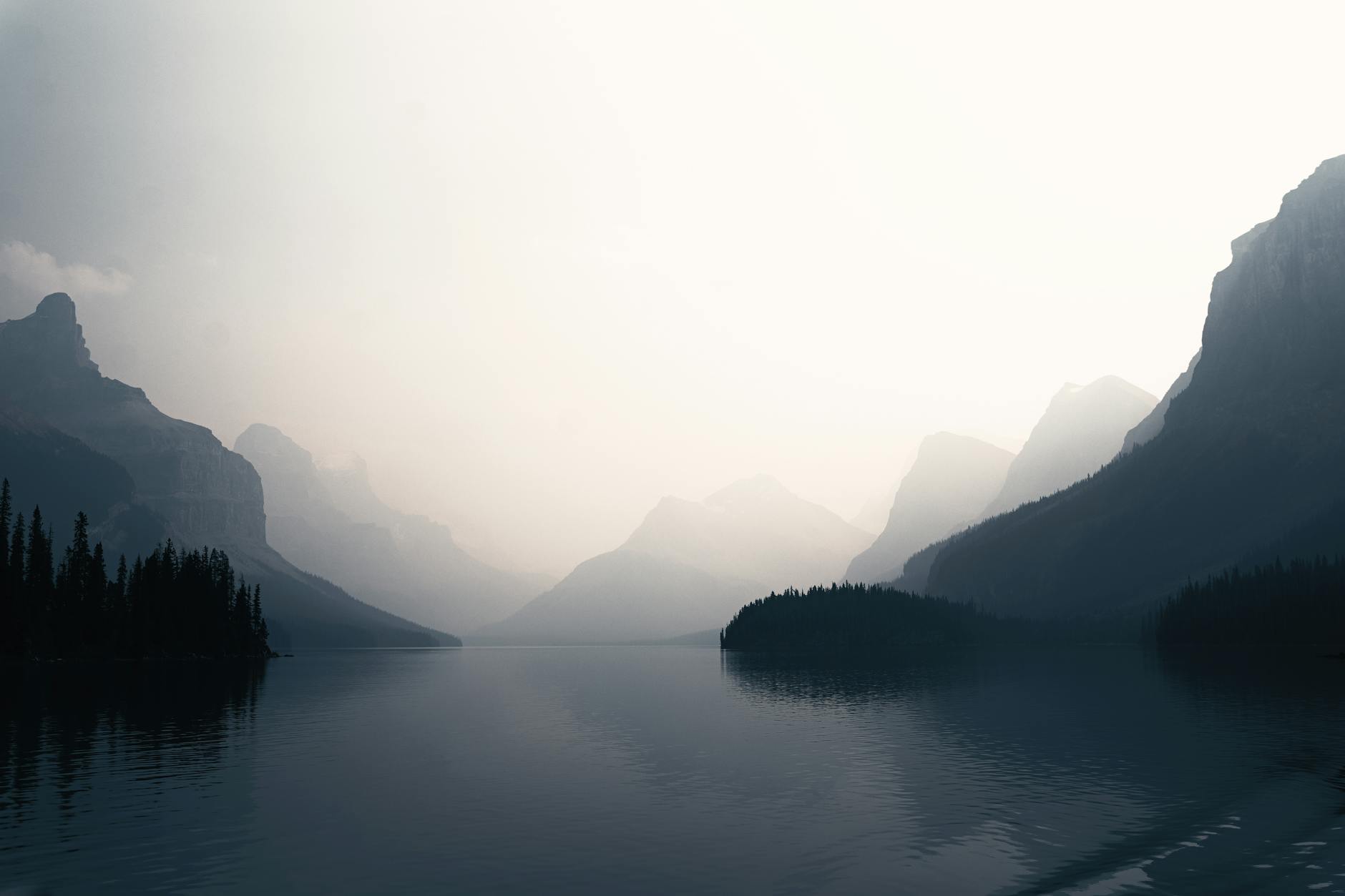
Choose lodging for restraint and recovery
The right lodging depends on the purpose of the journey. A central Banff base may help with services, meals, pharmacy access, and short walks. A quieter property may better support rest or retreat. A distant scenic option may be poor if it creates transport pressure or isolates someone who needs support.
Travelers should check noise, elevators, winter footing, breakfast timing, kitchen access, dietary needs, room privacy, and common areas. A religious or reflective trip can be weakened by lodging that keeps the traveler tired, hungry, or constantly in transit.
- Check proximity to services, meals, pharmacies, quiet walks, transit, and winter-safe paths.
- Match lodging to rest, privacy, accessibility, dietary needs, and group support.
- Avoid scenic lodging that makes the spiritual purpose harder to sustain.
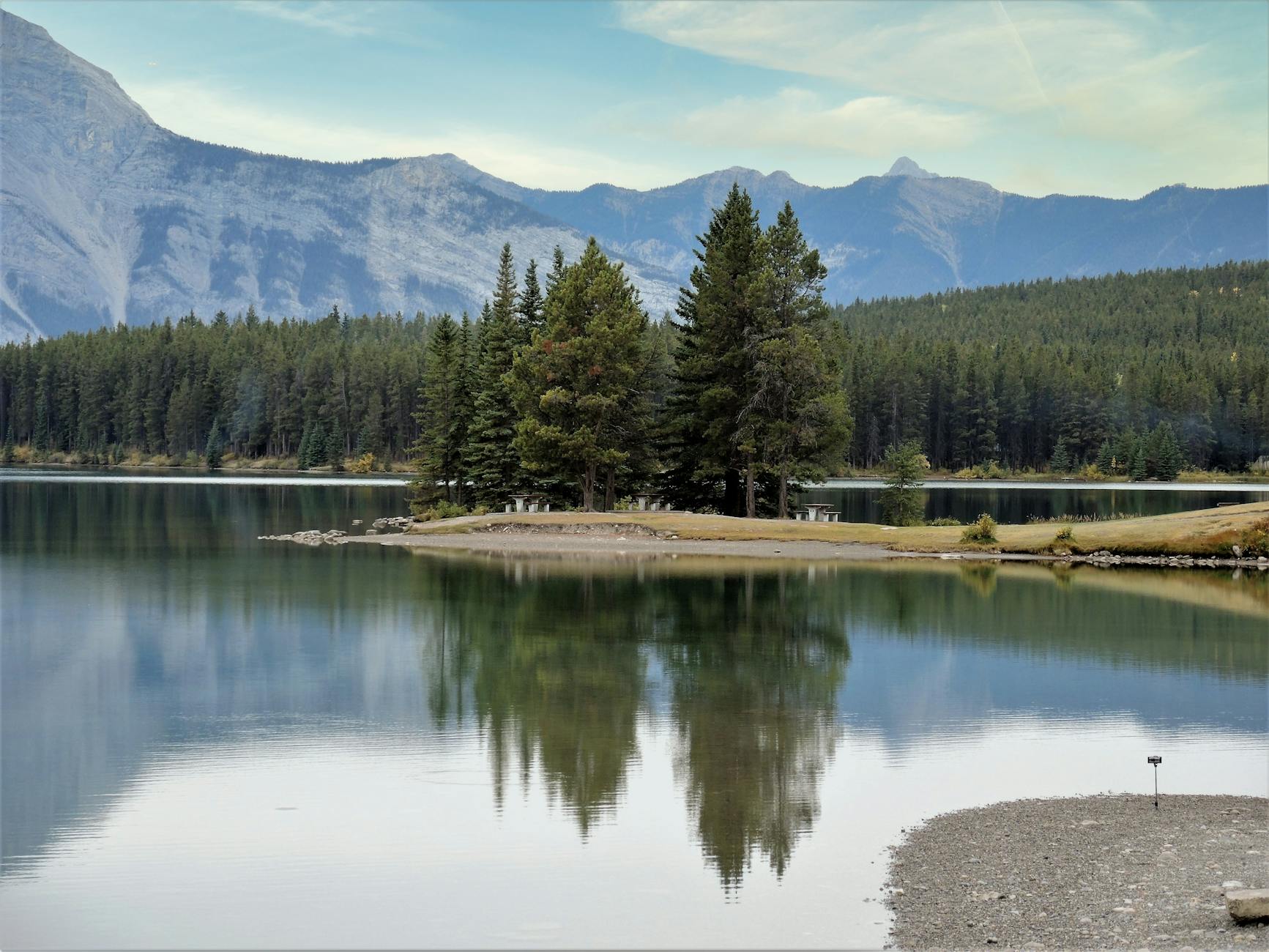
Let the mountains support the purpose, not replace it
A reflective Banff trip can include lakes, viewpoints, walks, gondolas, drives, or short hikes, but those elements should be chosen carefully. Famous sites can be crowded, expensive, seasonal, weather-dependent, or subject to current access rules. A quiet walk near town may be more meaningful than a complicated journey to a famous viewpoint.
If Lake Louise, Moraine Lake, or another high-demand site matters to the traveler, current access rules should be checked close to travel. The goal is not to prove devotion through a difficult route. The goal is to use place in a way that supports attention and care.
- Choose scenic movement that supports reflection instead of chasing every famous location.
- Verify current access rules for high-demand places before building the day around them.
- Keep weather, crowding, mobility, food, and emotional energy in the plan.
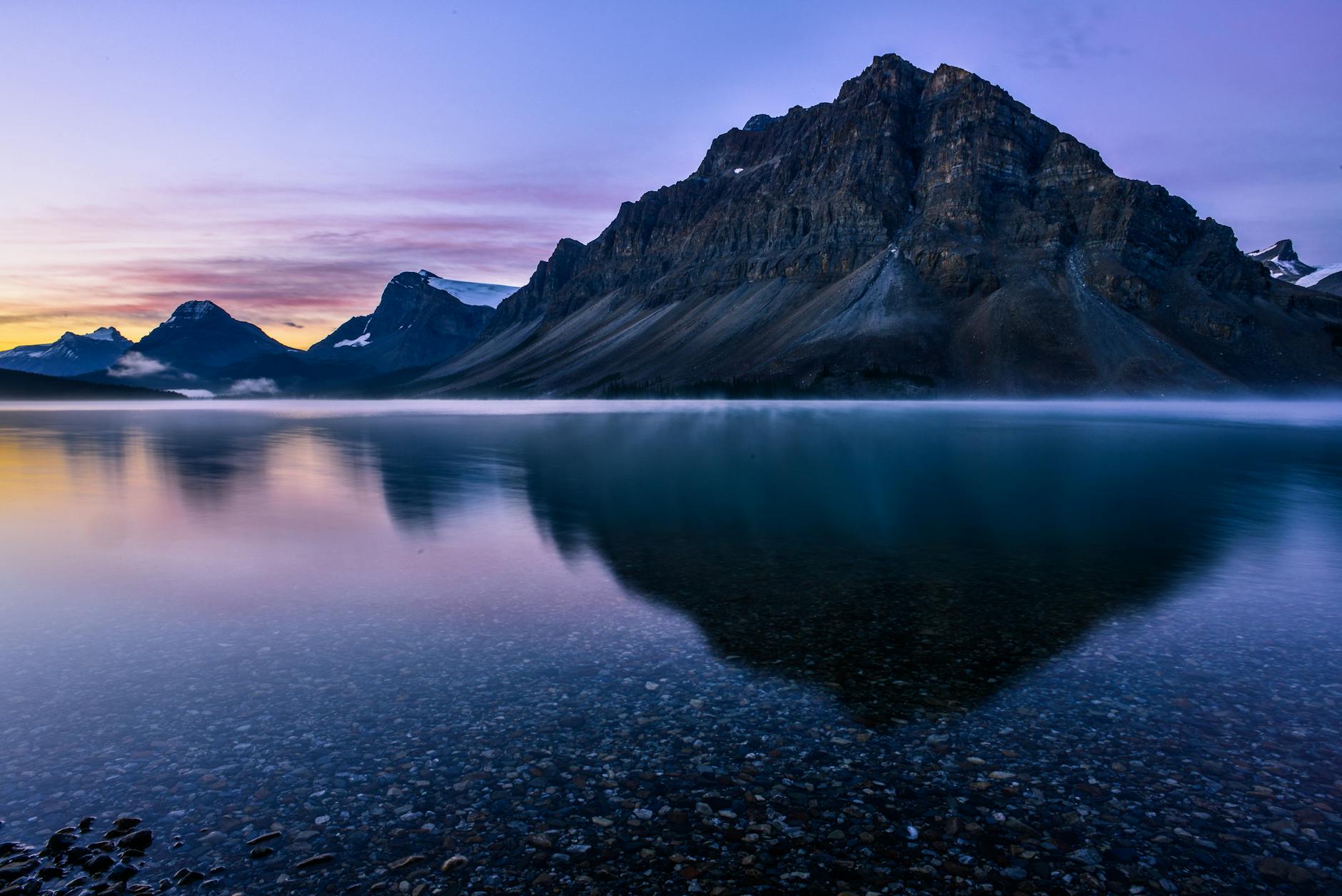
Respect community, land, and personal boundaries
Religious travel can become intrusive when visitors treat local communities, Indigenous context, staff, other worshippers, or landscapes as material for their own experience. Photography, posting, group behavior, dress, noise, and private grief all need care. A quiet place for one traveler may be someone else's workplace, home, or sacred tradition.
The traveler should ask before photographing people or services, follow posted rules, avoid spiritualizing places they do not understand, and treat wildlife and protected landscapes with restraint. Reverence should show up in behavior, not only in language.
- Ask before photographing services, worshippers, staff, ceremonies, private property, or personal moments.
- Avoid treating Indigenous, local, or ecological context as a prop for personal meaning.
- Follow wildlife, trail, noise, and protected-area rules as part of the trip's discipline.
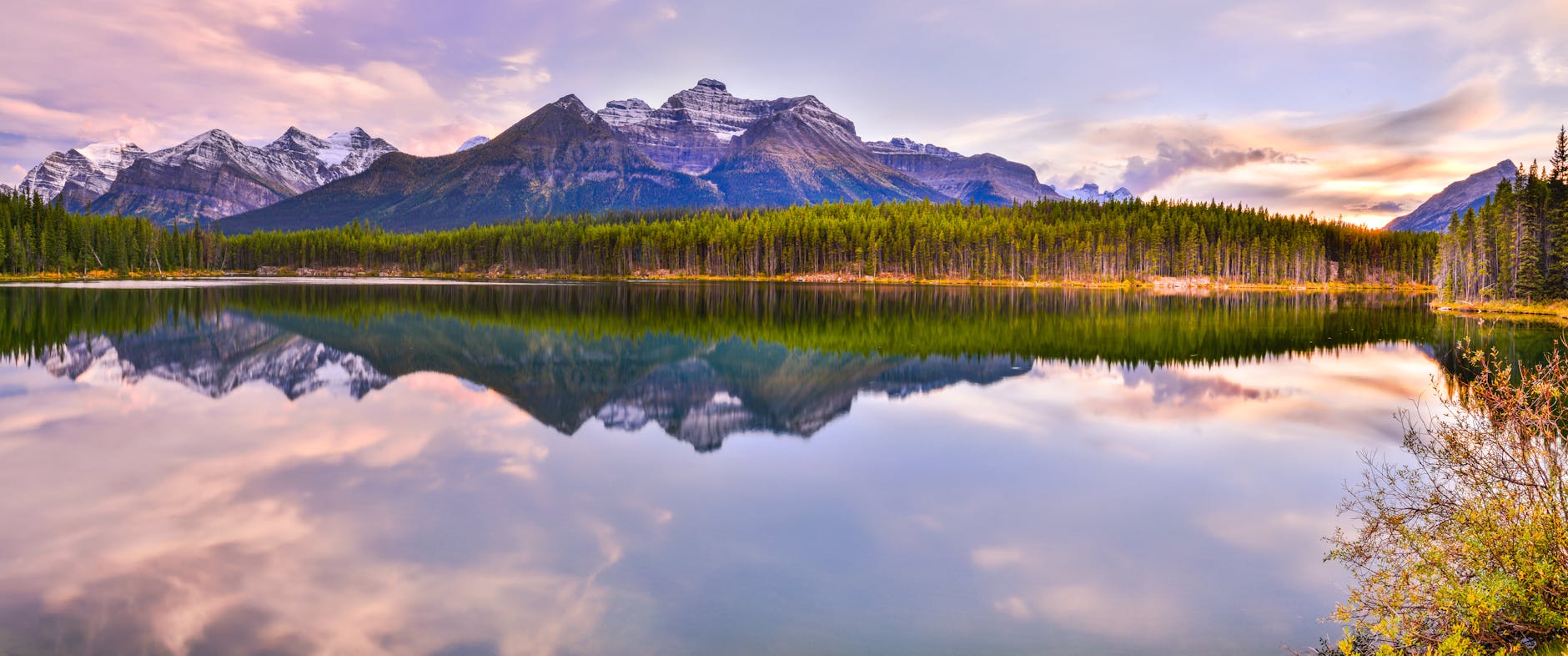
When to order a short-term travel report
A religious or pilgrimage-oriented traveler with flexible timing, simple lodging, and no special access needs may not need a custom Banff report. A report becomes useful when the trip involves a fixed service, group travel, older travelers, mobility constraints, grief or memorial plans, dietary needs, winter weather, limited lodging, or a need for quiet space that cannot be left to chance.
The report should test Calgary access, service timing, lodging, quiet space, food, accessibility, weather, current access rules, group movement, budget, recovery, and what to skip. The value is a Banff trip that protects the reason for going.
- Order when service timing, group logistics, quiet space, dietary needs, mobility, or weather needs testing.
- Provide dates, purpose, faith or community needs, lodging options, mobility limits, meal needs, and budget.
- Use the report to keep the trip reflective rather than rushed.