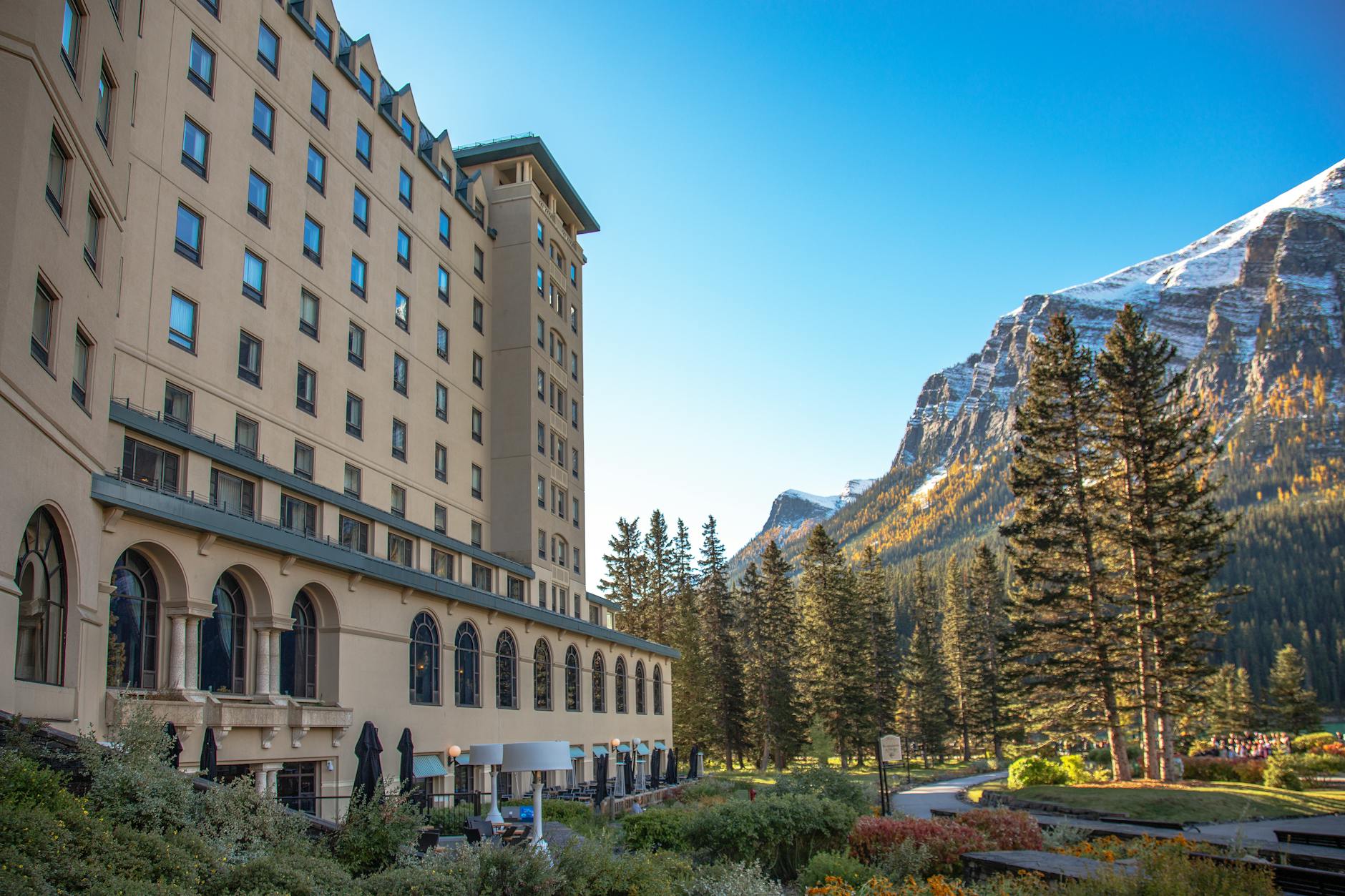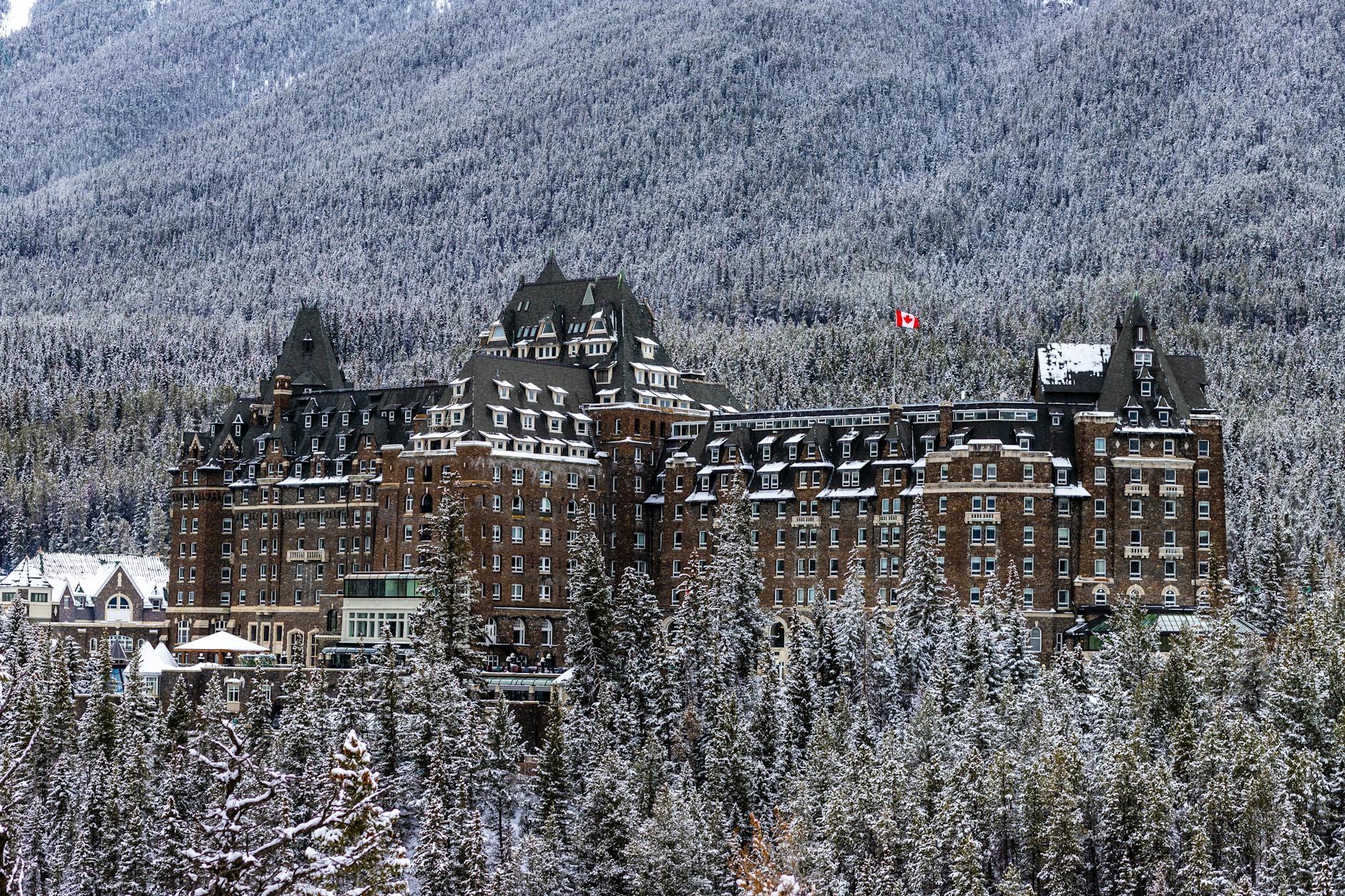
Banff can be excellent for older travelers because it offers extraordinary scenery, comfortable hotels, scenic drives, lake viewpoints, gentle town walks, and a visitor infrastructure built around memorable stays. It can also punish assumptions about walking distance, weather, stairs, winter footing, altitude, shuttle timing, and recovery. The goal is not to make the trip small. It is to make it sustainable. An older traveler who chooses the right transfer, lodging, daily rhythm, and backup plan can enjoy Banff's mountains without turning the trip into an endurance test.
Choose lodging by access and recovery
An older traveler should evaluate Banff lodging by the full experience from arrival to room to daily route. Elevators, entrance steps, bathroom layout, quiet sleep, breakfast, restaurant access, shuttle pickup, parking, luggage handling, and proximity to the town core can matter more than the romance of a mountain property.
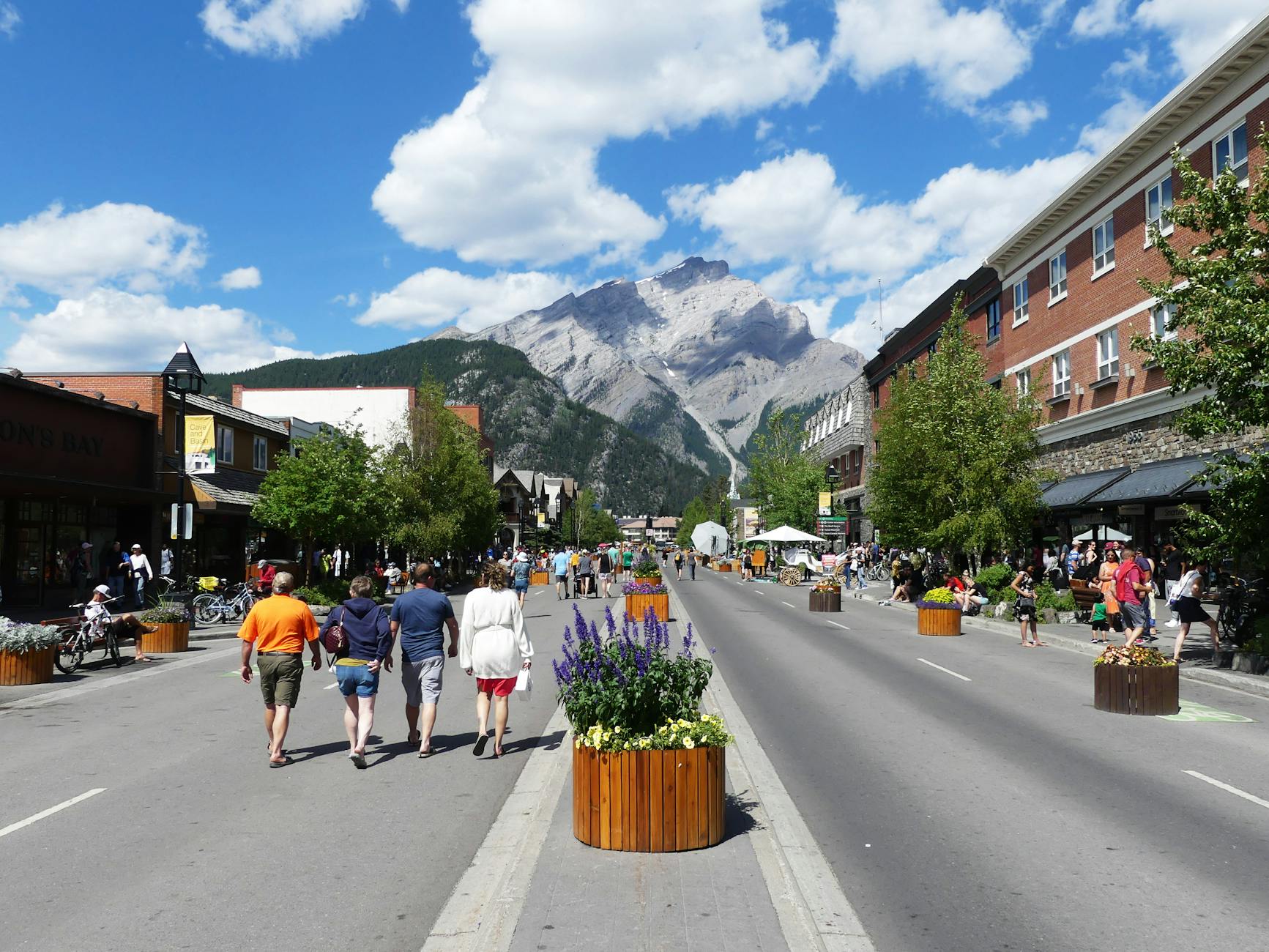
A central hotel can reduce daily strain if the traveler wants Banff Avenue, restaurants, shops, and easy pickups nearby. A resort property may be worthwhile for service, views, dining, and calm, but it should not isolate the traveler from the actual plan unless the hotel itself is the point of the trip.
- Check elevators, steps, bathroom setup, quiet rooms, breakfast, luggage, parking, and shuttle pickup.
- Choose town-core convenience or resort comfort based on the actual daily rhythm.
- Do not book a beautiful property that makes every meal, pickup, or return harder.
Make the Calgary transfer easy enough
The trip often begins with a flight into Calgary and a transfer into the mountains. Older travelers should compare rental car, shuttle, private transfer, escorted tour, or a Calgary overnight by comfort, not just price. Luggage, waiting time, winter roads, restroom access, late arrival, and fatigue are part of the decision.
The first day should not require too much after the transfer. A simple dinner, early check-in strategy, and quiet evening may be a better start than rushing directly into a viewpoint or activity. A calm arrival can protect the whole short stay.
- Compare rental car, shuttle, private transfer, tour, and Calgary overnight by comfort and risk.
- Account for luggage, bathrooms, waiting, winter roads, late arrival, and fatigue.
- Keep the first evening simple if the transfer already used significant energy.
Treat footing, weather, and altitude as practical constraints
Banff's beauty does not erase physical conditions. Snow, ice, wet paths, uneven surfaces, steep sections, cold wind, strong sun, dry air, and altitude can affect an older traveler's comfort. The itinerary should not assume that every scenic stop is easy or that a short distance on a map is a short distance for the body.
Supportive footwear, layers, poles if used, traction aids when appropriate, hydration, sun protection, and taxi or shuttle backups can make the difference between a confident day and a difficult one. The plan should preserve the traveler's dignity as well as access.
- Plan for snow, ice, wet paths, uneven surfaces, cold wind, sun, dry air, and altitude.
- Use footwear, layers, traction, walking aids, hydration, and sun protection as needed.
- Choose viewpoints and walks that match the traveler, not only the photograph.
Use scenic days in measured blocks
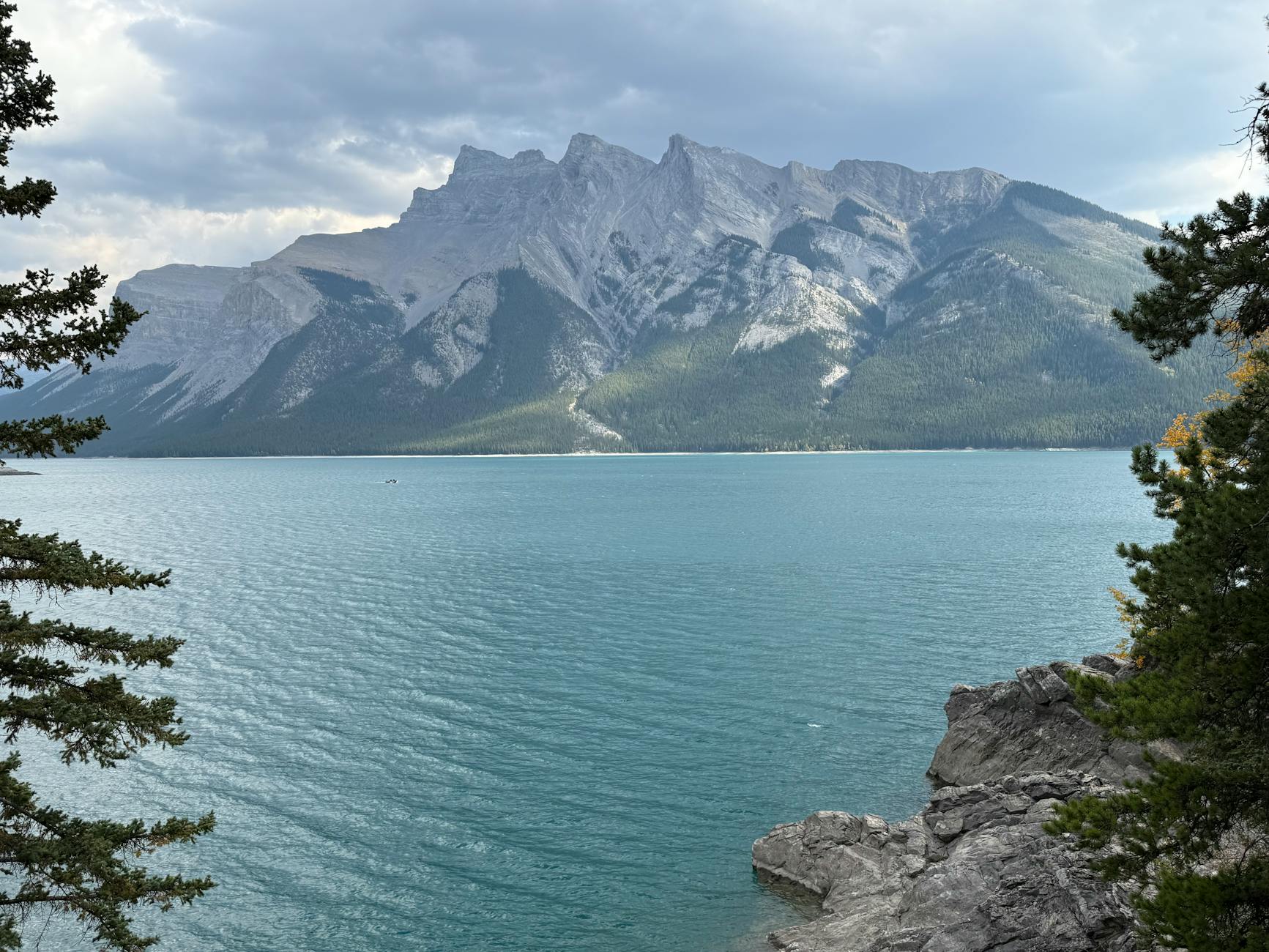
Older travelers do not need to avoid Banff's major experiences, but they should group them realistically. Lake Louise, Bow Valley viewpoints, gondola rides, hot springs, scenic drives, town walks, and gentle trails all use energy. Stacking too many into one day can turn beauty into fatigue.
A stronger day may include one major scenic experience, one meal, one rest block, and one easy secondary stop. Bathroom access, seating, shade or warmth, food, return timing, and weather should be known before the traveler is already tired.
- Limit each day to one major scenic experience plus realistic secondary stops.
- Plan bathrooms, seating, meals, shade or warmth, and return timing before leaving.
- Use tours or shuttles when they reduce strain without removing control.
Choose car, shuttle, taxi, and tour options deliberately
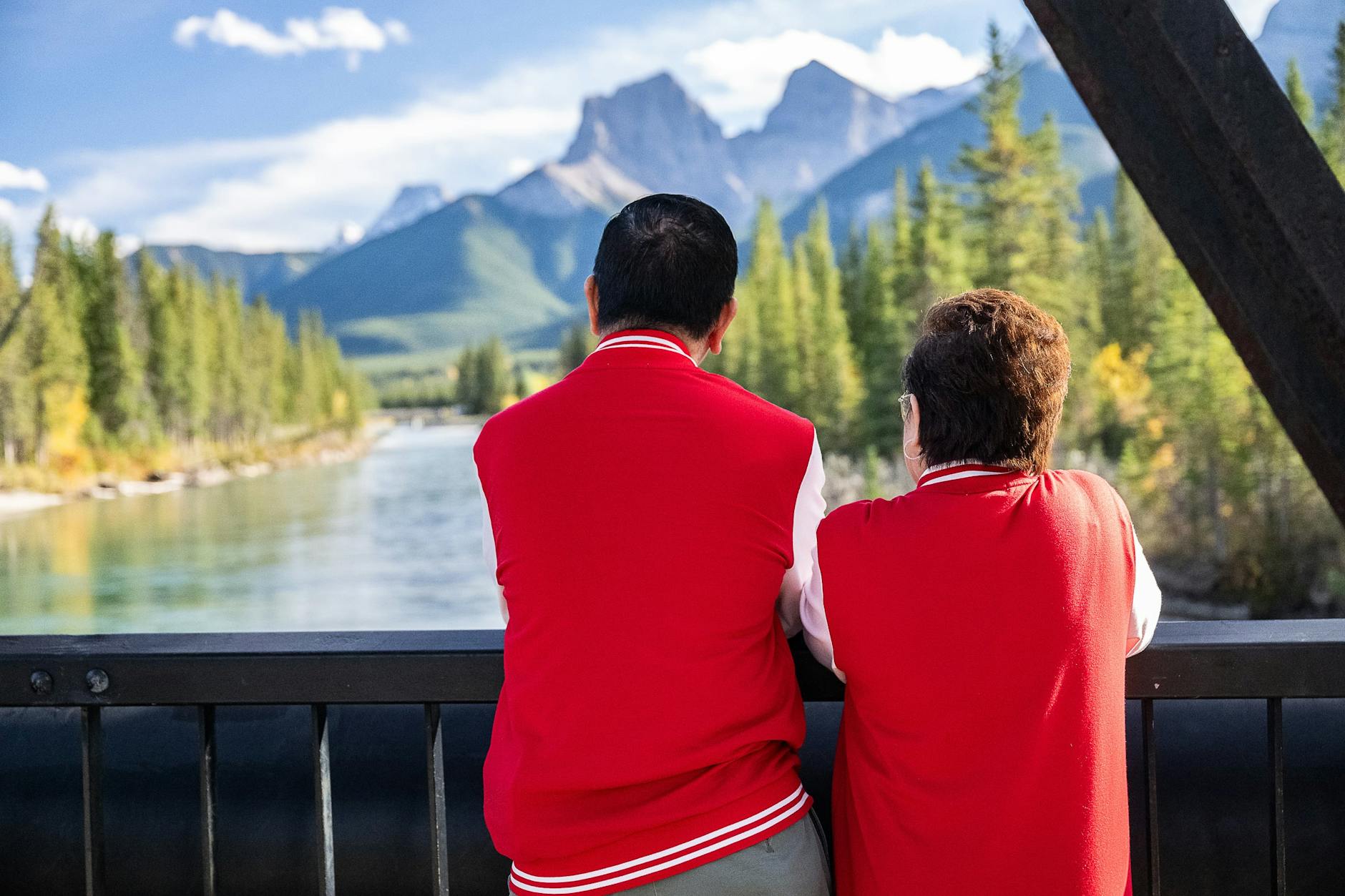
Banff movement can be simple or frustrating depending on the season and the traveler. A rental car offers control but may add winter driving, parking, and navigation pressure. Shuttles can reduce stress but impose schedules. Taxis and private transfers can protect comfort for specific moves. Tours can solve logistics if they do not rush the traveler.
The right choice may change by day. A car may be useful for scenic drives, while a shuttle or private transfer may be better for a lake visit, dinner, or a day when weather is poor. Older travelers should not force one transport method to solve every need.
- Match car, shuttle, taxi, private transfer, and tour choices to each day's purpose.
- Avoid winter driving if it would create stress or safety concerns.
- Confirm pickup points, return timing, cancellation rules, and waiting conditions.
Protect medical continuity, meals, and quiet time
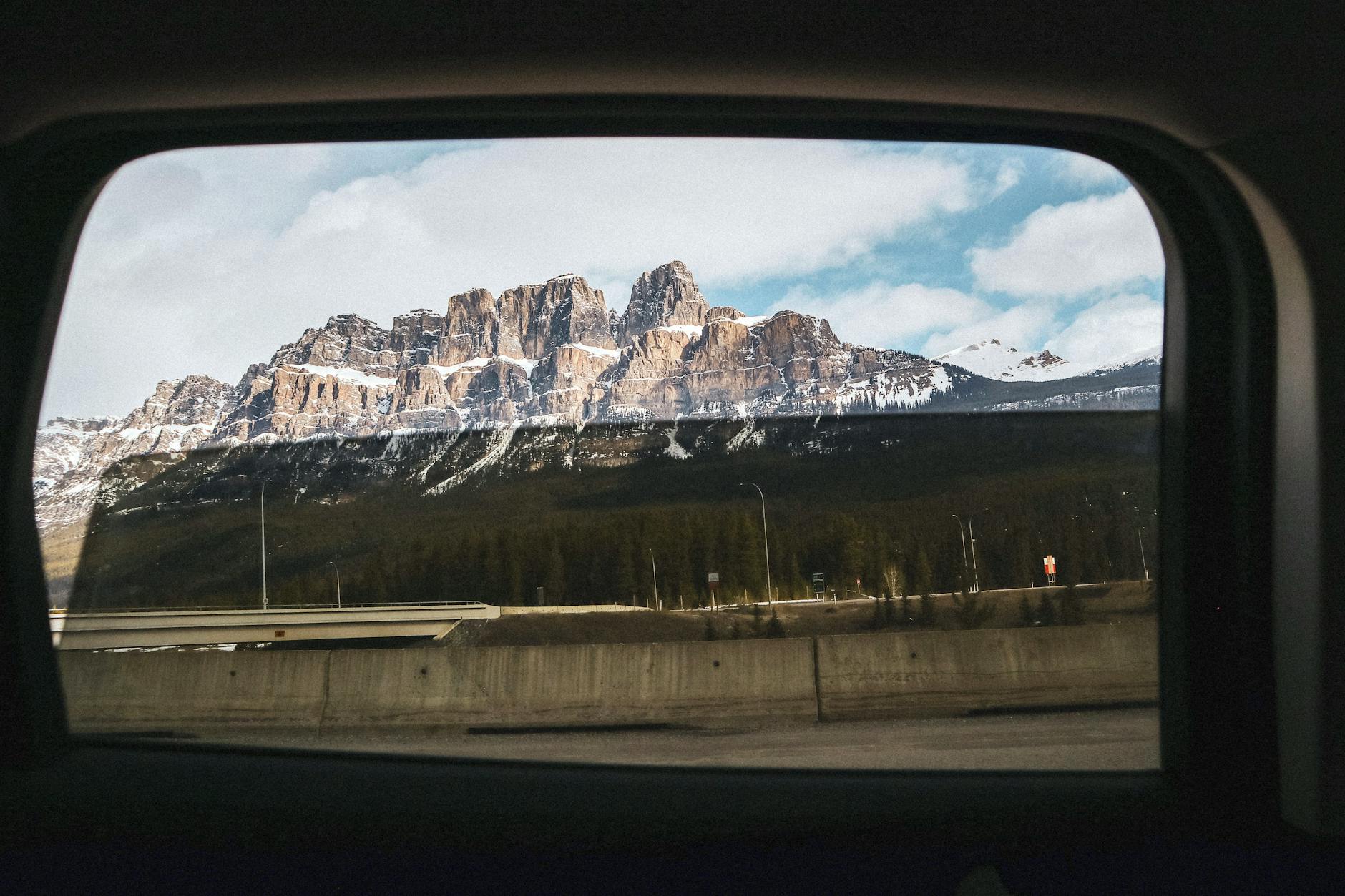
Older travelers should plan medication, prescriptions, travel insurance, emergency contacts, pharmacy access, hydration, oxygen or breathing considerations if relevant, and meal timing before the itinerary is crowded. Banff's resort rhythm can make meals, taxis, and quiet recovery more important than another viewpoint.
The traveler should also know what to do if weather changes, symptoms flare, a shuttle is delayed, a fall occurs, or a planned activity becomes too demanding. A clear fallback plan keeps the trip calm even when the mountain day changes.
- Carry medication, prescriptions, insurance, emergency contacts, and relevant medical notes.
- Plan meals, hydration, rest, pharmacy access, taxis, and quiet recovery into the day.
- Know the fallback if symptoms, weather, transport, or fatigue changes the itinerary.
When to order a short-term travel report
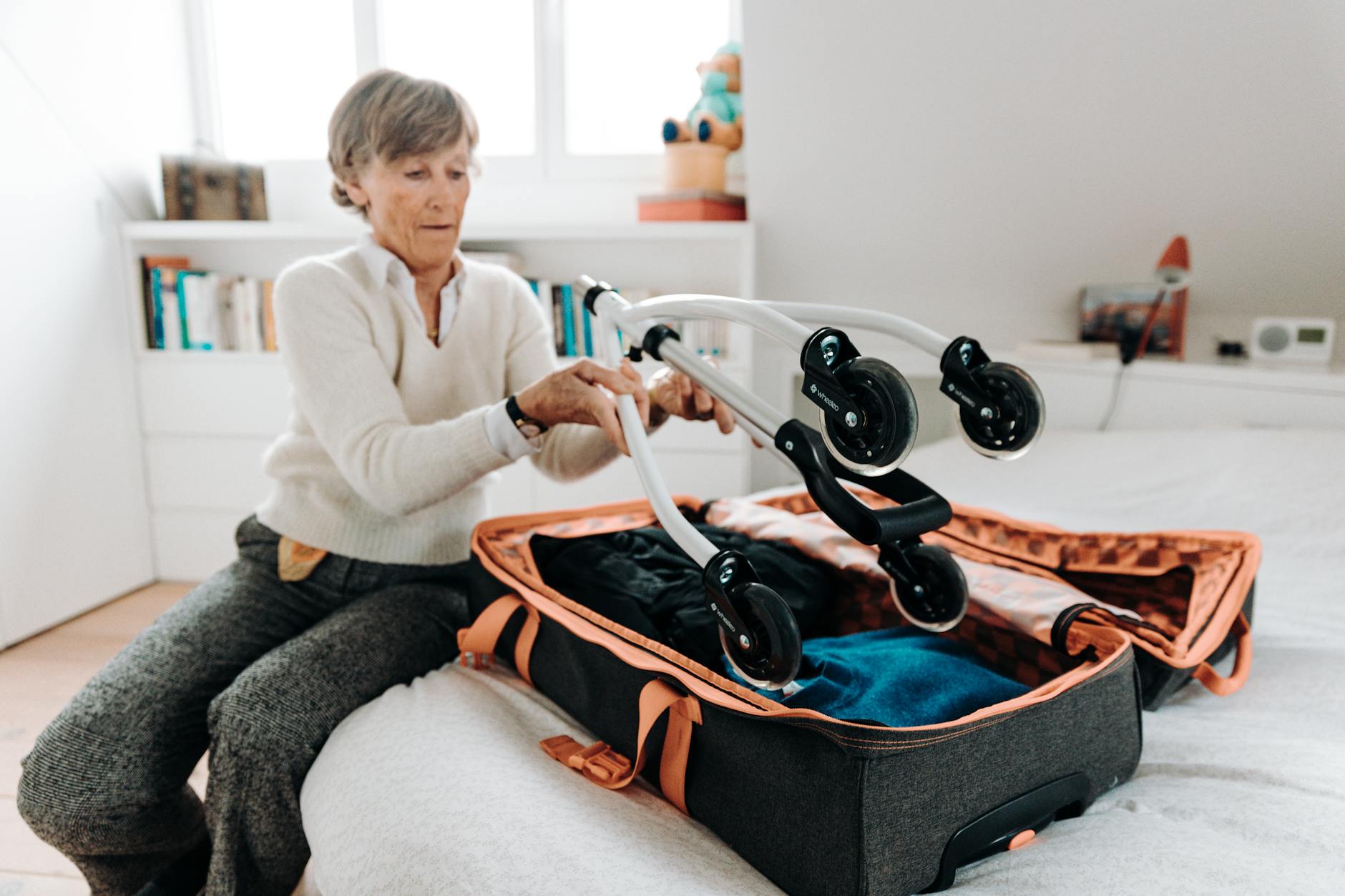
An older traveler with strong mobility, a central hotel, and flexible plans may not need a custom Banff report. A report becomes useful when the trip includes winter travel, limited mobility, medical concerns, expensive lodging, Lake Louise or Moraine Lake goals, shuttle decisions, a rental car question, family logistics, or a tight Calgary transfer.
The report should test transfer mode, hotel access, daily pacing, footing, weather, altitude, scenic priorities, bathroom and meal timing, medical fallback, transport choices, recovery, and what to cut. The value is a Banff trip that remains beautiful without relying on endurance.
- Order when mobility, medical needs, weather, transfers, hotel access, or scenic pacing need testing.
- Provide dates, mobility level, arrival mode, hotel options, medical constraints, priorities, and budget.
- Use the report to keep the mountain trip comfortable, practical, and dignified.