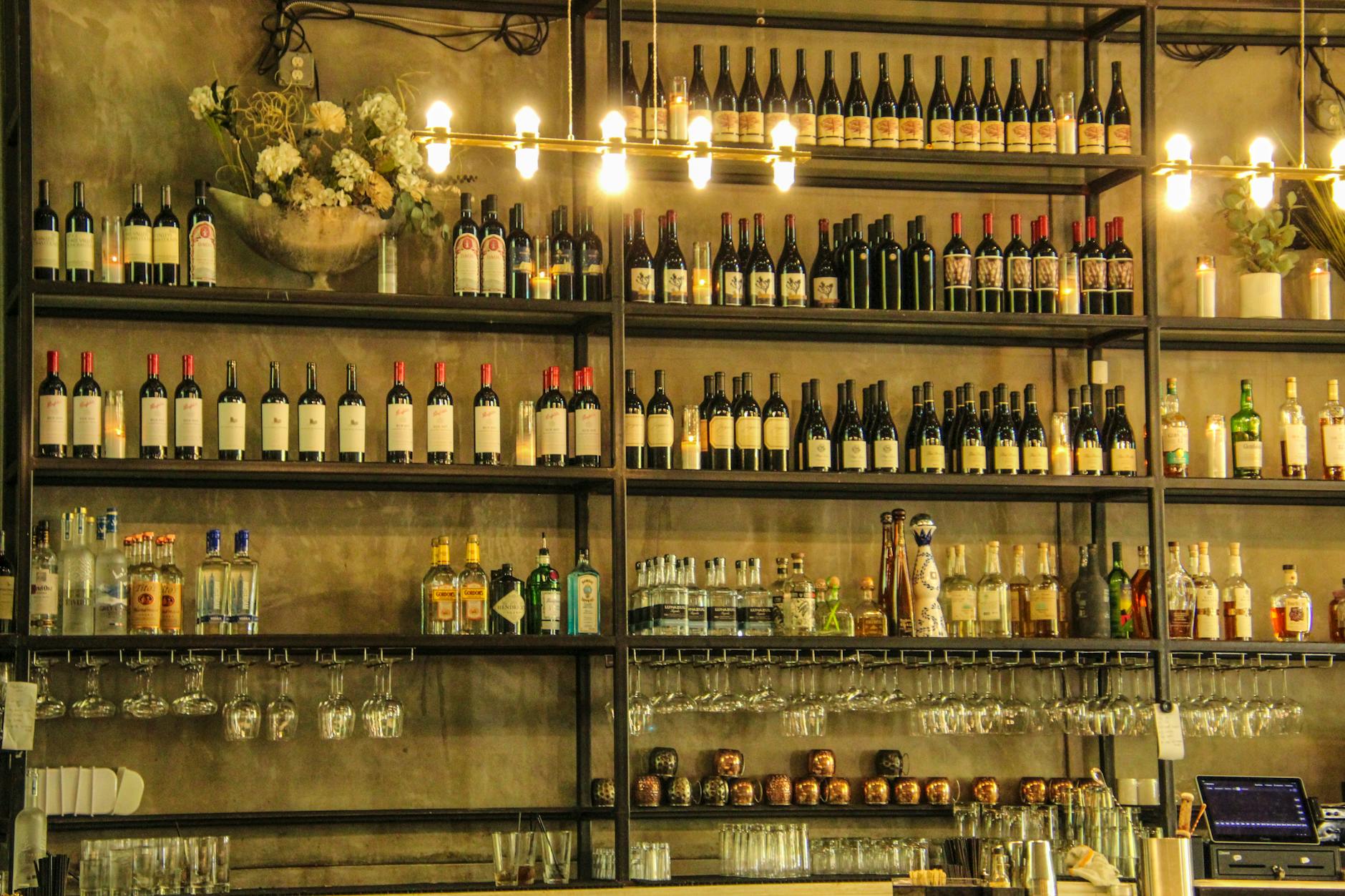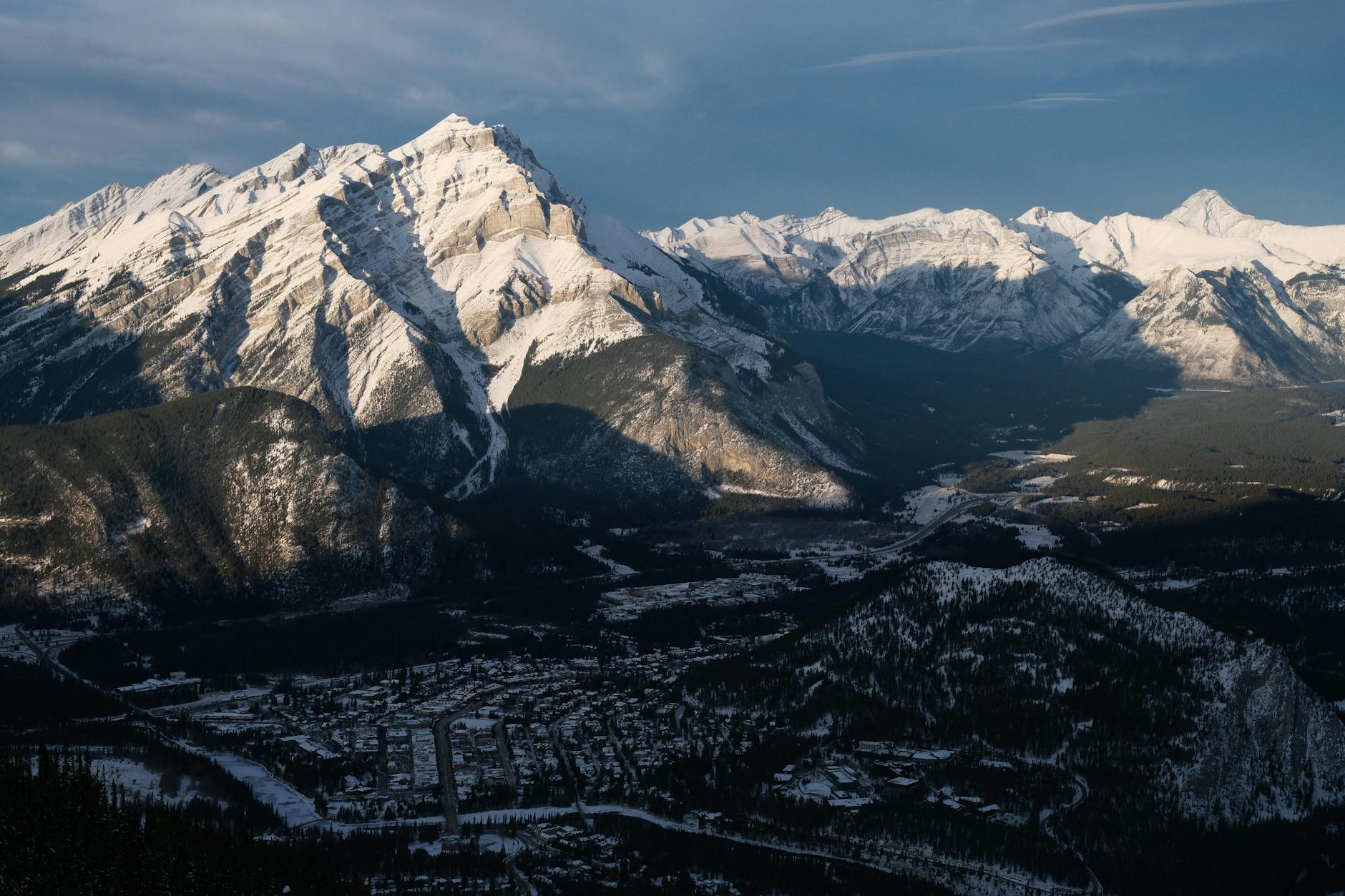
Banff can offer lively evenings, restaurants, bars, hotel lounges, music, apres-ski energy, group dinners, and a compact town atmosphere, but it is not a big-city nightlife destination. A nightlife-focused traveler should understand the scale of the place before building the trip around late nights. Seasonal demand, closing times, weather, cost, and transport matter. The best Banff nightlife trip treats evenings as part of a mountain itinerary. Dinner, drinks, social time, and late returns should be planned around lodging location, winter surfaces, next-day activities, alcohol limits, and the reality that the destination's strongest value still depends on staying functional.
Understand the scale of Banff nightlife
Banff evenings can be enjoyable, especially around restaurants, pubs, hotel bars, music, apres-ski periods, group trips, and seasonal crowds. But the town is compact and mountain-oriented. Travelers expecting the depth and late-night range of a large city may plan the wrong trip.
The traveler should decide whether the goal is a lively dinner, a bar-hopping night, a lodge lounge, a group celebration, apres-ski energy, or simply being out in town after dark. That choice affects lodging, reservations, budget, and how much next-day recovery is needed.
- Clarify whether the trip is about dinners, pubs, lounges, apres-ski, music, or a group celebration.
- Set expectations for a compact mountain town rather than a large nightlife district.
- Check current hours, seasonal demand, event calendars, and reservation requirements.
Choose lodging for late-night return
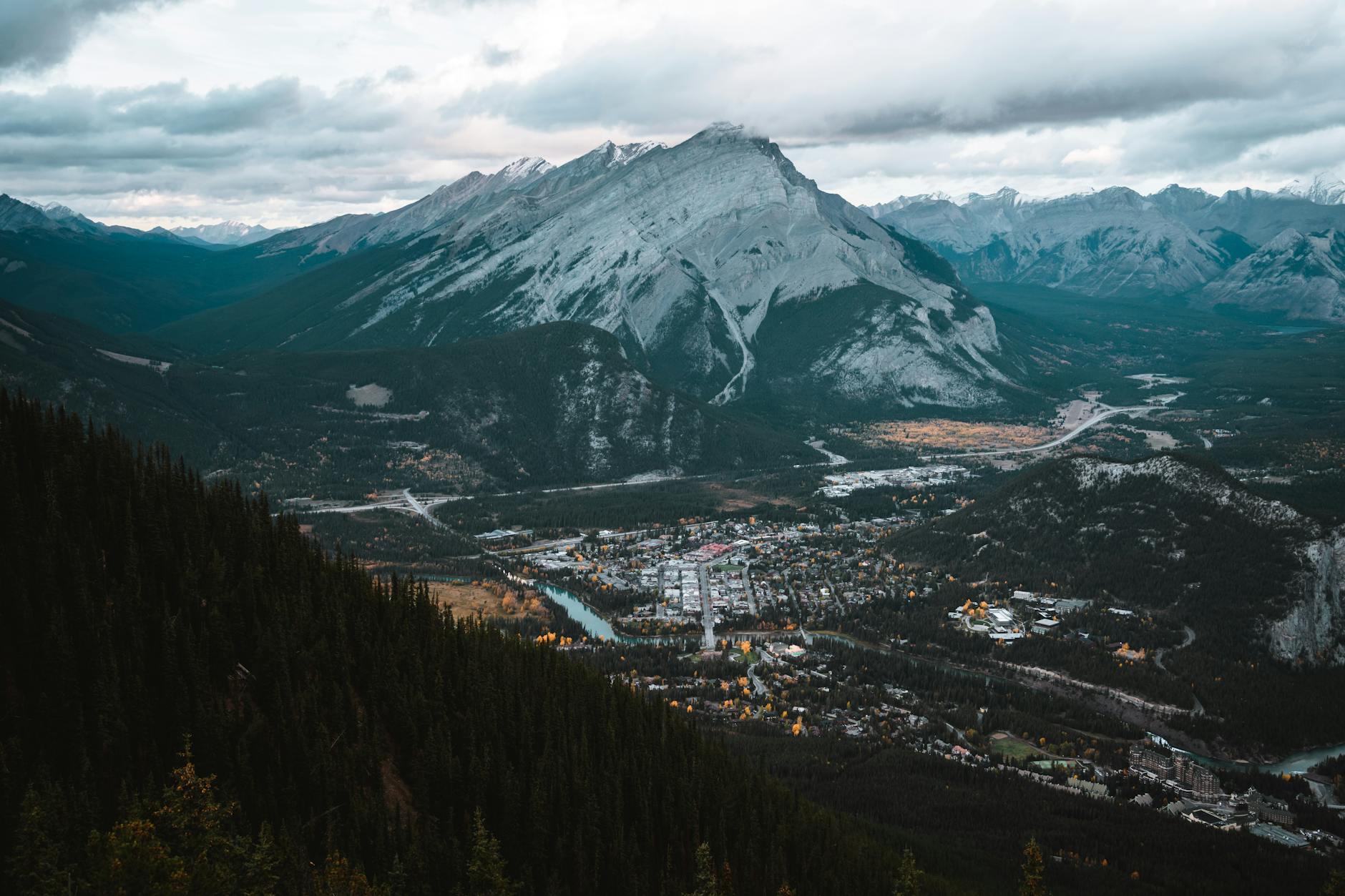
Lodging location matters more when evenings are central to the trip. A walkable Banff town base may reduce friction, cold exposure, taxi dependence, and group-splitting after dinner or drinks. A scenic property outside the easiest evening route may be better for quiet, but worse for nightlife convenience.
Travelers should check winter footing, lighting, sidewalks, shuttle options, taxi availability, hotel access, noise, and whether the property is comfortable with late returns. The return plan should be decided before the first drink.
- Map lodging to restaurants, bars, sidewalks, winter footing, shuttles, taxis, and late-night entry.
- Choose central lodging when late returns and group movement are priorities.
- Avoid assuming a mountain town will have unlimited late-night transport.
Protect the Calgary arrival and first evening
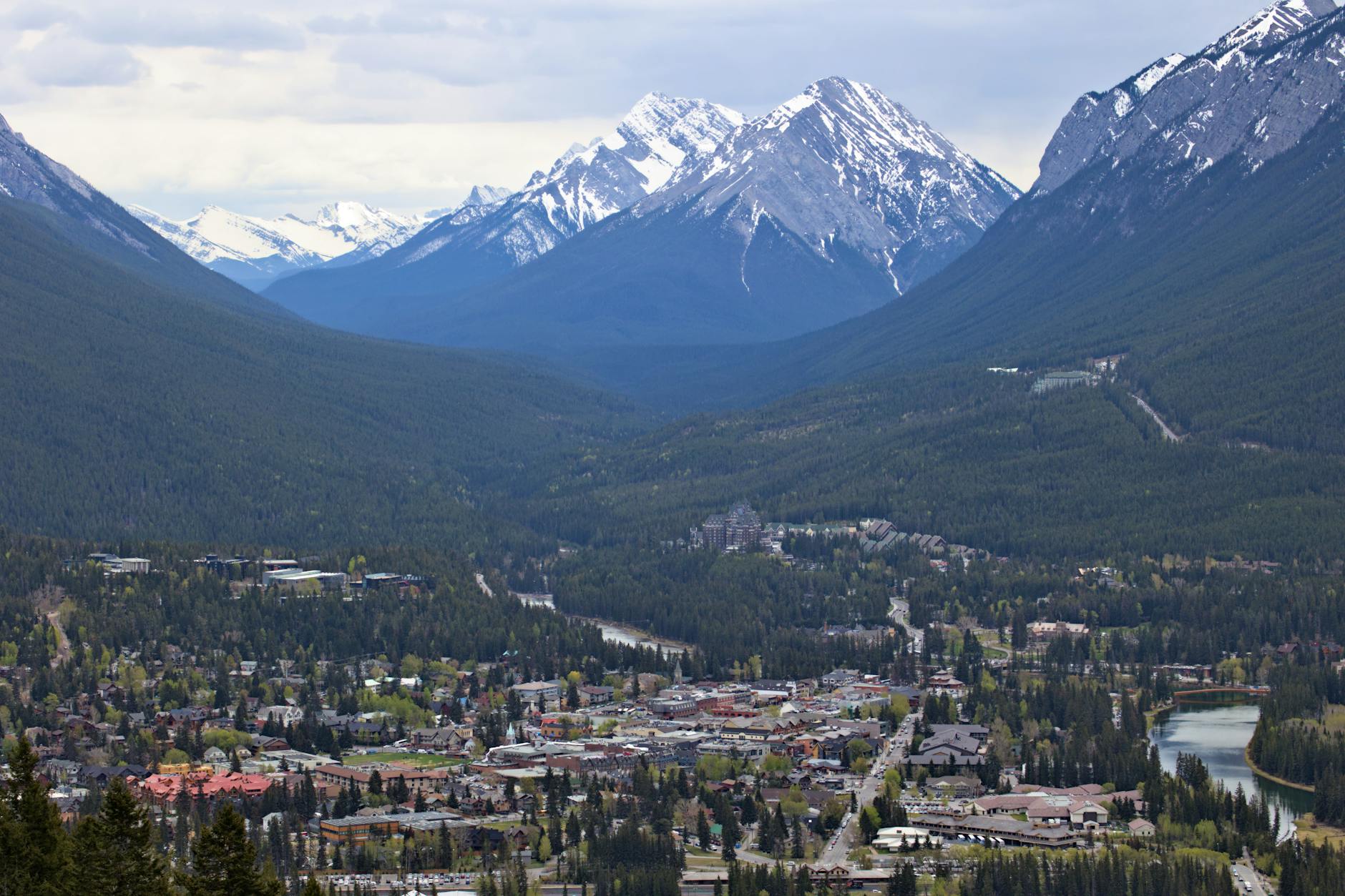
A nightlife-focused traveler may be tempted to land in Calgary, transfer to Banff, check in, and immediately go out. That first night can work, but it is vulnerable to flight delays, baggage, road conditions, shuttle timing, hunger, and fatigue. Winter arrivals make the margin smaller.
The first evening should be planned with a softer target than the most important dinner or celebration. If a group is meeting in Banff, late arrivals need a clear backup rather than forcing everyone into a fragile schedule.
- Map flight timing, transfer, baggage, check-in, dinner hour, road conditions, and late-arrival backup.
- Do not schedule the most important celebration immediately after a tight mountain transfer.
- Keep food, warm layers, chargers, medication, and hotel details accessible during arrival.
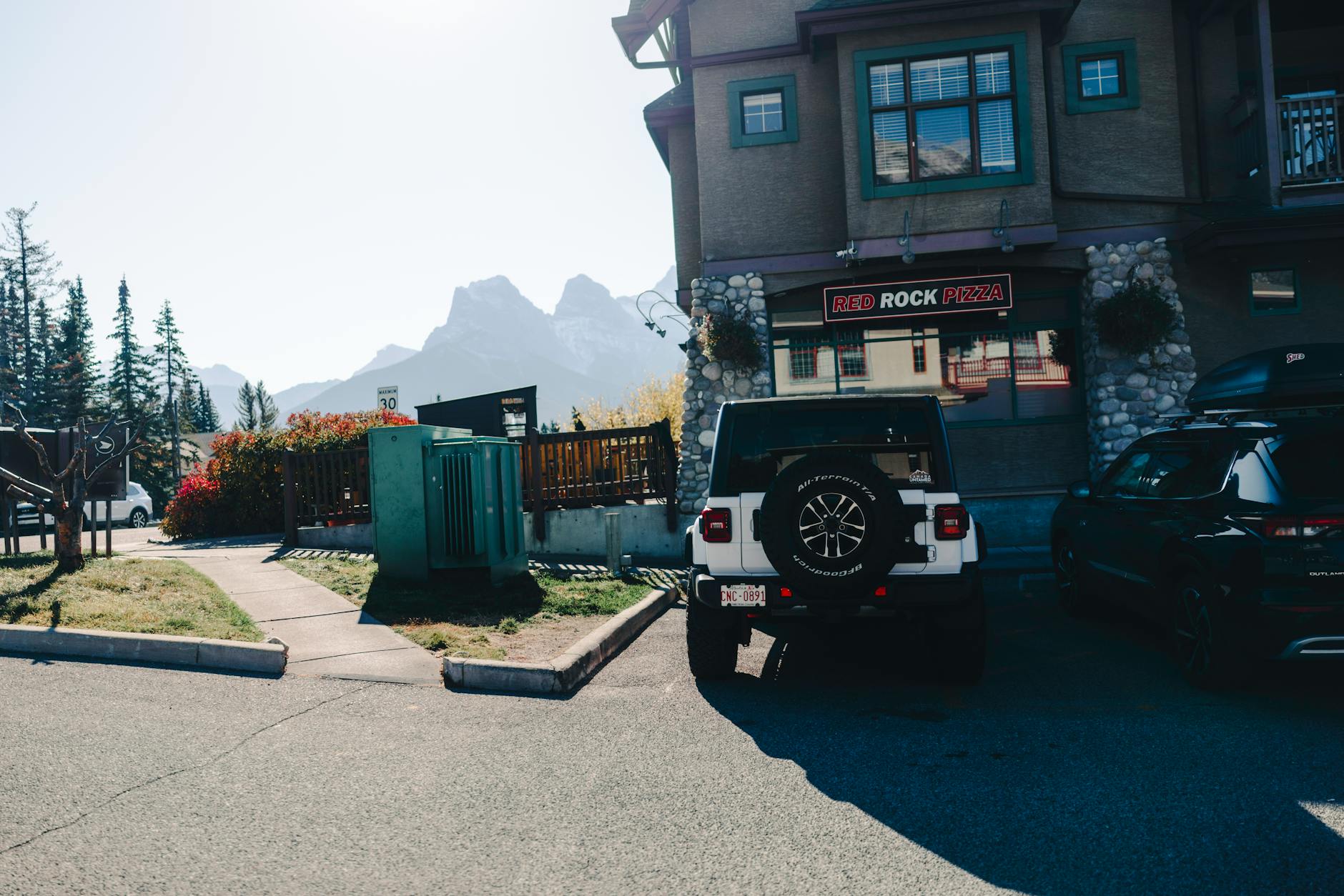
Book the right meals, not just the late drinks
Banff nightlife often starts with dinner, and dinner can be the most important reservation of the evening. Peak periods, weekends, ski season, holidays, and summer demand can make casual planning expensive or frustrating. Dietary needs and group size should be handled before arrival.
A traveler who eats too late or relies only on bar snacks may undermine the rest of the night and the next day. A good evening plan balances food, drinks, timing, cost, and distance back to lodging.
- Reserve dinner when group size, peak season, dietary needs, or a special occasion matters.
- Check kitchen hours, bar-food limits, cancellation terms, and distance from lodging.
- Treat food as part of nightlife safety and recovery, not an afterthought.
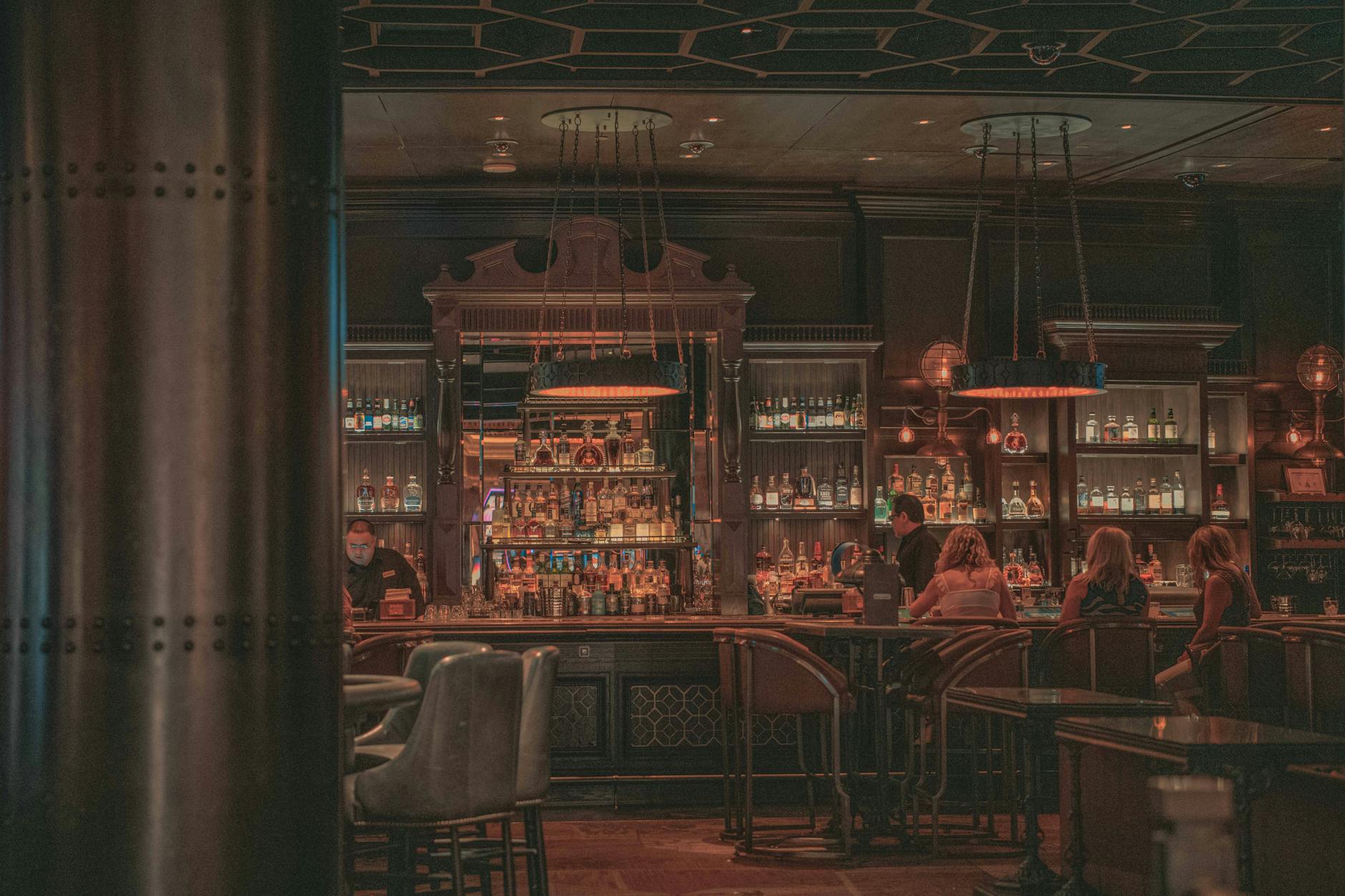
Plan alcohol, weather, and next-day risk together
Banff nightlife does not happen in isolation from the mountain environment. Alcohol, altitude, cold, icy sidewalks, unfamiliar streets, hot tubs, early shuttles, ski days, hikes, and road trips can interact badly. The traveler should not plan a hard late night before the most demanding outdoor day.
Groups should agree on limits, return plans, buddy checks, phone charging, and what happens if someone wants to leave early. The safest plan is usually made before the evening gets social.
- Account for alcohol, cold, ice, altitude, hot tubs, early starts, and next-day driving or outdoor activity.
- Set return plans, buddy checks, phone charging, and group expectations before going out.
- Avoid placing the biggest night before the riskiest outdoor day.
Budget for a resort-town evening
Nightlife costs in Banff can rise through lodging, dinner, drinks, taxis, tips, cover charges, late snacks, winter clothing, and next-day recovery meals. A trip that looks simple can become expensive if every evening depends on premium venues or last-minute choices.
The traveler should decide where to spend and where to stay casual. A hotel lounge, one strong dinner, or a planned bar stop may create a better evening than trying to stretch a big-city nightlife pattern across a mountain town.
- Budget for dinner, drinks, tips, transport, covers, late snacks, warm clothing, and recovery meals.
- Choose a few good evening anchors instead of overspending on an unfocused route.
- Leave enough budget for the daytime Banff experience that justified the trip.
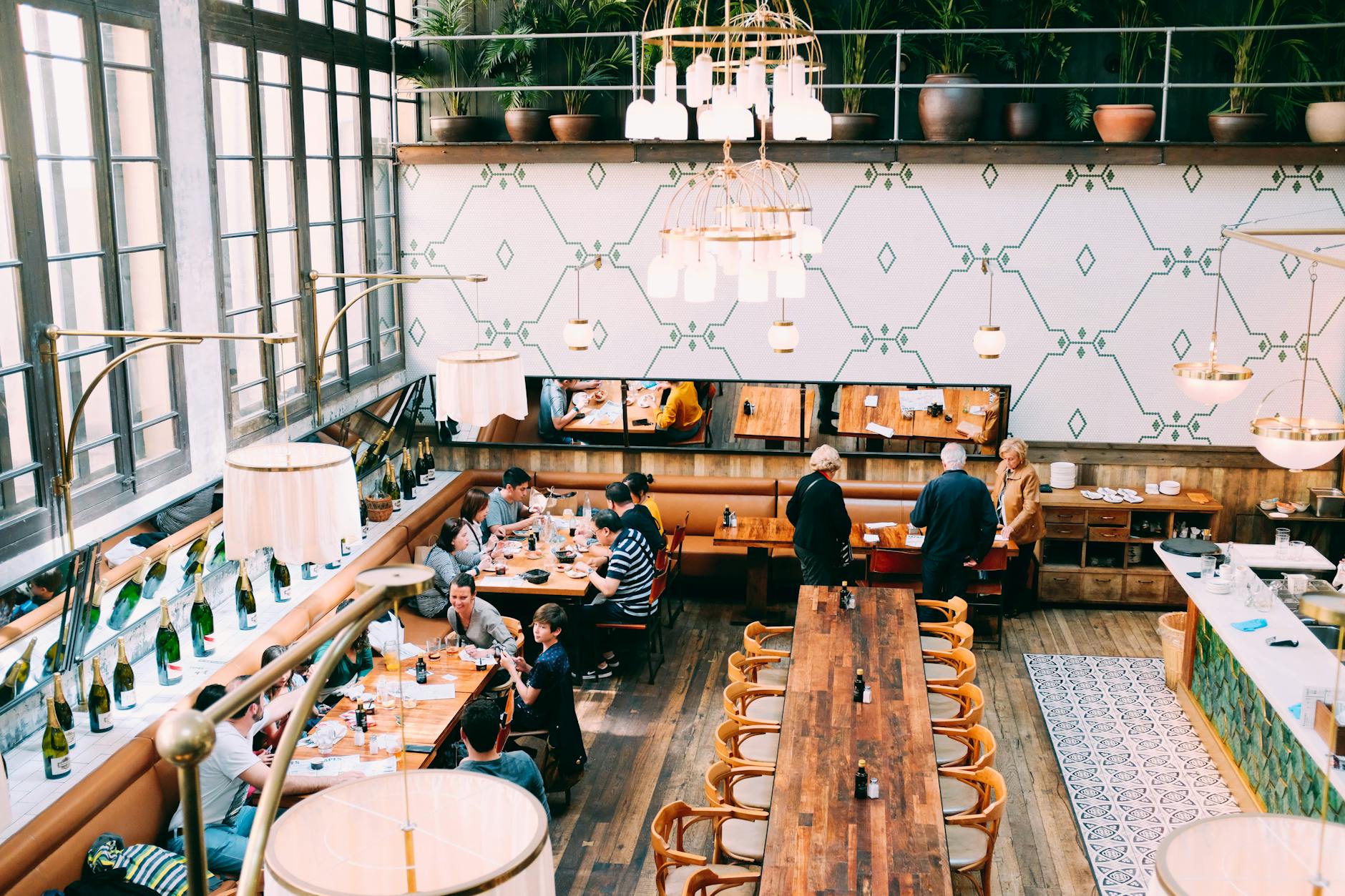
When to order a short-term travel report
A nightlife-focused traveler with flexible evenings, central lodging, and modest expectations may not need a custom Banff report. A report becomes useful when the trip involves a celebration, group travel, winter footing, expensive lodging, limited reservations, tight Calgary arrival, early outdoor plans, accessibility needs, or uncertainty about whether the town fits the desired evening style.
The report should test arrival, lodging, dinner reservations, bar geography, late-night return, weather, safety, budget, recovery, next-day activities, and what to skip. The value is a Banff evening plan that feels lively without damaging the rest of the trip.
- Order when lodging, reservations, winter footing, group movement, arrival timing, or next-day plans need testing.
- Provide dates, group size, lodging options, evening goals, mobility limits, budget, and daytime itinerary.
- Use the report to make nightlife enjoyable without making the mountain trip fragile.