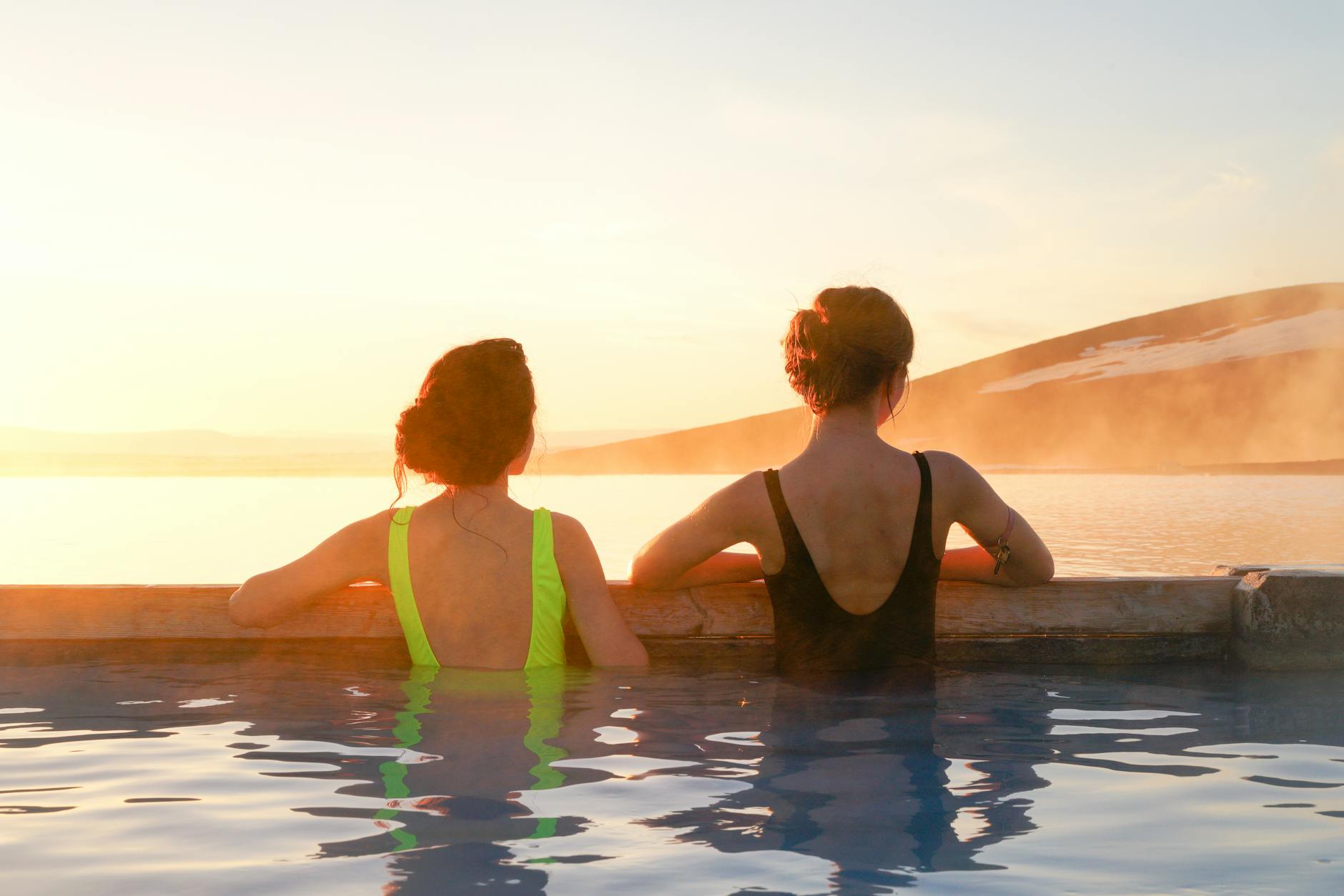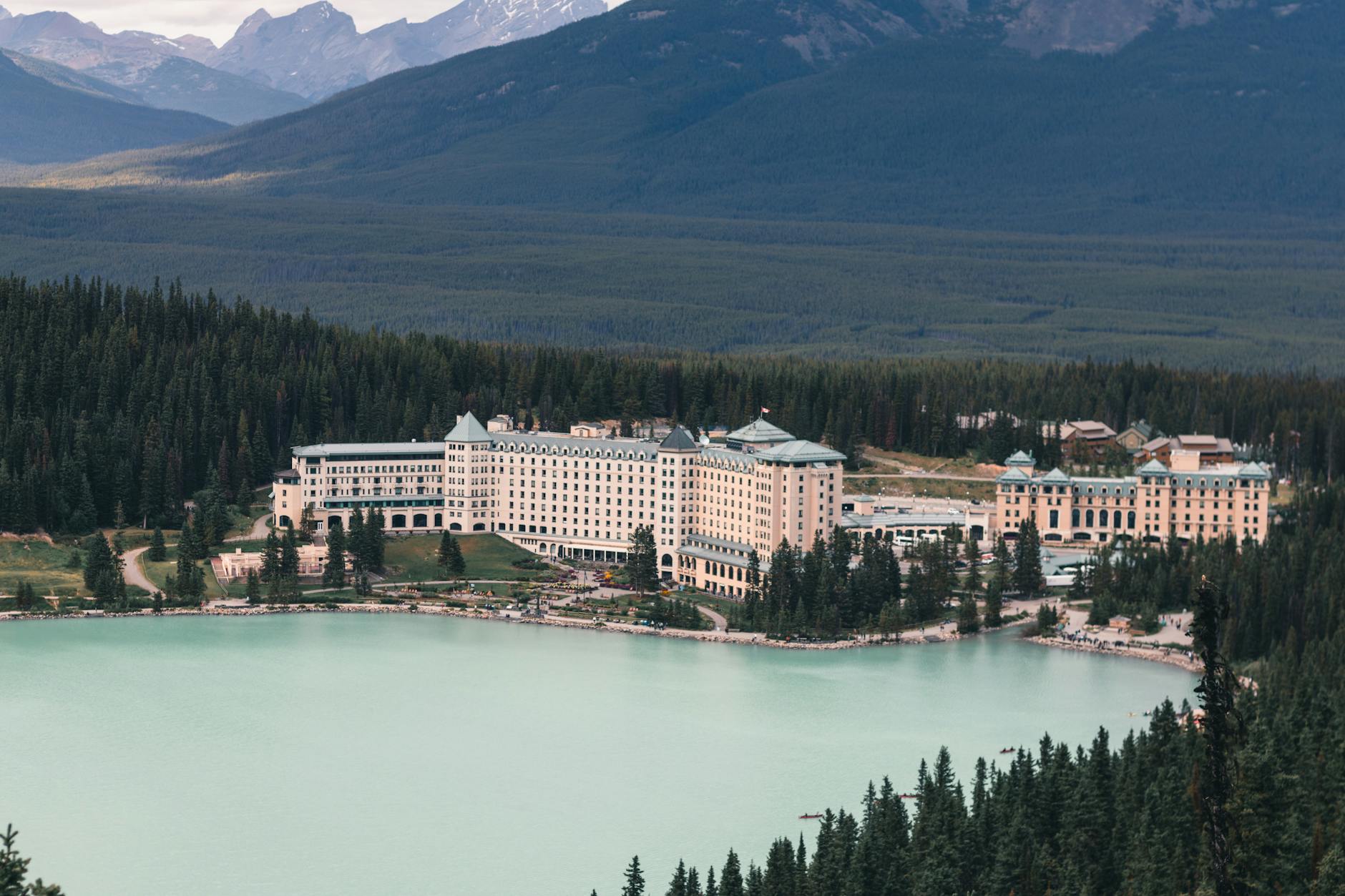
Banff luxury is not only about a grand hotel or a lake view. It is about control in a mountain environment: a smooth arrival from Calgary, a property that matches the trip's purpose, reservations that are secured before demand peaks, and enough pacing to enjoy the Rockies without fighting weather, crowds, or transfer friction. The luxury traveler should decide what kind of Banff trip this is: heritage hotel stay, Lake Louise retreat, private mountain itinerary, spa recovery, winter resort break, romantic escape, family suite trip, or a high-service pause inside a wider Canadian Rockies route. That choice should drive the hotel, transfer, dining, guiding, and what to leave out.
Define luxury in Banff terms
A luxury Banff trip should start by defining what luxury means in the mountains. For one traveler it may be a landmark hotel, lake-view room, private driver, quiet suite, and excellent meals. For another it may be privacy, a guided hike, spa recovery, minimal decision-making, or a winter stay that avoids driving and parking stress.
The traveler should not assume that a high price automatically creates a high-comfort trip. Banff is still a national park town with weather, crowds, road exposure, shuttle rules, seasonal compression, and limited peak inventory. Luxury comes from matching the service layer to the environment.
- Decide whether luxury means hotel heritage, privacy, views, guiding, dining, wellness, or ease.
- Treat the mountain environment as part of the luxury design, not a backdrop.
- Avoid paying for prestige that does not solve transfer, weather, crowd, or recovery needs.
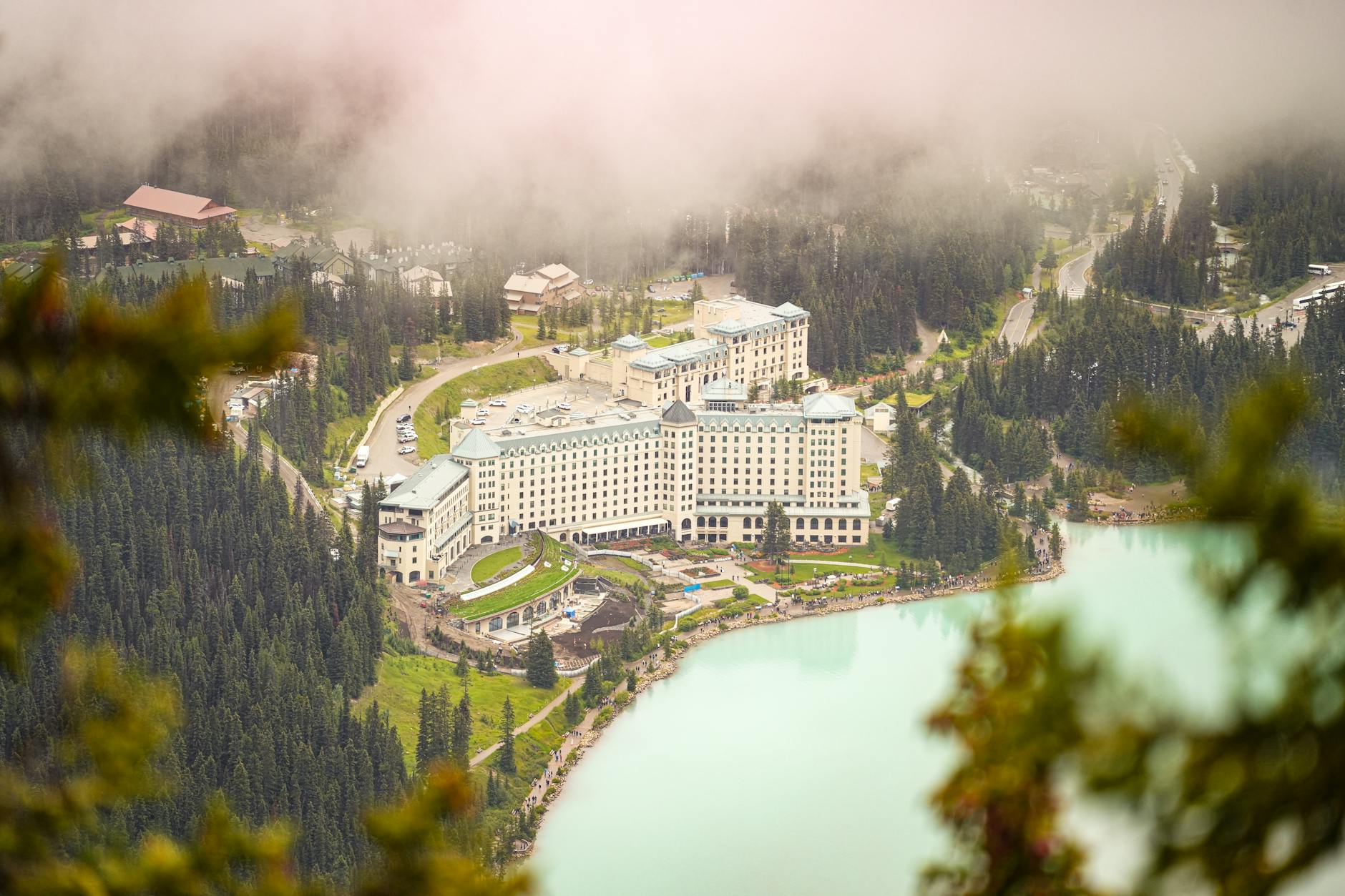
Control the Calgary arrival
A luxury Banff itinerary can be weakened by a careless arrival from Calgary. Flight timing, baggage, winter roads, delayed arrivals, rental-car lines, shuttle schedules, and first-night dining can all affect the tone of the trip. A premium traveler should decide whether the transfer should be private, chauffeured, self-driven, shuttle-based, or buffered with a Calgary overnight.
The first day should feel composed. If the traveler arrives late, tired, or during winter conditions, a private transfer and simple evening may be worth more than squeezing in an activity. The mountain road is not where the trip should start feeling improvised.
- Choose private transfer, chauffeured service, rental car, shuttle, or Calgary buffer by risk and comfort.
- Protect the first evening from flight delay, baggage issues, winter roads, and late dining constraints.
- Avoid making the arrival day carry too much scenic or social ambition.
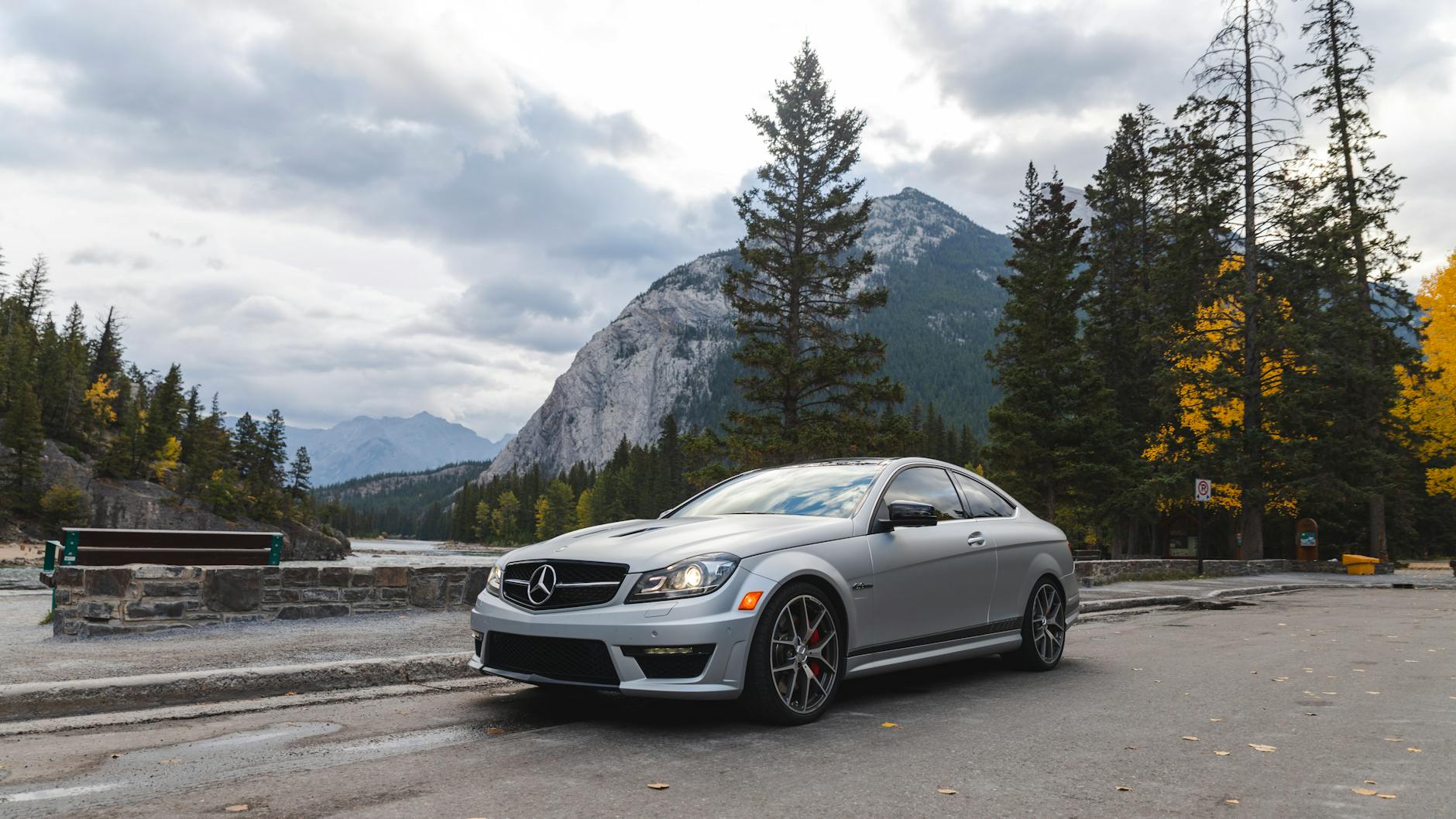
Choose the hotel as the operating base
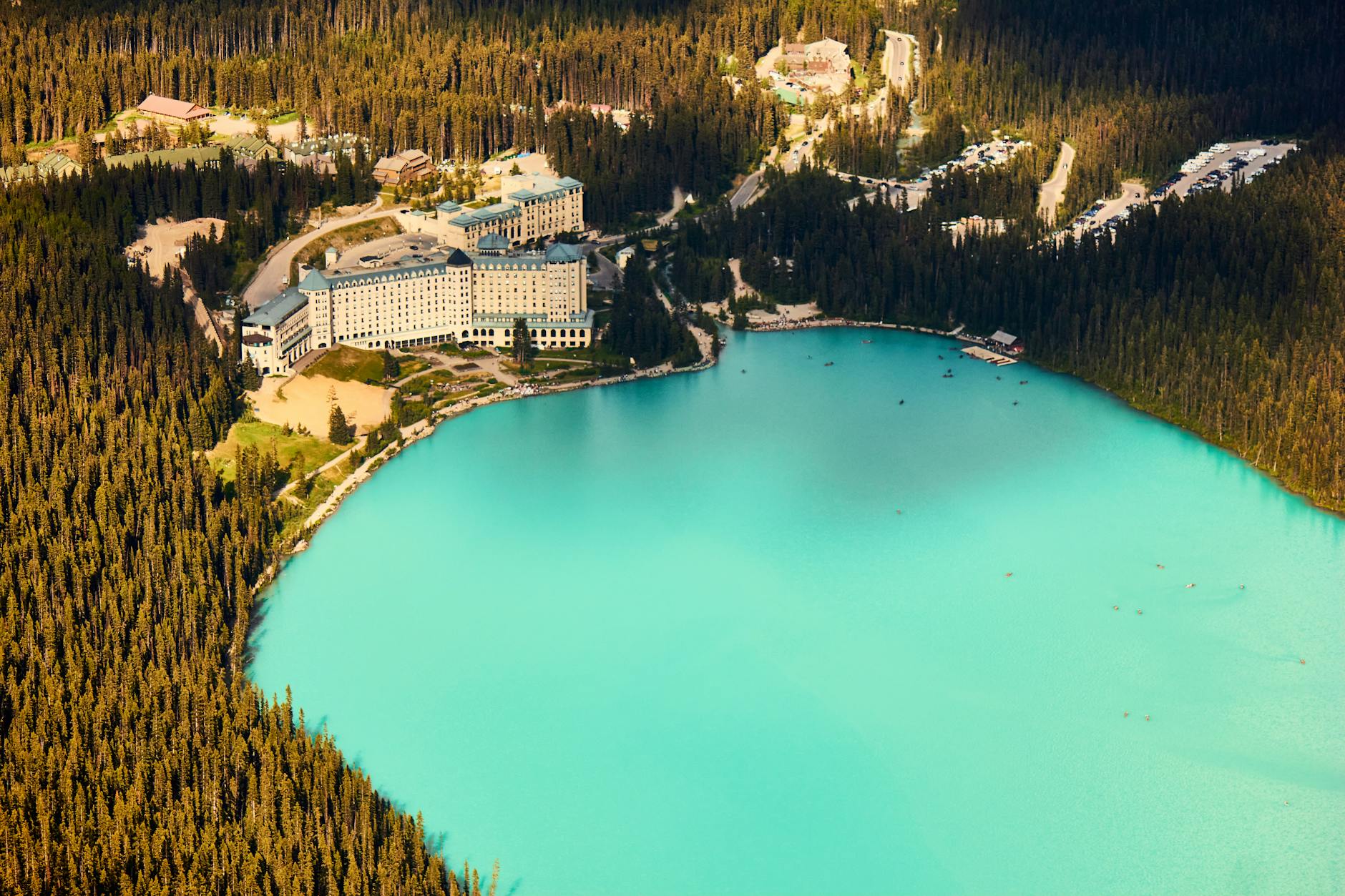
Banff and Lake Louise hotels are not interchangeable. A town-based luxury hotel can support restaurants, shops, pickups, and flexible movement. A landmark resort may provide atmosphere, service, privacy, views, spa access, and a sense of occasion. A lake-focused stay can be extraordinary but may change dining, transfers, parking, and day-trip rhythm.
The traveler should evaluate room category, view, noise, dining access, spa availability, parking or valet service, concierge usefulness, cancellation rules, and how easily the property supports the actual itinerary. A beautiful room is less valuable if every day starts with friction.
- Compare town, resort, and Lake Louise bases by service, access, privacy, views, and movement.
- Check room category, dining, spa, valet or parking, concierge help, and cancellation rules.
- Choose the property that supports the trip's rhythm, not only the most iconic photograph.
Reserve dining, wellness, and private time early
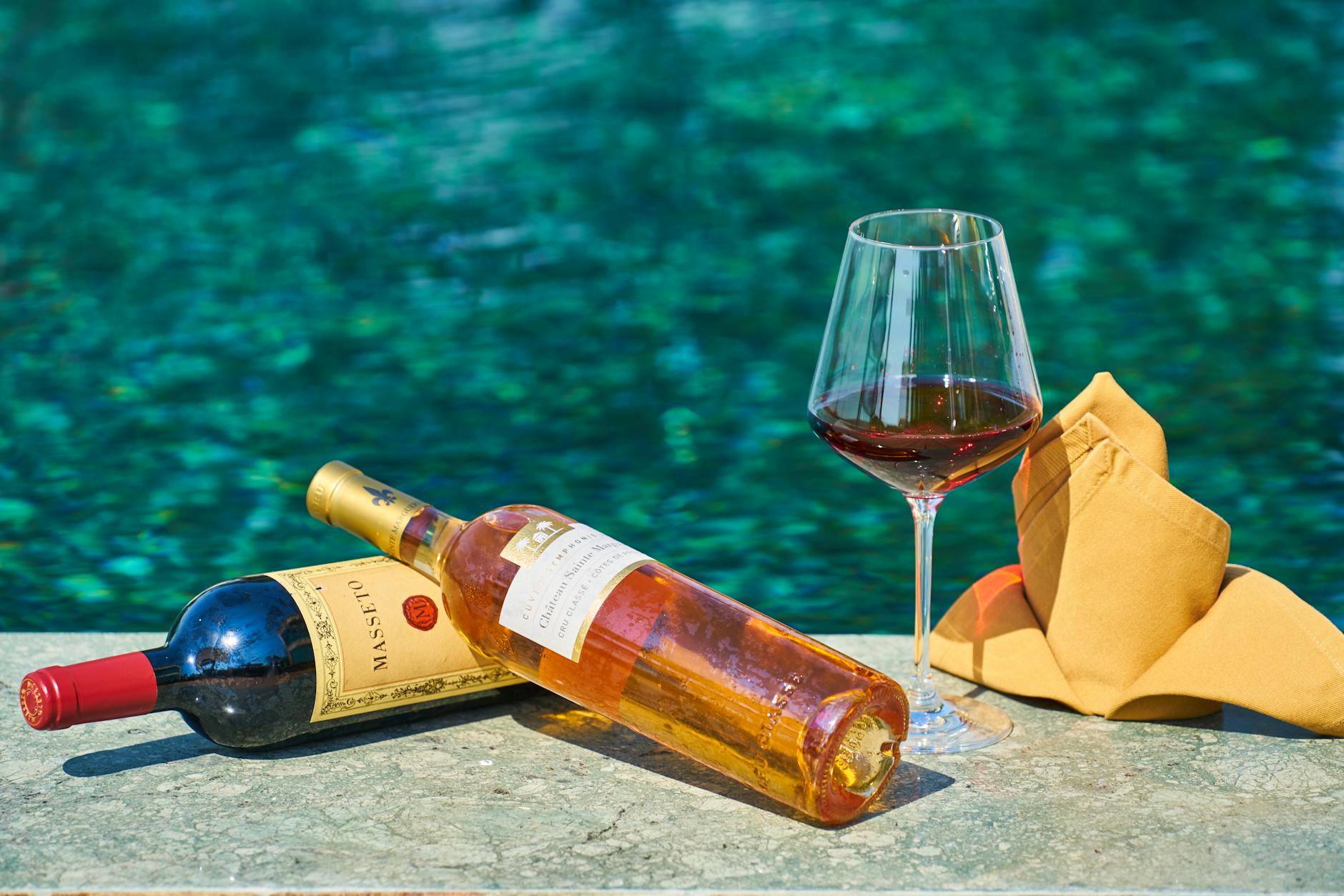
Luxury in Banff depends heavily on timing. Strong restaurant reservations, private dining, spa treatments, hot springs plans, guided experiences, and special requests can disappear during peak periods. Waiting until arrival may leave the traveler with expensive lodging but ordinary execution.
The itinerary should also protect private time. A high-end mountain trip can become strangely tiring if every meal, transfer, activity, and photo stop is stacked tightly. The best luxury trips leave enough space for the room, view, spa, fire, or quiet meal to matter.
- Book dining, spa, guides, private dining, and special requests before peak inventory closes.
- Reserve unstructured time so the hotel, view, wellness, and service layer can work.
- Avoid filling every gap just because the trip is expensive.
Use guides and scenic access selectively
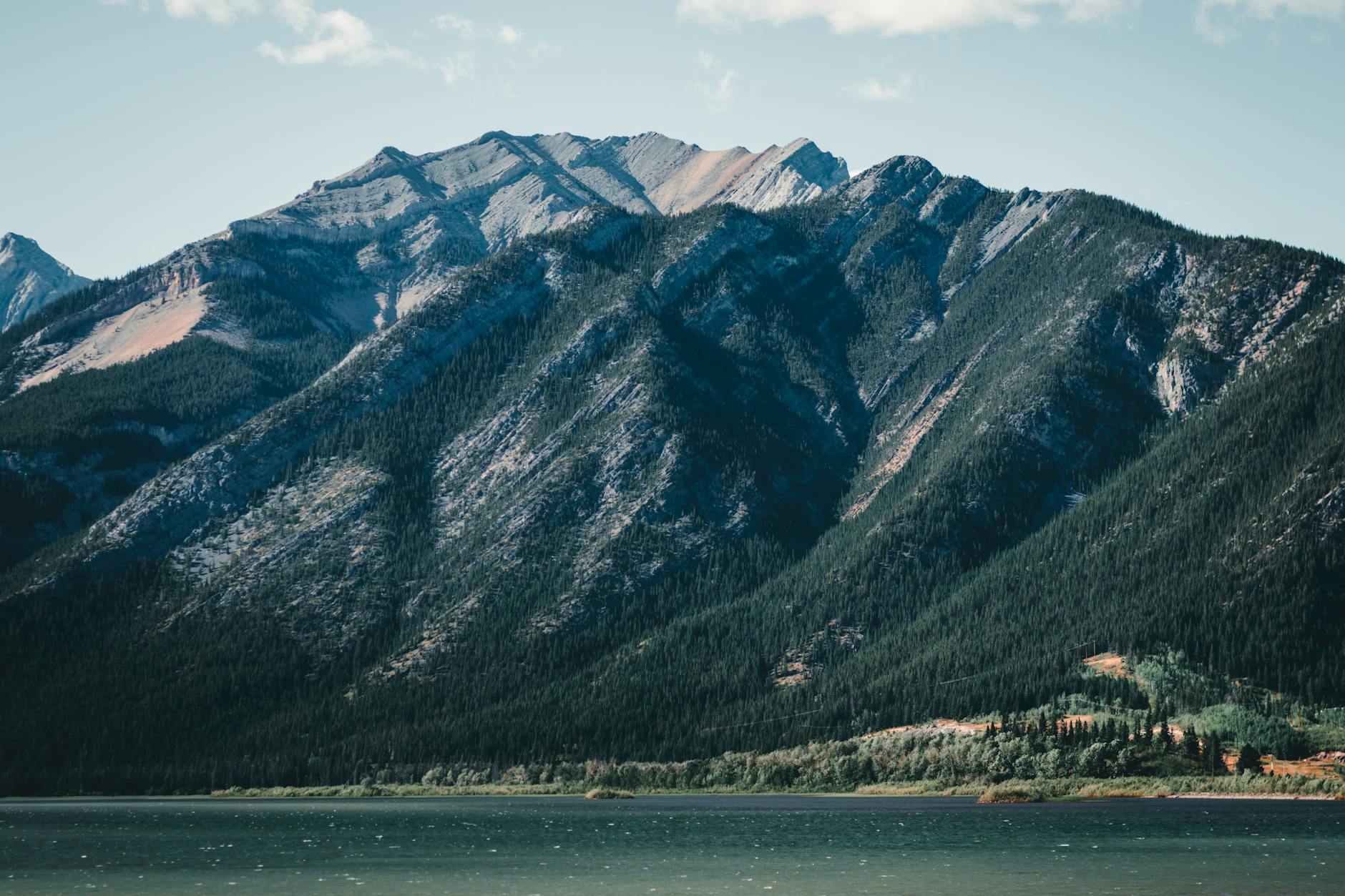
A luxury traveler may benefit from private guiding, a driver, a photography-focused route, a guided hike, a lake transfer, a winter activity specialist, or a curated scenic day. The value is not just exclusivity. It is fewer decisions, better timing, safer conditions, and a route that reflects the traveler rather than the crowd.
Not every activity needs to be private. Some experiences are simple enough to self-manage. The traveler should pay for expertise where it solves access, weather, safety, timing, or privacy, and keep simpler moments uncomplicated.
- Use private guides where they improve access, safety, timing, privacy, or interpretation.
- Keep simple town walks, hotel time, and easy viewpoints from becoming overproduced.
- Match Lake Louise, gondola, scenic drives, and winter activities to season and weather.
Plan season, privacy, and cancellation exposure
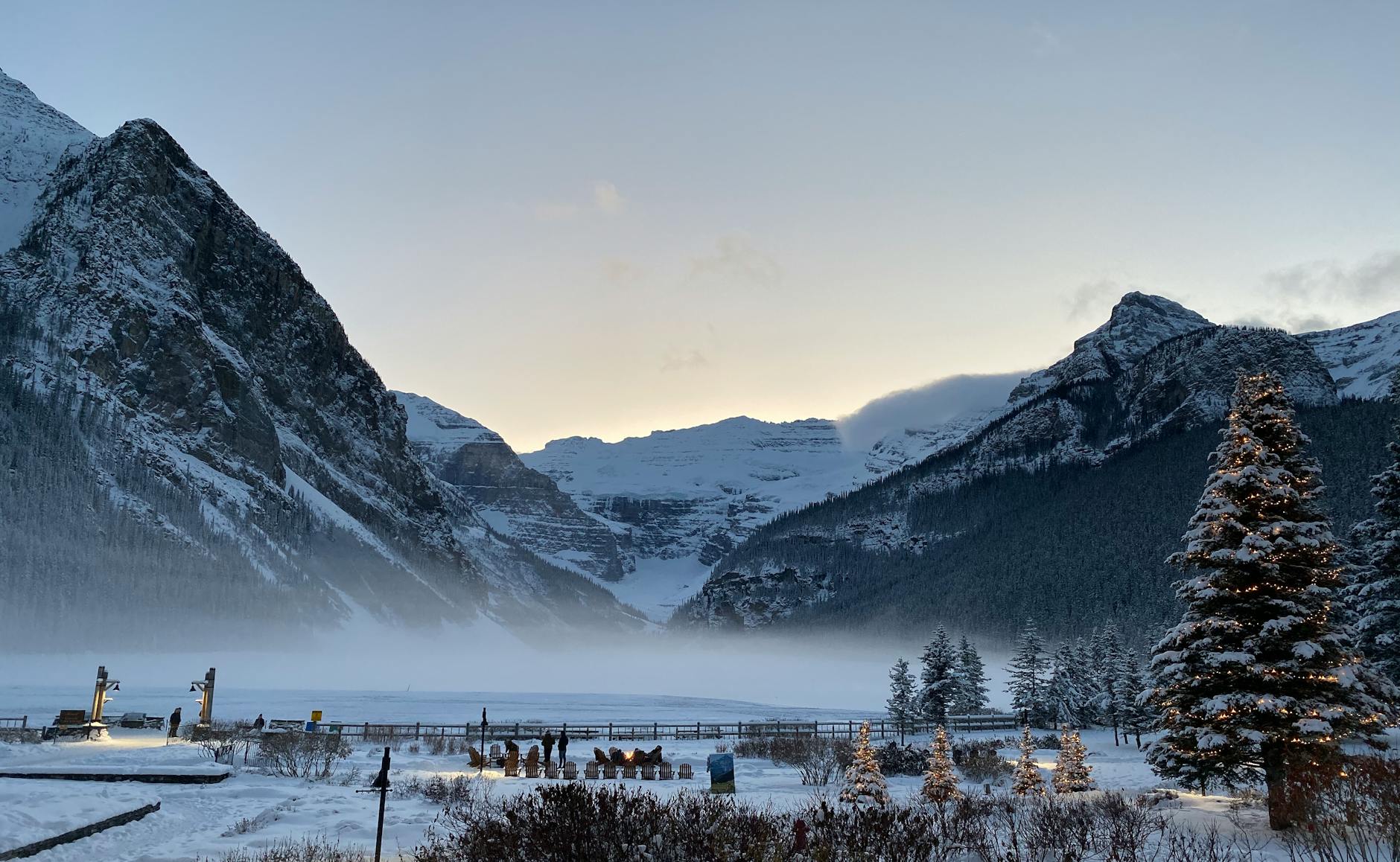
Banff luxury changes by season. Summer may create lake access pressure, sold-out hotels, high prices, and crowded restaurants. Winter can be dramatic and quieter in some ways, but it adds driving, clothing, footwear, and weather constraints. Shoulder seasons can offer value and calm, but conditions may be mixed.
Cancellation exposure also matters. Premium rooms, private services, guides, transfers, and dining deposits may have stricter terms than the traveler expects. A high-end trip should have a clear plan for weather shifts, illness, delayed flights, and activity changes.
- Treat summer, winter, and shoulder-season Banff as different luxury products.
- Review deposits, cancellation windows, weather policies, and transfer change rules.
- Build a polished alternate plan for poor weather, road issues, illness, or delayed arrival.
When to order a short-term travel report
A luxury traveler with flexible dates, a confirmed hotel, and modest plans may not need a custom Banff report. A report becomes useful when the trip involves expensive rooms, Lake Louise access, winter transfer choices, private guiding, special dining, spa priorities, privacy needs, family or romance expectations, medical constraints, or a tight Calgary connection.
The report should test arrival control, hotel fit, room category, transfer mode, seasonal pressure, lake strategy, dining, wellness, guiding, cancellation exposure, backup plans, and what to cut. The value is a Banff luxury trip that feels deliberate rather than merely costly.
- Order when hotels, transfers, lakes, privacy, guides, dining, wellness, or weather need testing.
- Provide dates, hotel options, arrival details, service expectations, priorities, budget, and constraints.
- Use the report to turn premium spending into a coherent mountain trip.