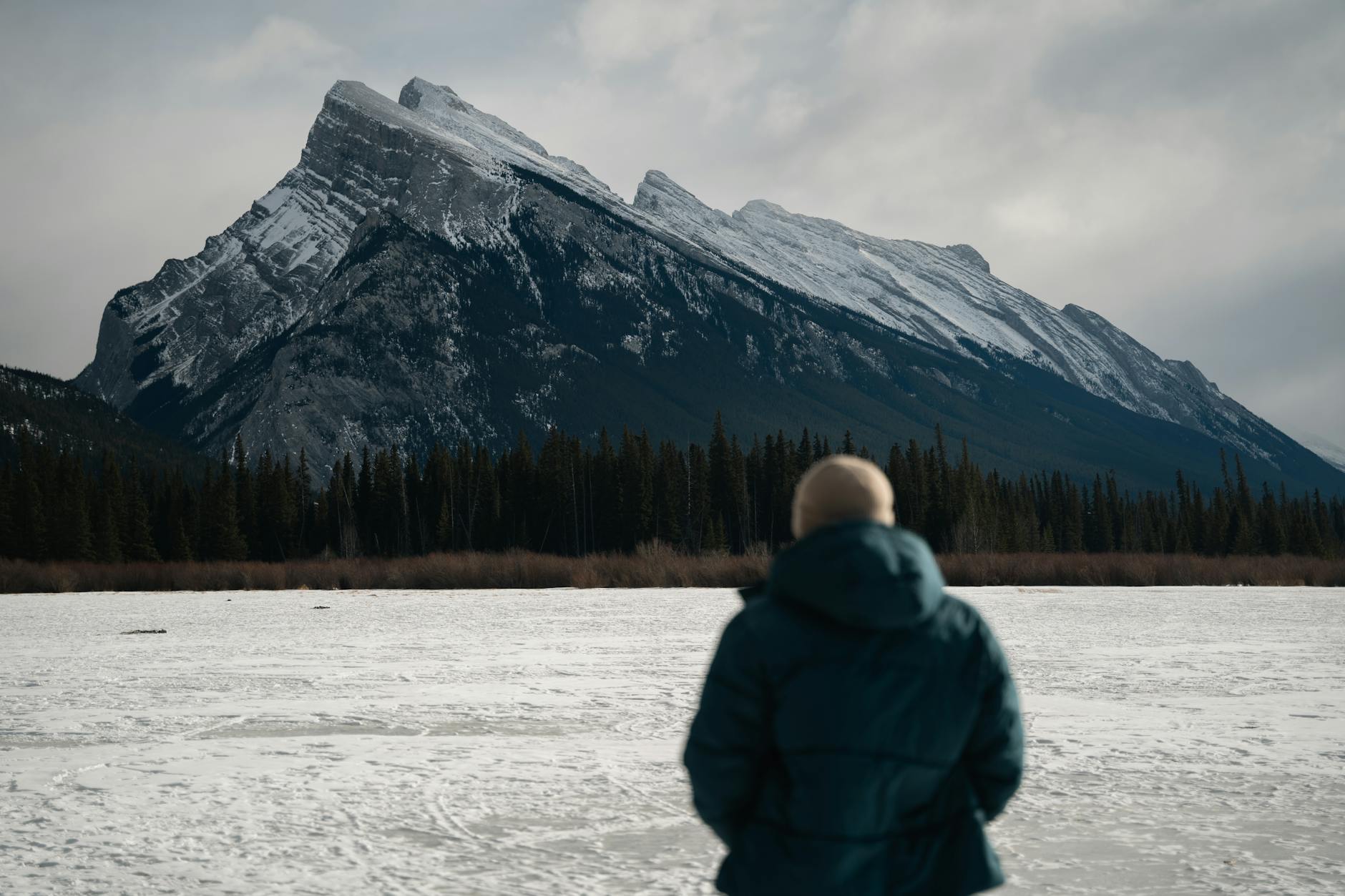
Banff can look like an easy journalism destination because the images are strong before the reporter has made a single call. That is exactly why the trip needs discipline. A story may involve tourism pressure, conservation, climate, housing, outdoor culture, local business, Indigenous context, labor, events, or a simple travel feature, but each angle requires access, context, and permission. A journalist should treat Banff as a working assignment, not just a photogenic setting. The short trip needs a strong reporting question, reliable transfer plan, realistic interview schedule, equipment protection, weather contingencies, and enough humility to avoid turning a complex place into scenery.
Define the reporting purpose before arrival
A Banff assignment could be a travel piece, conservation story, tourism-pressure story, climate feature, business profile, event report, outdoor-safety article, hospitality story, or interview-led essay. These are not interchangeable. Each requires different sources, locations, documents, and ethical framing.
The journalist should arrive with the central question already narrowed. If the story is only that Banff is beautiful, the reporting will be weak. If the story has a clear question, the beauty can support the work without replacing it.
- Clarify whether the assignment is travel, environment, business, culture, event, climate, or interview driven.
- Name the reporting question, required sources, locations, and documents before booking.
- Use Banff's scenery as evidence or context, not as the whole story.
Protect the Calgary transfer and equipment
The Calgary-to-Banff transfer is not just logistics when the traveler is carrying cameras, audio gear, laptop, notebooks, hard drives, batteries, and weather-sensitive equipment. Flight delay, checked baggage, winter roads, rental car rules, shuttle timing, and hotel check-in can all affect the first reporting window.
Critical equipment should travel with the journalist when possible, with backups for chargers, storage, microphones, and weather protection. If the first interview is important, a buffer night may be the difference between a controlled assignment and a rushed recovery.
- Map flight timing, transfer mode, road conditions, gear handling, check-in, and first interview timing.
- Carry essential cameras, audio gear, laptop, drives, batteries, and notes rather than checking them.
- Use a buffer when delay would damage an interview, shoot, or event assignment.
Plan interviews, permissions, and local context
Banff stories often involve people who are busy, seasonal, cautious, or tired of simplistic coverage. Local business owners, guides, workers, officials, residents, conservation voices, event organizers, and visitors may each see the destination differently. A journalist needs enough source variety to avoid a postcard version of the place.
Permissions should be handled before the trip where possible. Filming, photography, interviews, park locations, commercial shoots, youth subjects, hotel spaces, and private businesses may all require approval or clear boundaries.
- Build a source list that includes more than tourism-facing voices when the story requires it.
- Confirm interview times, location permissions, photo rules, recording consent, and access limits.
- Check current rules for protected areas and popular sites close to travel.

Treat weather and roads as reporting variables
Weather can change the story as well as the itinerary. Snow, ice, smoke, rain, wind, winter darkness, summer crowding, and road disruptions can affect interviews, access, photography, audio, and safety. A journalist may need to cover the condition rather than merely work around it.
The plan should identify fallback interview methods, alternate locations, indoor work blocks, battery protection, clothing, footwear, and a realistic cut list. Lake Louise, Moraine Lake, and other high-demand locations may not be accessible on old assumptions.
- Build contingencies for snow, ice, smoke, rain, wind, crowding, road delays, and short daylight.
- Protect audio, batteries, lenses, footwear, and clothing for mountain conditions.
- Verify current access rules before anchoring the assignment to a specific lake or viewpoint.
Handle lodging, work space, and file security
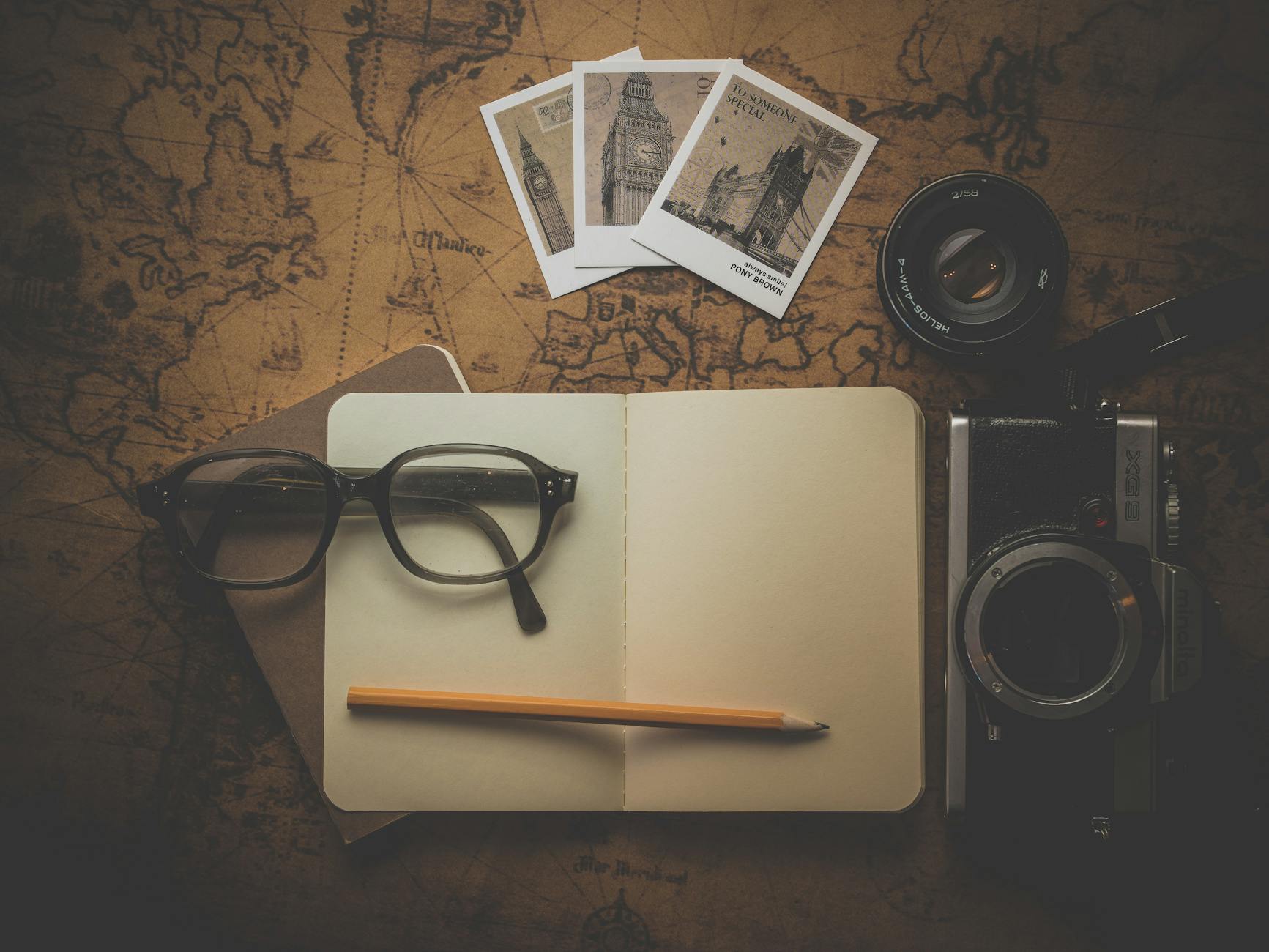
A journalist in Banff may need a quiet room for calls, transcription, editing, filing, or confidential source communication. A hotel with a beautiful lobby may still be poor for work if it lacks privacy, reliable Wi-Fi, desk space, or quiet. Shared lodging can also complicate sensitive calls and file handling.
The traveler should plan backups for internet, power, storage, cloud sync, and device security. If the story involves sensitive sources, labor issues, commercial disputes, or personal testimony, casual work habits in public spaces can become a real problem.
- Check room desk space, Wi-Fi, quiet, outlets, privacy, backup connectivity, and late-night work access.
- Plan file backup, drive security, password protection, and cloud sync before fieldwork begins.
- Avoid sensitive calls, source notes, and screen review in public hotel or restaurant spaces.
Use scenery without flattening the story
Banff's landscape can overpower weaker reporting. A journalist should decide when the mountains are a subject, when they are context, and when they are simply attractive background. That distinction matters because destination coverage can easily ignore labor, housing, access, conservation, crowding, costs, and local tradeoffs.
The final reporting plan should leave time for observation outside the obvious scenic moments. Town movement, staff conversations, transit friction, winter footing, visitor behavior, and quieter locations can reveal more than a single famous viewpoint.
- Decide whether the landscape is the subject, context, or supporting visual material.
- Spend time observing town movement, visitor behavior, work routines, transit, and less obvious locations.
- Avoid letting famous images crowd out the reporting question.

When to order a short-term travel report
A journalist with a simple travel feature, flexible timing, and confirmed access may not need a custom Banff report. A report becomes useful when the assignment involves tight interviews, uncertain permissions, winter roads, sensitive sources, equipment risk, limited lodging, multiple locations, current access rules, or a short filing window.
The report should test arrival, interview sequence, location permissions, weather, road conditions, equipment protection, lodging, work space, file security, source sensitivity, budget, and what to cut. The value is a Banff reporting trip that produces stronger work than a scenic visit with notes.
- Order when interviews, permissions, weather, gear, access, work space, or source sensitivity needs testing.
- Provide dates, assignment angle, source list, locations, equipment, filing deadline, lodging options, and budget.
- Use the report to protect the story from avoidable travel and access failures.