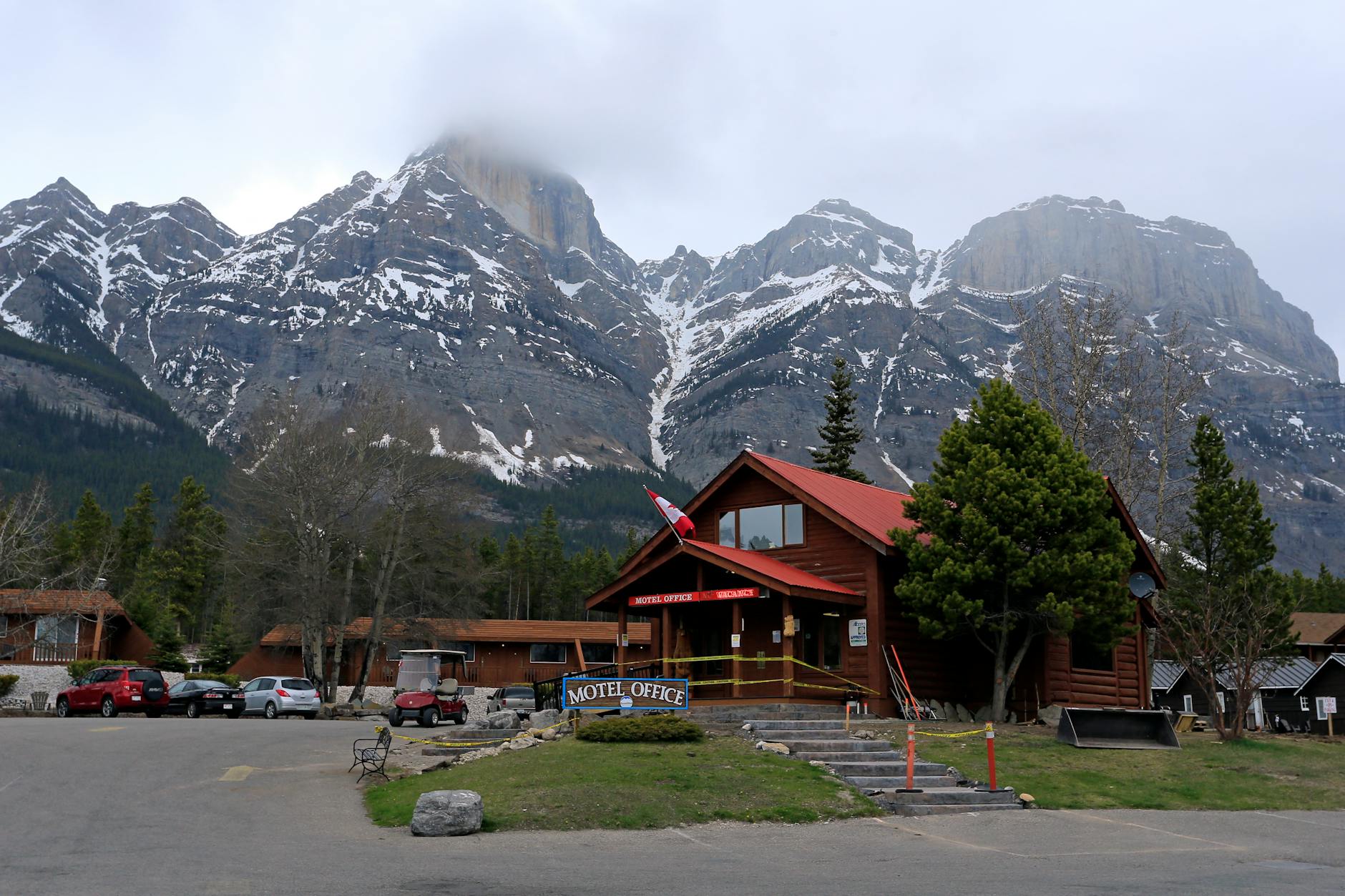
Banff can be an appealing setting for an investor retreat, board-adjacent meeting, hospitality asset review, tourism deal discussion, leadership offsite, family-office gathering, or diligence session. It can also create the wrong kind of softness around serious decisions. The mountains may improve focus, but they do not replace confidentiality, timing, document control, and clear meeting structure. An investor or deal team member should treat Banff as a controlled professional environment inside a resort destination. The trip needs a deliberate access plan, private spaces, reliable work setup, disciplined hospitality, and enough recovery for judgment to stay sharp.
Clarify whether Banff is deal work or relationship work
The trip may be a diligence visit, investor update, board retreat, asset review, partnership discussion, fundraising meeting, family-office gathering, or relationship-building offsite. Each version has different stakes. Some require formal decision support; others are primarily about trust and alignment.
The team should decide whether Banff is being used for analysis, negotiation, governance, hospitality, or strategic reflection. Without that clarity, the destination can make everyone feel aligned before the hard questions have actually been answered.
- Define whether the trip is diligence, governance, fundraising, asset review, negotiation, or relationship work.
- Name the decisions or open questions that must be resolved before departure.
- Do not let a retreat setting create false alignment.

Protect the Calgary transfer and meeting sequence
Deal travelers may arrive with tight windows, senior participants, confidential material, and calendar pressure. Calgary flight timing, weather, winter roads, private transfers, rental cars, baggage, and arrival fatigue can affect whether the first meeting starts with clear attention.
A compressed same-day transfer may be acceptable for a social dinner. It is risky when the first session involves valuation, diligence findings, negotiation posture, or a board-level discussion. The access plan should match the importance of the first meeting.
- Map flight timing, transfer mode, road risk, baggage, check-in, and first meeting sequence.
- Use private transfers or buffers when senior participants or critical documents are involved.
- Avoid placing high-stakes analysis immediately after a fragile mountain transfer.
Control rooms, documents, and confidentiality
Investor and deal work should not drift into public hotel spaces just because the property feels refined. Lobbies, restaurants, lounges, shuttles, scenic viewpoints, and shared terraces can all expose sensitive conversations. Screens, printed decks, diligence files, valuation notes, and legal documents need practical control.
The team should identify private rooms, secure calls, printing options, document storage, meeting ownership, and who is allowed in each conversation. Banff's resort atmosphere should raise the confidentiality standard, not lower it.
- Confirm private meeting rooms, secure calls, printing, storage, and access control.
- Protect screens, decks, valuation notes, legal documents, and diligence files.
- Avoid sensitive deal discussion in lobbies, shuttles, restaurants, bars, and scenic public spaces.

Choose lodging and venue for judgment quality
The right Banff property depends on the work. Some groups need a high-control retreat setting with private dining, quiet meeting rooms, and limited movement. Others need fast access to town, external stakeholders, site visits, or multiple hotels. A prestigious view is not enough if the rooms do not support concentration.
The team should test Wi-Fi, room layout, breakout areas, food timing, parking, transfer logistics, noise, privacy, and evening movement. A deal trip can justify a premium base when that base protects judgment and reduces friction.
- Check meeting rooms, breakout areas, Wi-Fi, food timing, privacy, parking, and transfer logistics.
- Choose a premium base only when it improves focus, confidentiality, or stakeholder flow.
- Avoid isolated lodging if it complicates site visits, meals, or timed meetings.
Separate hospitality from decision work
Executive dinners, lodge drinks, scenic breaks, spa time, and mountain drives can improve trust and conversation. They can also soften scrutiny or make everyone reluctant to challenge weak assumptions. A deal trip should separate social relationship-building from analytical decision work.
The agenda should make clear which parts of the trip are for hospitality, which are for diligence, and which are for decision-making. A mountain view can help people pause, but it should not be allowed to close gaps in the model.
- Separate dinners, scenic breaks, and social time from formal decision sessions.
- Use hospitality to build trust, not to avoid unresolved diligence questions.
- Leave quiet time for synthesis before the team makes commitments.

Plan weather, road risk, and recovery
Weather and roads matter for investors because delays can cascade through senior calendars. Snow, ice, smoke, winter darkness, summer crowding, road closures, and long transfers can all affect site visits, dinners, departures, and judgment. The team should not assume mountain logistics will stay polite because the agenda is serious.
Recovery also matters. Late dinners, early sessions, altitude, travel fatigue, and dense analysis can reduce the quality of decisions. A good Banff deal itinerary protects sleep and quiet thinking time.
- Build buffers for winter roads, smoke, weather, crowding, site visits, and departures.
- Protect sleep, quiet review time, and recovery around high-stakes sessions.
- Have a cut list for scenic or social items if the business agenda slips.
When to order a short-term travel report
An investor or deal team member attending a simple dinner with flexible timing may not need a custom Banff report. A report becomes useful when the trip involves senior stakeholders, confidential documents, site visits, winter travel, tight Calgary transfers, expensive hotels, private dining, valuation work, or multiple sessions with little margin.
The report should test access, lodging and venue control, meeting sequence, confidentiality, document handling, weather, road risk, meals, recovery, budget, contingency, and what to cut. The value is a Banff trip that supports clear deal judgment rather than merely creating a polished atmosphere.
- Order when access, confidentiality, meeting rooms, road risk, senior calendars, or diligence timing needs testing.
- Provide dates, meeting purpose, participant profile, hotel options, documents, site visits, budget, and constraints.
- Use the report to protect judgment, privacy, and execution in a resort setting.