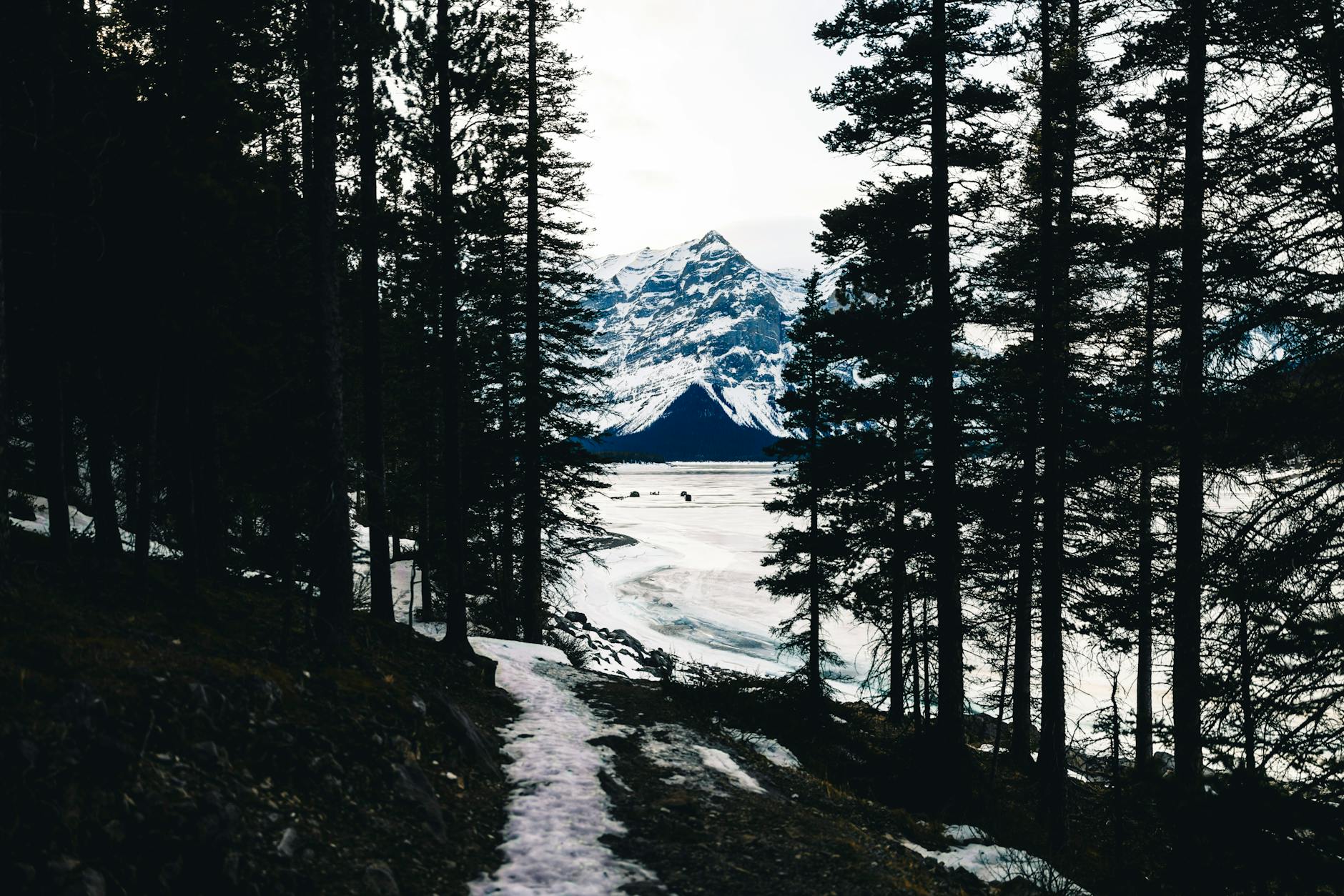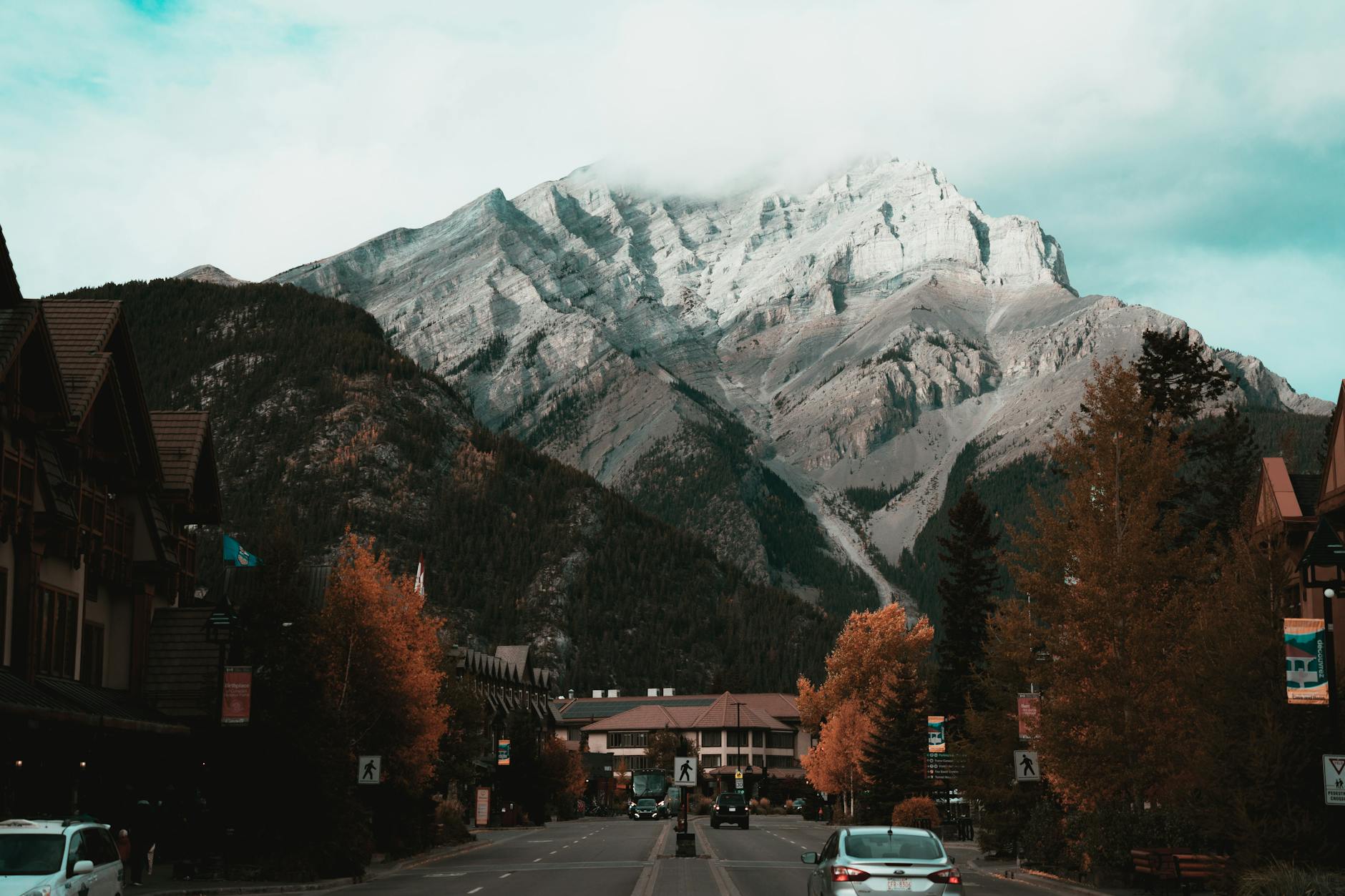
Banff is one of the rare places where the first impression can exceed the photograph. That is also why first-time visitors can overbuild the trip. Banff town, Lake Louise, Moraine Lake, gondola views, scenic drives, hot springs, hiking, winter activities, restaurants, and nearby viewpoints all look essential before the traveler has accounted for time, weather, crowds, road conditions, and access rules. A strong first Banff trip is not a mountain checklist. It is a practical shape: how to get there from Calgary, where to sleep, which season the traveler is actually visiting, which headline experiences are realistic, and what should be left for a return trip.
Start with the first-trip shape
A first-time visitor should decide whether the Banff trip is about mountain scenery, a town-based weekend, Lake Louise, hiking, winter snow, a romantic stay, a family introduction to the Rockies, or a comfortable resort pause. Those are different trips. Trying to combine them all in a short stay usually produces expensive movement and rushed views.
For many first visits, the strongest plan is Banff town plus one major mountain experience. That may be Lake Louise, a gondola view, a scenic drive, a hot springs visit, or a gentle trail. The traveler should protect the first impression instead of overloading it.
- Choose whether the first trip is town-based, lake-focused, hiking-oriented, winter-focused, or resort-led.
- Build around Banff town and one major mountain experience before adding extras.
- Leave room for weather and crowd changes instead of treating every landmark as mandatory.
Solve Calgary access before choosing the daily plan
Banff is often experienced as a mountain town, but the trip usually begins at Calgary International Airport or in Calgary itself. The traveler must decide between rental car, shuttle, private transfer, tour, or a Calgary buffer. Flight timing, winter driving comfort, luggage, late arrival, road conditions, and hotel check-in all affect the first day.
A first-time visitor should not build a delicate arrival-day itinerary around a long flight and mountain transfer. The first evening may need to be a simple meal and sleep. A relaxed start can be more valuable than squeezing in a rushed viewpoint while tired.
- Compare rental car, shuttle, private transfer, tour, and Calgary overnight options.
- Account for winter roads, delayed flights, fatigue, luggage, and late hotel arrival.
- Keep the first day simple if the transfer already carries most of the effort.
Choose lodging for movement, season, and budget
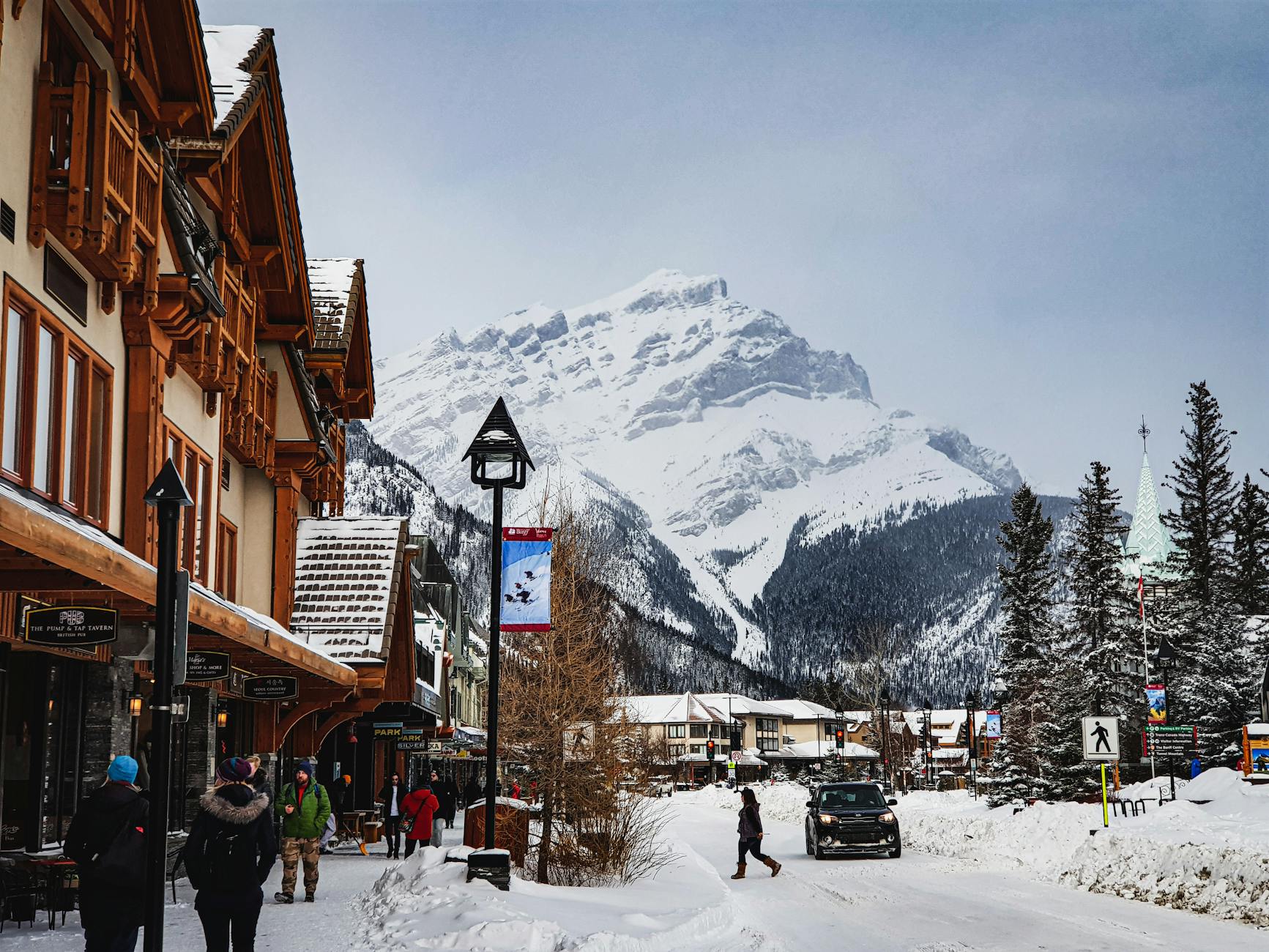
Banff lodging is not only a price decision. A first-time visitor should compare downtown convenience, resort atmosphere, parking, shuttle access, breakfast, views, quiet sleep, restaurant access, and winter walking conditions. A cheaper room outside the core may work with a car and flexible days. It may frustrate a traveler relying on shuttles, taxis, or evening walks.
Season changes the value of location. Summer demand can make central lodging expensive but efficient. Winter can make short distances feel longer if sidewalks are icy or the traveler is not dressed well. The right lodging is the one that supports the actual itinerary.
- Evaluate lodging by downtown access, parking, shuttle use, breakfast, views, quiet, and restaurant proximity.
- Match hotel location to the season, weather, transportation mode, and evening plans.
- Avoid lodging savings that create daily movement friction or missed reservations.
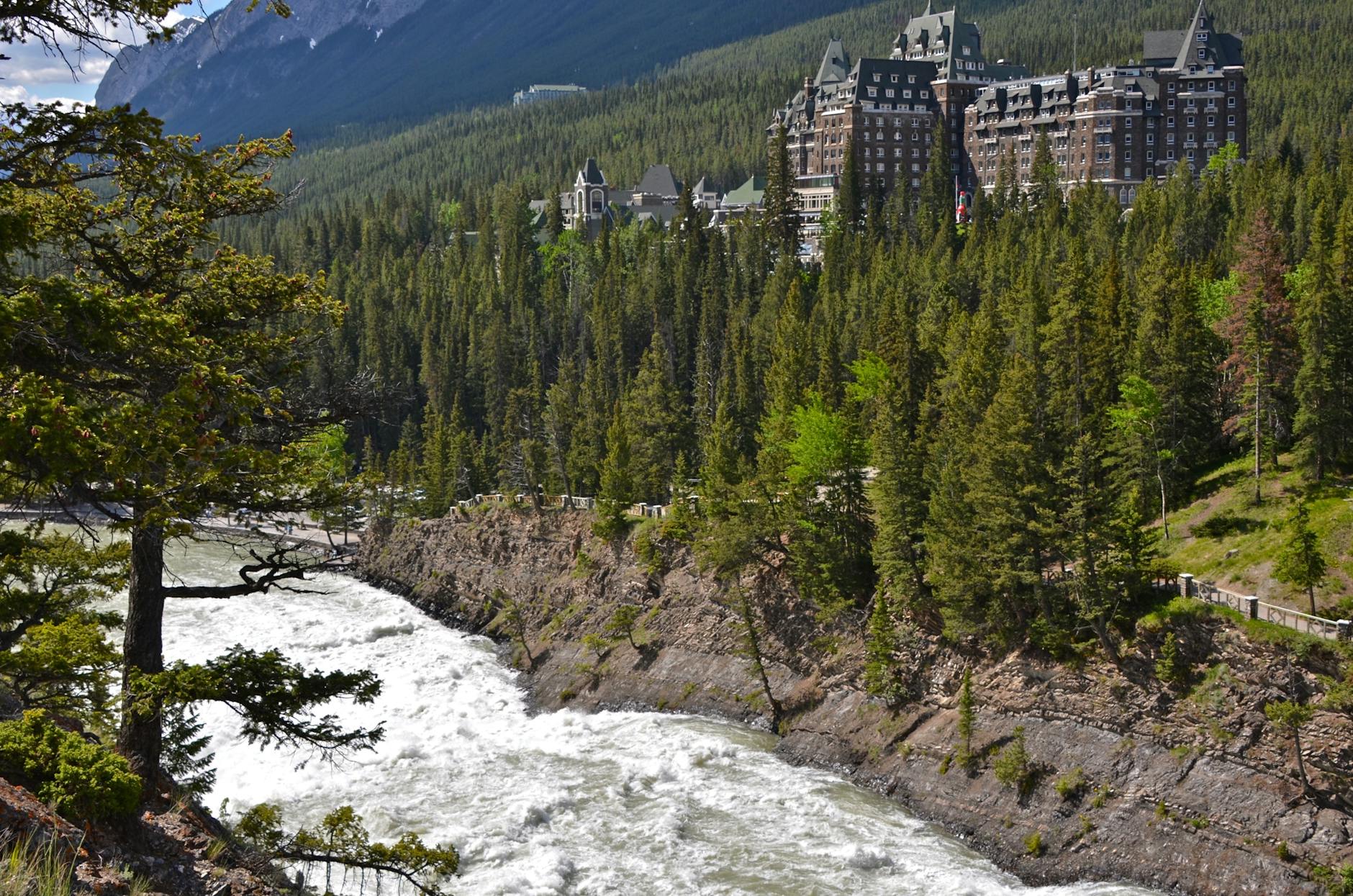
Treat headline lakes as logistics, not just views
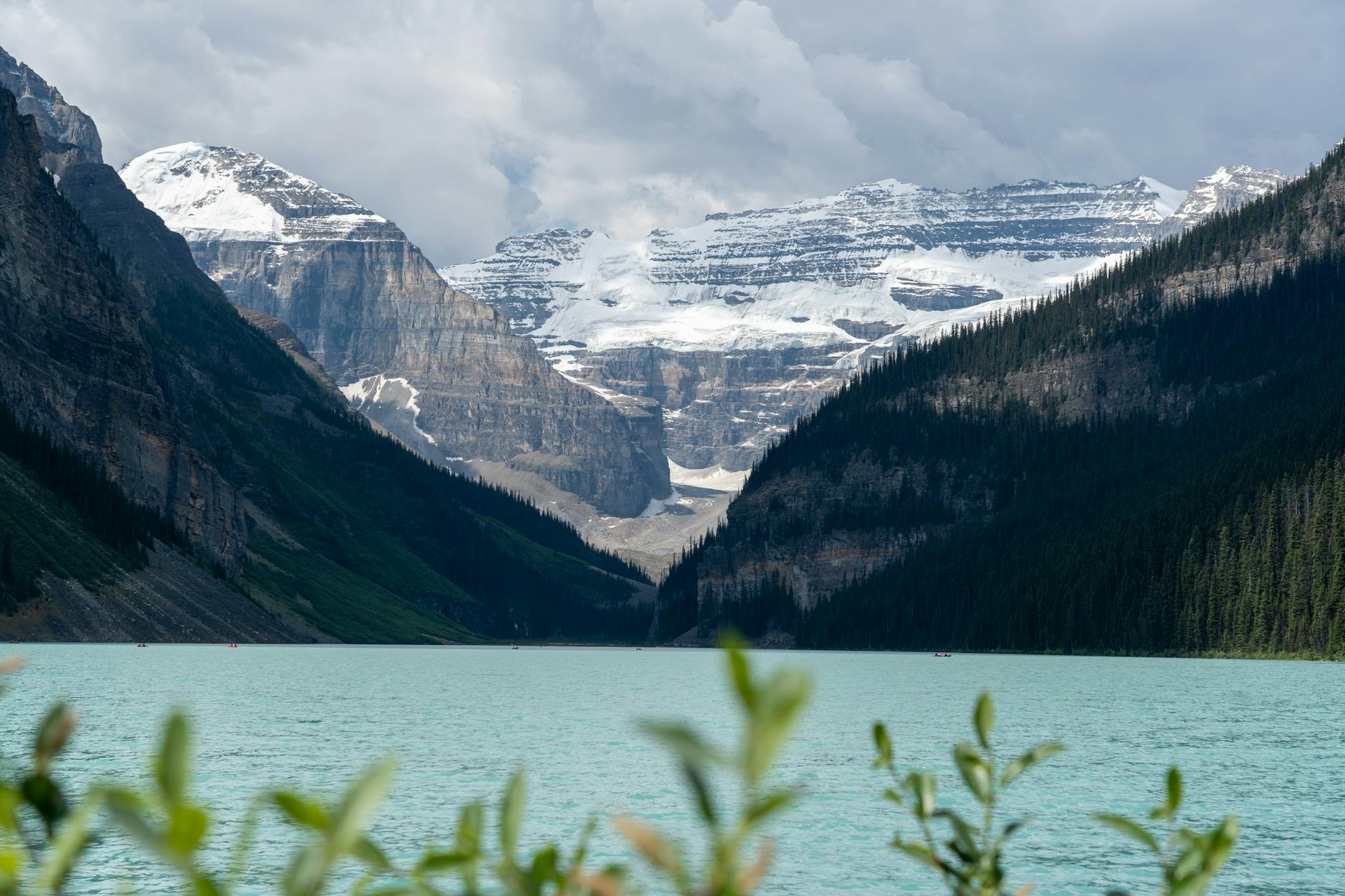
Lake Louise and Moraine Lake are powerful first-trip ideas, but they require practical planning. Season, road access, shuttle requirements, parking, weather, crowding, daylight, photography expectations, walking tolerance, and backup plans all matter. A first-time visitor should know whether a lake visit is central to the trip or merely a nice possibility.
The traveler should avoid assuming that the most famous image is easy to reproduce. A good lake plan includes timing, transport, clothing, food, bathrooms, return route, and what to do if weather or access rules change the day.
- Check season, access method, shuttle needs, parking, daylight, weather, and crowd exposure.
- Plan food, bathrooms, clothing, walking distance, and return timing before going.
- Have a satisfying alternate when lake access or weather makes the headline plan weak.
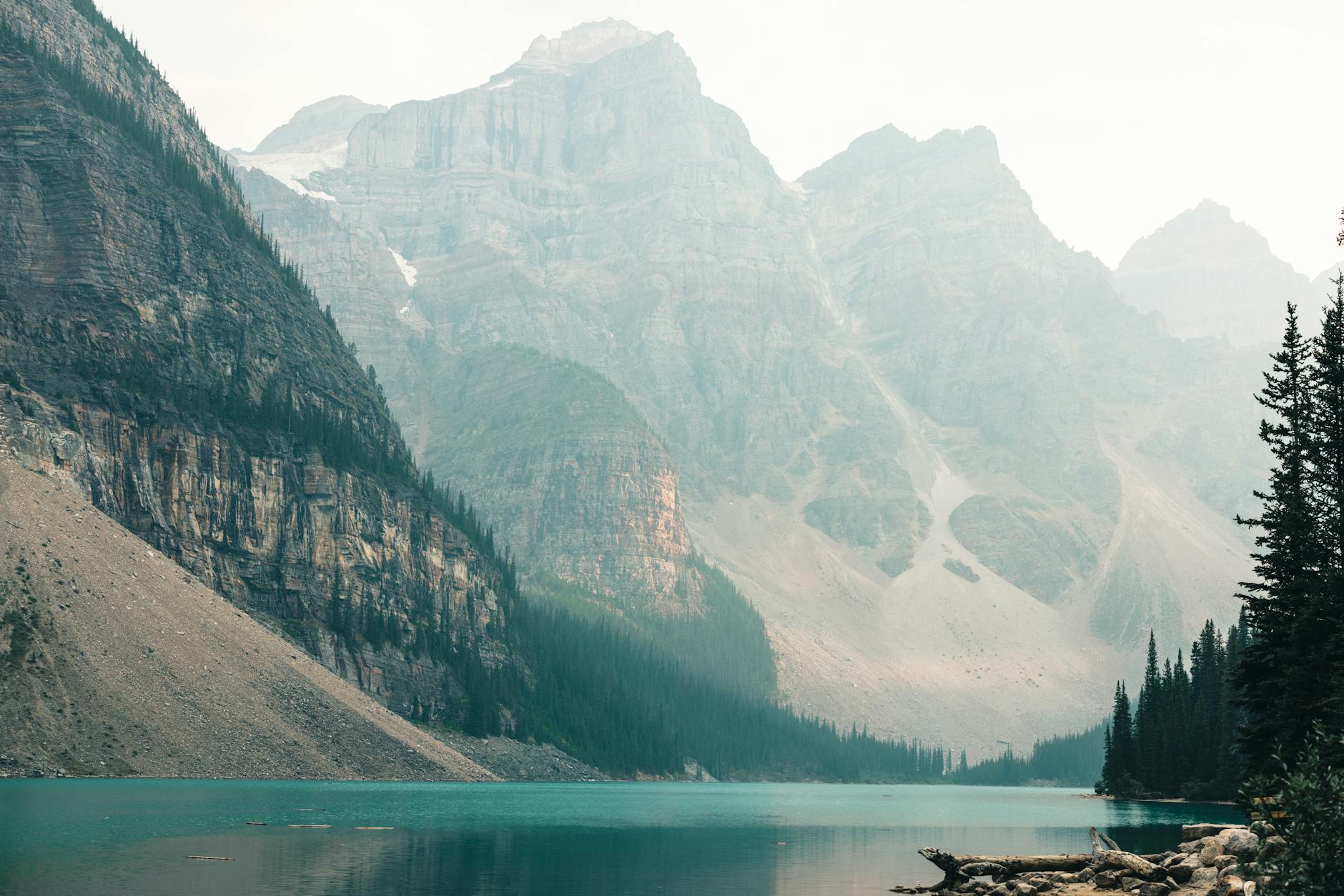
Plan by season, clothing, and altitude
Banff is not a single-season destination. Summer can bring demand, higher prices, trail pressure, and parking complexity. Winter can bring snow, ice, cold, ski traffic, and dramatic beauty. Shoulder seasons may be quieter but can create mixed conditions. Clothing and footwear should be chosen for the month, not for a generic mountain postcard.
Altitude and dry air can also affect some travelers. A first trip should include hydration, sun protection, rest, and realistic activity choices. The point is not to avoid adventure. It is to make the first adventure comfortable enough to remember well.
- Build different expectations for summer, winter, and shoulder-season conditions.
- Pack footwear, layers, sun protection, rain or snow gear, and town clothes that match the season.
- Account for altitude, dry air, hydration, and fatigue when choosing hikes or long days.
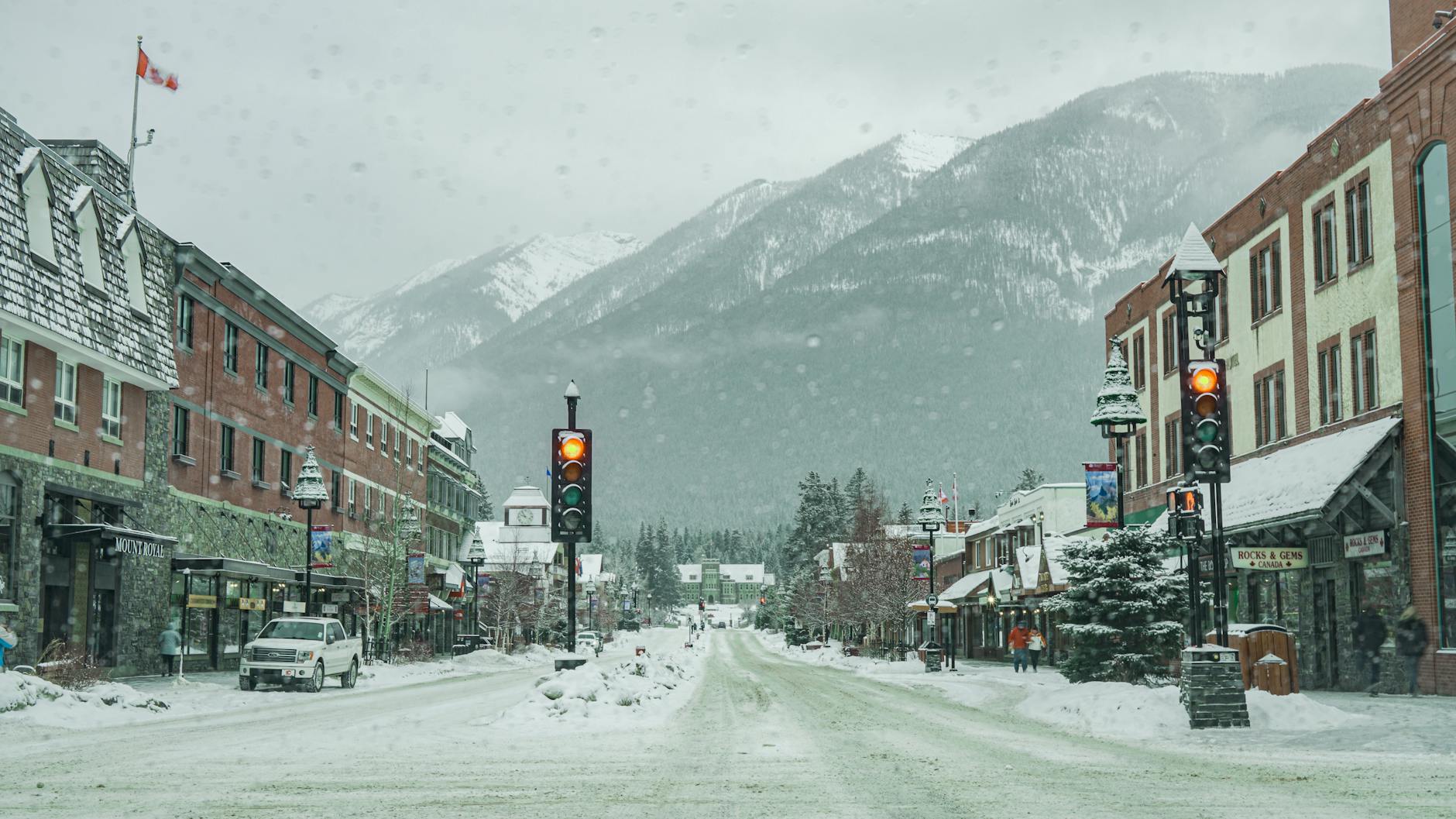
Spend deliberately in a high-demand park town
A first Banff trip can become expensive through small decisions: lodging, transfers, rental car costs, parking, dining, tours, gear, attraction tickets, cancellation windows, and premium views. The visitor should decide where money improves the trip and where it only adds pressure.
For some travelers, the best spend is a central hotel and shuttle simplicity. For others, it is a guided tour, a scenic meal, a private transfer, a comfortable room, or one major activity. Budget clarity helps the first visit feel intentional rather than constantly compromised.
- Budget for lodging, Calgary transfers, car rental, parking, meals, tours, gear, and activity costs.
- Reserve early during high-demand seasons and watch cancellation rules carefully.
- Spend on the experiences that reduce friction or define the trip, not on every possible add-on.
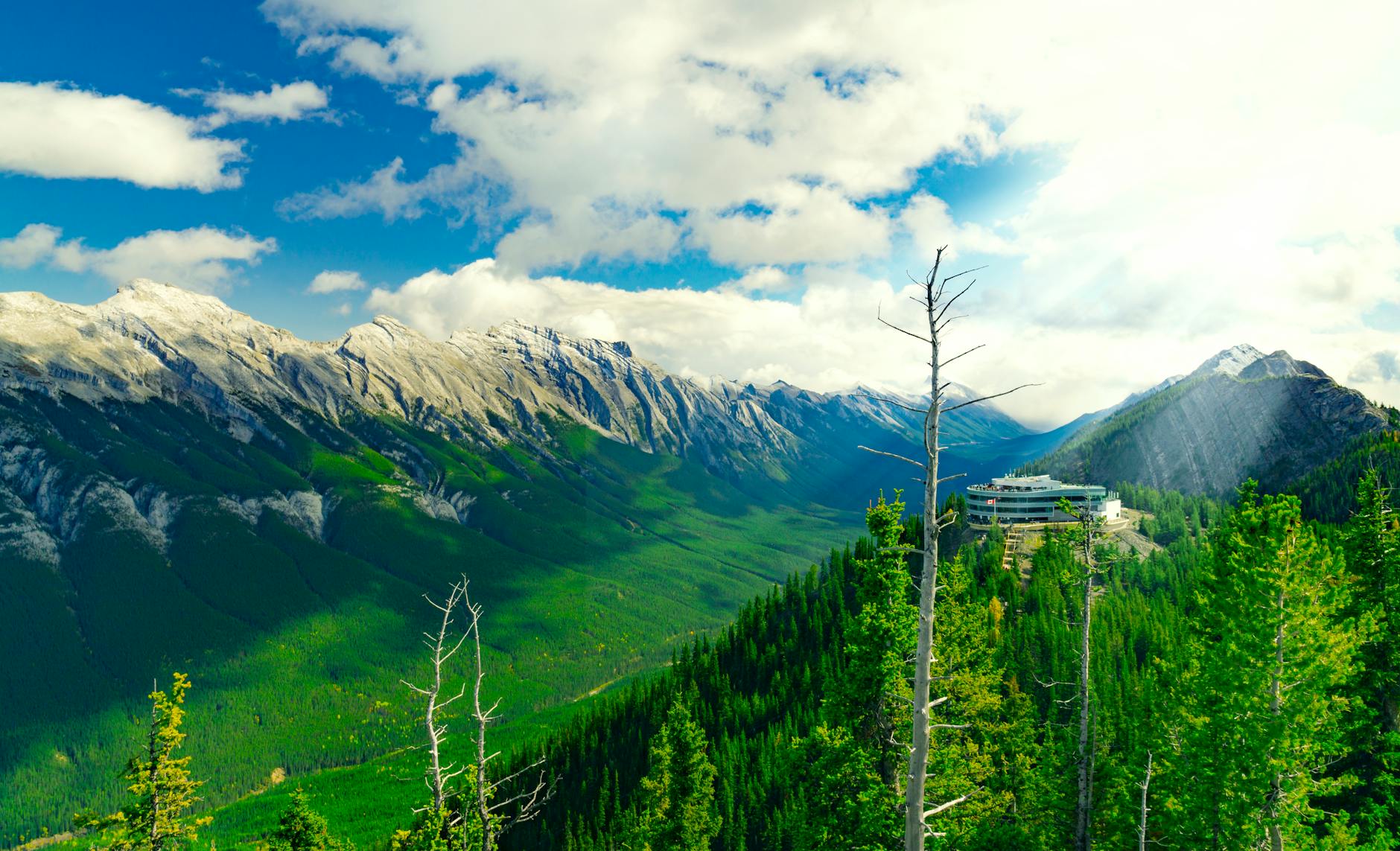
When to order a short-term travel report
A first-time visitor with flexible dates, a simple downtown stay, and modest goals may not need a custom Banff report. A report becomes useful when the trip is short, expensive, seasonal, built around Lake Louise or Moraine Lake, dependent on shuttles or winter driving, affected by mobility or medical constraints, or connected to a wider Canadian Rockies route.
The report should test Calgary access, lodging fit, season, park movement, lake strategy, clothing, budget, meal reservations, activity choices, backup plans, medical fallback, and what to cut. The value is a first Banff trip that feels clear, not frantic.
- Order when access, season, lodging, lakes, shuttles, budget, or mobility needs are uncertain.
- Provide dates, arrival details, hotel options, must-see priorities, budget, and constraints.
- Use the report to make the first visit focused enough to enjoy.