Banff can be outstanding for families because the scenery is immediate, the town is compact, and a single good viewpoint, lake, gondola ride, snow day, or gentle walk can make the trip feel special. It can also become hard quickly if adults plan around postcard images instead of children's stamina, weather, food, bathrooms, car seats, and transfer realities. A family Banff trip should be designed around the youngest or least flexible traveler. The goal is not to remove adventure. It is to make the mountain experience manageable enough that everyone can enjoy it instead of merely surviving the logistics.
Build the trip around family stamina
A family should decide whether Banff is a town-and-viewpoints trip, a lake-focused trip, a winter snow break, a hiking introduction, a resort stay, or part of a larger Canadian Rockies route. Children, older relatives, and mixed energy levels can make a short trip feel very different from an adult itinerary.
The strongest family plans usually include one main experience per day, predictable meals, realistic returns, and space for weather or fatigue. A famous list of lakes and viewpoints matters less than whether the family can enjoy the day together.
- Design each day around the youngest or least flexible traveler.
- Choose one main experience per day before adding secondary stops.
- Leave room for weather, naps, hunger, gear problems, and slower movement.
Solve Calgary transfer and lodging logistics
Families should treat the Calgary-to-Banff transfer as a major planning decision. Rental cars, car seats, shuttles, private transfers, luggage, strollers, snacks, late flights, winter roads, and bathroom stops can shape the first day. A transfer that looks simple for two adults may be difficult with tired children.
Lodging should be chosen for daily family function: room configuration, breakfast, pool or downtime options, laundry, parking, restaurant access, shuttle pickups, elevator access, noise, and proximity to the town core. A beautiful property still has to work at bedtime.
- Plan car seats, luggage, snacks, bathrooms, late flights, winter roads, and transfer timing.
- Check room layout, breakfast, laundry, parking, pool, elevator, noise, and food access.
- Choose lodging that makes mornings and bedtimes easier, not only scenic.
Treat lakes and shuttles as family logistics
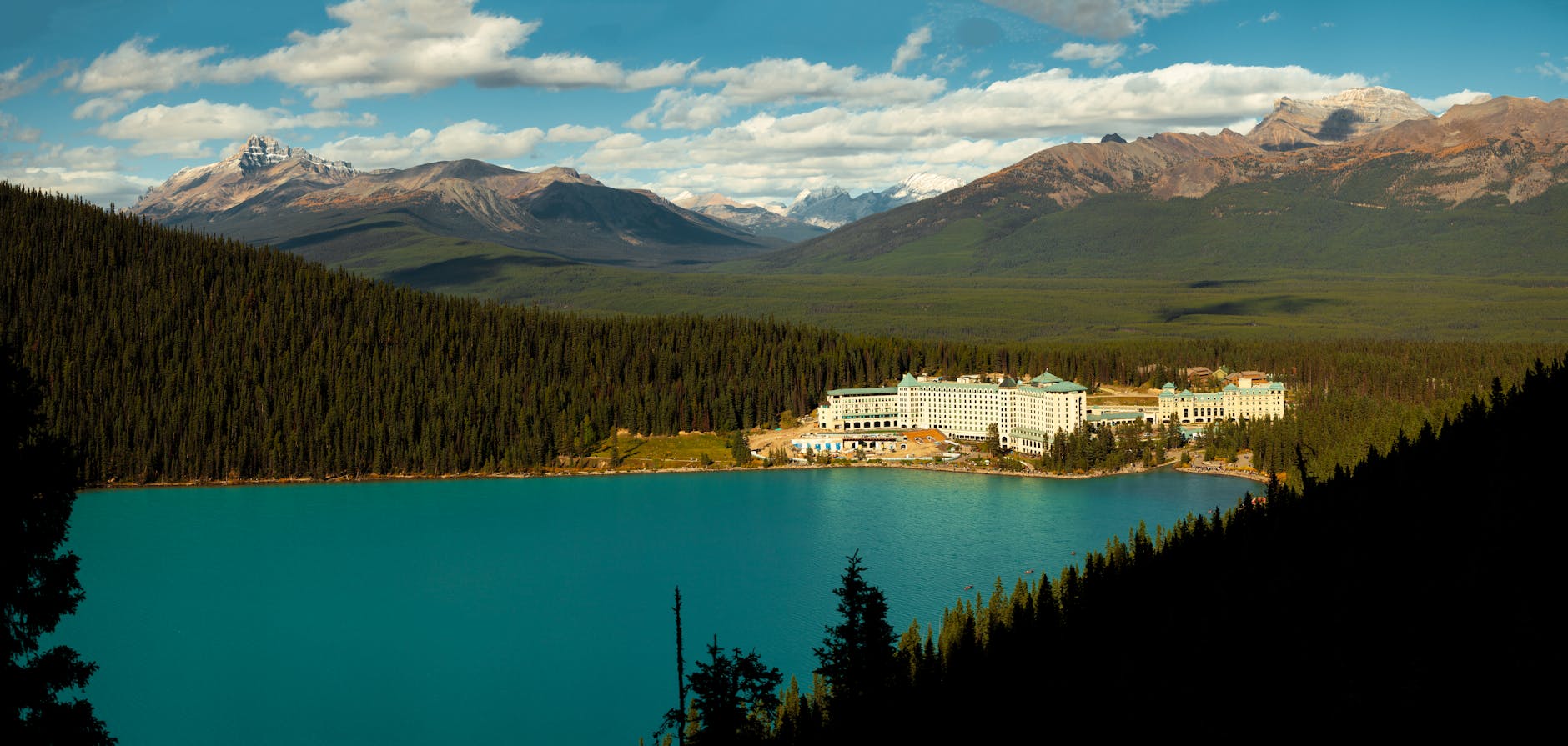
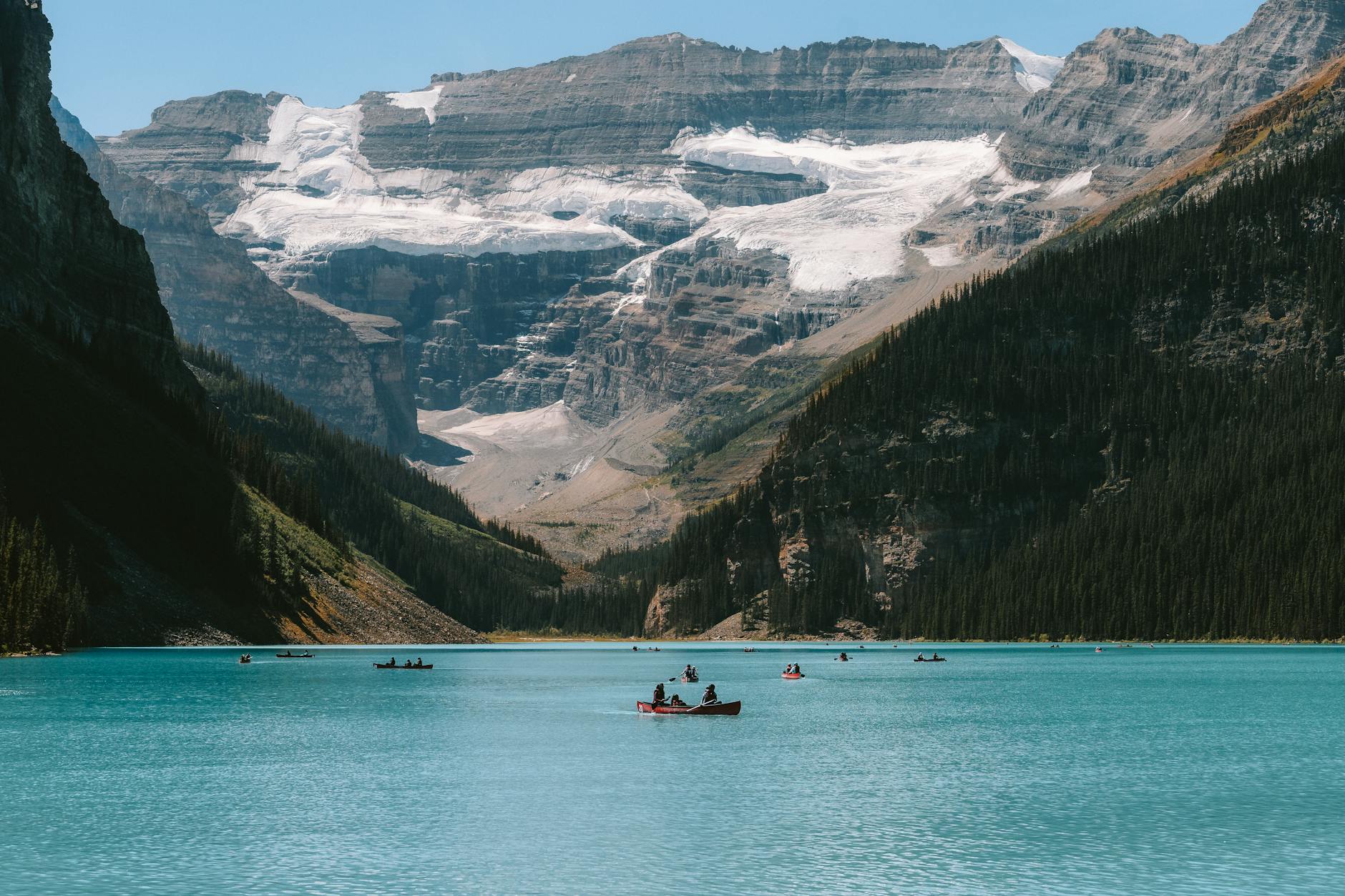
Lake Louise, Moraine Lake, and nearby scenic routes can be extraordinary for families, but access details matter. Shuttle rules, parking, car seats, strollers, bathroom access, food, weather, daylight, waiting time, and crowd tolerance should be understood before the family commits.
The family should avoid turning a lake visit into an all-day stress test unless that is truly the priority. A shorter, better-timed visit with snacks, warm layers, and a clear return can be more successful than chasing the perfect photograph.
- Check shuttle rules, parking, car seats, stroller practicality, bathrooms, food, and waiting time.
- Bring layers, snacks, water, and realistic expectations for crowds and weather.
- Use a shorter lake visit if that protects the rest of the day.
Plan weather, clothing, and food before activities
Family comfort in Banff depends heavily on gear and meal timing. Cold, sun, wind, rain, snow, wet shoes, gloves, hats, stroller covers, extra socks, and child-sized layers can determine whether an activity works. Adults should not wait until a child is cold or hungry to solve the problem.
Meals deserve practical planning. Peak periods can make restaurants busy, and children may not tolerate long waits after a transfer, hike, or winter outing. A hotel breakfast, grocery stop, casual meal plan, and emergency snacks can protect the mood of the trip.
- Pack child-appropriate layers, footwear, hats, gloves, sun protection, and wet-weather options.
- Plan breakfast, snacks, grocery stops, casual meals, and early dinners before the day gets hard.
- Keep activity choices flexible when weather or hunger changes the family's capacity.
Choose activities by risk and recovery
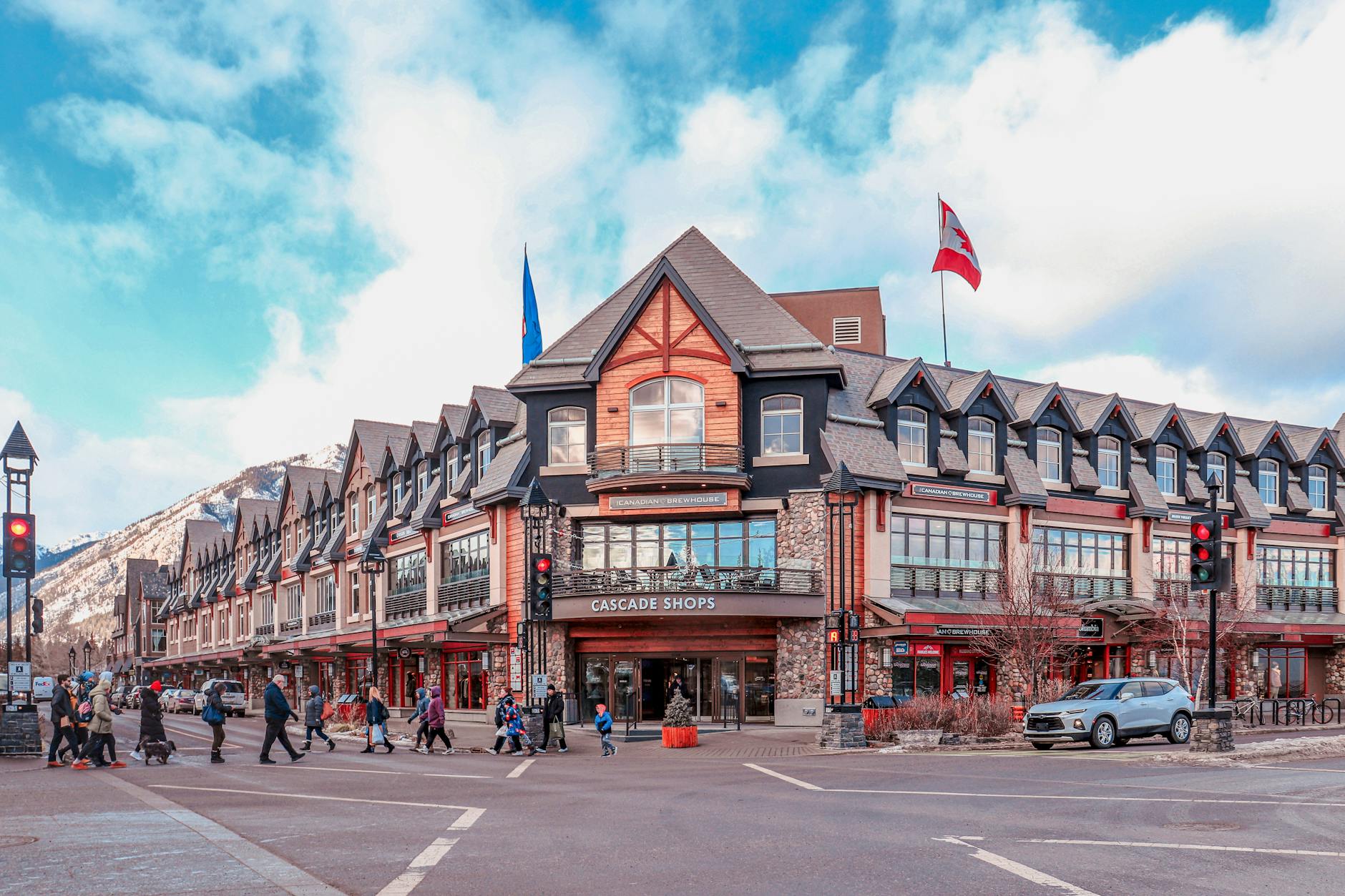
Banff offers families many options: gondola rides, gentle trails, lake viewpoints, hot springs, scenic drives, snow play, wildlife viewing, cycling, tours, and hotel downtime. The right choice depends on age, attention span, weather, nap needs, mobility, and how quickly the family can recover after a big day.
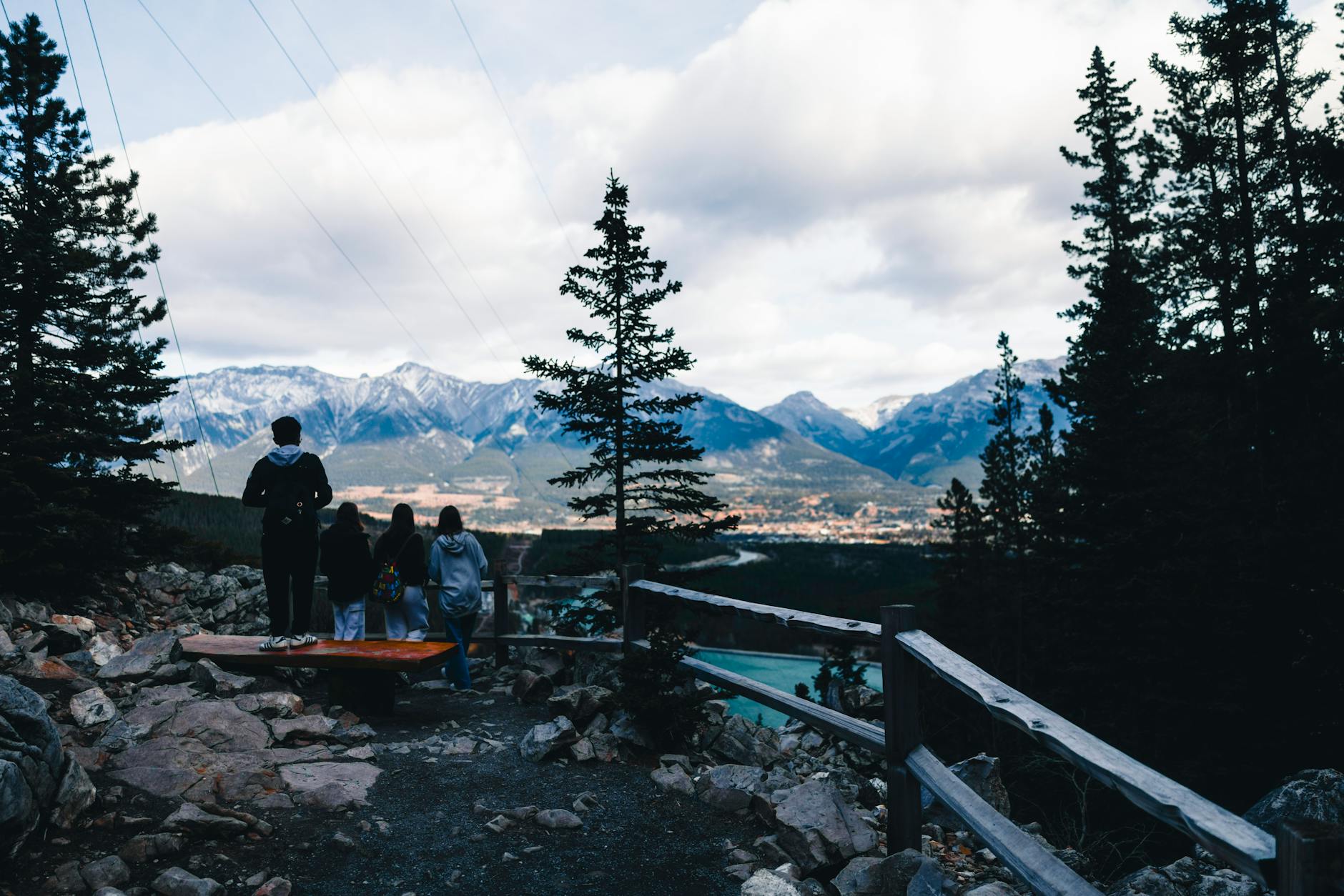
Safety should be explicit. Families should account for road conditions, wildlife distance, water edges, icy paths, trail difficulty, sun exposure, and the possibility that a child wants to stop before the adults do. A memorable family trip does not require pushing every limit.
- Match activities to age, stamina, weather, mobility, naps, and recovery needs.
- Plan wildlife distance, water safety, trail difficulty, sun exposure, and winter footing.
- Use tours or guided options when they simplify logistics and improve safety.
Budget for family friction
Banff family travel can become expensive through lodging, larger rooms, rental cars, car seats, parking, shuttles, tours, gear, restaurant meals, snacks, laundry, cancellation rules, and paid activities. The budget should include the tools that reduce family stress, not only the headline attractions.
Sometimes the best spend is a central room, a private transfer, a guided activity, a hotel with breakfast, or gear that keeps everyone warm. Sometimes the best saving is a simple town day, grocery stop, or fewer paid activities. The family should spend where it protects the trip's rhythm.
- Budget for rooms, transfers, car seats, parking, shuttles, gear, meals, tours, and cancellations.
- Spend on convenience when it reduces family strain in a meaningful way.
- Use simple meals, town time, and fewer activities when they make the trip better.
When to order a short-term travel report
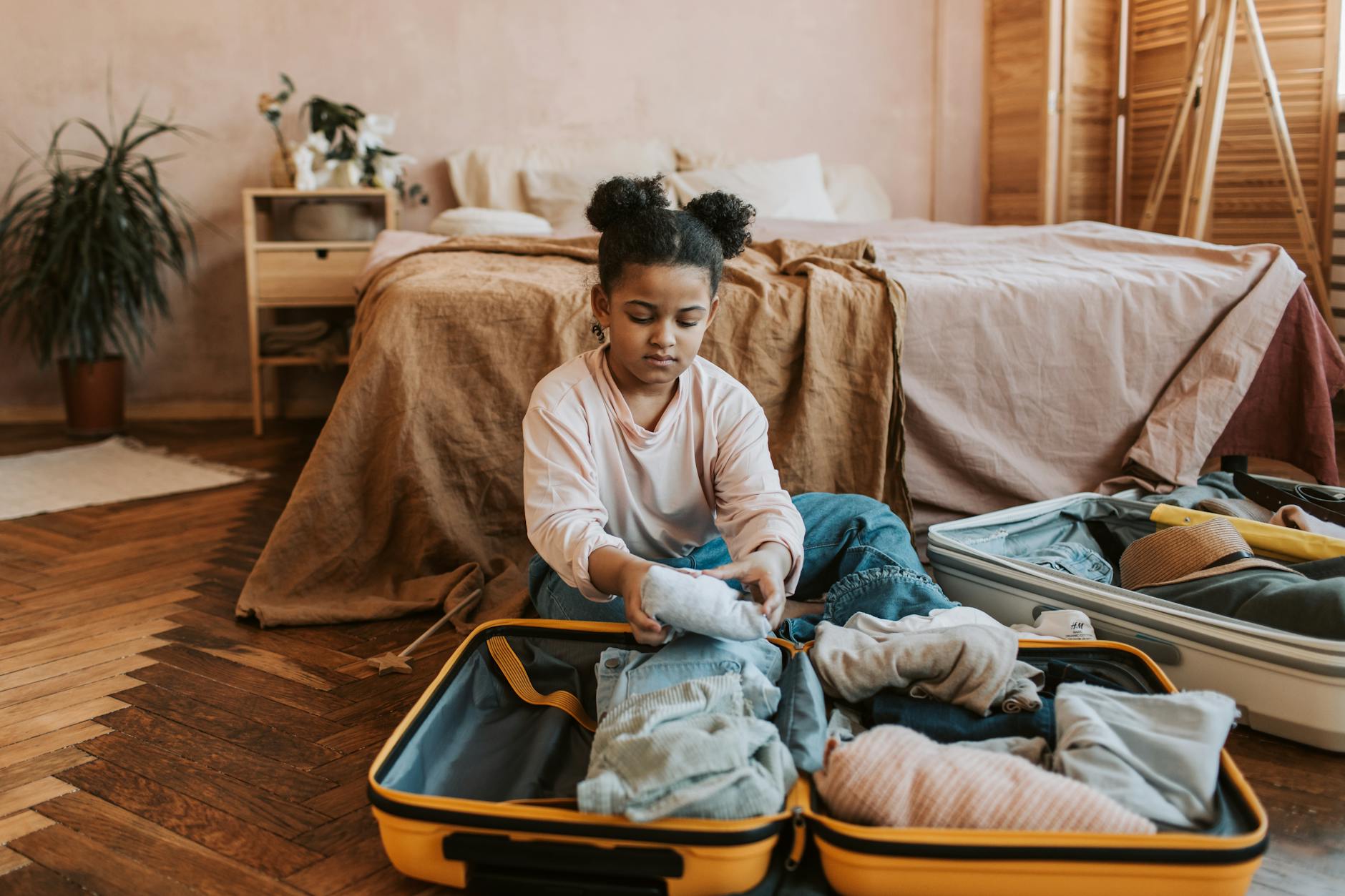
A family with flexible dates, older children, central lodging, and modest goals may not need a custom Banff report. A report becomes useful when the trip includes young children, winter travel, car-seat questions, Lake Louise or Moraine Lake priorities, expensive lodging, limited mobility, food constraints, multi-generational needs, or tight Calgary transfers.
The report should test transfer mode, lodging fit, child pacing, lake access, shuttle rules, weather, clothing, food, bathrooms, activity choices, budget, backup plans, medical fallback, and what to cut. The value is a Banff family trip that feels memorable without making the logistics do too much.
- Order when young children, transfers, lodging, lakes, winter, meals, or pacing need testing.
- Provide dates, ages, arrival mode, hotel options, activity goals, mobility needs, budget, and constraints.
- Use the report to make the family itinerary practical enough to enjoy.