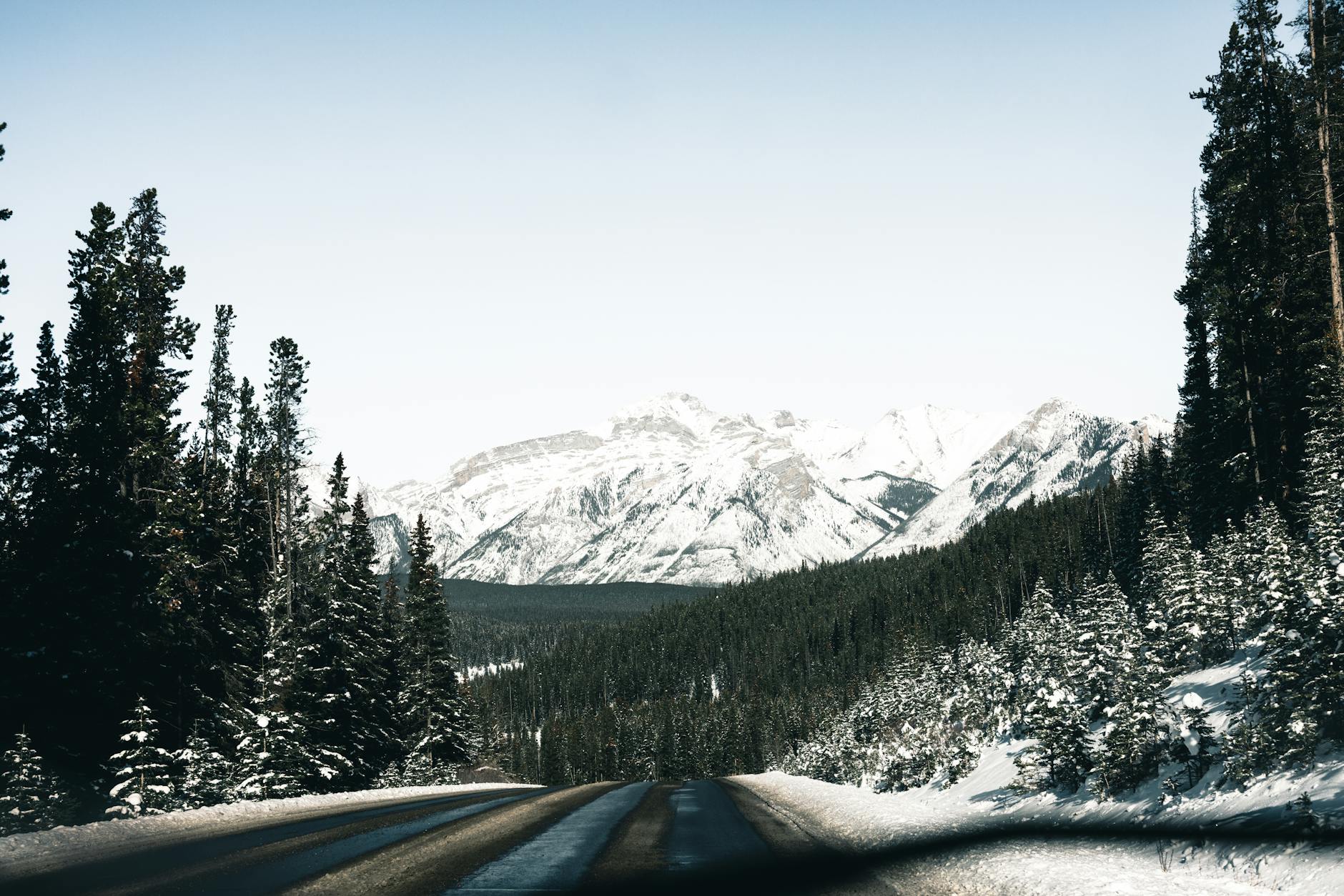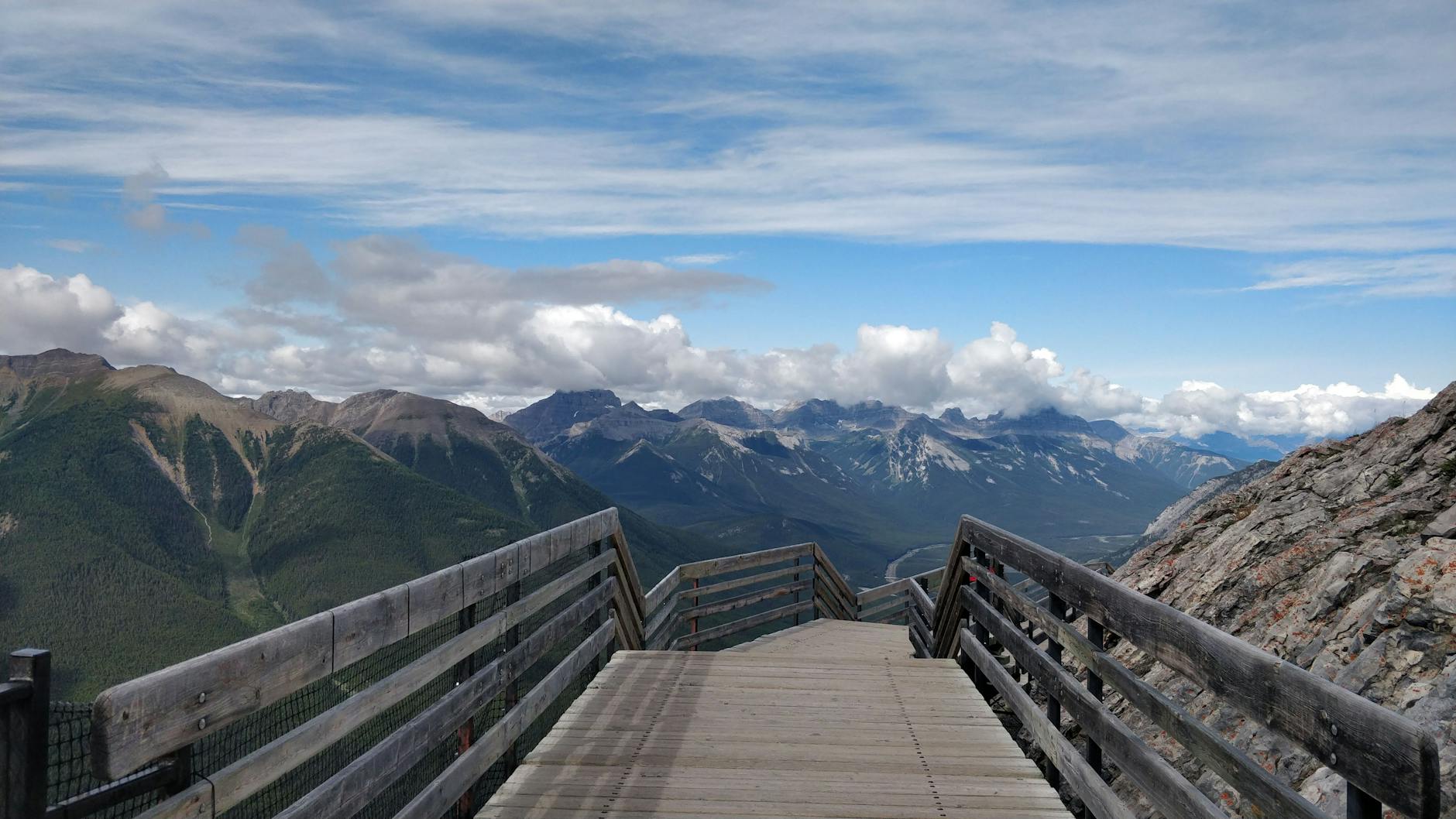
Banff is not a cruise port, and that fact should shape the whole plan. For cruise or port-call travelers, Banff usually belongs before or after an Alaska or Vancouver cruise, as a rail, coach, rental car, or flight-linked mountain extension. That can be a superb addition, but it is not a casual shore excursion. It requires real time, transfers, lodging, luggage handling, and weather judgment. A cruise traveler should treat Banff as a separate mountain chapter attached to the voyage, not as a quick add-on. The strongest version protects embarkation or disembarkation timing, gives the Rockies enough nights to make sense, and avoids letting iconic lake ambitions endanger the cruise schedule.
Start by admitting Banff is not a port call
The most important planning fact is simple: Banff is inland. A traveler coming from a cruise ship must connect the mountain stay through Vancouver, Calgary, rail, coach, private transfer, rental car, or a packaged land extension. That makes Banff a separate itinerary component with its own failure points.
This does not make Banff a bad idea. It means the traveler should give it the respect of a real land itinerary. A single rushed night after a cruise may create more fatigue than wonder, while two or three well-placed nights can make the cruise feel much richer.
- Treat Banff as a land extension, not a same-day shore excursion.
- Map whether the connection runs through Vancouver, Calgary, rail, coach, private transfer, or rental car.
- Give the Rockies enough time to justify the added movement.
Protect embarkation and disembarkation timing
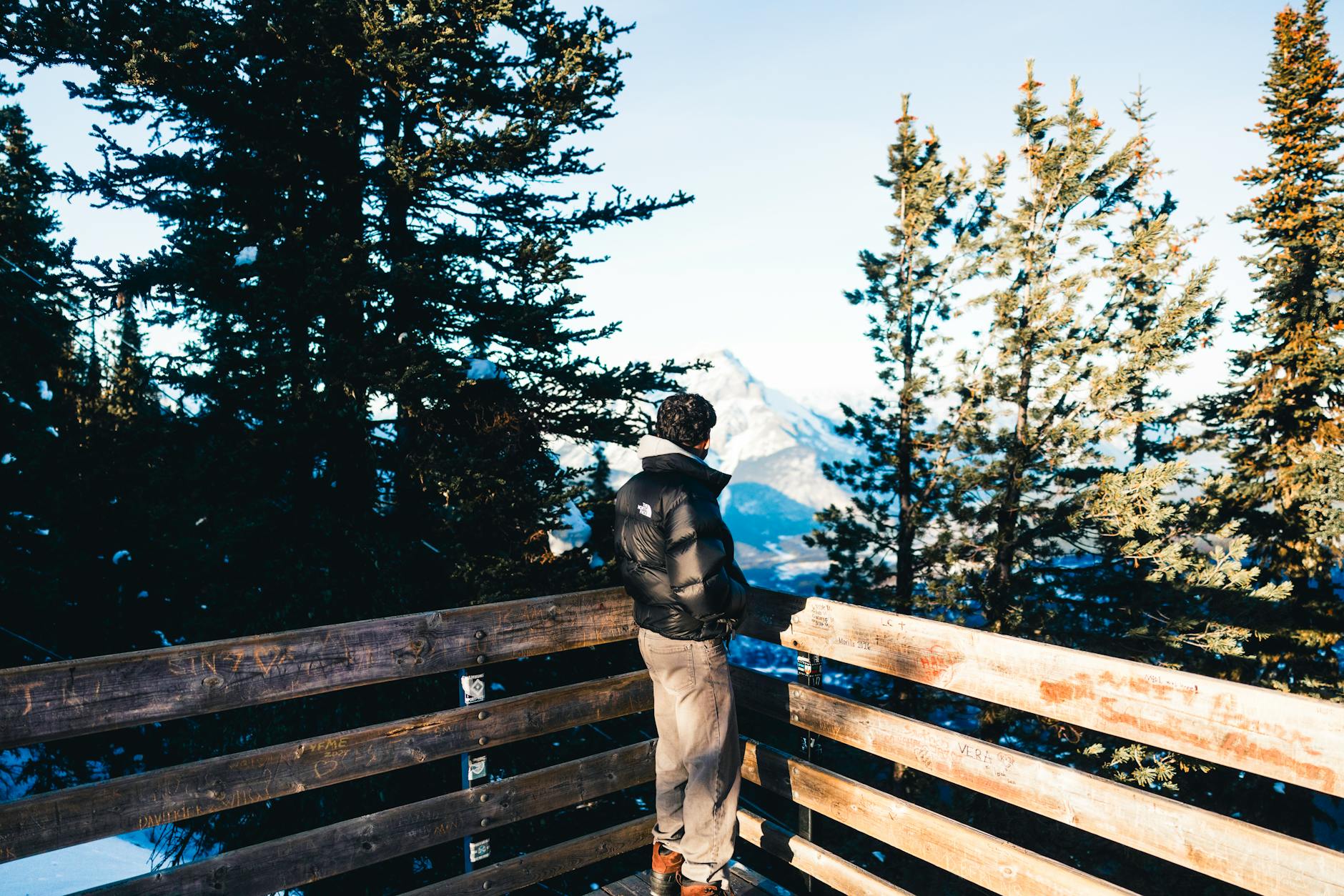
Cruise timing is unforgiving. A missed embarkation, delayed disembarkation, late train, weather-affected road, or luggage problem can turn a scenic extension into a high-stress recovery exercise. Banff should not be placed so tightly against the ship that one delay threatens the whole trip.
If Banff comes before the cruise, the traveler should build a buffer before boarding. If Banff comes after the cruise, the traveler should assume the first day may be slower than expected because of disembarkation, bags, transfers, and accumulated fatigue.
- Avoid tight same-day links between Banff logistics and ship boarding.
- Build a buffer before embarkation when Banff comes first.
- Plan a softer first mountain day after disembarkation and transfer fatigue.
Choose the right access pattern
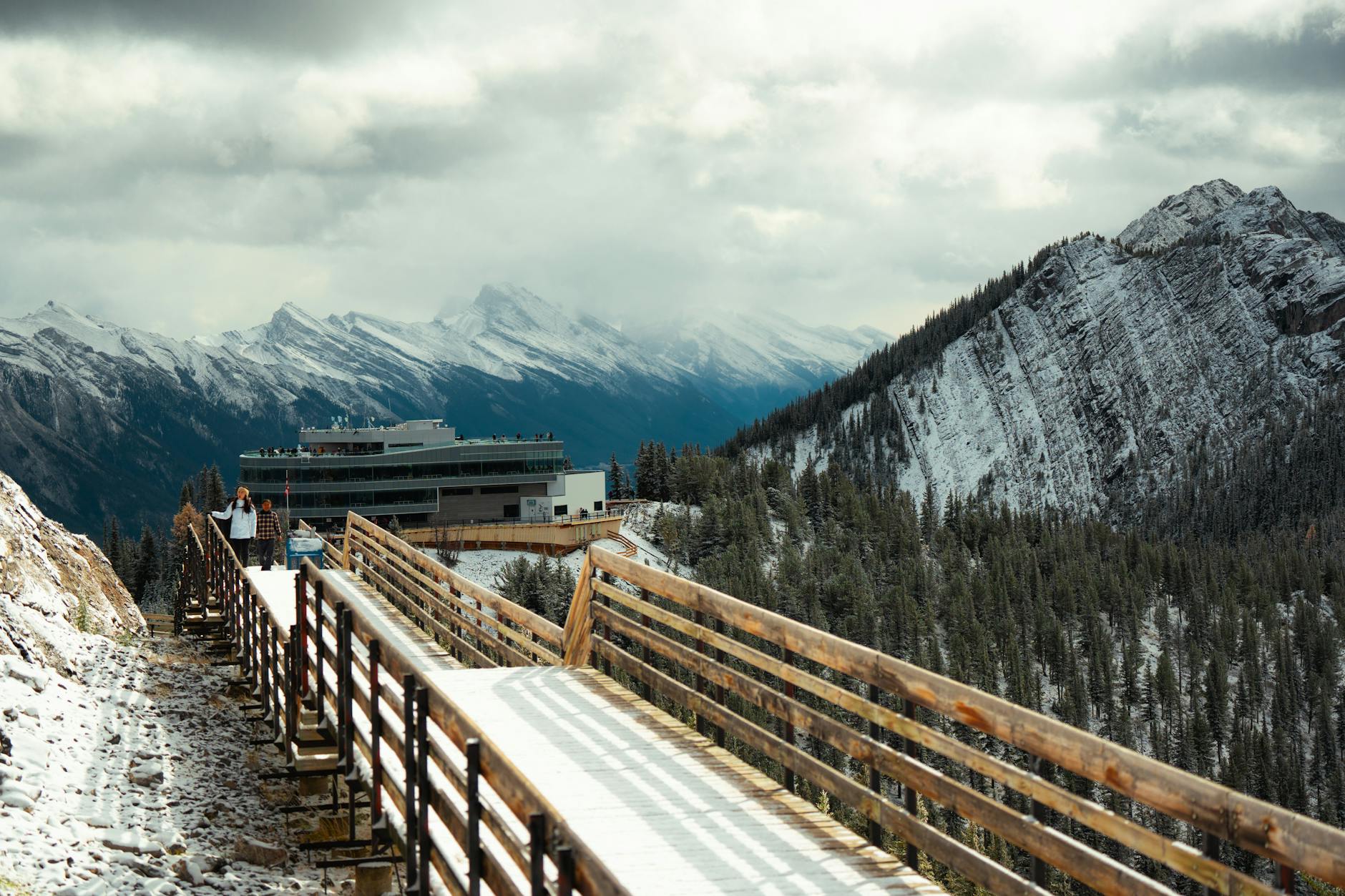
Some cruise travelers pair Banff with a rail journey, others fly to or from Calgary, and others use a coach or private transfer as part of a broader Canadian Rockies route. Each pattern has different strengths. Rail can be memorable but fixed. Calgary can be efficient but still requires a mountain transfer. Private transfers can reduce friction at a price.
The traveler should compare access by reliability, luggage burden, scenery value, schedule control, mobility needs, and how much of the trip is spent in motion. The most romantic option is not always the best operational option.
- Compare rail, Calgary flights, coach transfers, private drivers, rental cars, and packaged land extensions.
- Account for luggage, mobility, road conditions, schedule control, and scenery value.
- Choose the access pattern that protects the cruise schedule and the mountain stay.
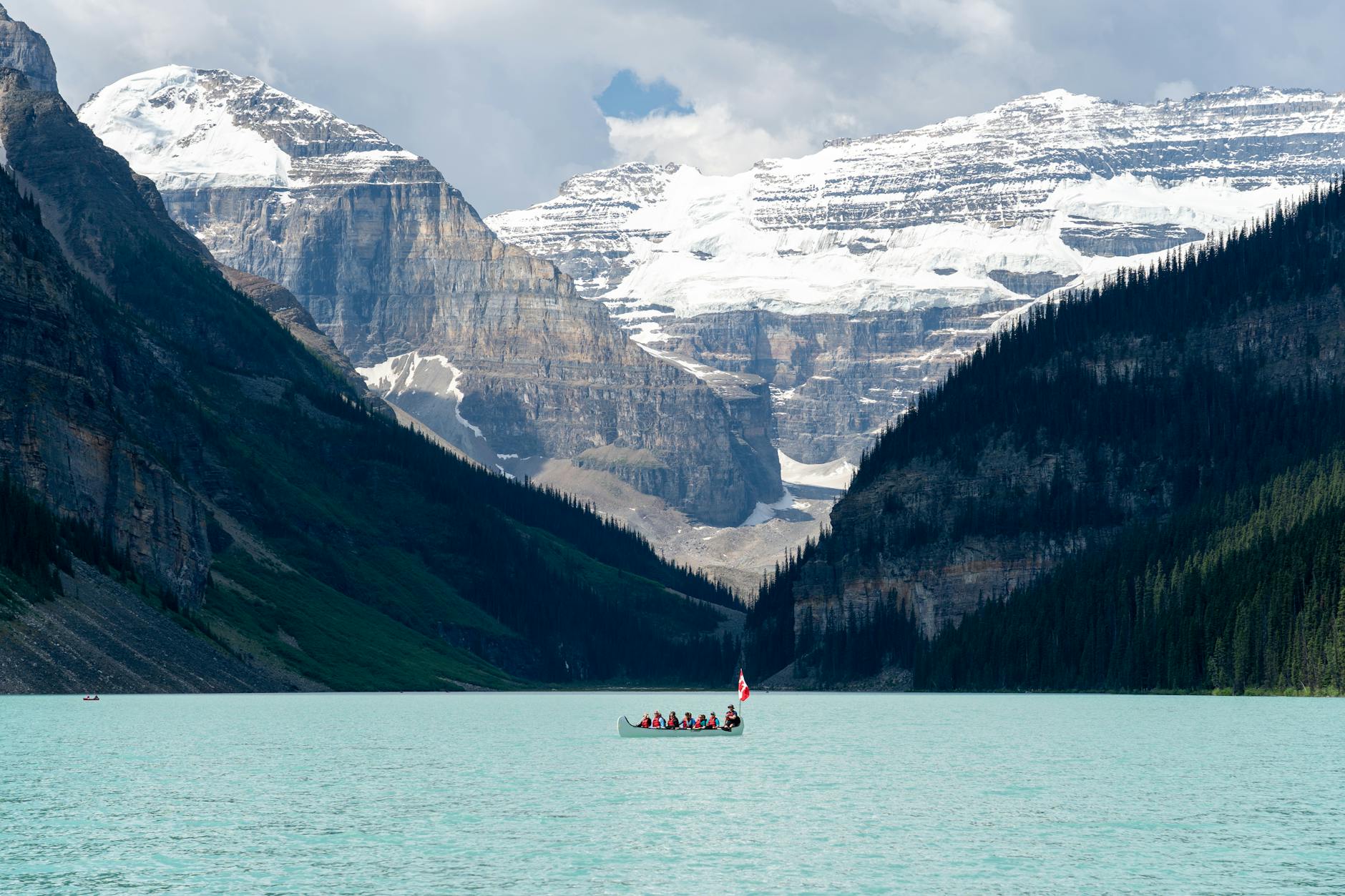
Handle luggage like a cruise traveler
Cruise luggage and mountain travel do not always fit neatly together. Formal clothes, large suitcases, medicine, electronics, weather layers, walking shoes, and souvenir purchases can make Banff transfers awkward. A lake stop, hotel change, rail segment, or winter sidewalk becomes harder with too much baggage.
The traveler should separate cruise-only items from mountain essentials and understand where bags will be stored, transferred, or handled. Critical medication, documents, chargers, and weather layers should remain accessible during every transfer.
- Separate cruise clothing from mountain layers, walking shoes, medication, and daily essentials.
- Check luggage handling for rail, coach, hotel, private transfer, and airport segments.
- Keep critical items with the traveler rather than buried in large cruise bags.
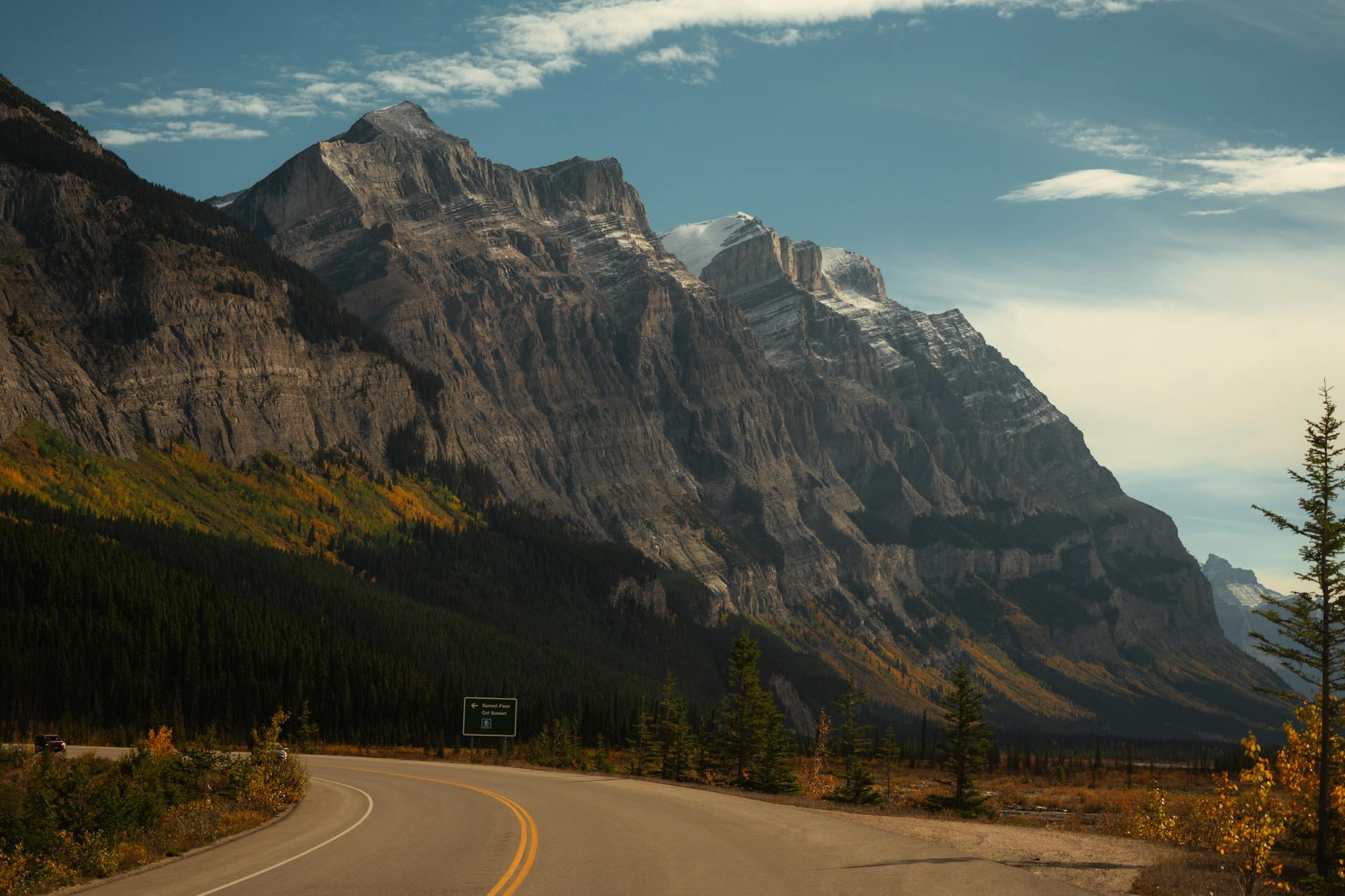
Plan lakes and viewpoints with current rules
Cruise travelers often want the classic Banff images because the extension may be short. That is understandable, but famous places can involve current shuttle rules, seasonal access, parking limits, weather, crowding, and long movement times. Lake Louise, Moraine Lake, and other high-demand areas should be checked close to travel.
A short extension usually works better with one or two strong scenic anchors and a clean backup plan. Trying to harvest every famous view can make the land portion feel like a checklist after the structure of the ship.
- Verify current access rules for famous lakes and viewpoints close to travel.
- Choose one or two scenic anchors instead of overloading the extension.
- Keep a weather and crowding backup that still feels worthwhile.
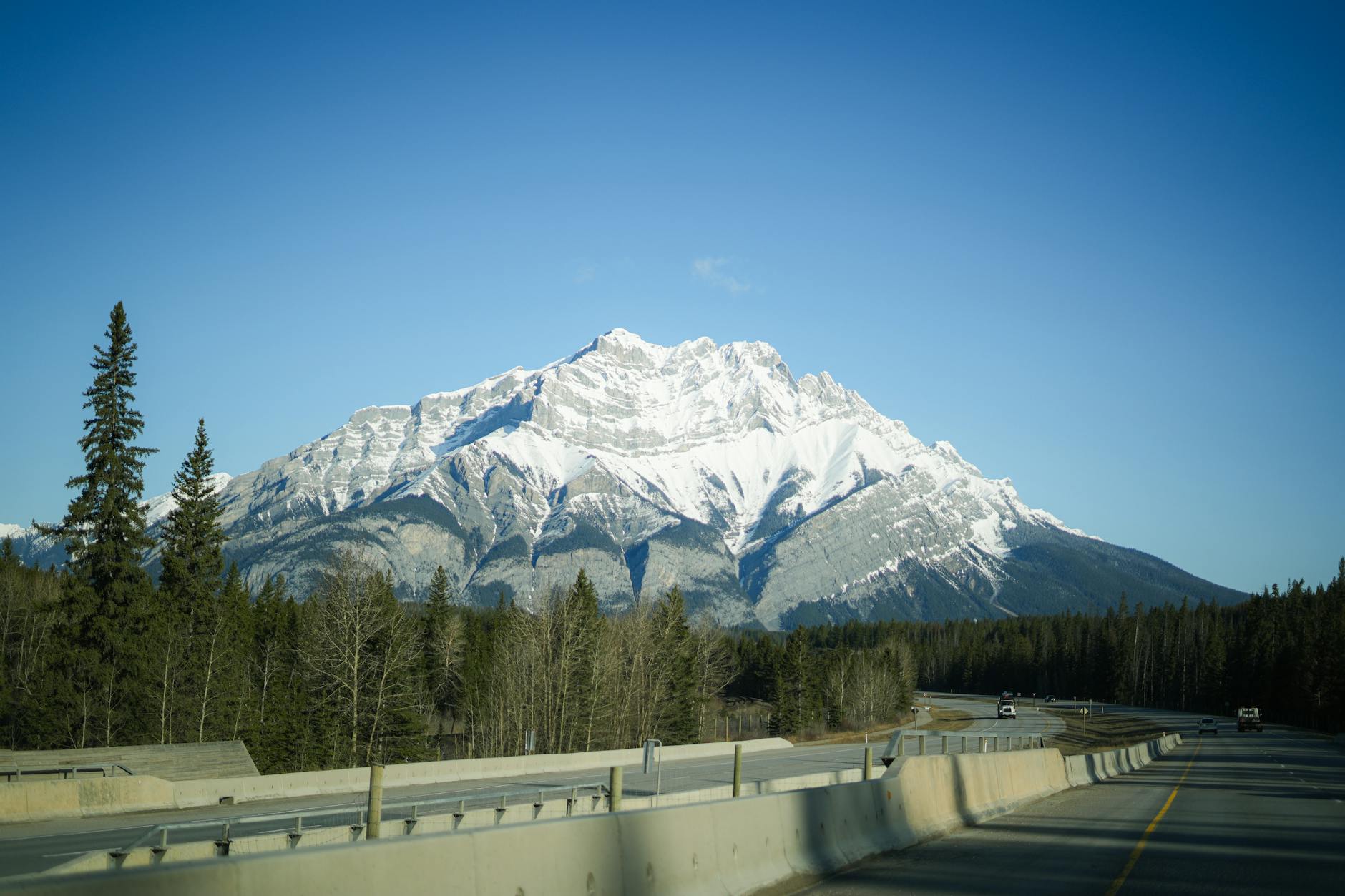
Budget for the land extension separately
Banff costs should not be hidden inside the cruise budget. Hotels, transfers, rail, meals, tips, park access, winter clothing, laundry, luggage handling, activity tickets, and airport movement can all add up quickly. A traveler who has already paid for the cruise may underestimate the land portion.
The extension should be judged on whether it meaningfully improves the trip, not whether it can be squeezed in because the traveler is already in western Canada. A shorter, better-funded Banff stay is often stronger than a thin, exhausted add-on.
- Budget separately for hotels, transfers, rail, meals, tips, luggage, activities, and weather gear.
- Do not let sunk cruise cost justify a weak mountain extension.
- Spend on timing and fit before adding more scenic movement.
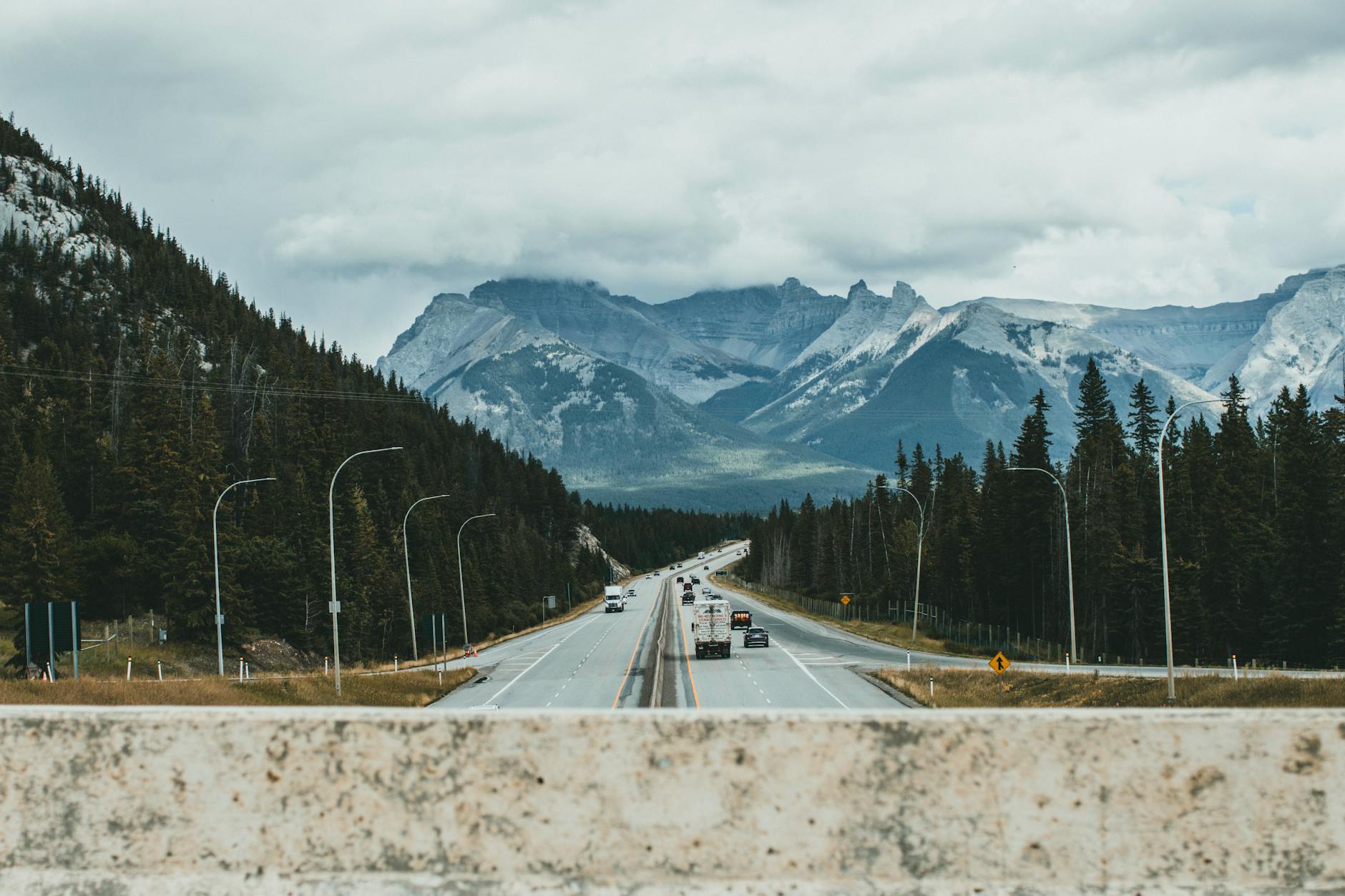
When to order a short-term travel report
A cruise traveler with a packaged land extension and generous timing may not need a custom Banff report. A report becomes useful when the traveler is self-connecting, adding Banff before embarkation, managing older travelers, carrying heavy cruise luggage, traveling in winter, using rail or private transfers, or trying to decide whether the mountain add-on is worth the cost.
The report should test cruise timing, Calgary or Vancouver access, rail and road segments, luggage, hotel nights, scenic priorities, current lake rules, weather, mobility, budget, recovery, and what to cut. The value is a Banff extension that complements the cruise instead of endangering it.
- Order when embarkation timing, land transfers, luggage, weather, mobility, or scenic priorities need testing.
- Provide cruise dates, ports, flight plans, rail or transfer ideas, luggage profile, hotels, mobility needs, and budget.
- Use the report to decide whether Banff should be added, shortened, buffered, or skipped.