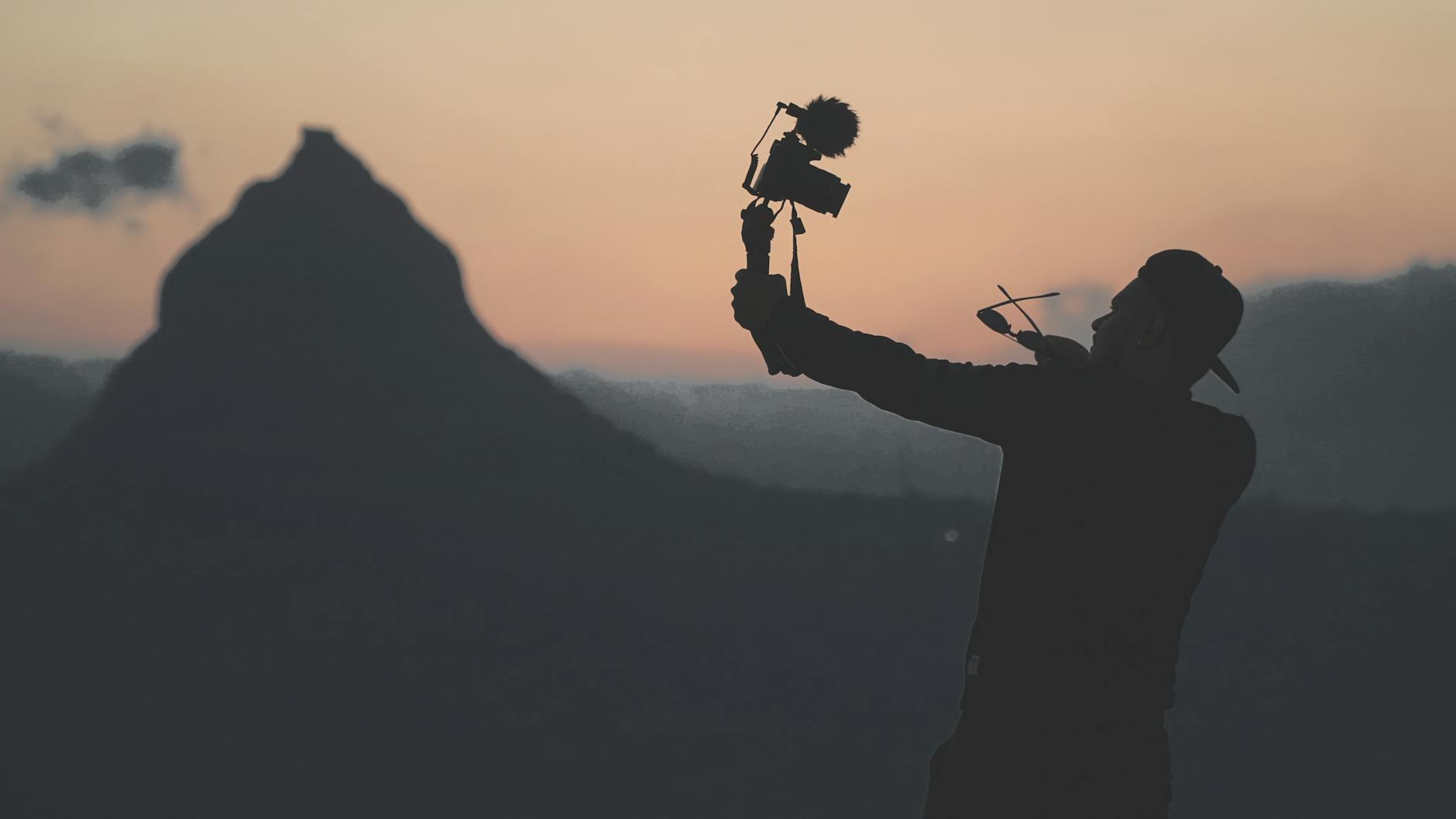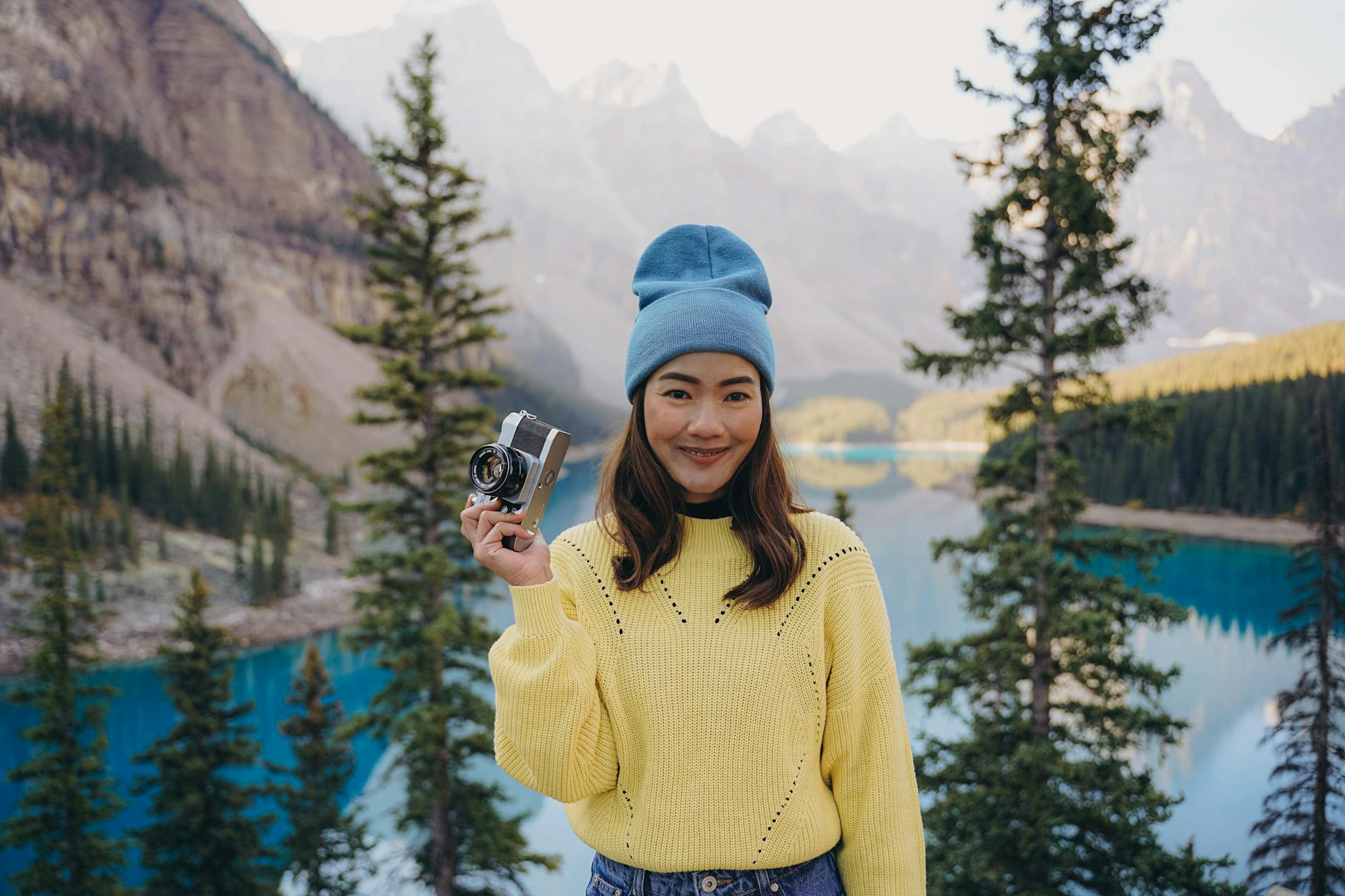
Banff is attractive to content creators because the visual material is immediate: lakes, peaks, roads, snow, lodges, town scenes, and outdoor movement. That does not make the trip easy. A short production visit can fail if the creator chases famous shots without understanding access rules, weather, permits, crowds, wildlife expectations, or the work needed after the camera is put away. A content creator should treat Banff as a production environment with responsibilities attached. The strongest trip starts with a clear brief, verifies current rules, protects gear and timing, respects the destination, and leaves space for editing rather than assuming the landscape will do all the work.
Define the content brief before chasing views
A Banff content trip may be for a brand partnership, travel guide, hotel feature, outdoor gear shoot, itinerary series, short-form video, photography portfolio, destination review, or personal audience growth. Each purpose requires different shot lists, permissions, timing, disclosure, and editing scope.
The creator should know what content must be delivered, what format it needs, what claims can be made, and what the audience is supposed to learn or do. Without that brief, the trip can become a collection of pretty clips that do not convert into useful work.
- Define deliverables, platforms, aspect ratios, disclosure rules, shot list, audience purpose, and approval deadlines.
- Separate brand work, travel guidance, hotel coverage, outdoor gear, and personal content because each needs different planning.
- Do not assume famous scenery will solve a weak creative brief.
Protect access, permits, and current rules
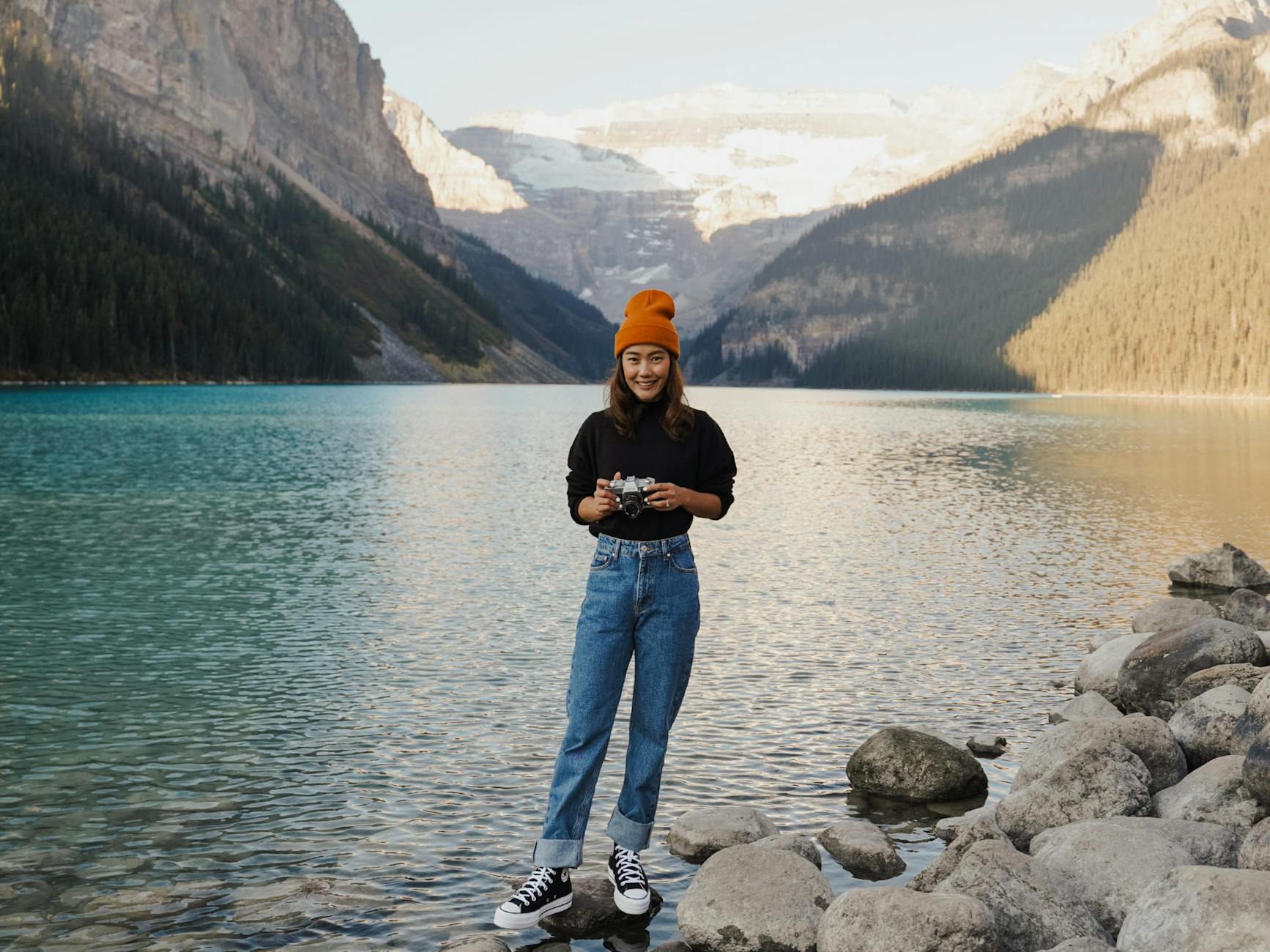
Banff content planning should not rely on old parking, shuttle, lake, drone, filming, or commercial-use assumptions. Popular locations can have current access rules, seasonal restrictions, crowd controls, safety expectations, and rules for professional activity. Lake Louise, Moraine Lake, and other high-demand areas should be checked close to travel.
The creator should know whether the work is casual personal content, paid brand work, editorial work, or a commercial shoot. That distinction can affect permits, permissions, insurance, property access, and what the creator may promise to a sponsor.
- Verify current access rules, shuttle requirements, parking limits, seasonal restrictions, and filming rules.
- Check whether paid or sponsored work changes permit, insurance, location, or property permission needs.
- Avoid promising a sponsor shots from locations that may not be accessible on the travel dates.
Plan equipment around mountain conditions
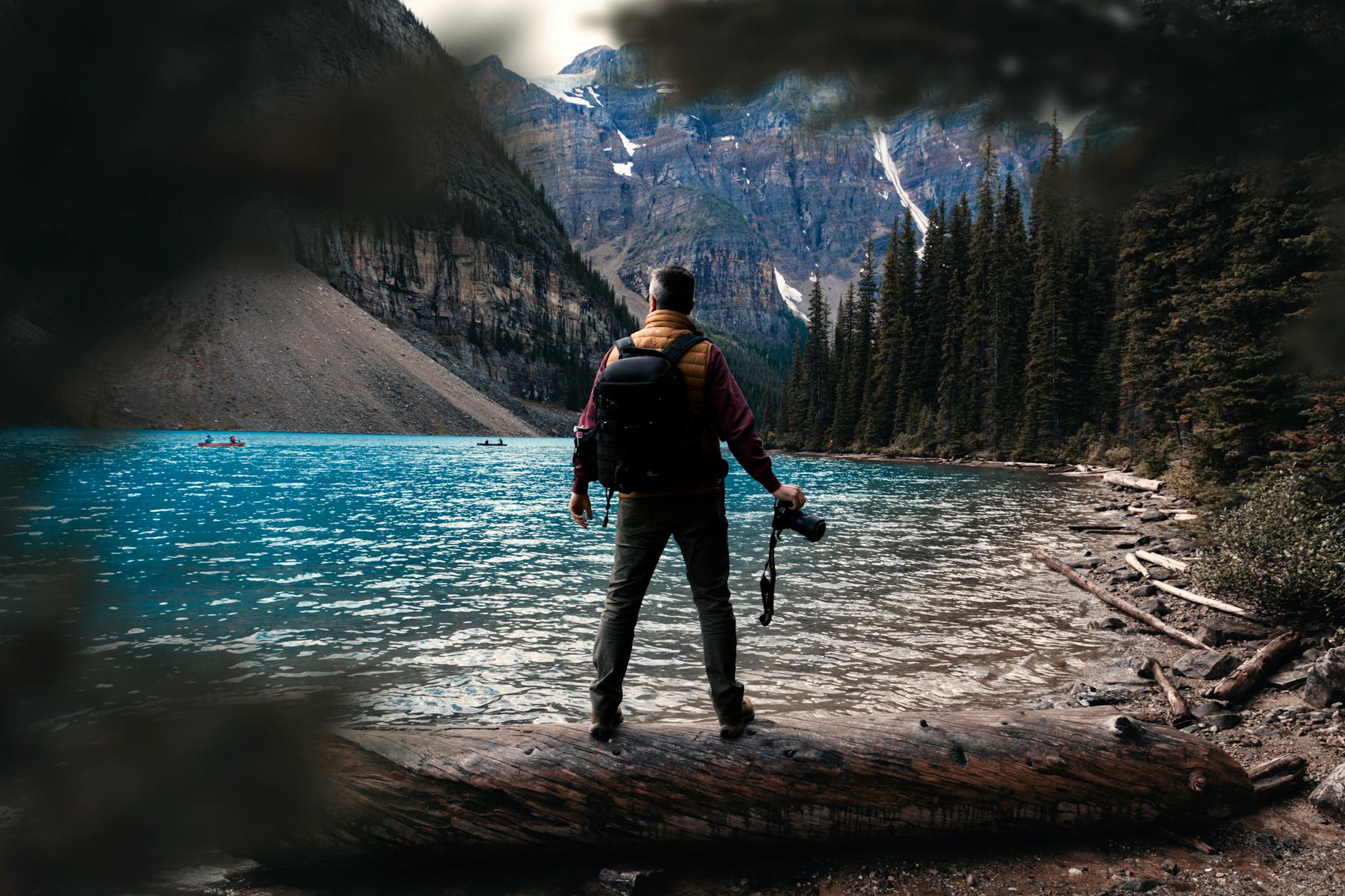
A content creator in Banff may move between cold mornings, wet trails, bright snow, crowded viewpoints, hotels, vehicles, and indoor editing. Camera bodies, phones, microphones, batteries, gimbals, tripods, chargers, memory cards, lenses, filters, hard drives, and weather covers should be planned for the actual conditions.
Batteries drain faster in cold weather, audio can be compromised by wind, and delicate gear can be awkward on icy paths. The best gear plan is not the biggest kit. It is the kit that can be carried, protected, and used safely.
- Pack for cold, wind, rain, snow glare, wet ground, crowded areas, and indoor editing needs.
- Bring backups for batteries, storage, chargers, cables, audio, and weather protection.
- Choose a kit that can be carried safely on winter surfaces or uneven outdoor routes.
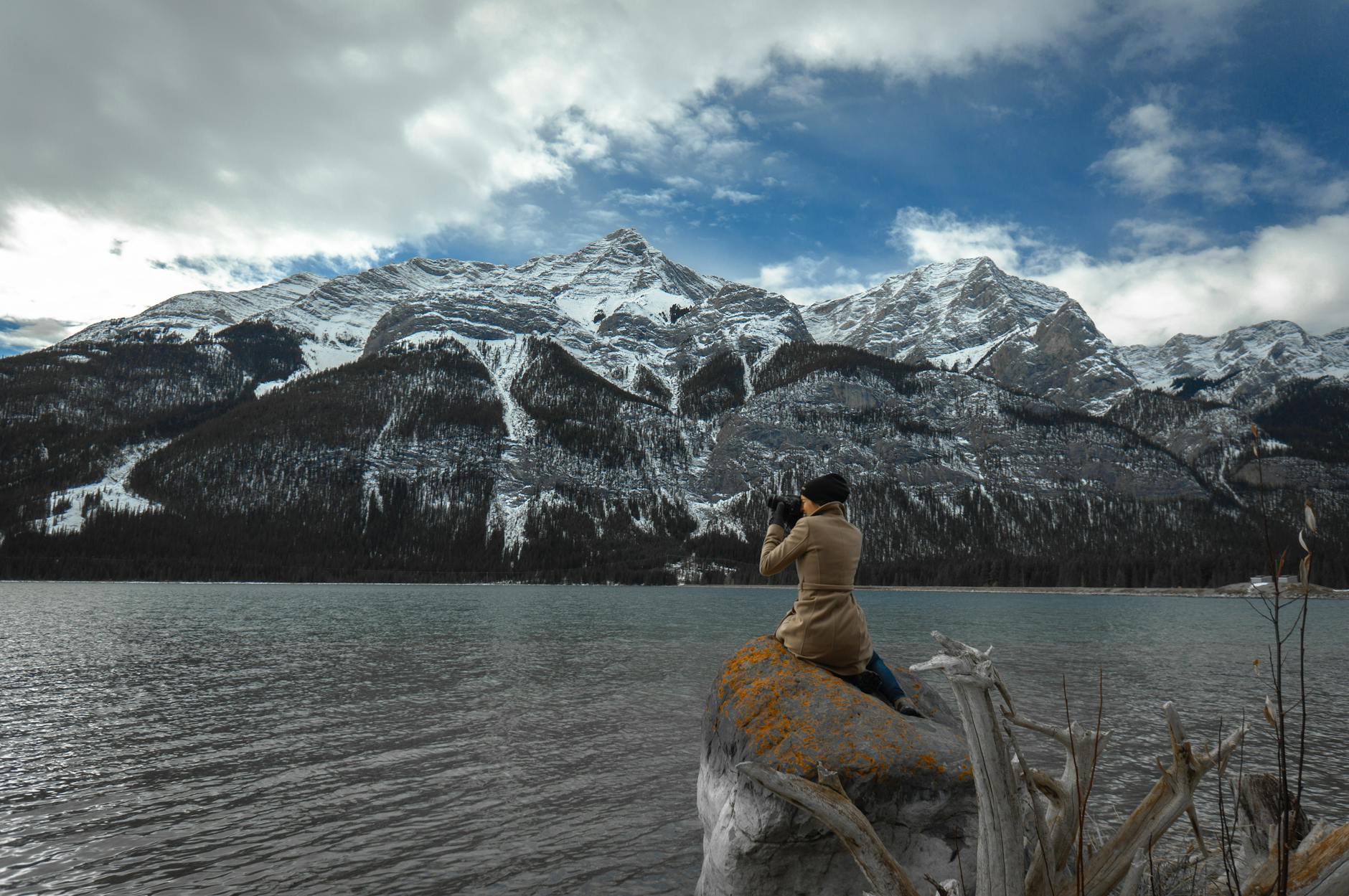
Choose lodging and route timing for production
Lodging affects production more than many creators expect. A base in Banff town may help with food, transit, weather pivots, and editing. A scenic property may support branded content or quieter shooting. A cheaper distant base may erase savings through transfer time, fatigue, and missed light.
The creator should map sunrise or early light, shuttle timing, meals, rest, backup locations, file backup, and editing blocks. A short Banff trip can produce stronger content when the route is designed around realistic production windows rather than a long wish list.
- Match lodging to shot locations, meals, shuttles, weather pivots, editing time, and recovery.
- Plan realistic production windows for early light, crowds, transit, food, and file backup.
- Use a cut list so the trip does not collapse under too many locations.
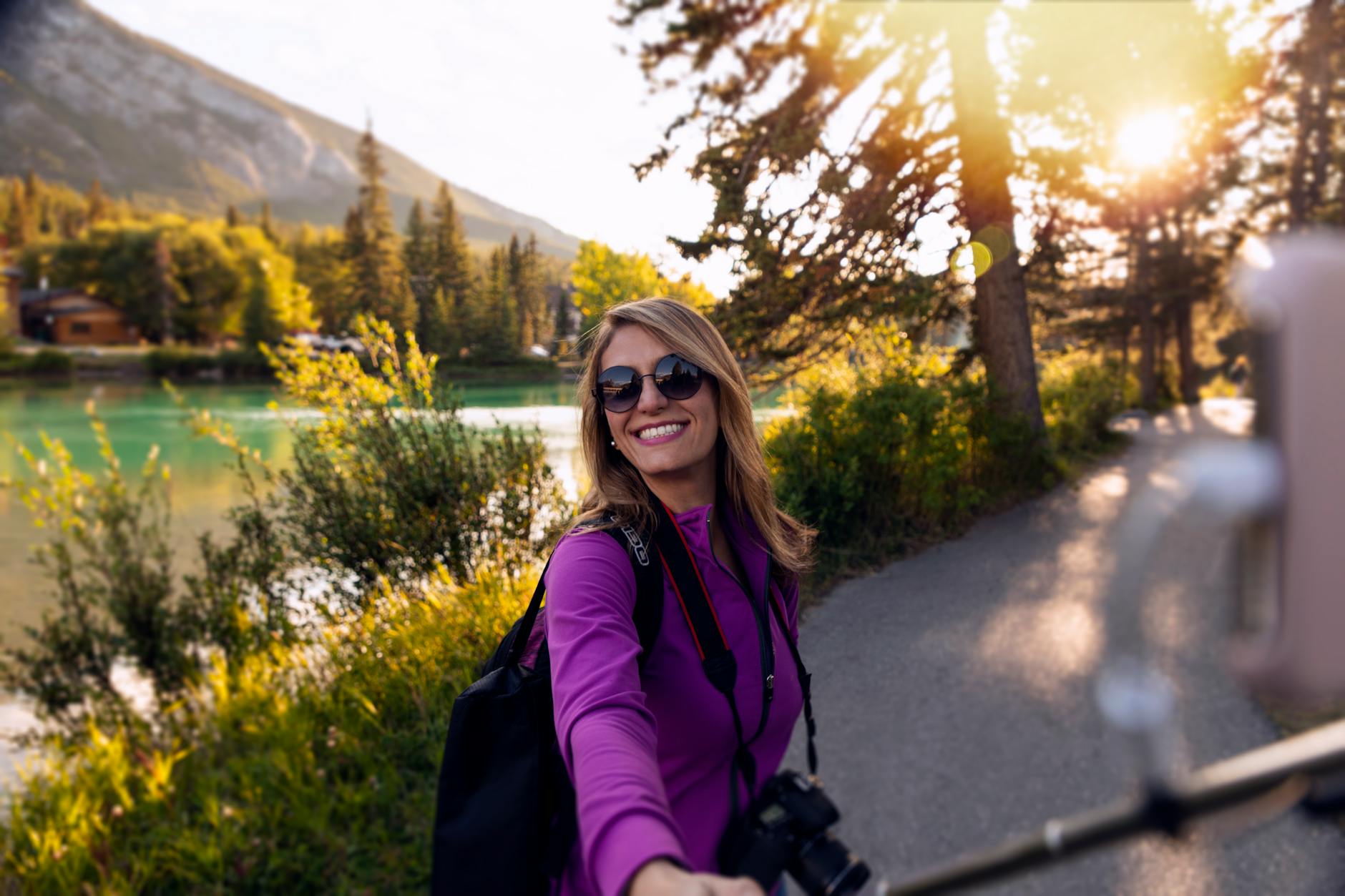
Respect crowds, wildlife, and local context
Content creation in Banff has ethical stakes because creator behavior can influence other visitors. Blocking trails, approaching wildlife, standing in unsafe places, staging risky shots, ignoring signs, or treating local staff as props can damage both the destination and the creator's credibility.
The creator should plan compositions that work within rules and respect people who live, work, and travel there. It is possible to make strong content without encouraging fragile, crowded, or unsafe behavior.
- Do not block trails, pressure wildlife, trespass, ignore signs, or stage unsafe behavior for content.
- Ask permission before featuring workers, guests, private property, or recognizable people.
- Include practical context so followers do not copy unrealistic access or timing assumptions.
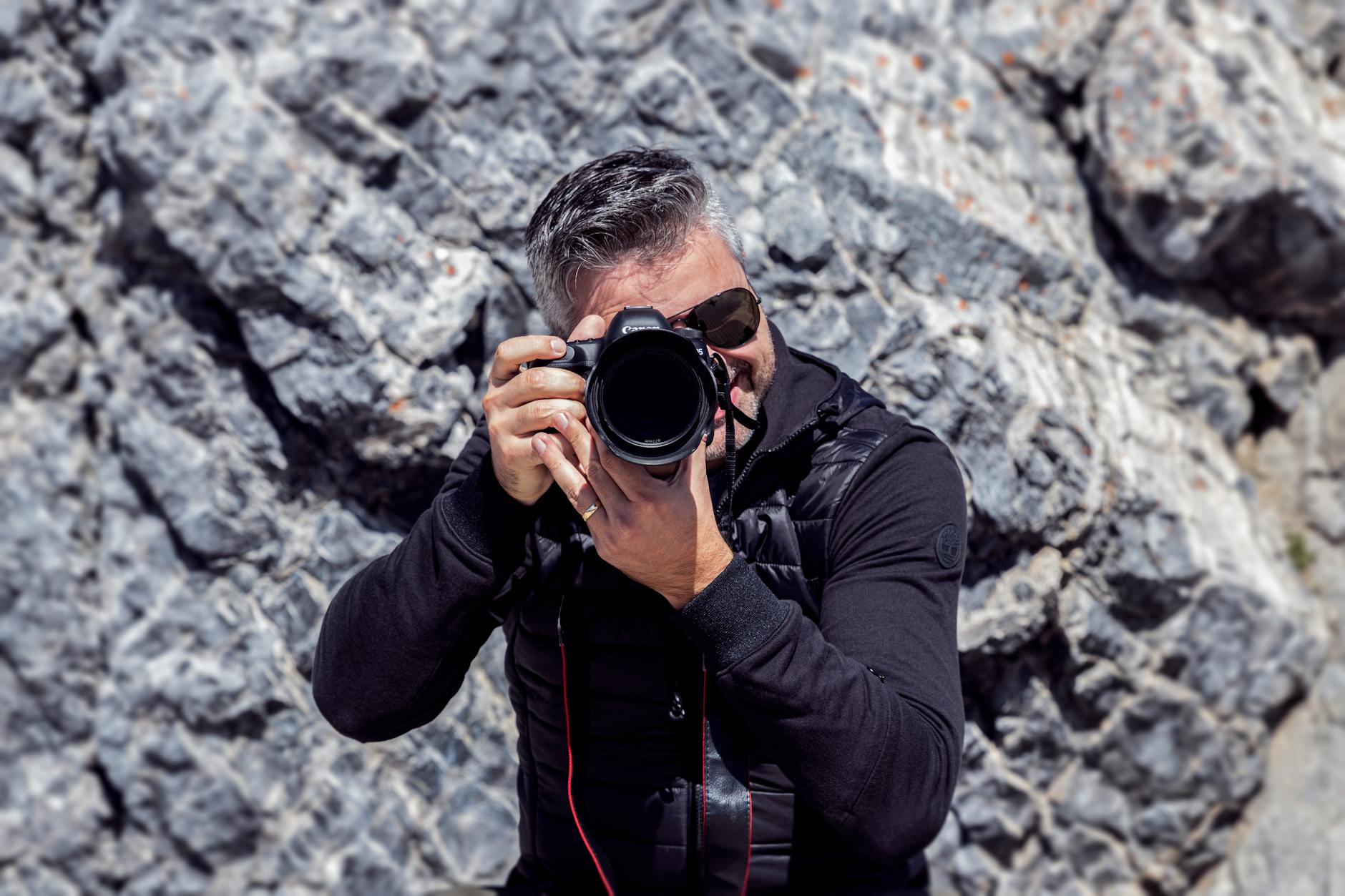
Budget for editing, meals, and recovery
A Banff creator trip can become expensive through lodging, car rental or shuttles, meals, gear, baggage fees, permits, insurance, activity costs, and backup purchases. The budget should include the unseen production work as well: editing time, uploads, captioning, approvals, revisions, and file storage.
Recovery is part of the work. A creator who shoots every daylight hour and edits late into the night may leave with more footage than judgment. The itinerary should reserve time to review what has actually been captured before it is too late to fill gaps.
- Budget for lodging, meals, transit, permits, gear, baggage, insurance, uploads, and backup purchases.
- Reserve editing, file backup, captioning, review, and sponsor approval time.
- Check content gaps during the trip instead of discovering them after leaving Banff.
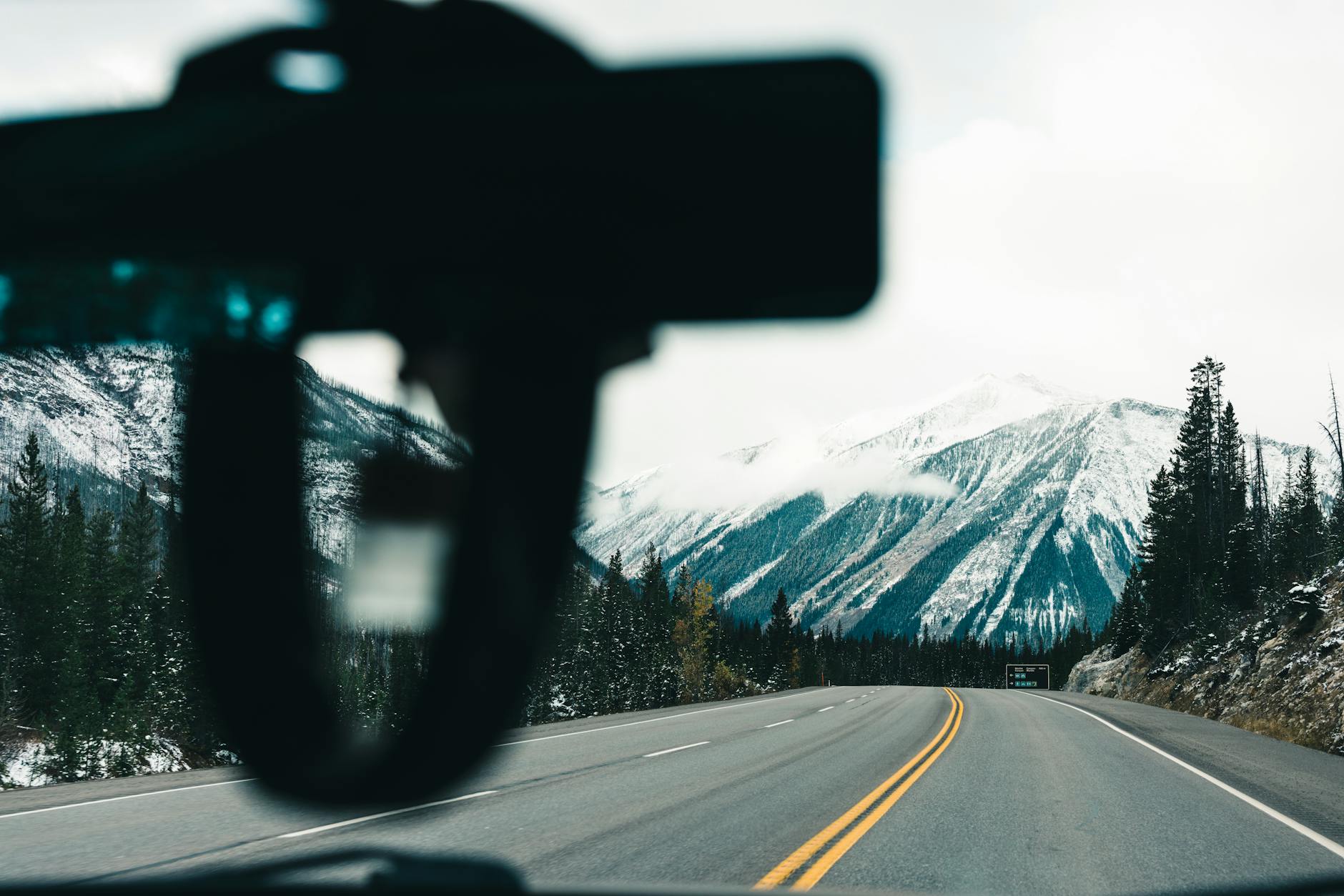
When to order a short-term travel report
A content creator with a casual personal trip, flexible timing, and no sponsor obligations may not need a custom Banff report. A report becomes useful when the trip involves paid deliverables, current access uncertainty, winter weather, multiple locations, limited lodging, equipment risk, permits, tight publishing deadlines, or a need to keep the content accurate and responsible.
The report should test access, permits, shot list, lodging, route timing, weather, gear, crowds, wildlife rules, editing time, budget, contingencies, and what to cut. The value is a Banff content trip that produces strong material without relying on luck or irresponsible shortcuts.
- Order when access, permits, weather, sponsor deliverables, gear, lodging, or editing windows need testing.
- Provide dates, brief, shot list, platforms, sponsor obligations, equipment, lodging options, budget, and constraints.
- Use the report to make the production plan realistic, ethical, and useful.